The cockchafers, more familiarly known as maybugs, are out and about early this year.
Continue reading “Cockchafer”Cockchafer
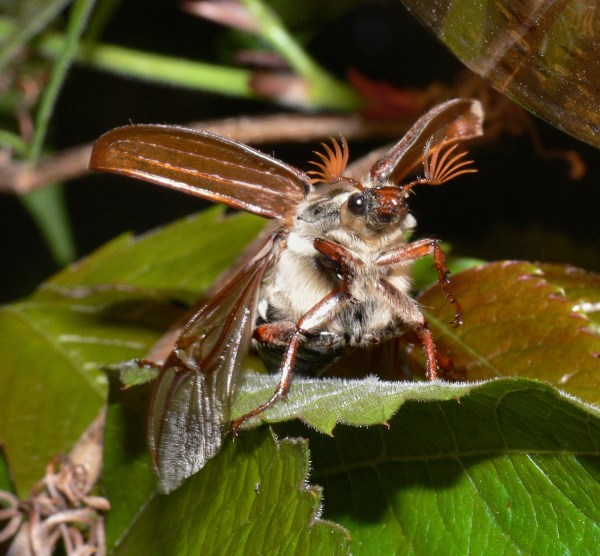
The cockchafers, more familiarly known as maybugs, are out and about early this year.
Continue reading “Cockchafer”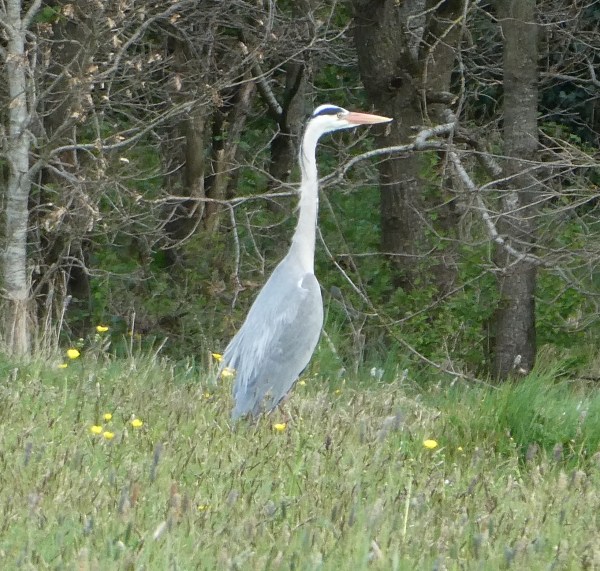
Email from Clive Knight – Mon 25/04/2022 21:32
Continue reading “Grey Heron”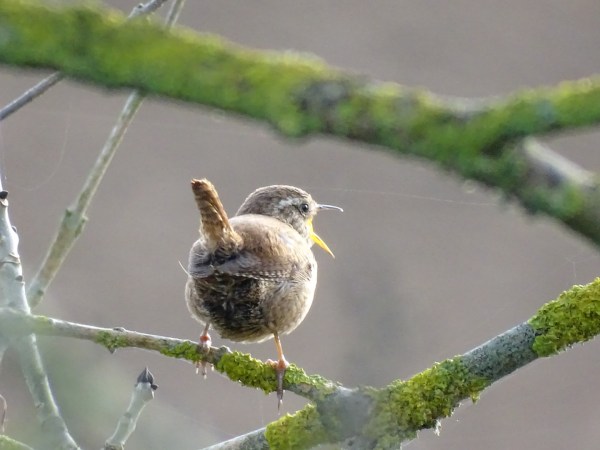
The Eurasian wren (Troglodytes troglodytes) is tiny, only the goldcrest and the firecrest are smaller among British birds, but it has an enormous voice, apparently ten times louder, weight for weight, than a cockerel.
Audio: Eurasian Wren (Troglodytes troglodytes) by Lars Edenius from xeno canto.org
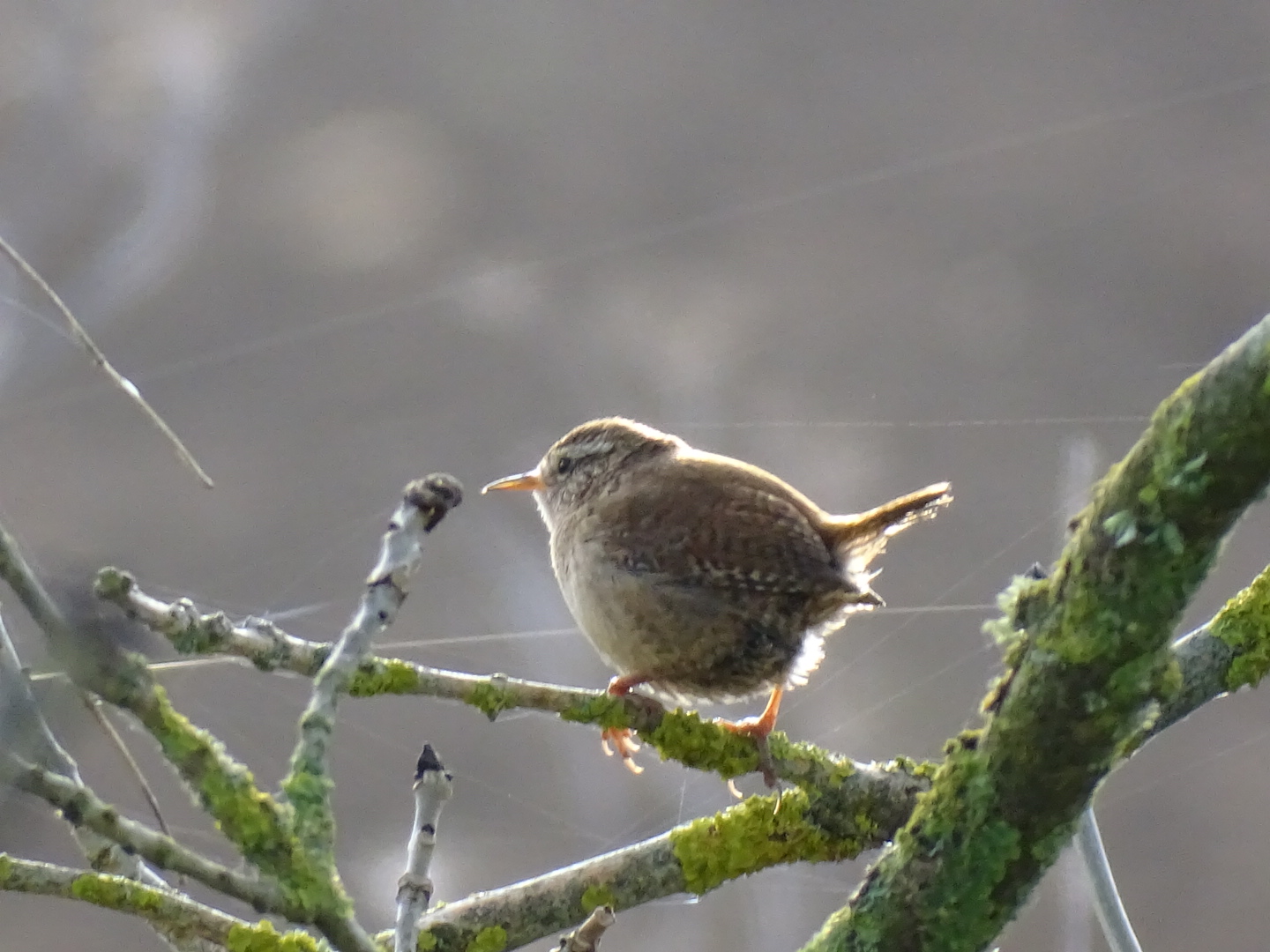
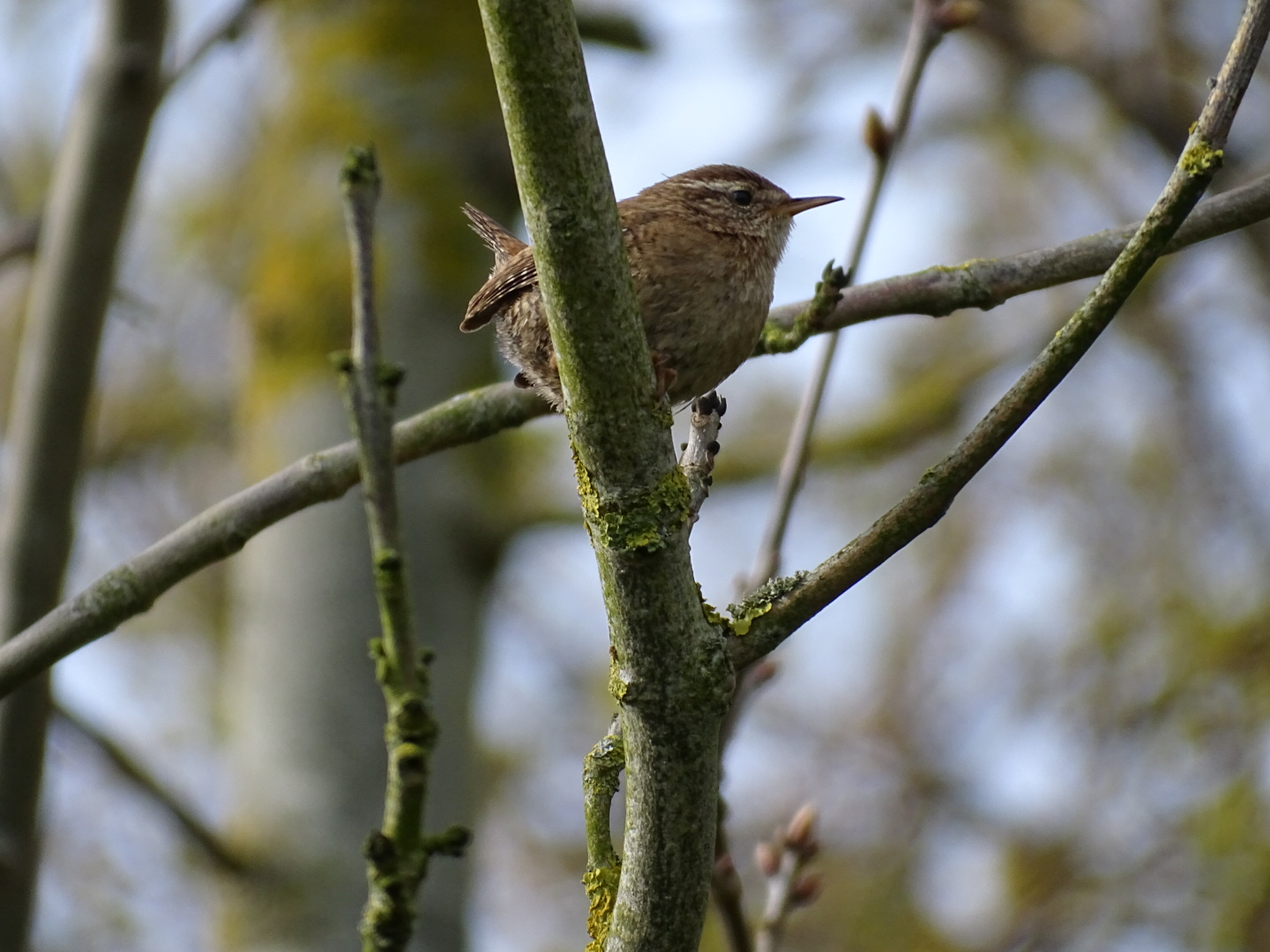
Images: taken in the reserve by Cheryl Cronnie


A Eurasian blackcap (Sylvia atricapilla) photographed in the reserve last week by Cheryl Cronnie.

Audio by David Bissett from xeno-canto.org

There are, as far as we know, two wild or feral honey bee (Apis mellifera) colonies in the reserve. The first, photographed here by wildlife photographer Simon Knight, is in the old ash tree at Fiveways and the second is in the oak alongside the central path, between the Lone Oak and the decorated bridge.
Continue reading “Feral bees”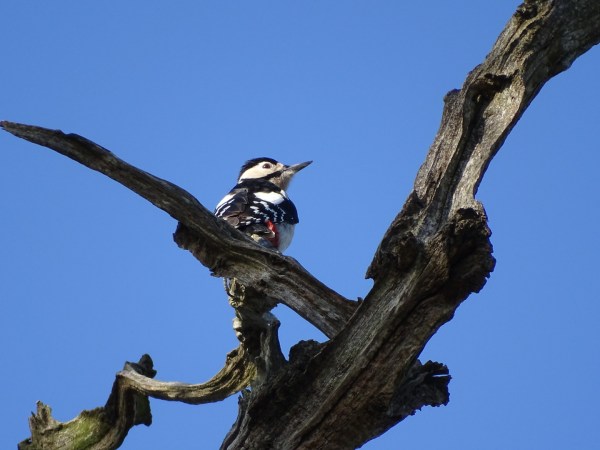
One of the reserve’s greater spotted woodpeckers (Dendrocopos major) photographed by Cheryl Cronnie.
A Sunday Stroll
by Ian Bushell
As it was so pleasant, we thought we would take a gentle Sunday afternoon stroll.
Continue reading

The ladybirds are leaving hibernation.
First published April 2020
Continue reading “Sixteen spot ladybird”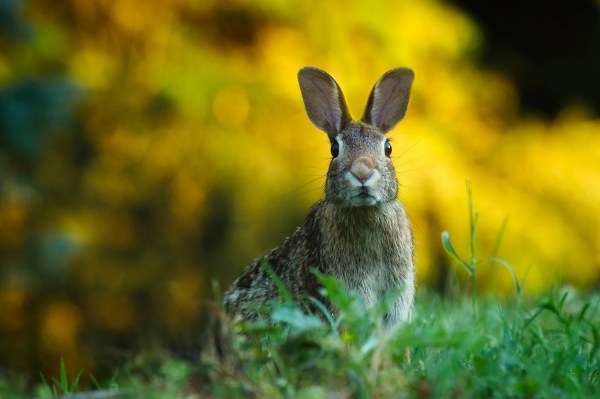
For decades there has been a rabbit warren in the hedge between Sleepers Field and Cornfield, in the stretch from the picnic place to Puddle Corner. Here’s a video that shows how astonishingly complex such a warren can be.
Header image: rabbit (CC0) from pixabay.com
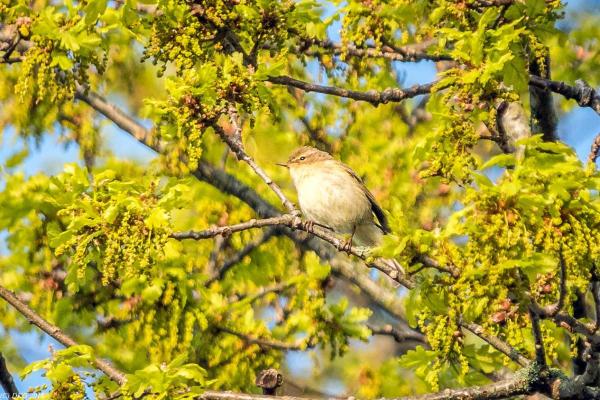
Every spring our readers report the arrival in the park of a small grey green bird with a pale eyestripe and cream underparts. This is either a chiffchaff or a willow warbler and it’s very hard to tell the difference.
Continue reading “Chiffchaff or willow warbler”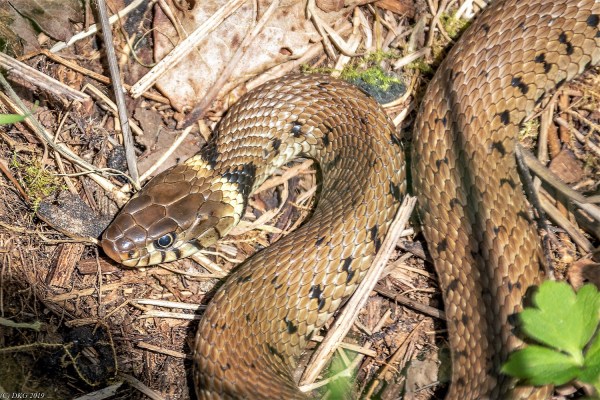
Our lists include three species of reptile: slow worm (Anguis fragilis), grass snake (Natrix helvetia) and adder (Vipera berus).
Continue reading “Reptilia”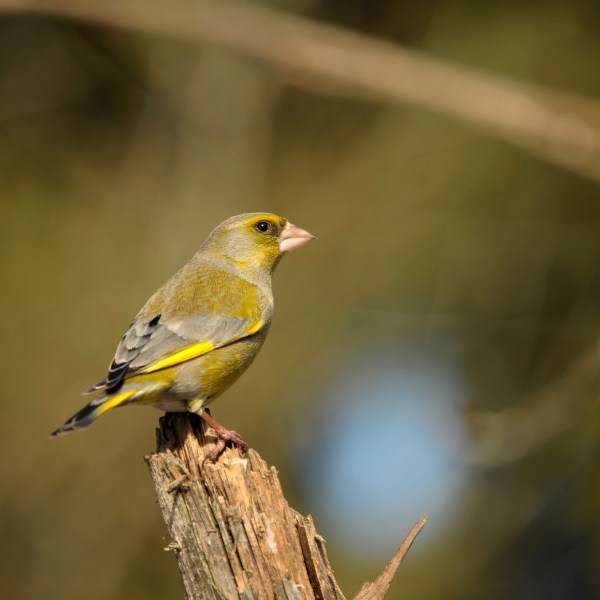
The latest results from the RSPB’s Big Garden Birdwatch are in and there is good news: greenfinch numbers are up.
Continue reading “Good news”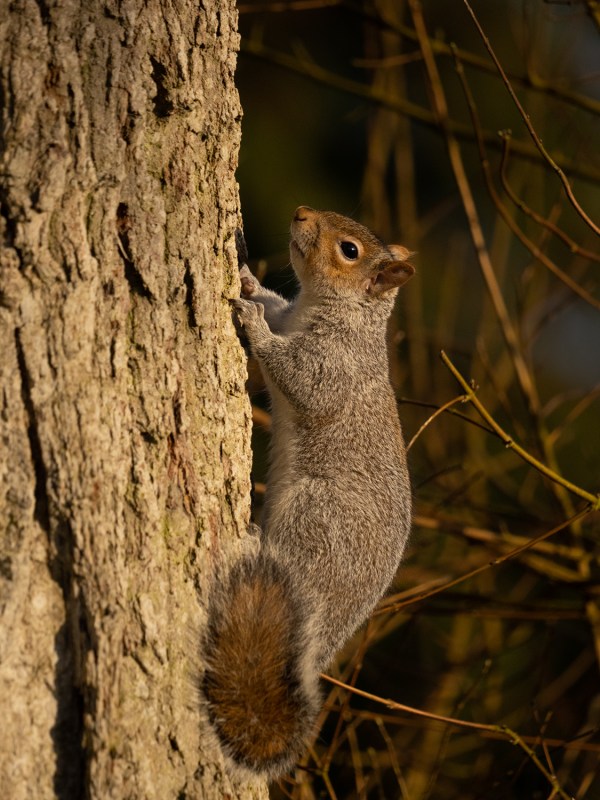
We know they are an invasive alien species that inflicts terrible damage on our trees every year – but they are also much loved, long term park residents.


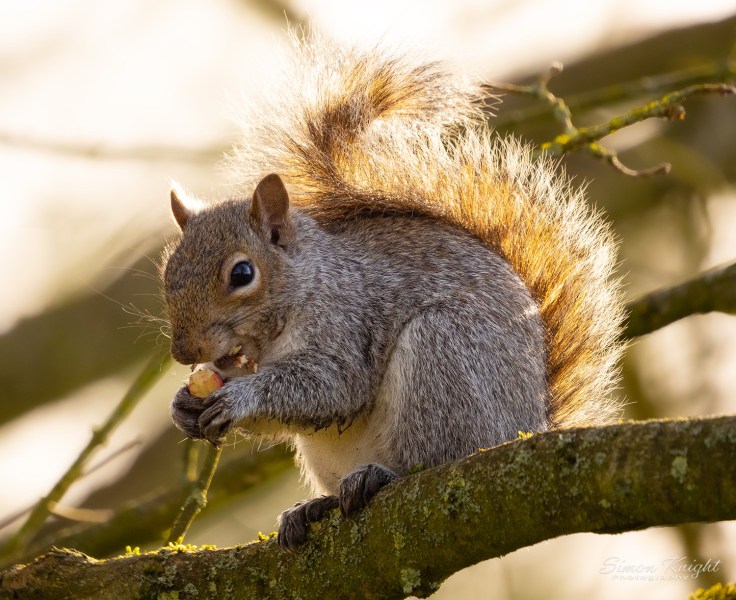
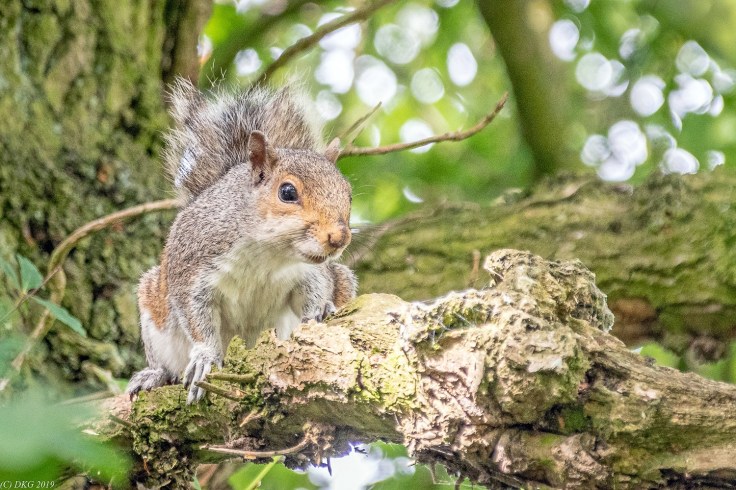

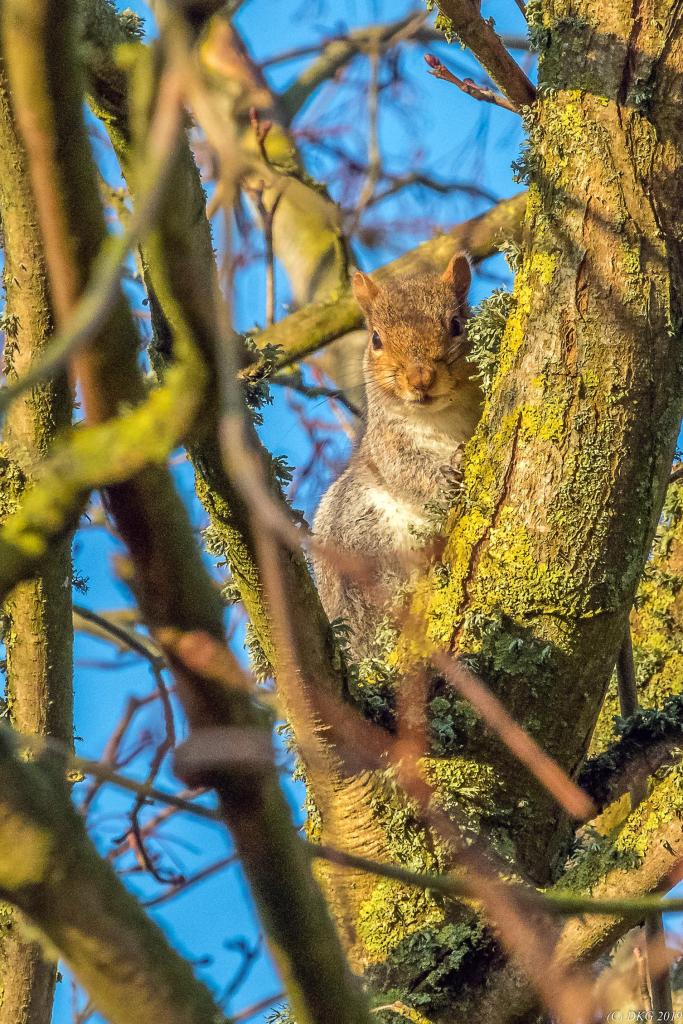
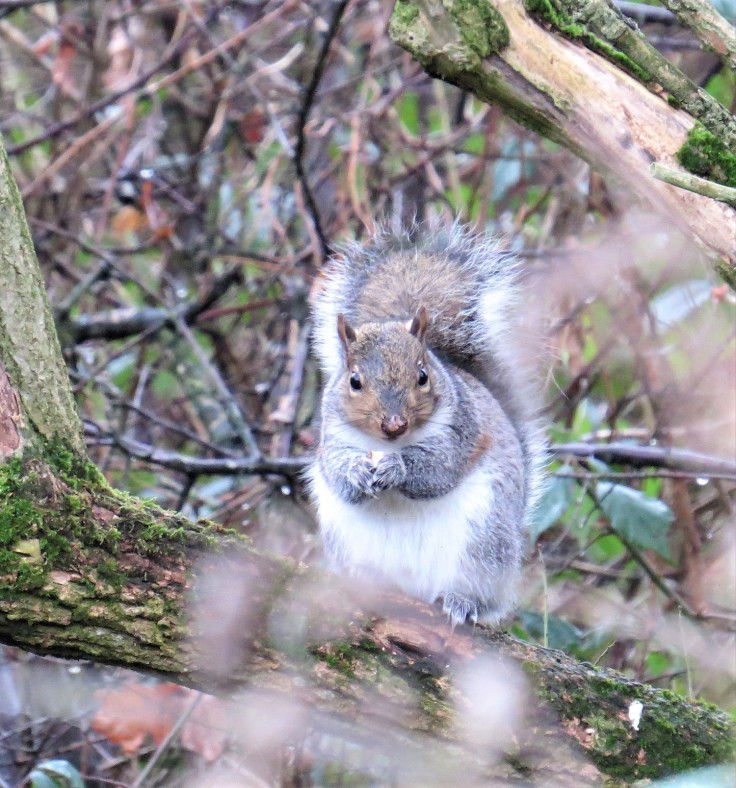

Header picture by Simon Knight


We have been working with Wiltshire Wildlife Trust’s Water Team to establish great crested newt habitat in the reserve. Here is a video of what we hope might be happening somewhere in one of our ponds.

Bullfinches are regular visitors to the park. Despite the male’s glorious colouring, they are quiet, retiring types, rarely seen. DKG took this picture in April 2019 early one Saturday morning when the park was pretty much empty of visitors.
Continue reading “Bullfinch”
At this time of year, the reserve’s blue tits are building nests in holes in our old trees. The ash tree at Fiveways harbours a nest every year and the fenced oak near the bottom of the Arboretum seems to have attracted more than one pair already.
Here is a video of a female blue tit building a nest while, outside, the male guards the site from marauders and thieves.
Video from The Nest Box
Header picture by Simon Knight
Butterflies
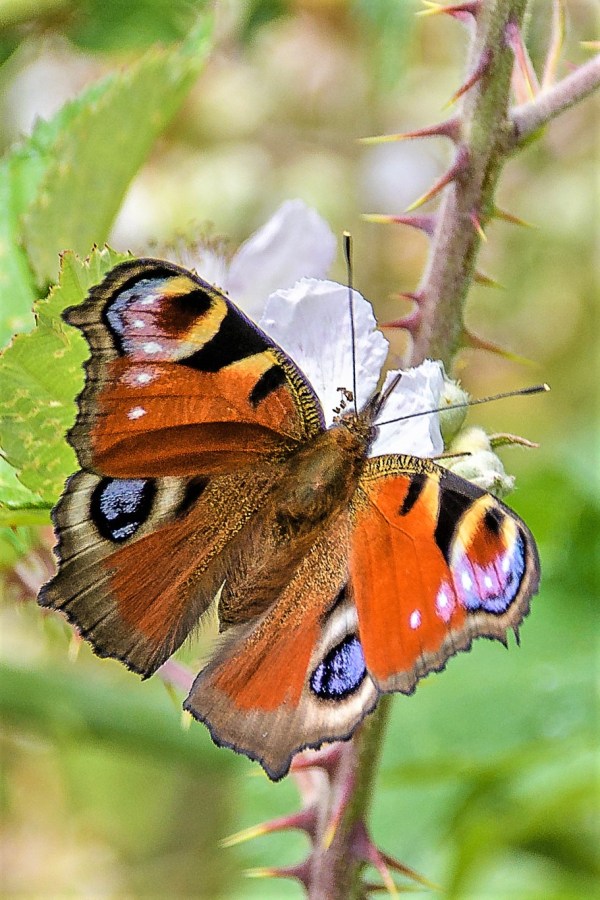
The spring weather has brought our butterflies out of hibernation. On Wednesday, Ian reported a peacock, brimstones, commas and a small tortoiseshell.


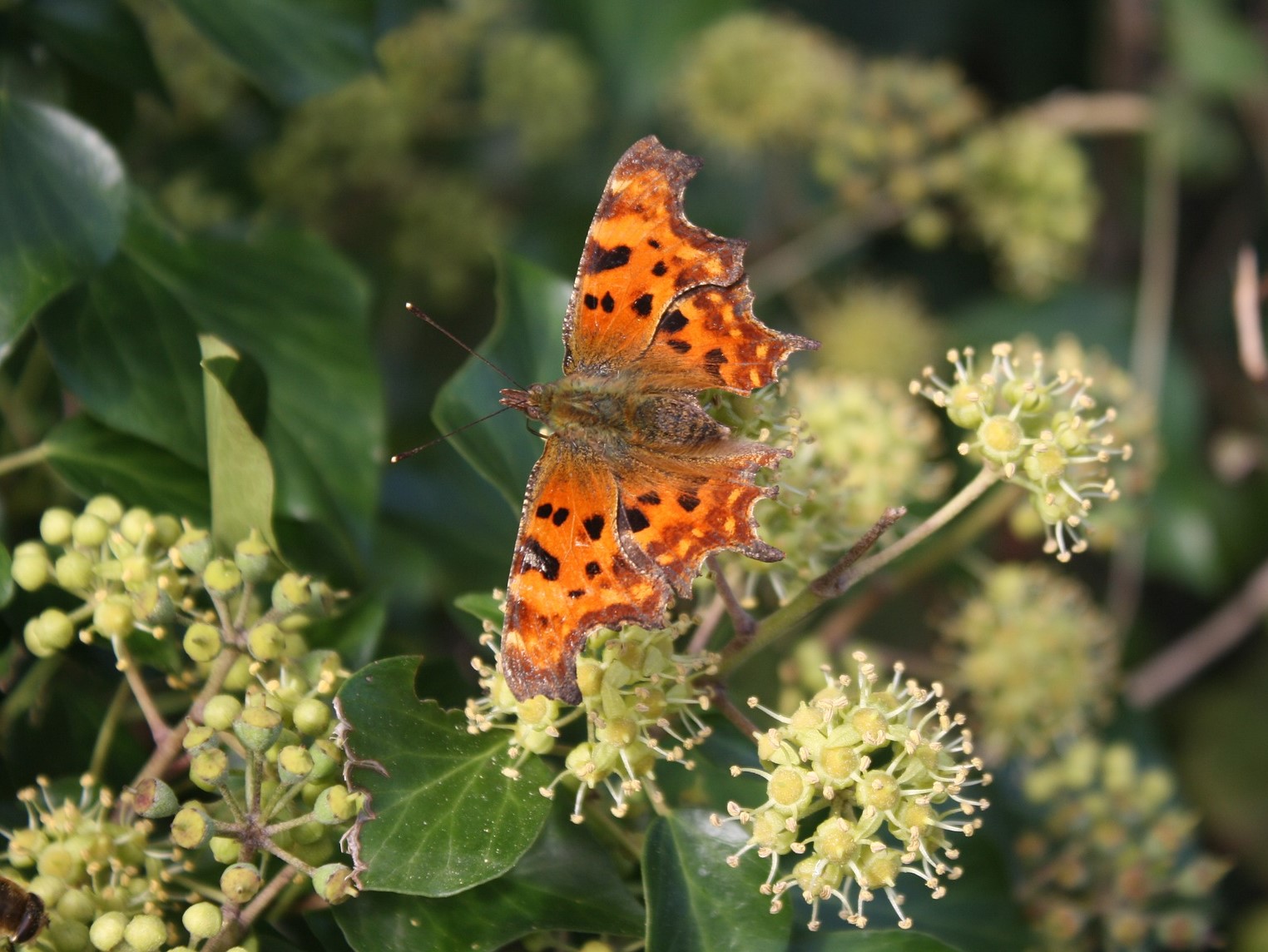
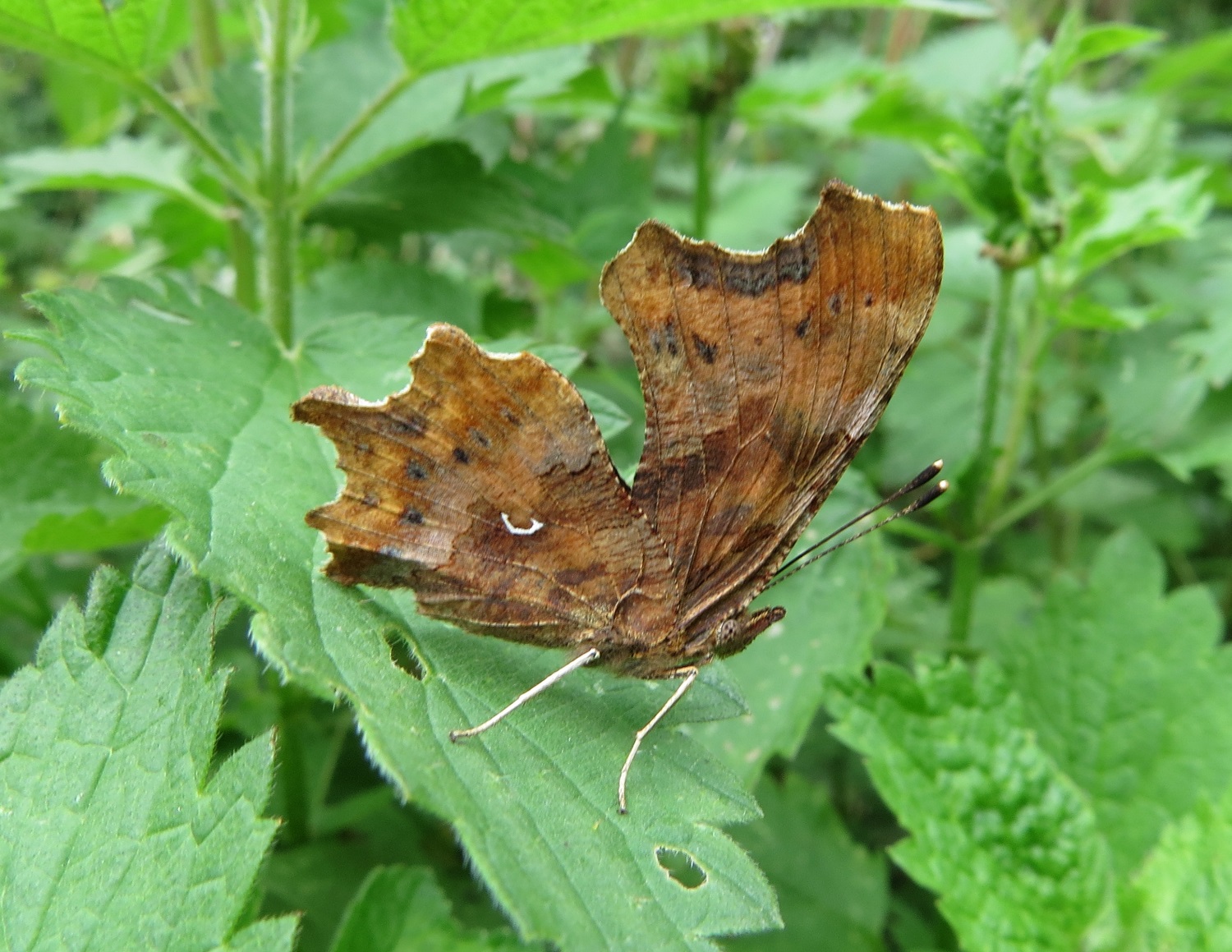
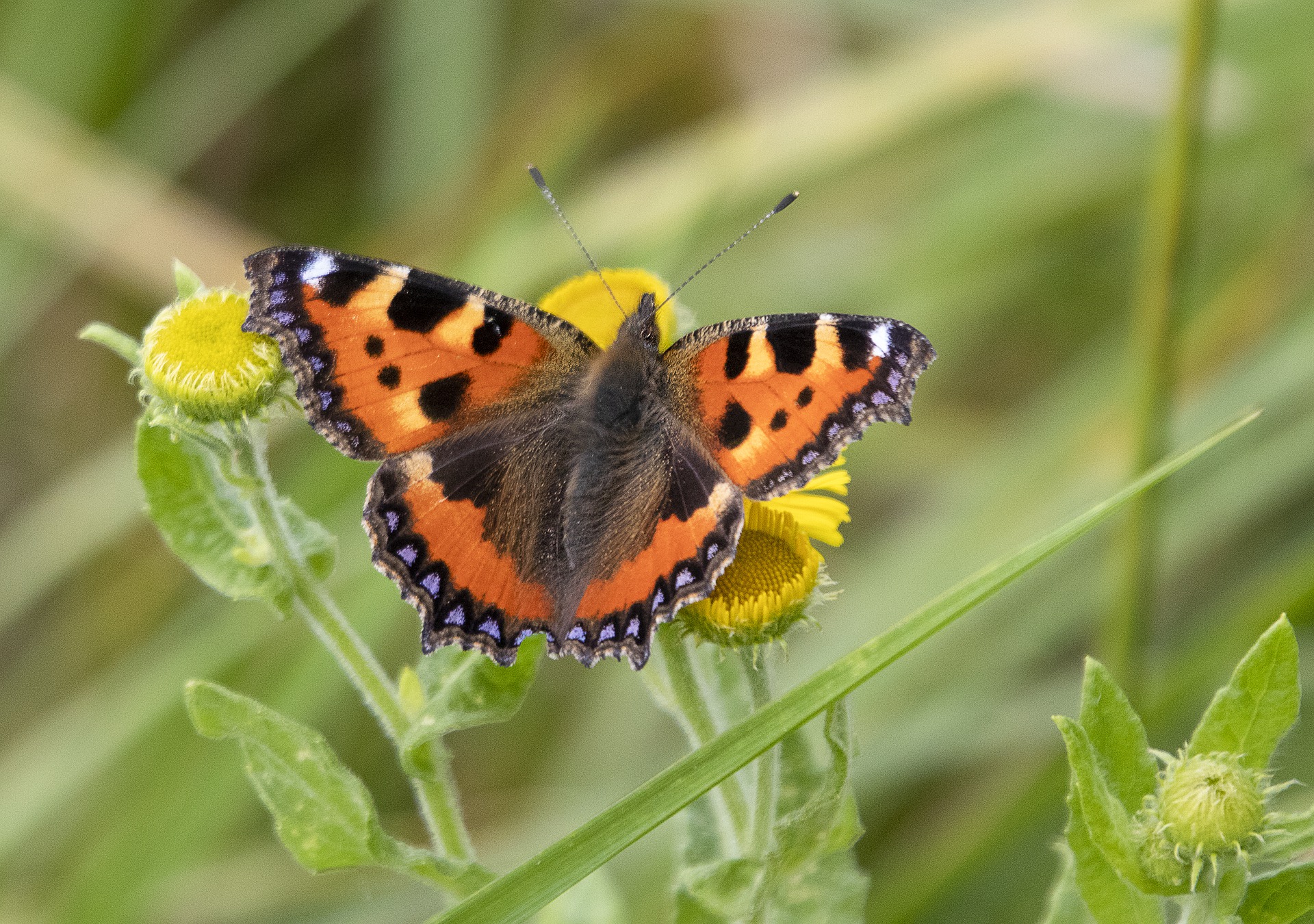

1&2 Brimstone 3&4 Comma 5&6 Small tortoiseshell.
Header Image: peacock by DKG

This week has see the return of our chiffchaffs!
Continue reading “Our chiffchaffs are back”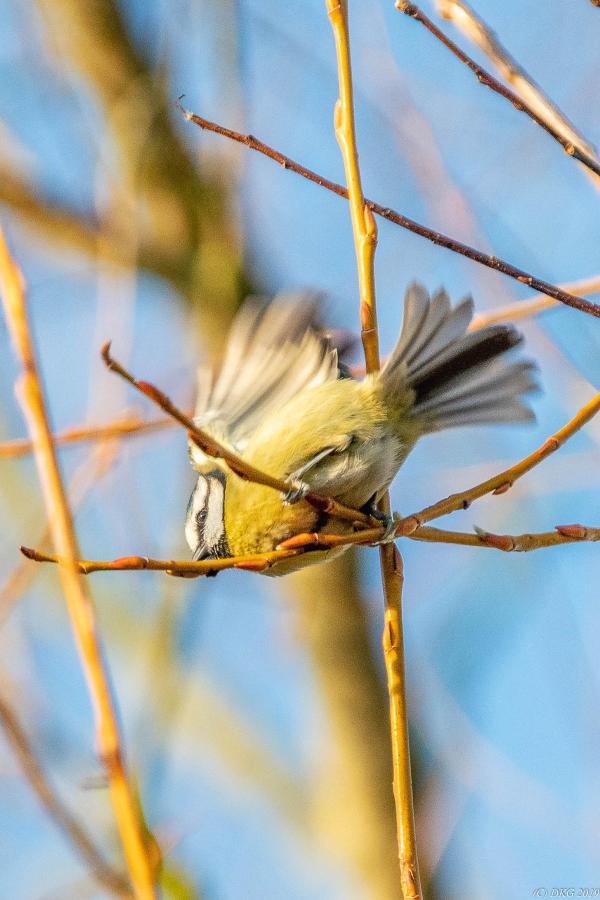
During the winter, in natural woodlands, blue tits spend most of their time in oaks, searching for insect food in the trees’ rich ecosystems. But at this time of year they turn their attention to the midges, mites and wasps that come to lay eggs in the new leaf buds.
Read more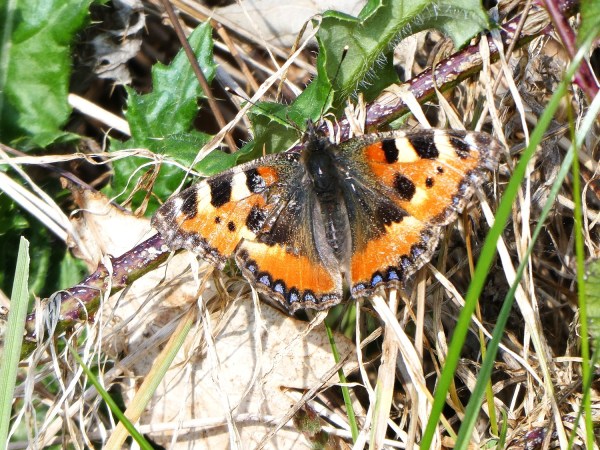
Fresh out of hibernation, a small tortoiseshell (Aglais urticae), photographed by Clive Knight in the reserve on Monday.
Continue reading
The Eurasian collared dove, Streptopelia decaocto, seems ubiquitous: one of the park’s noisiest and most common species. But it wasn’t always so.
How come?
It’s not often that the reserve’s first reported butterfly of the year is a comma. This pair, basking in the sunshine, were photographed by Clive Knight on Monday.


Jay
Ian Bushell photographed this young jay in the reserve on Sunday morning. He said:
It is last year’s chick, a one year old bird that has raised its crest; adults have black and white bands on their heads. Its call, which was what attracted my attention, was more like the mew of a buzzard rather than the harsh call of the Jay.
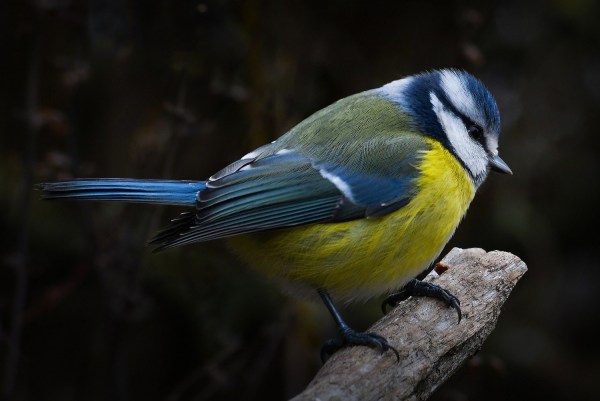
…blue tits are surprisingly long lived. In Britain, the maximum recorded age of a blue tit is 10 years and 3 months but the world record is 11 years and 7 months.
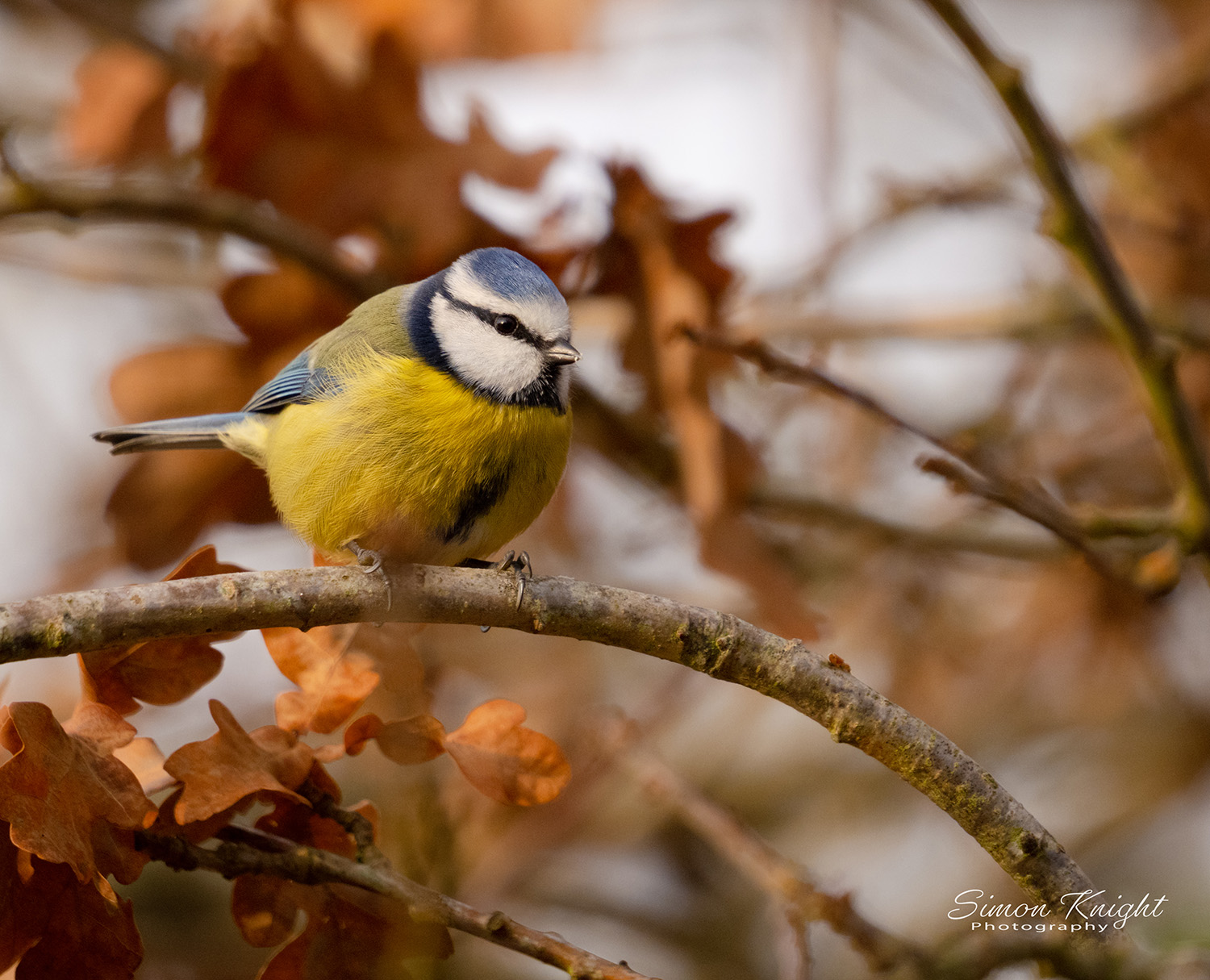

Gallery images taken in the reserve by wildlife photographer Simon Knight


 Southwick Country Park Nature Reserve