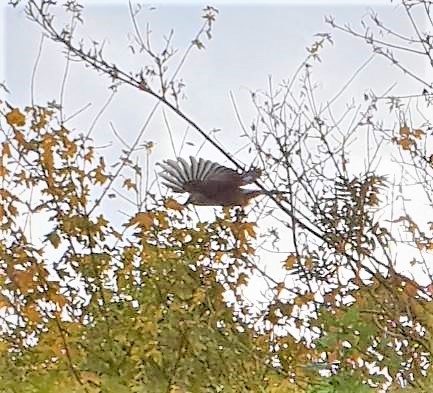
Three weeks ago a tawny owl was seen in the strip of woodland between Lambrok Meadow and Kestrel Field.
Continue reading “Tawny Owl”Tawny Owl
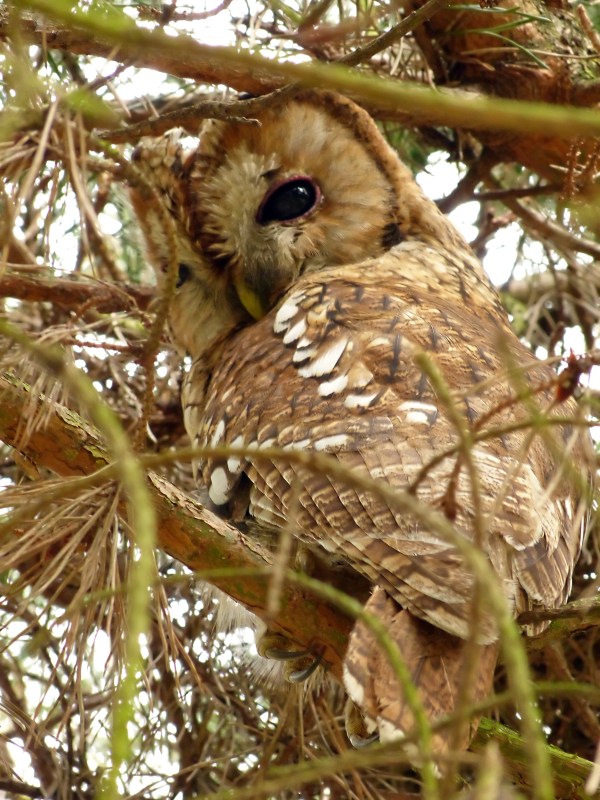
Three weeks ago a tawny owl was seen in the strip of woodland between Lambrok Meadow and Kestrel Field.
Continue reading “Tawny Owl”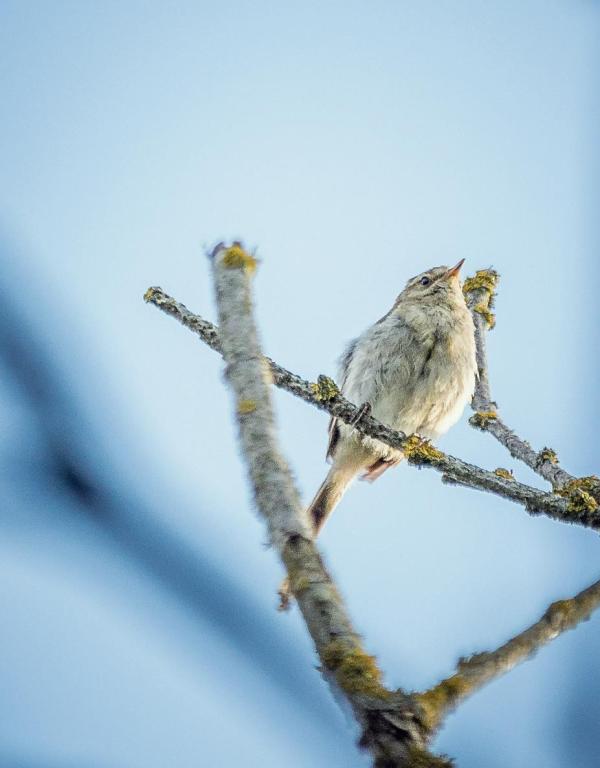
Our chiffchaffs will already have started the long journey back to their breeding sites in the park. They have overwintered in the warmth of southern Europe or northern Africa and are making their way home in a leisurely way with lots of stops for fuel; the males are the frontrunners and they need to arrive fit enough to find and fight for a territory.
They will begin arriving in March; their song (chiff-chaff, chiff-chaff) is one of the first signs of spring.
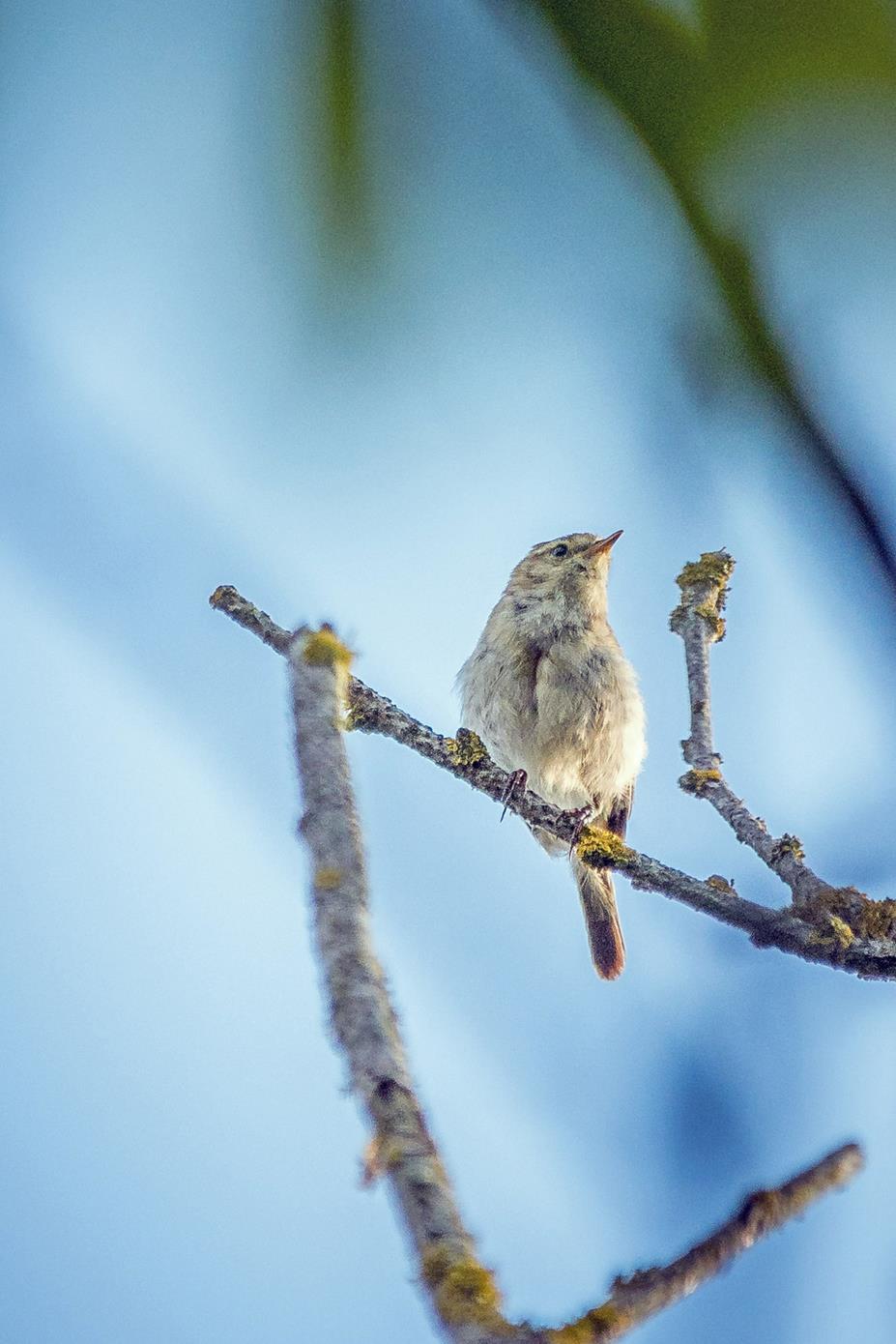
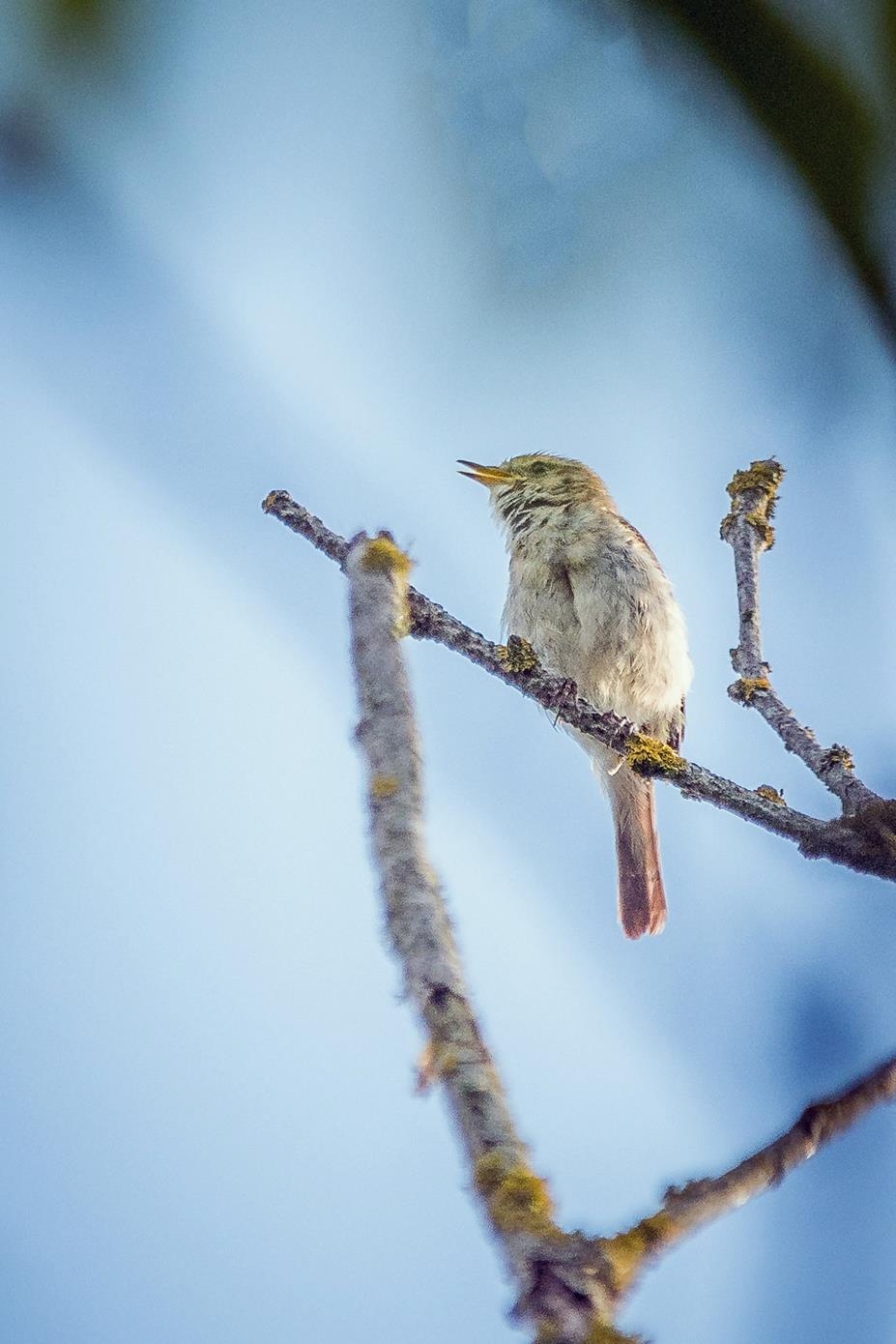
Pictures by DKG
Related posts:
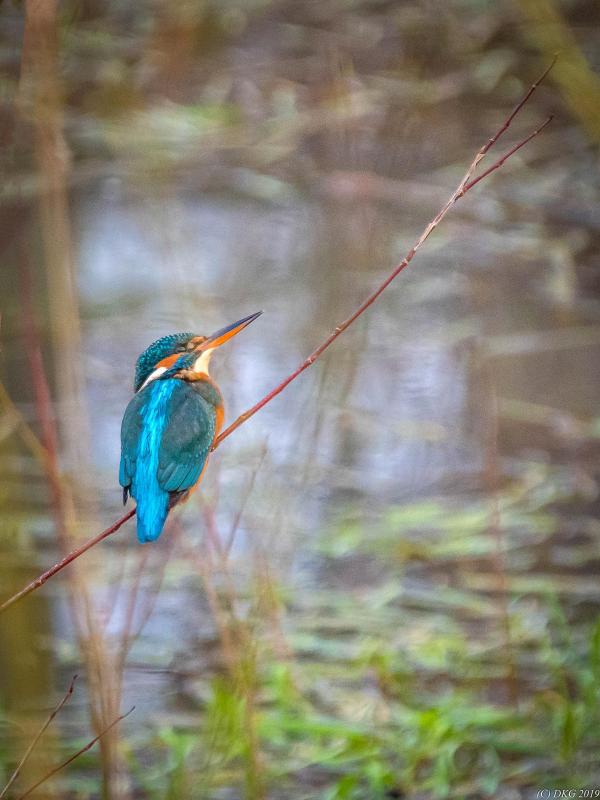
The kingfisher (Alcedo atthis) that DKG photographed at the weekend is a female. The male bird has an all black beak while the female’s lower mandible is orange with a black tip.
Kingfishers are highly territorial; they pair up in the winter but keep separate territories until the following spring. It is probable, therefore, that our female has already paired up with a nearby male.
A kingfisher’s territory covers, on average, a kilometre of waterway; our female will be looking for a nesting site either very close to, or in the park. The Lambrok’s steep clay banks may well be perfect.


This ivy bee (Colletes hederaea) was photographed in the park in November but has just now been positively identified by an entomologist; not only a new name for our species lists but a relative newcomer to the UK.
Continue reading “Ivy bee”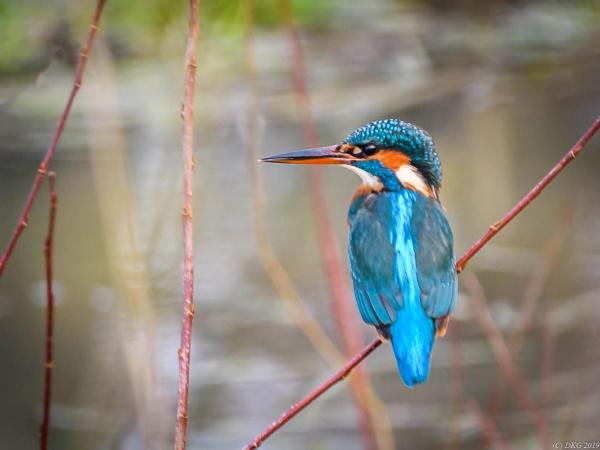
An excited email from DKG this morning:
” A few photos of our Kingfisher at last. After 5 years of trying to capture photos of the park’s resident kingfisher, yesterday (Sunday 20th) finally produced the photos I had been after. But these came about as usual with no intention of looking for it and if not for Ian, I would have even missed these shots.”
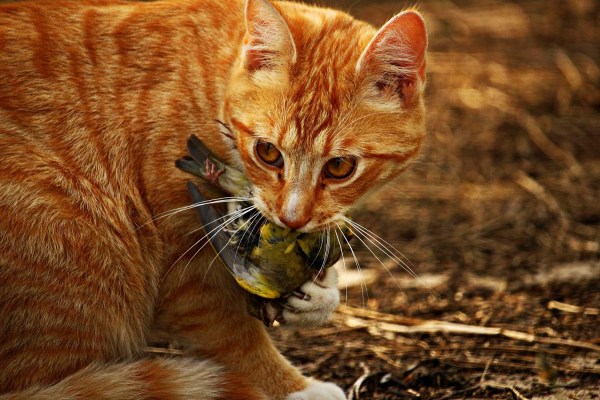
We, the Friends of Southwick Country Park, love animals. But we love animals in the right places and sadly, cats are not good for the Country Park. The picture shows a cat with a bird in its mouth but the range of creatures it can kill is wide. Cats can be really good predators. There is one report of a cat owner counting 10 prey brought home in one night.
Continue reading “Cats and Country Park don’t mix”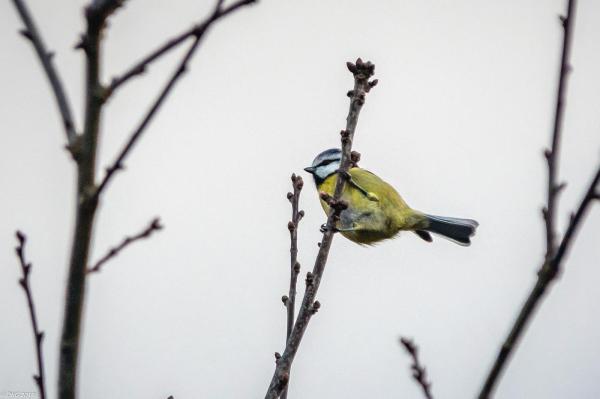
Bluetit factoid
Most birds can’t create pigments, other than melanin, on their own. This bluetit, high in the park’s canopy, can’t produce the pigment, carotene, that makes his tummy yellow; it comes from pigments in the green caterpillars he eats. The more caterpillars he eats and the brighter his tummy, the more likely he is to attract a mate.


Header picture by DKG; others CC0 from pixabay

More about our oaks.
Continue reading “Oak gall ink”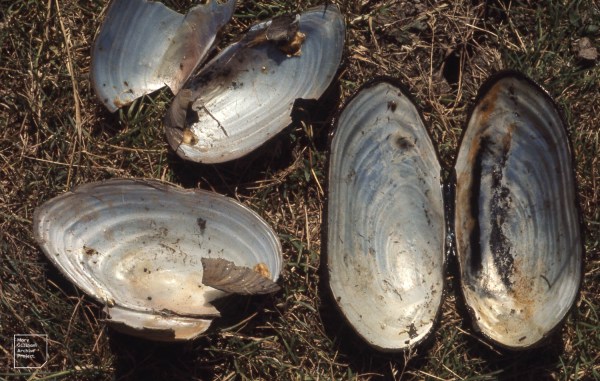
Swan mussels have growth rings on their shells, inside and out, and you can tell a mussel’s age by counting the rings, just like counting the growth rings in a tree trunk.
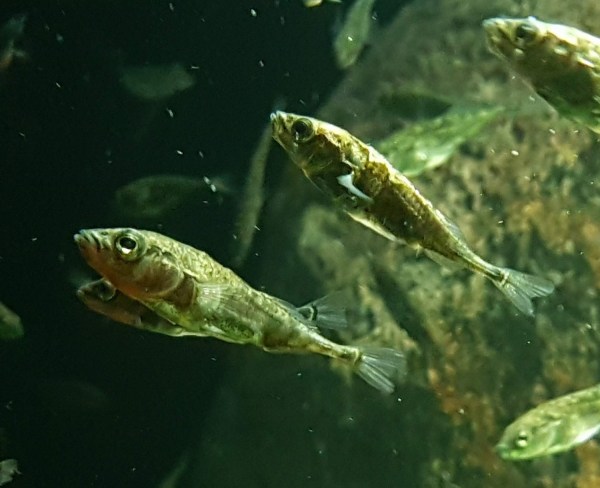
The life cycle of a swan mussel (Anodonta cygnea) is extraordinary, a real illustration of the complexity of the park’s freshwater ecosystem, and the reason for the picture of a little shoal of three -spined sticklebacks . . .
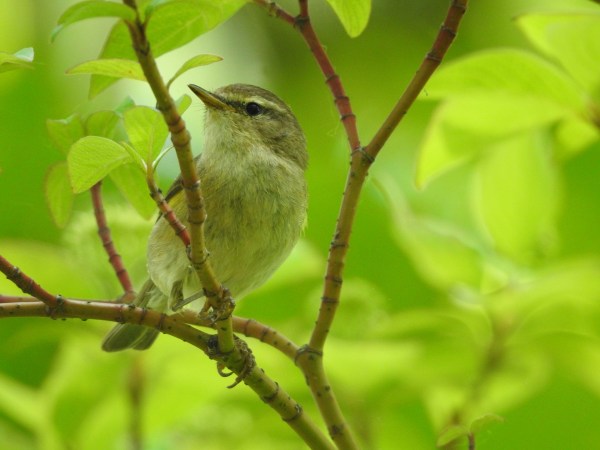
Our willow warblers are among the park’s smallest birds; at 8.7 grams, they are only half the size of a robin. Their migration route, though, is the longest of any of the park’s birds: over 8,000km all the way to sub-Saharan Africa, an astonishing feat of endurance, and in April they will come all the way back to the park.

by keithwlarson (CC BY-SA 3.0)
Another migrator from the spring of 2018:
The Chiffchaffs are back

Water voles and their burrows are fully protected under the Wildlife and Countryside Act but Natural England can grant developers a licence that permits disturbance. In fact disturbance is the very name of the game; the licence allows vegetation to be removed from up to 50 metres of bank in order to drive water voles from areas where development is planned.
Continue reading “New research on water voles”
Back from our Christmas break with an interesting tidbit of scientific discovery from 2018.
Continue reading “Migration”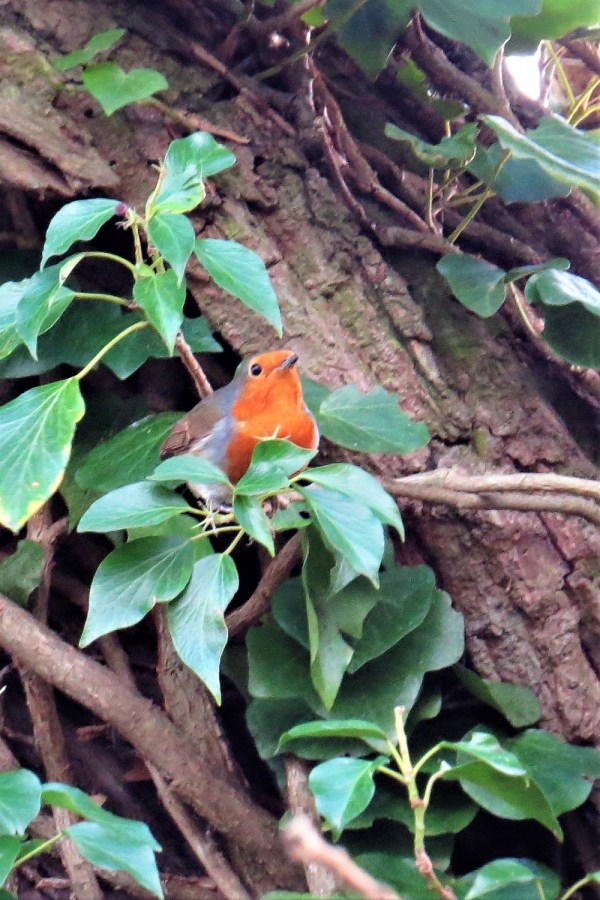
Many of our little songbirds abandon their territories in the winter and flock, sometimes in large numbers; but not the robin. Robins stick to and defend their territories right through the winter and their winter song is part of that defence.
Singing in winter is a high risk strategy. It uses a lot of energy when food resources are low but hanging on to a good territory right through the winter gives a robin an advantage in the spring when the breeding season begins. His winter song is shorter, quieter and altogther smaller than it will be come the spring.
Header photograph by Suzanne Humphries
We are posting the first part of our comment on RPS’s Preliminary Ecological Appraisal (PEA) of the Church Lane Site for two reasons: firstly the PEA seems particularly ill-informed about the park, the Lambrok and dismissive of their ecological importance; secondly, so that anybody who might like to comment before the public consultation ends on Dec 21st can use any of our data.
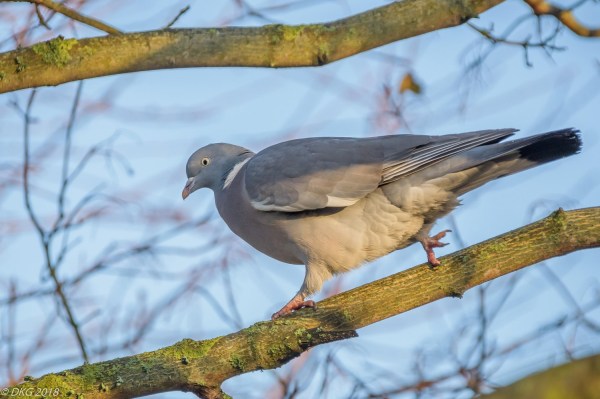
Wood pigeons (Columba palumbus) are our largest and most common pigeon. Gregarious, very adaptable and given to flocking in enormous numbers at this time of year, they are an everyday sight in British towns and countryside.
In towns they seem unafraid but in the park they are shy and wary. Often the first indication that they are there at all is the loud clattering and clapping of their wings as they take off and fly away. Their call is the lovely, familiar background noise of spring and summer.
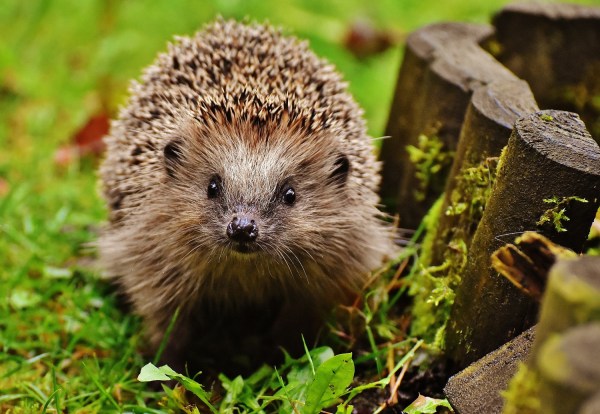
Of all the mammals on our species list, only the bats and the hedgehogs hibernate. We have found the tiniest piece of evidence that there might be dormice in the park, if so, that would be a third hibernating species.

Yesterday’s plump and cuddly grey squirrel sent us into an afternoon of Google-based research; here are ten things you may not have known about Sciurus carolinensis.
Continue reading “10 facts about grey squirrels”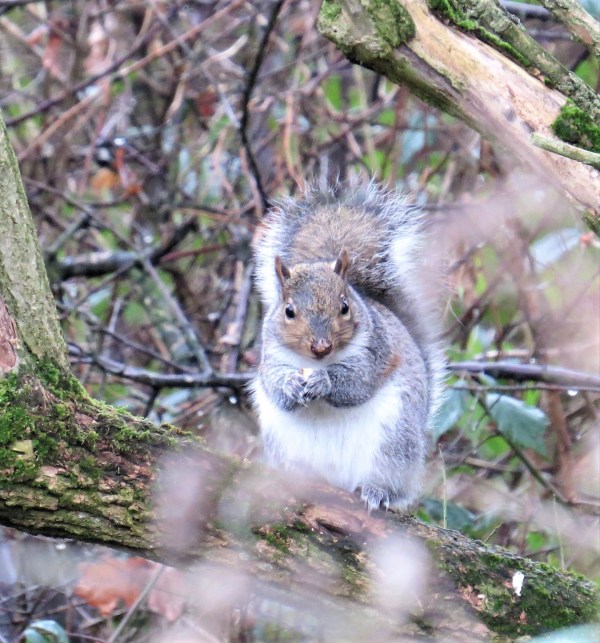
One of the park’s grey squirrels to cheer us up on a dismal day.
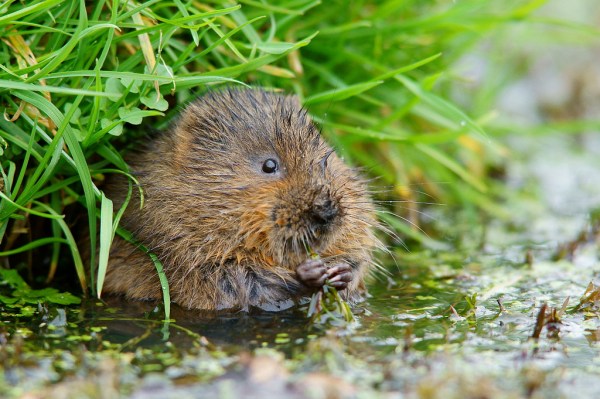
There are three species of vole in Britain: the short-tailed or field vole, the bank vole and the water vole, which is the largest of the three and by far the rarest. Water voles (Arvicola amphibius) have experienced one of the most rapid and serious declines of any British wild mammal ever…
Continue reading “Water Voles”
In May of 2017, water voles (Arvicola amphibius) were identified by Wiltshire’s Countryside Team as resident in Lambrok Stream. Water voles are fully protected under the Wildlife and Countryside Act 1981. They are protected against:
. . .intentional killing, capture or injury and intentional or reckless disturbance, obstruction, damage or destruction of their burrows.
Continue reading “Protecting the Lambrok”
Collared doves (Streptopelia decaocto) bred in Britain for the first time in 1955, in Norfolk. Within 20 years they had colonised every county in the British Isles, and had even reached Shetland and the Outer Hebrides.
Continue reading “Eurasian collared dove”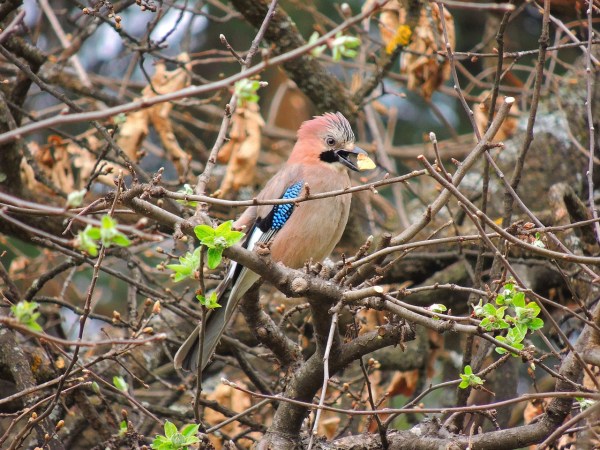
Lisa Burge’s photograph of a jay in flight prompted some research; we wondered how many jays our park could support.