Simon Handley has reported a brown and white magpie in the park, at the top of the Arboretum; this is a rare genetic fault called leucism. Please don’t forget your camera next time you visit; we would love a photograph of it.
Kingfisher

Kingfishers come to the park regularly. Many people associate them with rivers and are surprised to see them here, fishing in our little streams.
Read on:
Tree creeper
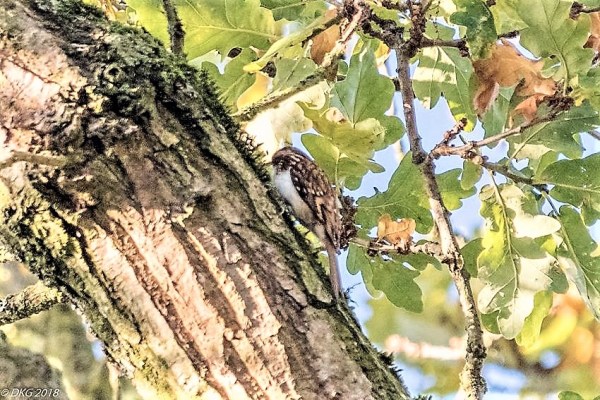
A tree creeper (Certhia familiaris) photographed in the park on Friday by DKG. Read on:
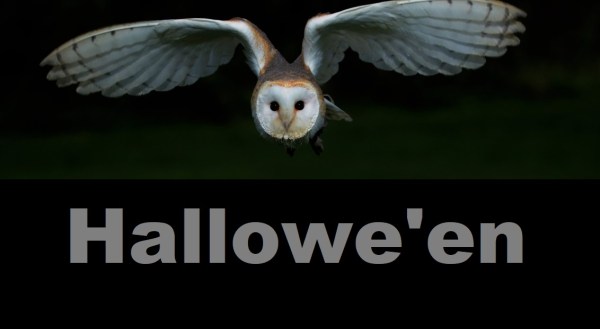
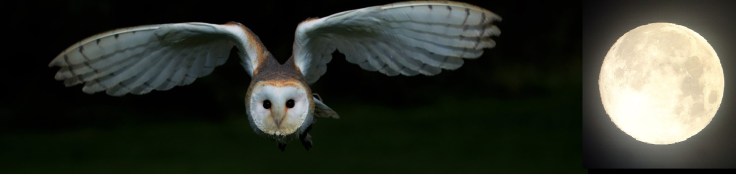
Hallowe’en greetings from the park’s spookiest creatures…..

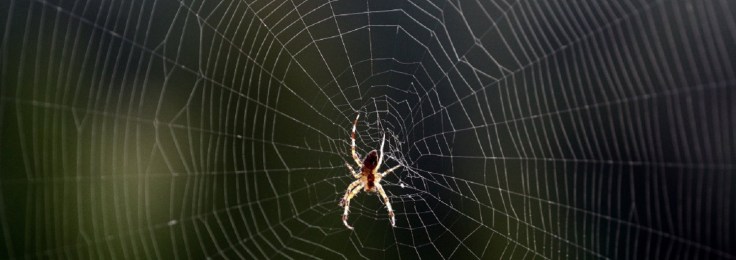
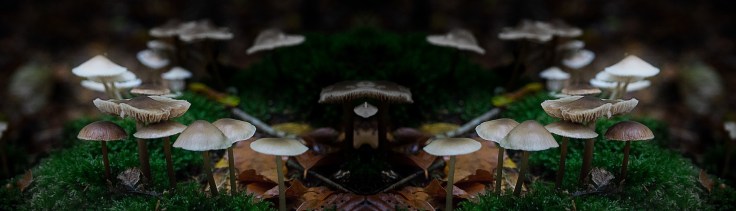
Ivy flowers

The park’s ivy flowers between September and November; each plant’s flowering season is quite short but a succession of plants flowers all through the autumn. The flowers are small, green and yellow, and so insignificant-looking that many people don’t realise that that they are flowers at all.
Black and yellow

In the world of invertebrates, black and yellow signals danger. It says to predators: I am poisonous or I will bite you. Read on to discover more:
Fact of the week

The scientific name for the seven spot ladybird is Coccinella septempunctata; if you had the right wand, a spell like that would put red spots on anything.

Giant swarms of cannibalistic Harlequin ladybirds riddled with an STI are invading British homes: this is a headline in the Mail Online this week. No wonder our relationship with our environment is deteriorating when the country’s most-read news outlet uses such inflammatory language to describe a natural phenomenon. Swarm, cannibalistic, riddled, sexually transmitted infection, invade: could they have squeezed any more knee-jerk melodrama into a single sentence?
Read on:
Crane Flies

There are hundreds of species of crane fly in this country and almost all of them go by the name of daddy long legs. The differences between species can be microscopically small but we think this specimen is either a common European crane fly (Tipula paludosa) or a marsh crane fly, (T. oleracea).
One for sorrow, two for joy…

There are several families of magpies in the park. This year’s crop are, as yet, short-tailed, loud- mouthed and clumsy, hanging out in gangs and still learning to fly properly. But, despite their dramatic black and white beauty, their reputation is poor.
Acorns

Oak trees produce thousands of acorns every year. Somebody has worked out that an oak tree can produce ten million acorns over its lifetime. In a good year, they carpet the ground under the tree.

small copper on ragwort by DKG

![Small copper butterfly [DKG]](https://i0.wp.com/southwickcountrypark.com/wp-content/uploads/2018/09/dkg_1723.jpg?w=241&h=160&ssl=1 "Small copper butterfly [DKG]")

small copper on meadow buttercup leaf
Roe deer
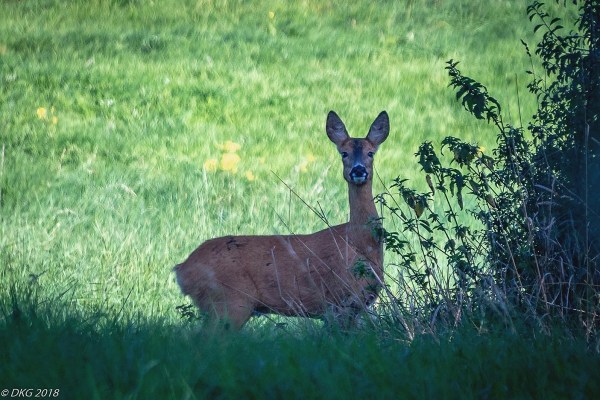
A roe deer doe, early on Sunday morning, photographed by DKG who said:
“A lovely morning in the park this Sunday. A few photos taken of three Roe Deer spotted near the footpath leading from Studley Green; unable to get closer just in case I spooked them.”
Click here for more pictures:Insect Life
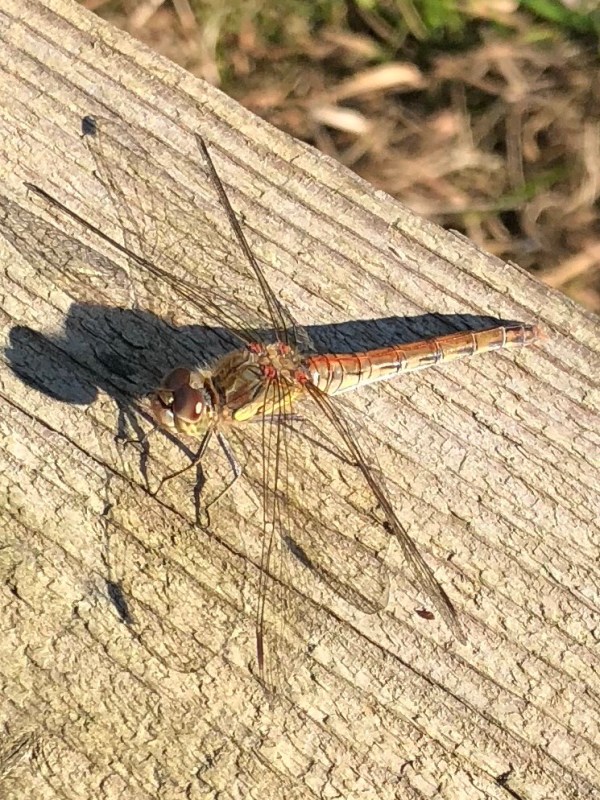
An email today from a reader:
Dear FoSCP,
I came across this lovely specimen yesterday whilst out walking my dogs. Sunbathing on the bench opposite the stream (it was, not me!). Can you tell me what it is?
Thank you
Simes Handley
Honey bees
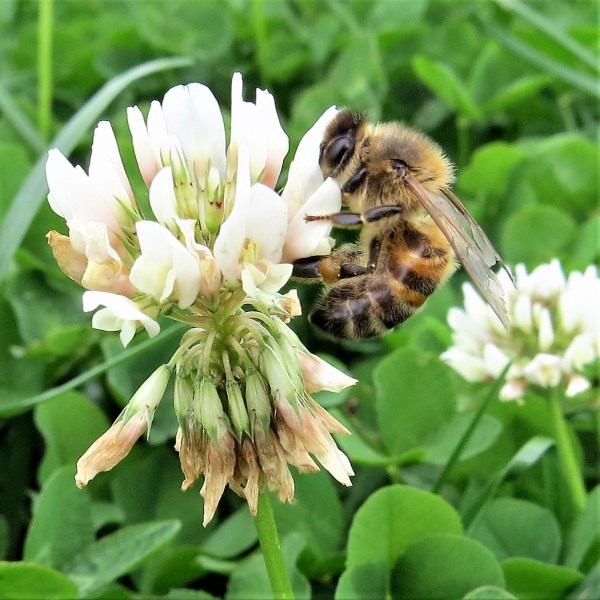
Unlike common wasps, honey bees (Apis mellifera) don’t die at the end of the summer. The hive stores enough food for the queen and the workers to survive through the winter.
.o.

..pollen baskets on its hind legs…

…the bee visits each floret…

…made up of many individual florets…
Wasps

By this end of the summer, the workers in a wasp nest will probably have finished raising and feeding the new queen larvae. The larvae have spun caps over their cells and begun the process of pupation. This indicates a change for the nest.
Red tailed bumblebee
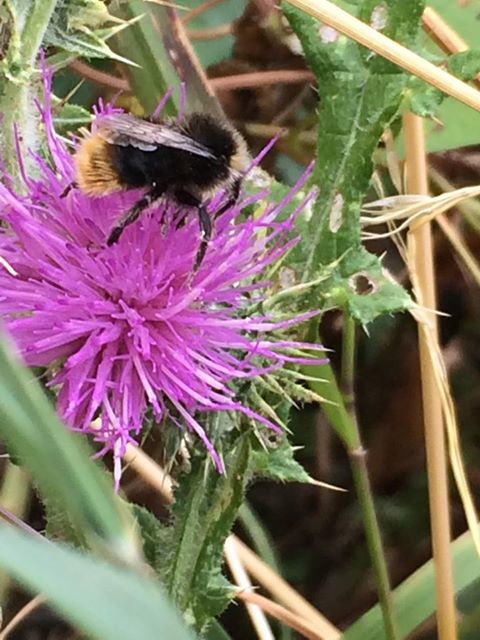
Twelve year old photographer, Neave Duggan, has sent us pictures taken in the park of a male red tailed bumblebee (Bombus lapidarius) feeding on creeping thistle flowers.
.o.

…feeding on creeping thistle..

…a moustache of yellow faciak hair…


.o.
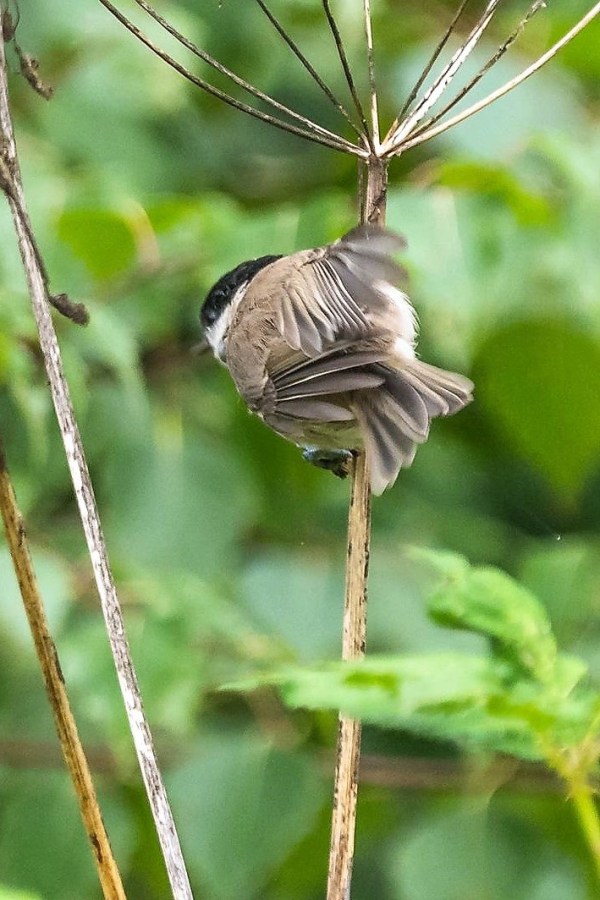
We apologise for wrongly identifying this little bird. We thought it was a blackcap (Sylvia atricapilla) but our expert has identified it as a marsh tit (Poecile palustris). This is the first sighting of a marsh tit in the park: a new name for our species lists.
Dot Moth

A dot moth (Melanchra persicariae) caterpillar on a spindle tree, seen and photographed by DKG while the FoSCP volunteers cleared the undergrowth around the young trees at the top of Sheep Field. Spindle is not recorded as one of this caterpillar’s food plants, but sallow is, and hazel, nettles, docks and several other species growing in that plantation and its understorey.
Cantharidae

There are forty one species of Cantharidae in Britain and almost all go by the common names of soldier or sailor beetle.
Assessing Wiltshire’s housing plan

Let’s go back to the documents that were submitted to the Secretary of State on July 31st: in that list are Sustainability Appraisal Documents, among which is Annex 1 A9 Trowbridge.

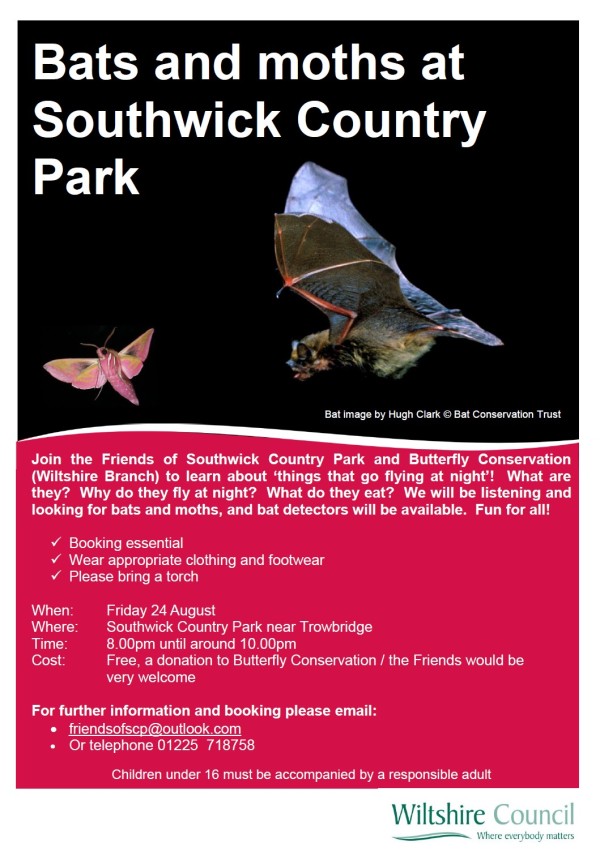
Night Flyers
Grey squirrel invaders

The park’s grey squirrels are invasive aliens, brought here during the 19th Century, when the possession of rare and exotic species of plants and animals was the height of fashion. Grey squirrels, native to eastern North America, were first released into the wild in Britain, at Henbury Park, in Cheshire, in 1876.
Read on:Bats and WHSAP

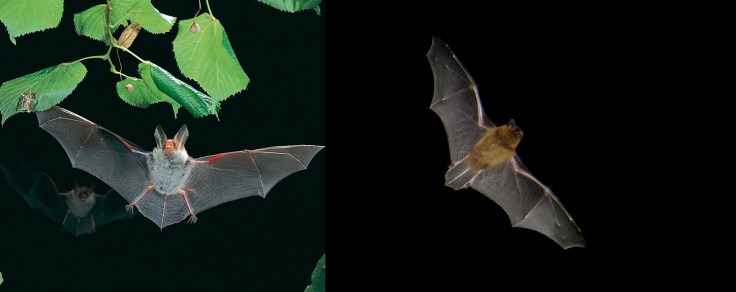
Nine species of bats have been identified in the park, among them members of the UK’s rare, internationally important population of Bechstein’s bats that roost in Green Lane Wood.
…

Natterers bat by Guido Gerding (CC3.0)

Daubenton’s bat Guido Gerding (CC.3.0)

Nathusius pipistrelle by fs-phil ((CC2.0)

Common Pipistrelle by Barracuda 1983 (CC3.0)





