Is this the red squirrel some people believe they have seen in the park? Read on:
Red or grey?
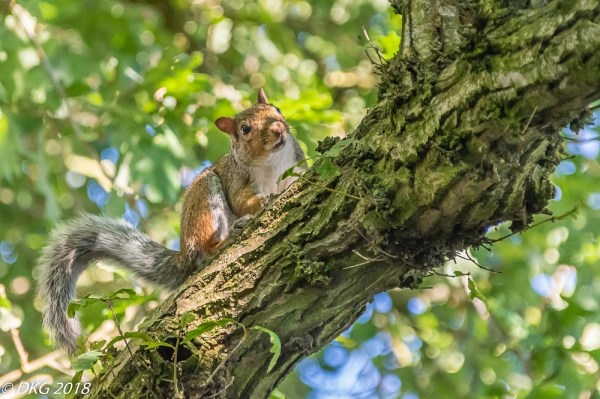
Is this the red squirrel some people believe they have seen in the park? Read on:

Like ragwort, creeping thistle (Cirsium arvense) is classed as an injurious weed by the Weed Act of 1959. Our hedges and edges are full of it: beautiful, pollen-rich, heavily scented flowers, buzzing with invertebrates, followed by seed heads elevated on stems sturdy enough to support seed-eating birds. Gorgeous.


Photographs by DKG
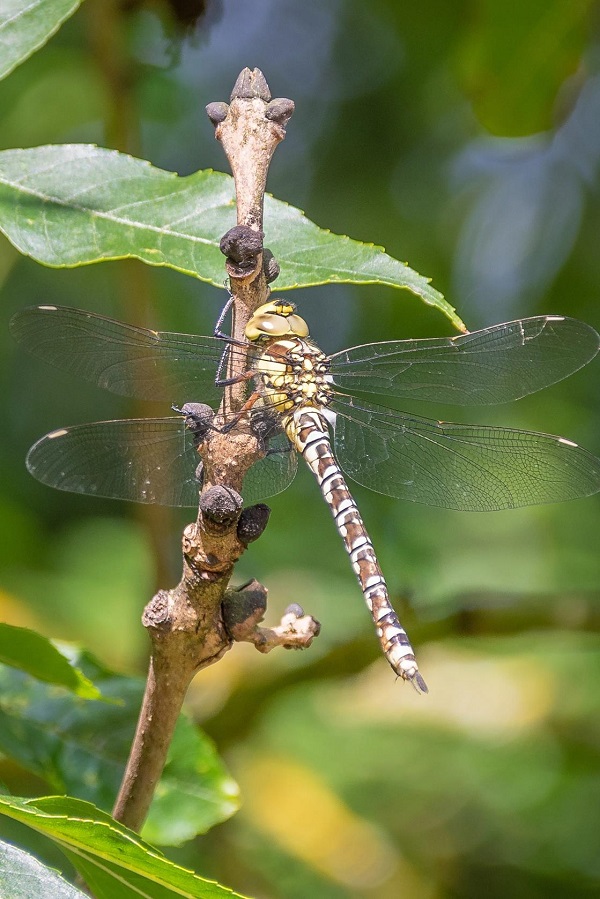
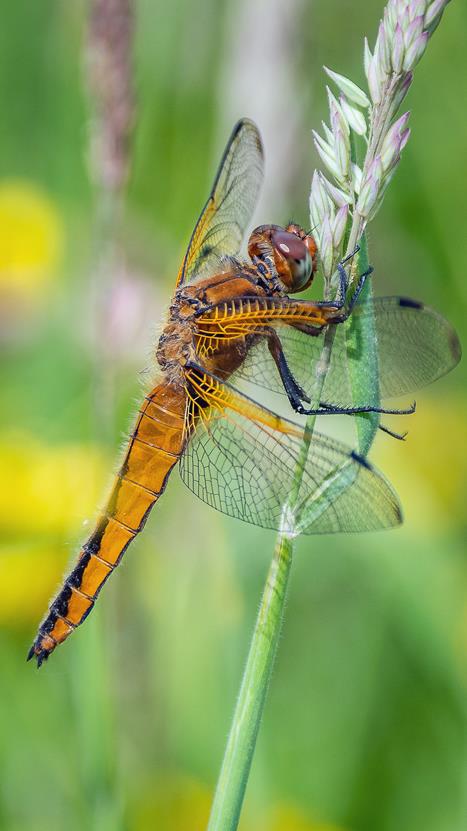
This is the third species of dragonfly that has been photographed in the park and identified this summer: a southern hawker (Aeshna cyanea). The other two are the scarce chaser (Libellula fulva) we reported on 14th June, and a broad-bodied chaser (Libellula depressa) photographed and identified by Ian on 29th June.
…


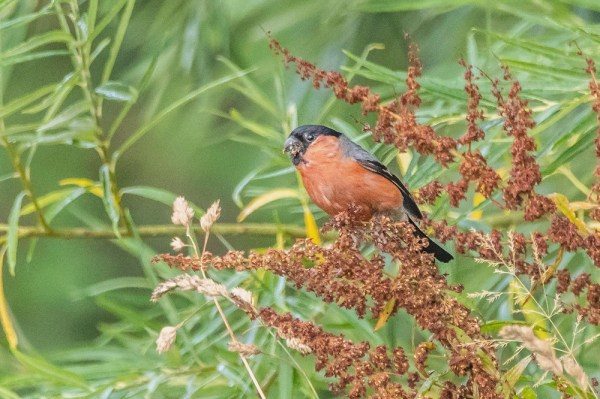
Words and pictures by DKG:
“A few photos of a Heron, Bullfinch and a Robin.”


This is now the longest continuous period of drought since 1976. The park’s paths are dusty, the grass is brown and crunchy underfoot, some of the trees are shedding leaves in an attempt to stop water-loss and the streams are shrinking.

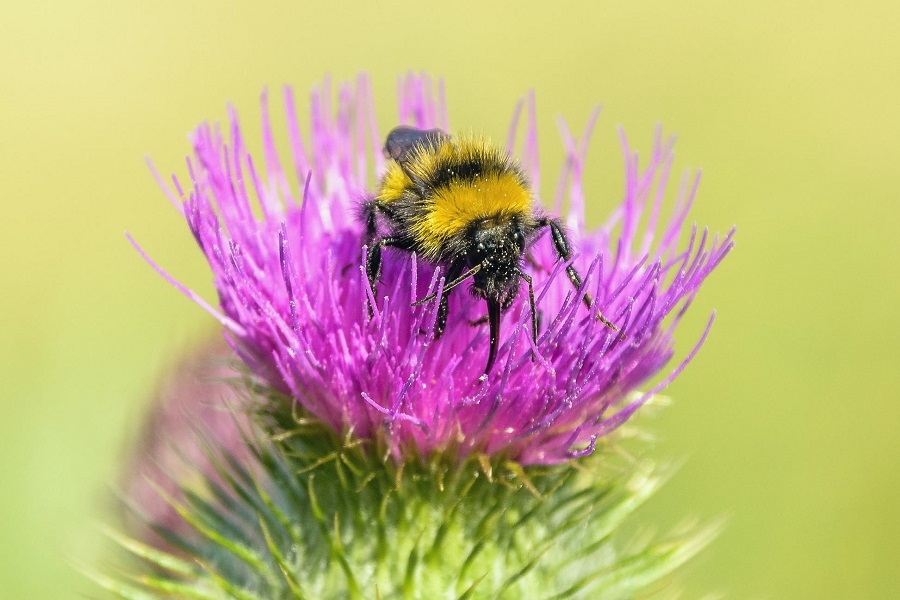
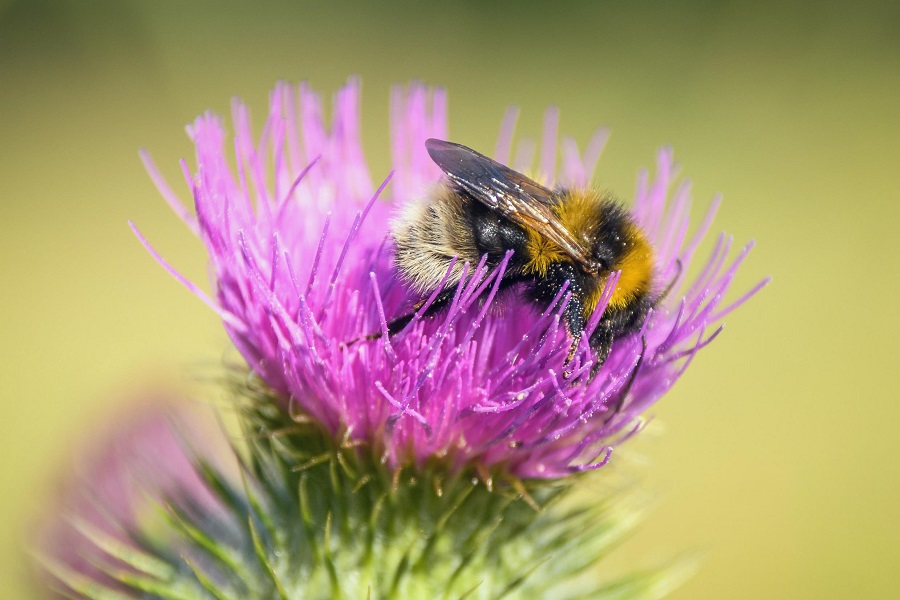
The header picture is of a garden bumble bee (Bombus hortorum) in a spear thistle flower at the edge of the large pond.


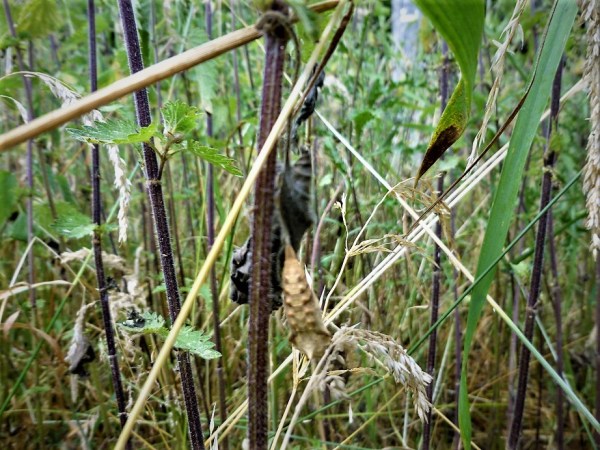
Remember the peacock caterpillars that Ian found in the nettle beds between Simpson’s Field and the Arboretum?
Read on for an update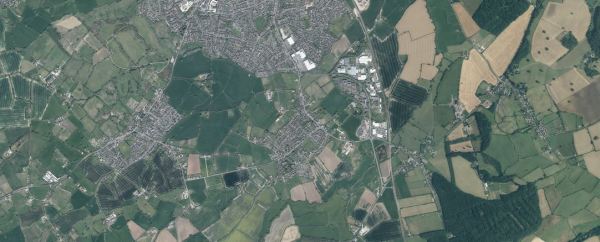
Above is an aerial photograph of the wildlife corridor between Trowbridge and the villages of Southwick and North Bradley. It connects the woods and open farmland east of the railway line to Southwick Country Park, Sleight Wood and Vaggs Hill in the west. Rare Bechstein’s bats from Green Lane Wood use the corridor to reach SCP where they feed.
Continue reading “Wildlife corridor”
On Wednesday, DKG and his macro lens took a close look at some of the park’s invertebrate inhabitants.
Click on any picture to enlarge it.


This is hogweed (Heracleum sphondylium), first cousin to the giant hogweed (Heracleum mantegazzianum) which the Daily Mail tells us has invaded Virginia, USA, and will blind us all.
Continue reading “Hogweed”
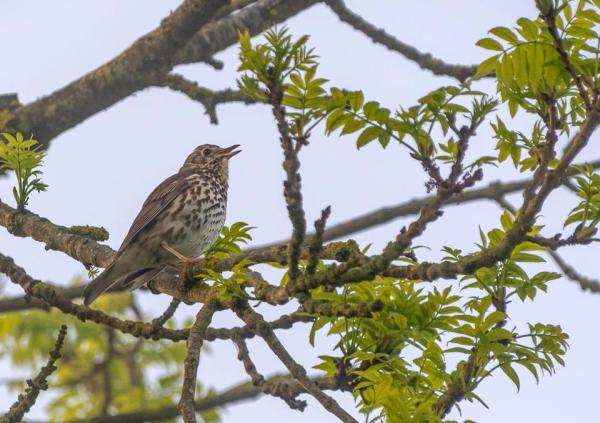
Listen to the song thrush:
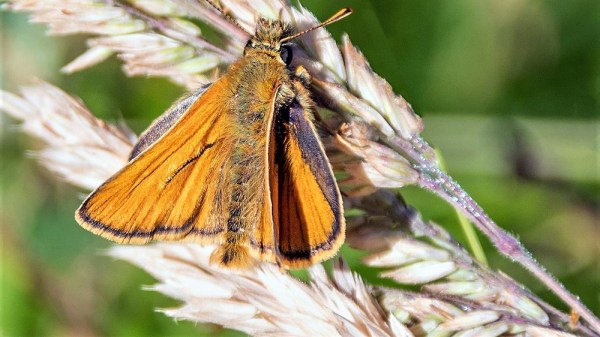
On 21st of June, Hugh, Ian and Sarah G walked a regular transect through the park in order to survey the butterfly numbers.
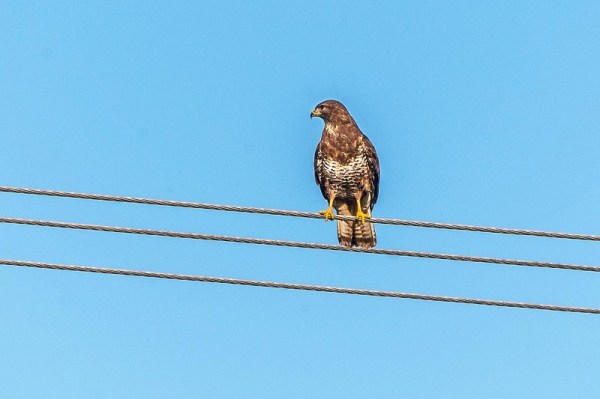
This is the park’s buzzard. It has come to the park for some years and hunts regularly here and across Southwick Court’s old parkland. Buzzards breed when they are three years old but this bird is always seen alone.
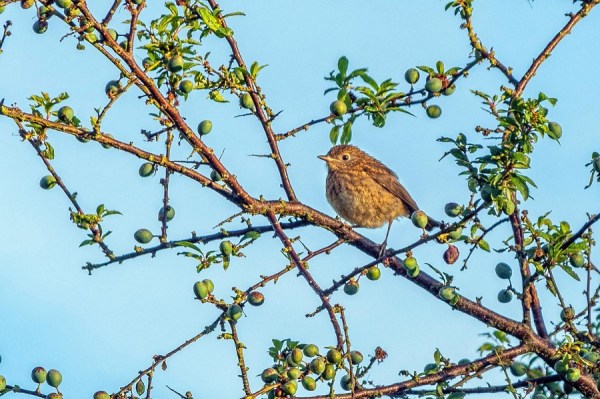
The world is full of little brown birds. Small and brown seems to be some kind of default programme for birds and accurate identification can depend on an extra millimetre in a brown tail feather or the exact shade of a brown eye-stripe. Until they are otherwise identified, the RSPB calls them all LBJs: little brown jobs.
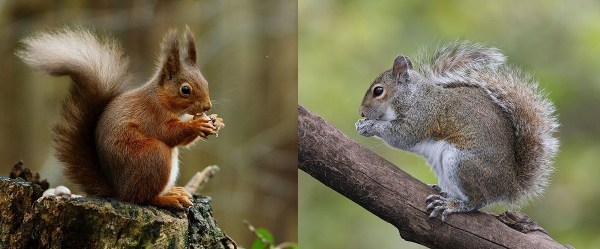
We received this, by email, from Simon Handley:
Dear FOSCP,
My good lady is convinced that she saw a red squirrel in the park the other day. I saw it too (a fleeting glimpse) and at first I thought it was a chipmunk (??!!) and then thought it seemed a lot redder than grey. Is this possible? It was along the path along the stream between Lambrok Meadow and the large pond. Be grateful for your thoughts.
Kind regards
Simon & Sarah Handley
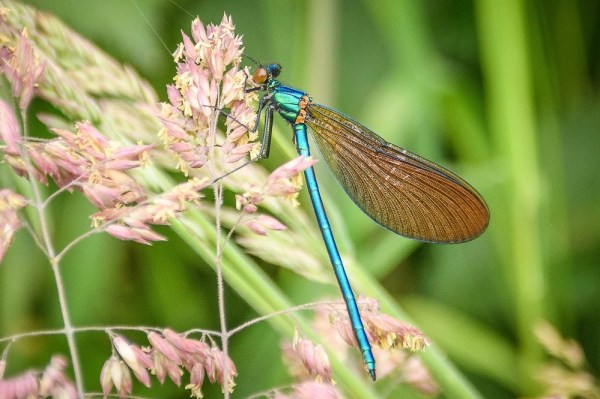
This is a damsel fly: a beautiful demoiselle (Calopteryx virgo), another species indicating the unpolluted quality of the water courses in Southwick Country Park .
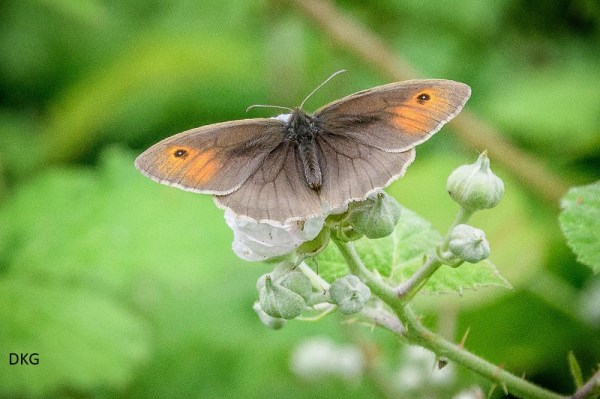
A message from Ian B on Tuesday of last week:
“Had a walk around the park this afternoon and did a bit of a butterfly transect. The park is looking good. I saw 3 speckled woods, 7 small skippers and 43 meadow browns – the latter were in perfect condition as though they had just hatched – the majority of the meadow browns were in Village Green.”

Ian found and photographed this nest of peacock butterfly caterpillars on Tuesday.
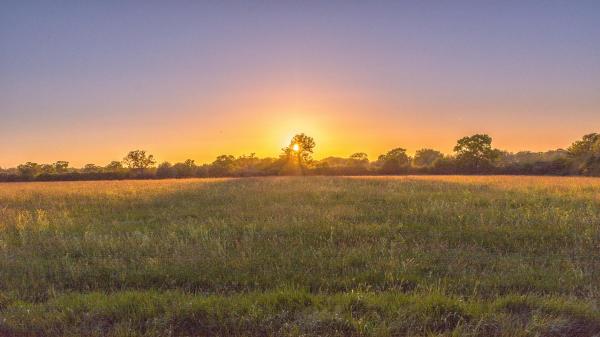
A few photos of an evening stroll in the park on Wednesday (23rd May).
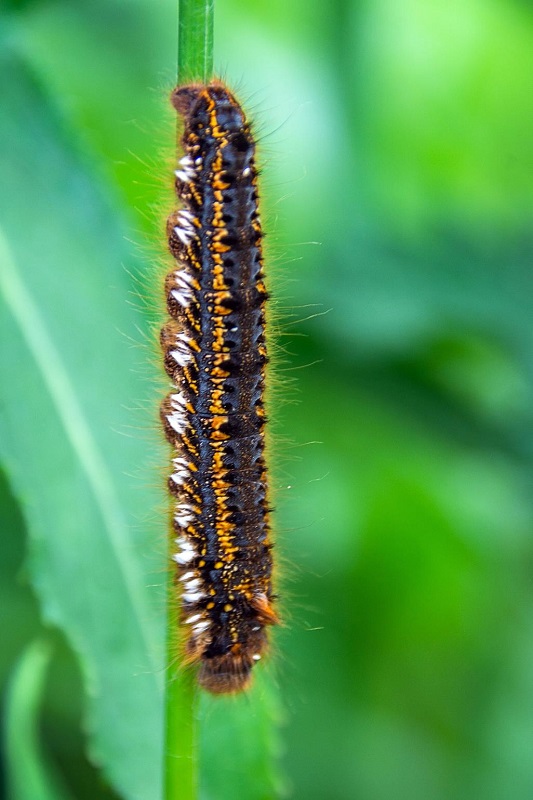
This is the caterpillar of the drinker moth (Euthrix potatoria) so called because the caterpillar is believed to drink drops of dew on grass stems.
Continue reading “Drinker moth caterpillar”