From Ian B:
“I photographed this small tortoiseshell nest this morning in Simpsons Field; there is a nettle bed on the right, about half way up the hard path from the entrance.”
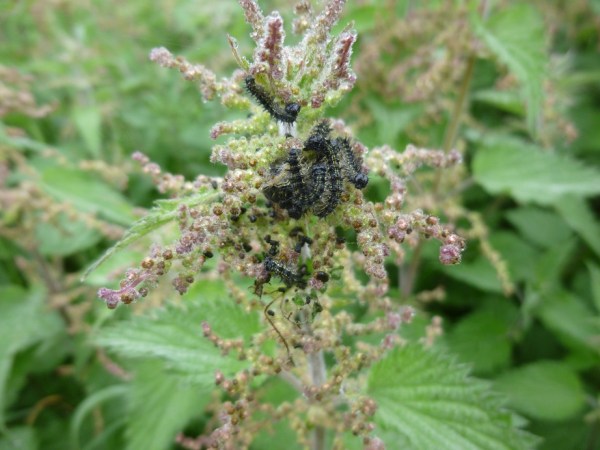
From Ian B:
“I photographed this small tortoiseshell nest this morning in Simpsons Field; there is a nettle bed on the right, about half way up the hard path from the entrance.”
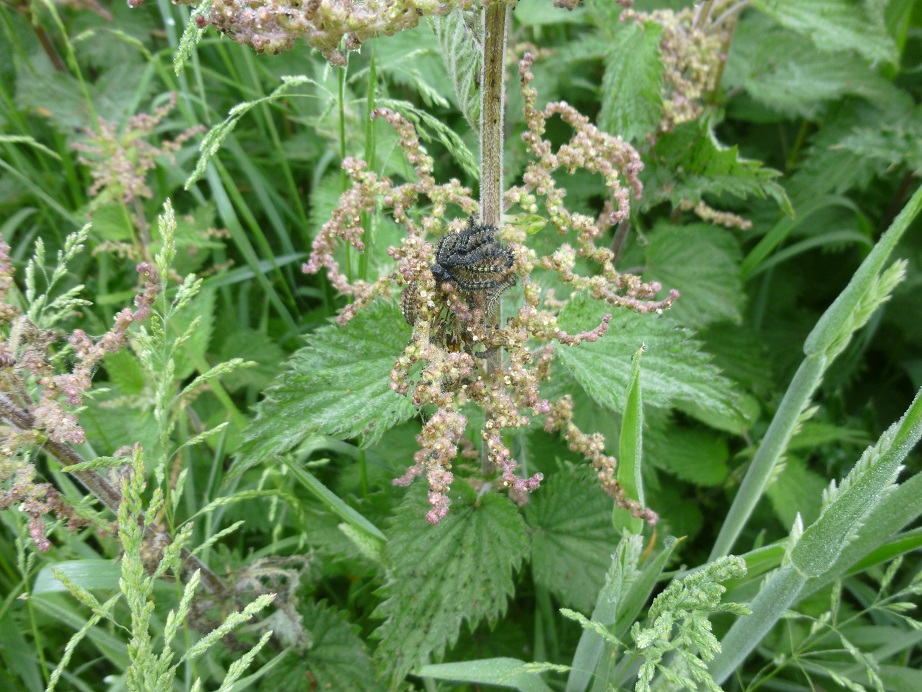


This is an ichneumon wasp feeding on clog weed near Lambrok Stream.
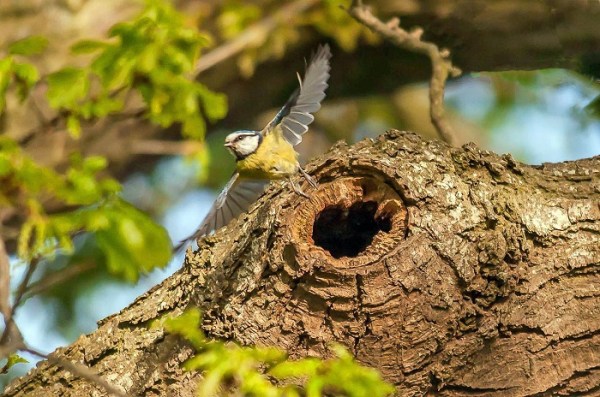
For the last two years, a pair of blue tits has nested in a hole in an oak tree in one of the copses at the southern end of the park. There, they successfully raised broods of chicks under the watchful eye of DKG’s camera.
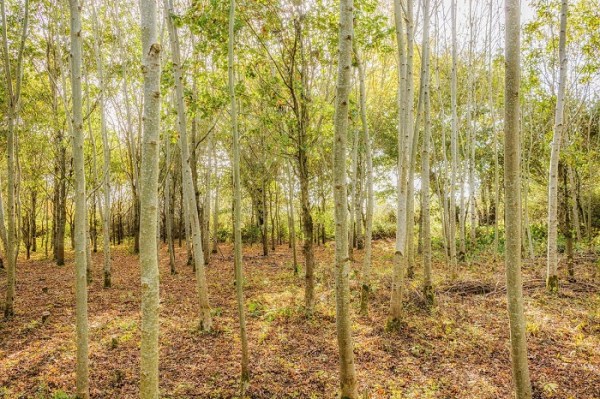
Ring barking or girdling can kill a tree. It happens when the tree’s bark is removed right the way round its trunk. Accidental girdling may be the result of a carelessly used strimmer, or over-tight wires and ties; it might be mammals gnawing on the bark or, in the case of deer, rubbing their antlers against it.
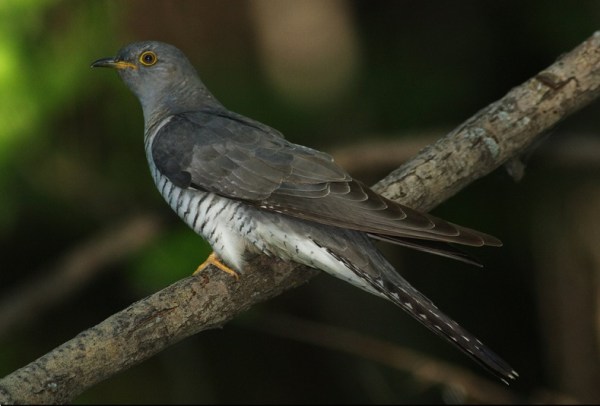
DKG heard this year’s first cuckoo in the park on Sunday morning.

I found a bloody nosed beetle (Timarcha tenebricosa) in the short grass where the rabbits graze at the end of Sleepers Field.
Continue reading “Bloody nosed beetle”
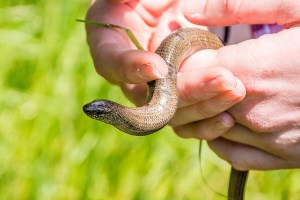
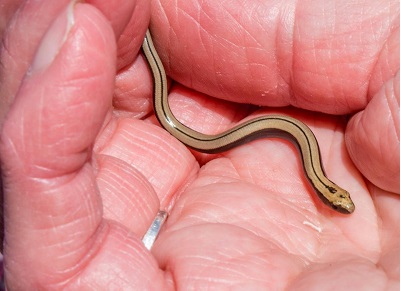
The slow worm survey produced a young grass snake, probably one of last year’s hatchlings. It was tucked under a survey mat in Brunts Field, in the warm and dry. It vanished fairly fast after we lifted the mat, but not before DKG took its picture.
.
Photograph: DKG
More reptiles:
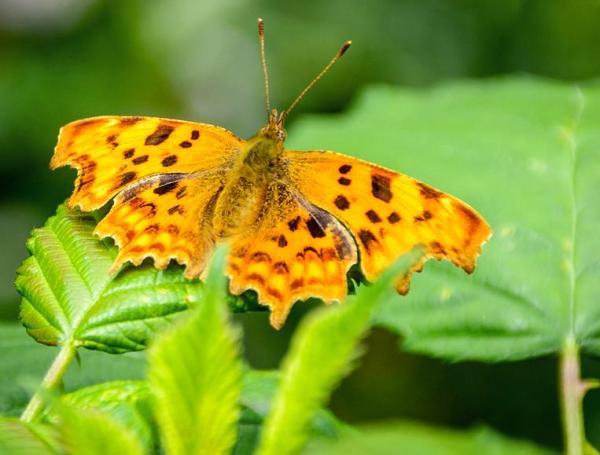
Sunday morning, in the sunshine, Ian found and photographed this beautiful, newly emerged comma butterfly on Village Green.

The Friends, on a wet and squelchy day last week, prepared to survey the park’s slow worm population. Here is DKG’s report:


“Mats were cut and numbered for the slow worm survey with 40 mats laid in 4 areas (10 per area). These will be monitored in the coming weeks once we have some warmth and hopefully some dry weather. Areas covered included Brunts Field, Kestrel Field and Ash copse in Sheep field. The Village Green mats will be laid out during the next work party as the area was too sodden to reach.”


Photographs: DKG
If you are a slow worm fan, you might like this:
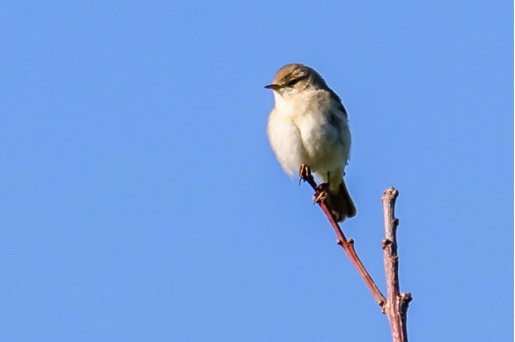
Chiffchaffs migrate to the Mediterranean and West Africa for the winter, though an increasing number over-winter here. When they return, their song is one of the first signs of spring.

Good news: the pair of barn owls photographed by David on March 10th are still in the park. They appear to have chosen a nest site in a hollow oak tree. Both were seen early in the morning last week; the cock bird hunting, the hen near what we hope is the nest.
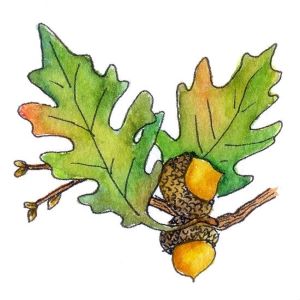
Hats and scarves was the order of the day for Wednesday’s work party, and hedges and ditches, out of the east wind, were the best places to spend the morning. The park, however, was getting on with spring to an accompaniment of birdsong.
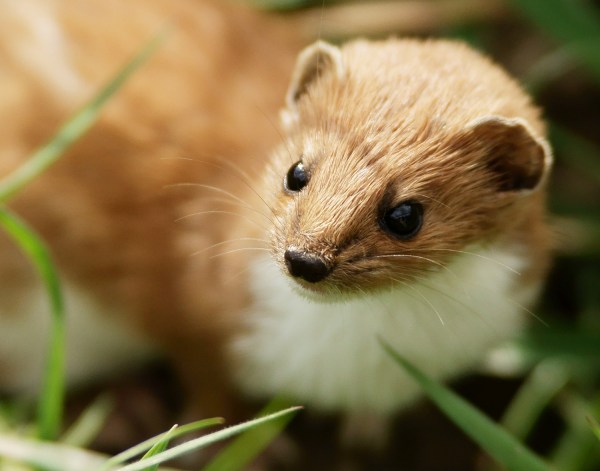
Trish saw a weasel hunting through the hedge; it ran across the picnic place and the track and into the brambles. Low down in the brambles, beyond the reach of Dave’s camera, we found a long-tailed tits’ nest, half-built: a ball of moss, hair and lichen, lined with downy feathers. A weasel is dangerous company for breeding birds; it will take eggs and nestlings, particularly if it is feeding its own nestful of young.

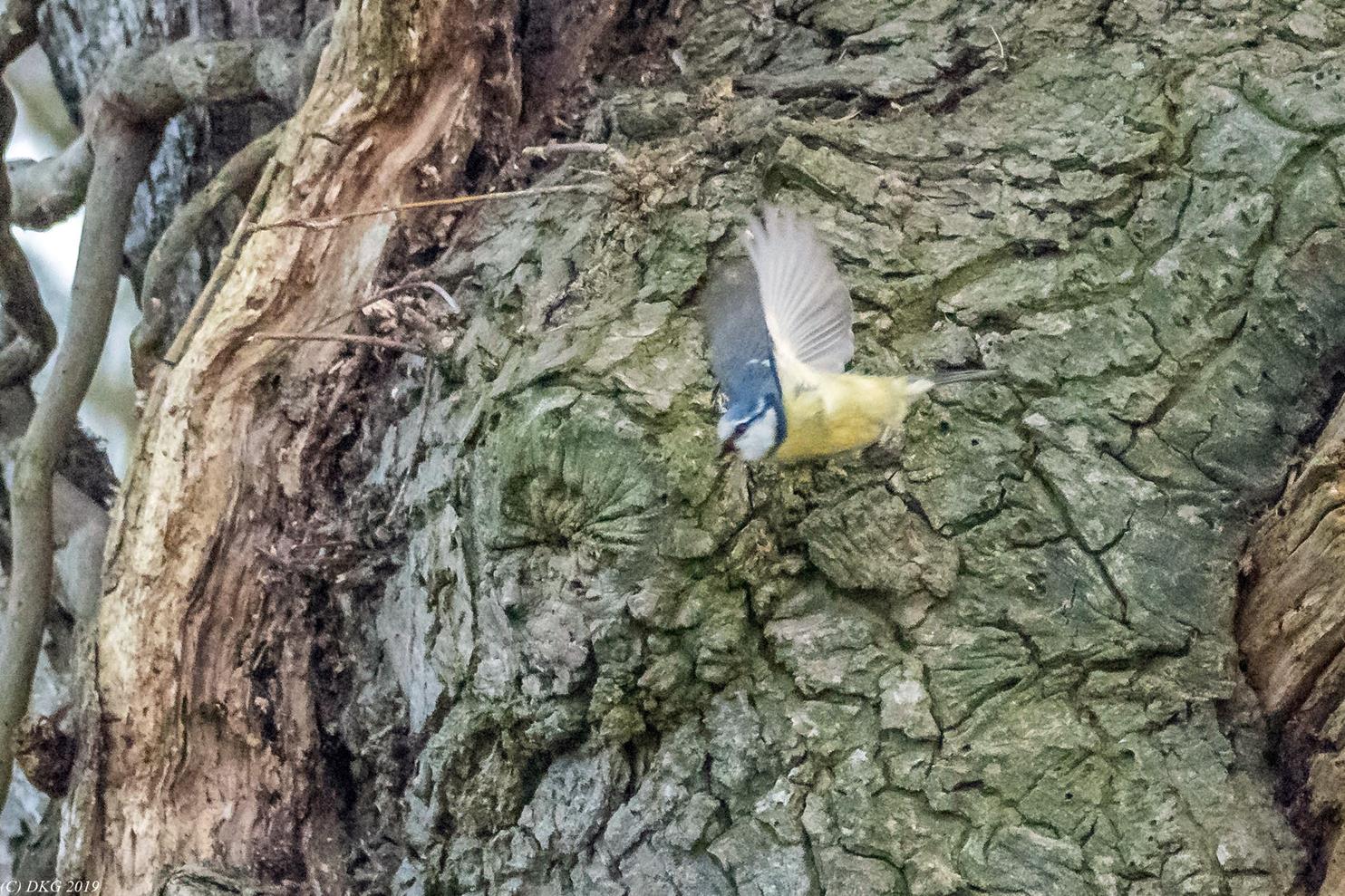

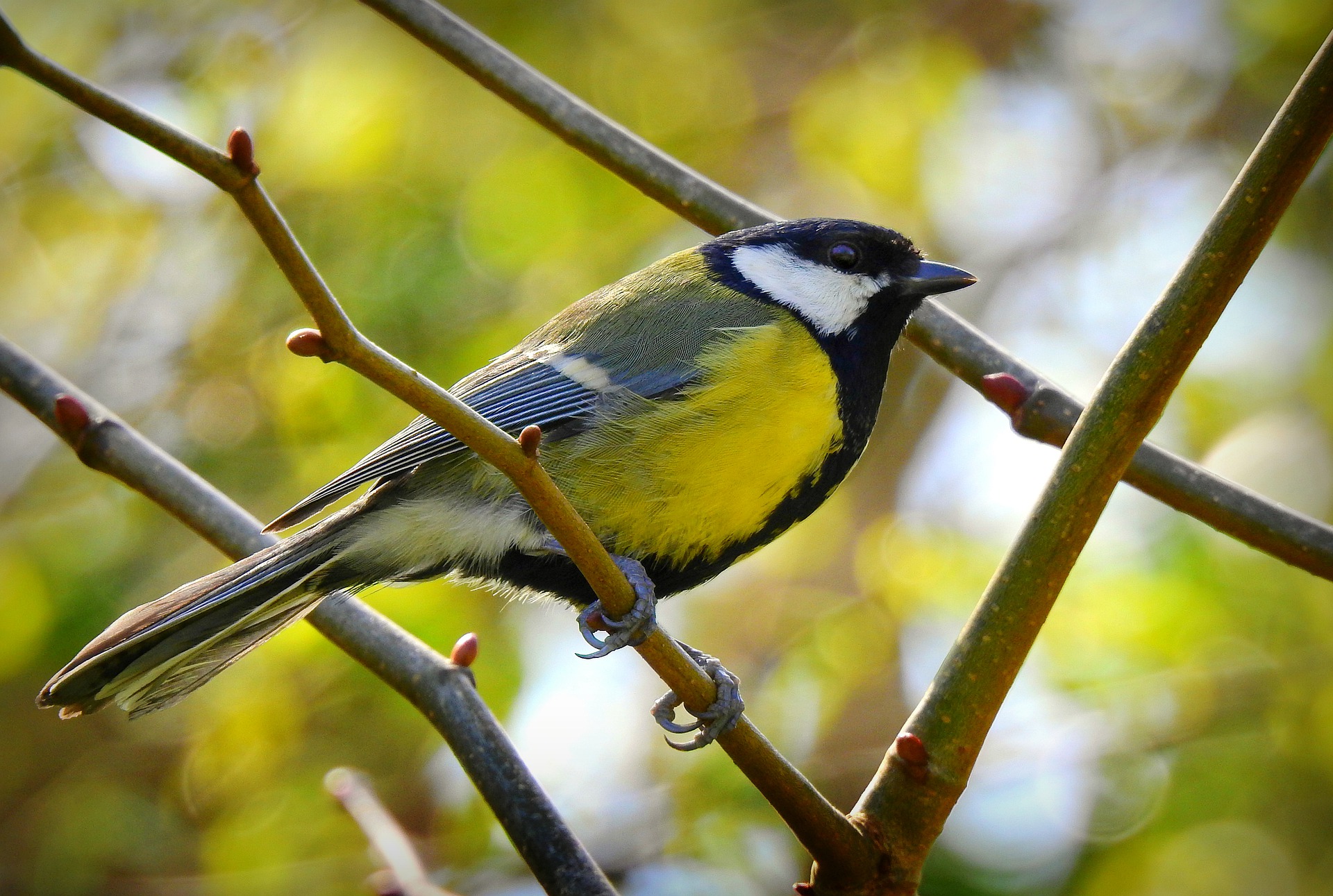


While we drank coffee and ate home made cakes, a pair of blue tits were trying out nest holes in the very highest branches of the ash tree at Fiveways. In the oaks, above us, robins and great tits shouted loud territorial challenges at each other.
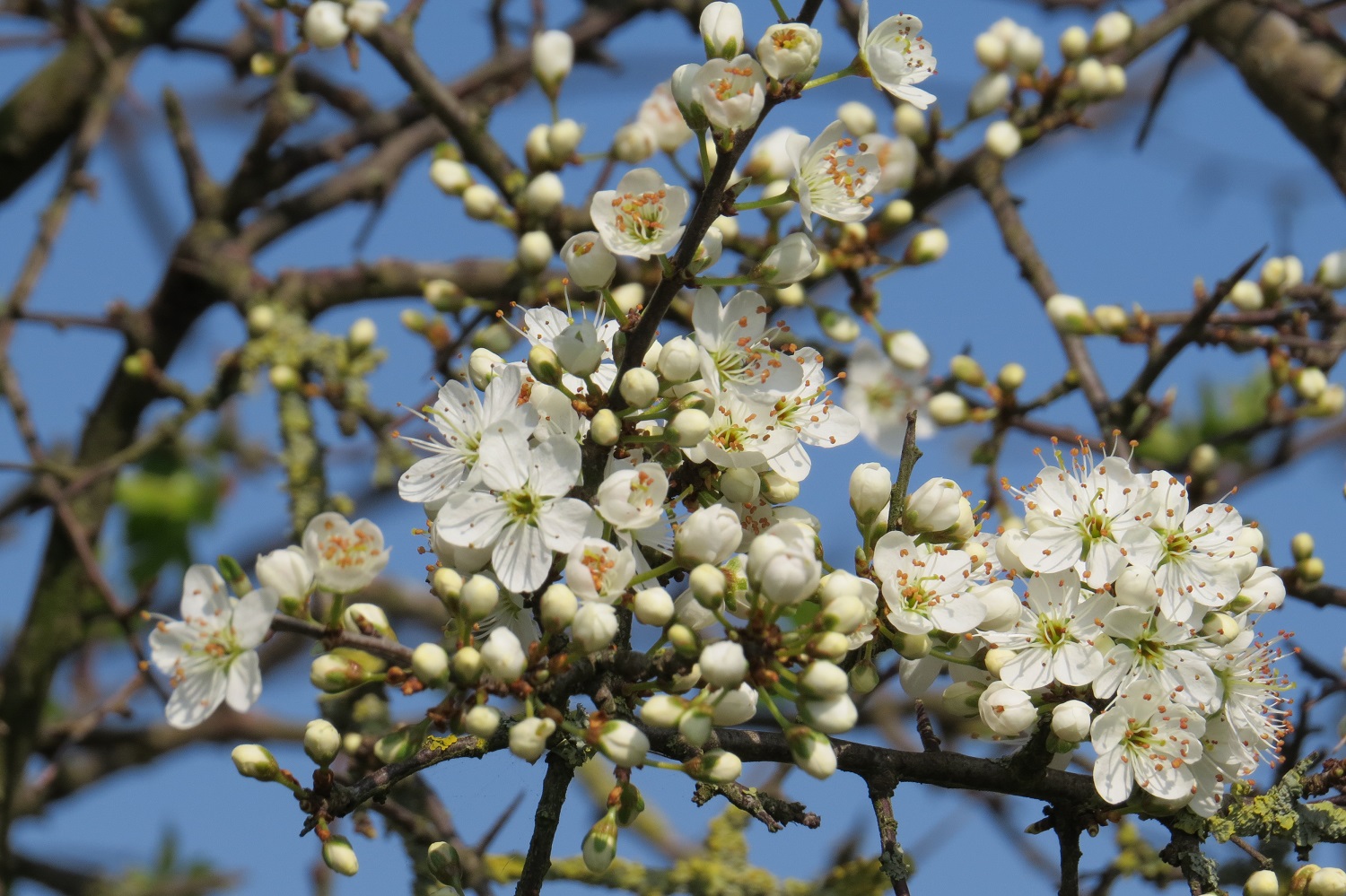
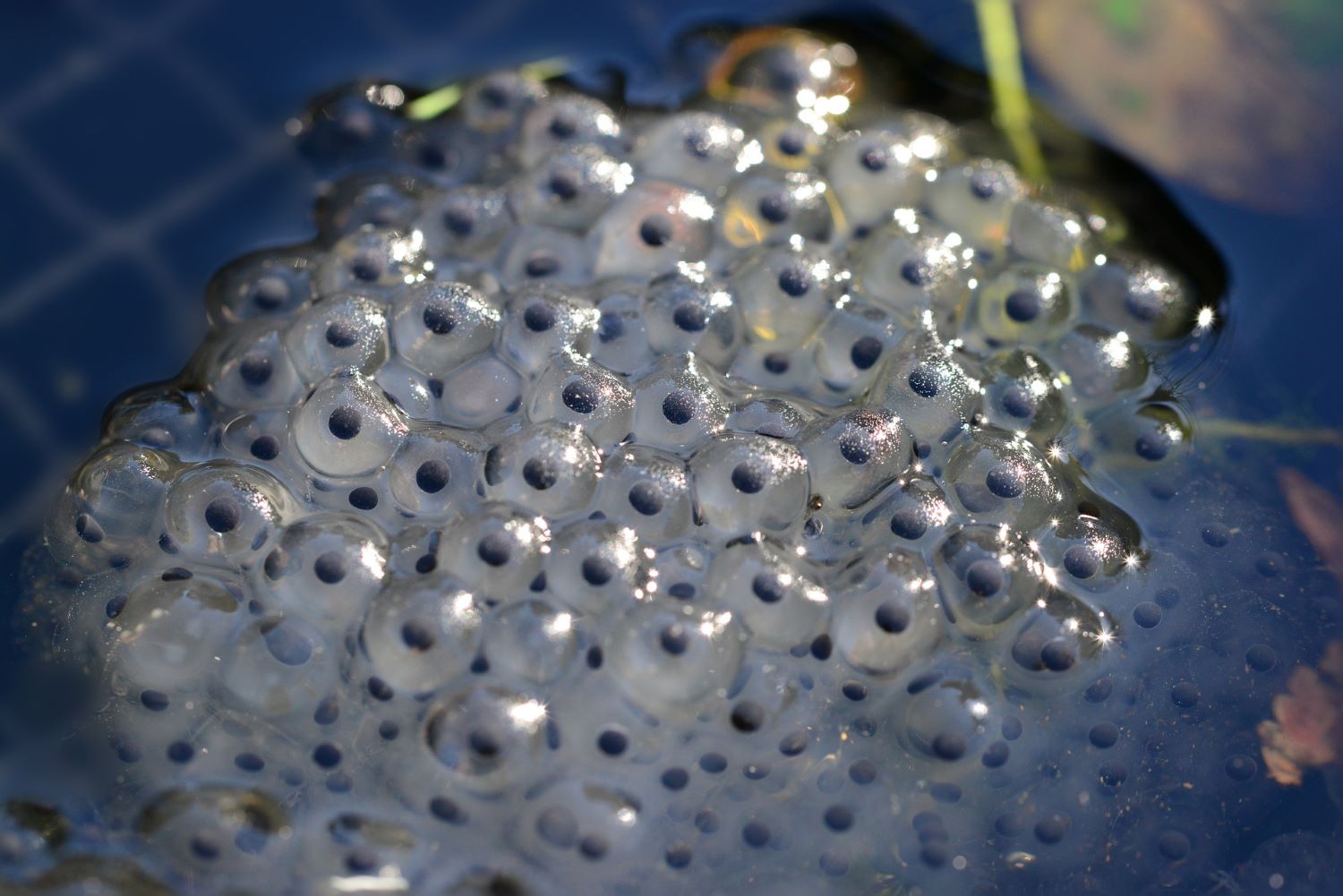
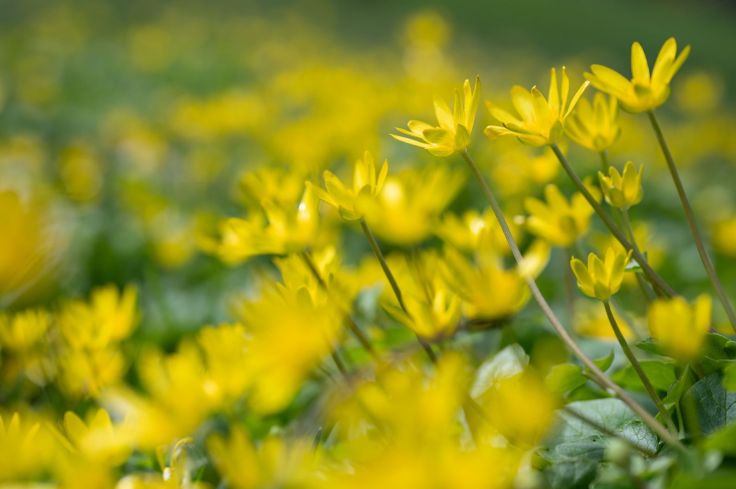
A great spotted woodpecker worked its way up the trunk of an oak tree in the hedge between Cornfield and Sleeper Field, and three green woodpeckers flew overhead towards the copse in Sheep Field. The blackthorn is in flower, primroses seem to be ignoring the arctic start to their growing season, and leaf buds are swelling on the trees. Ian says there is frogspawn in the little pond!

It’s such a pleasure to work in the park on a spring day.
Header image: weasel by Peter Trimming (CC BY 2.0) flickr.com

In 2016, a pair of tawny owls nested in the owl box in Sheep Field and reared these two owlets. The parent birds returned in 2017 to inspect the box, but it obviously didn’t meet their standard and they left.
This year a pair of barn owls is hunting across the park, roosting in one of the park’s oak trees and, we hope, looking for a nest site. We have asked the Countryside Team to help us clean the nesting boxes in the hope that the barn owls will stay.
Photograph: DKG
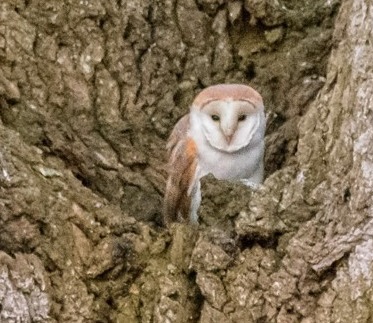
One of a pair of barn owls seen hunting over the park this weekend by DKG and Chris Seymour.
Photograph: DKG

Listen to the robin’s song.
Robins sing all year round but their spring song is louder and more confident.
Picture by DKG
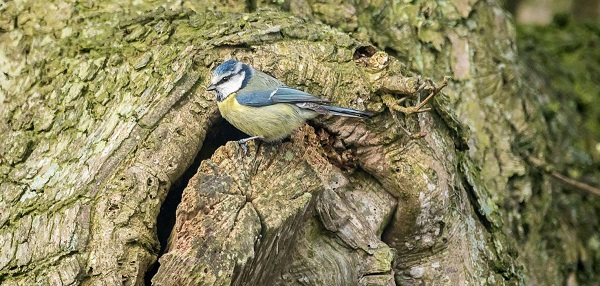
Last spring DKG, our in-house photographer, found a bluetit’s nest in a hole in one of our veteran oaks. A couple of days later, he set up a hide, hoping to photograph the parent birds bringing food to their young.
He found no bluetits.. . . . . . .

Goldfinches eat seeds almost exclusively. Even this late in the winter, they come to the park to find seeds in the dried heads of composite flowers like teasel and burdock.

In the spring of 2013, some 500 slow worms were translocated from a development site in Holbrook Lane, Trowbridge, to three sites in Southwick Country Park. Leo Wirtz, the then-leader of the Countryside Team, and his deputy Ali Rasey, set up the move with Windrush Ecology, who were the environmental consultants at the Holbrook Lane site.

Harlequin ladybirds are hibernating in substantial numbers inside the notice board at the park’s main entrance.
Continue reading “Harlequin Ladybirds”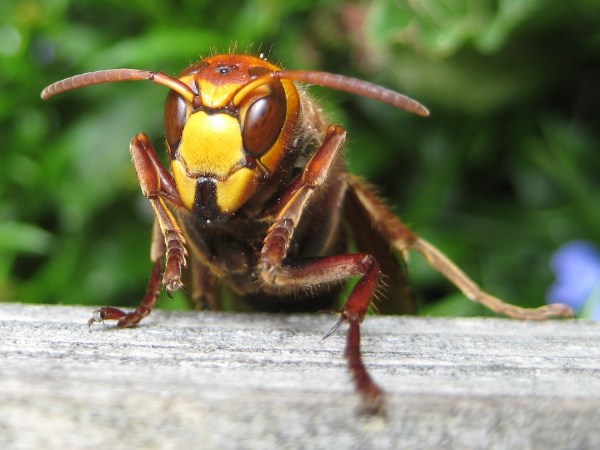
There were European Hornets (Vespa crabro) hunting in the Lone Oak in October. They are still quite rare in this country, but changing temperatures have extended their range as far north as Nottingham.
Continue reading “European Hornets”