
Jay
Common names: common jay, Eurasian jay, acorn jay.
Continue reading “Fact file”
Cheryl Cronnie, a regular contributor, has sent in photographs of a buzzard (Buteo buteo) perched in one of the reserve’s veteran oaks.
Continue reading “Buzzard”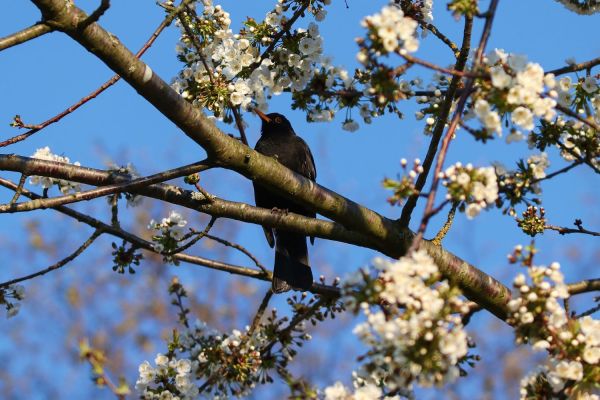
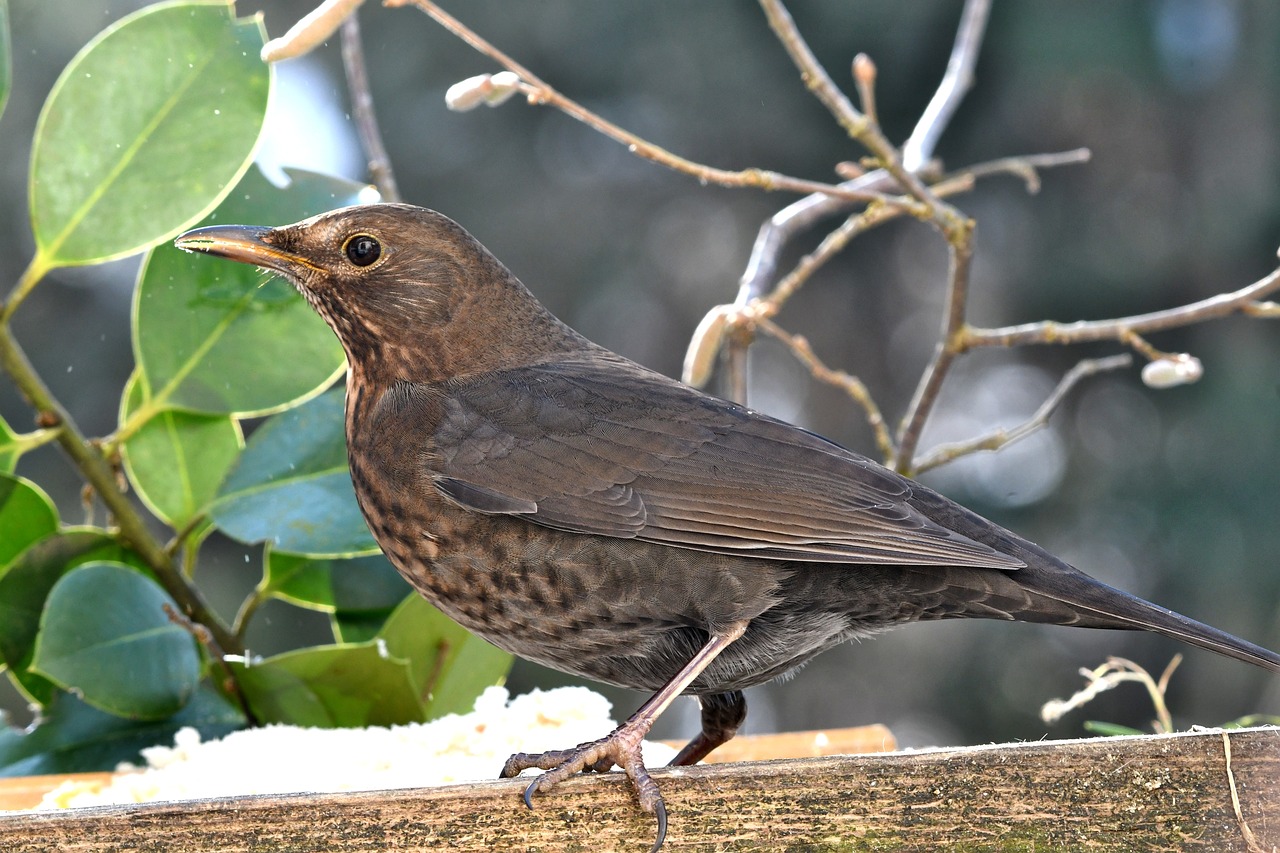
Did you know that there are six million breeding pairs of blackbirds in the UK, each pair capable of producing up to four broods each year? No, neither did we.
Common blackbird song recorded by Beatrix Saadi-Varchmin (CC BY-NC-SA 4.0) xeno-canto.org





At this time of year, our peacock butterflies are leaving their hibernation sites to feed among the reserve’s spring flowers: welcome flashes of colour in all this rain.
Continue reading “Peacock butterflies”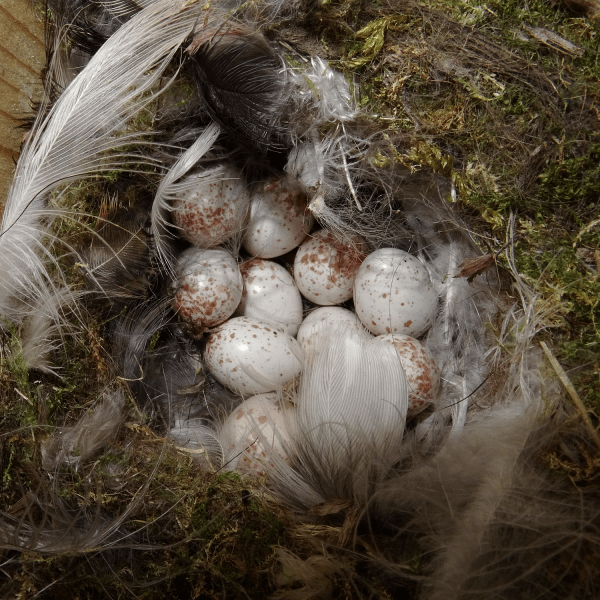
In the header photograph, the blue tit’s eggs are lying in a cup shaped nest lined with soft feathers that are obviously intended to keep the eggs warm. But around the edge of the cup there are larger feathers; their purpose is not so clear.
Continue reading
After yesterday’s video post, a reader asked what triggered the blue tit female (it is always the female blue tit that builds the nest) to stop collecting moss and to begin collecting what he called fluffy stuff. While failing entirely to find an answer to his question, I found a treasure trove of research into blue tit nests and the materials they use to build them.
Continue reading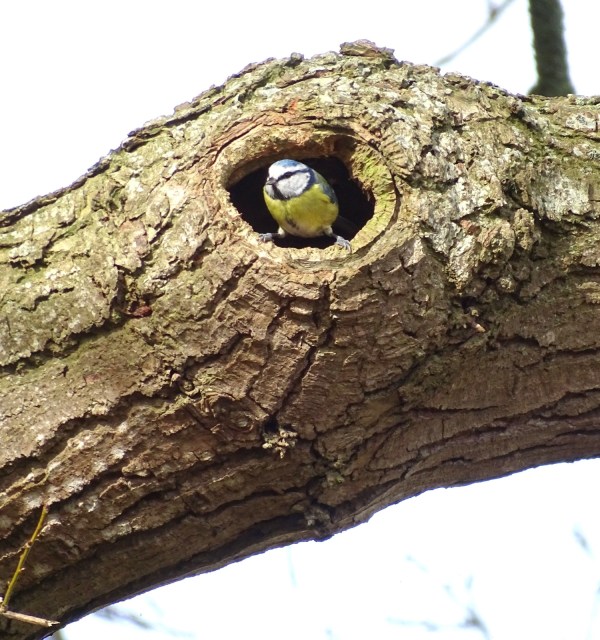
Anybody want to guess how many blue tits are building nests in the reserve today? Here’s how it’s done.
Header image taken in the reserve by Cheryl Cronnie


The car park wagtails are a pair of grey wagtails but we have pied wagtails too.
Continue reading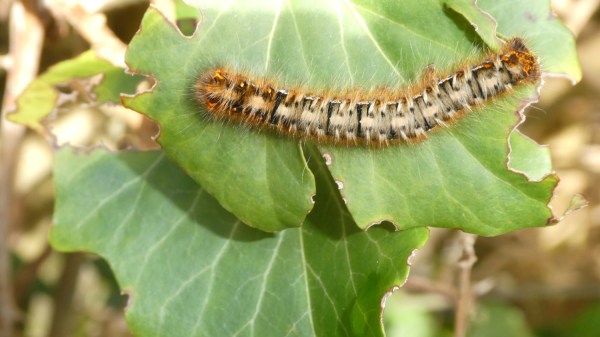
Ian has sent us a picture of a Jersey tiger moth caterpillar with a message:
Continue reading

Blue tit colours
The blue tit (Parus caeruleus) has been classified as sexually monochromatic, which means that male and female are the same colour. This classification is based, though, on human colour perception, not on blue tit colour perception.
Continue reading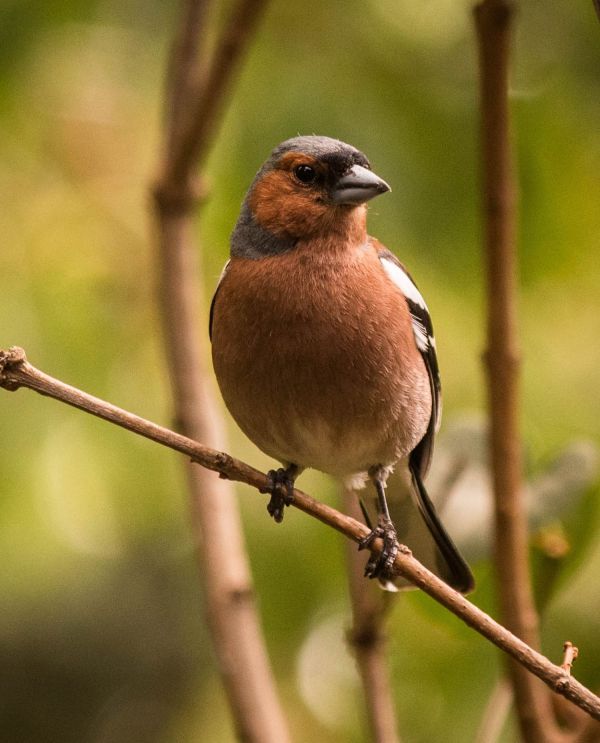
According to the RSPB, trichomonosis, an avian disease caused by a parasite called Trichomonas gallinae, has reduced the UK’s chaffinch population by 34% in the last decade.
Audio: Common Chaffinch by Krzysztof Deoniziak (CC BY-NC-ND 4.0 DEED) xeno-canto.org XC884915
Continue reading “Chaffinch”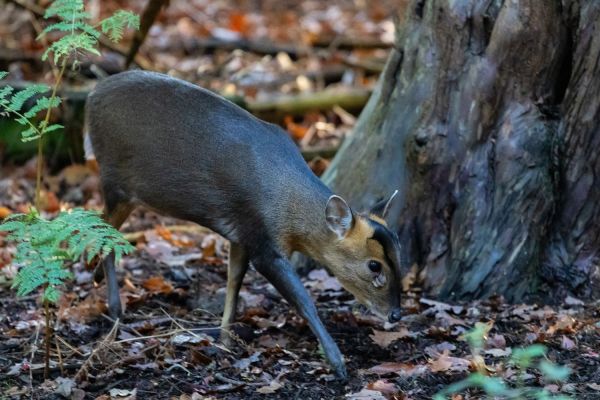
A message from an early-bird dog walker:
I spotted a Muntjac deer this morning, about 5 o’clock whilst walking my dog, who luckily is always kept on his lead. It was In the hedgerow that runs along the path from the carpark towards Studley, just one by itself only. Is this a species you are aware of?
I was very surprised to see it so close to a built up area which has quite considerable footfall. But for well over a year I haven’t haven’t seen the larger deer which frequented the park.
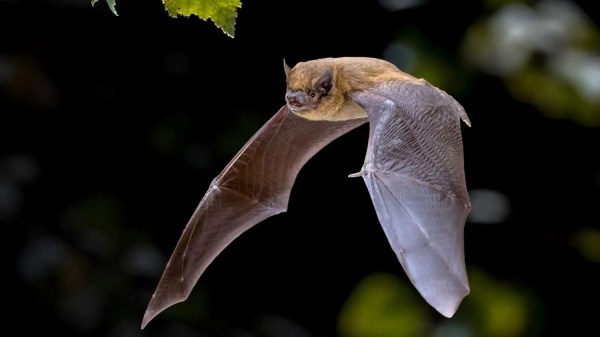
Our common pipistrelles (Pipistrellus pipistrellus) are out of hibernation
Continue reading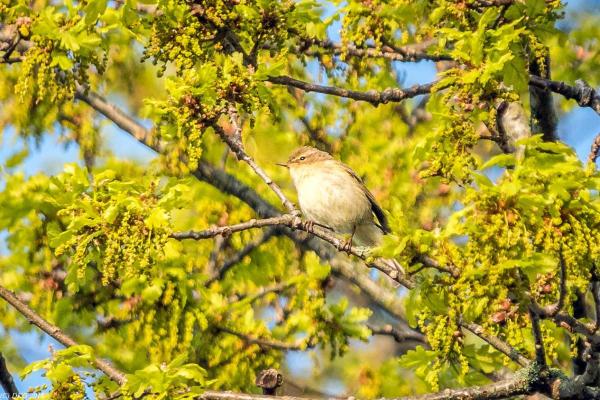
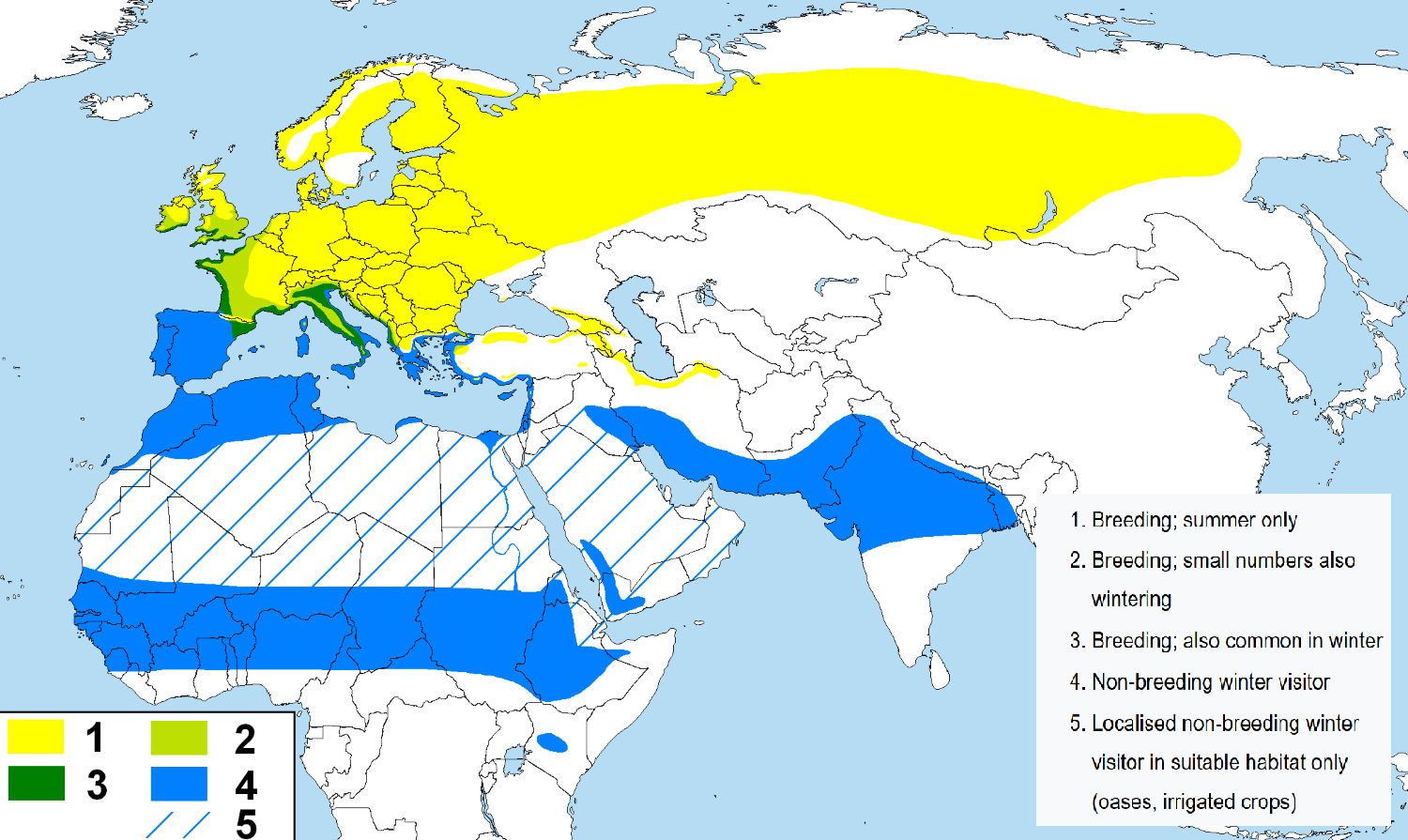
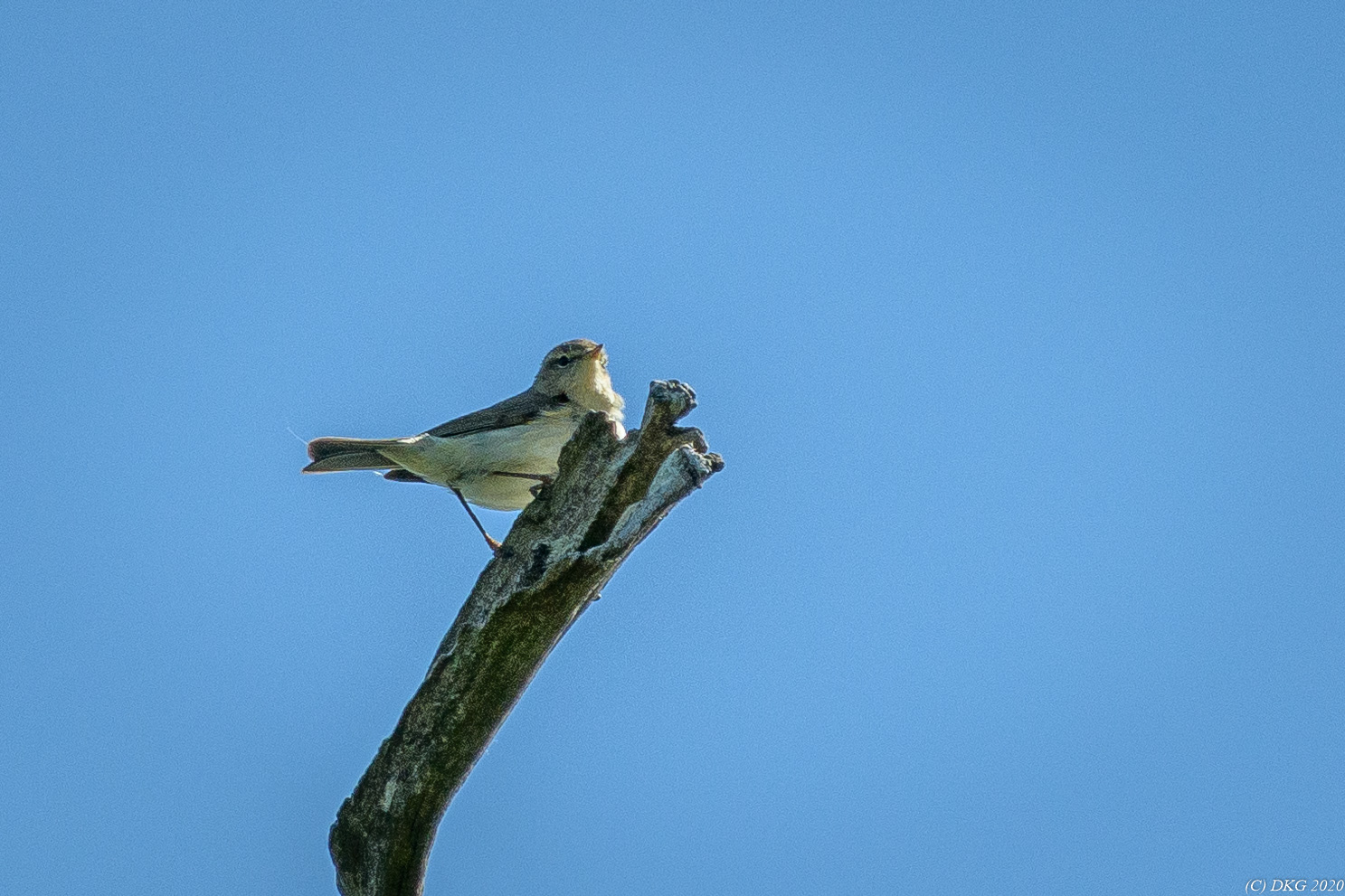
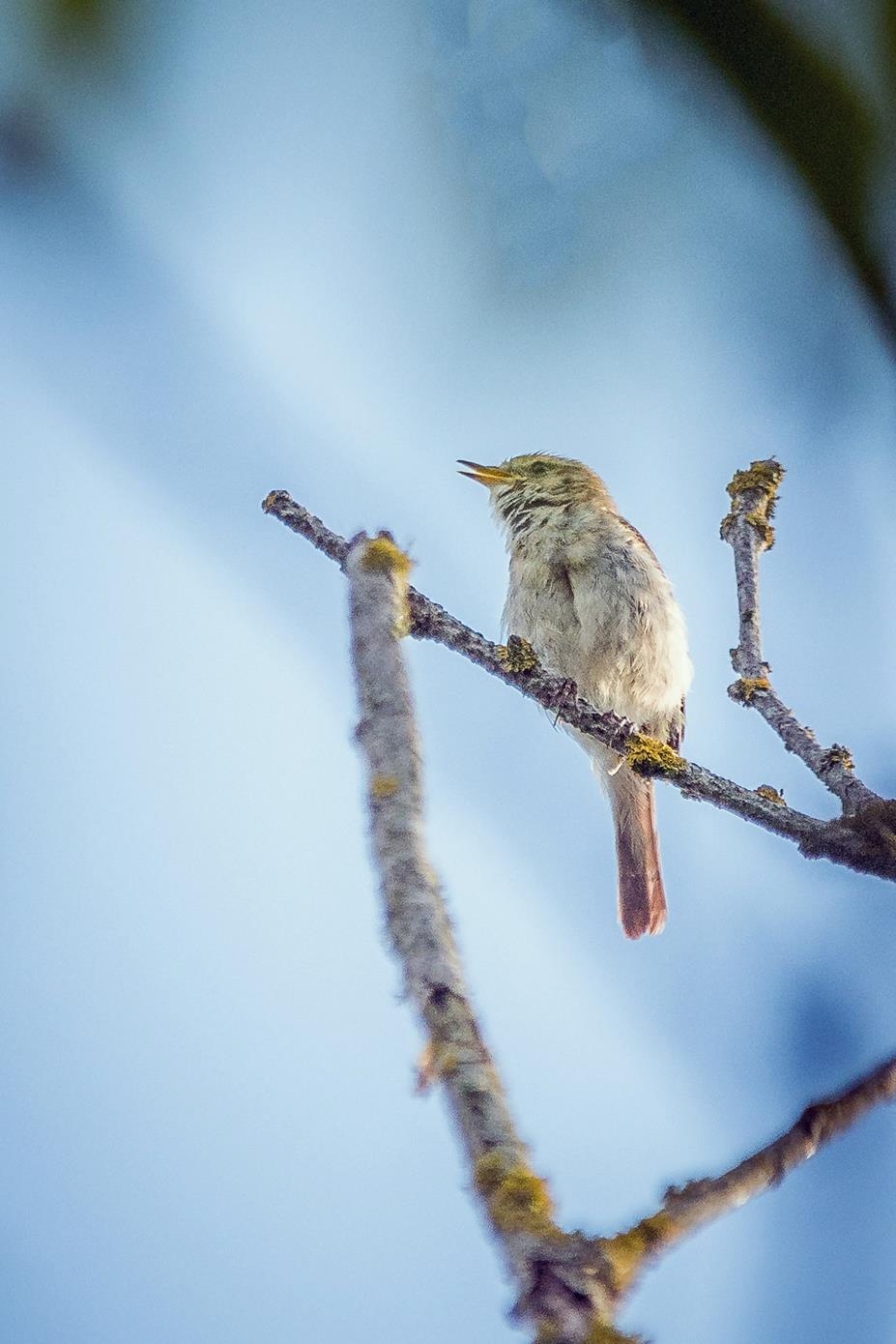
Has anybody heard our chiffchaffs yet? This is the time of year when they come back from the Mediterranean and Africa to nest in the park and their unmistakeable call is a welcome sign that spring is here, no matter how much it rains. Message or email us if you have heard them .


We have a resident moorhen on one of the reserve’s lesser-known ponds.
Continue reading “Moorhen”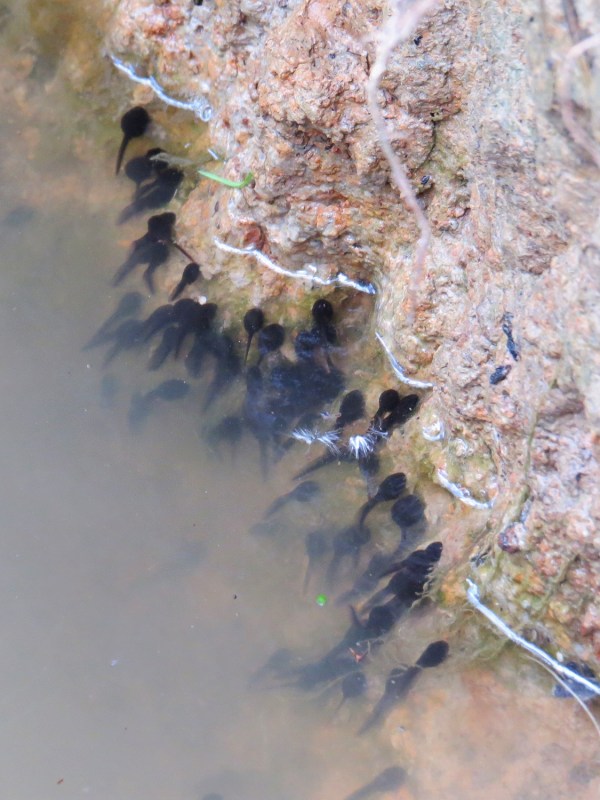
Every year, we find common frog tadpoles (Rana temporaria) in the little pond under the Decorated Bridge.
Continue reading “Tadpoles”
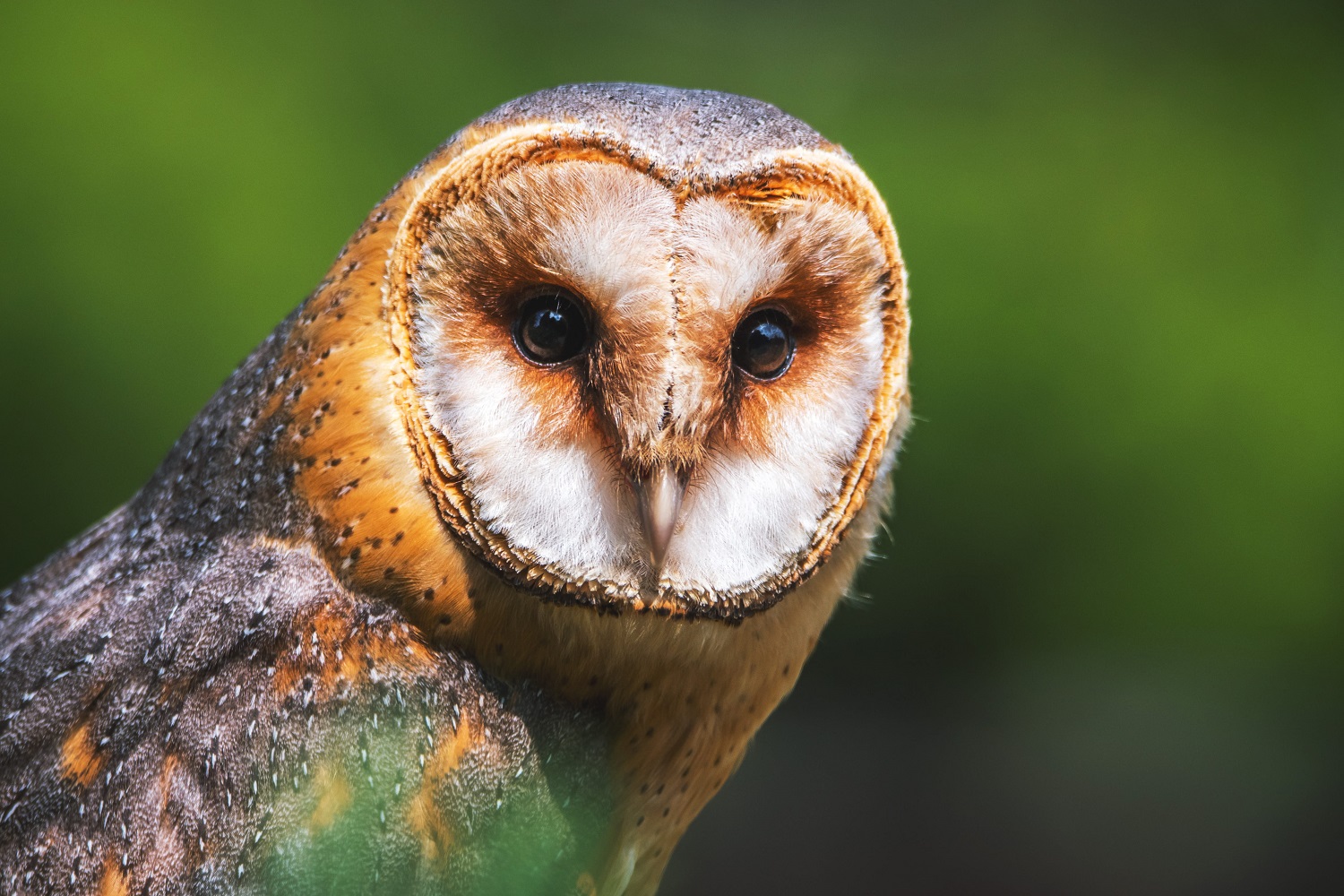
Most years, in March, the reserve is visited by a pair of barn owls. As barn owls mate for life, this is probably the same pair each year looking for a nest site. They always set up a temporary roost in one of the oak trees in the hedge in the centre of the field between Church Lane and Lambrok Meadow and hunt across our fields in the early dawn.
Have any of you up-with-the-lark early morning dog walkers seen them this year? Please let us know if you have.


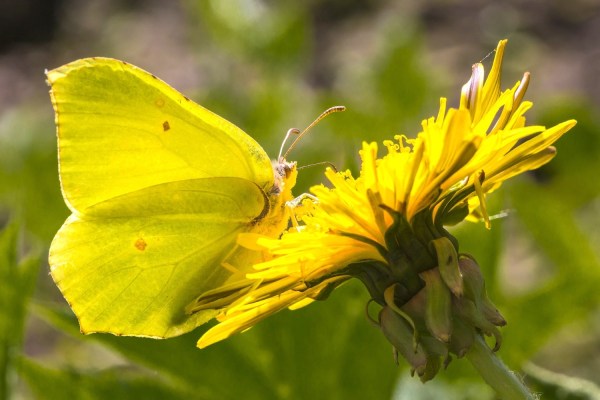
According to the National Trust, gardens in the south and west of England are coming into flower up to four weeks ahead of schedule. The warm weather and such an early source of nectar will bring our butterflies out of hibernation; one of the earliest reported in the reserve, nearly every year, is the brimstone.
Continue reading “Brimstone”
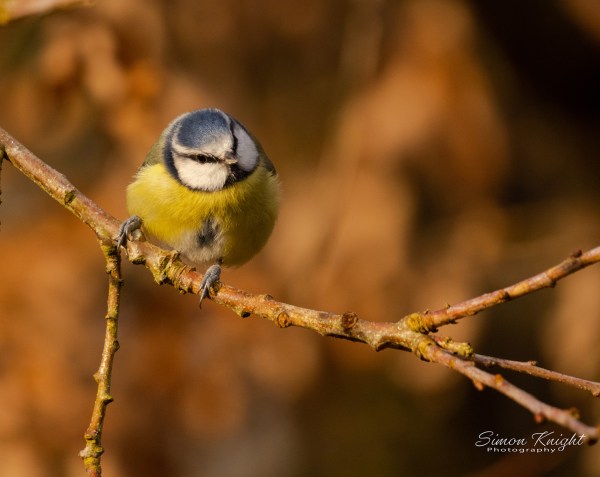
The British Trust for Ornithology has been collecting information about the UK’s birds since 1932.
Continue reading “BTO”
Great tits can be very loud at this time of year as they search for territory and a mate. They sit high in the trees and shout. It is a distinctive repetitive call like a creaky gate. Listen out for it.
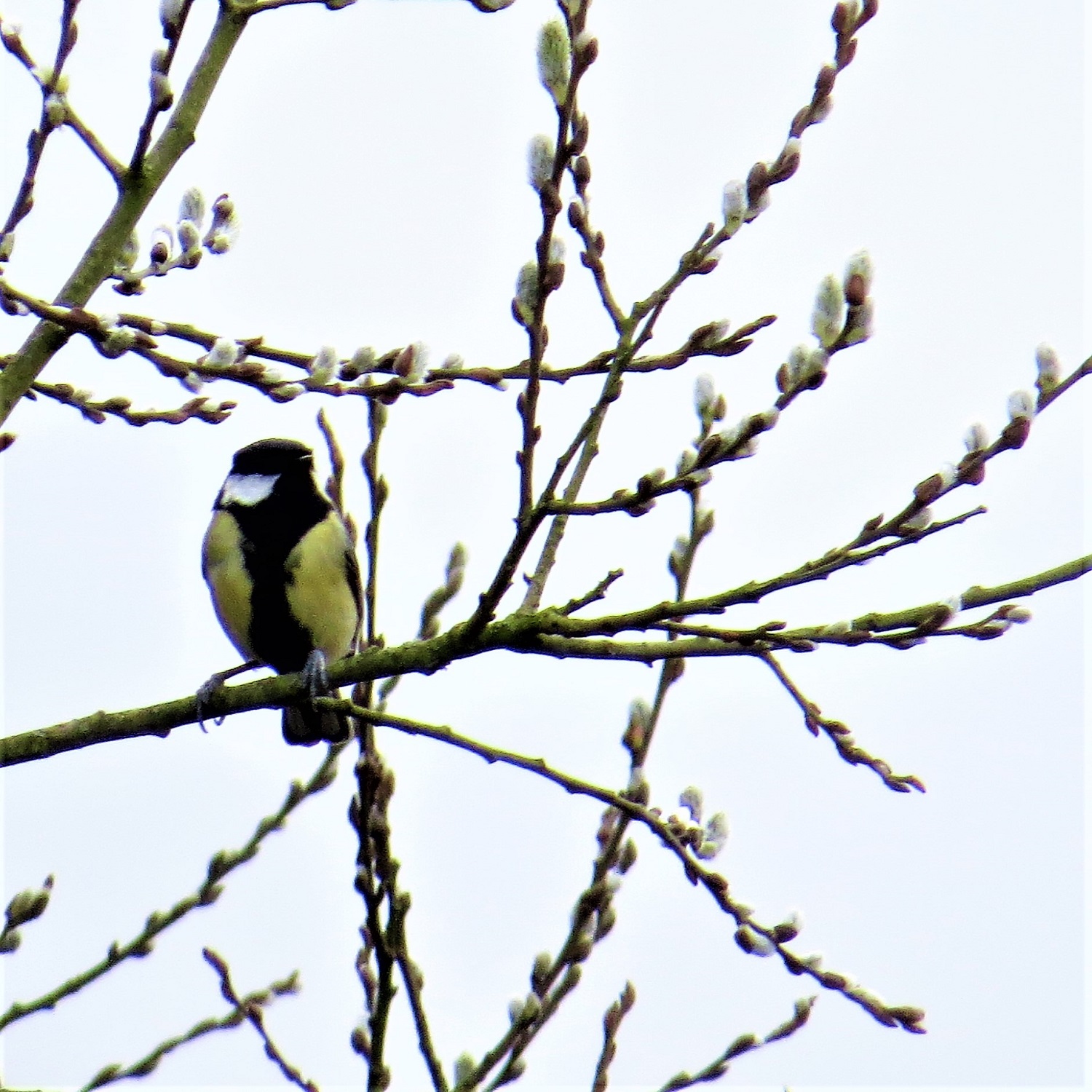
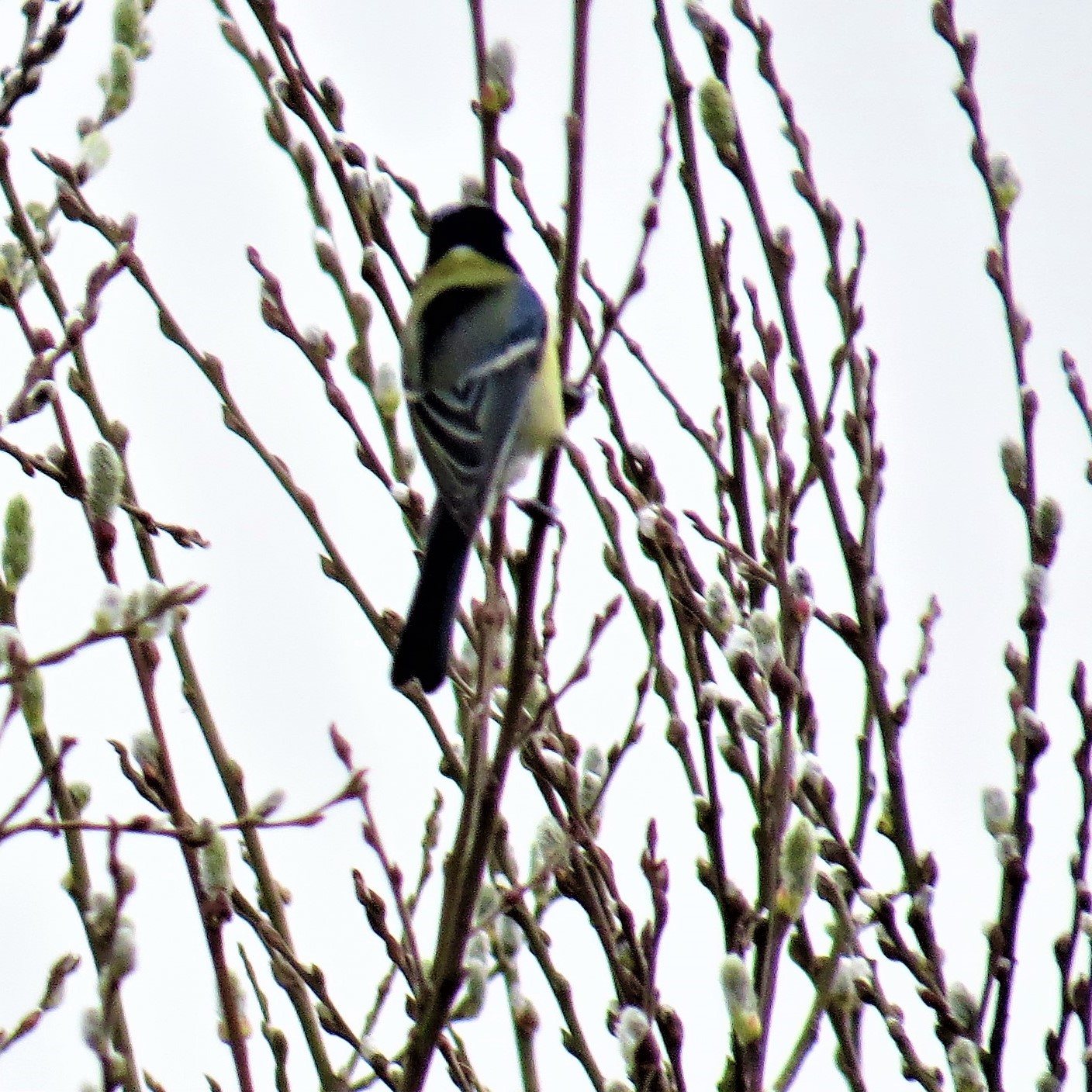

This great tit is in the willows by the decorated bridge, sitting up up among the branches and making a lot of noise


Coot (Fulica atra), small black waterbirds, close relatives of moorhens, visit the reserve in the spring. They have never nested here but we live in hope.
Continue reading “Coot”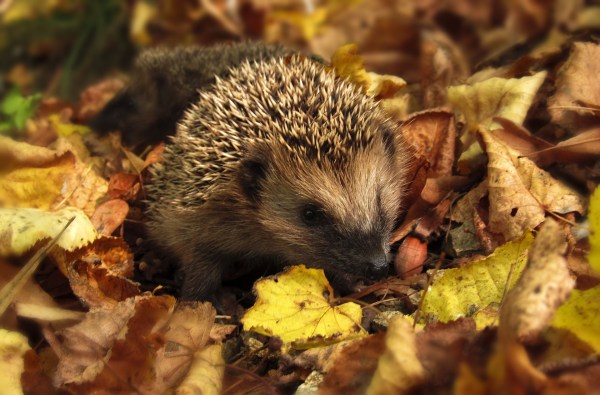
ONE: the BBC’s Gardeners’ World Magazine, which surveys its many readers annually, has just announced that urban hedgehog numbers appear to be rising. Excellent!
Continue reading “Ten Facts…”


 Southwick Country Park Nature Reserve