Already, our songbirds are tuning up for the spring. Here are ten things you may not have known about birdsong.
The reserve’s song bird are tuning up for spring
Continue reading “Birdsong”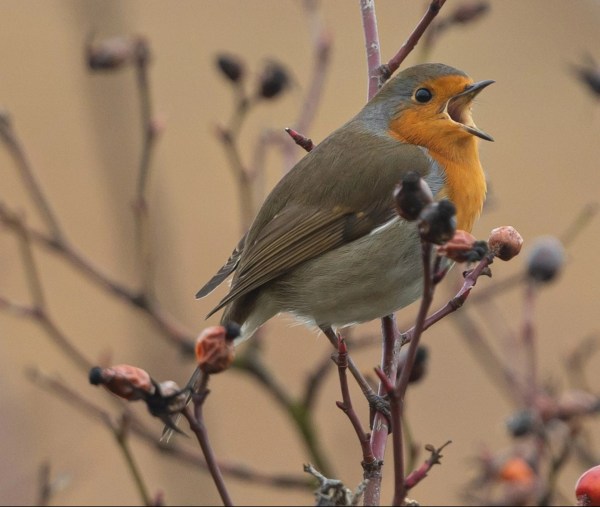
Already, our songbirds are tuning up for the spring. Here are ten things you may not have known about birdsong.
The reserve’s song bird are tuning up for spring
Continue reading “Birdsong”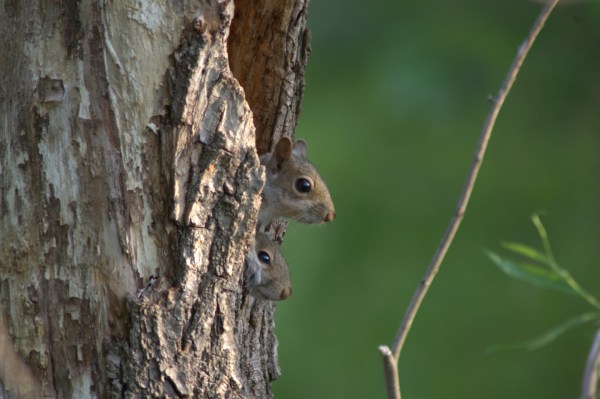
The grey squirrel breeding season begins in February and the males will already be chasing the females through our woodland. We know they are an invasive alien species that does untold damage to our trees and competes for resources with our native wildlife – but they are just so cute.

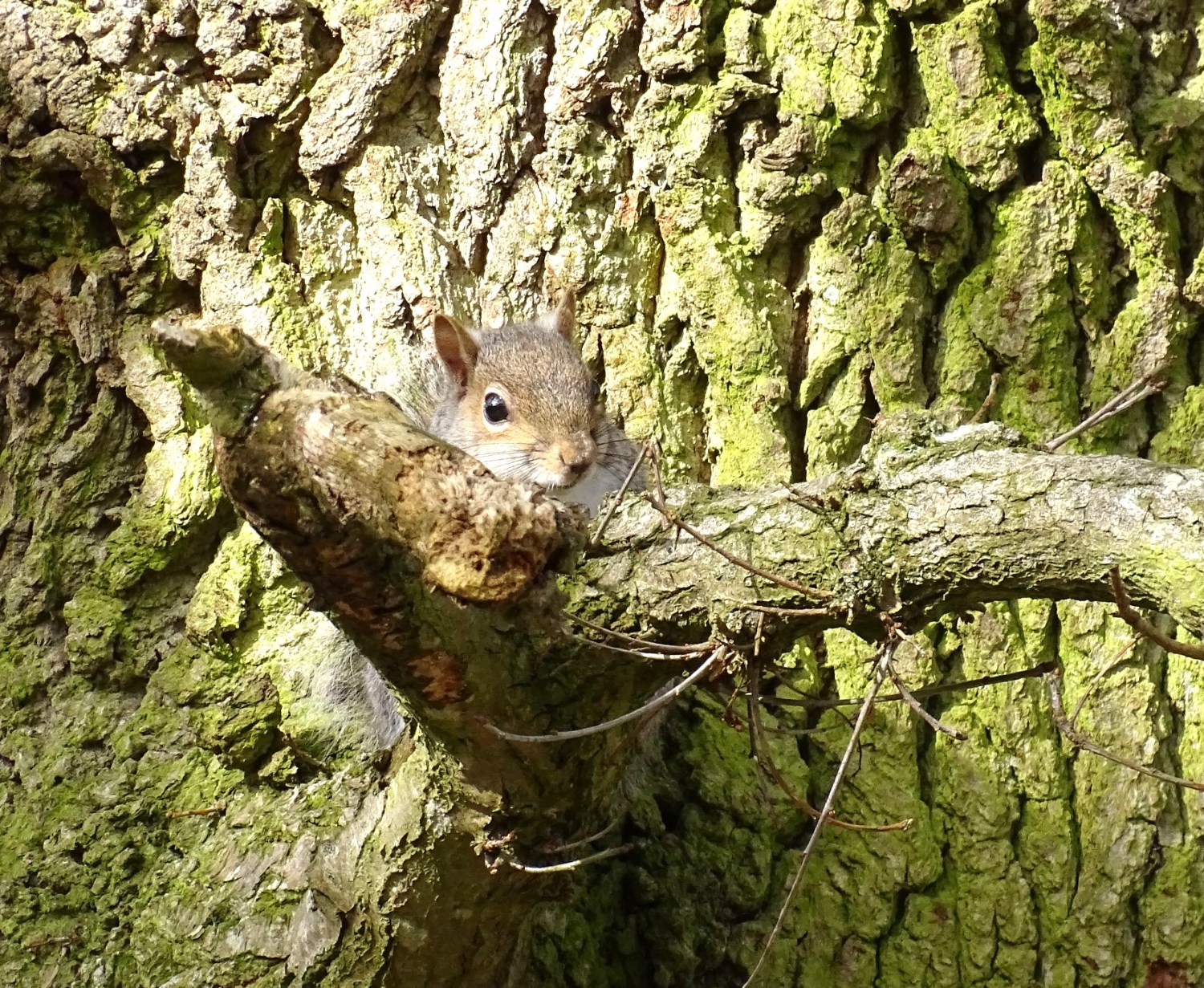
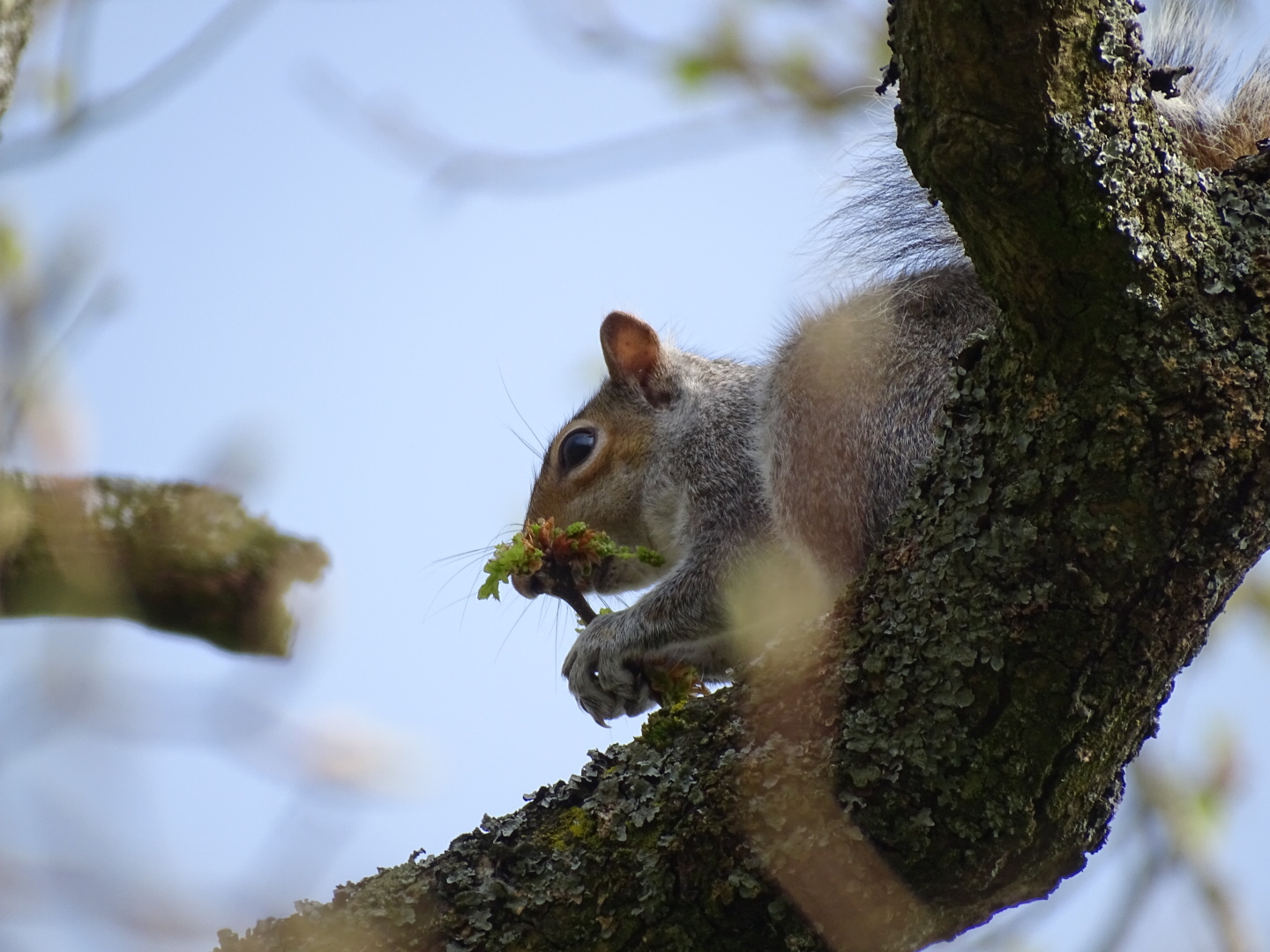

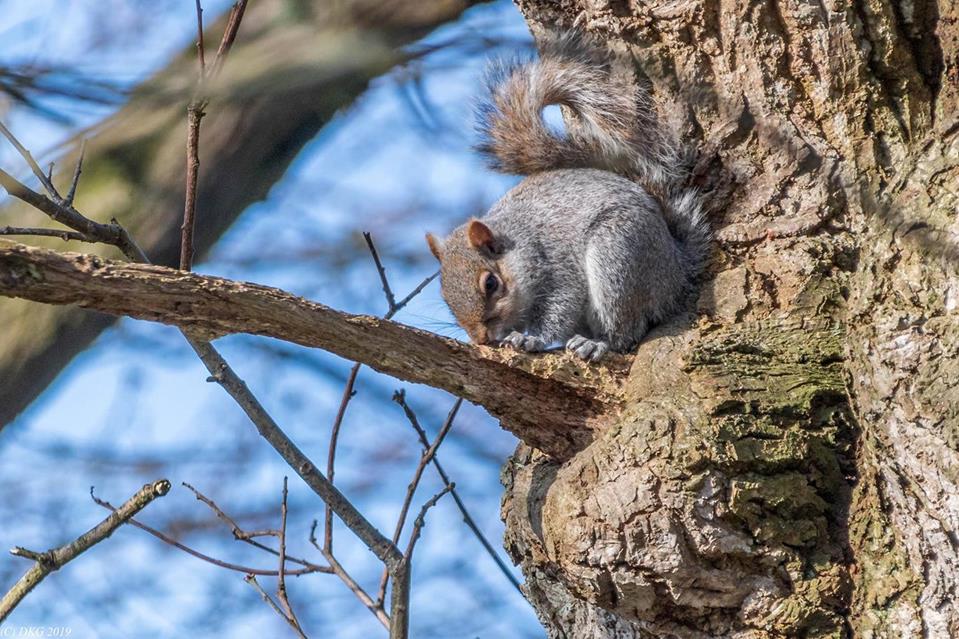


All these images were taken in the reserve. If you have pictures of our squirrels, please send them to us; we would love to see them. Email full size to: friendsofscp@outlook.com
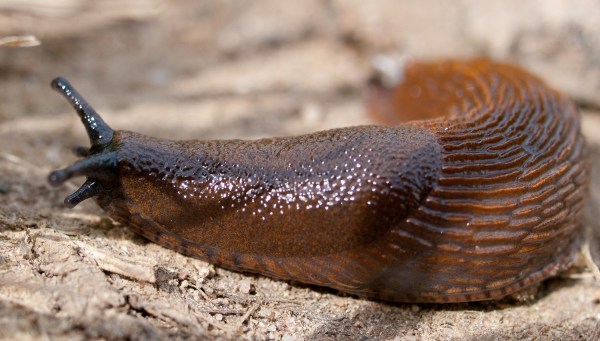
In the spring of 2022 the Royal Horticultural Society decided that slugs are no longer to be classed as garden pests. This was very welcome news.
Continue reading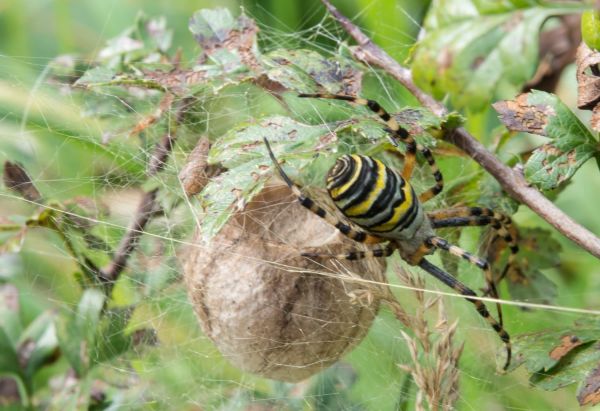
This is a female wasp spider (Argiope bruennichi) at the end of summer, guarding her egg sac, one of the largest egg sacs made by any spider resident in the UK.
Continue reading “Wasp spider”
We already know how damaging light pollution can be and we know that noise pollution impacts birdsong and is linked to whale strandings – but what about other sensory pollutants? A study conducted at the University of Washington in Seattle has concluded that air pollution is making it more difficult for some insects to detect the fragrances of flowers, important mediators in the relationship between plants and pollinators, insects and food sources.
Continue reading
How many species of earthworm are there in the UK?
Continue reading “Earthworms”
Our field voles (Microtus agrestis) are having a winter break from their long breeding season. They don’t hibernate; instead they grow a thick, very dense coat to shield them against the cold, and their metabolic rate almost doubles in order to maintain their body temperature.
Continue reading “Field vole”
On one of our forays into of our invertebrate species list, we just noticed this: a common malachite beetle, Malachius bipustulatus.
Continue reading
This far south, Eurasian collared doves, Streptopelia decaocto, breed almost all year round. In the reserve, even this early in the year, their ever-present monotonous calls (…my toe hurts…my toe hurts…) become just background noise.
Recording by Olivier Swift (CC BY-NC-SA 4.0 DEED) xeno-canto.org
Continue reading
Did you know that there are neonicitinoids in the monthly flea and tick treatments your vet prescribes for your cats and dogs, and that these dangerous neurotoxins can be transferred to your hands right the way through the active period of the treatment, despite what it says on the box.
Continue reading “Insecticides”
Common name: Roe deer; the male is called a roebuck, the female a doe and their young are kids or fawns.
Continue reading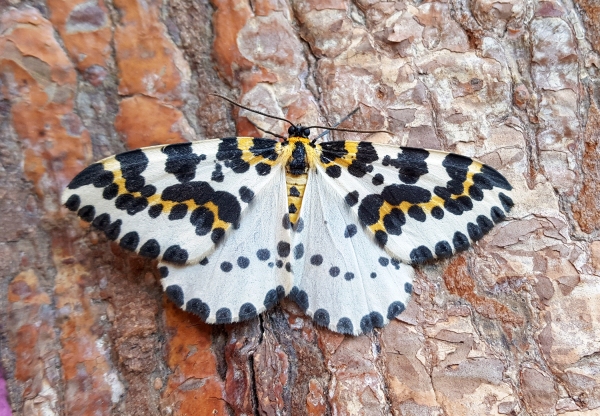
Researchers from London’s Imperial College believe they have discovered why moths and other flying insects seem to be so fatally attracted to light.
Continue reading
On Tuesday, a member of FoSCP saw a waxwing (Bombycilla garrulus) in the copse at the bottom of Kestrel Field. He didn’t get a picture and there was nobody to confirm the sighting so it hasn’t been added to our species lists yet. If you have seen it, or photographed it, please contact us.
Continue reading “Waxwing”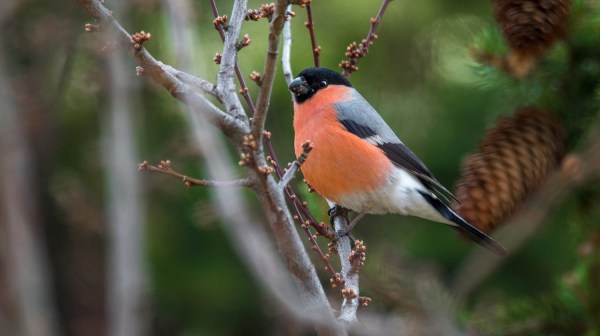
It’s Big Garden Birdwatch weekend! Sign up, join in and get counting.


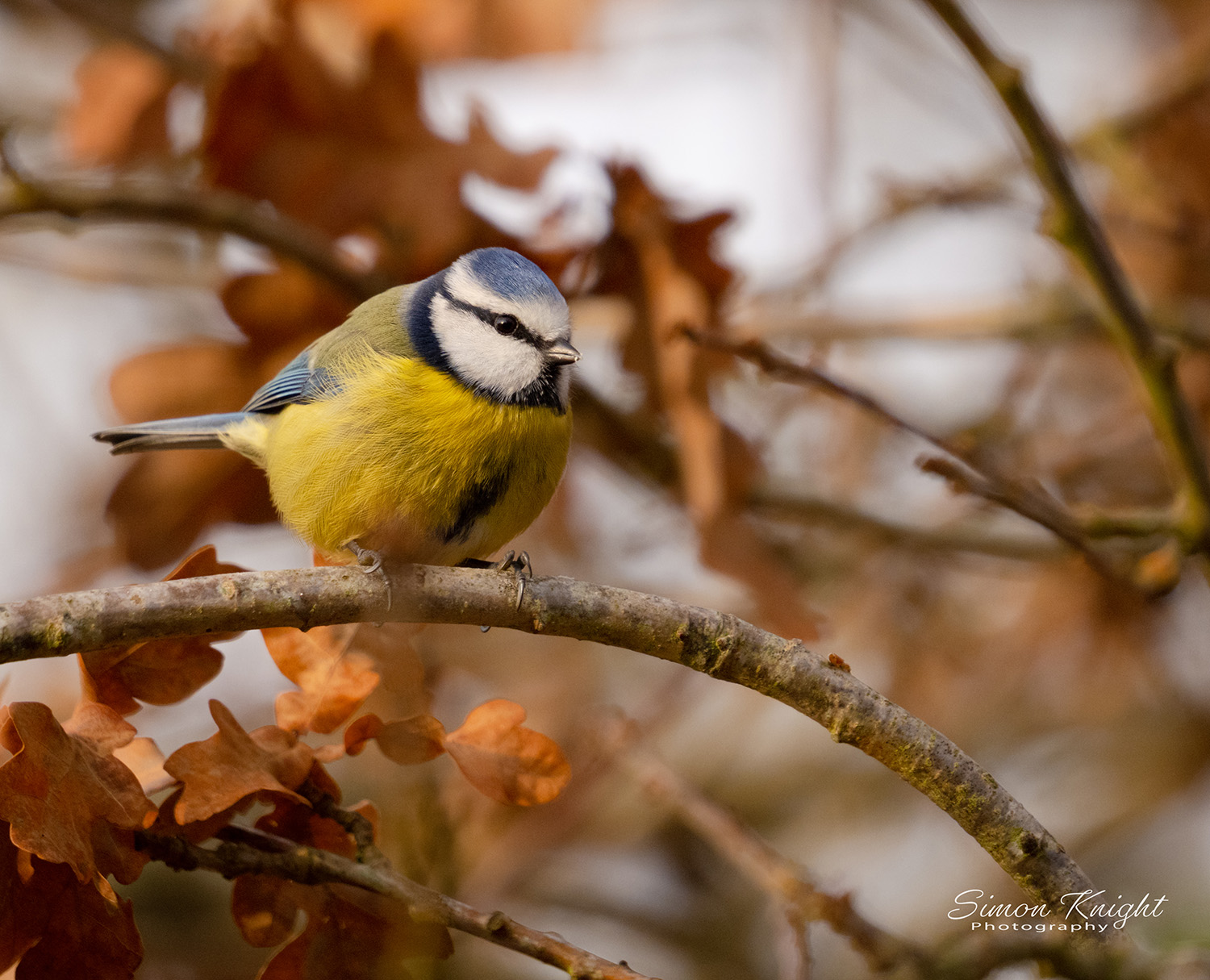

The RSPB’s Big Garden Birdwatch, has been taking place over the last weekend in January every year since 1979. This is important citizen science: the RSPB uses the information we collect to monitor our native bird populations. Each year, as global warming takes hold and our climate changes, planning for the future of our wildlife becomes more urgent.
Below is a link that will take you to live-feed cameras watching bird feeders across the UK.

Changing temperatures are initiating plant growth earlier and earlier every year. In the reserve, there are already primroses in flower. While we might find the early flowering of daffodils and snowdrops encouraging, there are other species in the park for which it might be a disaster.
Continue reading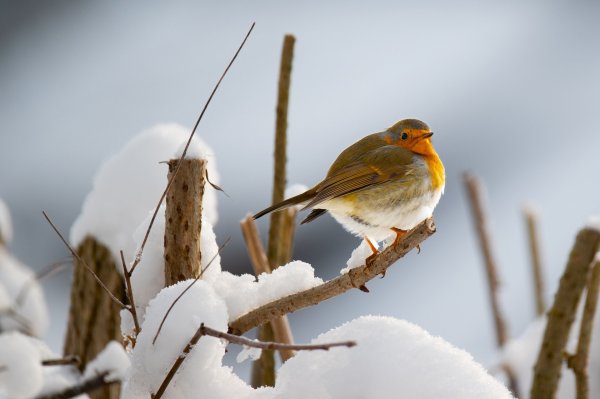
Did you know that some robins migrate?
Continue reading “Winter robins”
Ian reported a flock of fifty or more redwings visiting the reserve last week.
Continue reading “Redwings”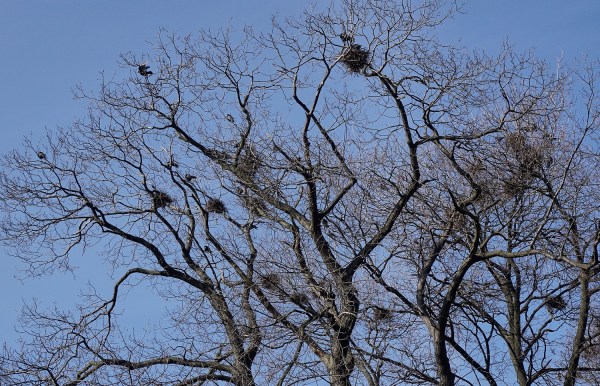
This far south, and despite the freezing weather, the reserve’s rooks will have begun to collect nesting material. Rooks pair for life and build their nest together: the male finds most of the material and the female puts it in place. Here is a video that shows us what kind of behaviour to look out for:
Video by Film Studio Aves;
Header picture (CC0) pixabay.com

A long tailed tit all fluffed up against the cold.

Header image taken in the reserve by Simon Knight

At the last count we had two feral honey bee colonies in the reserve, both high up in veteran trees. How will the bees cope with this cold snap?
Continue reading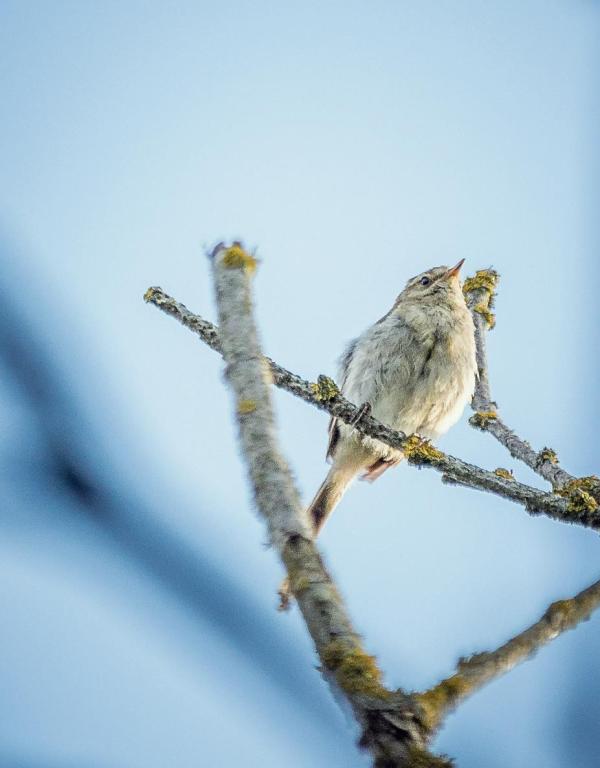
Our chiffchaffs will already have started the long journey back to their breeding sites in the reserve. They have overwintered in the warmth of southern Europe or northern Africa and are making their way home in a leisurely way with lots of stops for fuel. The males are the frontrunners and they need to arrive fit enough to find and fight for a territory.
They will begin arriving in March; their song (chiff-chaff, chiff-chaff) is one of the first signs of spring.
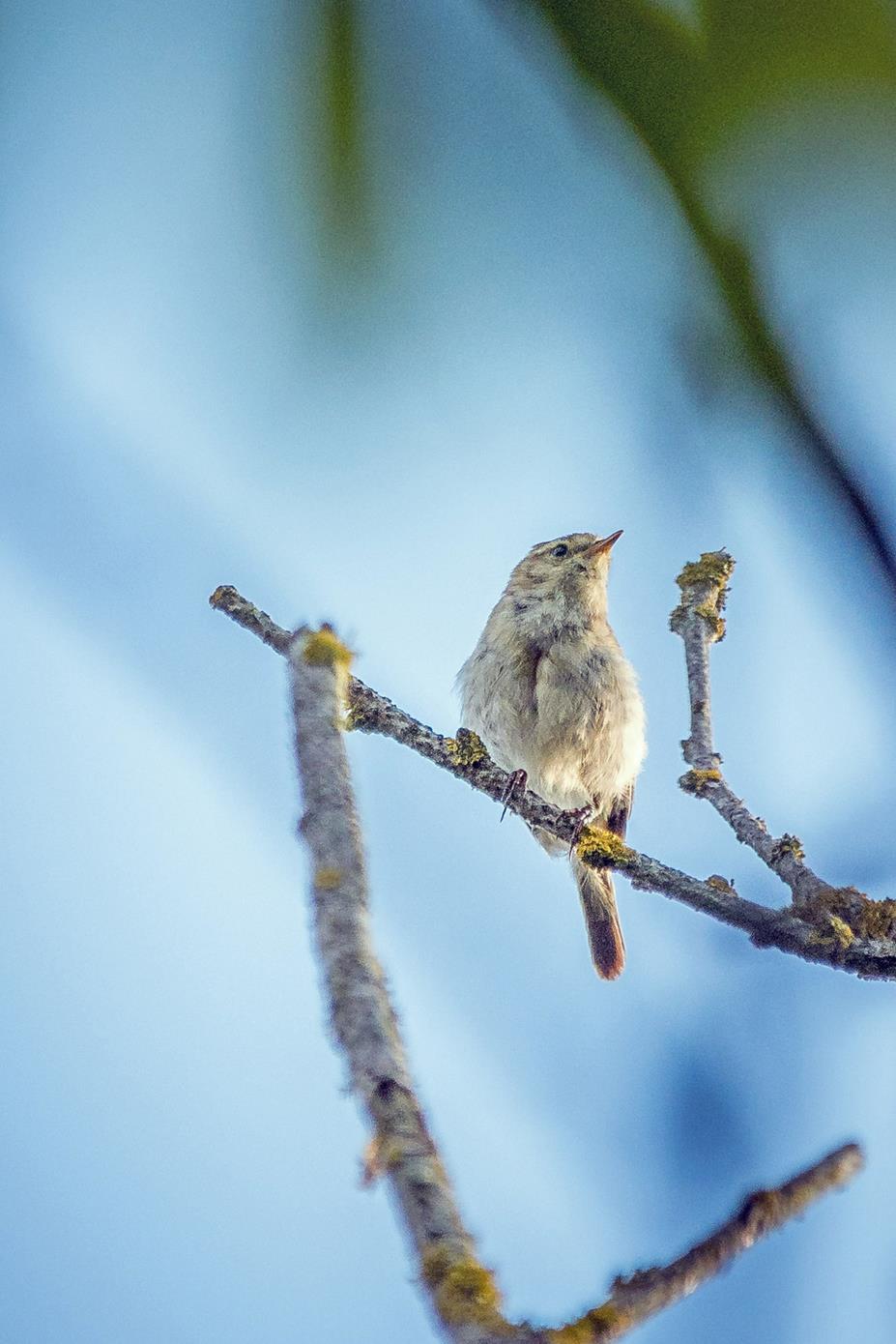
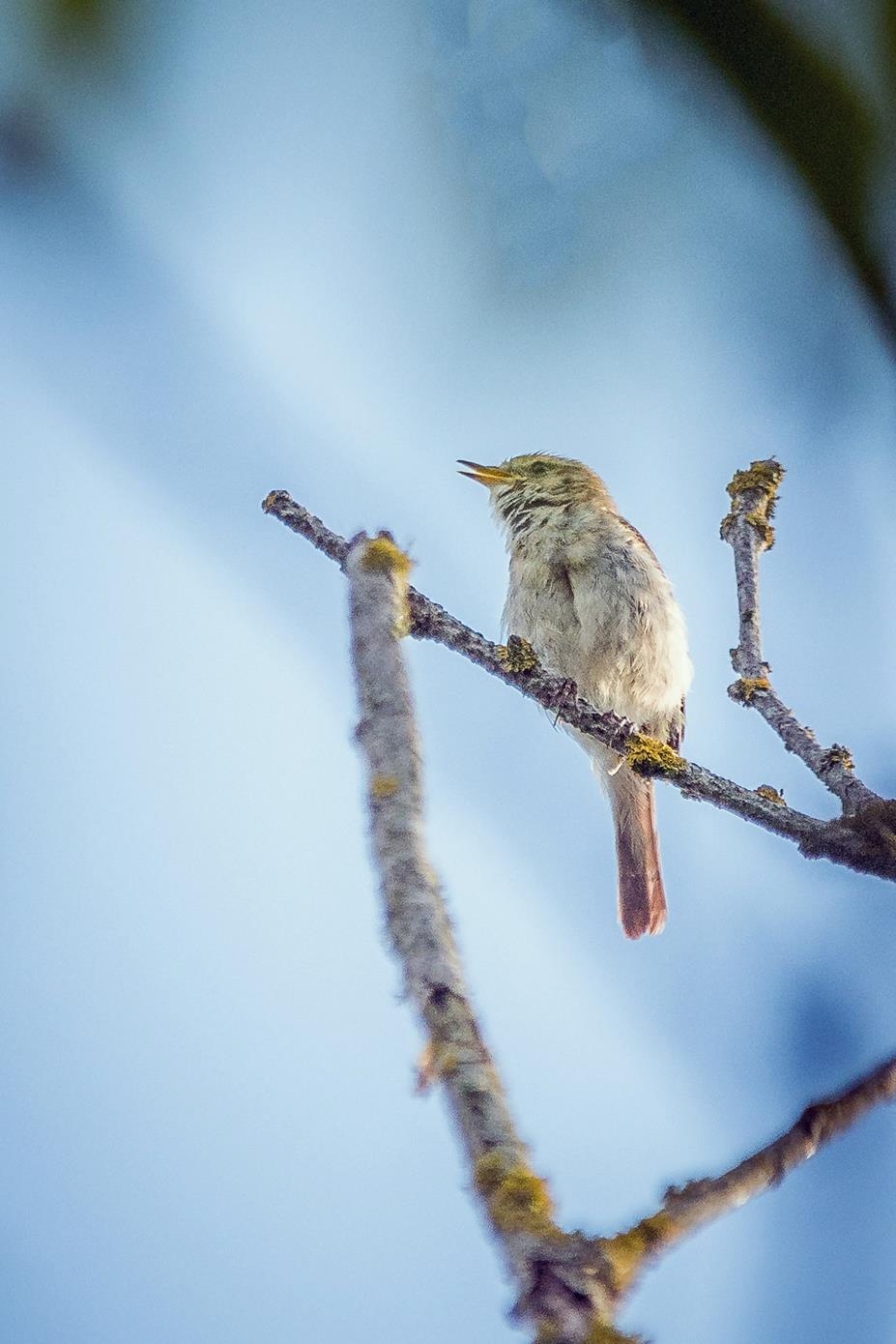
Pictures take in the reserve by DKG


The collective noun for goldfinches is a charm. How charming is that?
Continue reading “A charm of goldfinches”
Near Fiveways, there is a male song thrush that begins to sing in January. He sits high up in his territory, often on the topmost branch of a tree, and once he gets going you can hear him all over the reserve.
Continue reading
There is a family of Eurasian wrens (Troglodytes troglodytes) sharing a winter territory in the copse to the north east of the big pond. Have you seen them?
Continue reading
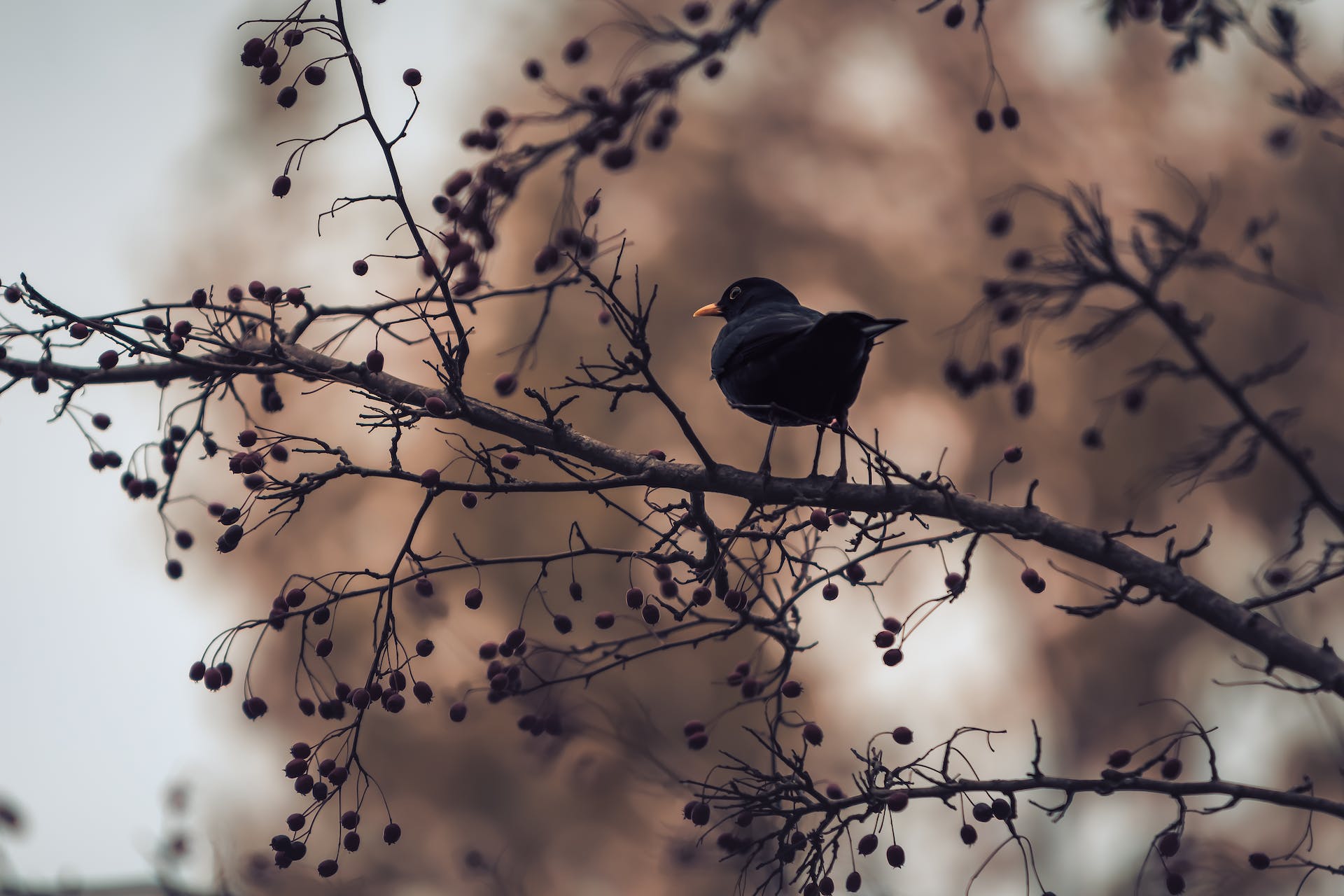
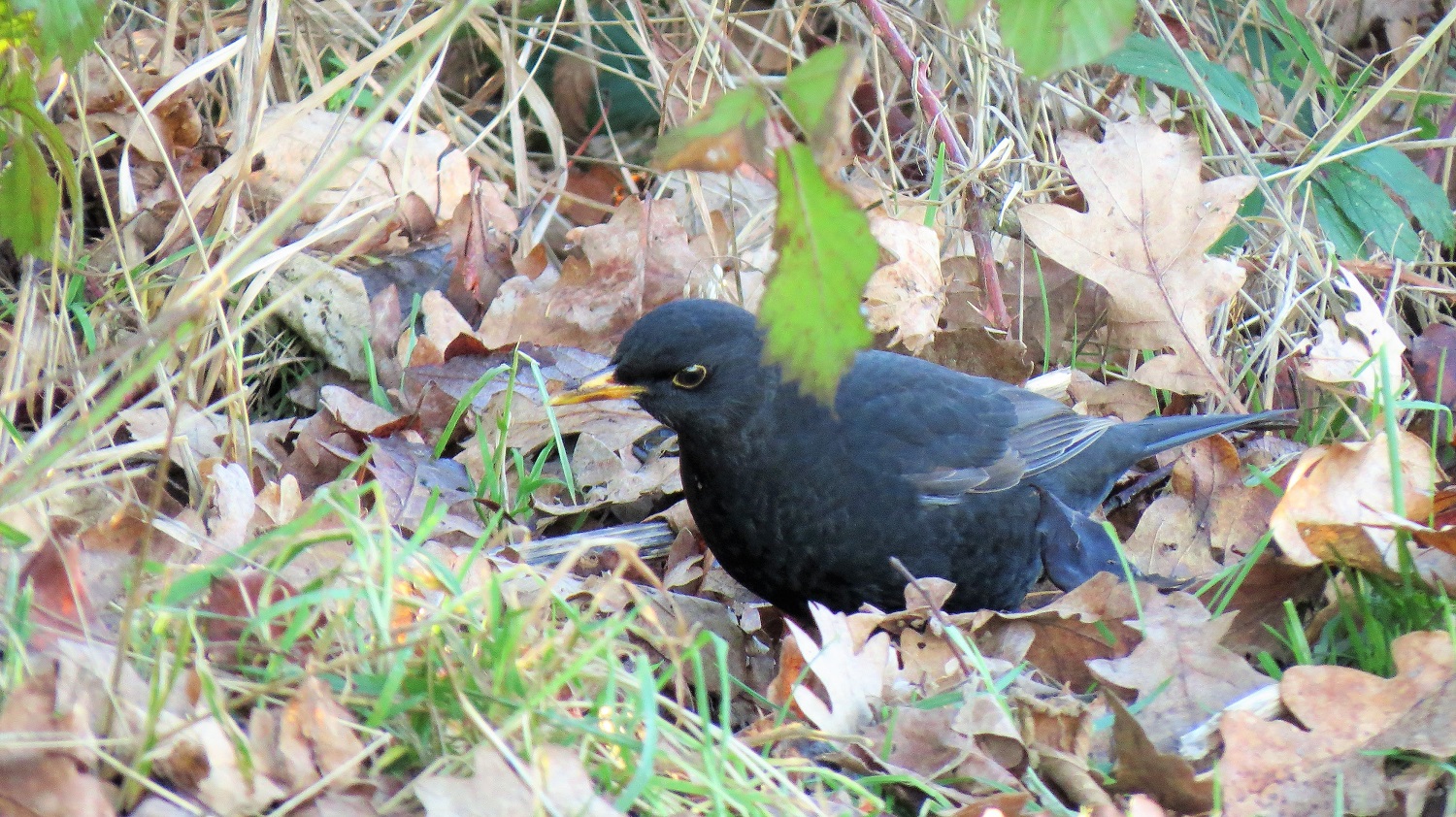
A gallery of blackbirds foraging for winter food.




 Southwick Country Park Nature Reserve