This year, 2023, was a good year for our species lists, particularly the invertebrates list.
Continue reading “The year’s finds”The year’s finds

This year, 2023, was a good year for our species lists, particularly the invertebrates list.
Continue reading “The year’s finds”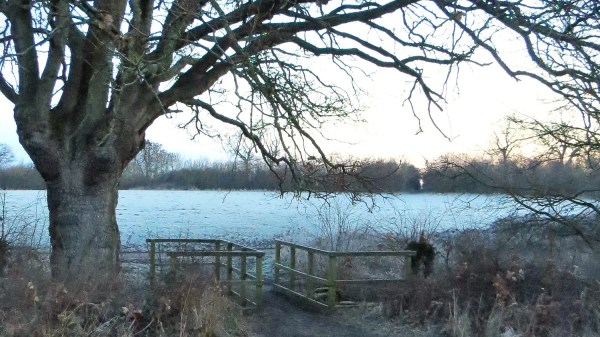
Every winter we get reports of people leaving food, presumably for our wildlife, somewhere in the reserve. Please, don’t do this.
Continue reading “Please don’t do this…”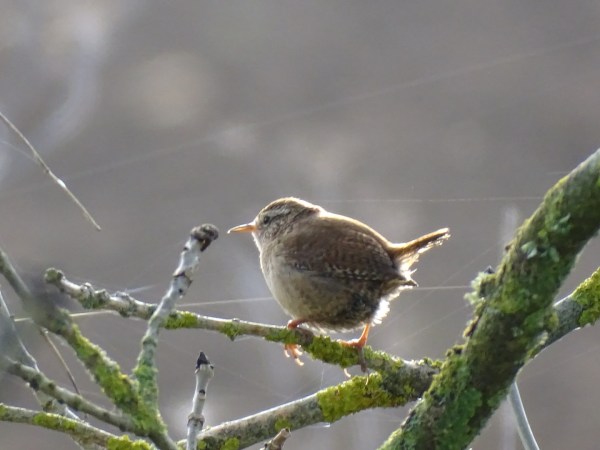
Eurasian wrens (Troglodytes troglodytes) share territories during the winter, in particular they will share sheltered winter roosts, sometimes crowding together for warmth in nesting boxes. The record number of wrens seen leaving a nesting box after a cold night is sixty three.
Header image: wren by Cheryl Cronnie
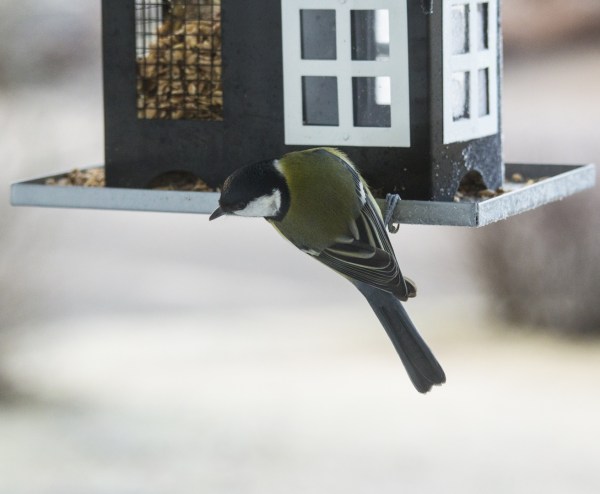
Treat your garden birds with a Christmas bird table. Here are some suggestions:
Continue reading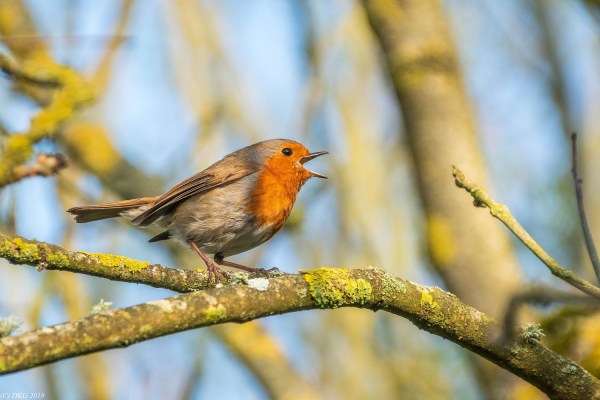
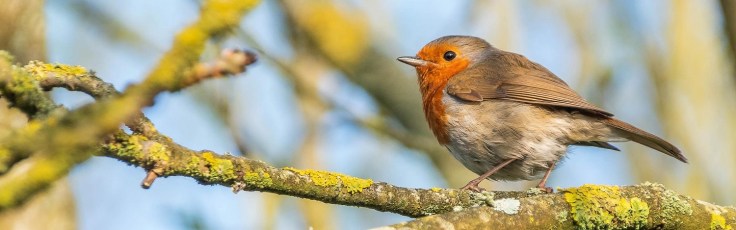
Common name: robin
Scientific name: Erithacus rubecula
Family: Muscicapidae
Habitat: woodland, hedgerows, gardens
Diet: invertebrates, fruit, seeds, bird table scraps
Predators: birds of prey, domestic cats
Origin: native

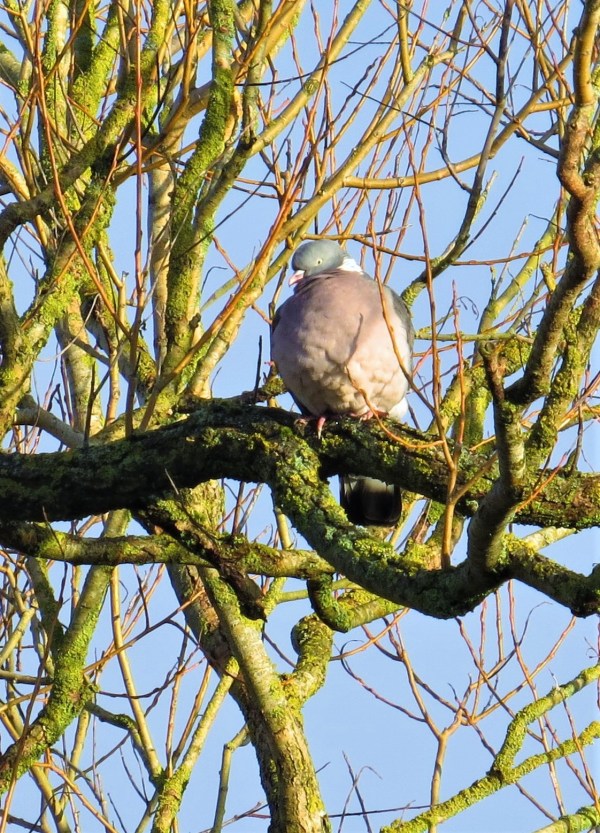
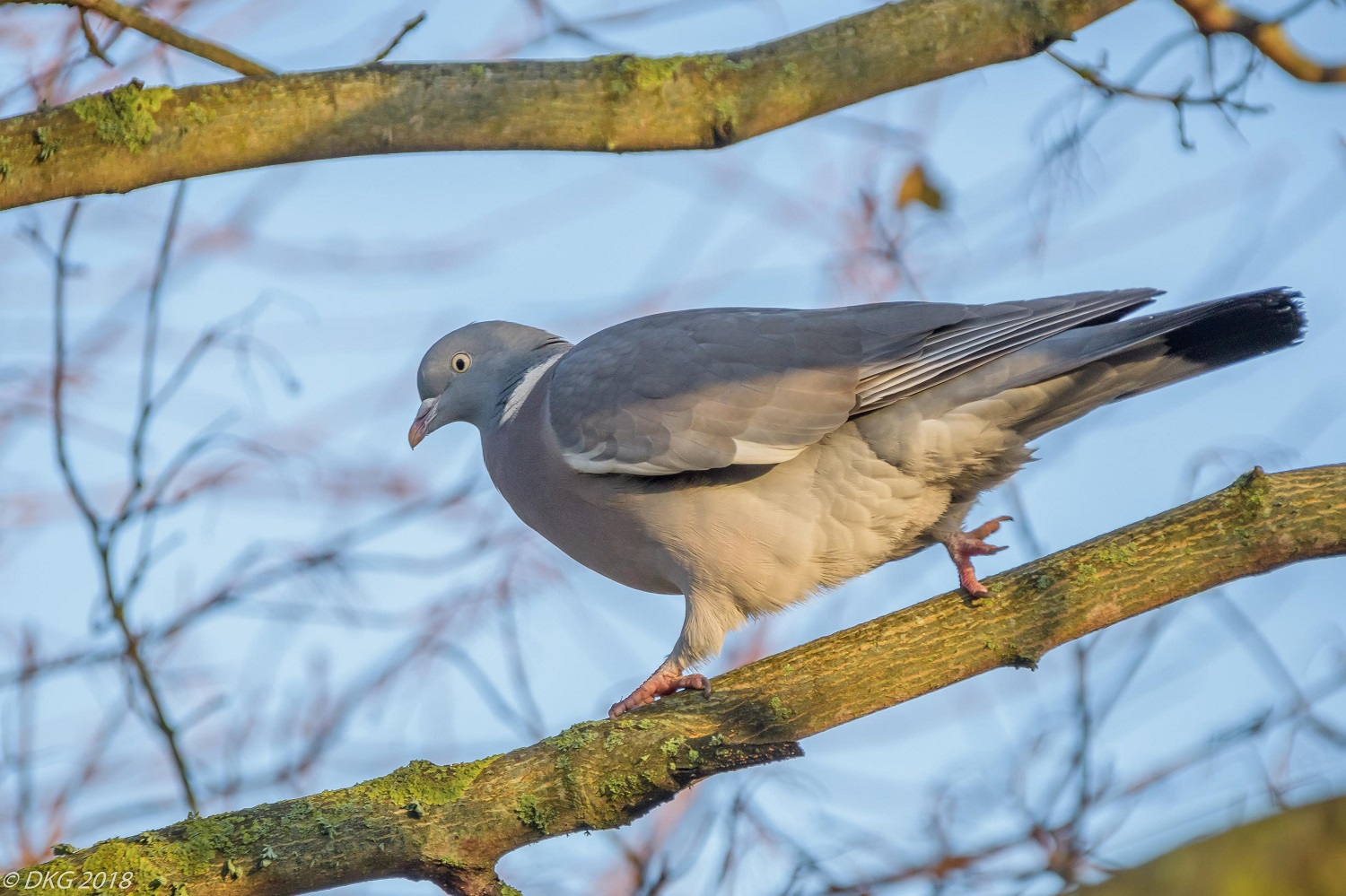
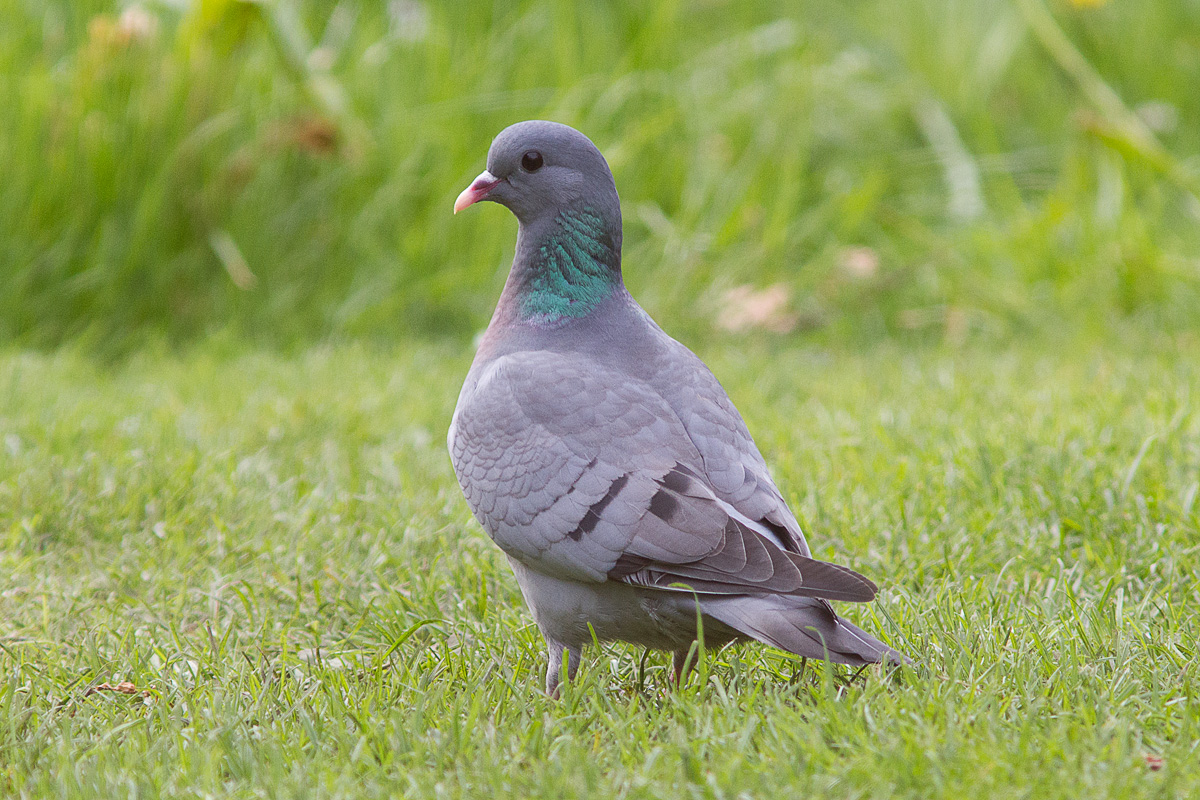
Here’s a video from the British Trust for Ornithology to help us all sort out our native pigeons:


At this time of year, writing about the reserve’s inhabitants, we use the words overwinter, hibernation, and diapause a lot. It’s easy to assume that they are interchangeable terms but that is not so: let’s take a closer look.
Continue reading “Terminology”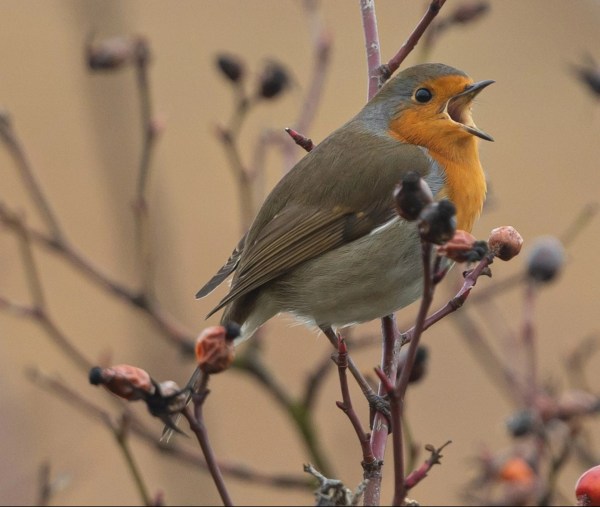
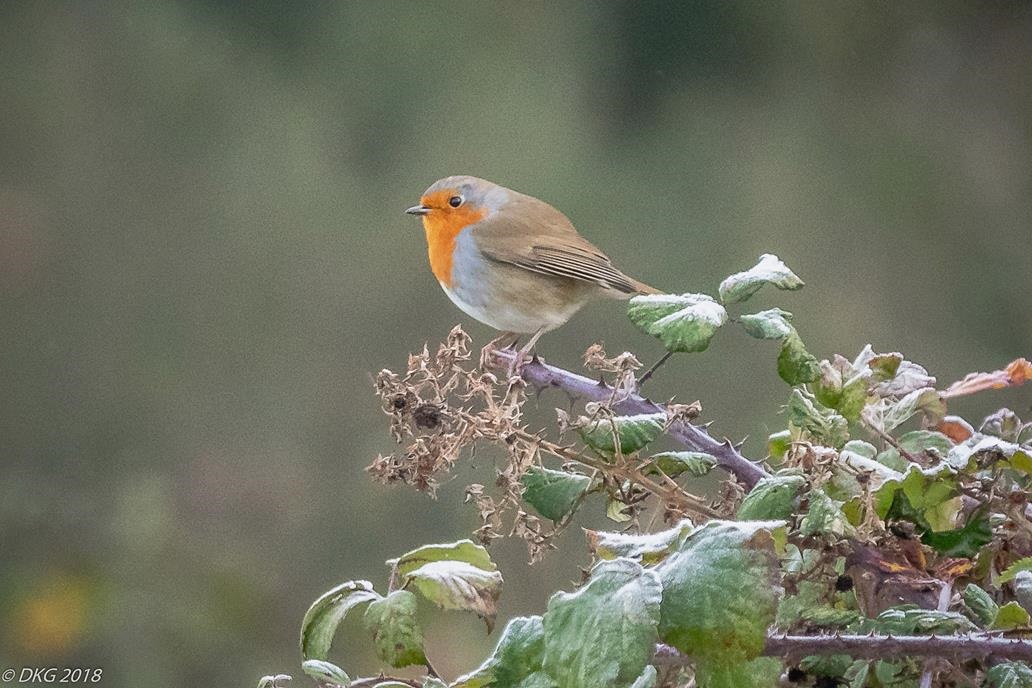
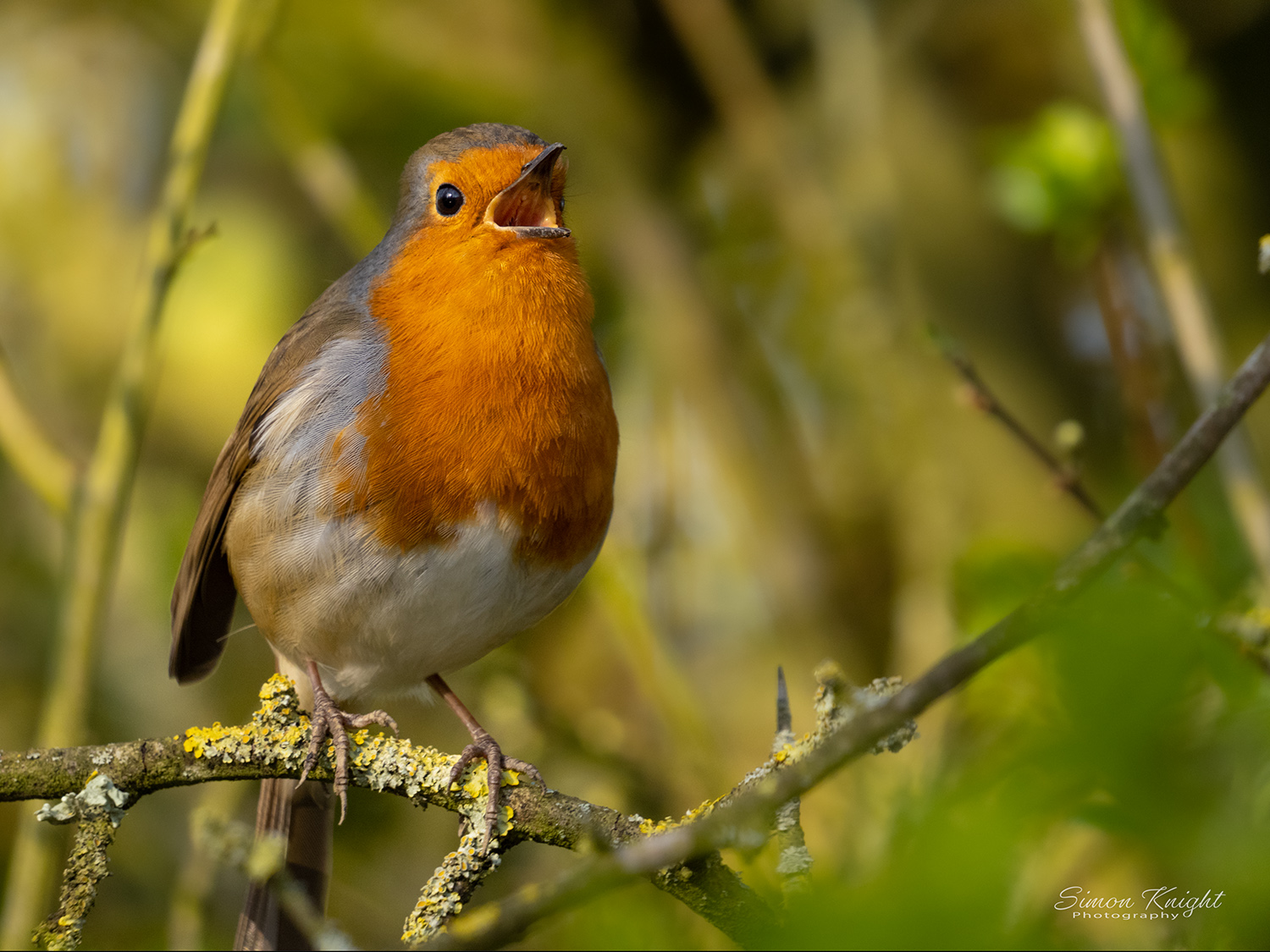
Here are some of the reserve’s robins all fluffed up against the cold.





Coccinella septempunctata is the rather grand scientific name of the most common of our native ladybirds, the seven spot.
Continue reading

Ecosystem engineers are creatures that create, significantly alter and maintain (or destroy) a habitat and in doing so change the availability of resources for other species. Our water voles are busy engineering the banks of Lambrok Stream and its tributary. How do they do this?
Continue reading “Eco-engineer”
ONE: our native red fox, a common visitor to the reserve, is the largest of the world’s true foxes and one of its most widely distributed. It is found across the entire Northern Hemisphere including most of North America, Europe and Asia, as well as in parts of North Africa.
Continue reading “10 facts about foxes”
Tawny owls come to the reserve to hunt our plentiful field voles.

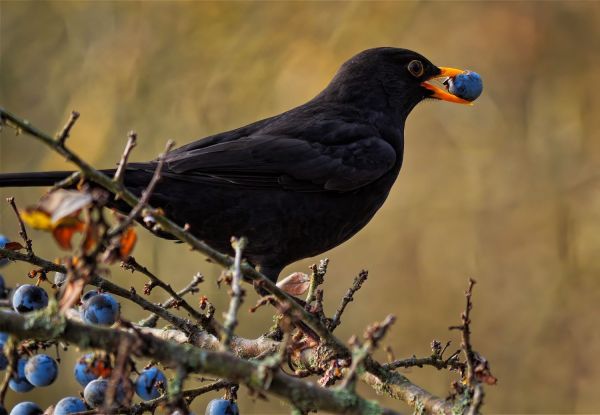

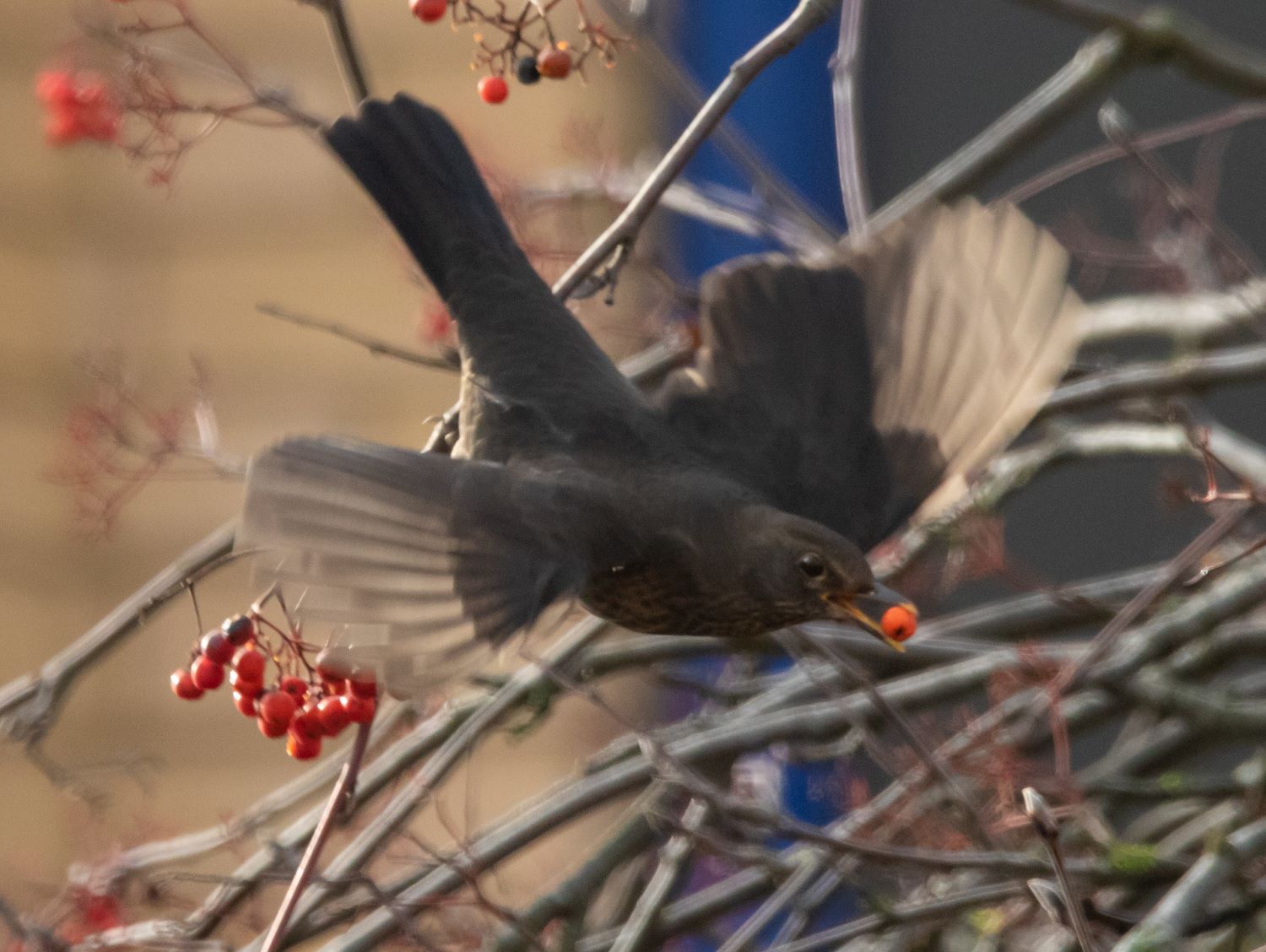
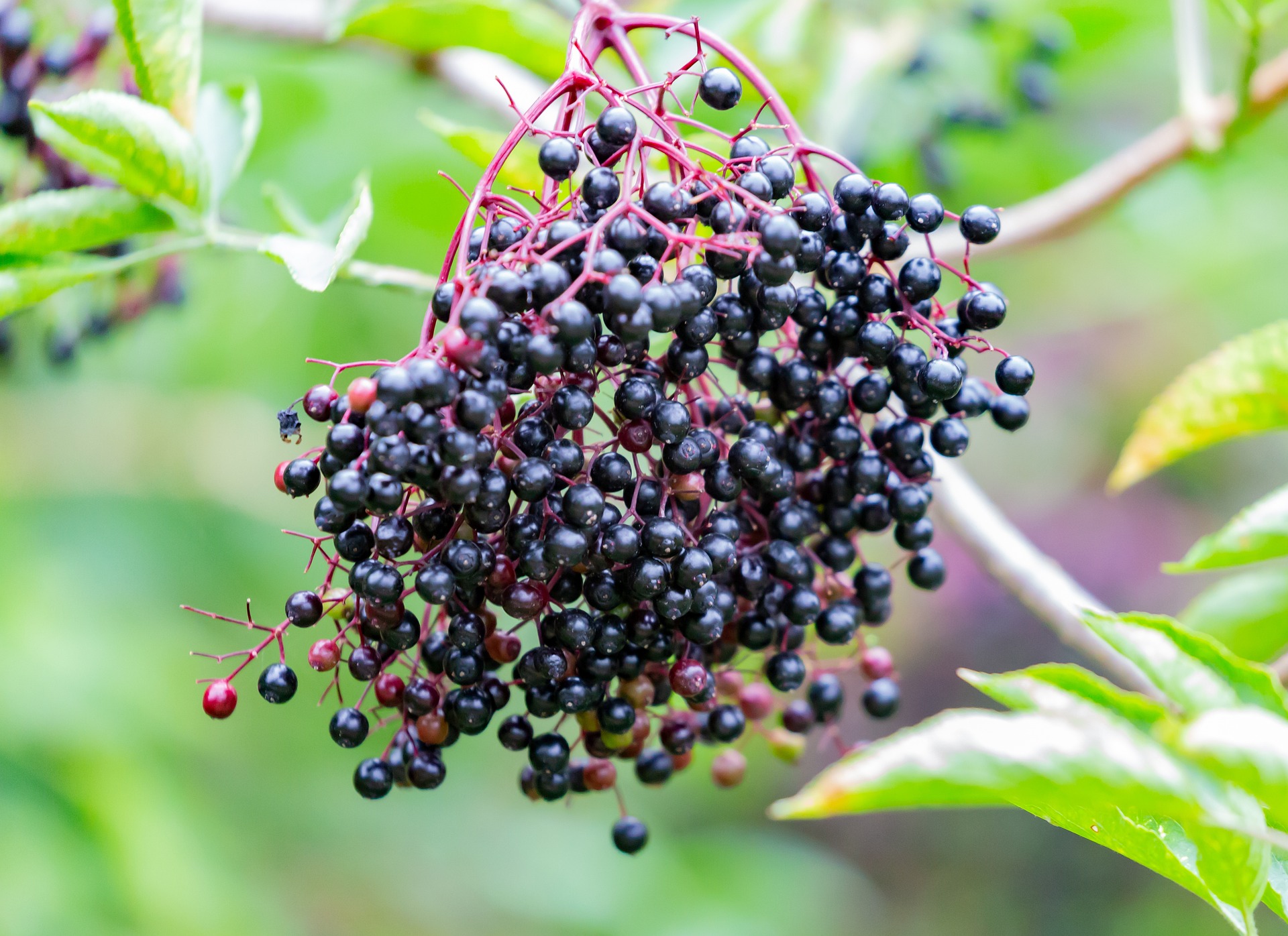

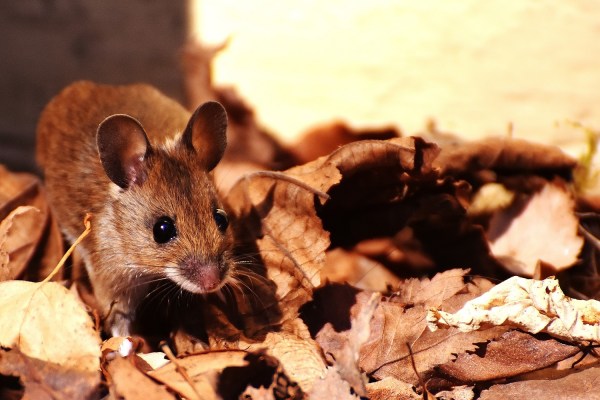
The wood mouse is Britain’s commonest and most widespread species of rodent. There must be hundreds, if not thousands, in our nature reserve but they are rarely seen. Here are some of their personal details.
Continue reading “Wood mouse”
The Winter moth (Operophtera brumata) is one of the few Lepidopterans that can cope with winter’s freezing temperatures in its adult stage. They are endothermic which means that they can produce heat internally by biochemical processes, just as warm-blooded creatures do.
Continue reading “Winter moths”
Apparently, great tits in the UK have longer beaks than Dutch great tits: data analysis has shown a difference of 0.3mm. What’s going on?
Continue reading
Goldfinches come to the reserve in flocks during the winter to feed on seeds in our hedges and edges.
Continue reading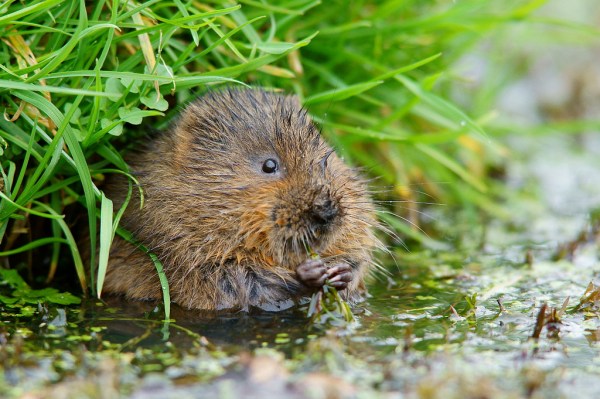
The Natural Environment and Rural Communities Act (2006) makes it the duty of all local authorities to conserve biodiversity. Section 41 of the Act refers to a published list of habitats and species (called S41 species) which are considered to be of principal importance for the conservation of the country’s biodiversity.
Continue reading “S41 mammals”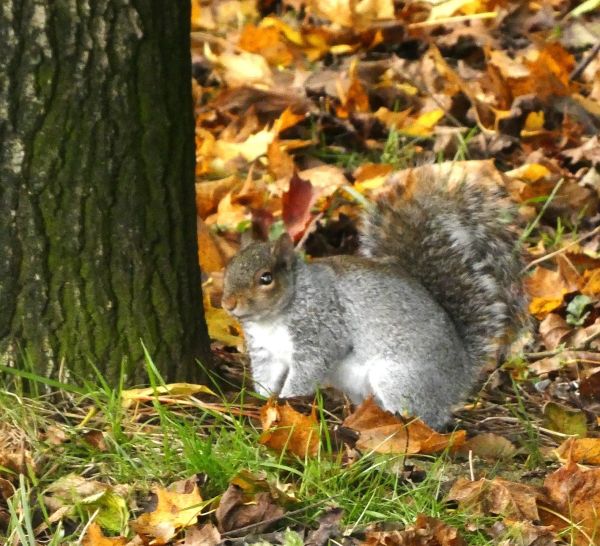
One of the reserve’s most controversial residents: much loved sweetheart of our local wildlife or destructive and costly invasive alien species?

Grey squirrel photographed last week in the reserve by Ian Bushell.

Spiders are not insects, they are arachnids, a family that includes harvestmen, ticks, mites and scorpions.
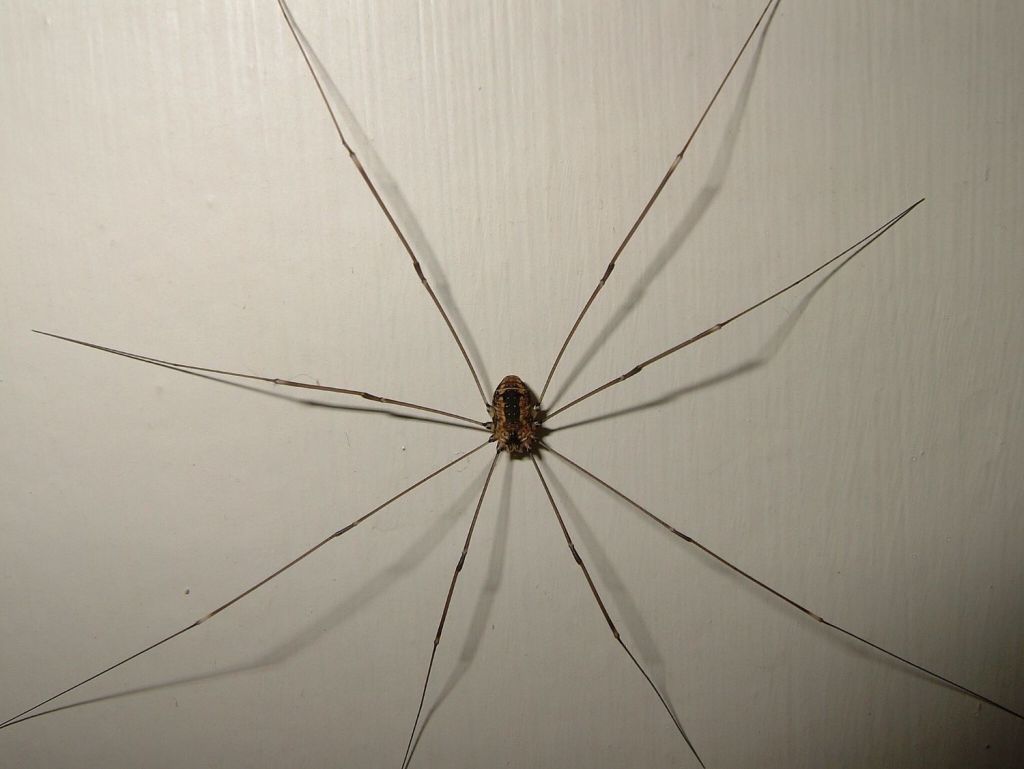
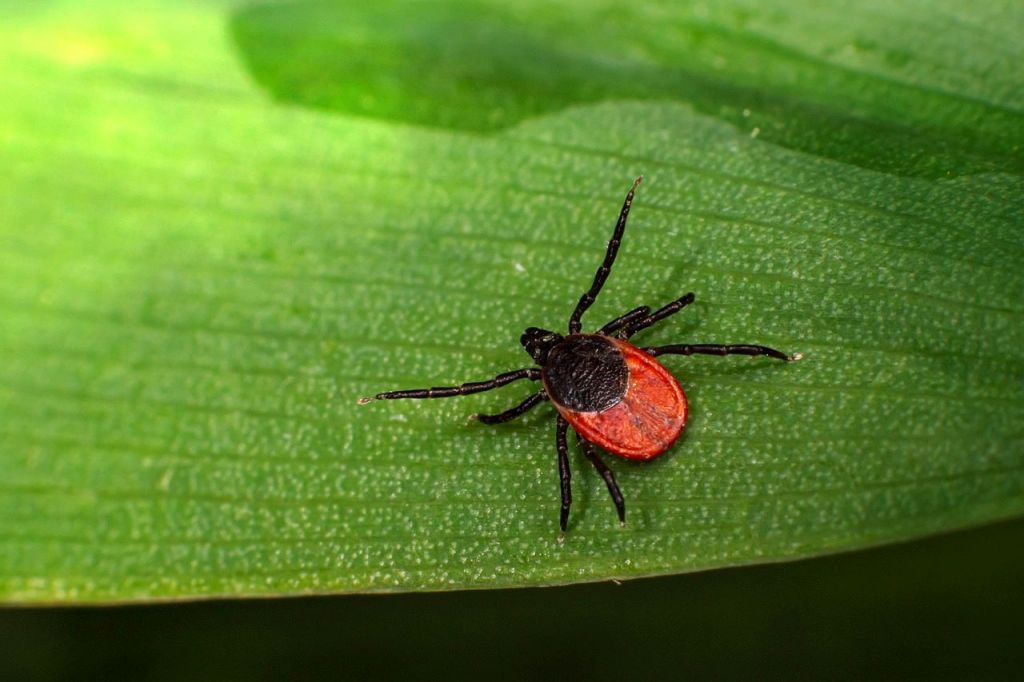

Three arachnids: harvestman, tick and scorpion
Continue reading “Spider numbers”
Treecreepers (Certhia familiaris) are shy, quiet, and rarely seen. We know they visit the reserve to feed and we hope they are long term residents that will nest here in the spring.
Read on:
The reserve’s ivy blooms from the beginning of September right through November; each plant’s flowering season is quite short but a succession of plants flowers all through the autumn and into the winter. The flowers are small, green and yellow, and so insignificant-looking that many people don’t realise that that they are flowers at all.
Read on: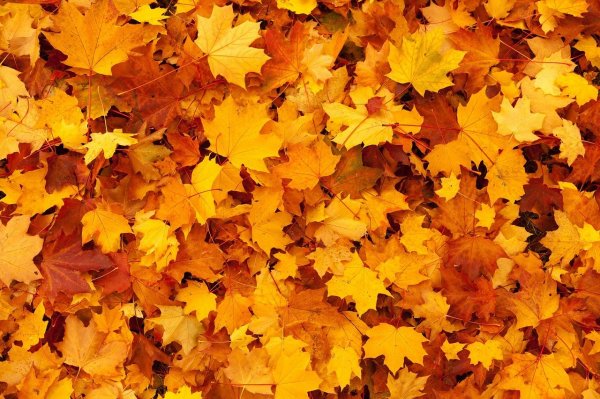
There are thousands of species of invertebrates that overwinter in the leaf litter below the reserve’s trees and shrubs. Let’s not be too eager to sweep the autumn leaves from our gardens.
Continue reading “Let the leaves lie”



 Southwick Country Park Nature Reserve