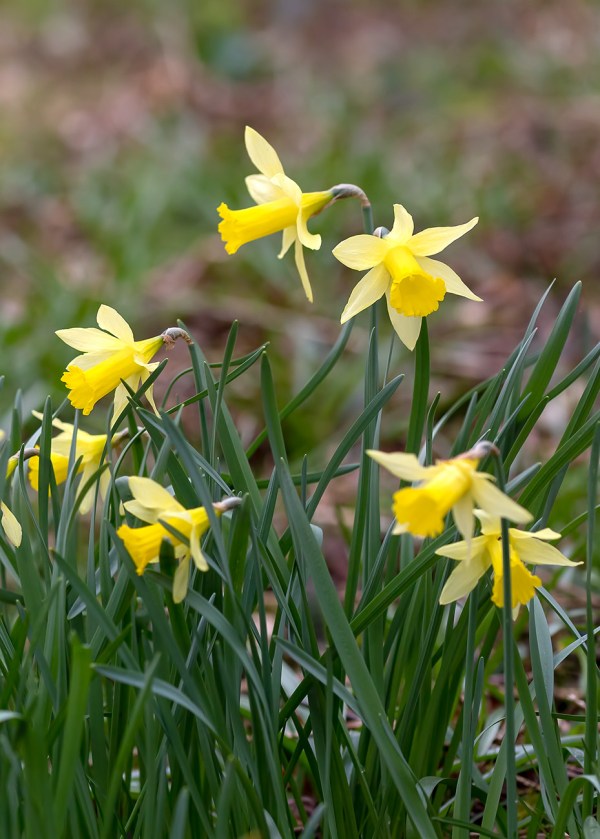
Over the years the Friends have planted hundreds, if not thousands, of native daffodil bulbs in and around the reserve’s woodland. Some, sheltered at the bottom of Kestrel Field, flower in February but the rest wait for spring: a host of golden daffodils etc.
Continue reading “Native versus non-native”A host of golden daffodils….
Over the years the Friends have planted at least a couple of thousand native daffodil bulbs (Narcissus pseudonarcissus) around the edges of the reserve’s woodland. Back breaking work, rewarded at this time of year with the first golden flowers.
Continue readingSnowdrop
Did you know that snowdrops are not native to the UK?
Continue reading “Snowdrop”Ivy
Time to take down the seasonal greenery!
Continue reading “Ivy”Green New Year’s Resolutions
Sometimes, New Year’s resolutions are just too hard. The media, for instance, has been busy this week suggesting dramatic eco-resolutions for 2025: give up plastic, rewild your garden, cycle to work, stuff you know you will abandon half way through January. We, the Friends of the Reserve, think you should take these things more gently.
Continue reading “Green New Year’s Resolutions”Mistletoe
What would Christmas be without mistletoe?
Continue reading “Mistletoe”Holly
Here are some interesting holly-facts to accompany you in your preparations for Christmas.
Continue reading “Holly”Bracket fungi
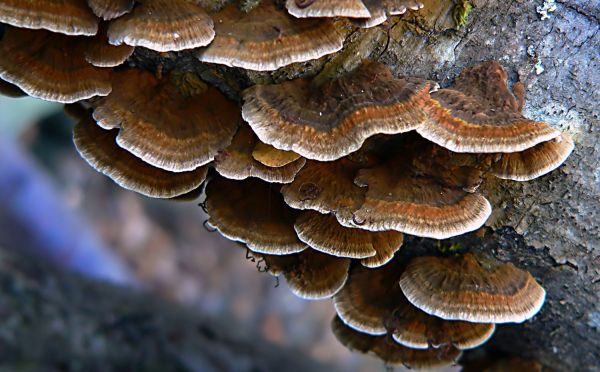
These are a species of bracket fungus common in the reserve: turkey tail (Trametes versicolor). The main part of the fungus, the mycelium, is growing invisibly inside the tree. These beautiful outgrowths are the fruiting bodies, part of the fungus’s reproductive system.
Read on:Cold snap
Here are ten numbers to go with this week’s cold snap.
Continue reading “Cold snap”Squirrel invaders
The reserve’s grey squirrels are invasive aliens, brought here during the 19th Century, when the possession of rare and exotic species of plants and animals was the height of fashion. Grey squirrels, native to eastern North America, were first released into the wild in Britain, at Henbury Park, in Cheshire, in 1876.
Read on:Leaf fall
What happens to all those leaves?
Continue reading “Leaf fall”Let the leaves lie
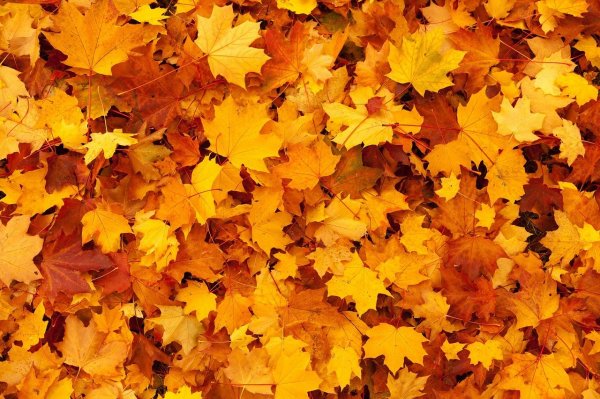
There are thousands of species of invertebrates that overwinter in the leaf litter below the reserve’s trees and shrubs. Let’s not be too eager to sweep the autumn leaves from our gardens.
Continue reading “Let the leaves lie”Equinox
Continue readingEcosystem engineers
Ecosystem engineers are organisms that modify their environment. They increase biodiversity by creating habitat for species other than themselves. The oak apple, caused by a tiny wasp called Biorhiza pallida, is just such an engineered environment.
Continue reading “Ecosystem engineers”Why do the leaves change colour?
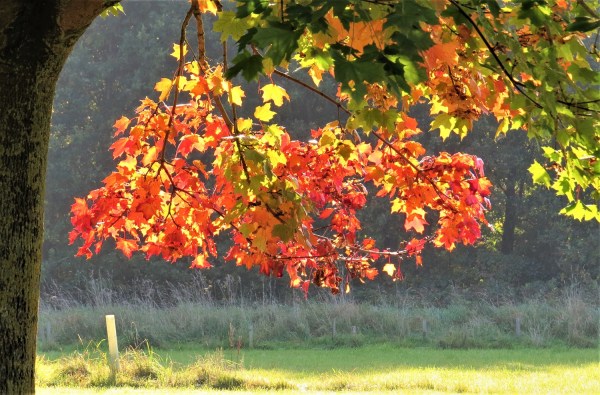
There are three kinds of pigment in a usually green leaf: yellow carotenes, red and pink anthocyanins, and chlorophyll, which is the green that masks the other colours until autumn.
Flowering ivy
The reserve’s’s ivy flowers between September and November; each plant’s flowering season is quite short but a succession of plants flowers all through the autumn. The flowers are small, green and yellow, and so insignificant-looking that many people don’t realise that that they are flowers at all.
Read on:Jerusalem artichoke
There are Jerusalem artichokes (Helianthus tuberosus) flowering down by the Lambrok tributary stream. They have been there for five or six years now and are spreading along the bank.
Read on:Rosehips
Rosehips are the fruits of the dog roses that grow in our hedges and edges and in the old filled-in pond at the end of Lambrok Meadow.
Continue readingTen facts…
…about crab apples
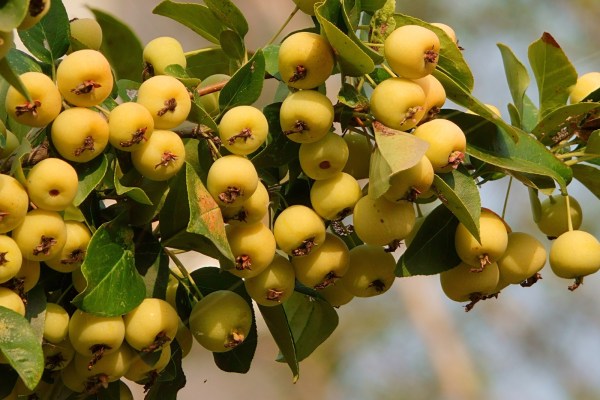
ONE: crab apples trees are an ancient symbol of fertility, associated with love and marriage.
Continue reading “Ten facts…”Yarrow
As the reserve’s flora turns itself over to making seed, there are fewer and fewer flowers in our hedgerows. Yarrow (Achillea millefolium) is one of the few.
Continue readingRosebay willowherb
The rosebay willowherb (Chamaenerion angustifolium) in the reserve is in flower and well worth a look.
Read on:Walking seeds
Among the many grasses that grow in the reserve is WILD OAT (Avena fatua) which has an intriguing method of dispersing its seeds.

Ten facts…
…about oaks
Continue reading “Ten facts…”Galium aparine
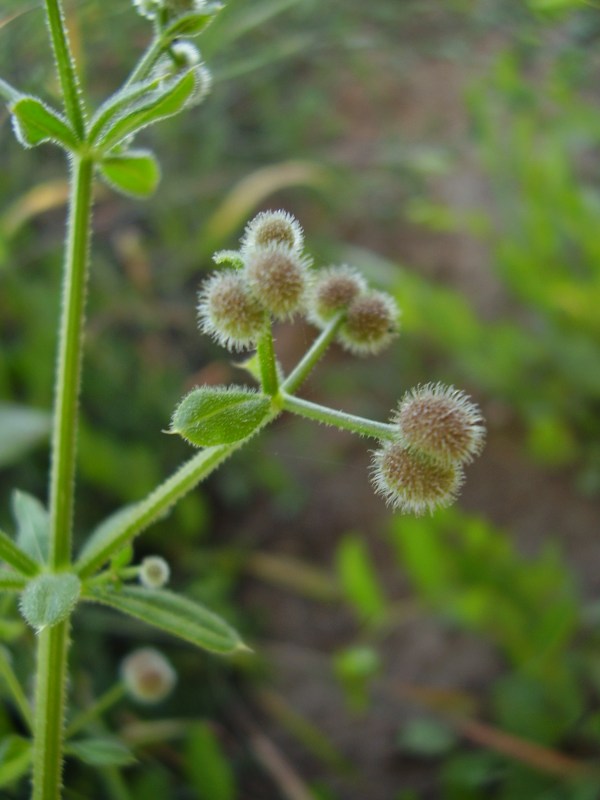
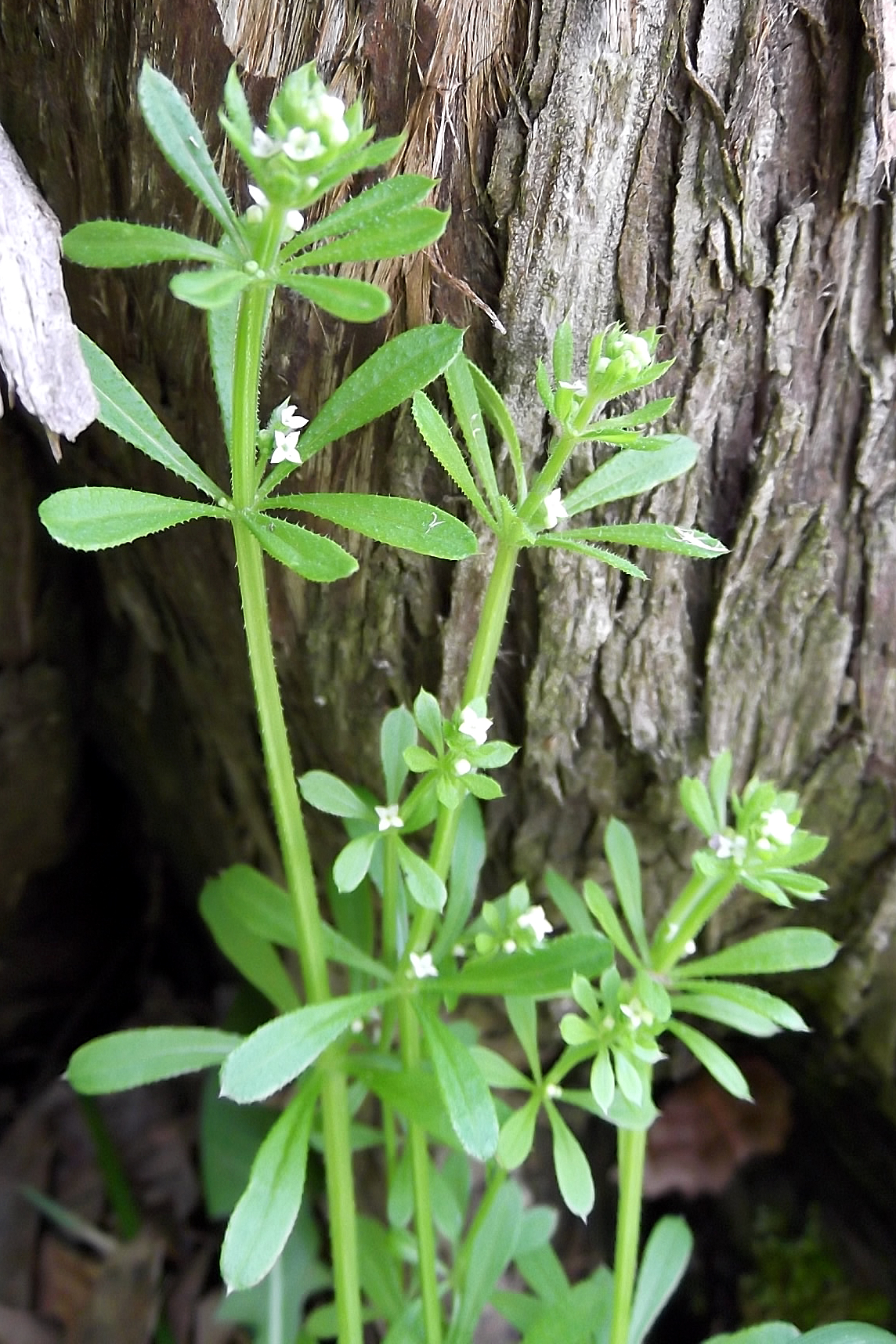
Galium aparine is called by so many different vernacular names that we are not even going to try to list them. In these parts we call it cleavers or goosegrass.
Galium, the name of the genus, is derived from the Greek word for milk because the flowers of some species of Galium were, and in some places still are, used to curdle milk for cheese-making. The species name, aparine, is another Greek derivative, this time from a word that means to grab or to hold.
The whole plant, stem, leaves and seeds, grabs hold using tiny hooks that help it climb through and over other plants. The seeds use their hooks to attach themselves to passing animals, including humans, and get carried safely away from the parent plant to new habitat.


Cleavers is an annual. In spring and summer it has tiny, almost invisible, white flowers that grow in small clusters from the leaf axils. The flowers are followed by the Velcro-like burrs which contain the seeds. After it has made seed, the plant dies: next year’s cleavers will germinate in the spring.
Who hasn’t attached cleavers’ burrs to the back of the person sitting at the desk in front of them? I know I did.
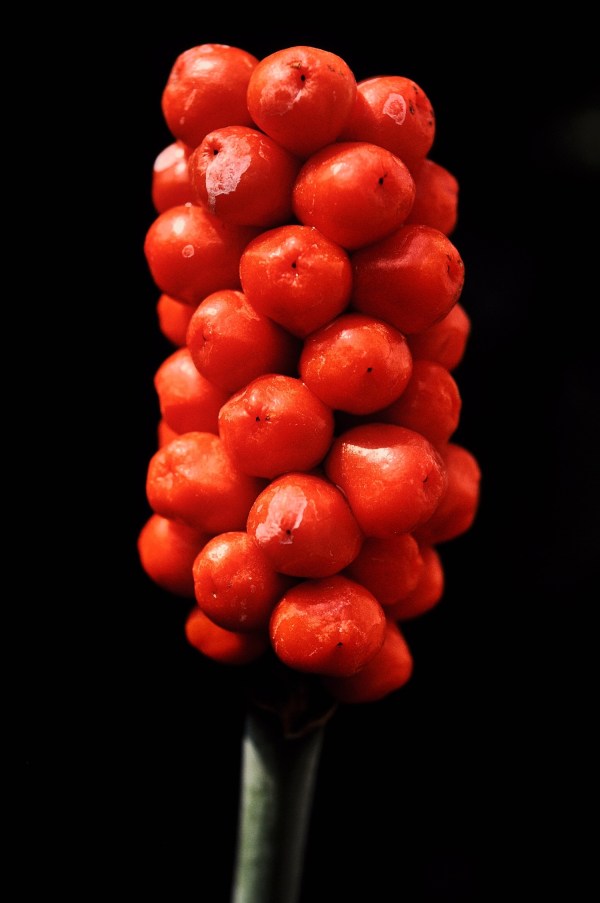
Poisonous berries
It’s August and the reserve is already full of seeds, fruits and berries, food for our wildlife but not always for its human occupants. Some berries are poisonous and every year we publish pictures of those best avoided.
Continue for details and pictures