The 1959 Injurious Weeds Act does not just apply to ragwort. It names four more species as well: broad leaved dock, creeping thistle, curled dock, and the spear thistle . The park has all of them.
Continue reading “Creeping thistle”Creeping thistle
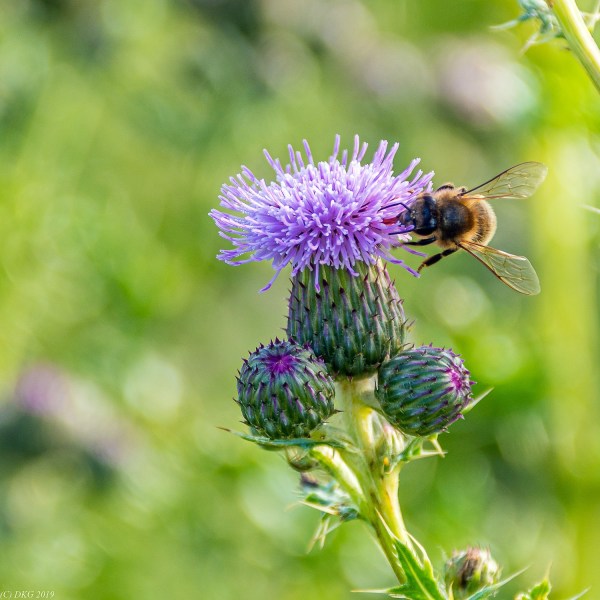
The 1959 Injurious Weeds Act does not just apply to ragwort. It names four more species as well: broad leaved dock, creeping thistle, curled dock, and the spear thistle . The park has all of them.
Continue reading “Creeping thistle”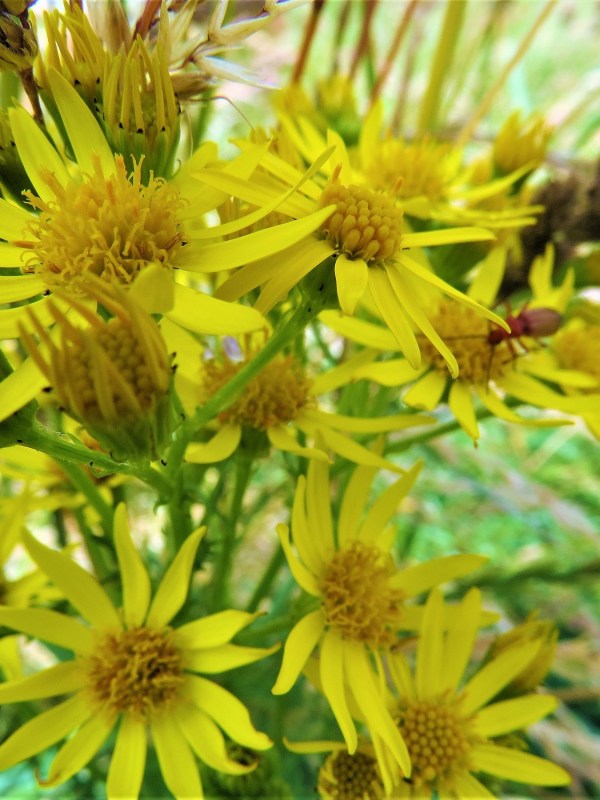
This year the park produced beautiful hay: a variety of grasses, dry, sweet smelling, full of wildflower and not a single shred of ragwort anywhere.
Continue reading “Ragwort again”
Caught in the act, a grey squirrel stripping bark from a willow tree near the footbridge into Village Green; spotted, photographed and chased away by Ian Bushell
Continue reading
The climate scientists are finally persuaded that Southwick Country Park’s solution to global warming is the right way to go. They should have asked us sooner.
Continue reading “Growing trees”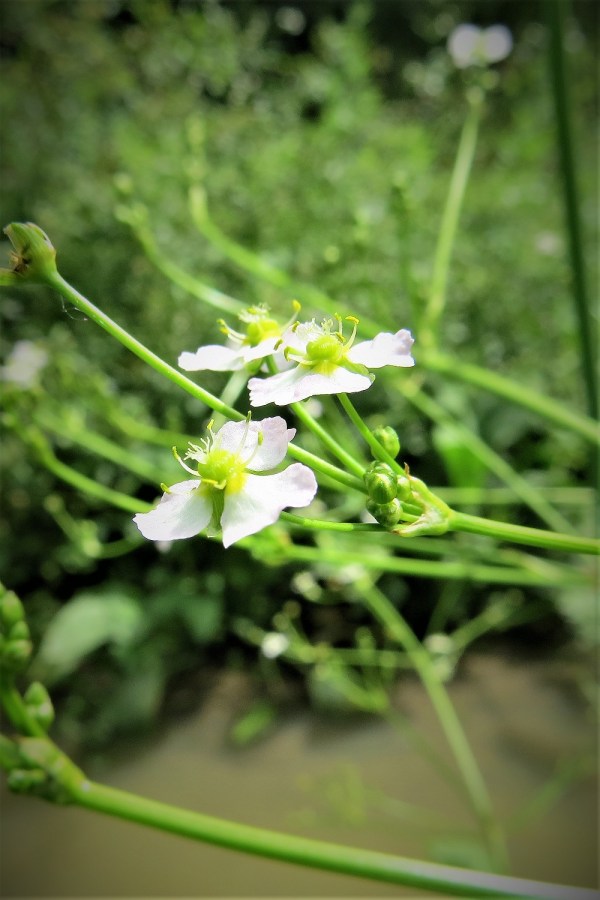
Water plantain ( Alisma plantago-aquatica) thriving in the Lambrok Tributary
Continue reading “Water plantain”
This is tufted vetch (Vicia cracca), a species of vetch native to Europe and Asia.
Continue reading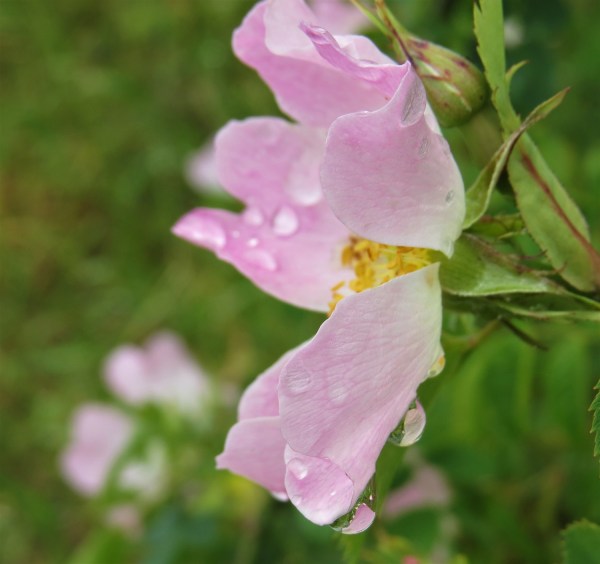


photos by Suzanne Humphries

Creeping thistle (Cirsium arvense) taken at dawn this morning by DKG.
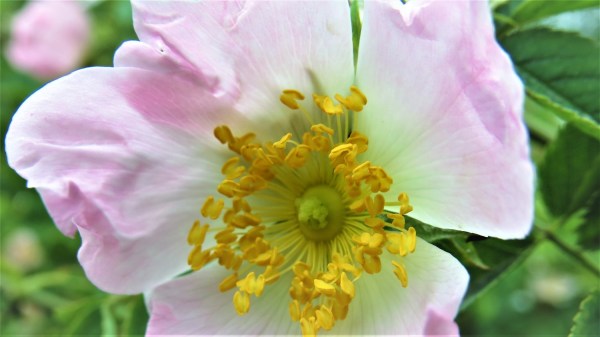
A gallery of colour to lift the sombre, over-grown greens of all the latest pictures on the home page.


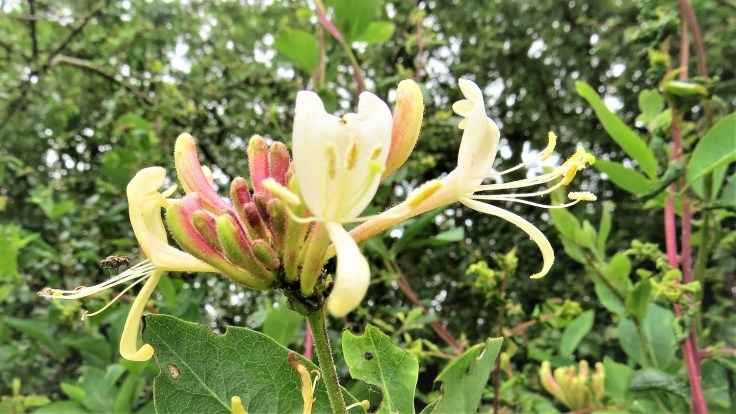
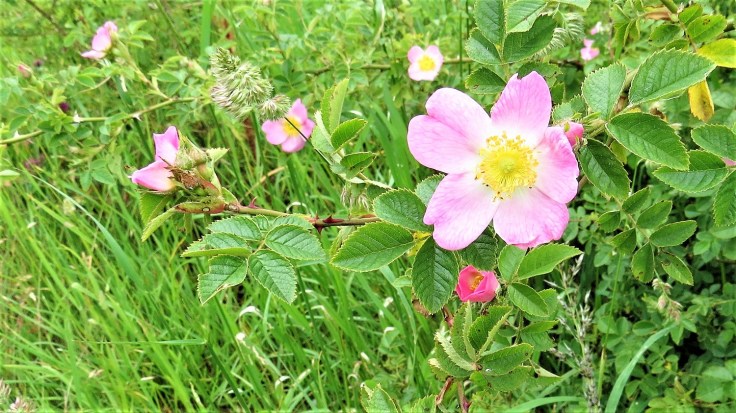

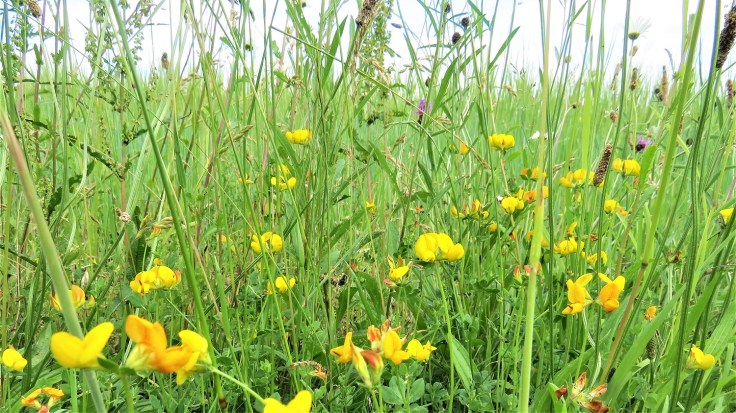
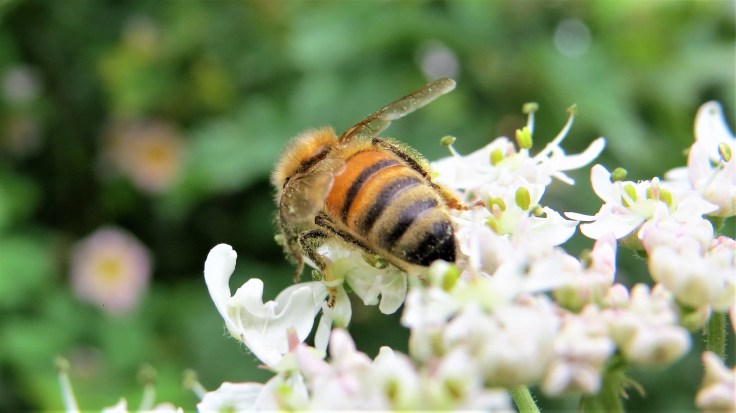

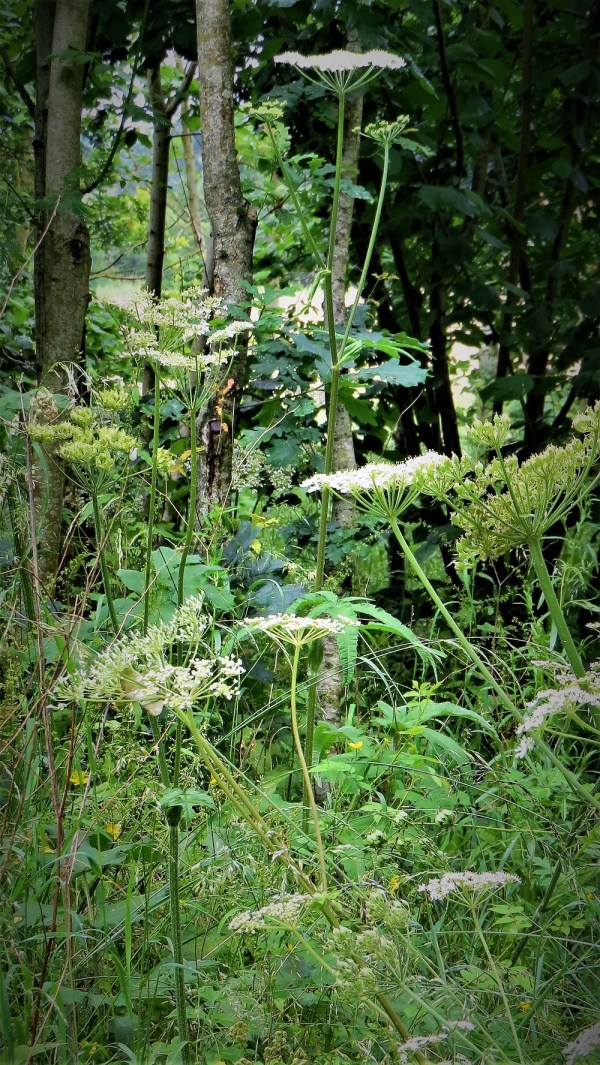
This has been a year of astonishing growth: more grass than we have ever seen, nettles at head height, trees and shrubs sagging under the weight of blossom. Our common hogweed (Heracleum sphondylium) is standing seven feet tall in places with flower-heads the size of dinner plates.
Continue reading “Hogweed”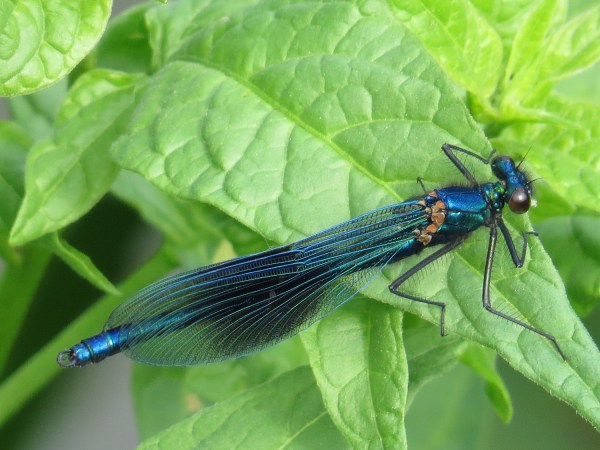
by Ian Bushell
Continue reading “A walk in the park”
This is Stachys sylvatica, commonly known as hedge nettle, hedge stachys or hedge woundwort. It is growing at the far end of Lambrok Meadow.
Continue reading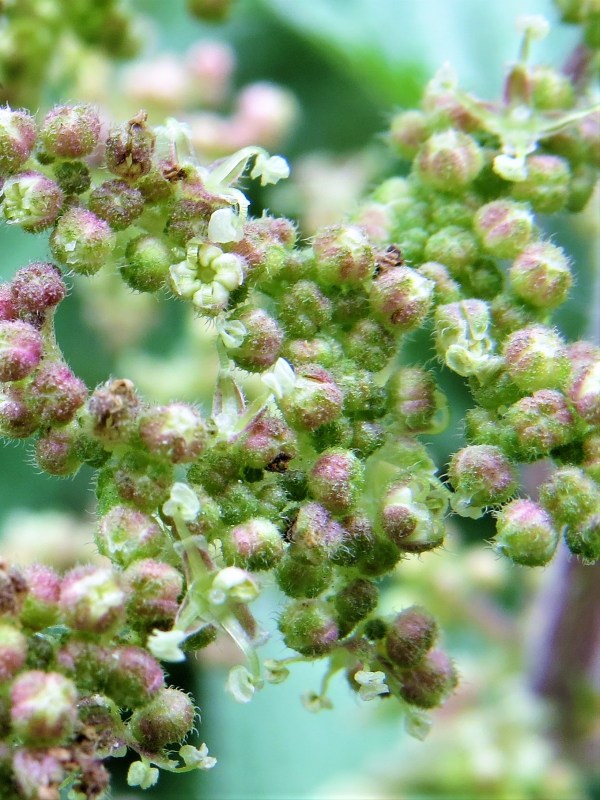
If you look closely enough, you can see that the nettles are beginning to flower. If you look even closer you will find a whole miniature ecosystem living in the nettle bed: sap suckers, nectar feeders, predators and terrifying creatures that hunt the predators.
Read on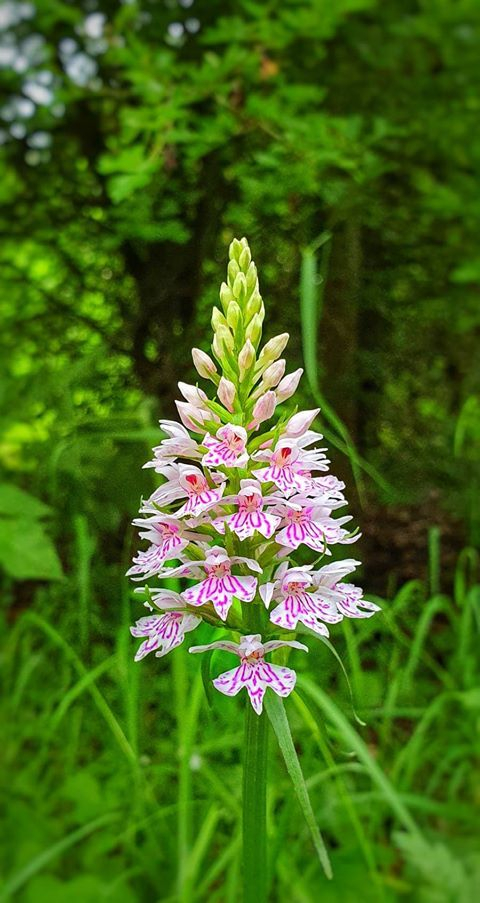
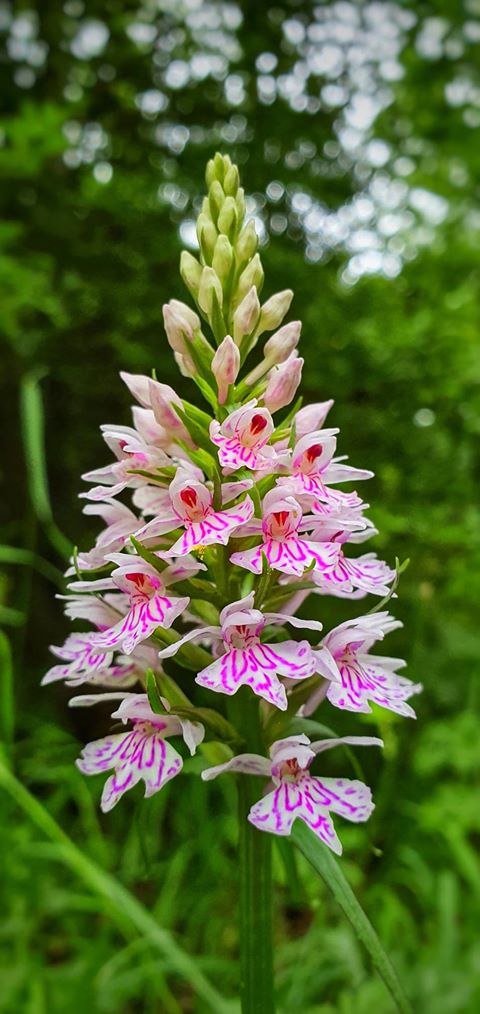

Chris Seymour’s pictures of the park’s common spotted orchids.

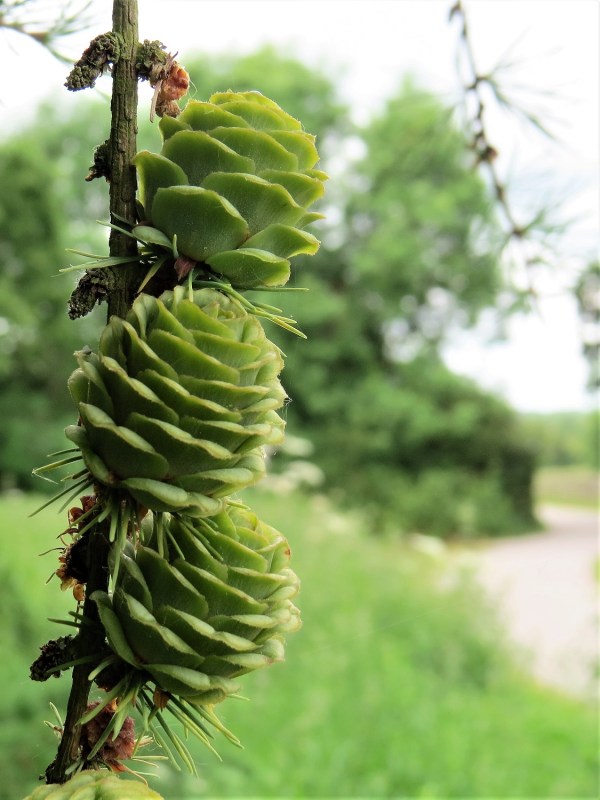
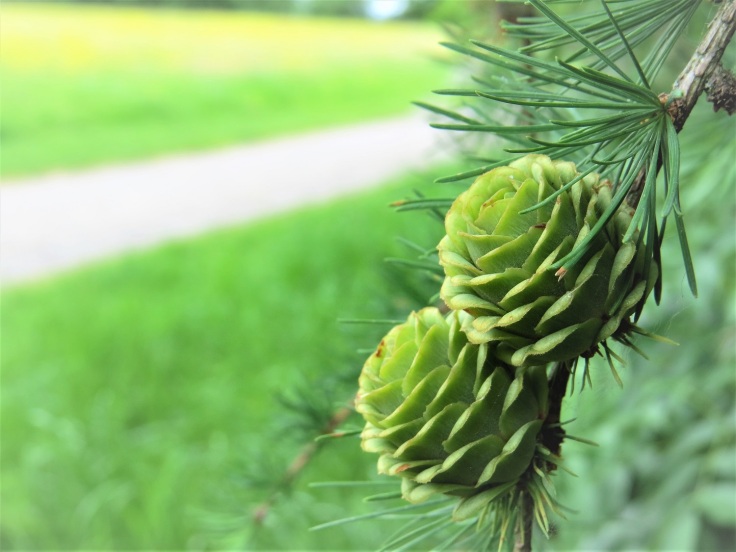
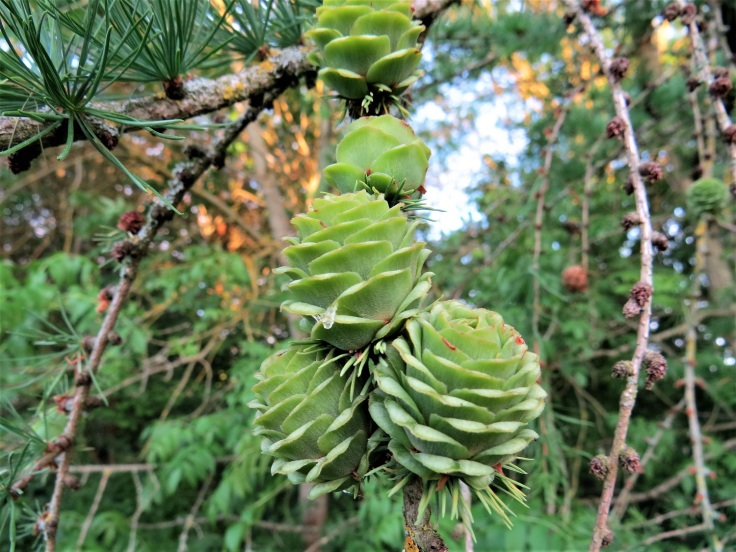
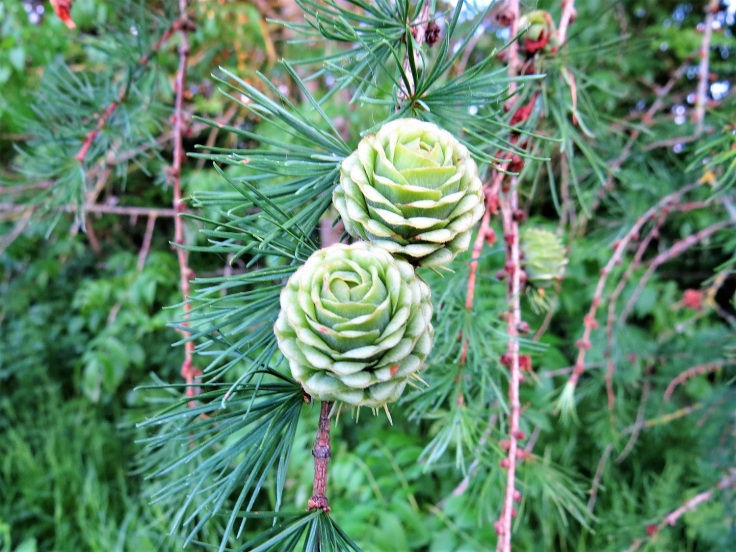
Elena Aschiopoaiei has emailed her pictures of rain-soaked larch cones in the park.
Continue reading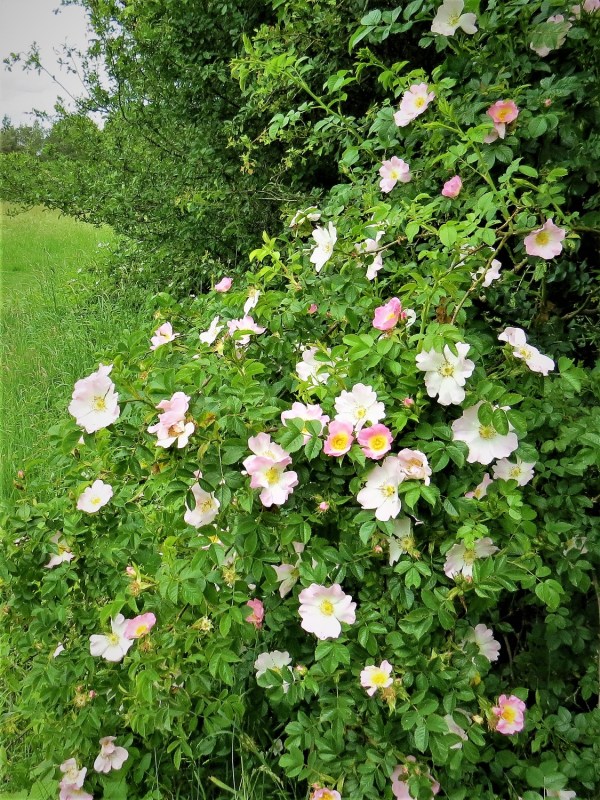
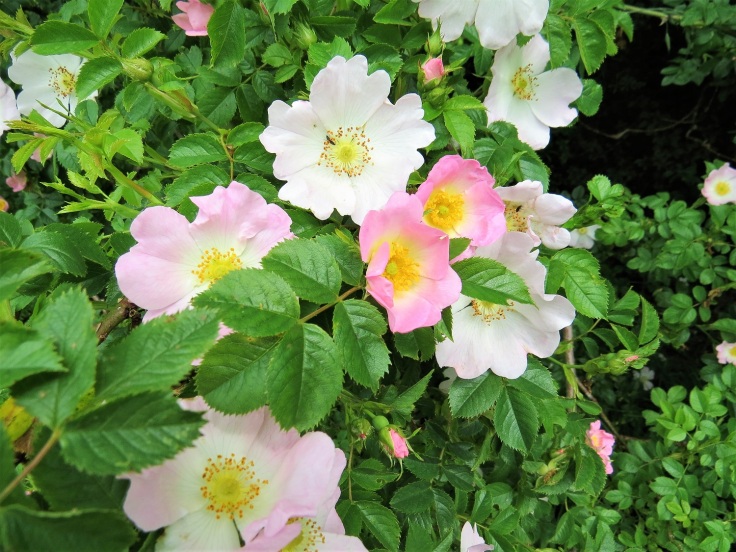
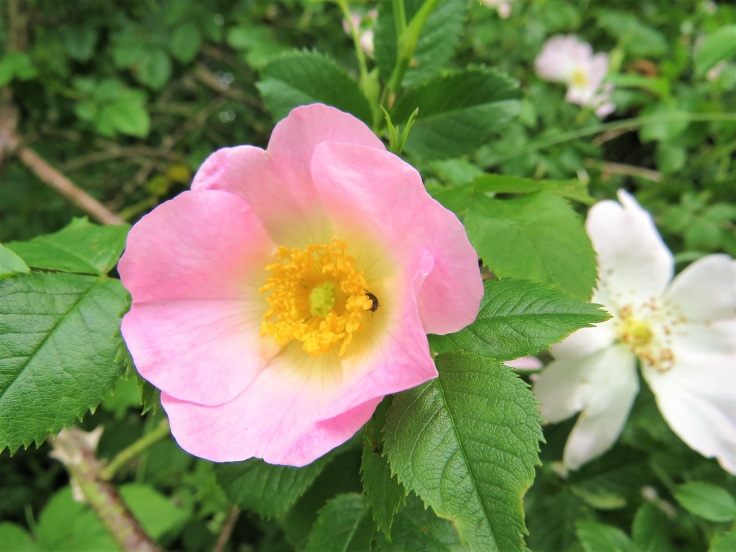
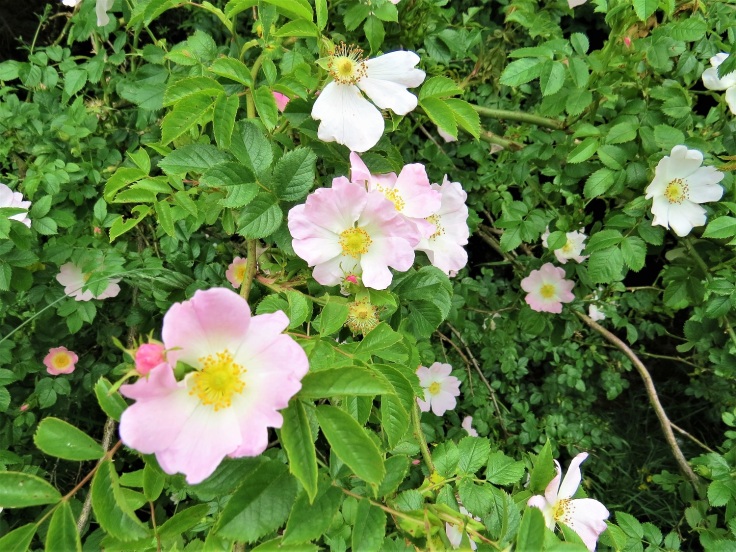
Dog roses (Rosa canina) are in flower in the park’s hedges. We are promised good weekend weather so come and see.
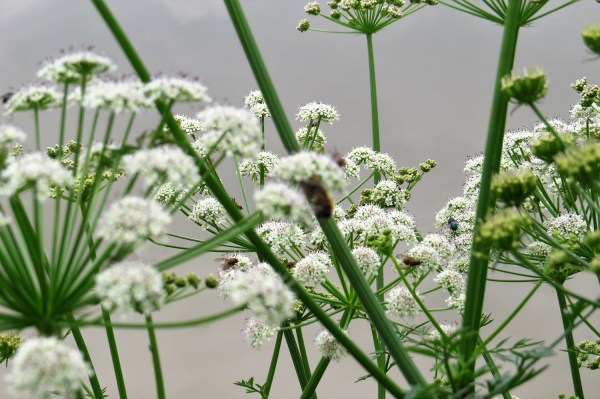
This is hemlock water dropwort (Oenanthe crocata), by some accounts the UK’s most poisonous plant.
Continue reading “Hemlock water dropwort”
Common spotted orchids from DKG

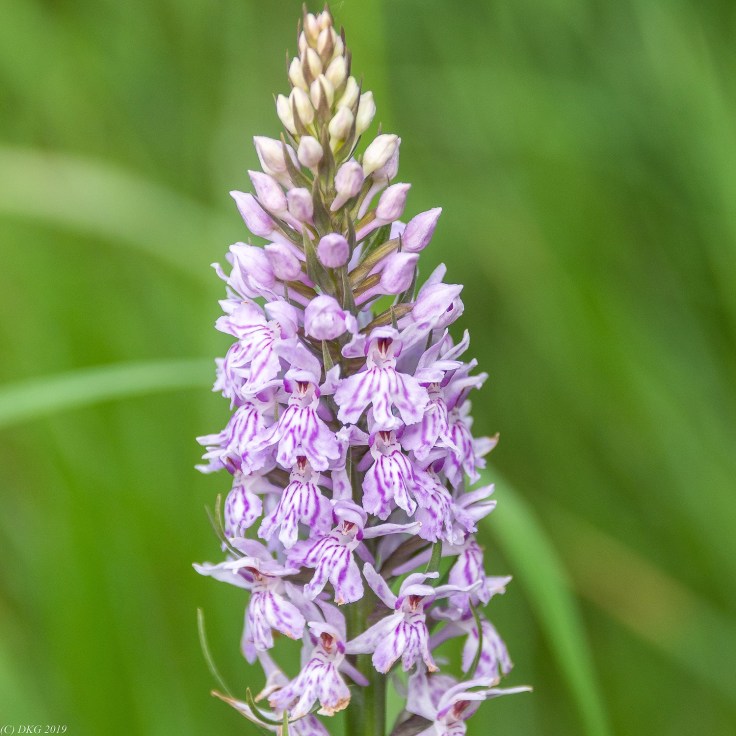
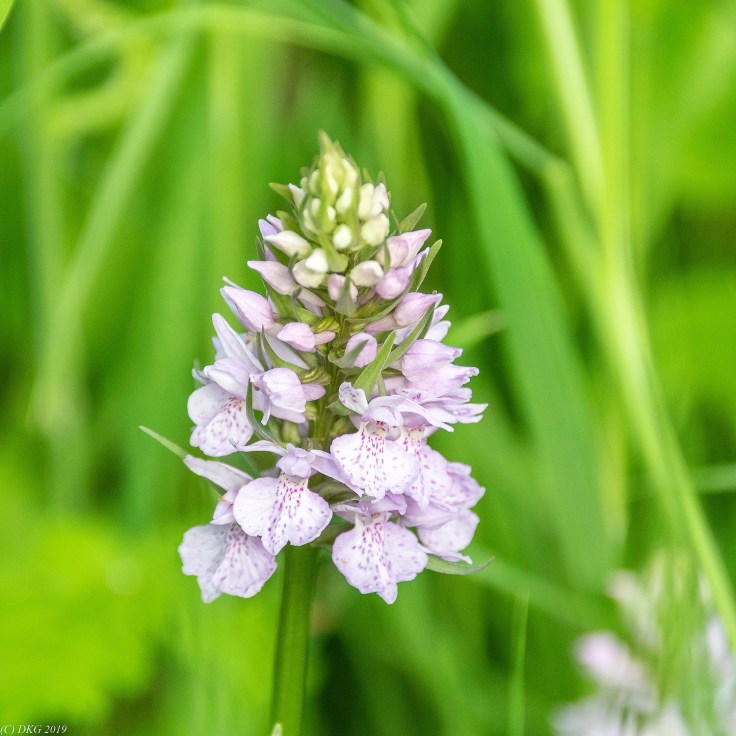

The first common spotted orchid of the year, photographed by Ian Bushell. Send in your own orchid photographs to friendsofscp@outlook.com and we will publish them all.
.o0o.
More here:

The yellow iris are in flower!
Click here for more pictures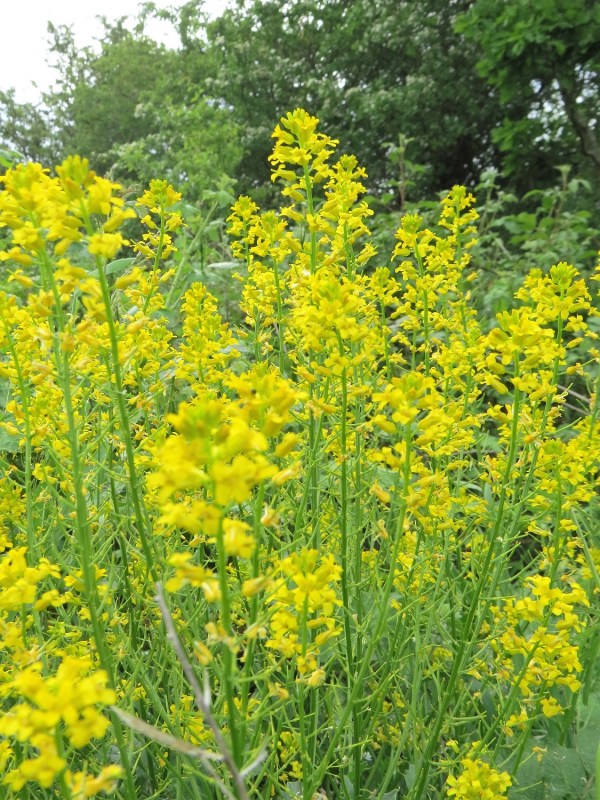
Barbarea vulgaris also called bittercress, herb barbara, rocketcress, yellow rocketcress, winter rocket, and wound rocket
Continue reading “Barbarea vulgaris”
In the middle of the park, the hawthorn blossom is pink; not uniformly pink but definitely pink in places. It seems to be confined to the hedges at the bottom end of Sleepers Field right through to the hedge at the top of the little triangular field that doesn’t have a name. It’s very pretty.
Continue reading “Pink hawthorn”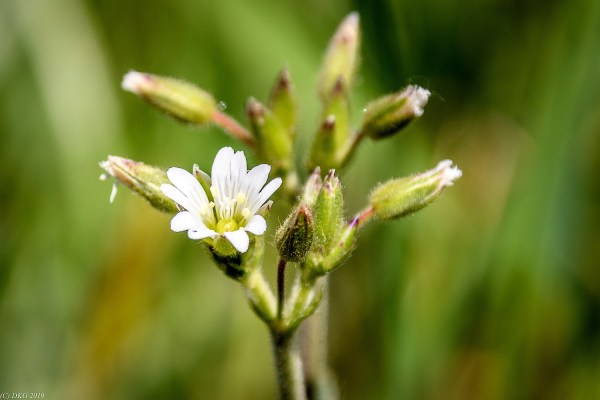
This is common mouse ear (Cerastium fontanum), sometimes called mouse ear chickweed. It grows all over the park for most of the year.
Continue reading “Common mouse ear”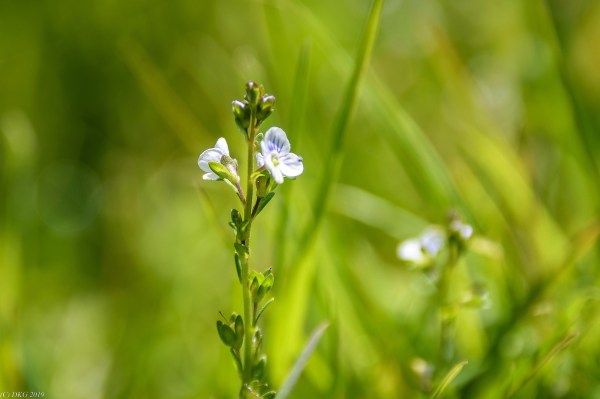
Veronica serpyllifolia

Germander speedwell – Veronica chamaedrys



 Southwick Country Park Nature Reserve