Last winter, the willows along the stream between Lambrok Meadow and the large pond were pollarded, opening the ground beneath to sunlight. Rosebay willow herb has moved in.
Rosebay willow herb
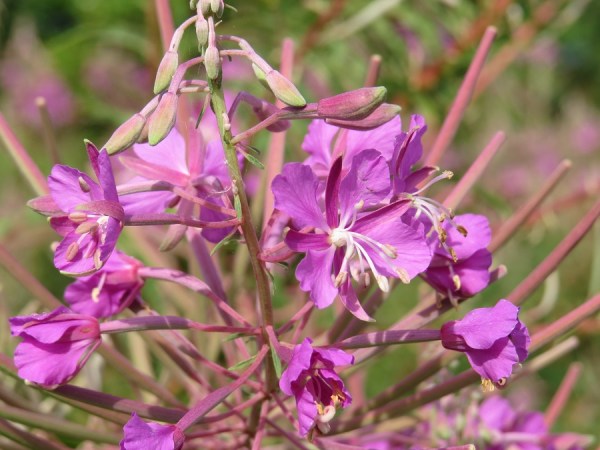
Last winter, the willows along the stream between Lambrok Meadow and the large pond were pollarded, opening the ground beneath to sunlight. Rosebay willow herb has moved in.

These are the flowers of Typha latifolia, the common bulrush, growing vigorously in Lambrok Stream.

The Weed Act of 1959 requires landowners and occupiers to control the spread of five species of injurious weeds: ragwort, creeping thistle, spear thistle, common dock and curled dock. The Weed Act’s purpose was to increase the productivity of arable land and to protect livestock at a time, post WWII, when self sufficiency seemed at lot more important than ecology.
…


The hot summer has rushed the flowering season on and the park is full of seeds, fruits and berries: food for the park’s wildlife but not always for its human occupants. Some berries are poisonous.
…

Like ragwort, creeping thistle (Cirsium arvense) is classed as an injurious weed by the Weed Act of 1959. Our hedges and edges are full of it: beautiful, pollen-rich, heavily scented flowers, buzzing with invertebrates, followed by seed heads elevated on stems sturdy enough to support seed-eating birds. Gorgeous.


Photographs by DKG

This is hogweed (Heracleum sphondylium), first cousin to the giant hogweed (Heracleum mantegazzianum) which the Daily Mail tells us has invaded Virginia, USA, and will blind us all.
Continue reading “Hogweed”

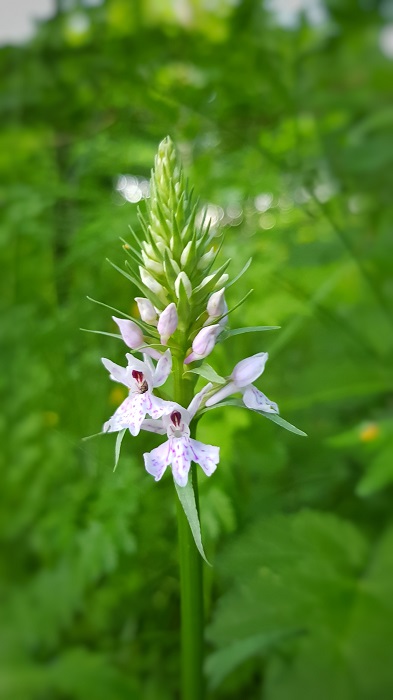
A common spotted orchid, photographed today by Julie Newble.
More orchids here


We sent DKG, and his macro lens, to look at the common spotted orchids in Village Green.

A message from Chris Seymour:
“Just wanted to share my photos of the orchids in the country park. I have been waiting for months to see them flower.”

It’s not an instruction to keep your coat on until June; it’s telling you to take your cardigan off when the may is in blossom, which has been known to happen as early as April.
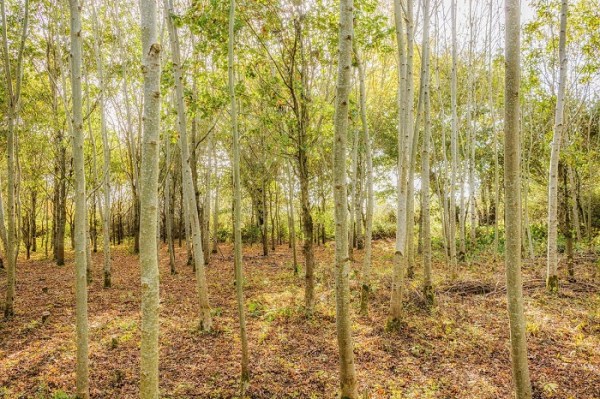
Ring barking or girdling can kill a tree. It happens when the tree’s bark is removed right the way round its trunk. Accidental girdling may be the result of a carelessly used strimmer, or over-tight wires and ties; it might be mammals gnawing on the bark or, in the case of deer, rubbing their antlers against it.

Ragwort has many common names; in fact some, like stinking willie and marefart, are downright vulgar. Both refer to the plant’s unpleasant smell. Another set of names, staggerwort, stammerwort and sleepy-dose, are about to its toxicity. Then there is felon weed, swine grass and our personal favourites: scrog and weeby. Continue reading “Stinking Willie and Marefart”

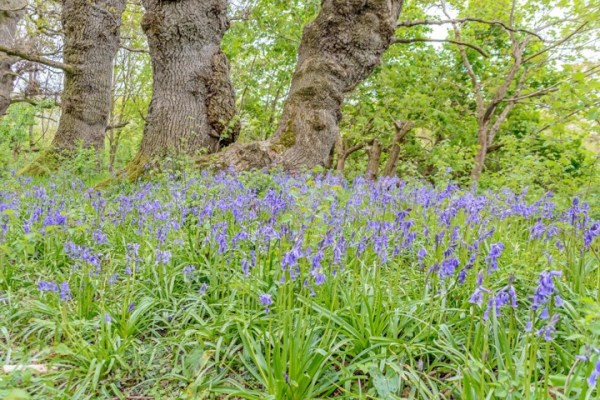
Our native species of bluebell (Hyacinthoides non-scripta) is threatened by the spread of Spanish squill (Hyacinthoides hispanica), a similar species imported into our gardens from southern Europe during the 17th and 18th centuries.
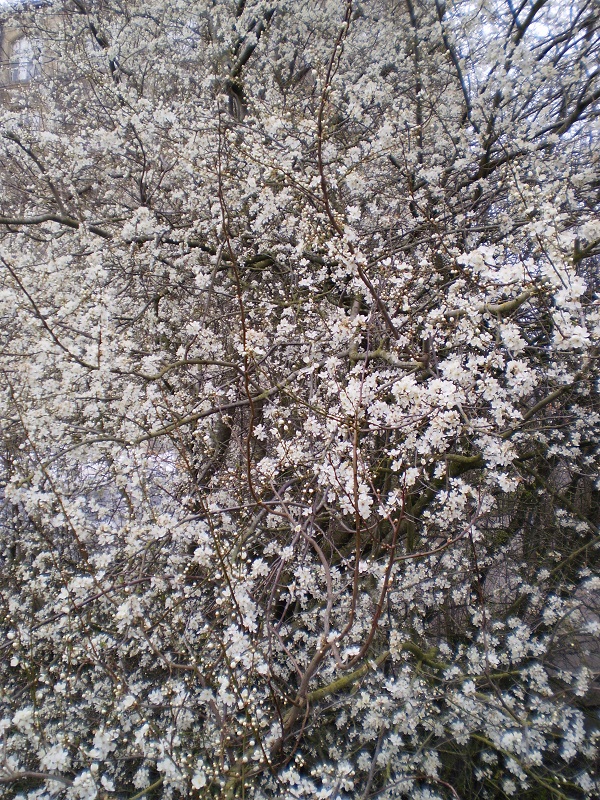
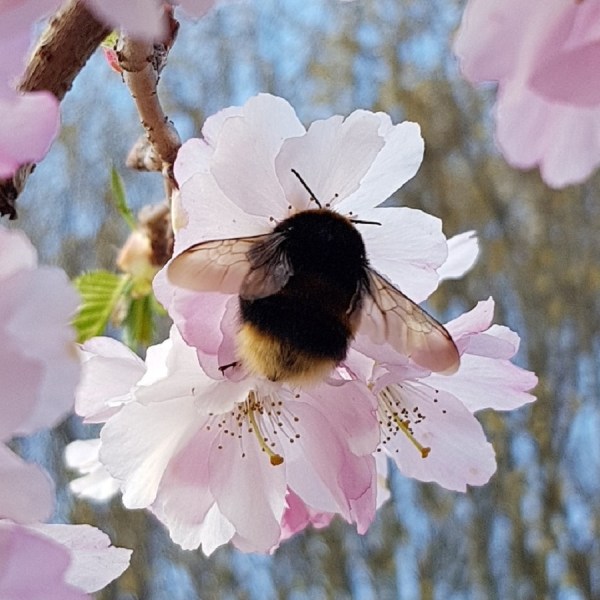
Blackthorn (Prunus spinosa) is the earliest of our native flowering trees. In late February it is very distinctive: masses of creamy white blossom on bare black branches. Now, in April, the small nondescript leaves are opening and the plant becomes just one of the many spiny and spiked elements in our hedgerows. In the autumn, blackthorn is once again easily identified by the blue-black fruits we call sloes.


Blackthorn fruits prolifically; the sloes are very bitter but become more palatable after the first frost. Neolithic peoples dried them to sweeten them and archeologists have found straw lined pits full of sloe-stones, which suggests a method of preservation we no longer understand.
The blue part of a sloe’s blue-black colour is a bloom of yeast; sloes will ferment on the tree and intoxicate the birds that eat them. While there is no proof, it is hard to believe that neolithic people didn’t make sloe wine.
The tree’s thorns, hardened in urine or in a chimney, were used as pins, skewers and awls.
Blackthorn wood is tough and resilient and takes a fine polish. It makes excellent tool handles (the earliest examples we have date from the Roman period) but has been used to make blunt instruments, cudgels, knobkerries, shillelaghs, for a lot longer than that. With judicious pruning and a little patience, blackthorn will produce a thick knobbly stick with a lump on the end.
Black Rod’s black rod is supposedly a blackthorn stick.

Pictures: Google Images
Related posts:
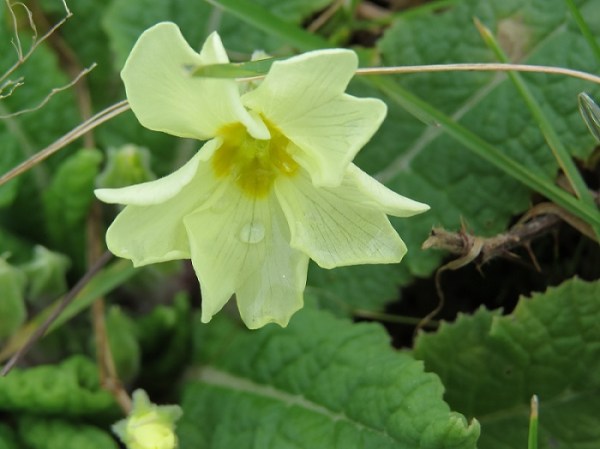

Our snowdrops are in flower…..
Photograph by DKG

Recently you may have seen that the overhanging willows on either side of the path leading from the pond to Lambrok Meadow have been either removed or pollarded, opening up the whole area.
Continue reading “Pollarding Willows”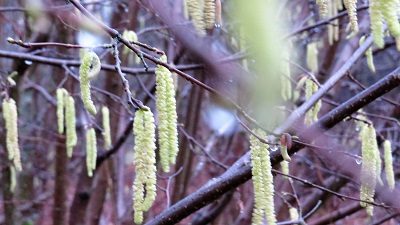
The hazel bushes in the park are flowering early this year. The catkins are already yellow with pollen; a sunny detail on a wet day.
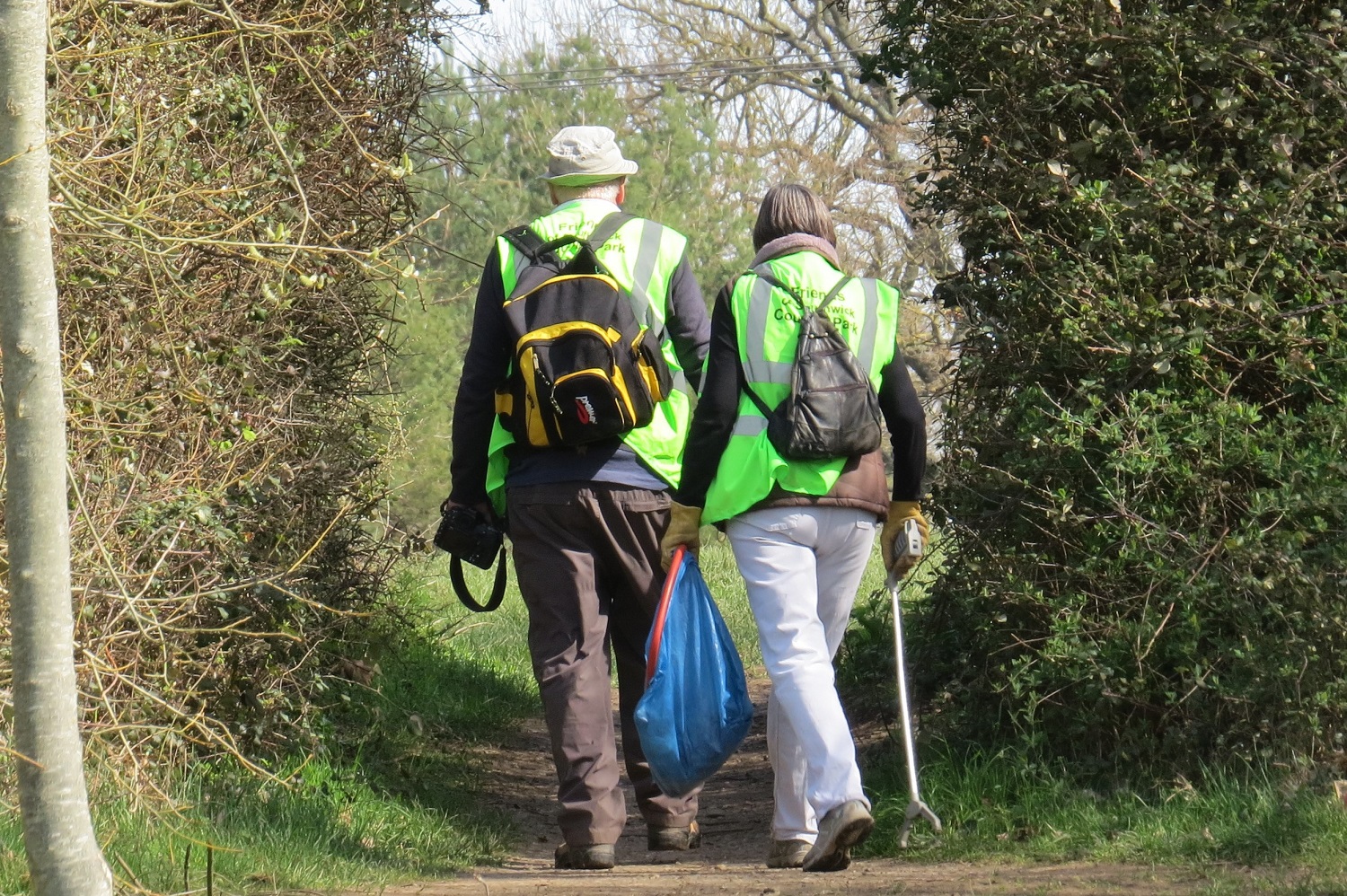



 Southwick Country Park Nature Reserve