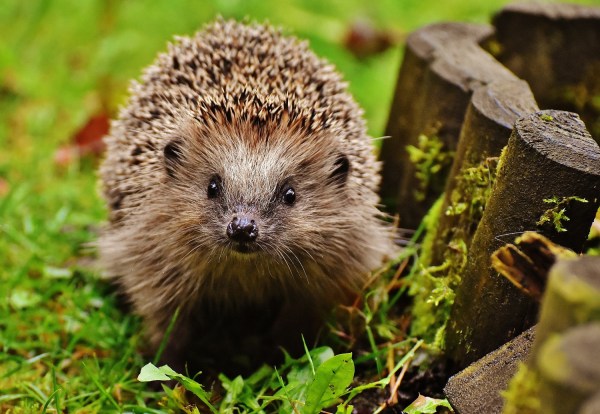
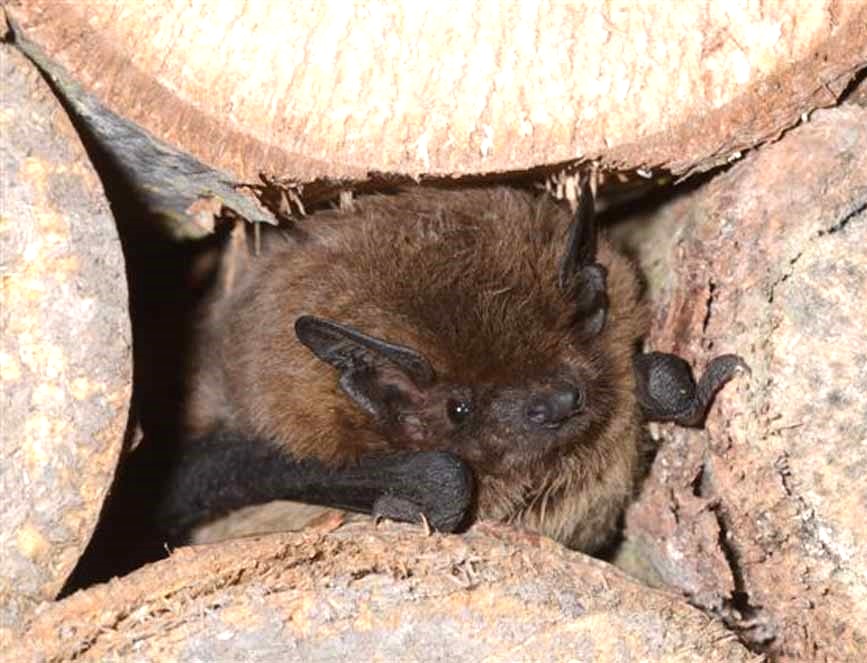
Of all the mammals on our species list, only the bats and hedgehogs truly hibernate. We have found the tiniest piece of evidence that there might be dormice in the reserve; if so, that would be a third hibernating species.
Continue reading “Hibernating mammals”Fly agaric
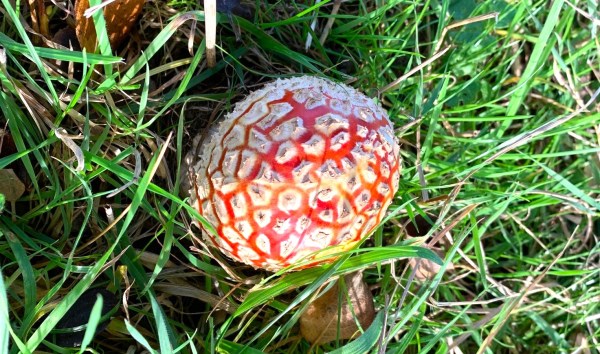
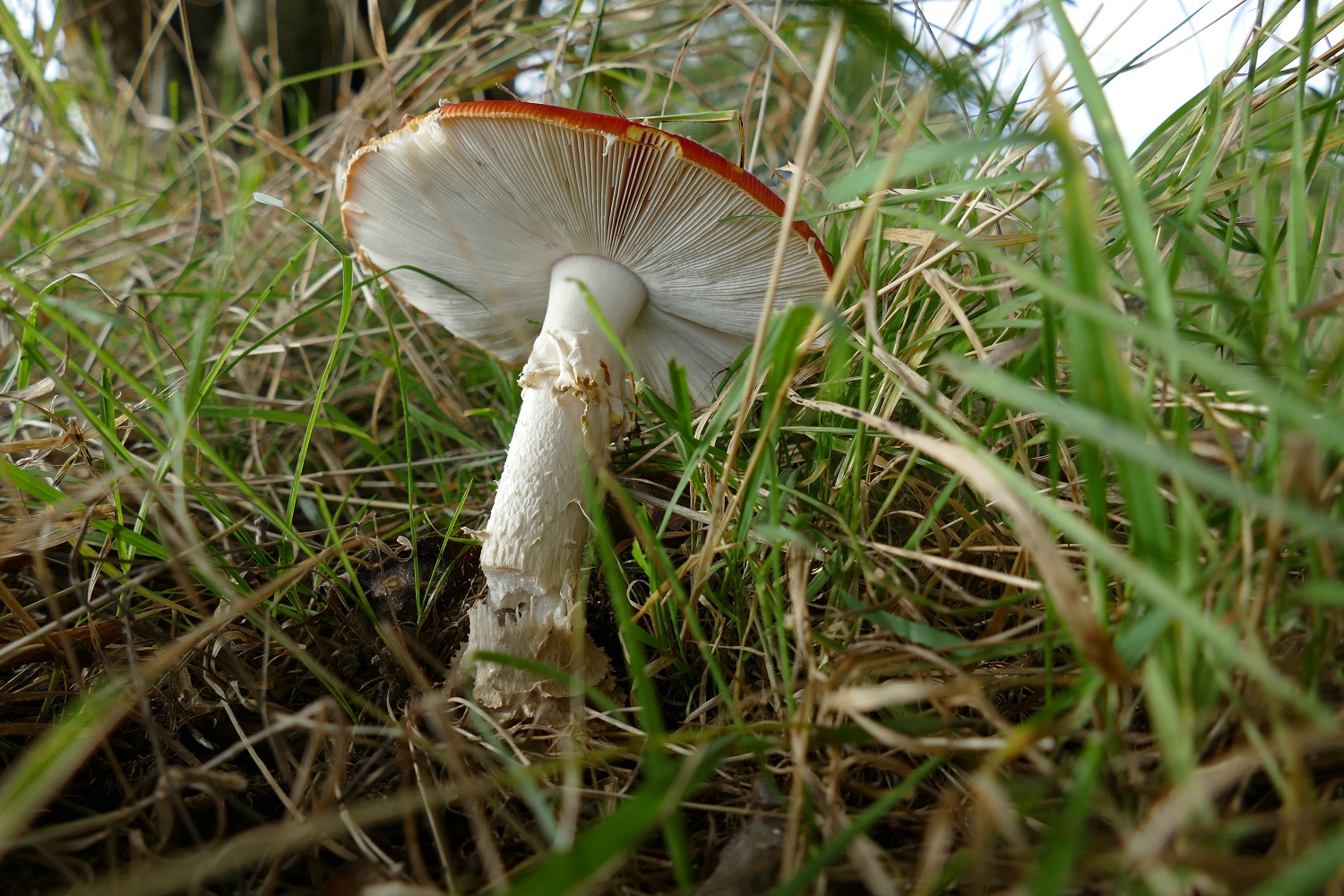
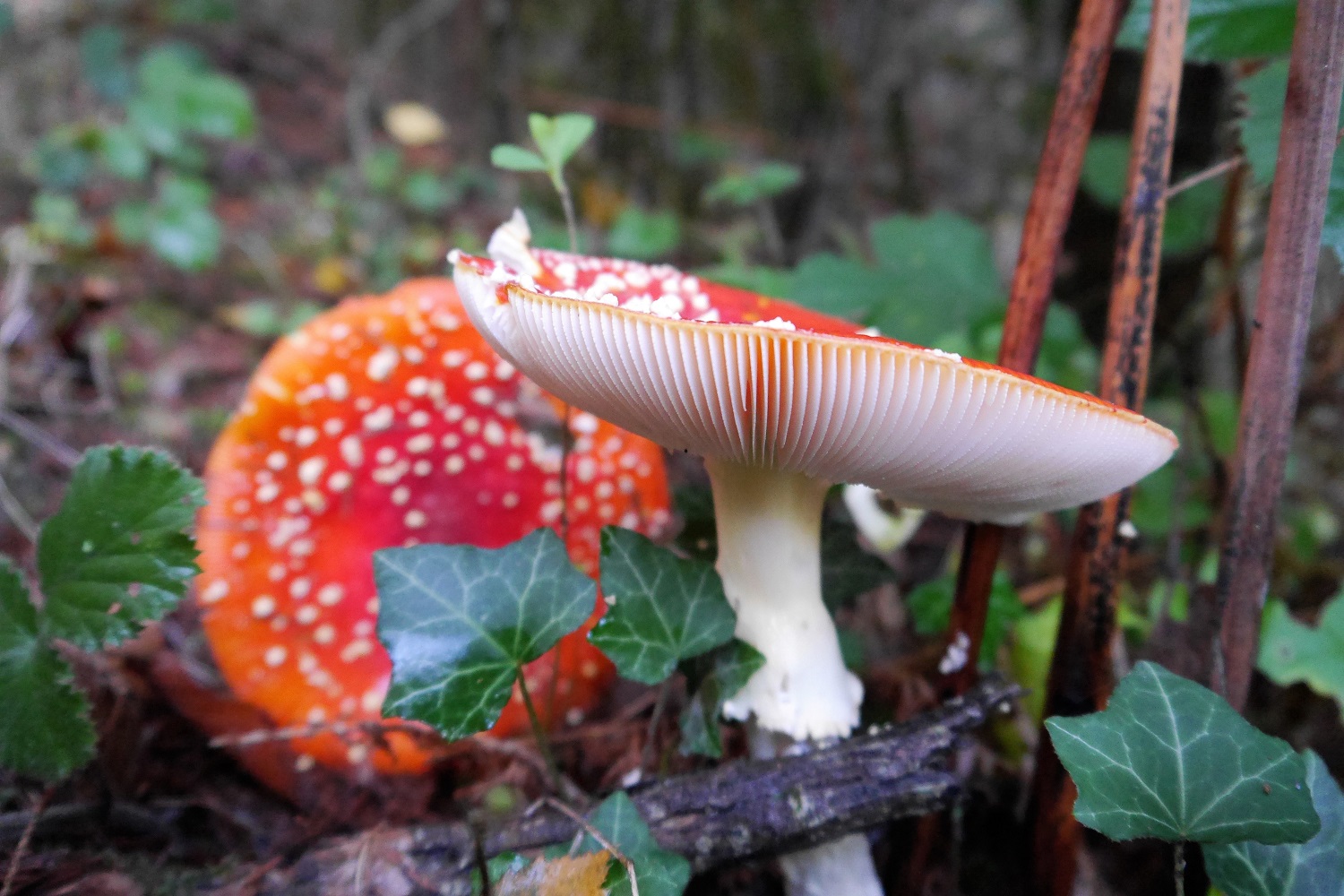
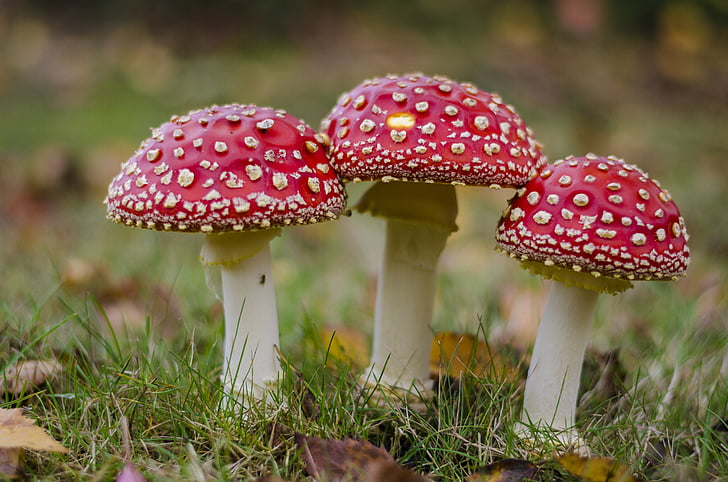
Clive Knight’s yearly search among the reserve’s fungi has turned up fly agaric, the classic spotted toadstool from our fairy tales. Here is a gallery of some of the pictures of Amanita muscaria we have been sent over the years.


Header image by Clive Knight
International cooperation 2
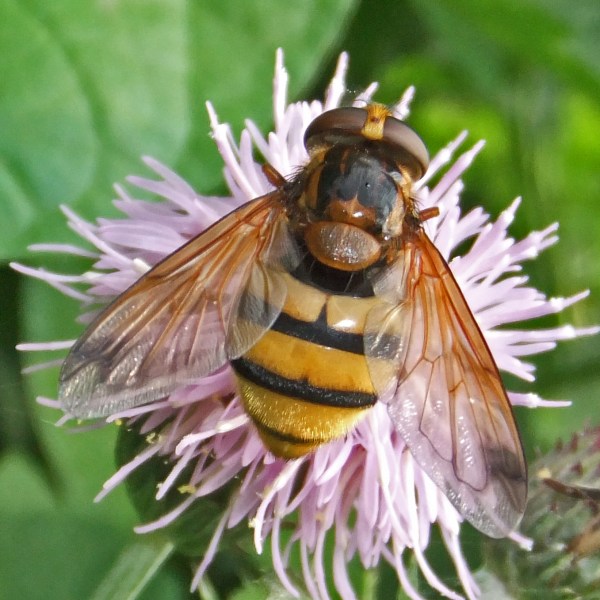
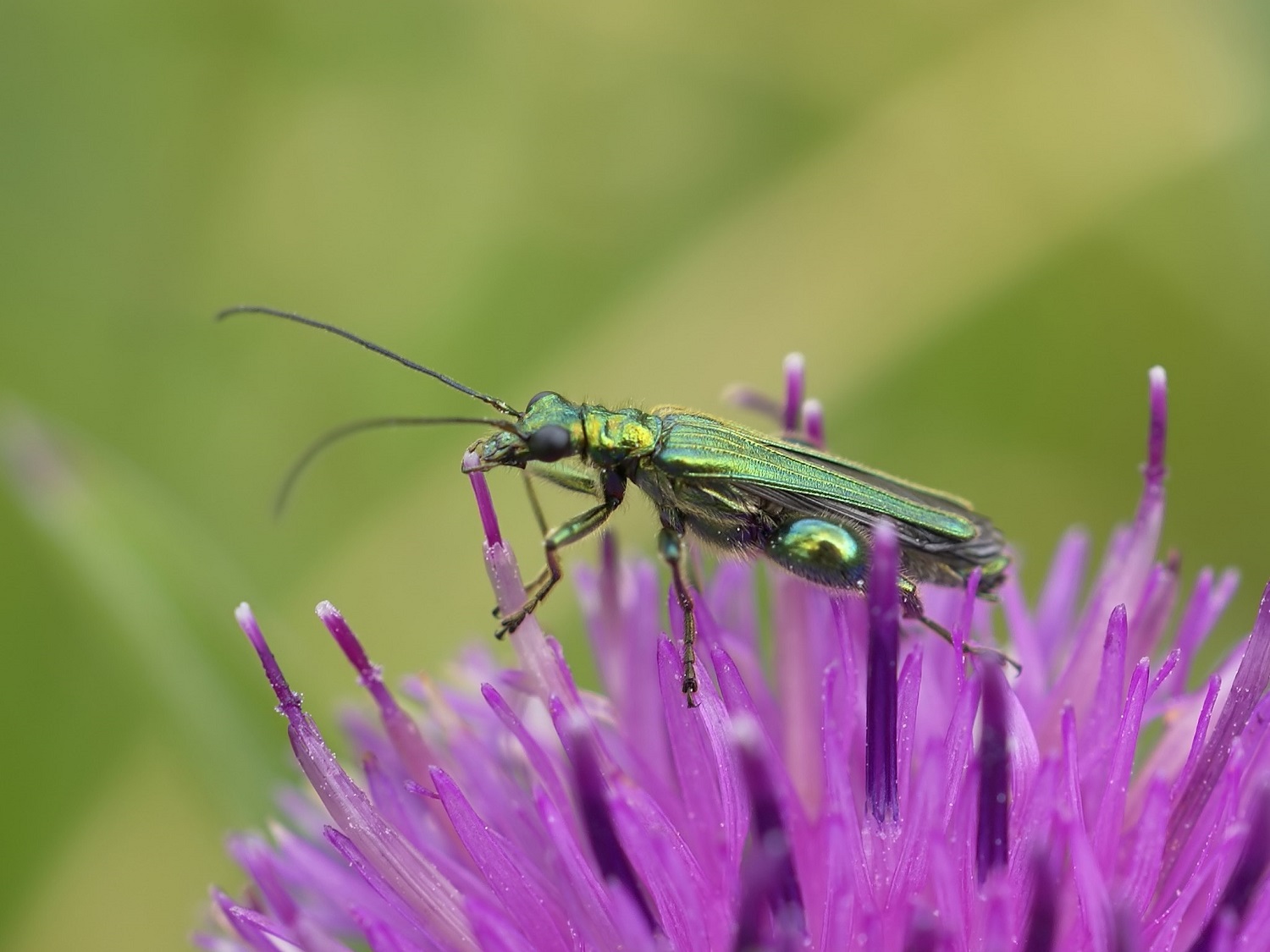
Volucella inanis
by Ian Bushell
Email from Dr R.L.Brown, of Manaaki Whenua Landcare Research, NZ:
Continue reading “International cooperation 2”A common frog photographed in the woods alongside the Lambrok.
Continue readingFact of the week
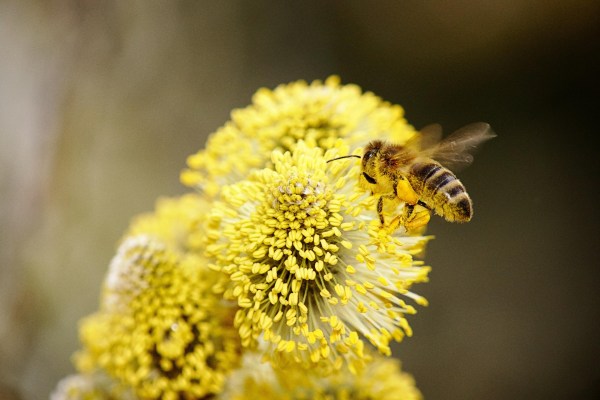
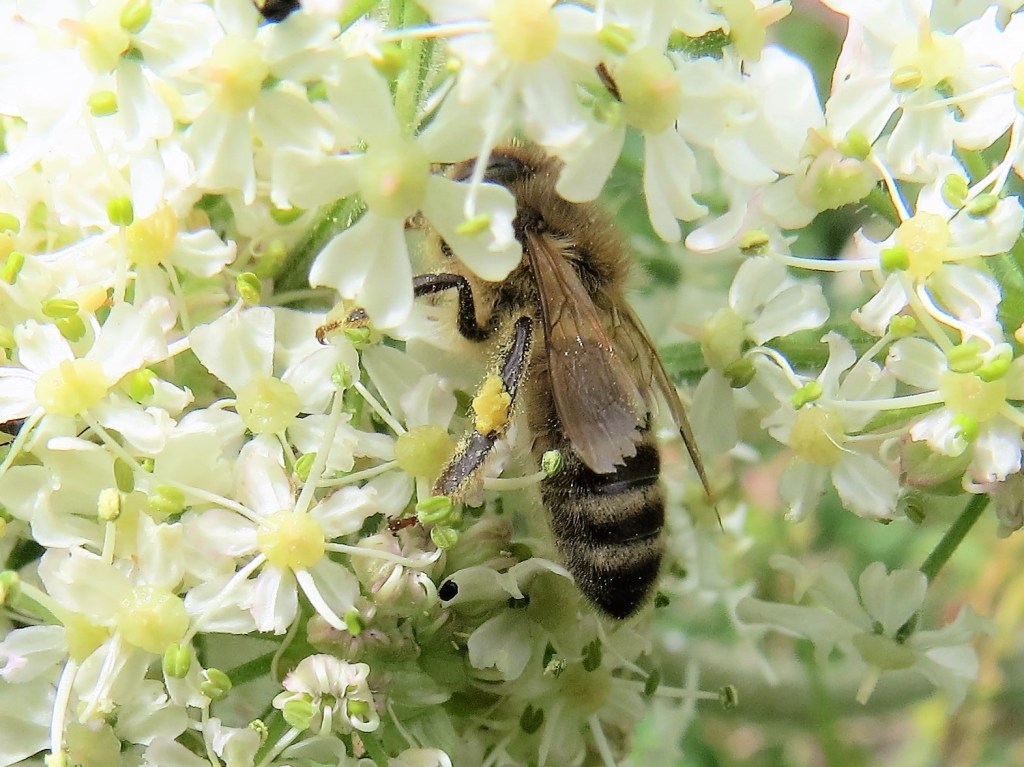
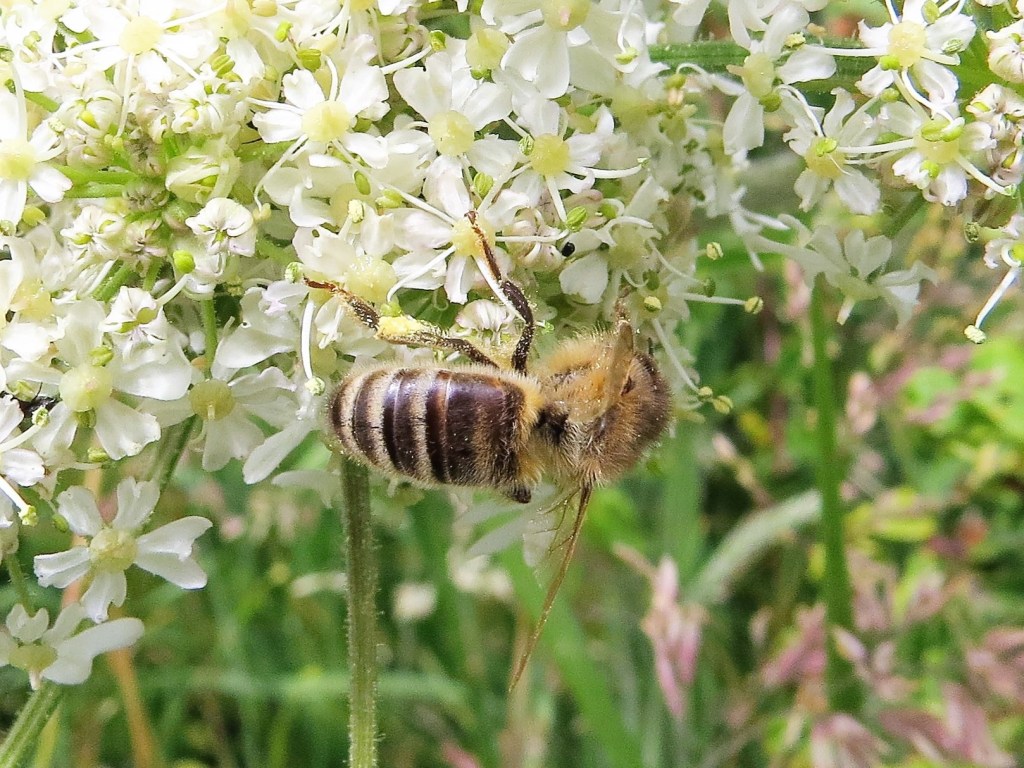
Like all winged Hymenoptera, honey bees have two sets of wings: a larger outer pair and a smaller inner pair. When the bee is flying, the large wing and the small one are hooked together with Velcro-like teeth called hamuli. At rest, the wings are unhooked for easy storage, the outer wing folding over the inner one.


Turkey tail
Clive Knight has sent us pictures of turkey tail fungi (Trametes versicolor) growing in the reserve on fallen oak.
Continue readingInternational cooperation!
by Ian Bushell
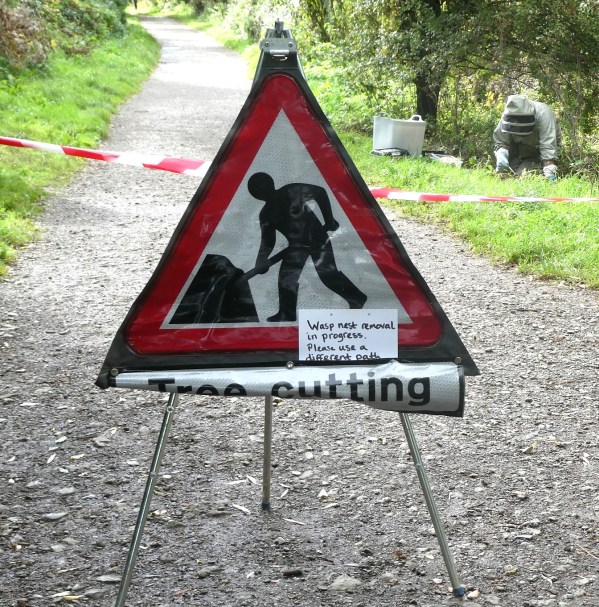
At the beginning of October, at the Amateur Entomological Exhibition at Kempton Park, I was introduced to Dr R.L.Brown from New Zealand, who was doing research into potential biological control of wasps.
Continue reading “International cooperation!”Eurasian collared dove
Collared doves (Streptopelia decaocto) bred in Britain for the first time in 1955, in Norfolk. Within 20 years they had colonised every county in the British Isles, and had even reached Shetland and the Outer Hebrides.
Continue reading “Eurasian collared dove”Bird Flu
by David Feather
Sadly, here in North Bradley, we had a letter from Defra (Department for Environment, Food & Rural Affairs) today informing us that Bird Flu was in the area and special precautions were needed. Yesterday, I discovered a dead blackbird in our garden and didn’t think anything of it. Today my view was changed by the letter and I shall be looking out for others.
Continue reading “Bird Flu”Meadow foxtail
In the summer, County Recorder Richard Aisbitt identified meadow foxtail (Alopecurus pratensis) in our fields, a tall grass with a furry flower head that looks like a fox’s brush: hence its name.
Continue readingHabitat fragmentation
Conservation is full of jargon, full of buzzwords and phrases that sound good. We all use them and we do it to save ourselves the trouble of proper research. We are trying to demystify some of these terms.
Continue reading “Habitat fragmentation”Fact of the week
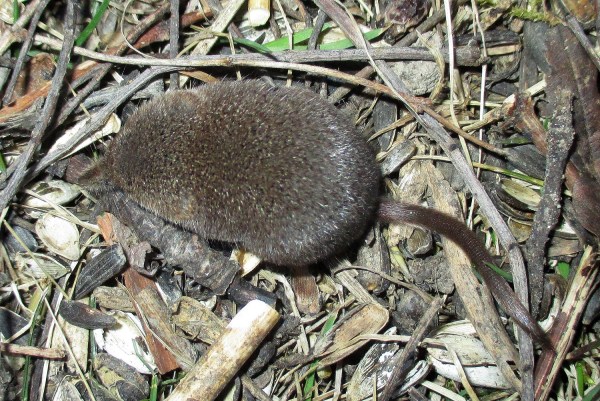
Our pygmy shrews can eat 125% of their body weight every day! An average pygmy shrew weighs 4.1 grams and, averagely, munches through a daily 5.0 grams’ worth of insects, arachnids and woodlice.

Conservation Status: Shrews are protected under the 1981 Wildlife & Countryside Act. As with all shrews, they may be trapped only under licence.

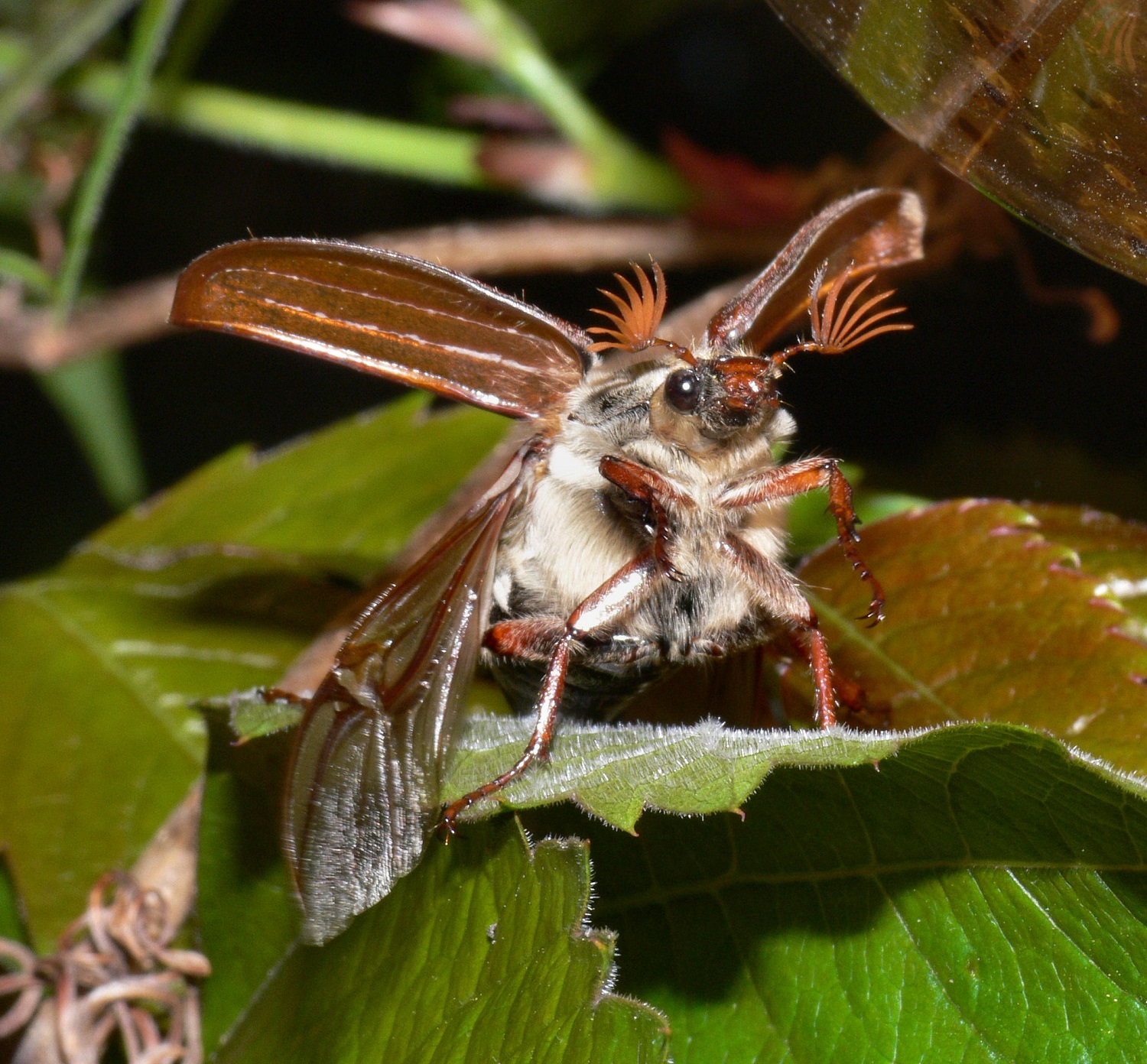
Beetles
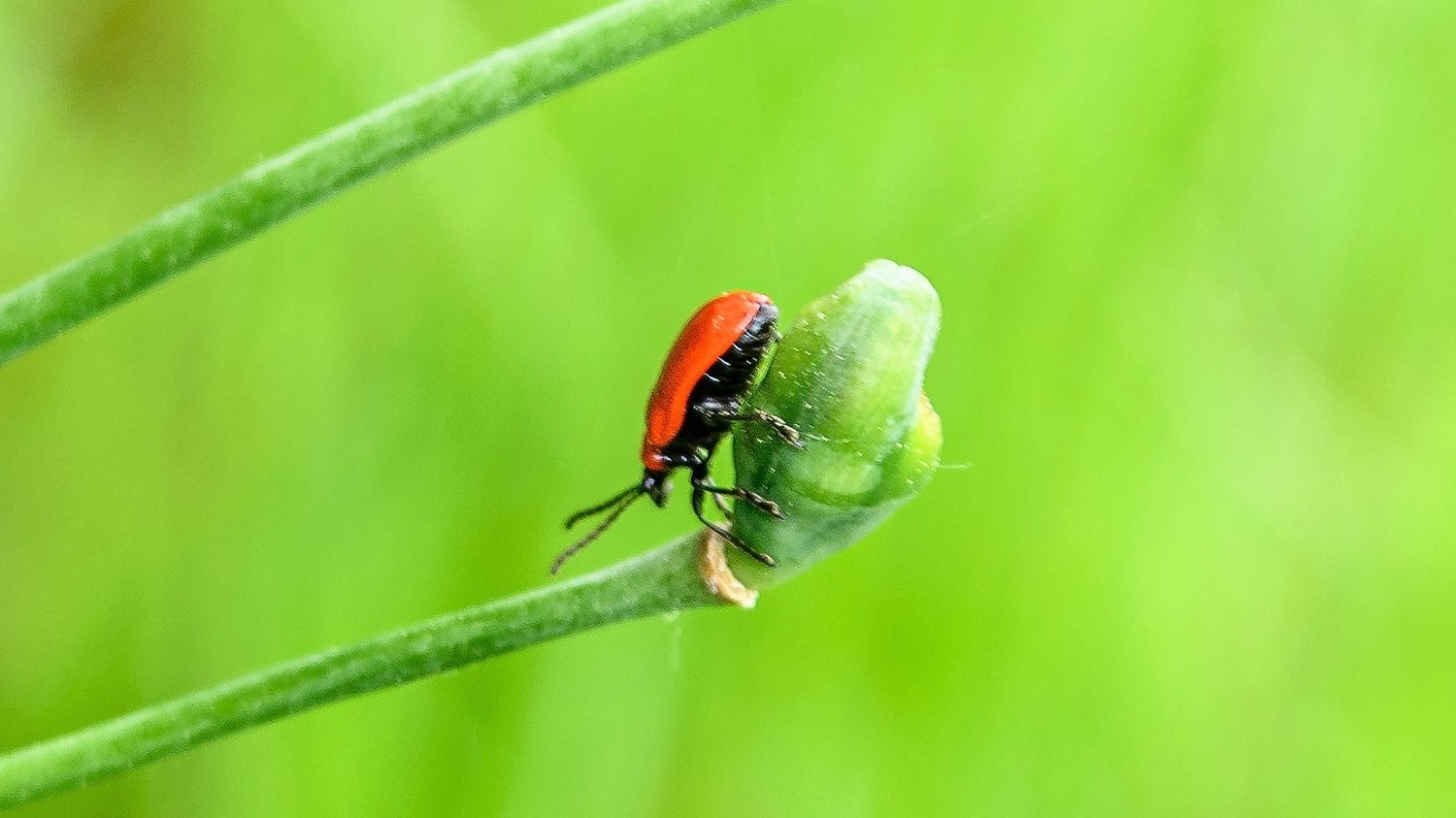
Just a few of the reserve’s coleoptera.


Header image: Red headed cardinal beetle by Gail Hampshire (CC BY 2.0) wikimedia.com
Habitat loss
People think of an uprooted forest when they think of habitat loss: orang utans starving in a palm oil plantation, the rabbits running from the machinery at the beginning of Watership Down, or the man-made desert of a dust-bowl. But habitat loss is, in the majority of cases, a lot less dramatic and much more ordinary than that, and often a great deal closer to home.
Continue reading “Habitat loss”Kingfisher
Kingfishers usually come to the reserve in the autumn when breeding pairs split up and the year’s fledglings spread out to look for their own territories. This year, after such a long period of drought, things might be different.
Read on:Why do the leaves change colour?
There are three kinds of pigment in a usually green leaf: carotenes which are yellow, red and pink anthocyanins, and chlorophyll, which is the green that masks the other colours until autumn.
Time-lapse fungi
None of these species of fungus are local, in fact they all come from the other side of the planet. But this is such stunning time-lapse photography by Australian Stephen Axford that we felt you should see it.
Header image by our own wildlife photographer Simon Knight.

Fact of the week
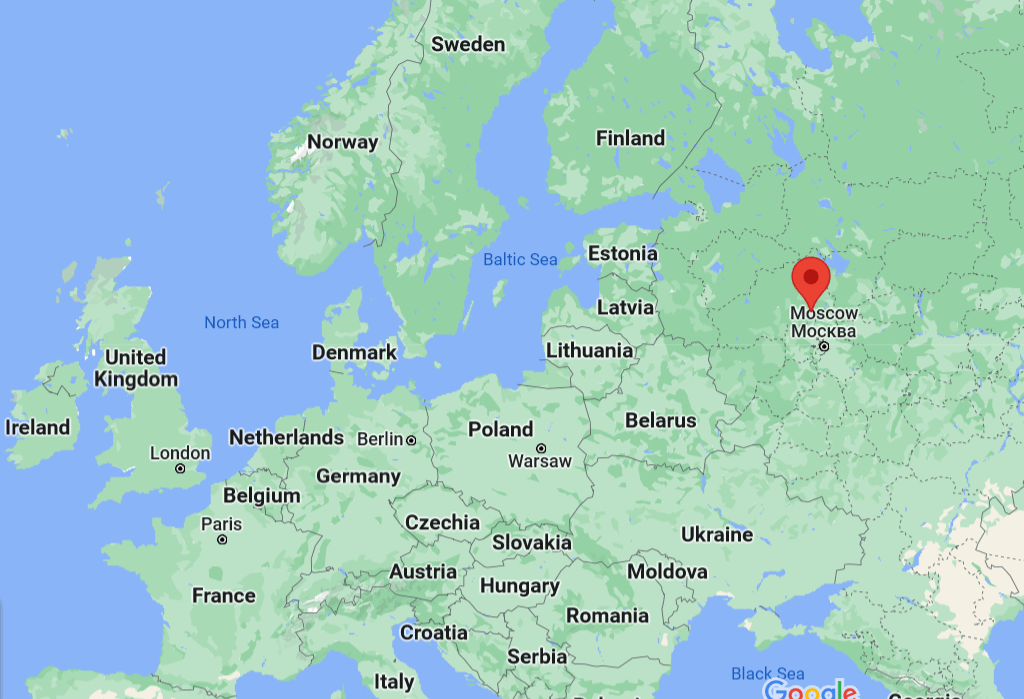
A ringed female Nathusius’ pipistrelle (Pipistrellus nathusii), weighing in at just 8g, recently set a British record by flying 2,018km from London to the Russian village of Molgino, near Moscow – where it was killed by a cat.


A Nathusius’ bat was first identified in the reserve in 2019 by Richard Green, Lead Ecologist for the RPS Ecology Survey of Church Lane. This is just one of twelve species of bats identified in the reserve.
Header imge: Nathusius pipistrelle wing by Rauno Kalda (CC BY-SA 4.0) via Wikimedia Commons

Jerusalem artichoke
There are Jerusalem artichokes (Helianthus tuberosus) flowering down by the Lambrok tributary stream. They have been there for three or four years now and are spreading along the bank.
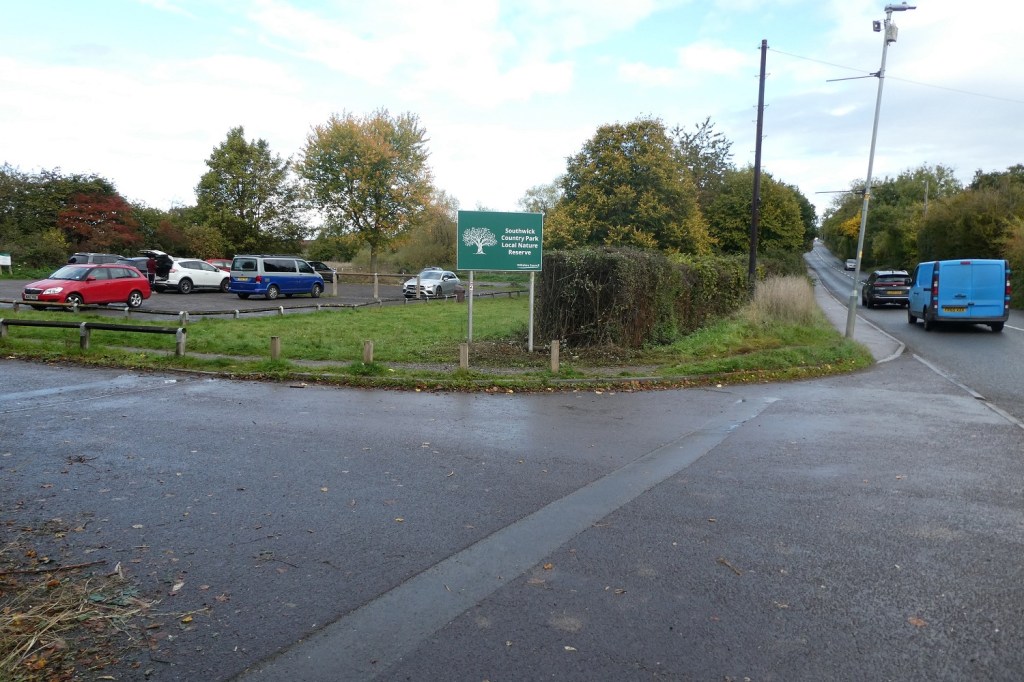
Read on:NEW SIGNS!
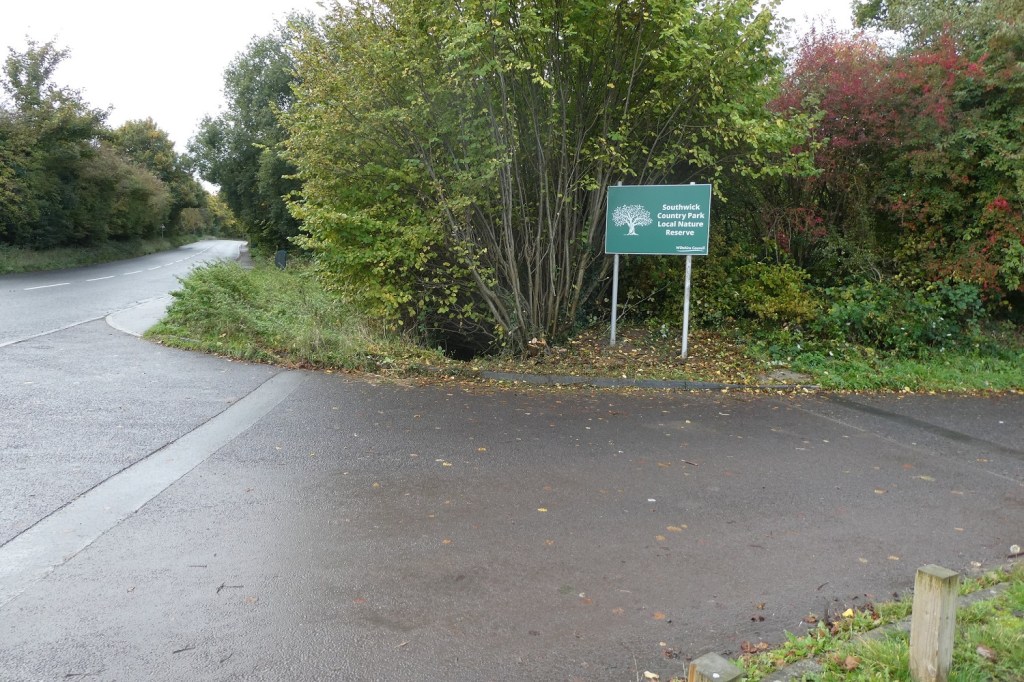
Our Local Nature Reserve status is being celebrated with new signs.


Pictures by Ian Bushell
Seed dispersal
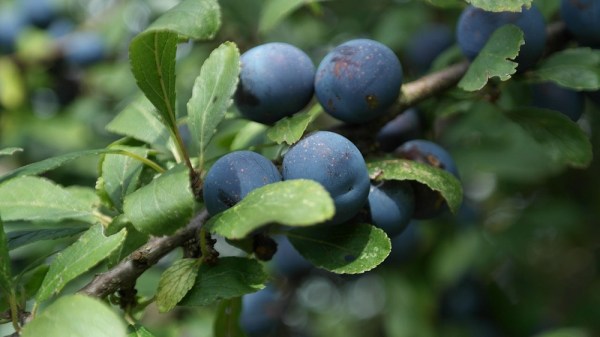
Seed dispersal is an annual problem for trees and shrubs. If seeds just fell down and germinated under the parent tree, they would compete with the parent for nutrition, water and eventually light. Trees need a way to send their seeds away to a new environment where their germination will not pose a threat.
Read on:Insect losses
In the UK the populations of our more common butterflies have fallen by 46% in the last 50 years while the rarer species have declined by 77%. We have lost 60% of our flying insects in just 20 years. We have entirely lost 13 species of our native bees since the 1970s and fully expect more to follow.
Continue readingHemlock water dropwort
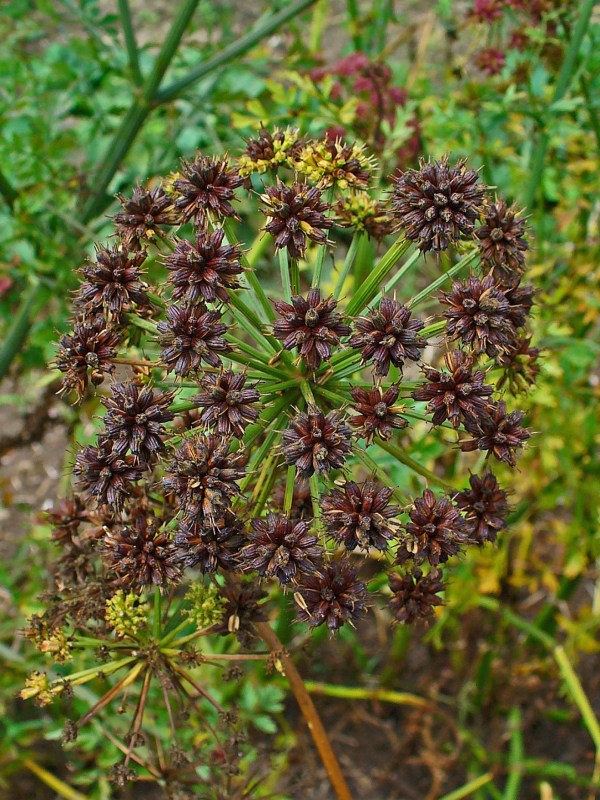
These are the seeds of hemlock water dropwort (Oenanthe crocata), probably the UK’s most poisonous plant.
Continue reading “Hemlock water dropwort”Fact of the week
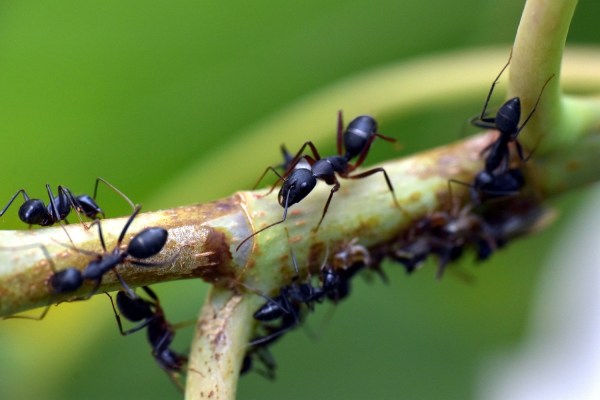
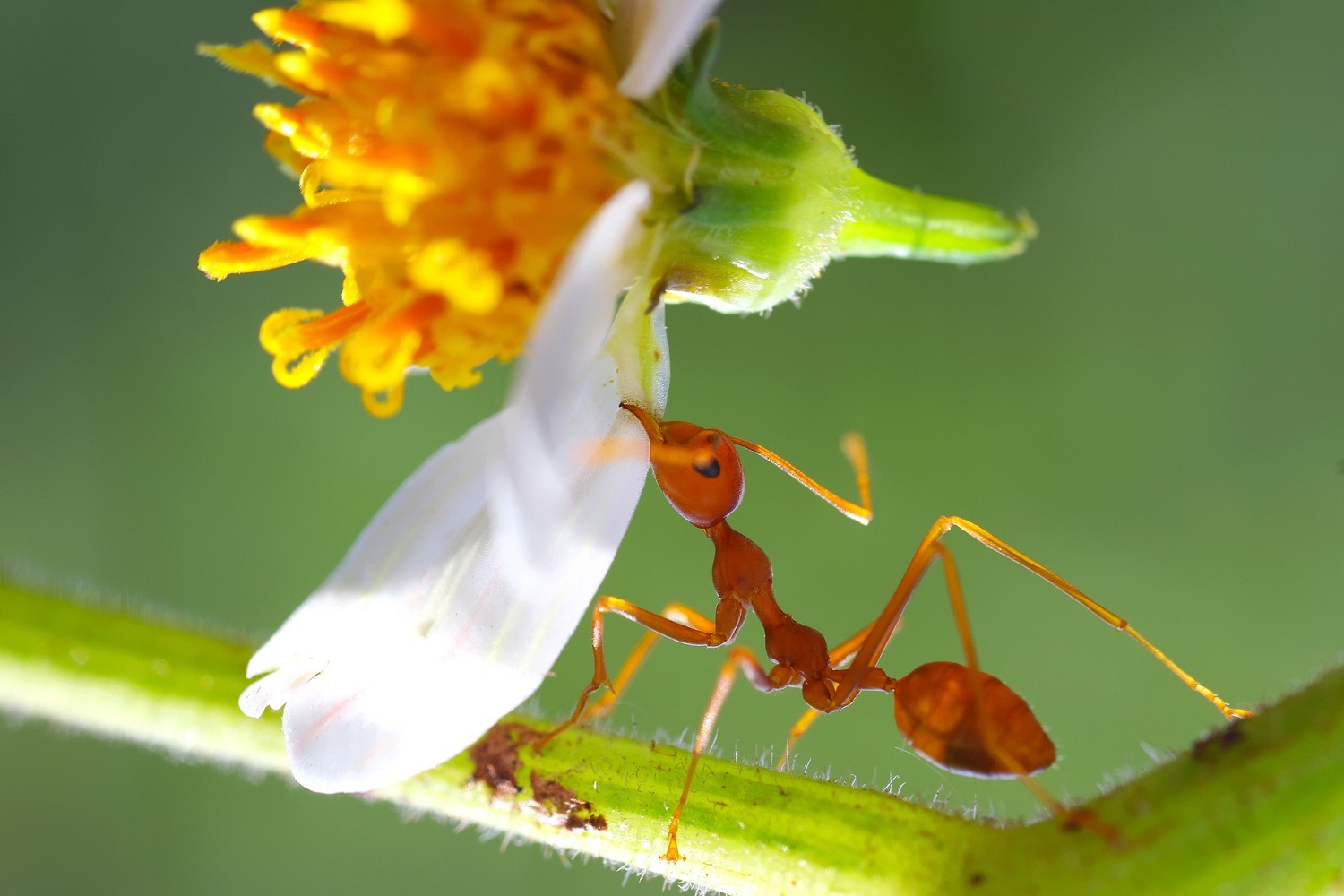
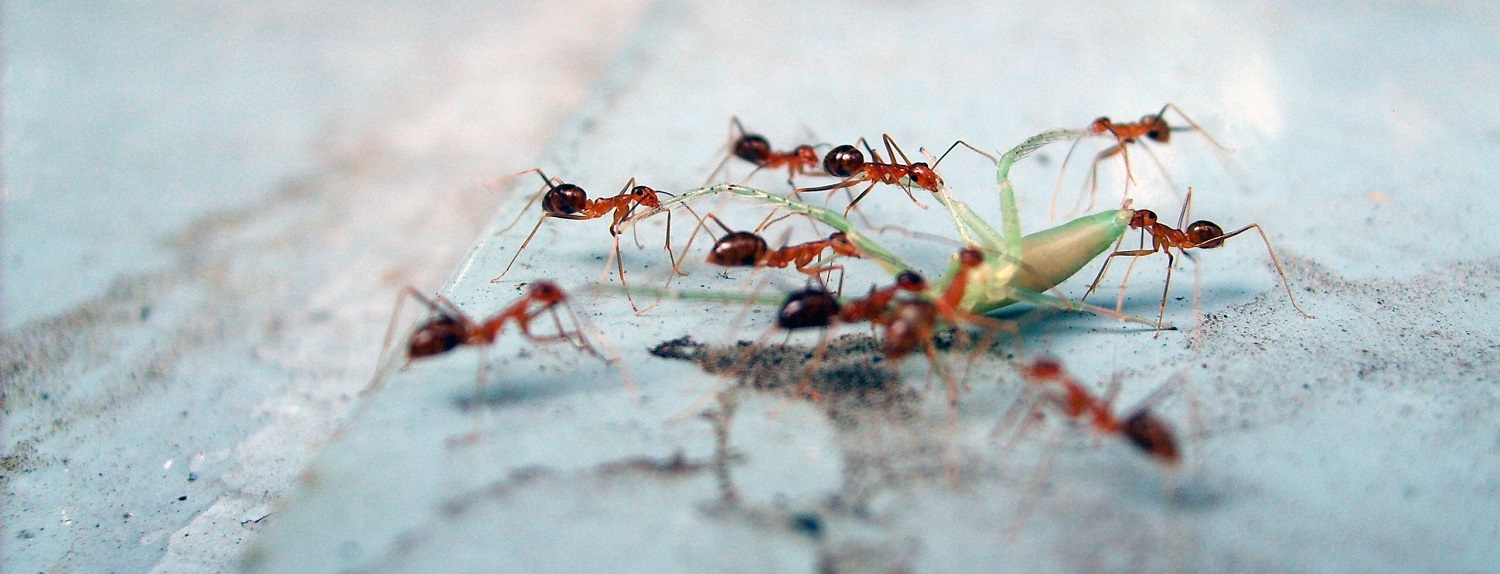
The latest research has concluded that our planet is home to 20 quadrillion ants – 20,000,000,000,000,000 – made up of 15,700 known species and subspecies. The total biomass of all those ants is 12 million tonnes which is more than the biomass of all wild birds and non-human mammals combined. Gosh!


Winter roosts
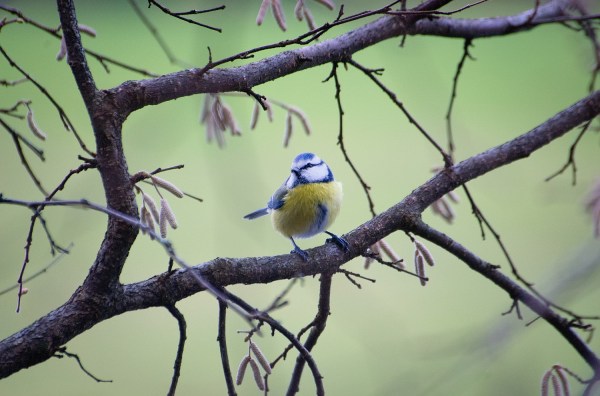
The increasing use of nest box cameras has shown how frequently garden nest boxes are used by blue tits for winter roosting.
Continue reading