A clouded yellow (Colias croceus) was identified in the reserve this summer for the first time in eight years. It is a migrant species, an early summer visitor from North Africa or Southern Europe.
Continue reading “Clouded yellow”Clouded yellow

A clouded yellow (Colias croceus) was identified in the reserve this summer for the first time in eight years. It is a migrant species, an early summer visitor from North Africa or Southern Europe.
Continue reading “Clouded yellow”
There are two badger setts in the park, hidden away in its quiet places; here are some interesting badger facts.
Continue reading “Badger facts”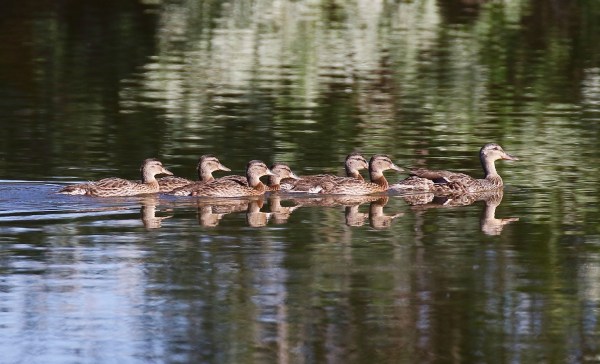
This year’s Ig Nobel prize for physics went to Professor Frank Fish , for research into the question of why ducklings swim in a line behind their mother. Apparently, the linear formation saves energy with the last duckling in the line benefitting the most. Didn’t we already know that?

by MTSOfan (CC BY-NC-SA 2.0) flickr.com
Header Image: by Michael B. Smith (CC BY 2.0) flickr.com
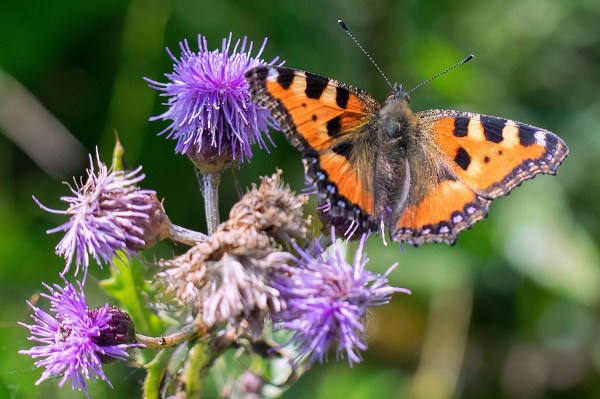
This year’s Big Butterfly Count recorded fewer butterflies than in any previous year.
Continue reading “The results are in”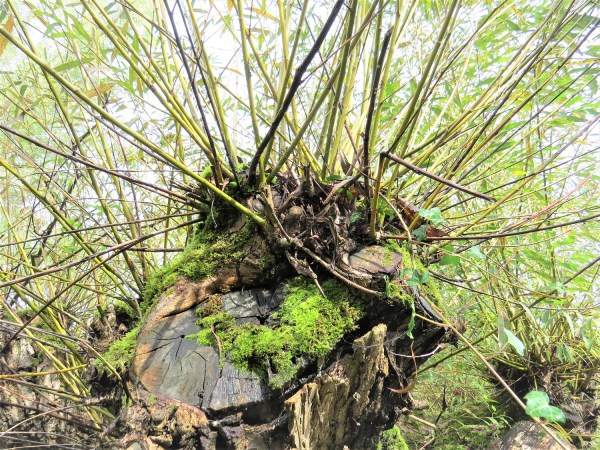
Salix is the genus name of willow, trees known and cultivated for millennia for their medicinal properties.
Continue reading “Salix”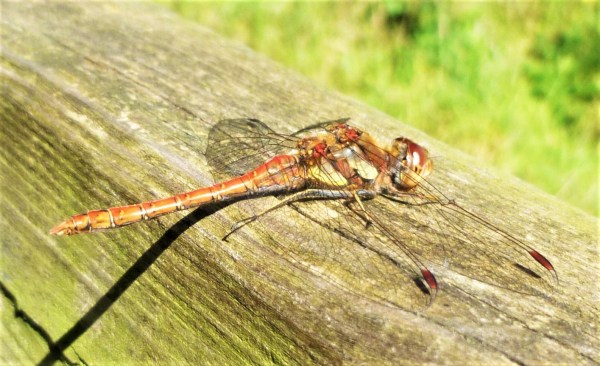
by Ian Bushell
Yesterday afternoon, at the bottom set-side in Village Green, I was chatting with an old chap who, as a boy had played in these fields, when I saw a pair of dragonflies flying by.
Continue reading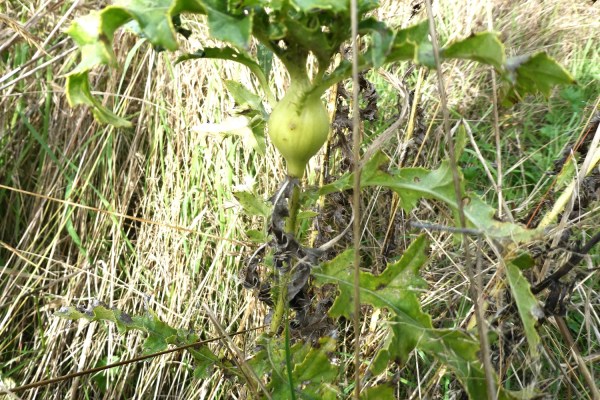
by Ian Bushell
This afternoon, I found these galls on the Creeping Thistle in the second set-aside in Village Green. They are caused by Canada Thistle Gall Fly, Urophora cardui. This is a very distinctive fruit fly which, despite its name, is indigenous to the UK and Europe.
Continue reading
The scientific name for the seven spot ladybird is Coccinella septempunctata; if you had the right magic wand, a spell like that would put spots on anything.

The reserve’s ivy flowers between September and November; each plant’s flowering season is quite short but a succession of plants flowers all through the autumn. The flowers are small, green and yellow, and so insignificant-looking that many people don’t realise that that they are flowers at all.
Read on:
A late summer southern hawker photographed in the reserve last week by Clive Knight. The southern hawker’s flight period runs from the end of May right through into November but each individual dragonfly lives for only around six weeks. This one, to judge by it’s faded colours and torn wings, is approaching the end of its life.

The summer’s drought made difficulties for our dragonflies. Many of the shallow pools along the Lambrok dried up completely and the big pond, Grand Central Station for our Odonata, was reduced to a mere puddle. Not only do all dragonflies and damselflies need standing water for successful breeding, but so do their flying insect prey: nowhere to lay eggs, nothing to eat, not a good year.

EDITORIAL ERROR
While driving a website without due care and attention, our editor has managed to permanently delete all comments made after September 5th. The comments section is important, particularly while so much work is going on in the reserve, and your opinions are valuable input. Please, feel free to repost if your comment has disappeared.
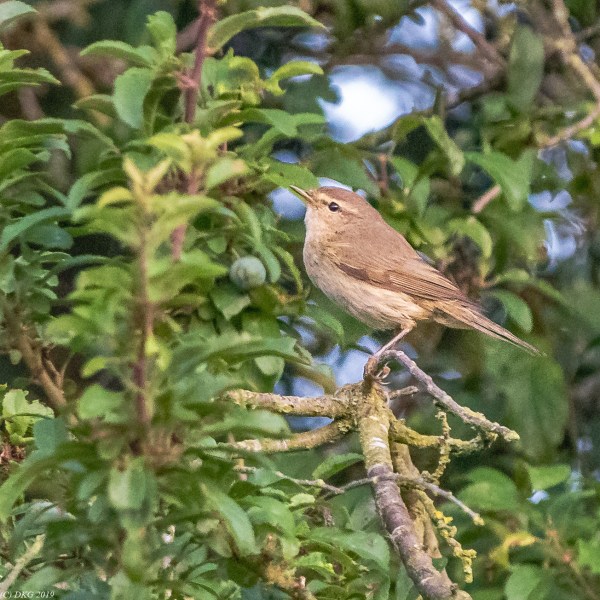
Most of our willow warblers will have left by now; they will be on their way to sub-Saharan Africa where they will spend their winter. Theirs is the longest journey undertaken by any of the park’s migratory birds. Why do such tiny birds fly so far and take such risks to do it?
Continue reading “Willow warbler migration”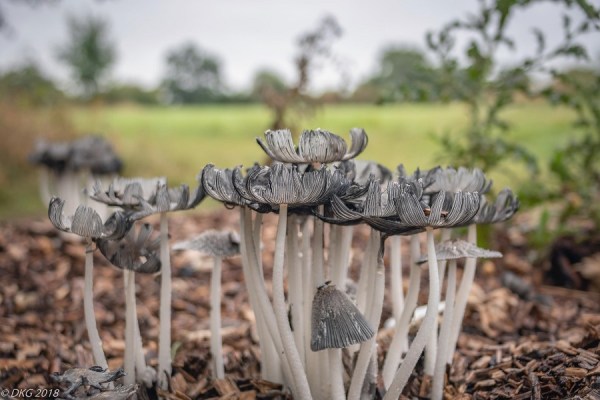
Symbiotic fungi explained by David Attenborough.
Header image taken in the reserve by DKG

Scrapes 2 and 3 of Wiltshire Wildlife Trust’s ABBA project will be backwaters lying alongside Lambrok Stream. A backwater is essentially a shallow pond connected to a waterway, providing still-water habitat away from the flow and turbulence of the main stream.
Continue reading
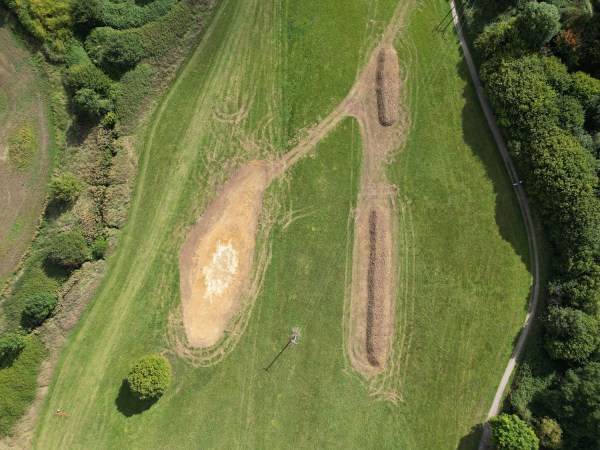
Wiltshire Wildlife Trust’s ABBA project is creating three wetland scrapes in Lambrok Meadow.
Continue reading “A new pool”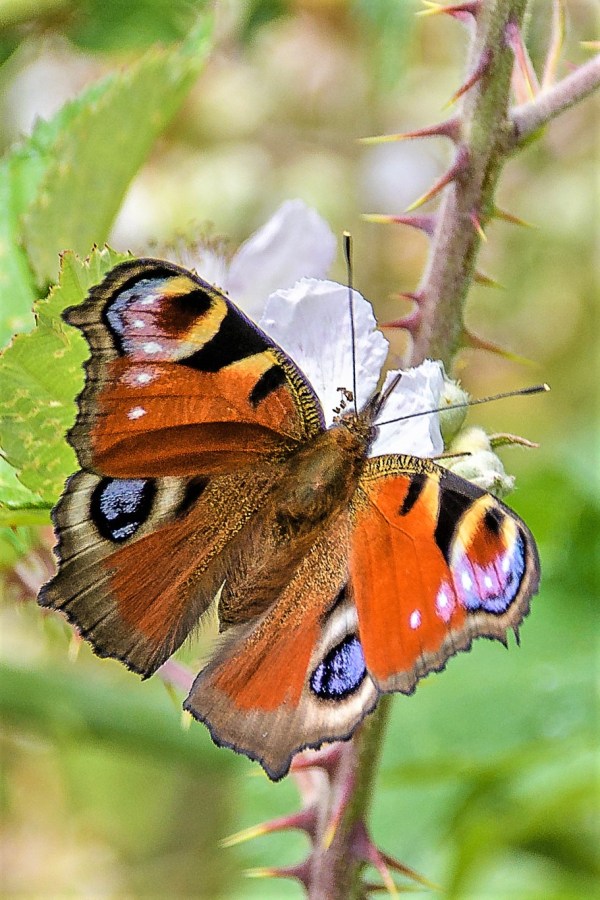
The nighttime temperature is dropping and soon we will see the first frosts. The reserve’s invertebrates are preparing for hibernation.
Continue reading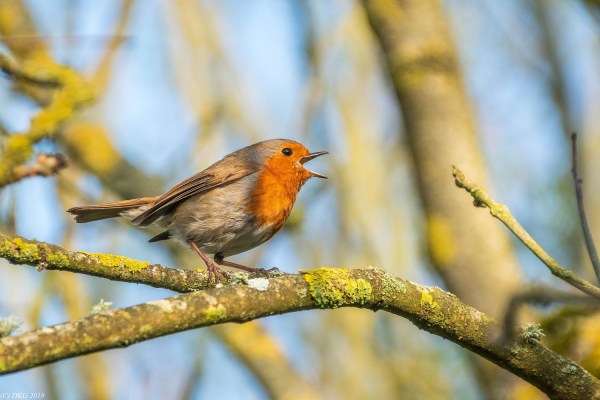
Robins, both male and female, sing almost the whole year round with just a pause after the breeding season, when they go into hiding for the moult.
Continue reading “Winter song”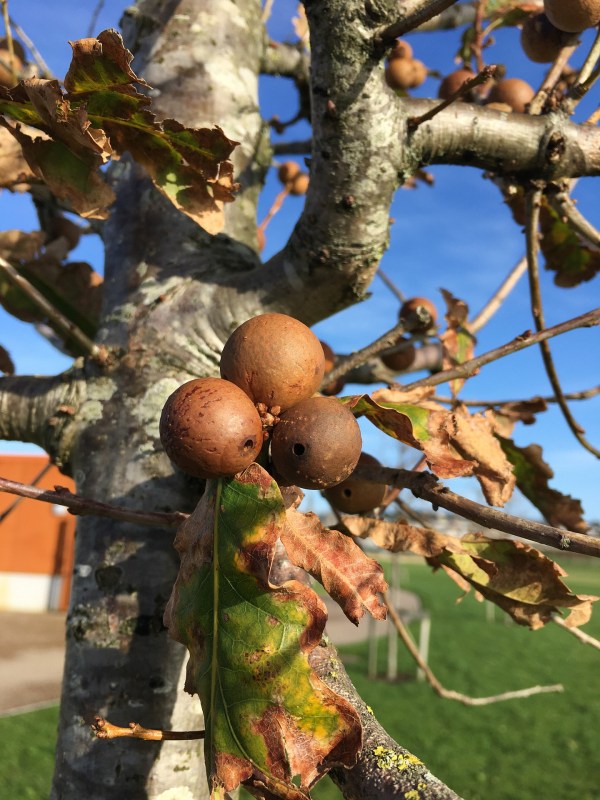
Ecosystem engineers are organisms that modify their environment. They increase biodiversity by creating habitat for species other than themselves. The oak apple, caused by a tiny wasp called Biorhiza pallida, is just such an engineered environment.
Continue reading
Among the many grasses that grow in the reserve is WILD OAT (Avena fatua) which has an intriguing method of dispersing its seeds.

There are several families of magpies in the reserve. This year’s crop are, as yet, short-tailed, loud- mouthed and clumsy, hanging out in gangs and still learning to fly properly. But, despite their dramatic black and white beauty, their reputation is poor.
Read on:
Oak trees produce thousands of acorns every year. Somebody has worked out that an oak tree can produce ten million acorns over its lifetime. In a good year, they carpet the ground under the tree and crunch underfoot.
Read on: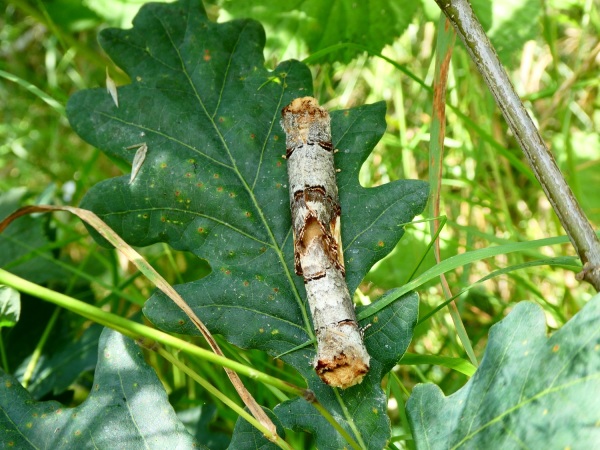
A recent study has found that the best kind of camouflage, out there in the wildwood, is pretending to be an inanimate object.
Continue reading “Camouflage”
A hornet, drinking at the Iris Pond, photographed by Clive Knight. Ian Bushell, our entomologist, has identified it as a queen.
Continue reading
This is a common drone fly (Eristalis tenax), named for its mimicry of a male honeybee. It was first identified in the reserve in 2019.
Continue reading “Common drone fly”


 Southwick Country Park Nature Reserve