A fascinating fact…
…about bees.
Read on
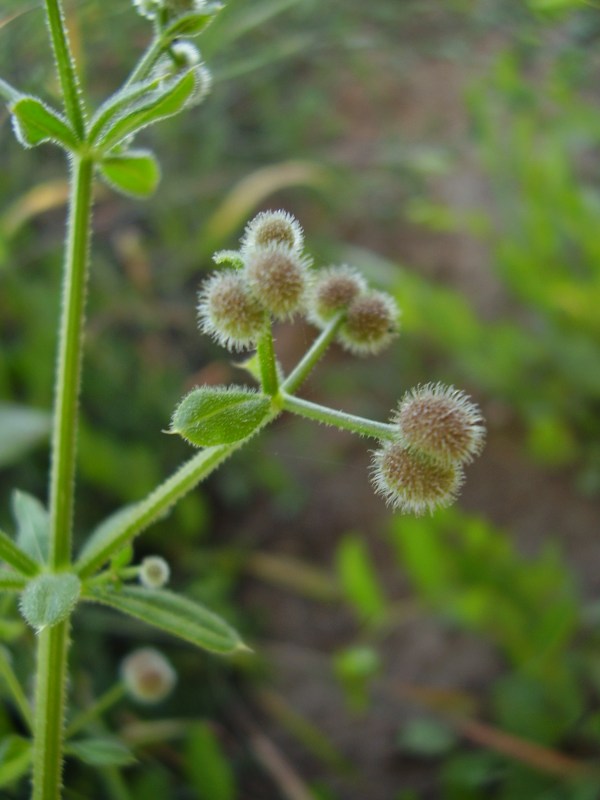
Galium aparine is called by so many different vernacular names that we are not even going to try to list them. In these parts we call it cleavers or goosegrass.
Galium, the name of the genus, is derived from the Greek word for milk because the flowers of some species of Galium were, and in some places still are, used to curdle milk for cheese-making. The species name, aparine, is another Greek derivative, this time from a word that means to grab or to hold.
The whole plant, stem, leaves and seeds, grabs hold using tiny hooks that help it climb through and over other plants. The seeds use their hooks to attach themselves to passing animals, including humans, and get carried safely away from the parent plant to new habitat.


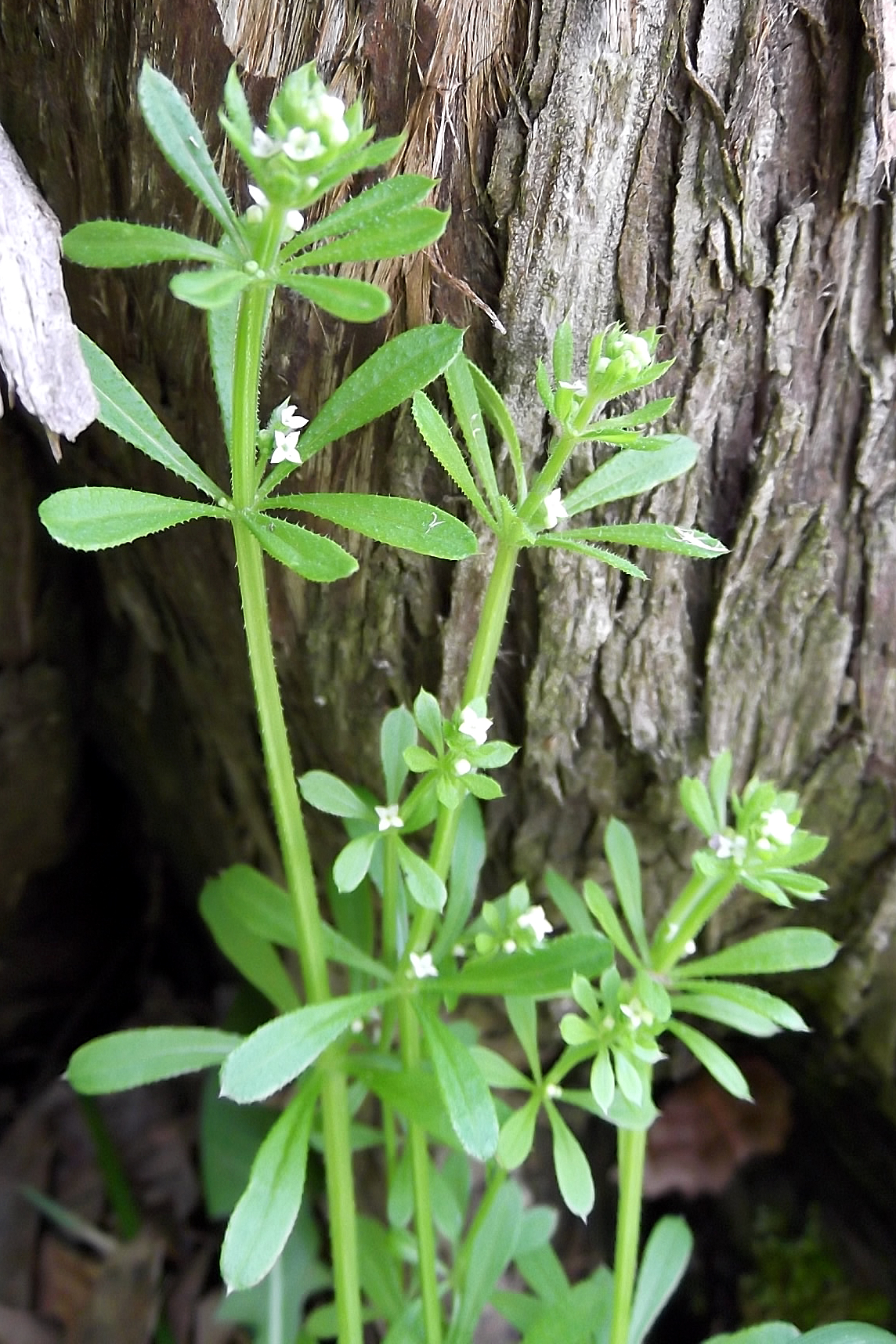
Cleavers is an annual. In spring and summer it has tiny, almost invisible, white flowers that grow in small clusters from the leaf axils. The flowers are followed by the Velcro-like burrs which contain the seeds. After it has made seed, the plant dies: next year’s cleavers will germinate in the spring.
Who hasn’t attached cleavers’ burrs to the back of the person sitting at the desk in front of them? I know I did.

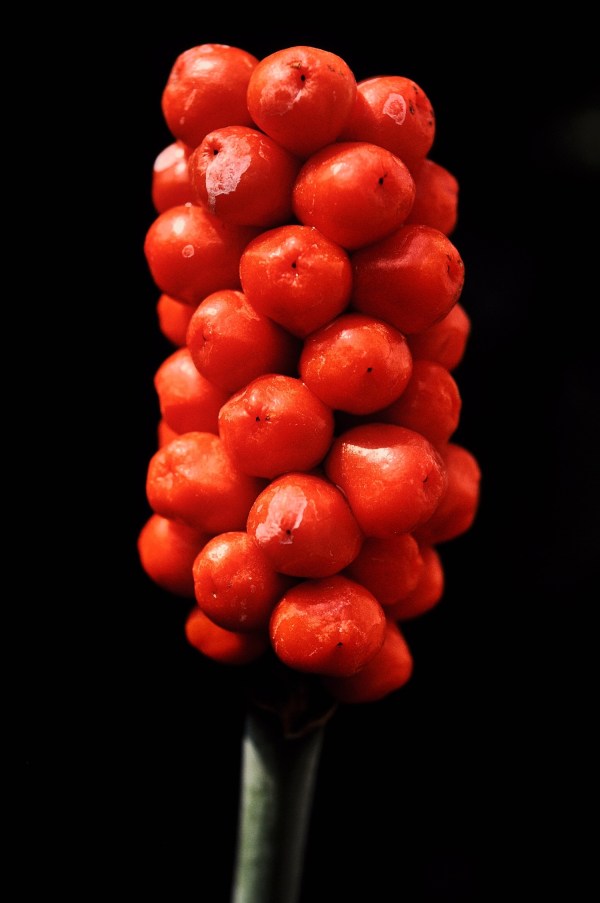
It’s August and the reserve is already full of seeds, fruits and berries, food for our wildlife but not always for its human occupants. Some berries are poisonous and every year we publish pictures of those best avoided.
Continue for details and pictures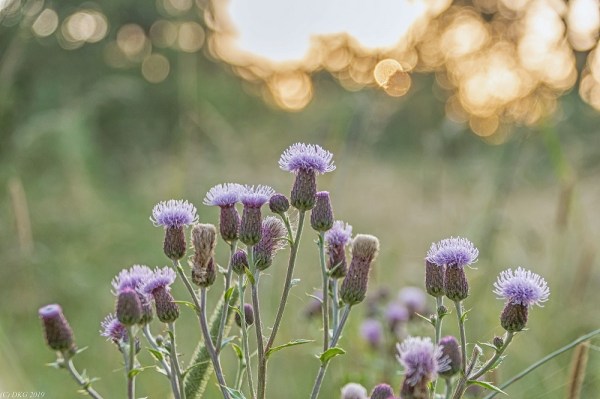
The 1959 Injurious Weeds Act does not just apply to ragwort. It names four more species as well: broad leaved dock, creeping thistle, curled dock, and the spear thistle. We have them all.
Continue reading “Creeping thistle”
After the breeding season is over, the reserve’s birds, like this untidy robin. moult.
read on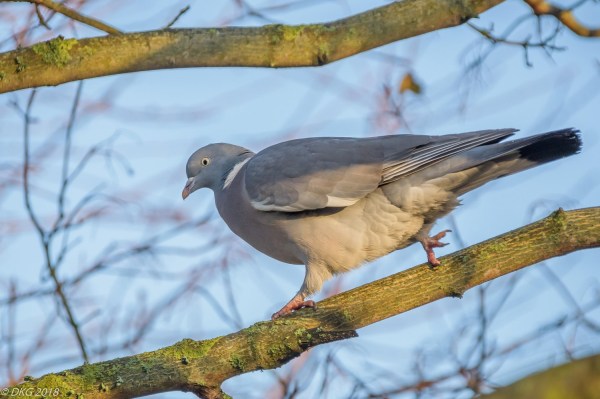
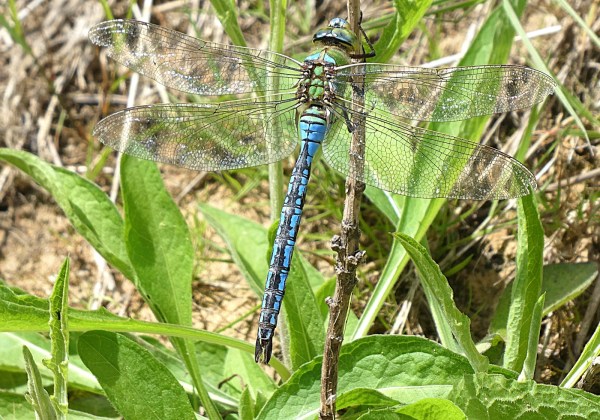
Ian has sent this beautiful photograph of a male emperor dragonfly (Anax imperator) perching among vegetation bordering one of the wetland scrapes in Lambrok Meadow.
While we have known for several years that emperors visit the reserve, we haven’t been sure that they were breeding here. But below is another of Ian’s pictures, this time of a female emperor laying eggs in one of our ponds.
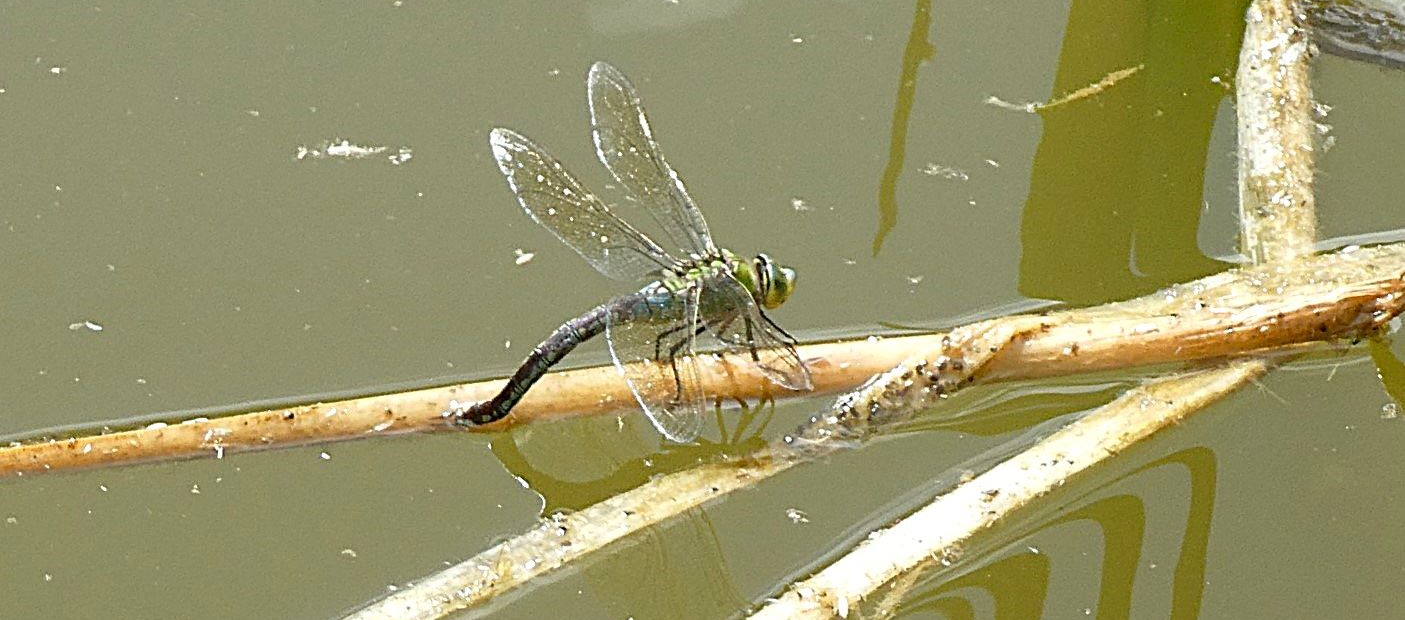
Images taken in the reserve by Ian Bushell

Coal tits (Periparus ater) are shy, fast-moving, acrobatic little birds that weigh hardly more than a 50p piece. They don’t sit still for long, which makes them hard to identify among the reserve’s busy population of similar Paridae.
Continue reading “Coal tit”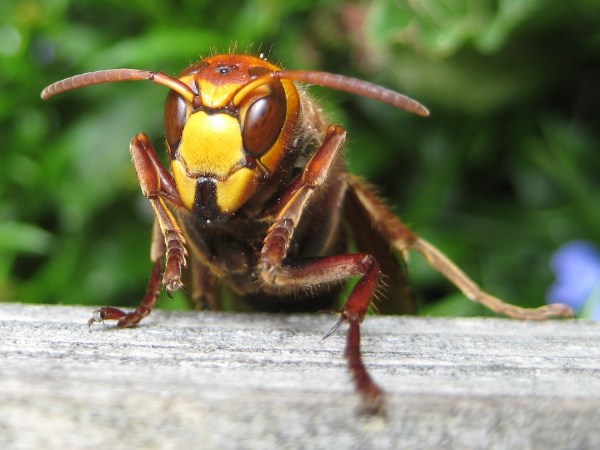
We have European hornets (Vespa crabro), common wasps (Vespa vulgaris) and German wasps (Vespa Germanica), all resident in the reserve. Here is a fascinating video of European hornets preying on wasps.

The clouded yellow (Colias croceus) is an infrequent visitor to the reserve, seen only twice in the last decade.
Continue reading “Clouded yellow”
Somebody asks this every year in the school holidays, as they wave wasps away from their picnic or soothe a painful sting with a vinegar poultice.
Continue reading
The school holidays have started
Continue reading “SCPLNR”
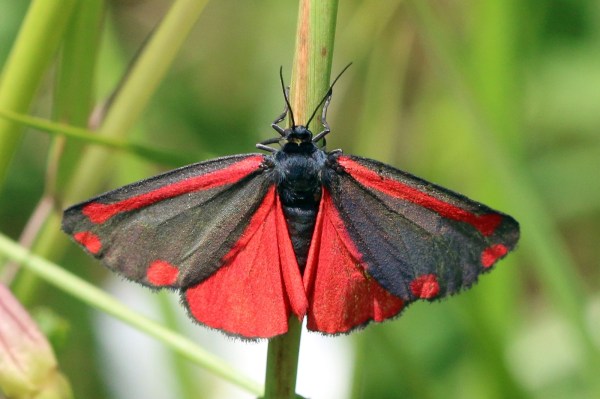
Cinnabar moth
Have you found striped yellow and black caterpillars feeding on ragwort? These are the larvae of a cinnabar moth (Tyria jacobaeae), and their striped football jerseys are a danger signal.
Continue reading
We are already a week into 2024’s Big Butterfly Count, Butterfly Conservation‘s annual call for citizen scientists to help them survey the UK’s butterflies.
Continue reading
Bees buzz in two different ways.
Continue reading “BUZZ!”
Another post about a plant that has many common names: ragwort.
Continue reading “Stinking Willie and marefart”
Message from Clive to FoSCP and Ian : Mon 15/07/2024 11:54
Quiet on the reserve today with heavy showers. But as I was walking through one of the cut-through paths. I noticed these flowers. It comes up as Enchanters Nightshade on my recogniser app. If that is so, I understand that it is common but I had not seen it here before.
Clive
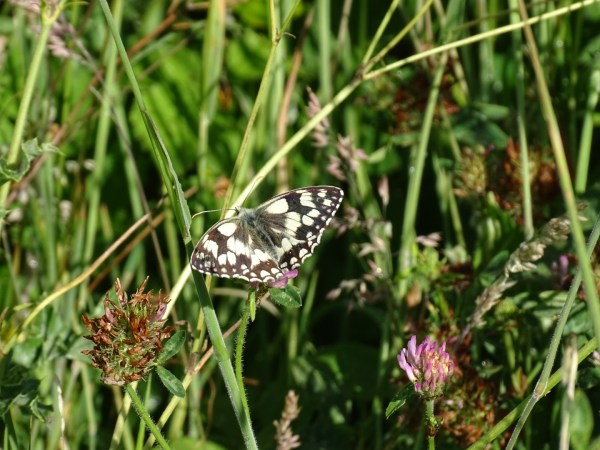
The distinctive marbled white (Melanargia galathea) is common and widespread in southern England. At this time of year it chooses unimproved meadow grassland, showing a preference for purple flowers such as wild marjoram, thistles, knapweeds and red clover. The caterpillars feed on grasses particularly red fescue.
Continue reading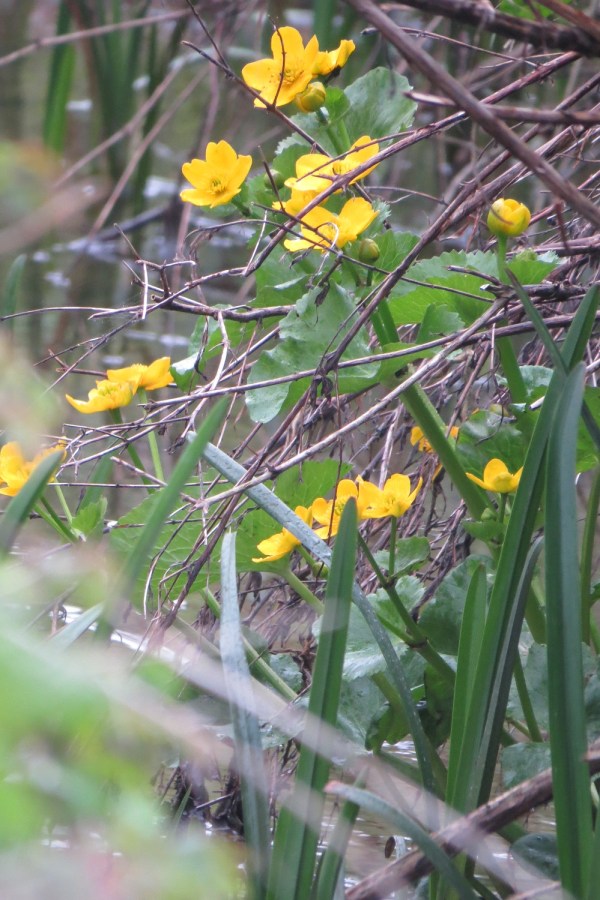
Above is a picture is of Caltha palustris flowering in Lambrok Stream, a plant I have always called marsh marigold but that Ian calls kingcup. Who is right?
Read on to see who is right
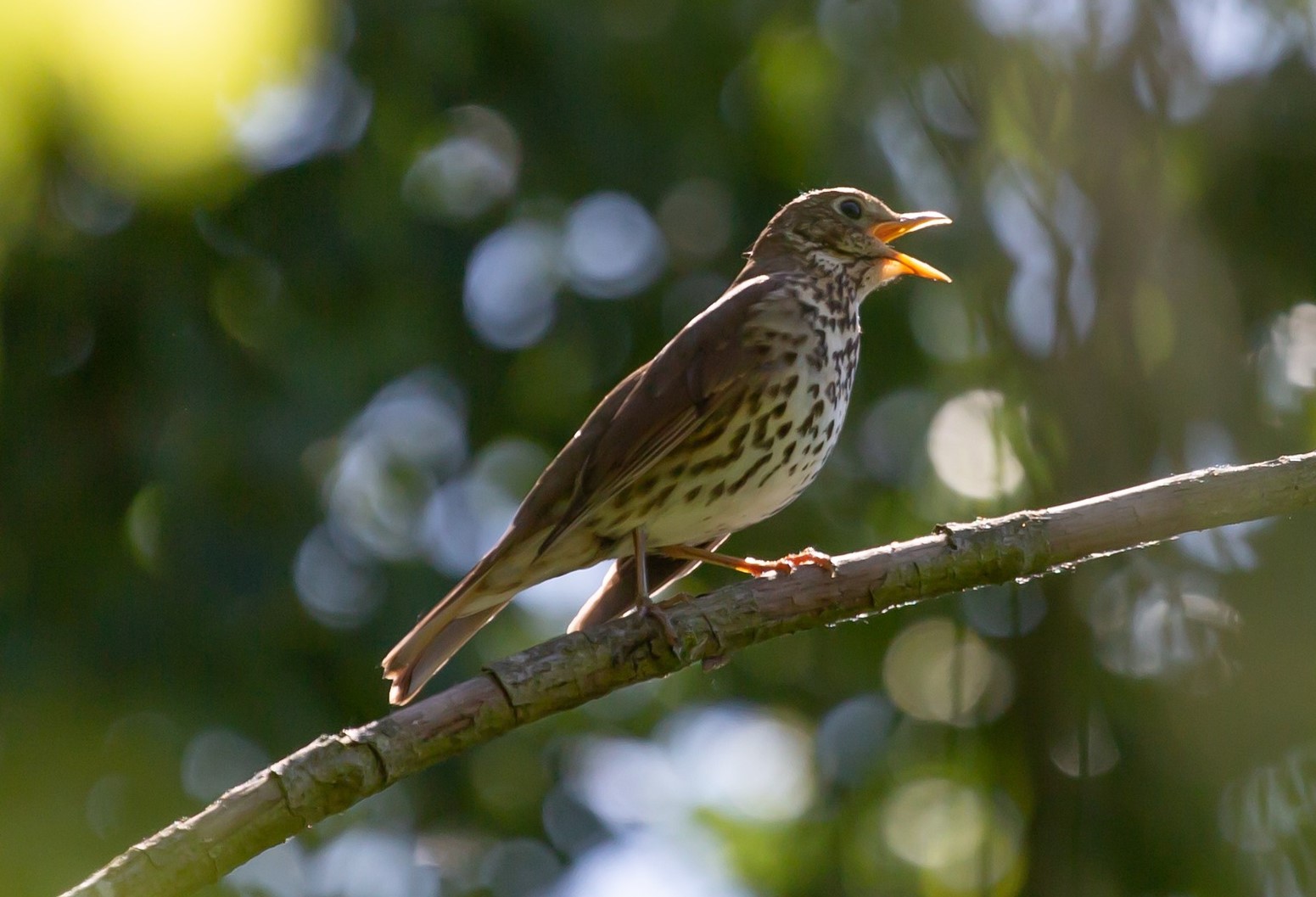
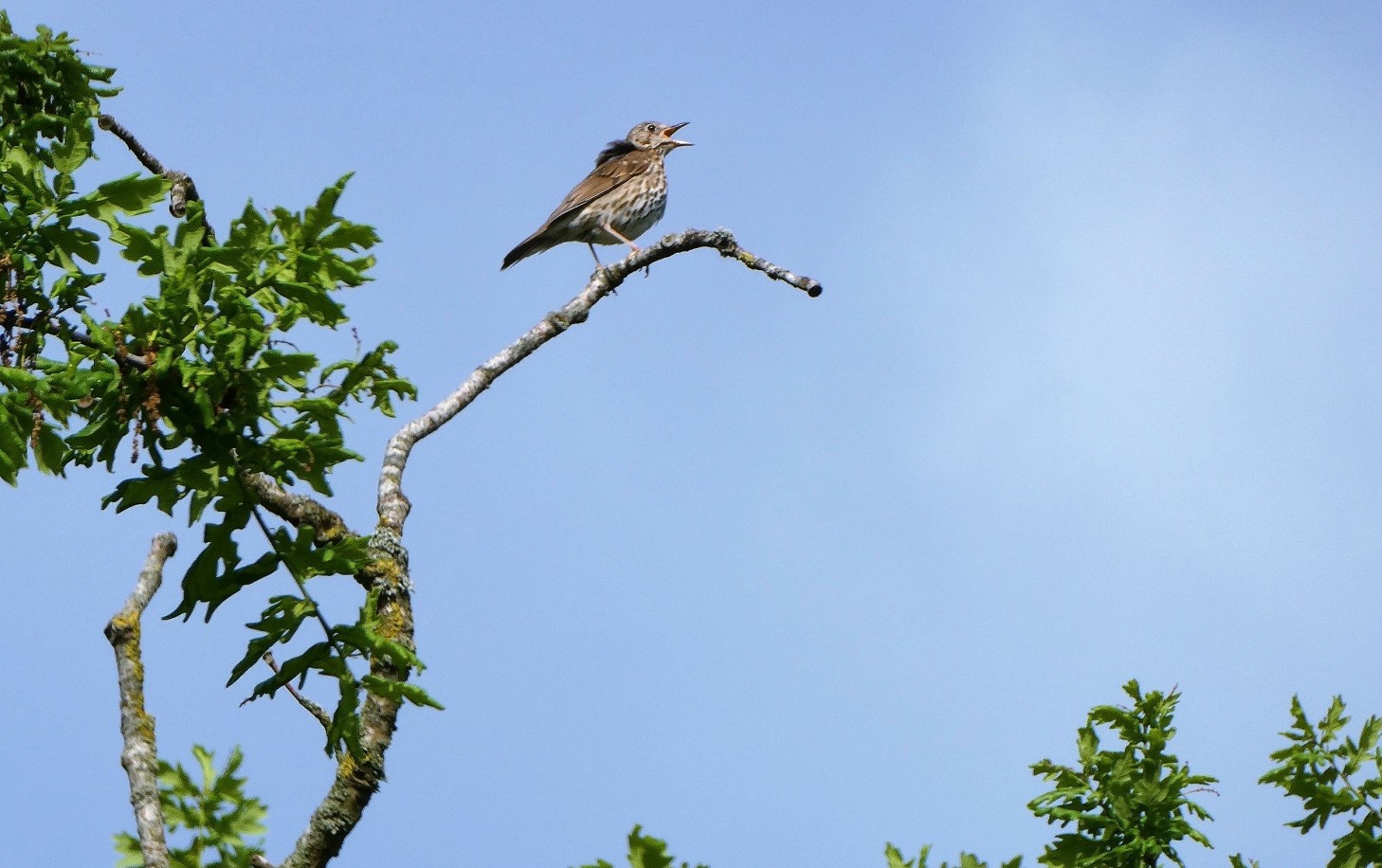
In July, our song thrushes are still singing, usually from a high perch and often after rain.


This is Calystegia sepium, which goes by many common names: hedge bindweed, Rutland beauty, bugle vine, heavenly trumpets, or bellbind. But in these parts, where it seems to hold a lot of our countryside together, we call it greater bindweed or convolvulus.
Continue reading “Greater bindweed”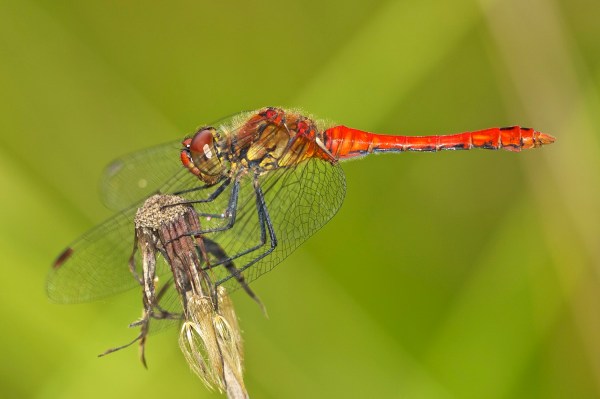
Nobody tells a tale quite as well as David Attenborough:


Dragonflies and damselflies are closely related cousins in the Odonata family but it isn’t difficult to tell them apart.
Continue reading
A flower crab spider lying in wait for unsuspecting pollinators to join it on its hogweed flowerhead.

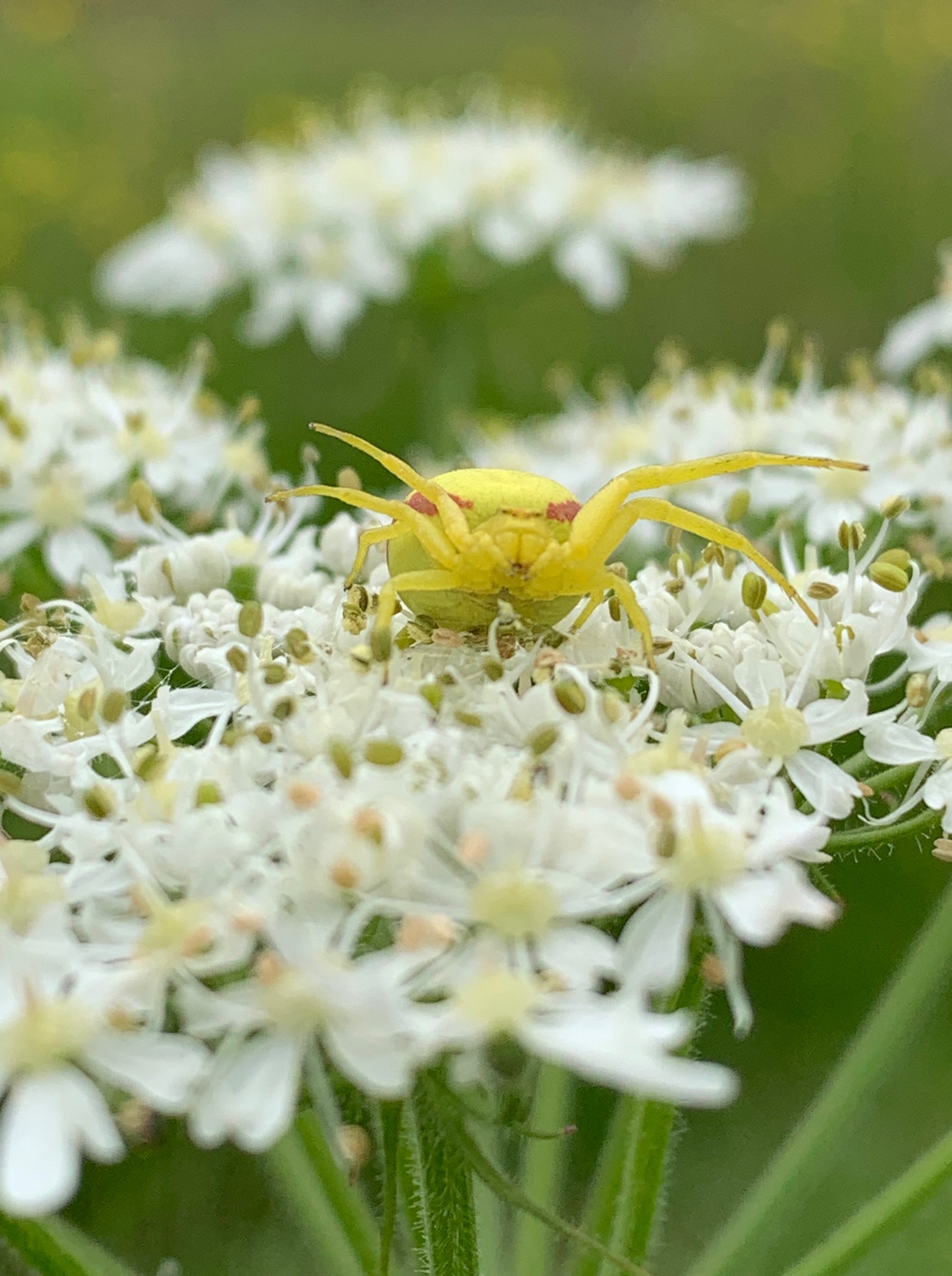
All images by Clive Knight (SCPLNR June 24)


 Southwick Country Park Nature Reserve