Blackcap
A Eurasian blackcap (Sylvia atricapilla) photographed in the reserve last week by Cheryl Cronnie.

Audio by David Bissett from xeno-canto.org

A Eurasian blackcap (Sylvia atricapilla) photographed in the reserve last week by Cheryl Cronnie.
Audio by David Bissett from xeno-canto.org

There are, as far as we know, two wild or feral honey bee (Apis mellifera) colonies in the reserve. The first, photographed here by wildlife photographer Simon Knight, is in the old ash tree at Fiveways and the second is in the oak alongside the central path, between the Lone Oak and the decorated bridge.
Continue reading “Feral bees”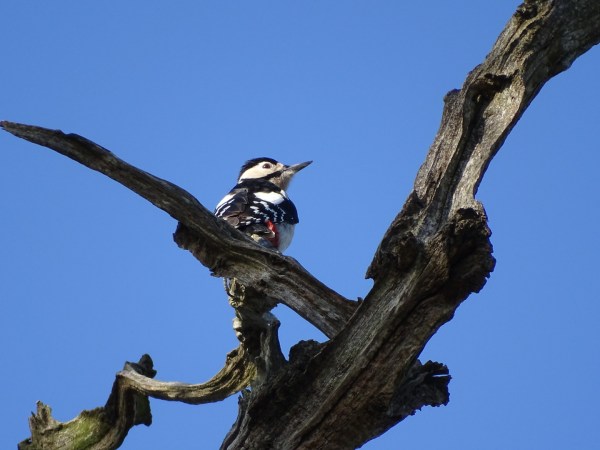
One of the reserve’s greater spotted woodpeckers (Dendrocopos major) photographed by Cheryl Cronnie.

A Sunday Stroll
by Ian Bushell
As it was so pleasant, we thought we would take a gentle Sunday afternoon stroll.
Continue reading

The ladybirds are leaving hibernation.
First published April 2020
Continue reading “Sixteen spot ladybird”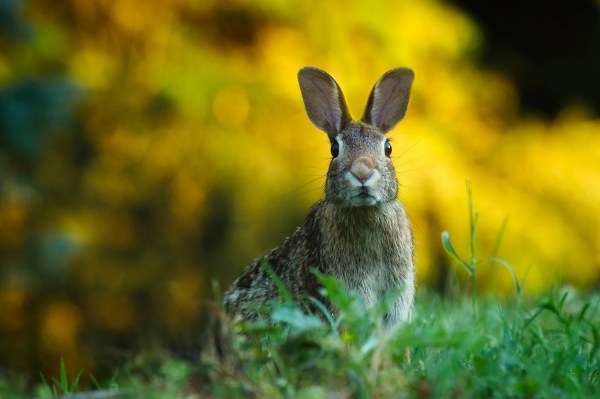
For decades there has been a rabbit warren in the hedge between Sleepers Field and Cornfield, in the stretch from the picnic place to Puddle Corner. Here’s a video that shows how astonishingly complex such a warren can be.
Header image: rabbit (CC0) from pixabay.com
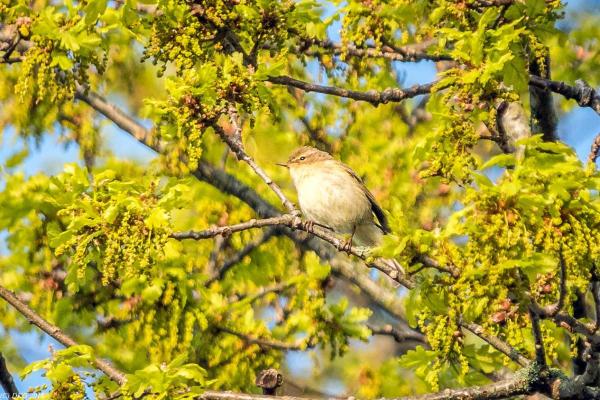
Every spring our readers report the arrival in the park of a small grey green bird with a pale eyestripe and cream underparts. This is either a chiffchaff or a willow warbler and it’s very hard to tell the difference.
Continue reading “Chiffchaff or willow warbler”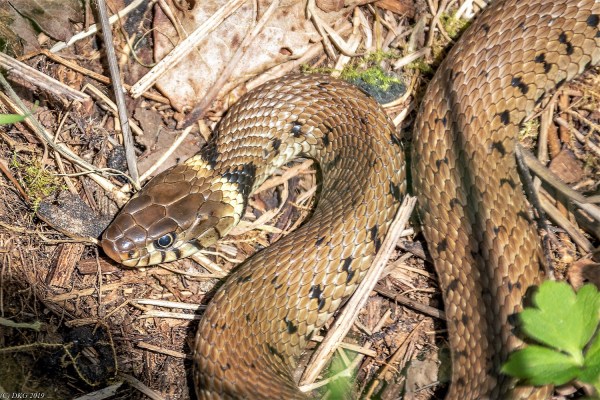
Our lists include three species of reptile: slow worm (Anguis fragilis), grass snake (Natrix helvetia) and adder (Vipera berus).
Continue reading “Reptilia”
Every year, around this time, we publish some version of this post: our native bluebells need constant protection from this invasive species.
Continue reading “Invasion of the Spanish squill”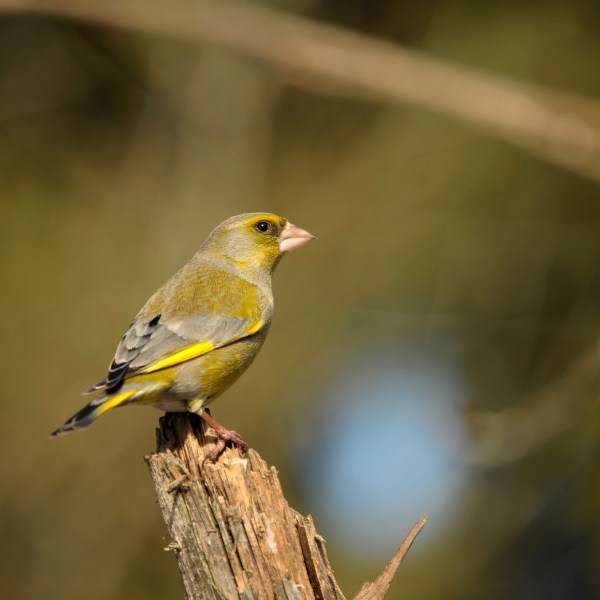
The latest results from the RSPB’s Big Garden Birdwatch are in and there is good news: greenfinch numbers are up.
Continue reading “Good news”
Wednesday’s work party task for the Friends was to cut back the tussocks in the set-aside at the top of Kestrel Field and to slow down the advance of the brambles from the hedge between the set-aside and The Arboretum.
Continue reading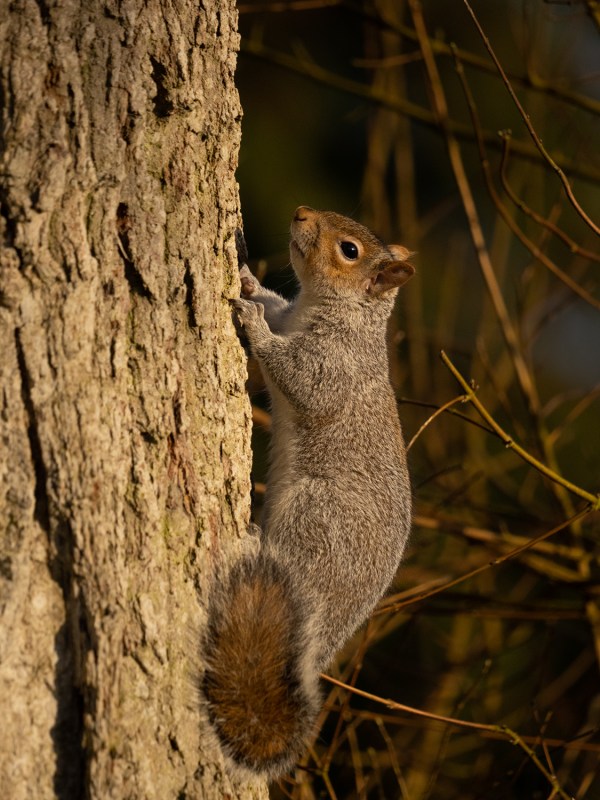
We know they are an invasive alien species that inflicts terrible damage on our trees every year – but they are also much loved, long term park residents.


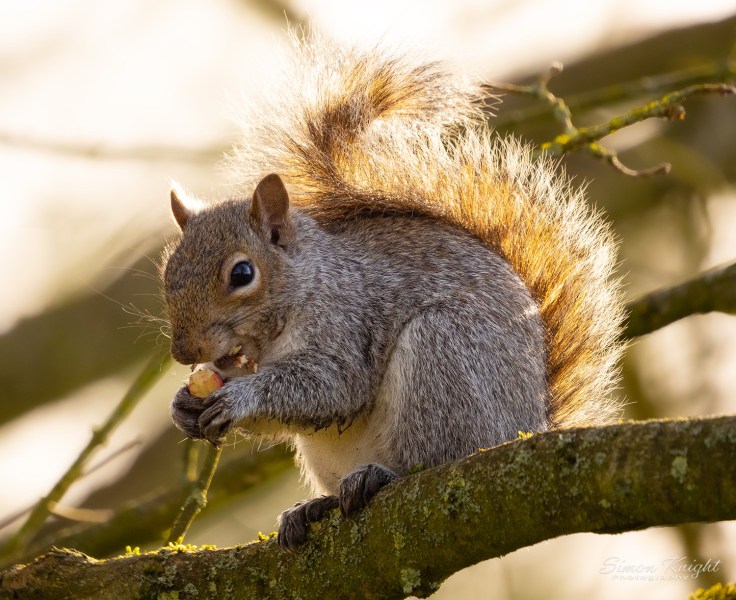
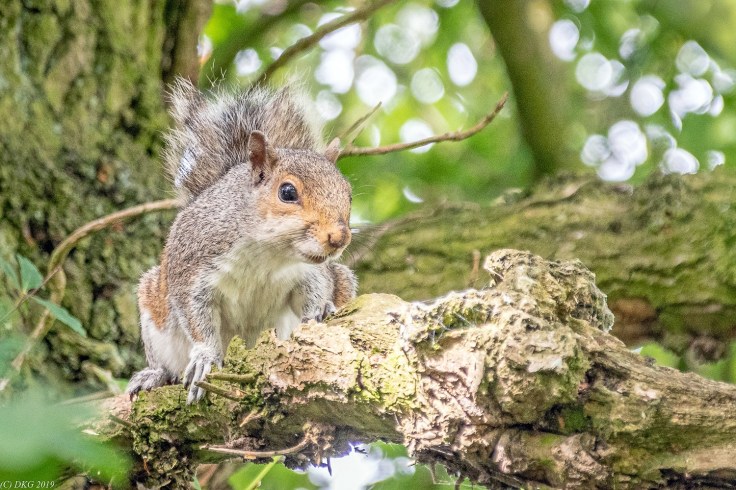

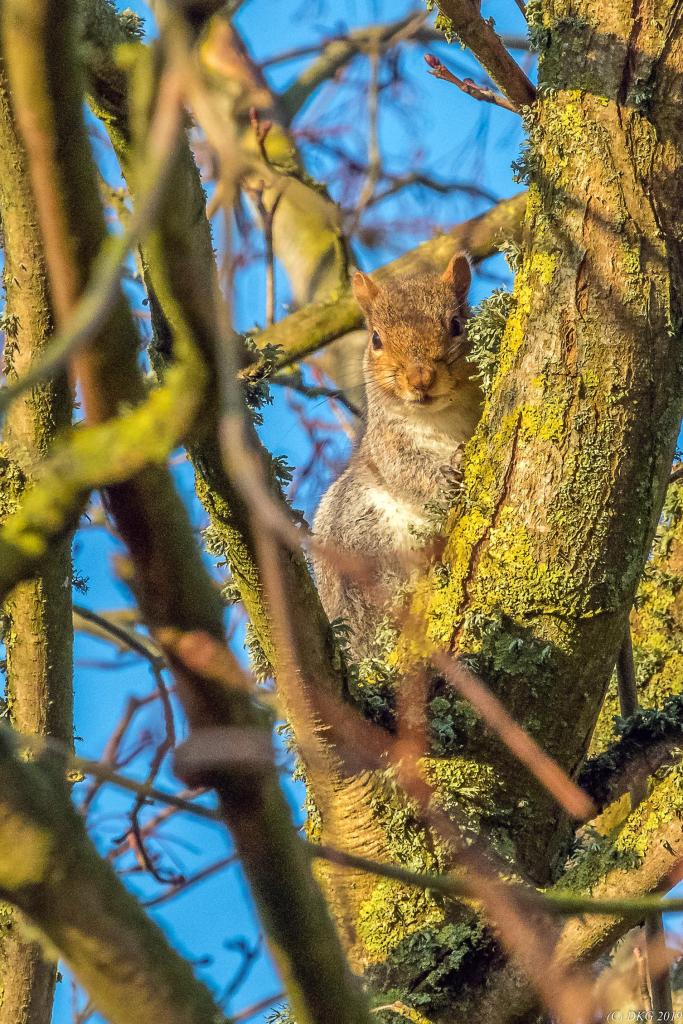
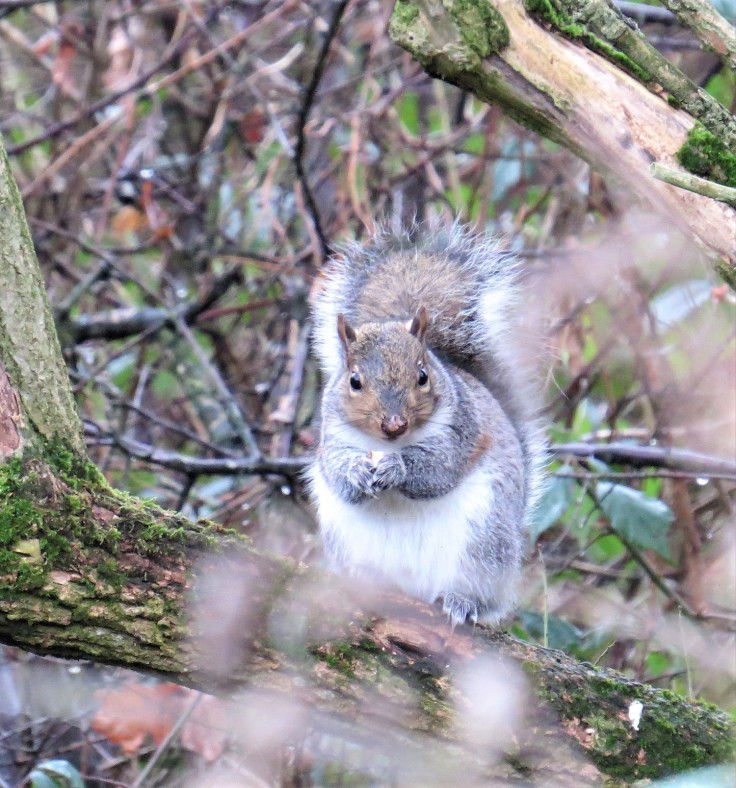

Header picture by Simon Knight

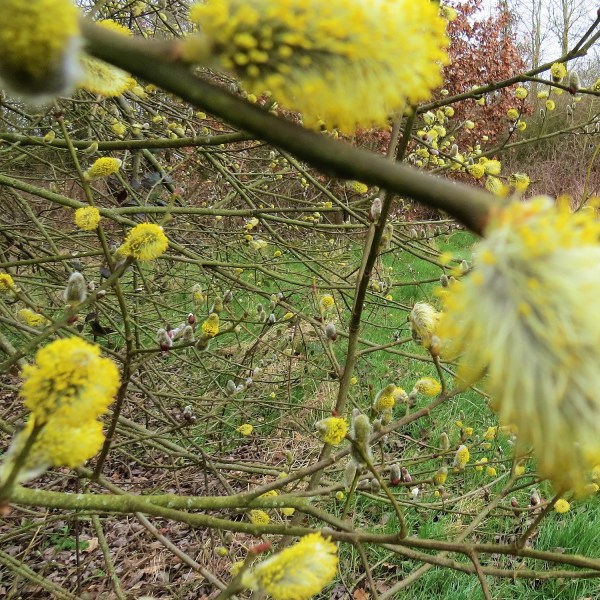
At this time of year, the reserve is full of pollinators carrying pollen from tree to tree in a kind of reproductive frenzy.
Continue reading “Arboreal sex”
We have been working with Wiltshire Wildlife Trust’s Water Team to establish great crested newt habitat in the reserve. Here is a video of what we hope might be happening somewhere in one of our ponds.

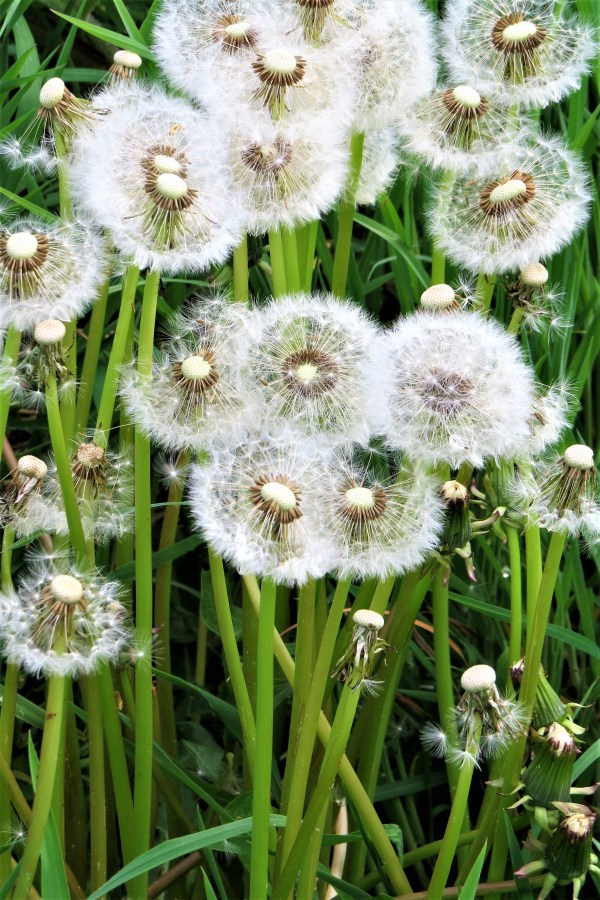
Dandelions (Taraxacum officinale) are the commonest of our wildflowers. They grow everywhere: between our paving stones, in flowerbeds, lawns and roadside verges, and straight up through the tarmac of a well-maintained driveway.
Continue reading “A closer look at weeds: part 2”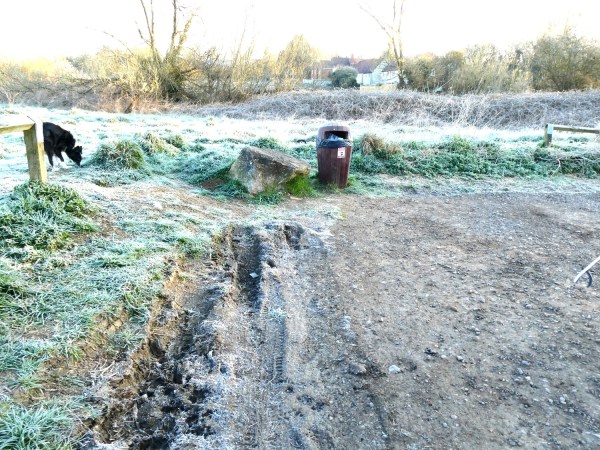
The fine weather has brought out this year’s vandals.
Continue reading “Vandalism!”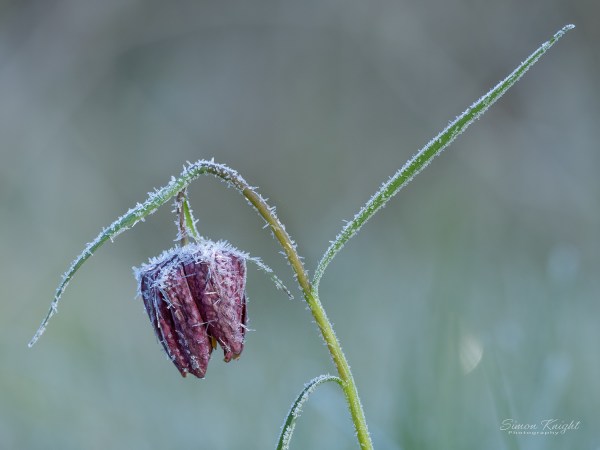
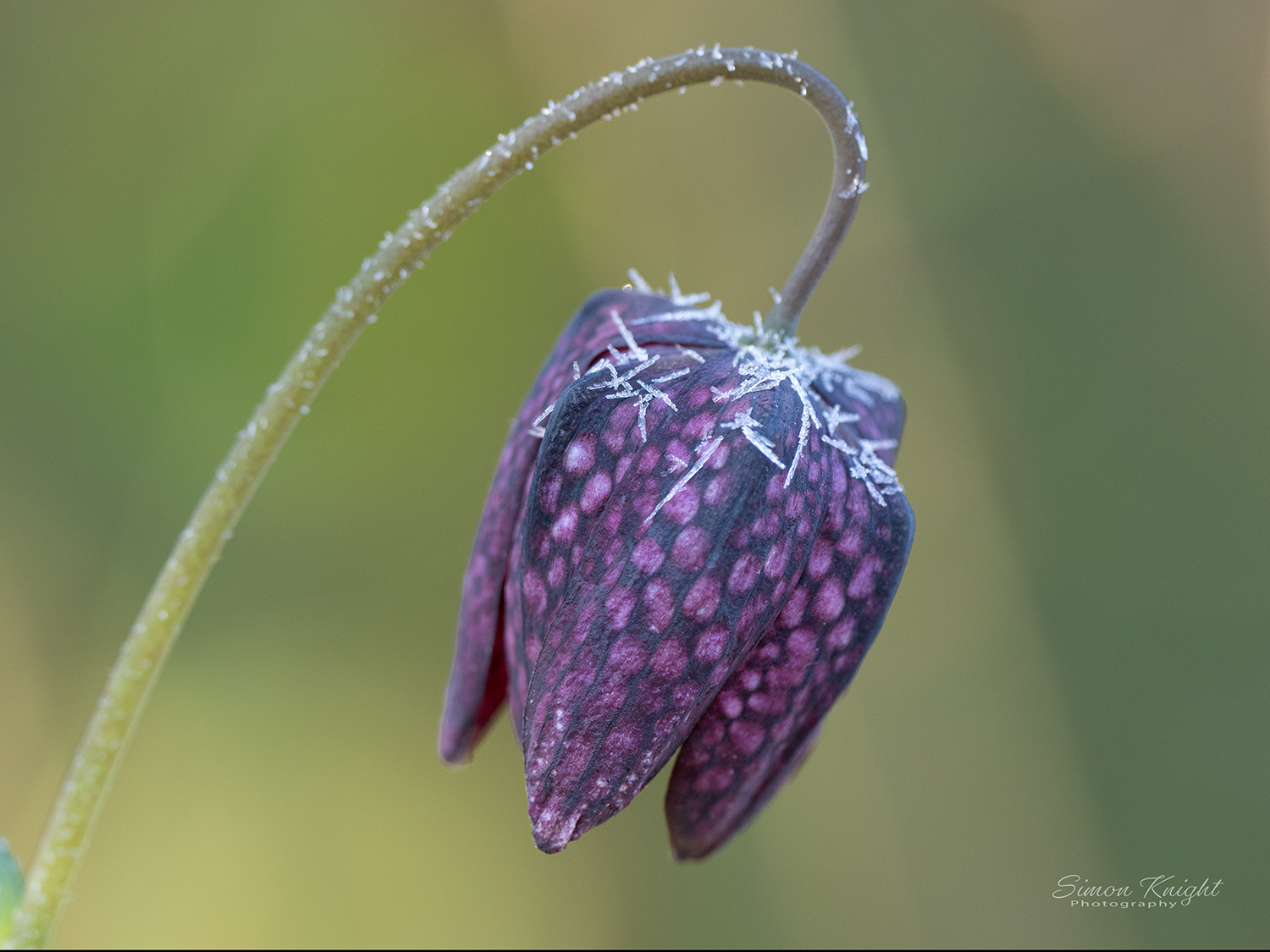
Wildlife photographer Simon Knight has turned his lens on our snake’s head fritillaries and sent us a gallery of beautiful images.



Conservation Status
Classified as Vulnerable on the Vascular Plant Red Data List for Great Britain. Nationally rare with only a few UK sites considered to hold wild populations.
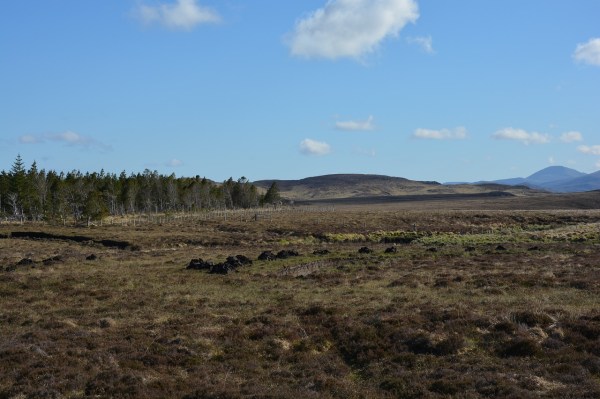
A government consultation has learned that more than a third of the compost sold in the UK in the last year was peat.
Continue reading “Please don’t buy peat”
Bullfinches are regular visitors to the park. Despite the male’s glorious colouring, they are quiet, retiring types, rarely seen. DKG took this picture in April 2019 early one Saturday morning when the park was pretty much empty of visitors.
Continue reading “Bullfinch”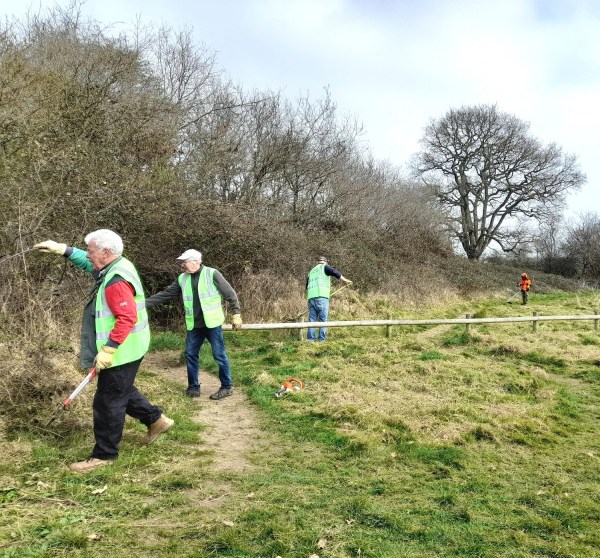
words by Ian Bushell
pictures by Gemma Thorpe
Contrary to dire weather forecasts, the morning was warm with blue skies – most pleasant. We met up as usual in the car park and we were joined by Countryside Officers Ali and Gemma.
Continue readingA games controller has been found in the park today. If it’s yours, email us (friendsofscp@outlook.com) with a description and we will put you in touch with the finder.

Beautiful pictures from Chris Seymour of an early morning walk in the frosty park.


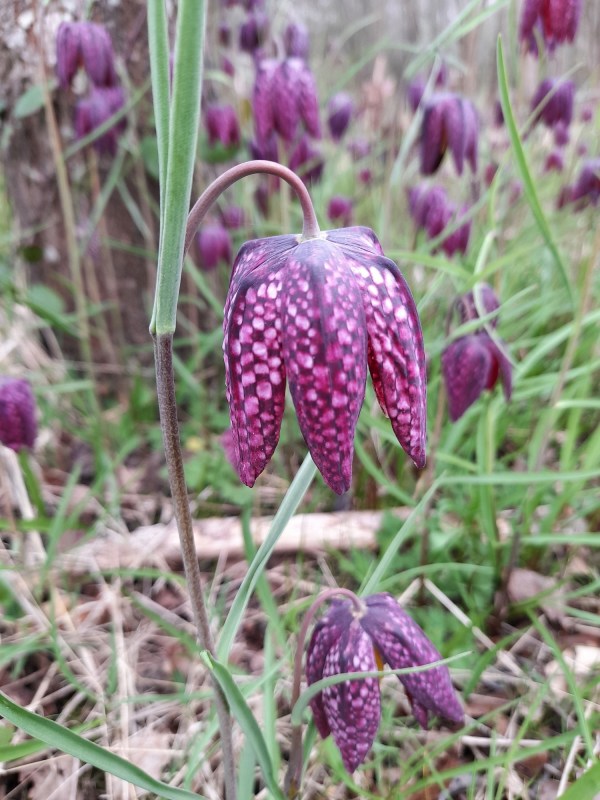
There are hundreds, maybe thousands, of snake’s head fritillaries (Fritillaria meleagris) flowering in Simpson’s Field Copse: a stunning and increasingly rare sight.
Continue reading “Fritillaries”
At this time of year, the reserve’s blue tits are building nests in holes in our old trees. The ash tree at Fiveways harbours a nest every year and the fenced oak near the bottom of the Arboretum seems to have attracted more than one pair already.
Here is a video of a female blue tit building a nest while, outside, the male guards the site from marauders and thieves.
Video from The Nest Box
Header picture by Simon Knight


 Southwick Country Park Nature Reserve