Redwing
Every year redwings are among the park’s winter visitors; we are their winter migration’s destination.
Continue reading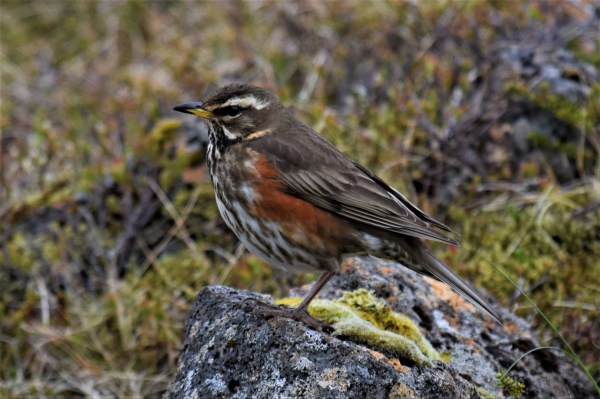
Every year redwings are among the park’s winter visitors; we are their winter migration’s destination.
Continue reading
While we’re on the subject of foxes…
Continue reading
by David Feather
Those of us who use the Park appreciate the benefits it has for our mental health. More and more evidence is coming to light to emphasise how important these places are for the health of the community. They are miles better than dispensing pills.
Continue reading “Throw the pills away”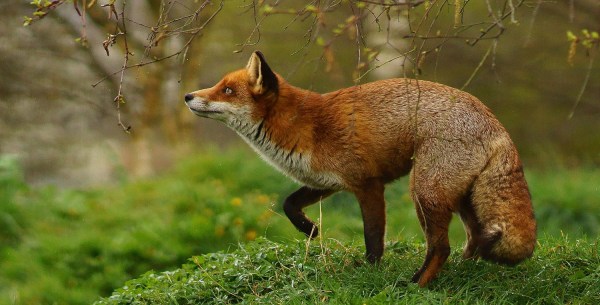
Did you hear the foxes last night? January is the middle of their mating season when they are a lot noisier than at other times of year.
Continue reading “Fox”
by Ian Bushell
We met on Wednesday morning, the 29th of December, in the car park but those third helpings of turkey and plum duff had depleted our numbers sadly. No Joan or Patrick, Simon, David, or Trish.
Continue reading “The last of 2021”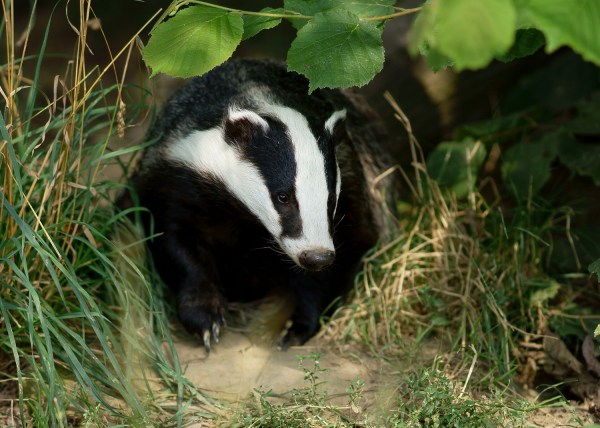
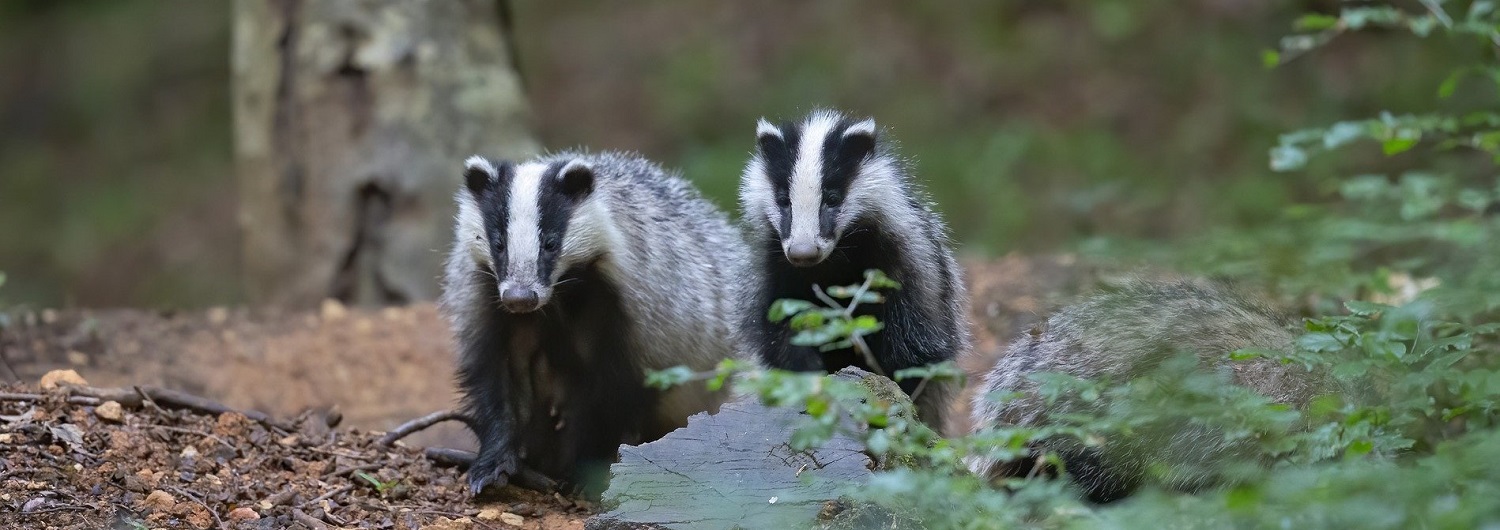
Badgers don’t hibernate, even in January, but they sleep a lot. The dominant female is pregnant, awaiting the birth of two or three cubs in February, and the rest of the clan are living off their fat reserves. They will leave the sett to visit the latrines but in particularly bad weather will dig latrines in distant and otherwise unused tunnels inside the sett.
Like the rest of us, they are waiting for the spring.

Now that the festivities are well and truly over, here are a few indigestion remedies you might find in the park.
Continue reading
by David Feather
We, the Friends of Southwick Country Park Nature Reserve think we are doing well with our tree planting etc, but just read this article about an environmentalist in India. It is inspiring.
Continue reading “Inspiration”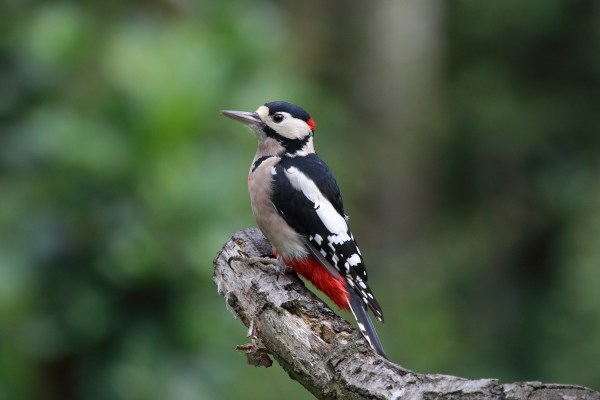
The park’s twelve drummers drumming are great spotted woodpeckers. They begin drumming at the end of winter as part of a courtship ritual in which the male marks out his territory and advertises his presence. He drums his beak against hollow wood 10 to 20 times in just 2 seconds, and the females replies briefly as she enters his territory.
Here is a video:
Video recorded in March 2019 by George Ewart

Honey bees make a sound that apiarists call piping.
Continue reading “On the eleventh day…”
On this, the tenth day of Christmas, here are the extraordinary flowers of lords-and-ladies, the wild arum (Arum maculatum), photographed in the reserve in April.

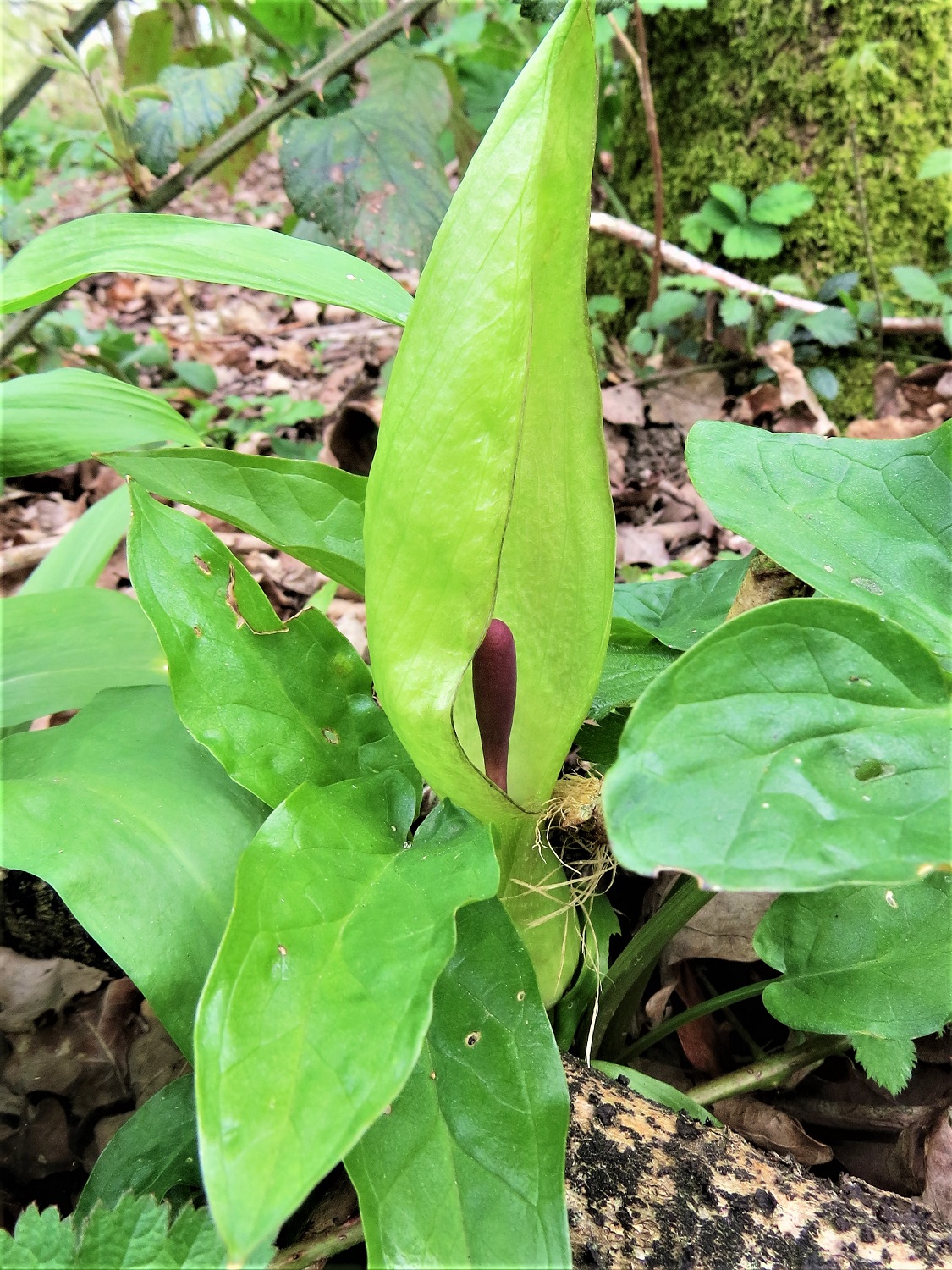


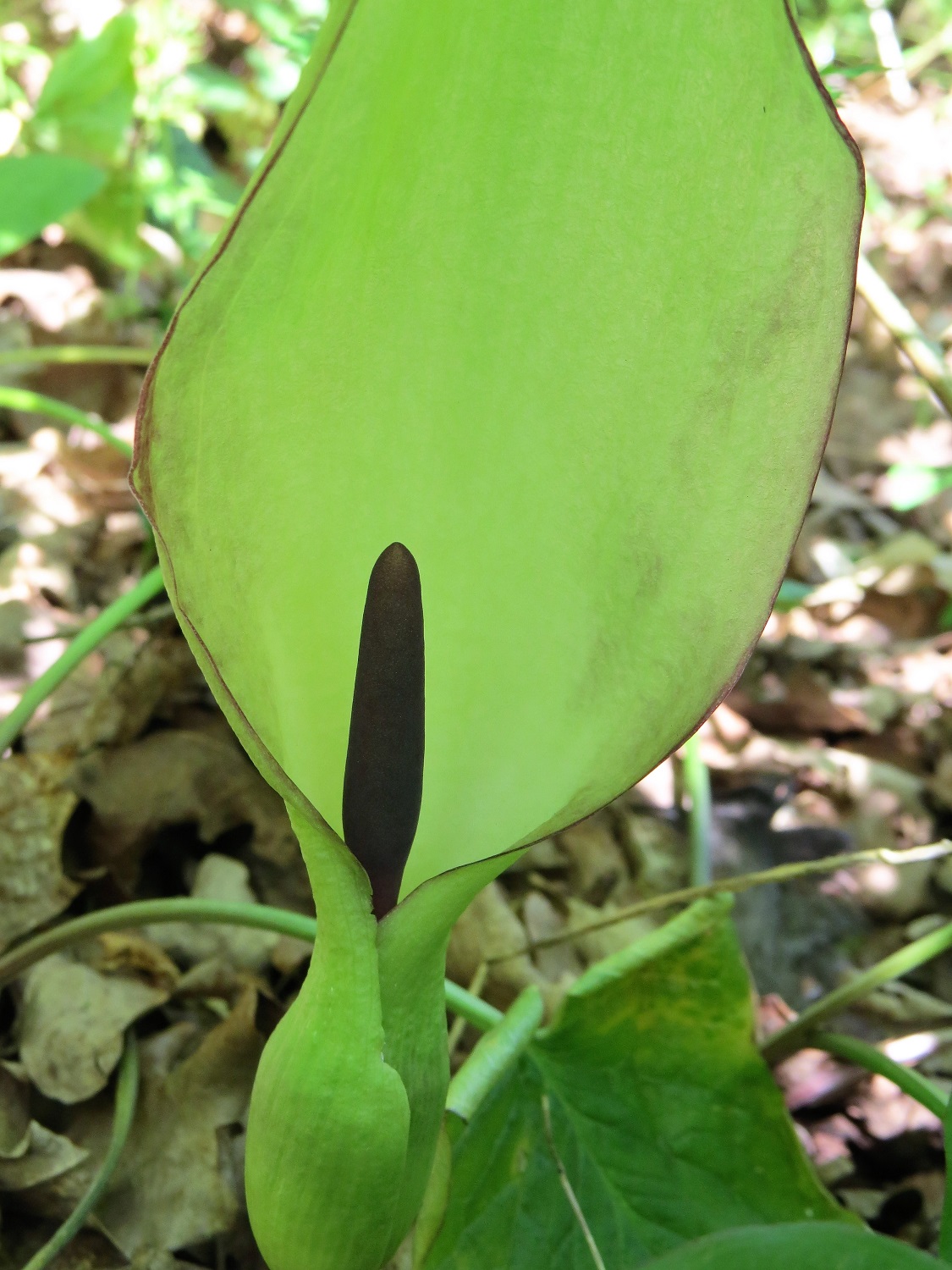
Pictures taken in the park by Suzanne Humphries

We can’t find nine ladies dancing. Come spring, we will have daffodils fluttering and dancing in the breeze, as per Wordsworth, but feel that the link is tenuous. We will also have ladies’ smocks flowering in the meadows but we used them up yesterday by calling them eight milkmaids.
Continue reading “On the ninth day”
Milkmaids is one of the many common names of Cardamine pratensis, a spring-flowering plant that loves our damp meadows and stream edges. In Wiltshire we know it more often as lady’s smock or, because it flowers when the cuckoo returns to Britain, as cuckoo flower.
Continue reading “Eight maids a-milking”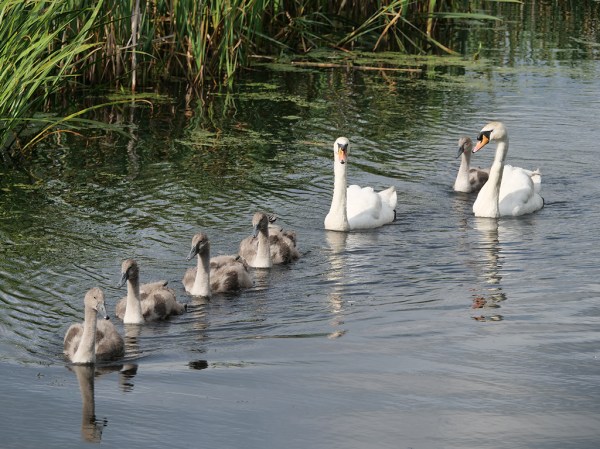
On the seventh day of Christmas my true love sent to me seven swans a-swimming.
Mute swans (Cygnus olor) come to the park to graze, not to swim or raise chicks. They break their long journey to some faraway lake or river, to rest and eat in the park’s green fields. We are a swan service station.

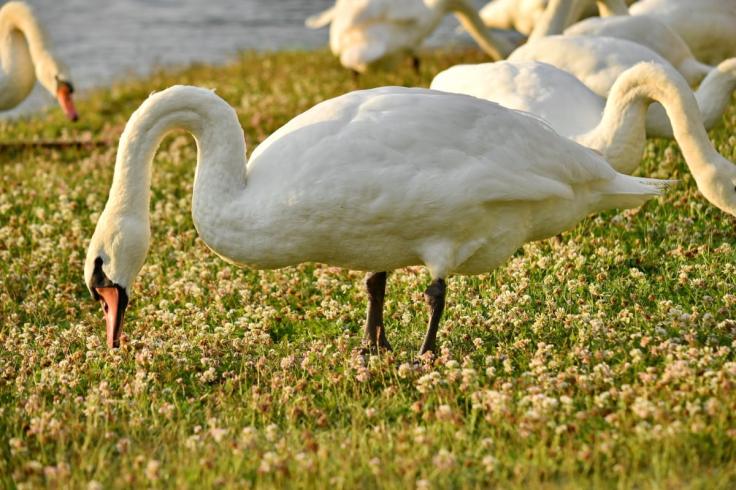

…or not.
There are no geese anywhere on our species lists but we can offer you six species of corvid instead.

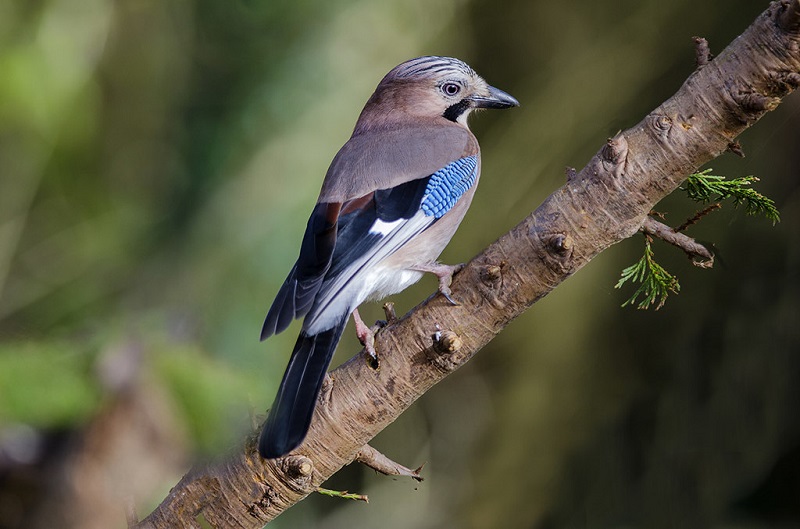


[1] Crow [2] Jay [3] Rook [4] Jackdaw [5] Magpie [6] Raven

Goldfinches of course.
On the fifth day of Christmas my true love sent to me five goldfinches. . .


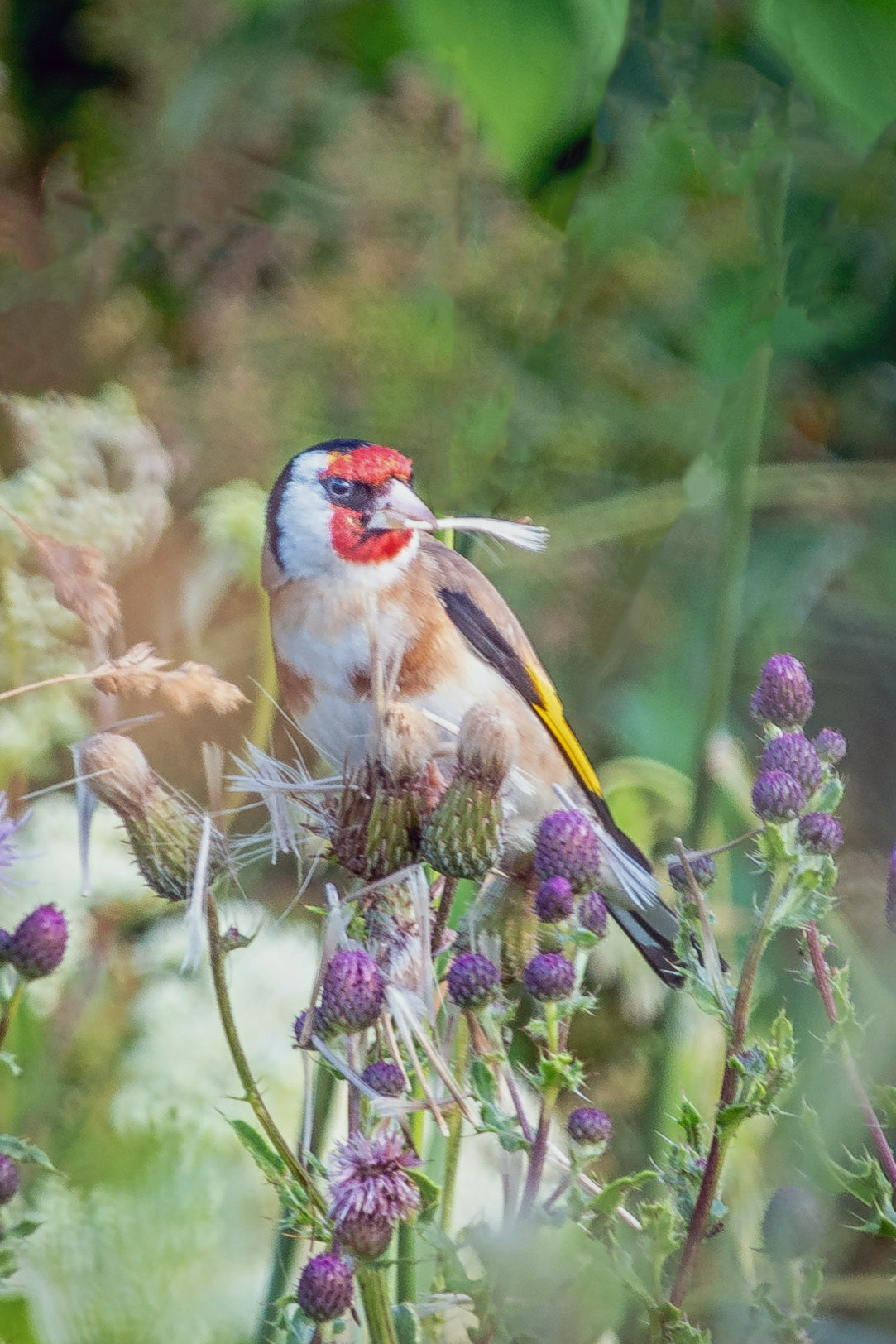


Pictures taken in the reserve by DKG.

Not calling birds, according to the experts, but colly birds. Colly is an old word for soot or coal dust and a colly bird is a blackbird. We have tuneful blackbirds by the dozen in the park.
Audio by Beatrix Saadi-Varchmin (CC BY-NC-SA 4.0) xeno-canto.org

…unfortunately, we have no French hens. In fact we don’t even know what French hens are and, try as we might, we can’t find out. The top two theories suggest that they were either fashionable domestic poultry in 1780, when the song was first published, or an allegorical representation of the Holy Trinity.
Continue reading “On the third day of Christmas”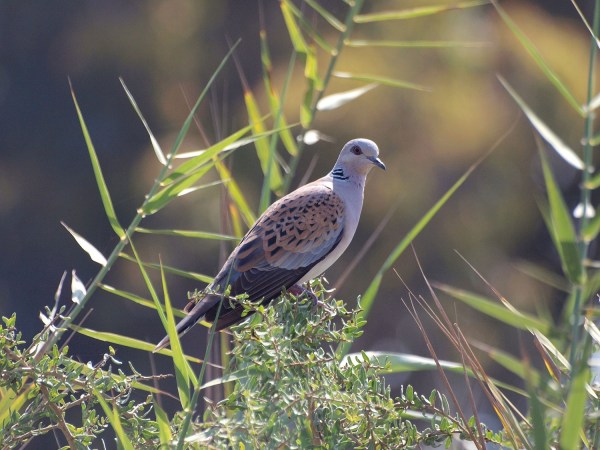
…two turtle doves. We have collared doves and woodpigeons by the dozen but no turtle doves. Sorry.
Continue reading “On the second day of Christmas”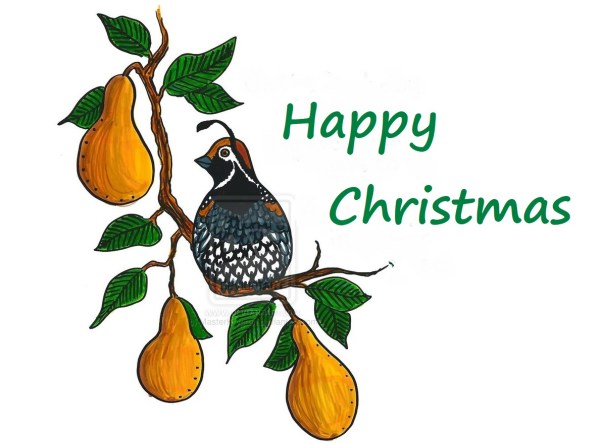
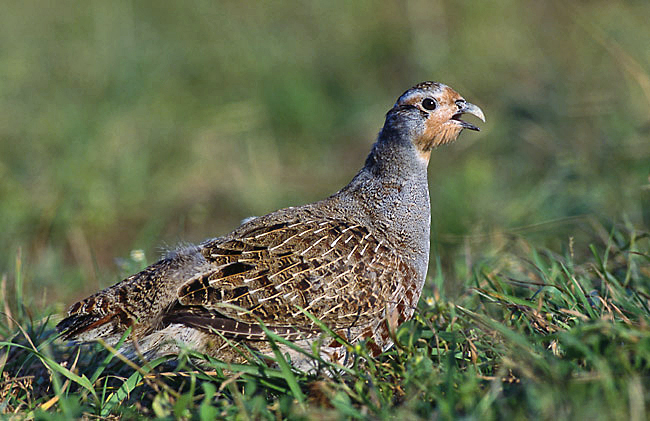
a partridge in a pear tree. The park’s partridges are Perdix perdix, the grey partridge, not the pretty little North American plumed partridge, Perdix plumifera, sitting in our Christmas card’s pear tree. Neither does the park actually have any pear trees: cherries, plums, sloes, apples and pedants aplenty but no pears at all. Nevertheless…
Christmas greetings from the Friends of Southwick Country Park.


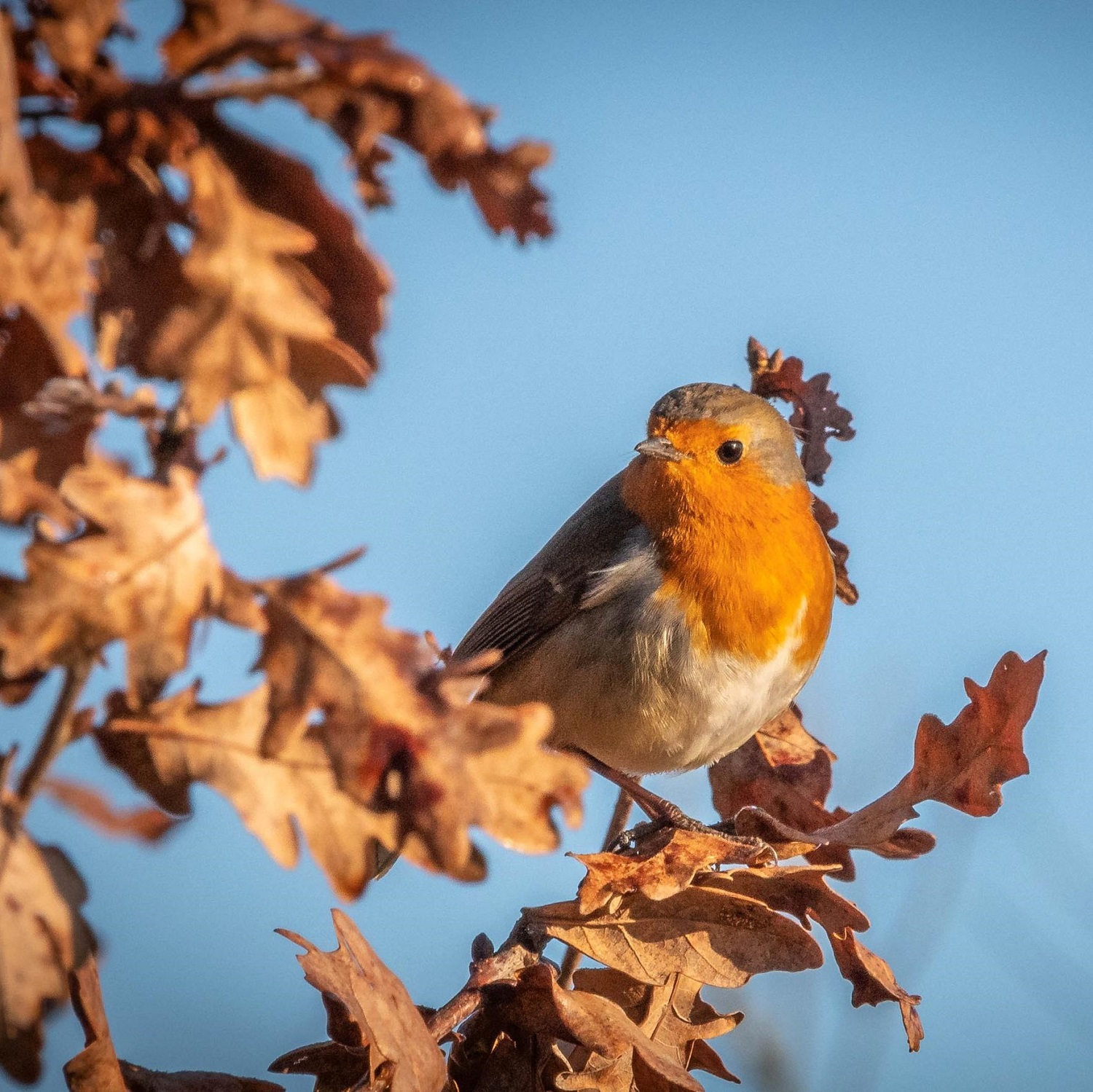
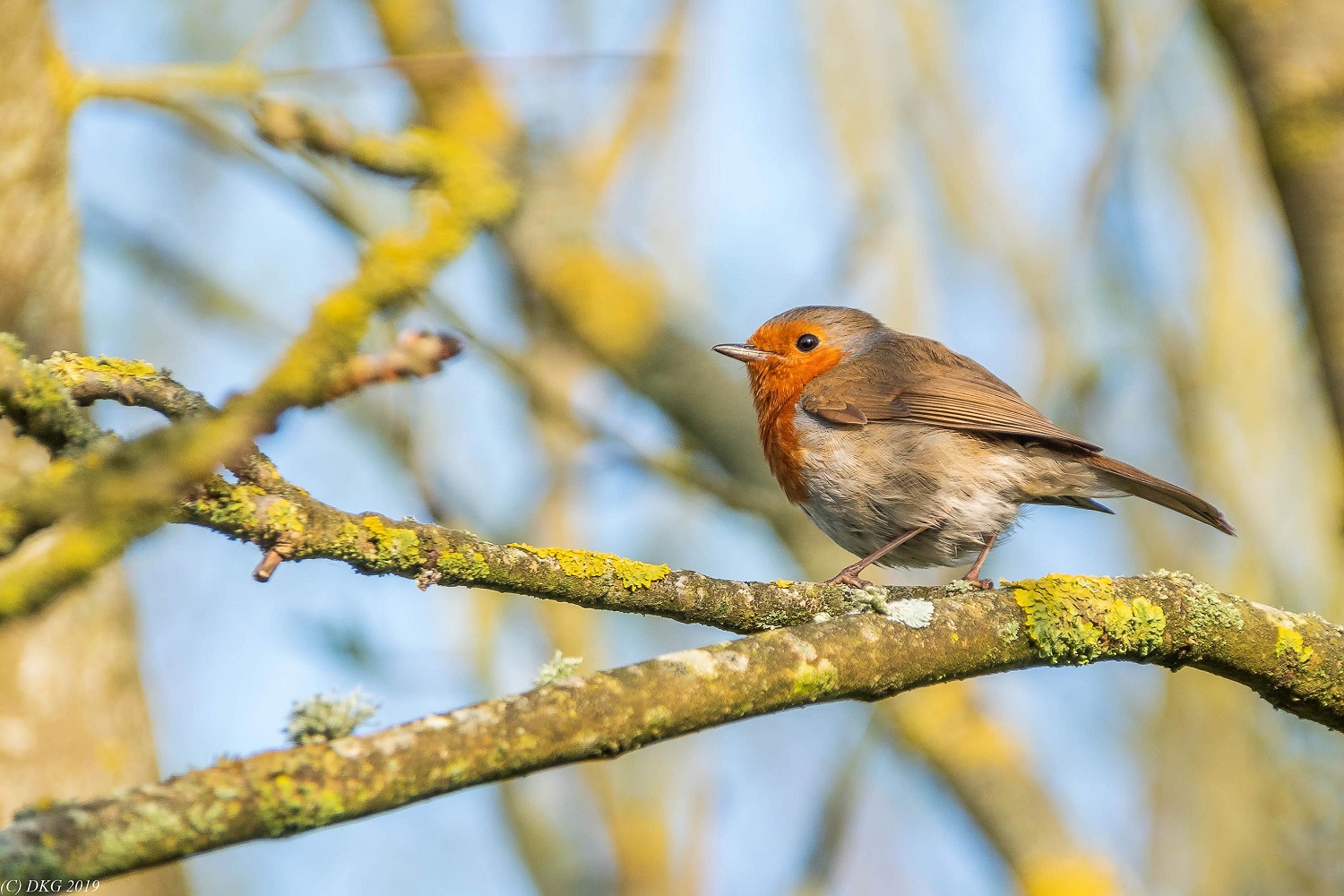
A Christmas Eve gallery of the park’s robins, photographed by DKG.




What would Christmas be without mistletoe?
Continue reading “Mistletoe”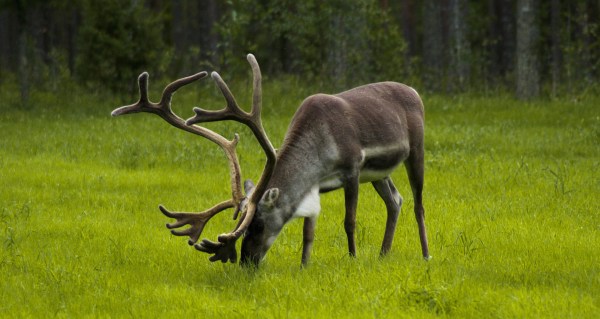
There were reindeer here in Britain in large numbers around the time of the last ice age, 35,000 to 50,000 years ago. There were wild herds of reindeer in Scotland right up until the 13th century when, like so many of our large native herbivores, they were hunted to extinction.
Continue reading






 Southwick Country Park Nature Reserve