We discovered recently, to our delight, that the collective noun for goldfinches is a charm. How charming is that?
Continue reading “A charm of goldfinches”A charm of goldfinches

We discovered recently, to our delight, that the collective noun for goldfinches is a charm. How charming is that?
Continue reading “A charm of goldfinches”
There have been reports of motorbikes being ridden in the reserve’s fields. The tyre tracks are mostly in Corn Field and Village Green and seem to show that the bikes enter and leave by the bridge into Lambrok Close. The only motorised vehicles allowed in the park are those maintenance vehicles authorised by Wiltshire Council, and mobility vehicles.
Continue reading “Please: no motorbikes”
by Ian Bushell
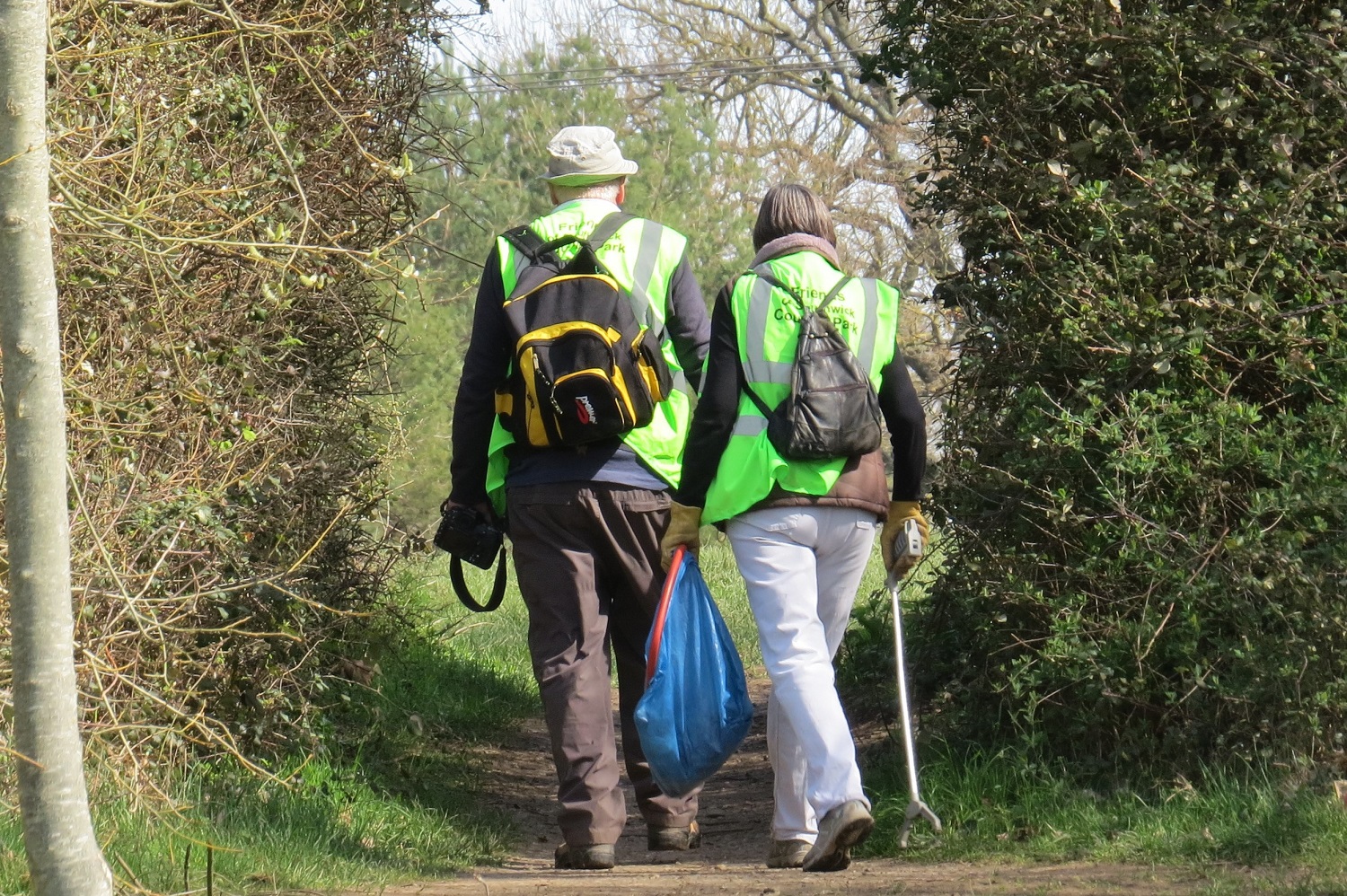
A lovely Wednesday morning, rain free, sunny and warm. A good turn-out of Friends met up in the car park as usual.
Continue reading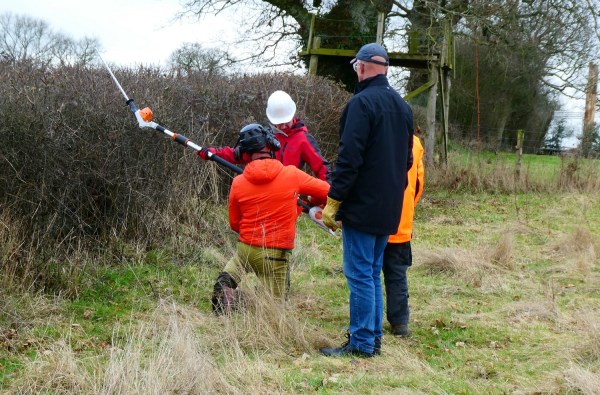
by Ian Bushell
On February 1st, Clive, Simon, Frank, Phil and I attended a LANTRA Hand Held Hedge Trimmer training course at Motcombe. Our instructor was Roland Heming of Forest and Arb Ltd.
Continue reading “Training day”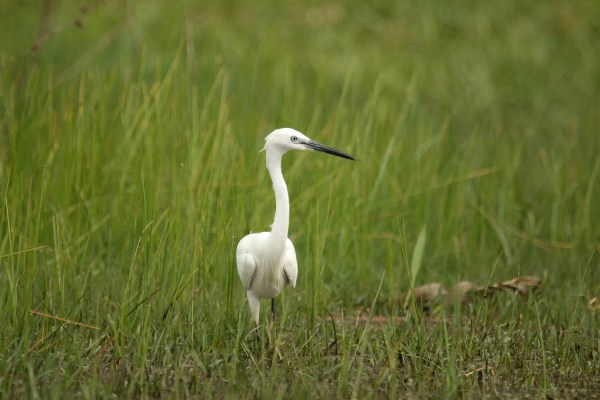
Here is a post from April 2020 that might be of interest to our growing little egret fan club.
Continue reading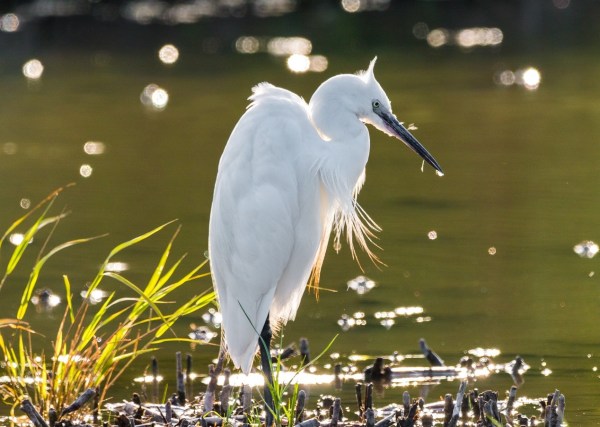
Here are Sarah Gould’s videos of little egrets in Lambrok Meadow, a pair that has been visiting the park regularly.
Continue reading
Clive Knight has sent us pictures of the little egret (Egretta garzetta) that has been visiting the reserve for the past couple of weeks.


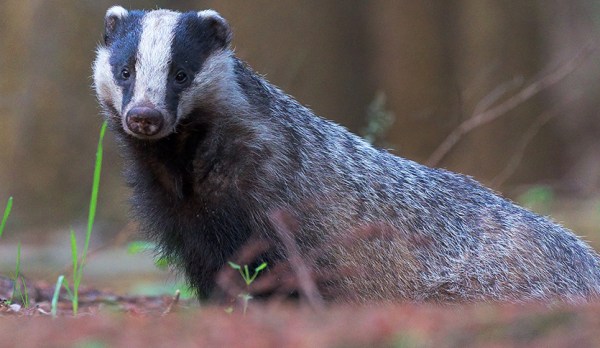
As February begins, at least one of our badger clan’s sows will be either heavily pregnant or nursing up to five newborn cubs.
Continue readingby David Feather
If you read my earlier piece about John Stimpson, who made nesting boxes for swifts, you might be interested in helping these little birds. Advice is available through https://www.swift-conservation.org/ and there is a Bristol and Avon representative.
Continue reading
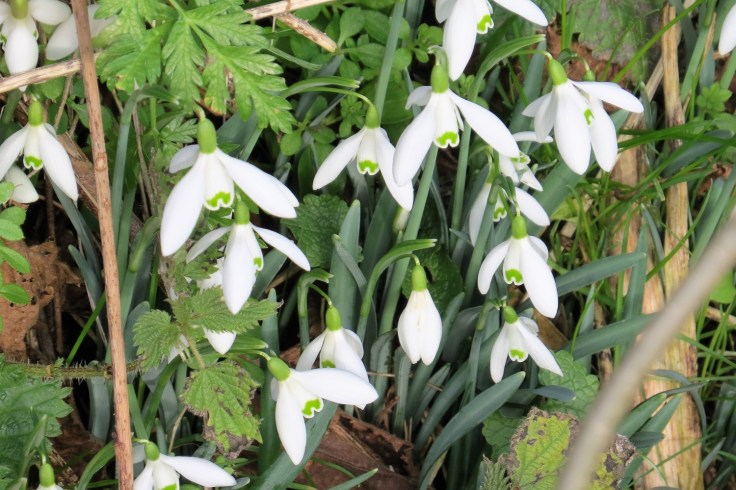


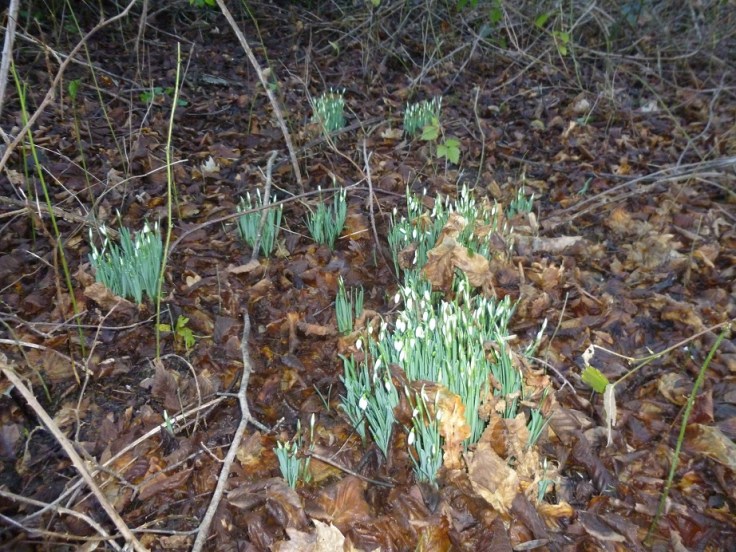
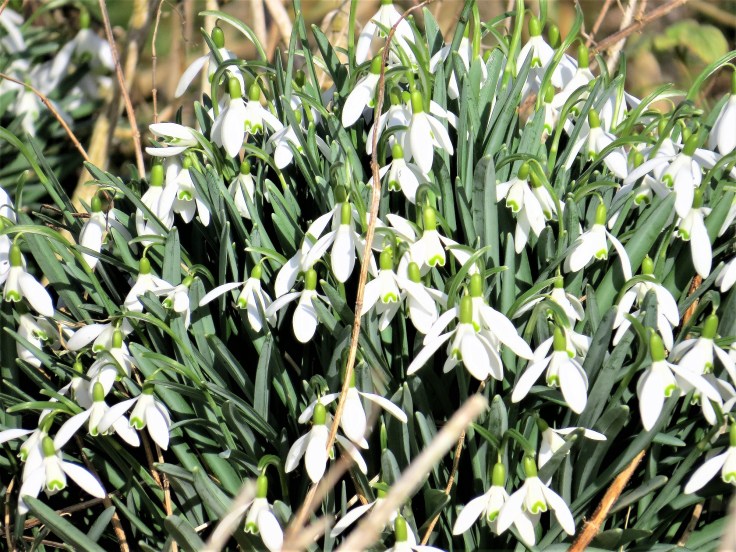


Header picture by DKG
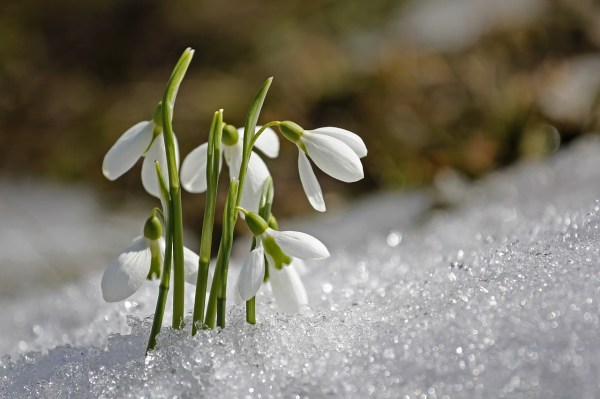
Snowdrops are the earliest of the reserve’s wildflowers. Here are five things you probably didn’t know about them
Continue reading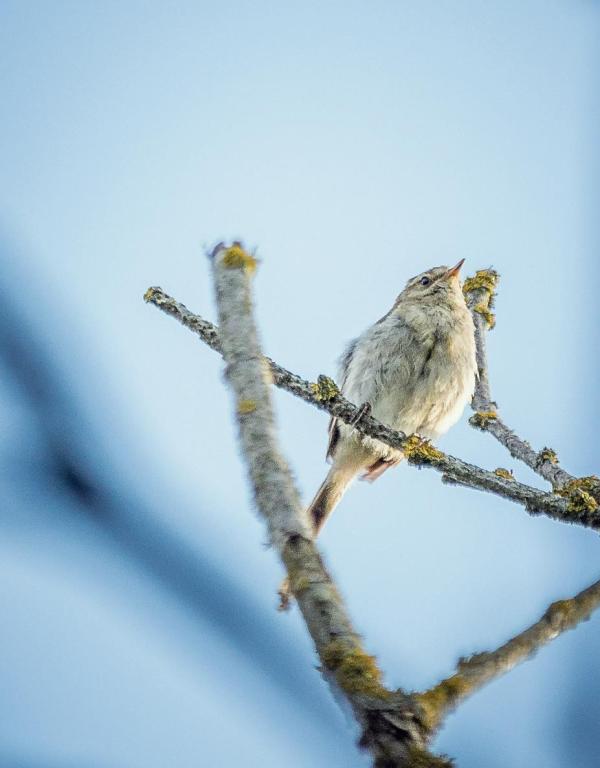
Our chiffchaffs will already have started the long journey back to their breeding sites in the reserve. They have overwintered in the warmth of southern Europe or northern Africa and are making their way home in a leisurely way with lots of stops for fuel. The males are the frontrunners and they need to arrive fit enough to find and fight for a territory.
They will begin arriving in March; their song (chiff-chaff, chiff-chaff) is one of the first signs of spring.
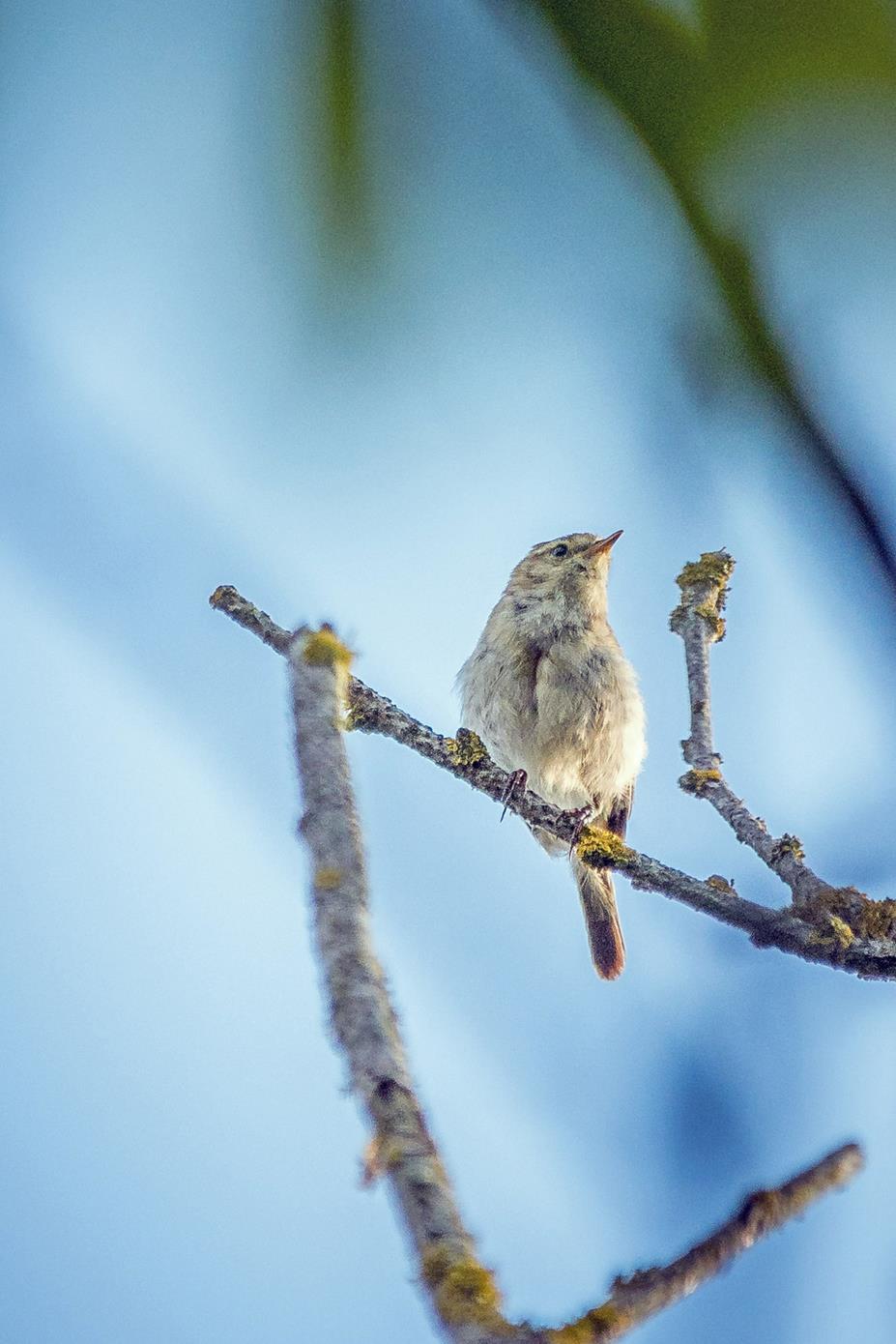
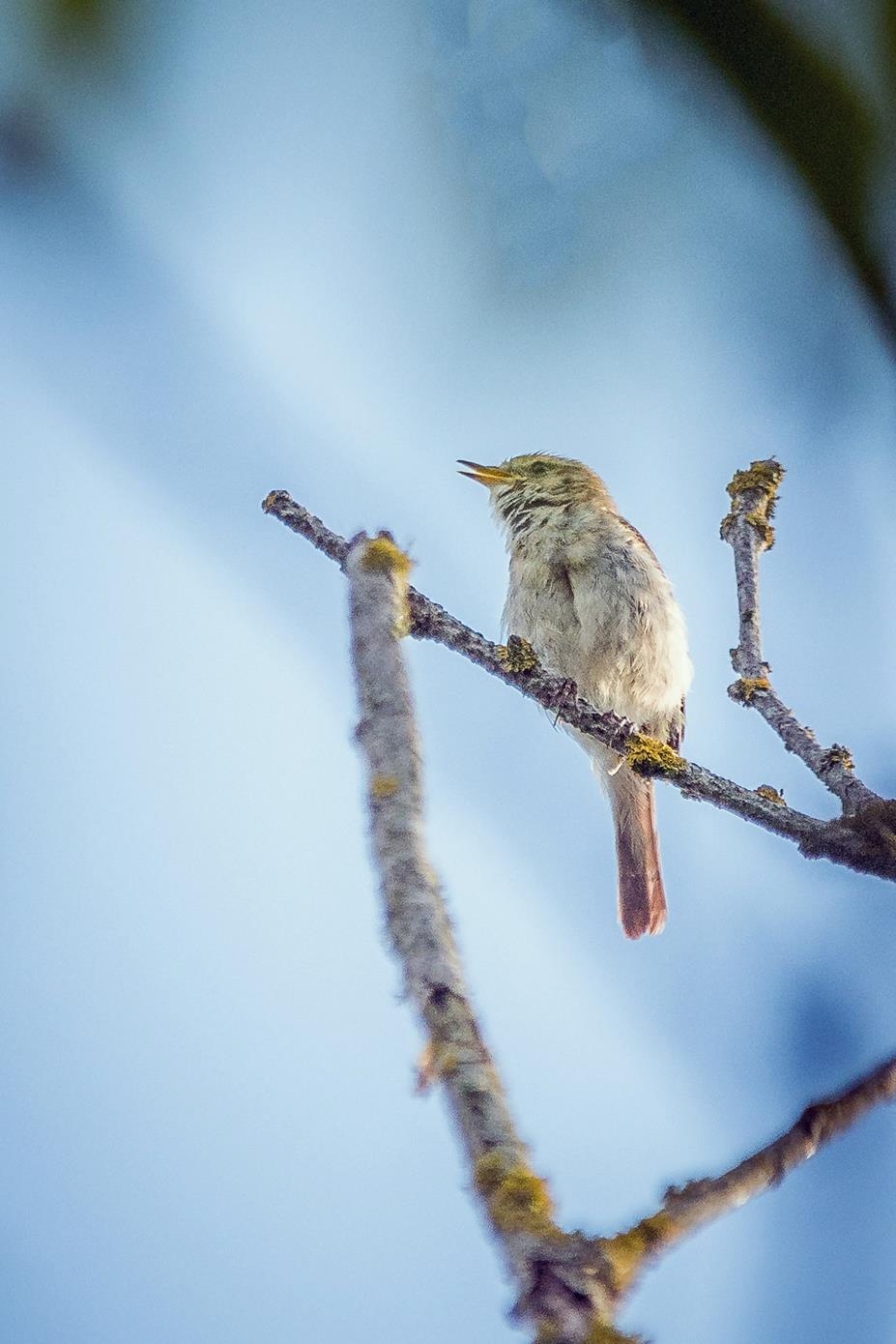
Pictures take in the reserve by DKG

by David Feather
Some people have rare qualities that make them stand out from the crowd. John Stimpson is one of those people. After retiring he got very interested in helping swifts to recover their numbers. Thirteen years ago he started making nest boxes for swifts in his garage at home. Initially he was making three a day. Now aged 80, he is making about 30 each day.
Continue reading
A fabulous picture of a kingfisher taken last week in the reserve by wildlife photographer Simon Knight. If wildlife photography is your thing, Simon’s latest blog is full of tips and tricks.

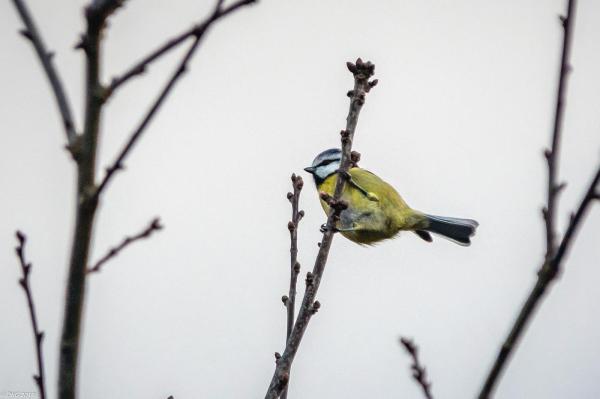
Most birds can’t create pigments, other than melanin, on their own. This bluetit, high in the park’s canopy, can’t produce the pigment, carotene, that makes his tummy yellow; it comes from pigments in the green caterpillars he eats. The more caterpillars he eats and the brighter his tummy, the more likely he is to attract a mate.
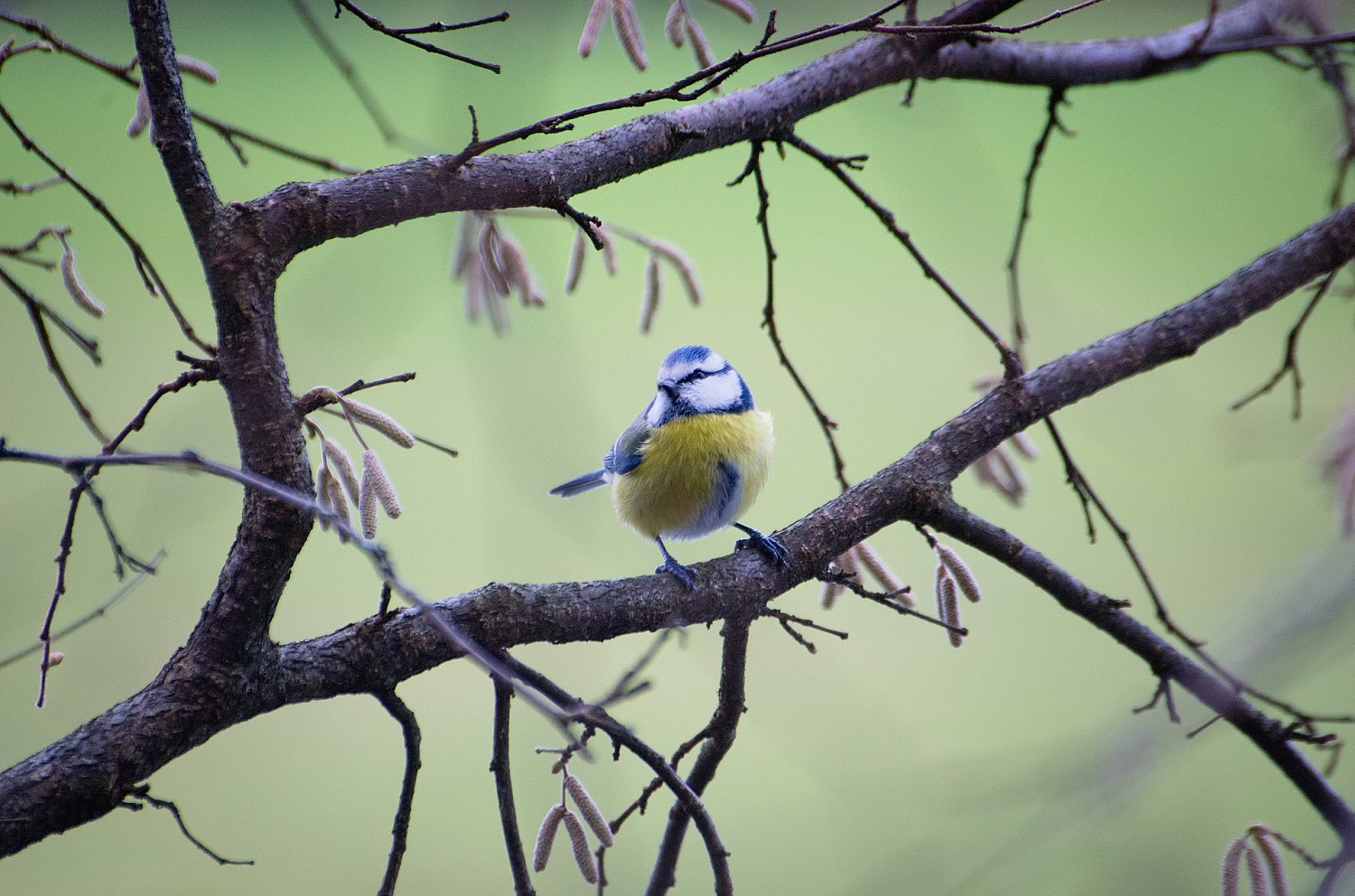
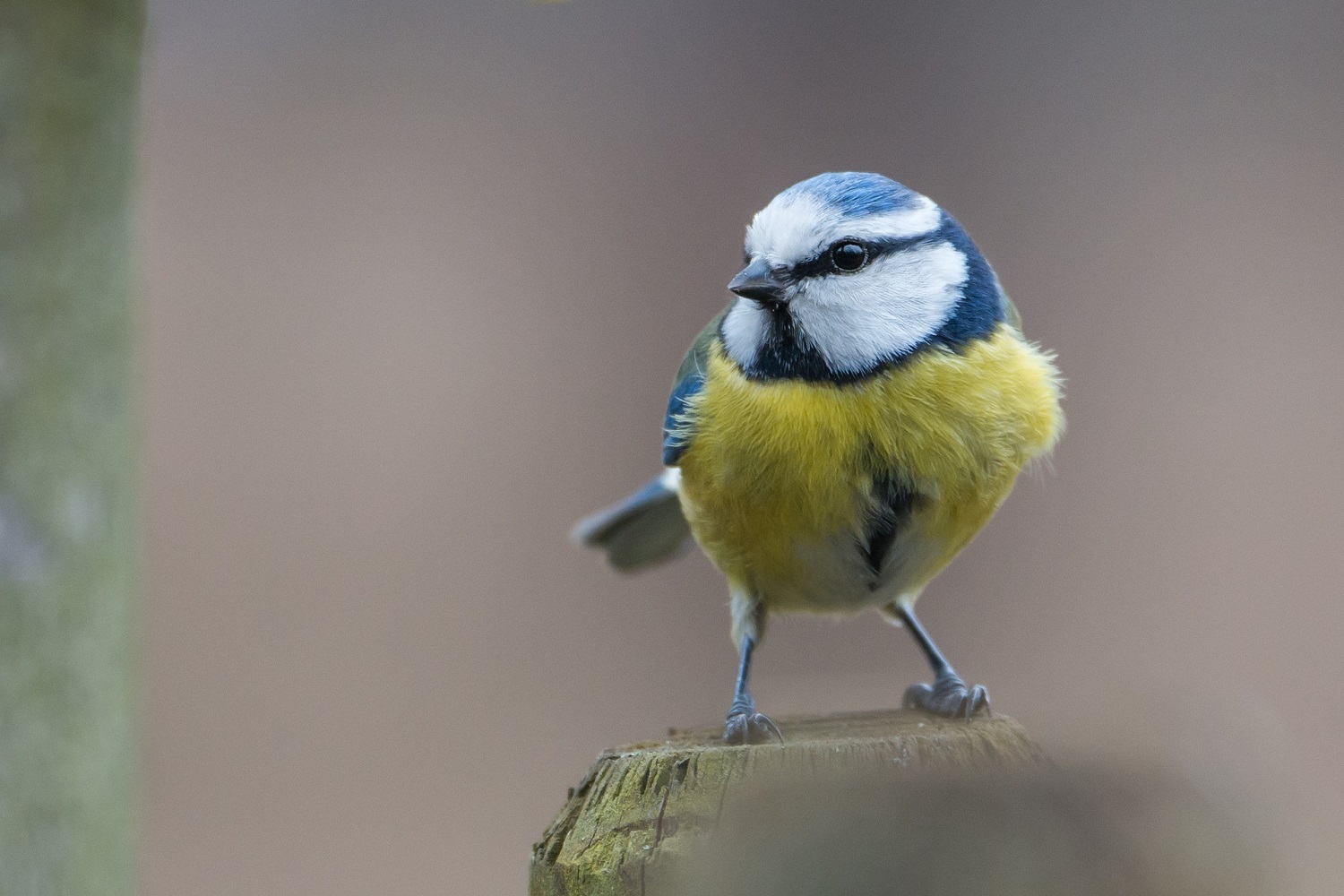

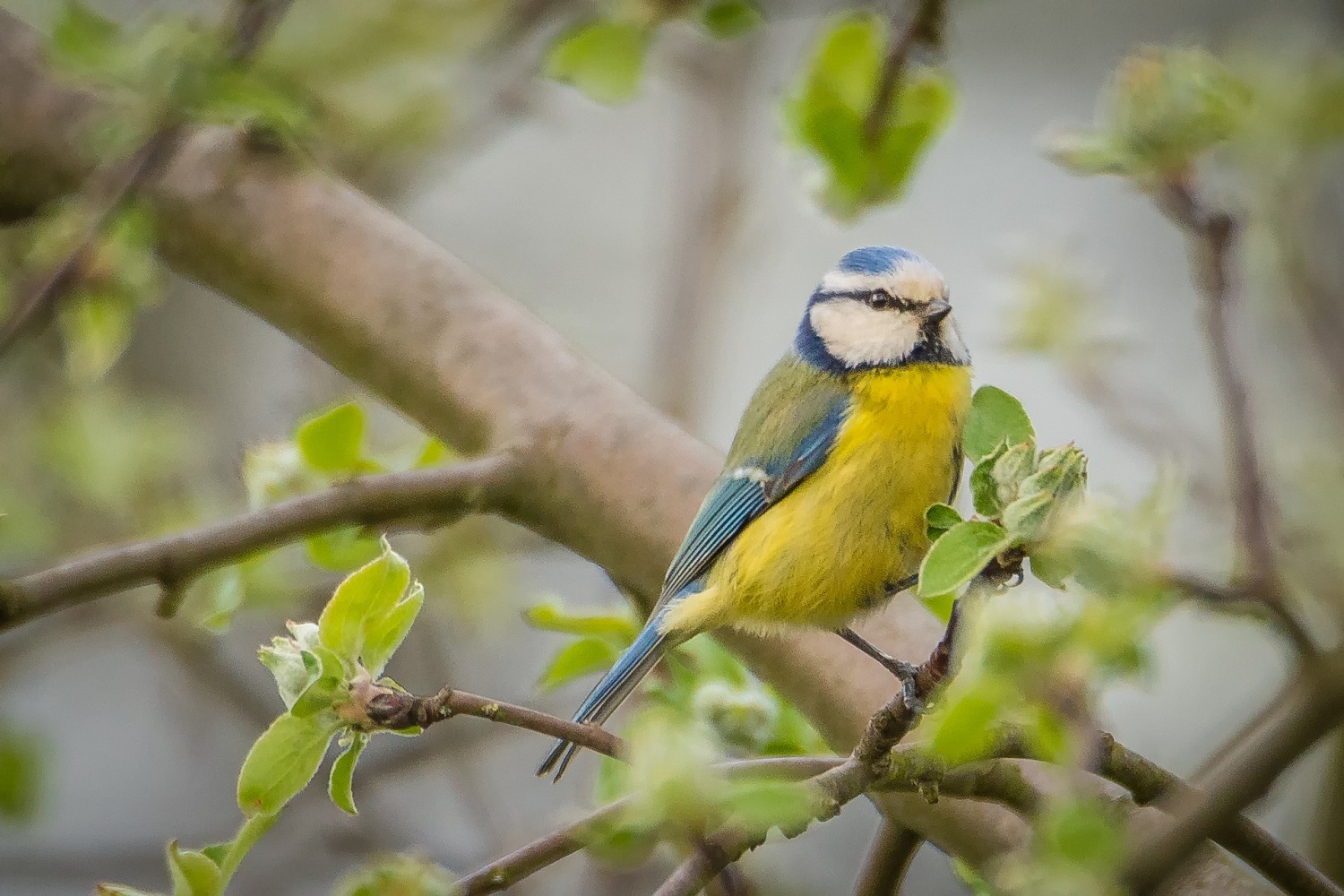
Header picture by DKG; others CC0 from pixabay
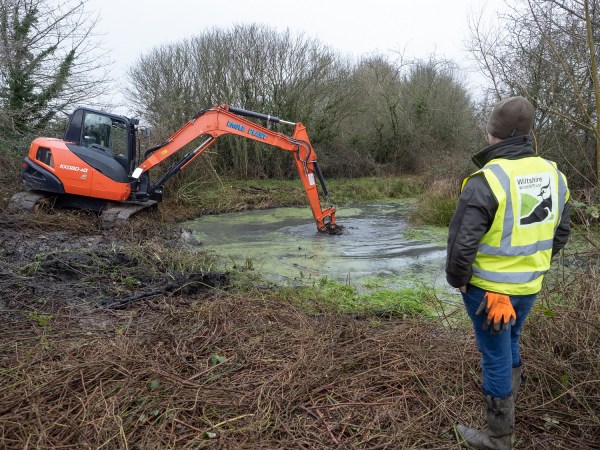
by Ian Bushell
The original intention was to do the work on the Iris Pond on Friday 21st January, but the Water Team’s Connor Goddard contacted me on the Tuesday afternoon to say that they were ahead of schedule and could begin on Wednesday 19th. I let the digger in through the Allotment gate right away so that it would be there and ready to start work by 8.30am the next morning. The work would be carried out by Max and James of Ecolibrium Environmental Contracting based at Melksham.
Continue reading “Great Crested Newt Pond”
The Iris Pond is being restored with funding from Natural England’s new District Level Licensing Scheme for Great Crested Newts, which Wiltshire Wildlife Trust is helping to deliver for Wiltshire. Southwick Country Park Local Nature Reserve is more than happy to be involved.
Continue reading “Great Crested Newts: part 2”
September 08 2021: Mail from Ian Bushell to the Water Team at water@wiltshirewildlife.org
Continue reading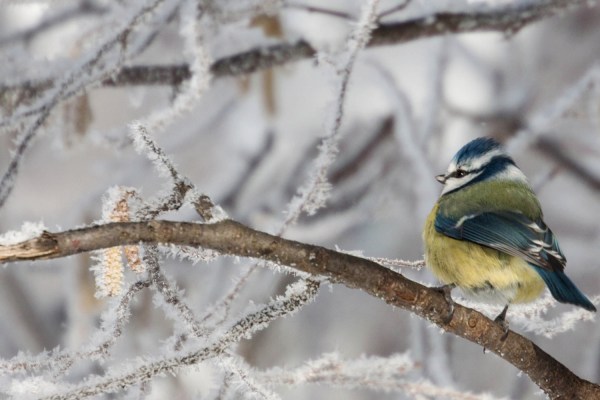
We seem to be in for a cold snap. Time to winterproof your bird table with fatballs, high protein treats and a regular supply of ice-free water. Let’s look after our wildlife!
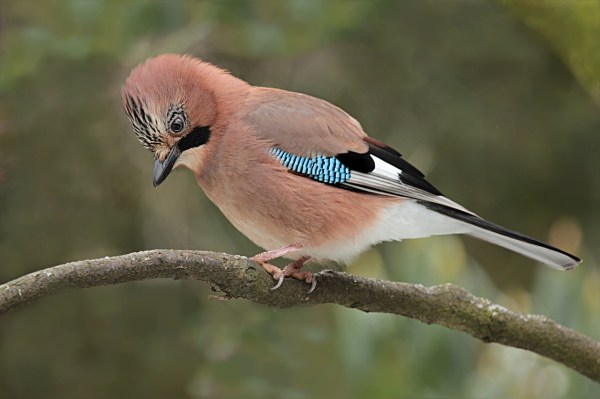
There are all sorts of things that shriek in our dark winter woods: the Eurasian Jay (Garrulus glandarius) is just one of them.
Jay (Garrulus glandarius) audio by Bodo Sonnenburg ( CC -BY-SA) xeno-canto.org

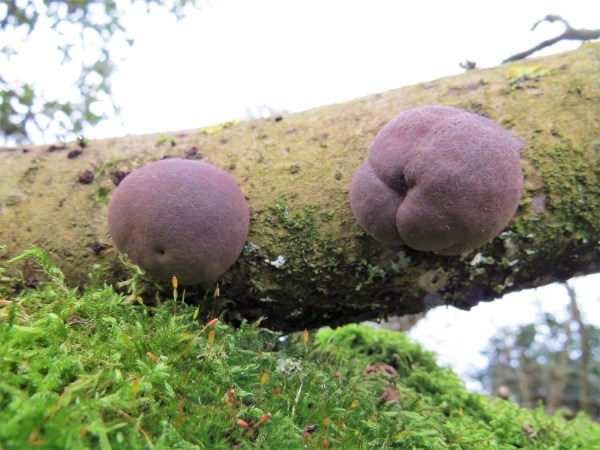
Daldinia concentrica: known as King Alfred’s cakes or coal fungus grows on the park’s trees, in this case on a dead ash tree.
Read more
The first full moon of the year is called the Wolf Moon, apparently after the howling of hungry wolves in midwinter. The name seems to be common to both old European and North American cultures, perhaps an indication of how shared fears of the cold and the dark have shaped otherwise disparate human societies.
This year’s Wolf Moon will be tonight at just past a quarter to midnight and, if the misty weather we have been promised by the Met Office permits, should be spectacular as the temperature falls toward zero.


by David Feather
In a recent piece, I suggested that a walk in the park might be better than pills for dealing with depression.
Continue reading “Nature Prescriptions”
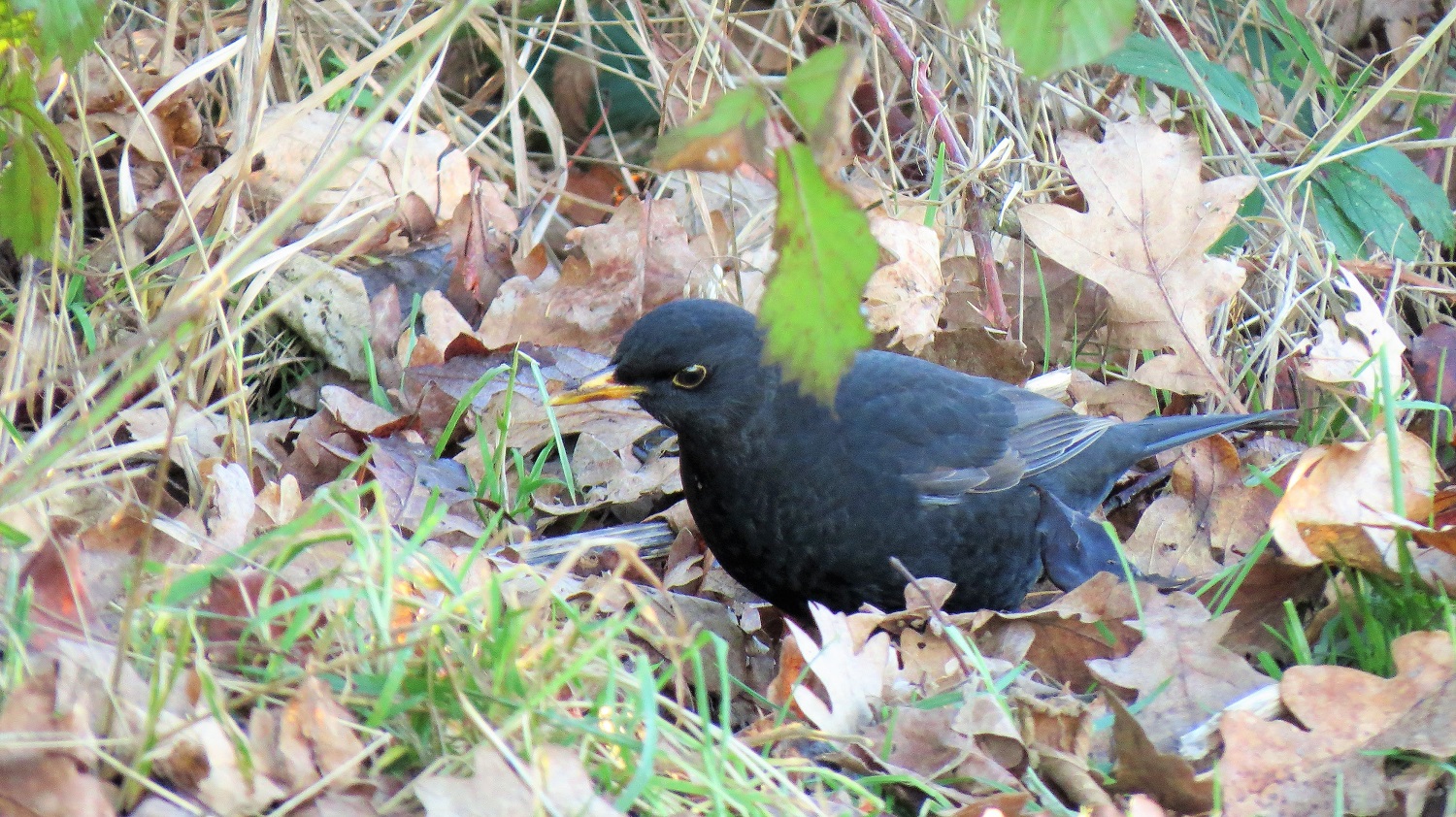
Have the blackbirds started singing yet?
Young males will begin to sing this early in order to establish and defend the territory they hope hold for the rest of their lives. Older and more experienced birds will wait until February or March.



 Southwick Country Park Nature Reserve