There have been reports of motorbikes being ridden in the park’s fields. The tyre tracks are mostly in Corn Field, Kestrel Field and Lambrok Meadow and seem to show that the bikes enter and leave by the bridge into Lambrok Close. The only motorised vehicles allowed in the park are those maintenance vehicles authorised by Wiltshire Council, and mobility vehicles.
Continue reading “Please: no motorbikes”On the twelfth day of Christmas
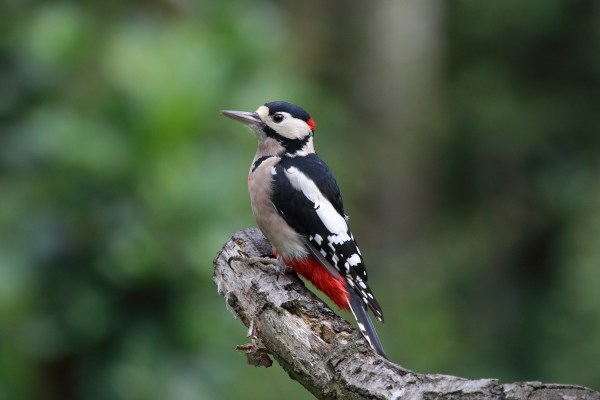
The park’s twelve drummers drumming are great spotted woodpeckers. They begin drumming at the end of winter as part of a courtship ritual in which the male marks out his territory and advertises his presence by drumming his beak against hollow wood 10 to 20 times in just 2 seconds, and the females replies briefly as she enters his territory.
Here is a video:
Video recorded in March 2019 by George Ewart
On the eleventh day…
…eleven pipers piping
Honey bees make a sound that apiarists call piping.
Continue reading “On the eleventh day…”Ten lords a-leaping
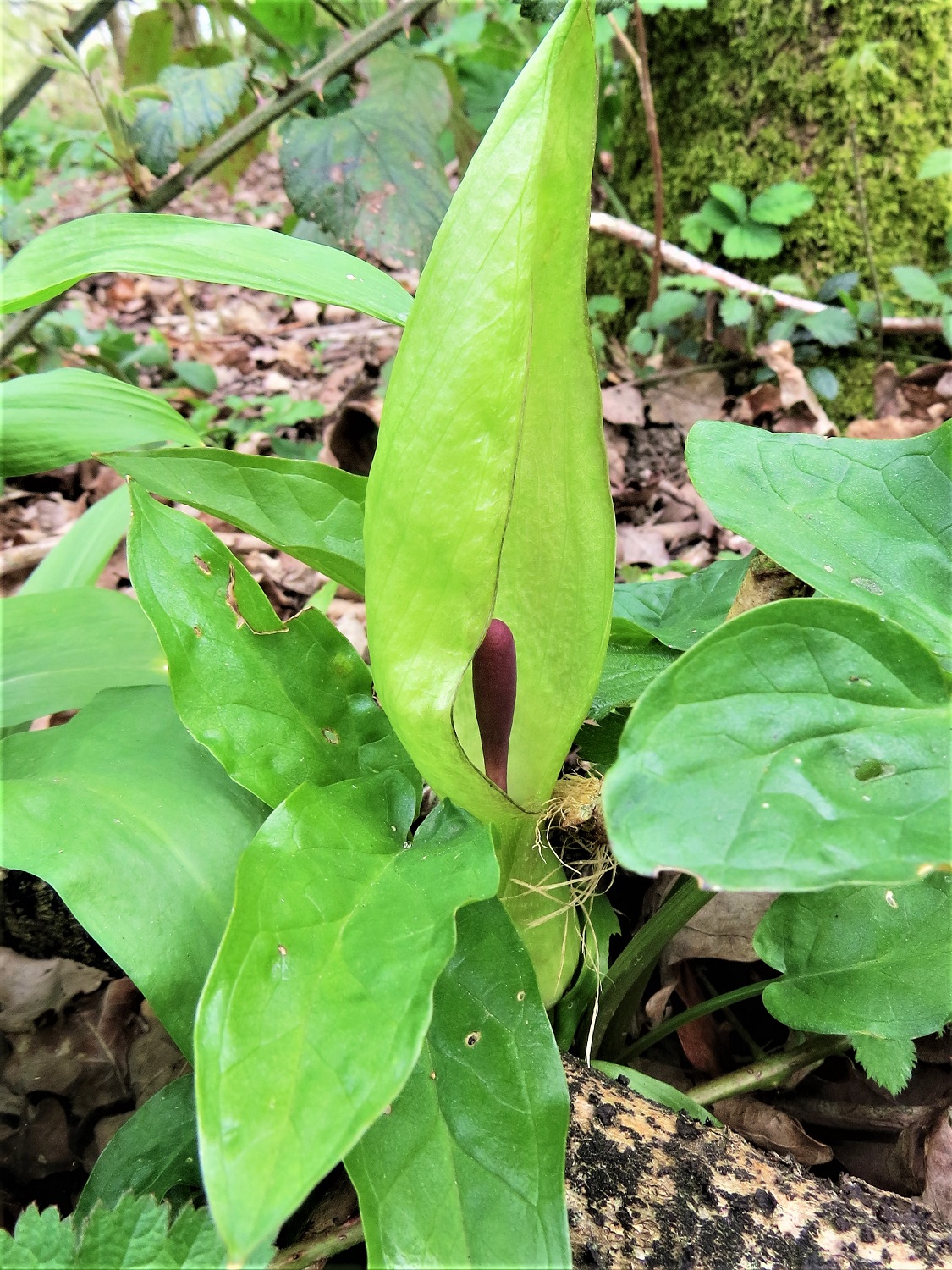
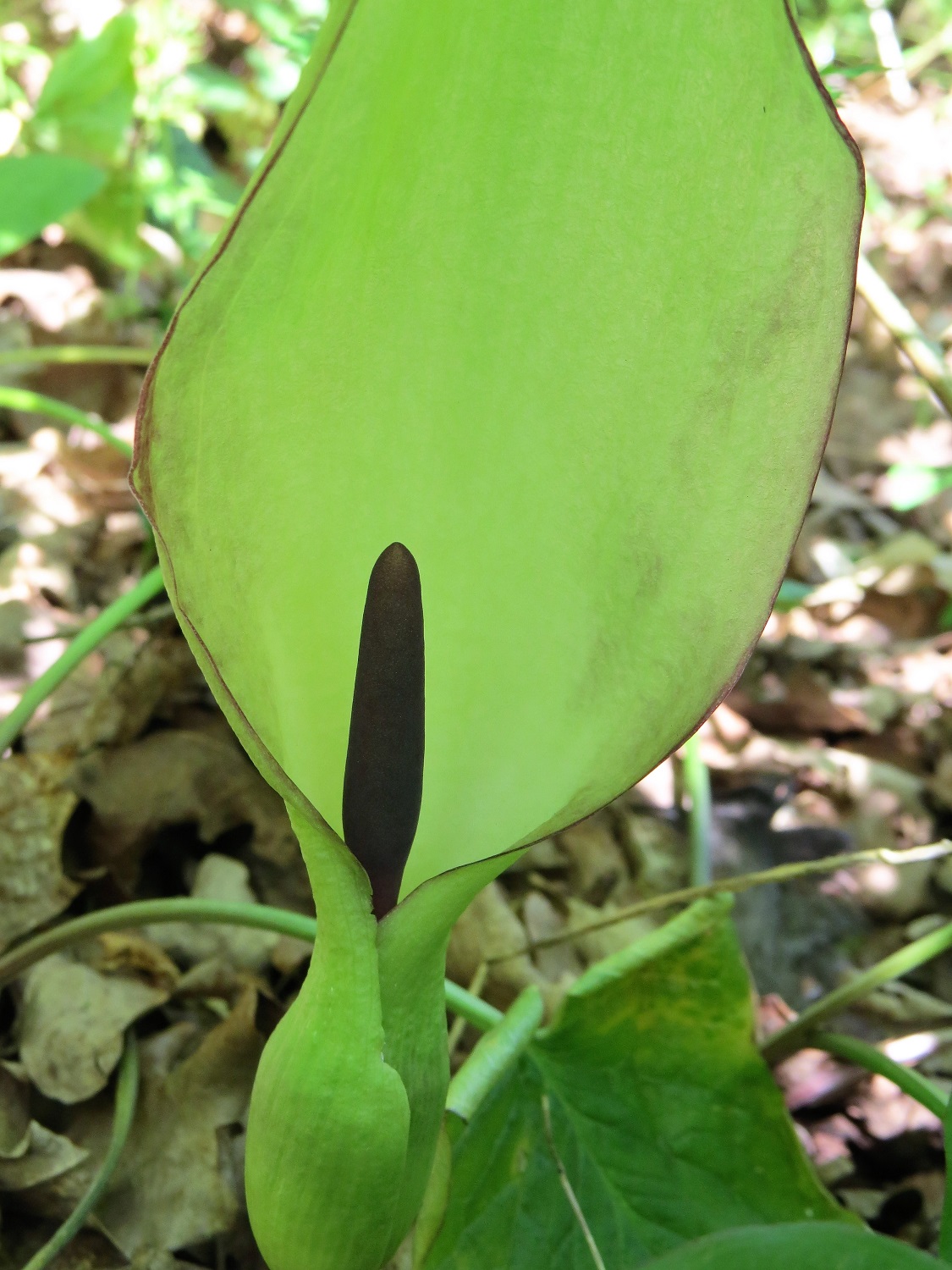
On the tenth day of Christmas, here are the extraordinary flowers of lords-and-ladies, the wild arum (Arum maculatum), photographed in the park during April’s lockdown.


Pictures taken in the park by Suzanne Humphries
On the ninth day
We can’t find nine ladies dancing. Come spring, we will have daffodils fluttering and dancing in the breeze, as per Wordsworth, but feel that the link is tenuous; we will also have ladies’ smocks flowering in the meadows but we used them up yesterday by calling them eight milkmaids.
Continue reading “On the ninth day”Eight maids a-milking
Milkmaids is one of the many common names of Cardamine pratensis, a spring-flowering plant that loves our damp meadows and stream edges. In Wiltshire we know it more often as lady’s smock or, because it flowers when the cuckoo returns to Britain, as cuckoo flower.
Continue reading “Eight maids a-milking”On the seventh day of Christmas
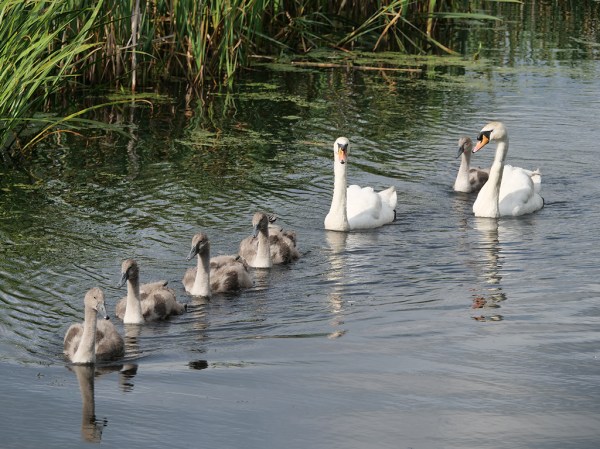
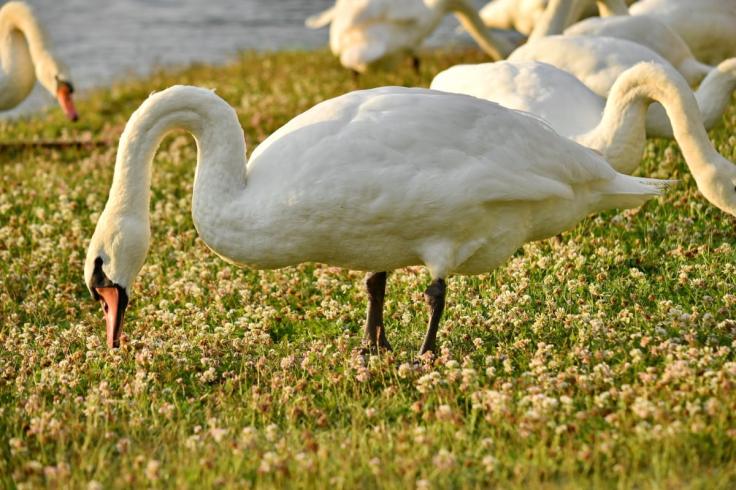
my true love sent to me seven swans a-swimming.
Mute swans (Cygnus olor) come to the park to graze, not to swim or raise chicks. They break their long journey to some faraway lake or river, to rest and eat in the park’s green fields. We are a swan service station.
On the fifth day of Christmas…..
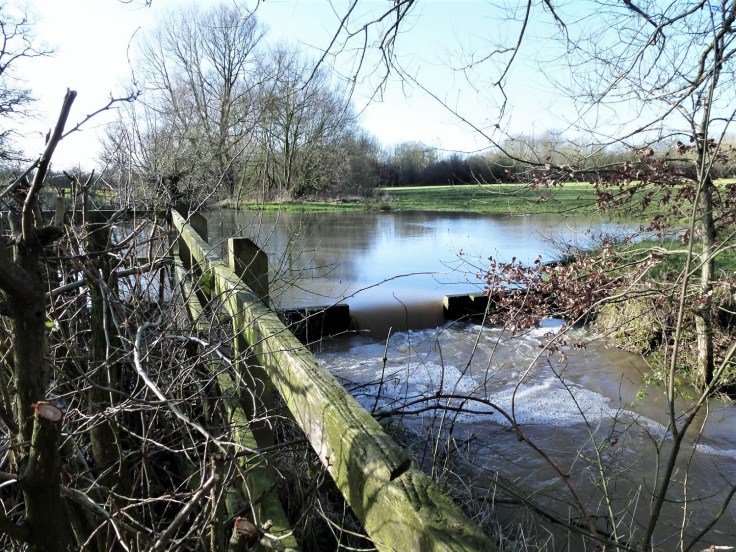
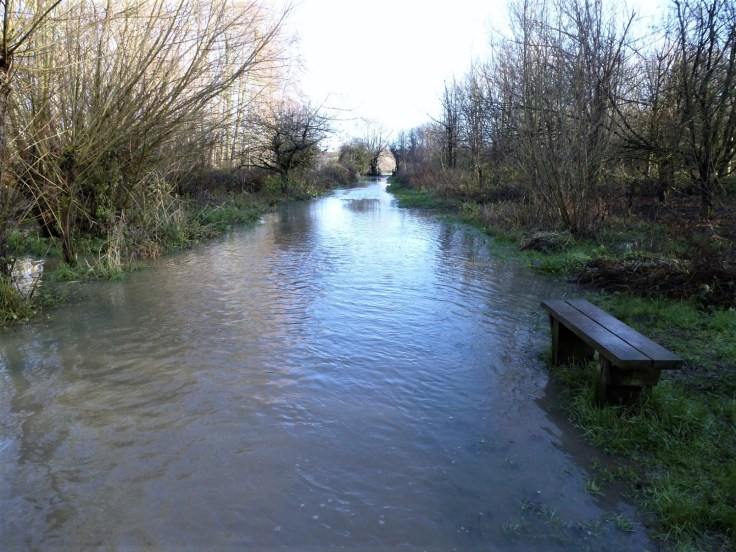
…we are foregoing the five gold rings and sending you, instead, five of Clive Knight’s pictures of the park’s Christmas floodwaters.
Four calling birds
Not calling birds, according to the experts, but colly birds. Colly is an old word for soot or coal dust and a colly bird is a blackbird. We have tuneful blackbirds by the dozen in the park.
Audio by Beatrix Saadi-Varchmin (CC BY-NC-SA 4.0) xeno-canto.org
On the third day of Christmas
my true love sent to me:
…unfortunately, we have no French hens. In fact we don’t even know what French hens are and, try as we might, we can’t find out. The top two theories suggest that they were either fashionable domestic poultry in 1780, when the song was first published, or an allegorical representation of the Holy Trinity.
Continue reading “On the third day of Christmas”On the second day of Christmas
my true love sent to me…
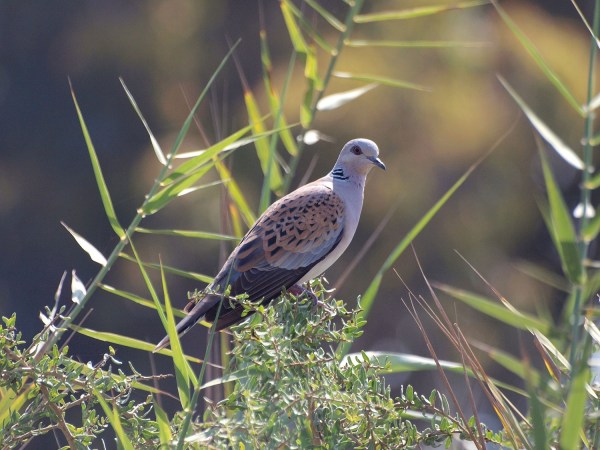
…two turtle doves. We have collared doves and woodpigeons by the dozen but no turtle doves. Sorry.
Continue reading “On the second day of Christmas”On the first day of Christmas
my true love sent to me
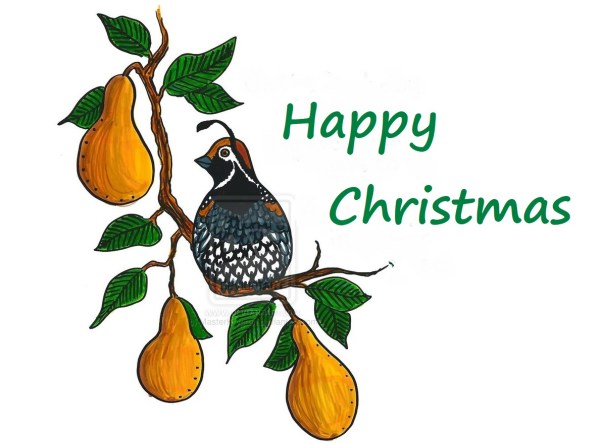
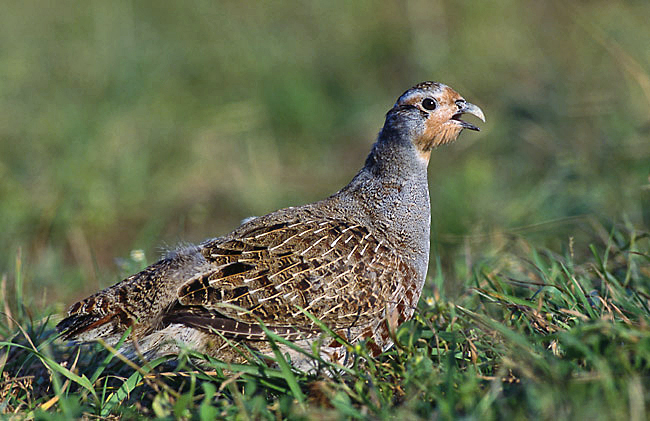
a partridge in a pear tree. The park’s partridges are Perdix perdix, the grey partridge, not the pretty little North American plumed partridge, Perdix plumifera, sitting in our Christmas card’s pear tree. Neither does the park actually have any pear trees: cherries, plums, sloes, apples and pedants aplenty but no pears at all. Nevertheless…
Christmas greetings from the Friends of Southwick Country Park.
Mistletoe
What would Christmas be without mistletoe? There is only one species of mistletoe native to Britain, Viscum album, but there is none growing in the park. We would love to see it established here but we are not sure how we would go about it.
Continue readingSolstice
Today is the day after the shortest day: the year has turned.
Continue reading “Solstice”Ivy
Here are five things you may not have known about the ivy in your Christmas wreath.
Continue reading “Ivy”Holly
Over the years the Friends of Southwick Country Park have planted many holly whips in the hedges around the park’s fields.
Continue reading “Holly”PROJECTS PROGRAMME
Background
by Ian Bushell
The following programme of actions was taken as an outcome of the review of the park on 27th January 2013 by the Wiltshire Countryside Team and Friends of Southwick Country Park. It is intended that this is a living document: a record of previous projects, tasks undertaken, an update of works carried out during 2020, and a review of the park in general.
Continue reading “PROJECTS PROGRAMME”Not a partridge in a pear tree…
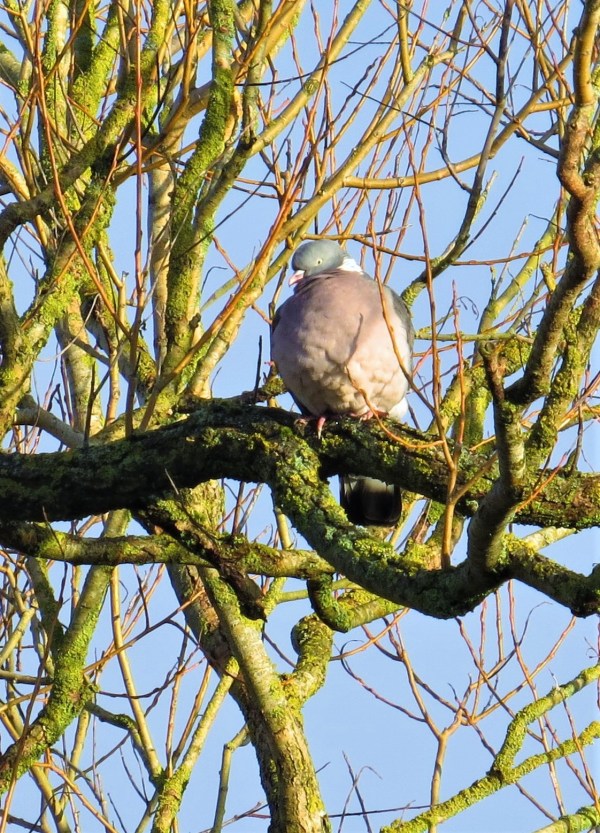
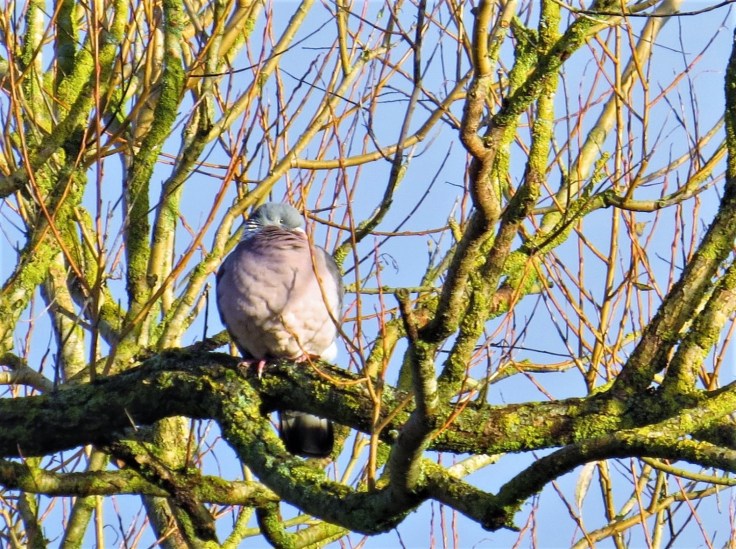
but a wood pigeon in a willow tree.
A wood pigeon in a willow tree, fluffed up against the cold of Wednesday’s bright, frosty morning.
Real or fake?
A lot of people buy artificial Christmas trees in the belief that it benefits the environment, but environmentalists and energy analysts disagree. We need only look at a single element of the hundreds of thousands of artificial trees that will be put up and decorated this Christmas: they are all made of plastic.
Continue reading “Real or fake?”Camouflage
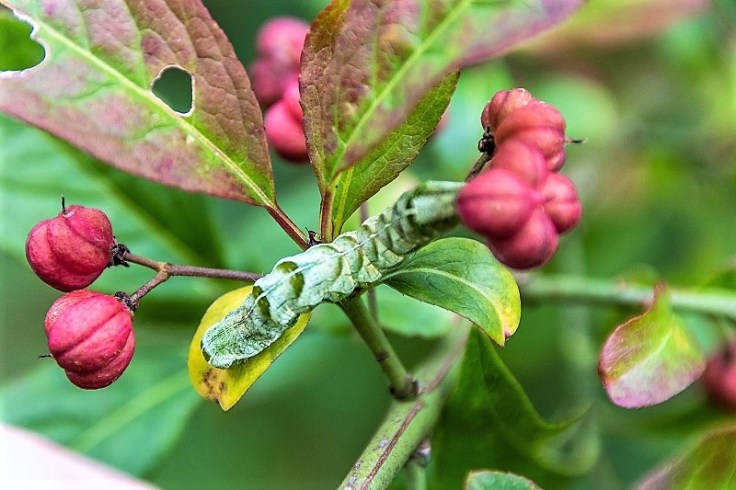
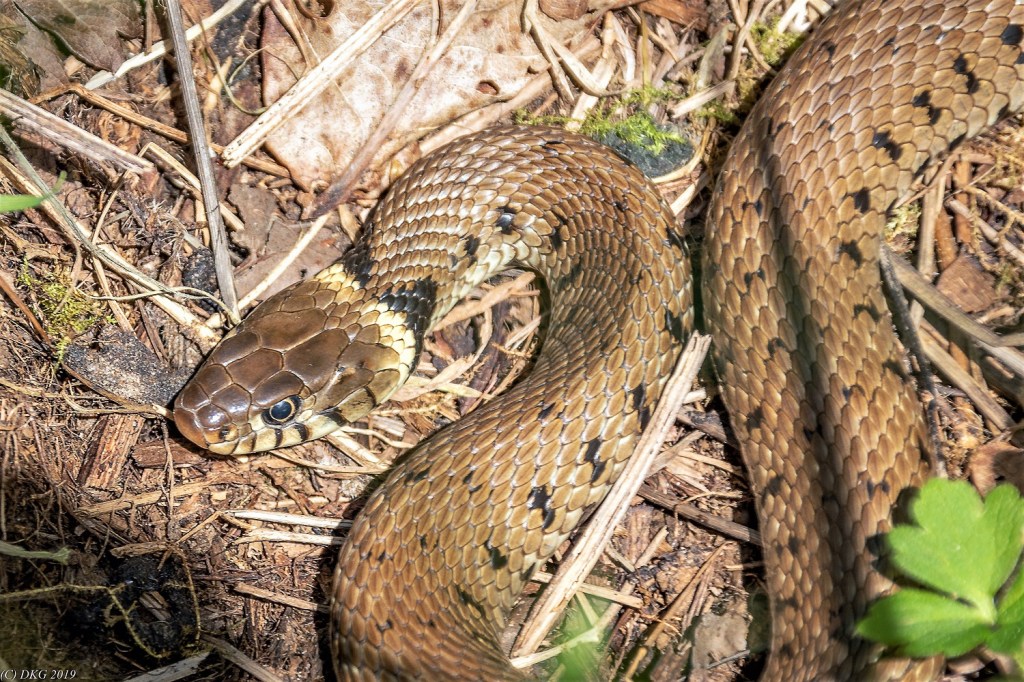
Some of our residents are really quite hard to see. Here are some of DKG’s pictures of the well-camouflaged.
Header picture: public domain.
Anthropocene
Here’s a terrifying fact culled from Scientific American this week: human-made stuff now outweighs all the Earth’s biomass. This is a new and significant milestone in humanity’s dominance of the planet.
Continue reading “Anthropocene”Candlesnuff fungus
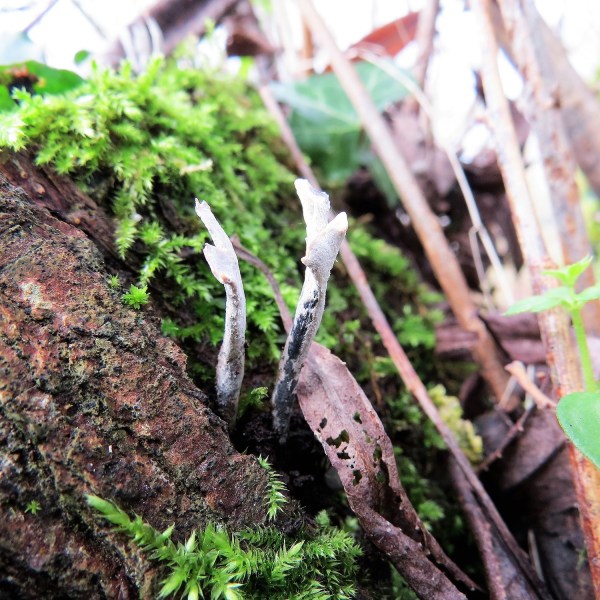
A tiny candlesnuff fungus, Xylaria hypoxylon, growing in the rotting wood and moss of the old willow tree (number 5477 ) by the footpath alongside the Lambrok Tributary.
Continue reading “Candlesnuff fungus”Planning application 20/09659/FUL
Newland Homes have applied to build 50 houses on WHSAP site H2.5 at Upper Studley.
Continue reading “Planning application 20/09659/FUL”