Sensory pollution

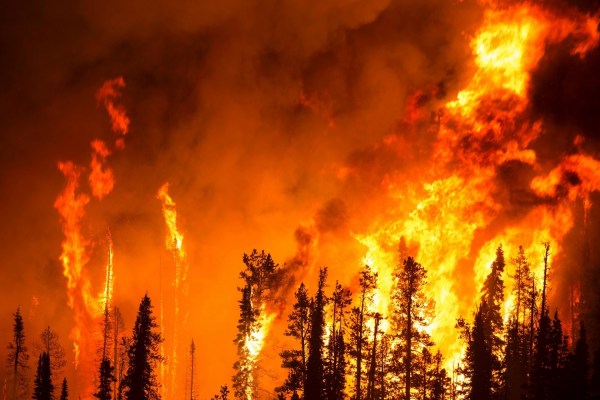
We already know how damaging light pollution can be and we know that noise pollution impacts birdsong and is linked to whale strandings – but what about other sensory pollutants? A study conducted at the University of Washington in Seattle has concluded that air pollution is making it more difficult for some insects to detect the fragrances of flowers, important mediators in the relationship between plants and pollinators, insects and food sources.

Continue reading

Field vole

Our field voles (Microtus agrestis) are having a winter break from their long breeding season. They don’t hibernate; instead they grow a thick, very dense coat to shield them against the cold, and their metabolic rate almost doubles in order to maintain their body temperature.

Continue reading “Field vole”

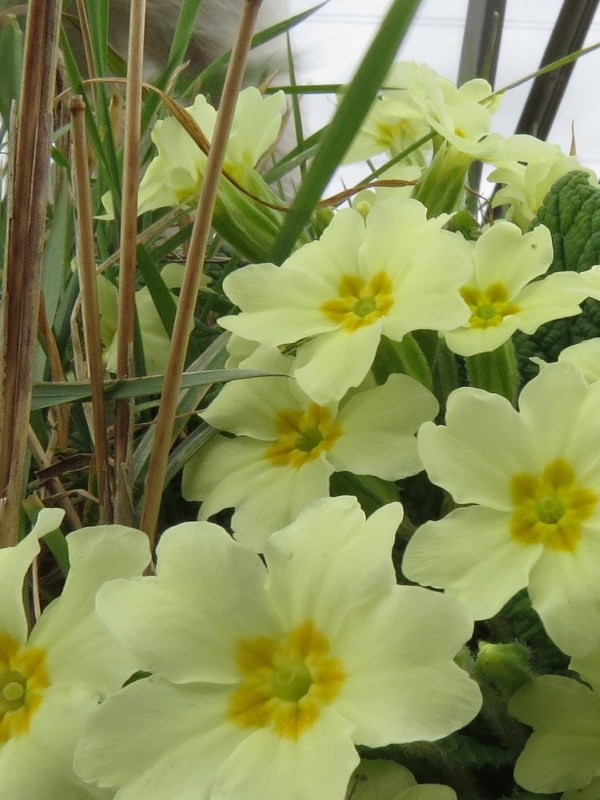
The sex life of a primrose

Our primroses, which have an interestingly complicated sex life, are just beginning to flower in the reserve’s sheltered ditches and copses.

Continue reading

This far south, Eurasian collared doves, Streptopelia decaocto, breed almost all year round. In the reserve, even this early in the year, their ever-present monotonous calls (…my toe hurts…my toe hurts…) become just background noise.

Recording by Olivier Swift (CC BY-NC-SA 4.0 DEED) xeno-canto.org

Continue reading

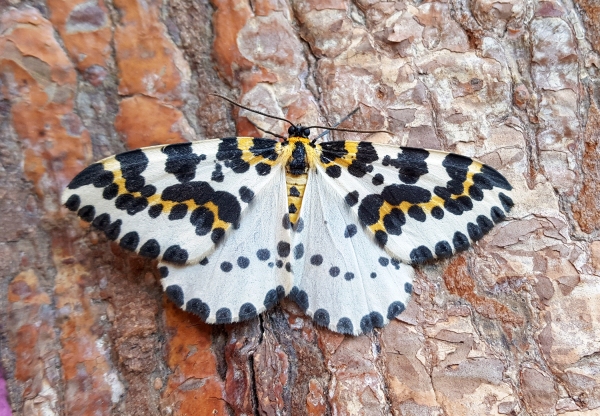
Fatal attraction?

Researchers from London’s Imperial College believe they have discovered why moths and other flying insects seem to be so fatally attracted to light.

Continue reading
Birdwatch

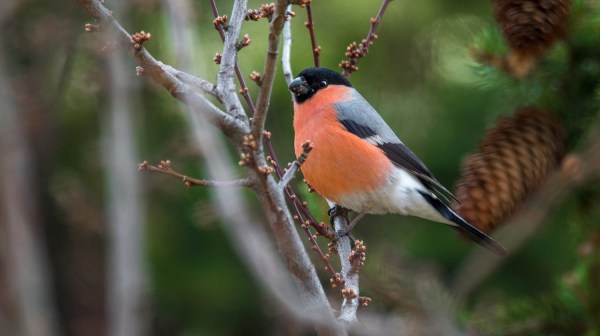
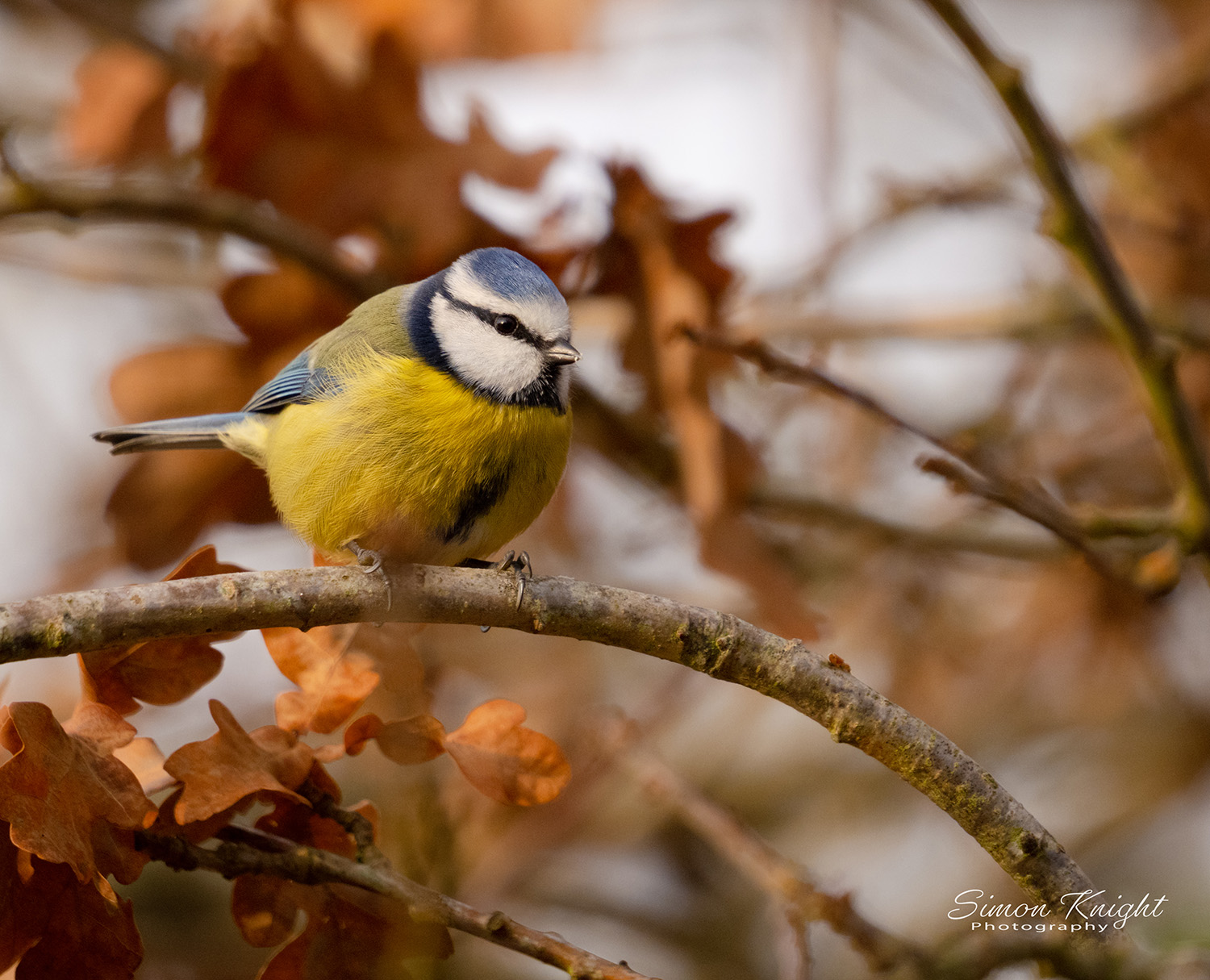
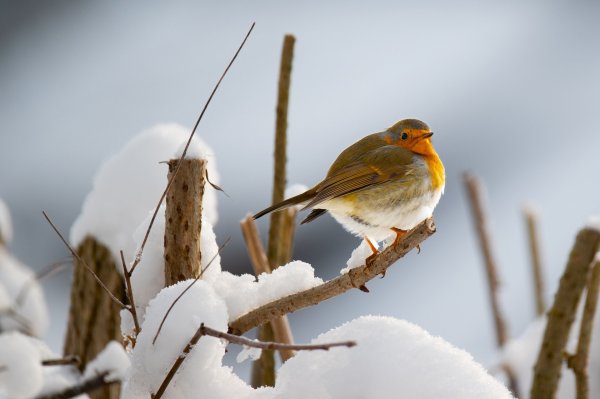
It’s Big Garden Birdwatch weekend! Sign up, join in and get counting.

The RSPB’s Big Garden Birdwatch, has been taking place over the last weekend in January every year since 1979. This is important citizen science: the RSPB uses the information we collect to monitor our native bird populations. Each year, as global warming takes hold and our climate changes, planning for the future of our wildlife becomes more urgent.

Below is a link that will take you to live-feed cameras watching bird feeders across the UK.

Timing

Changing temperatures are initiating plant growth earlier and earlier every year. In the reserve, there are already primroses in flower. While we might find the early flowering of daffodils and snowdrops encouraging, there are other species in the park for which it might be a disaster.

Continue reading

Lesser celandine

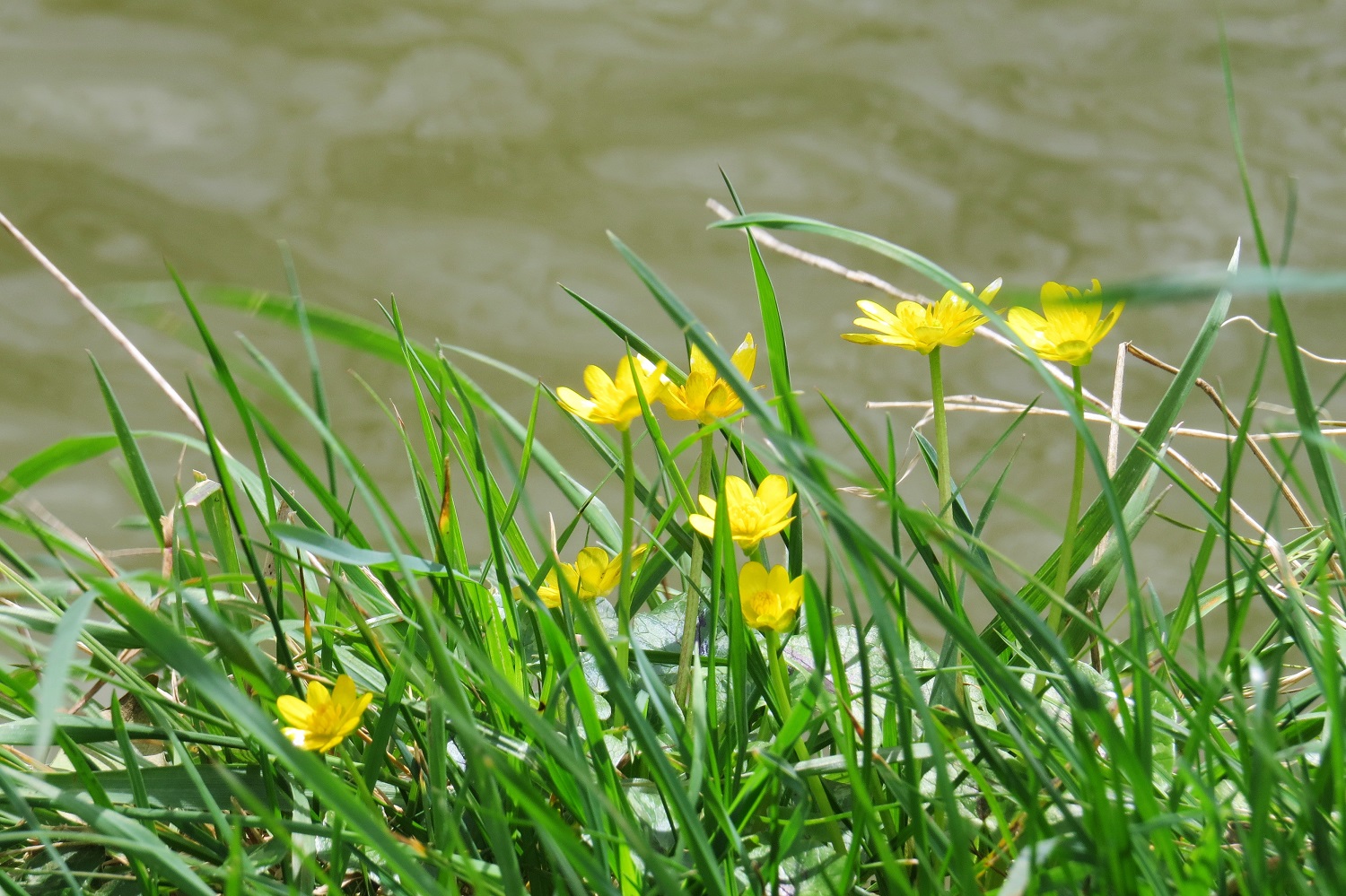
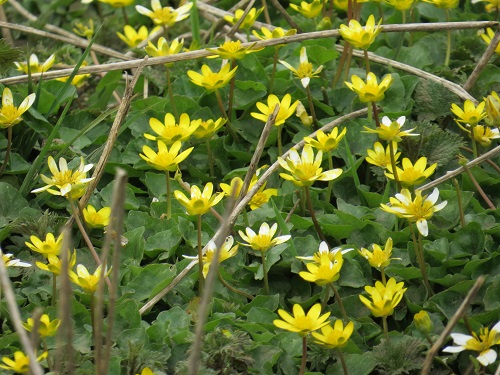
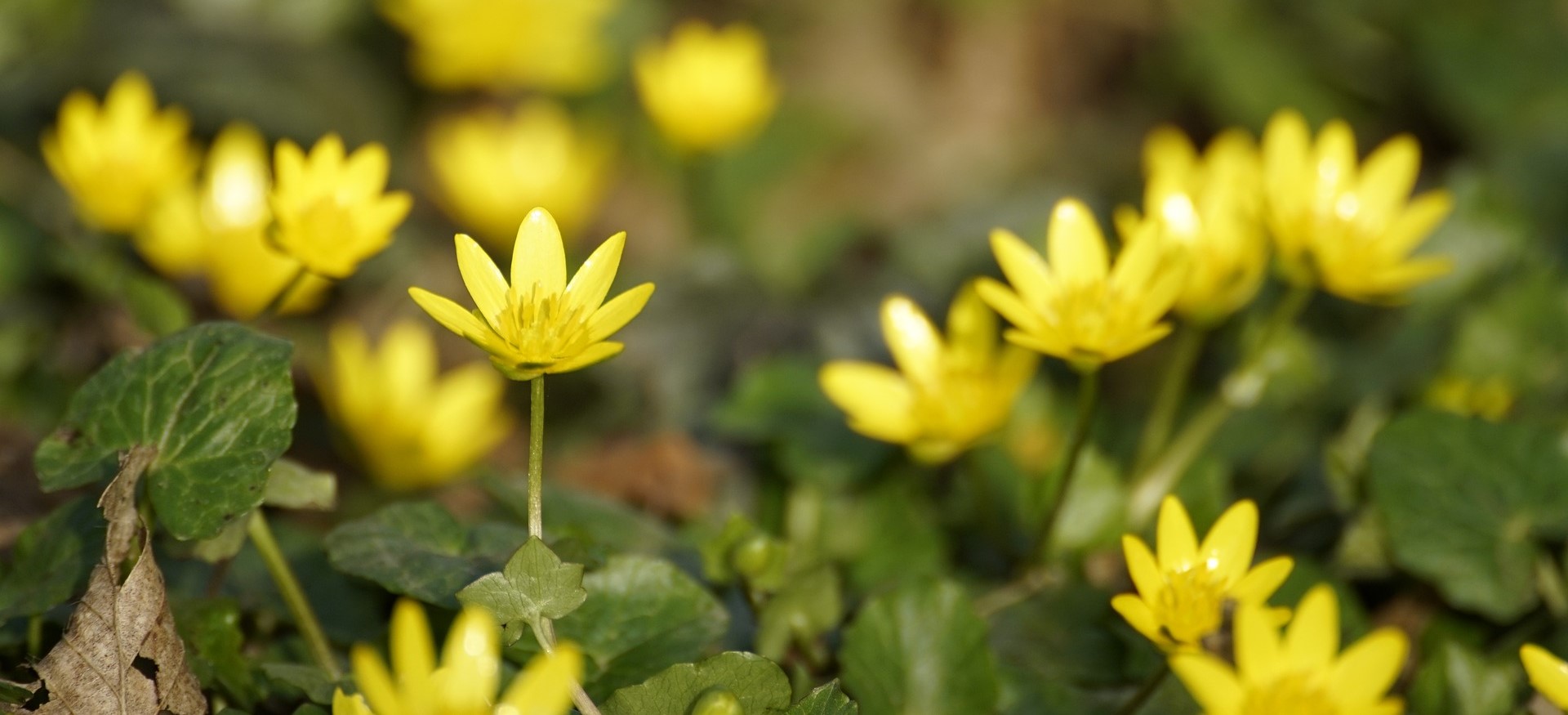
This warm, wet weather will bring all sorts of things into flower in the reserve. Lesser celandine, Ficaria verna, will be among the first to arrive.
Rooks in January

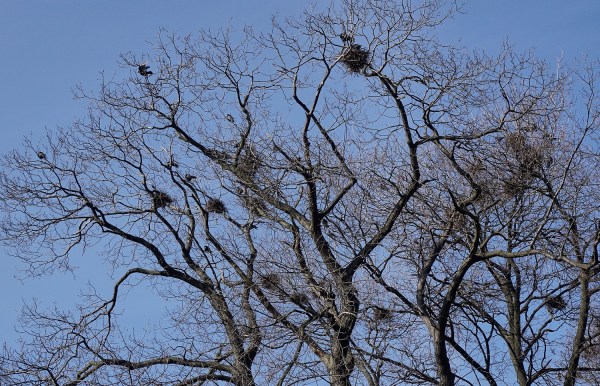
This far south, and despite the freezing weather, the reserve’s rooks will have begun to collect nesting material. Rooks pair for life and build their nest together: the male finds most of the material and the female puts it in place. Here is a video that shows us what kind of behaviour to look out for:

Video by Film Studio Aves;
Header picture (CC0) pixabay.com

Create a website or blog at WordPress.com

Up ↑