Grey squirrel invaders

The park’s grey squirrels are invasive aliens, brought here during the 19th Century, when the possession of rare and exotic species of plants and animals was the height of fashion. Grey squirrels, native to eastern North America, were first released into the wild in Britain, at Henbury Park, in Cheshire, in 1876.
Read on: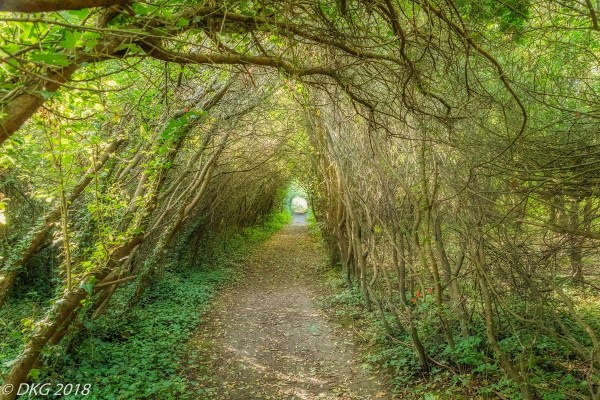
Weeds

The Weed Act of 1959 requires landowners and occupiers to control the spread of five species of injurious weeds: ragwort, creeping thistle, spear thistle, common dock and curled dock. The Weed Act’s purpose was to increase the productivity of arable land and to protect livestock at a time, post WWII, when self sufficiency seemed at lot more important than ecology.
…

creeping thistle (DKG)

broad leaved dock (CC0)


spear thistle (DKG)
Bats and WHSAP

Nine species of bats have been identified in the park, among them members of the UK’s rare, internationally important population of Bechstein’s bats that roost in Green Lane Wood.
…

Natterers bat by Guido Gerding (CC3.0)

Daubenton’s bat Guido Gerding (CC.3.0)

Nathusius pipistrelle by fs-phil ((CC2.0)

Common Pipistrelle by Barracuda 1983 (CC3.0)
Red or grey?
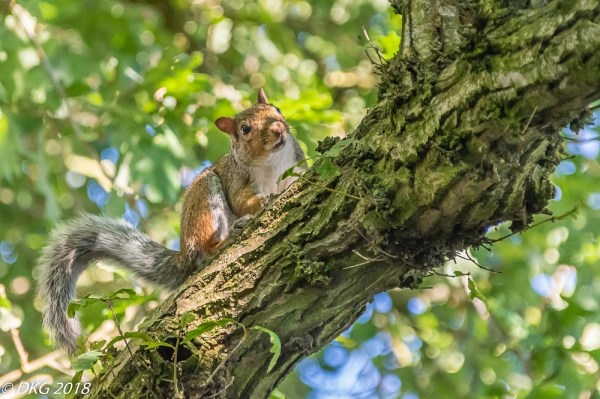
Is this the red squirrel some people believe they have seen in the park? Read on:
Summer work party
Words and pictures by DKG:
A few photos from Wednesday’s morning in the park. Work included clearing grass around the fruit trees, taking up the mats, and checking the guards and stakes. We removed the fruit to ensure stronger growth next season.
…

clearing grass around the fruit trees

clearing ragwort at the top of Sheep Field

grass and nettles adjacent to the path
…
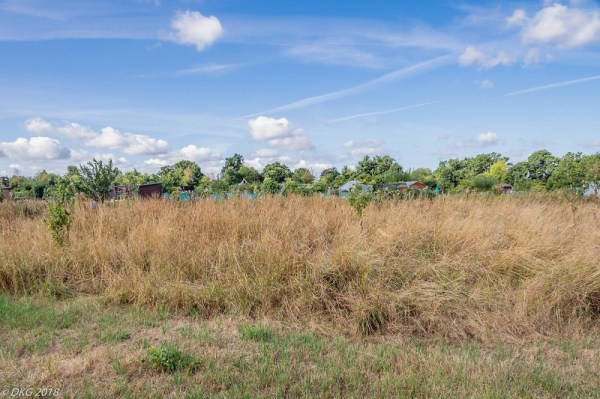
Overgrown grass and nettles adjacent to the path from the allotments’ main gate were cleared. We also cleared small areas of ragwort on the allotment boundary and the plantation at the top of Sheep Field. We bagged it and put it into the back of the little Wiltshire Council van to be taken away. Click for more
Poisonous berries

The hot summer has rushed the flowering season on and the park is full of seeds, fruits and berries: food for the park’s wildlife but not always for its human occupants. Some berries are poisonous.
…



Creeping thistle

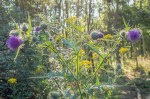
Like ragwort, creeping thistle (Cirsium arvense) is classed as an injurious weed by the Weed Act of 1959. Our hedges and edges are full of it: beautiful, pollen-rich, heavily scented flowers, buzzing with invertebrates, followed by seed heads elevated on stems sturdy enough to support seed-eating birds. Gorgeous.

Small Tortoiseshell and a honey bee by DKG

Small skipper

Goldfinch
Photographs by DKG
Southern hawker
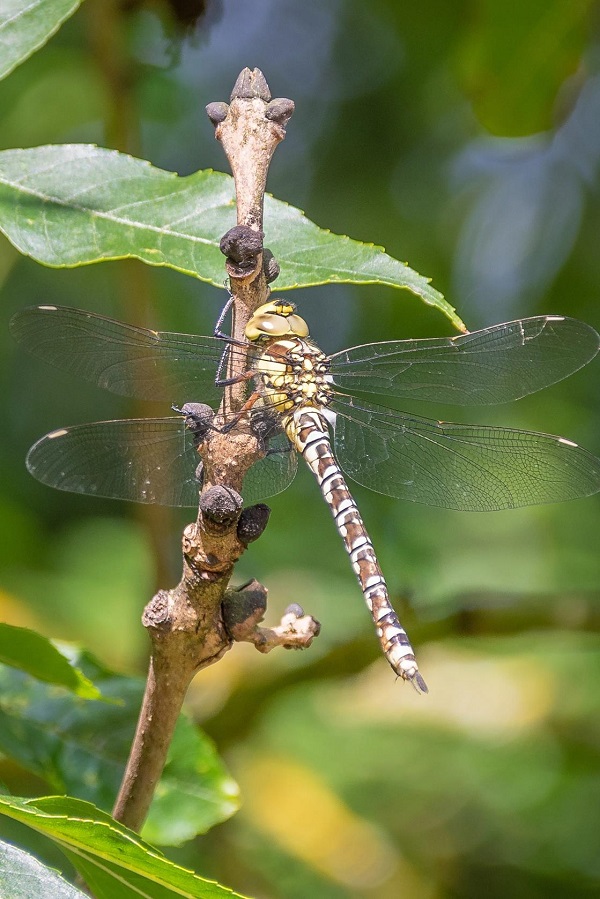
This is the third species of dragonfly that has been photographed in the park and identified this summer: a southern hawker (Aeshna cyanea). The other two are the scarce chaser (Libellula fulva) we reported on 14th June, and a broad-bodied chaser (Libellula depressa) photographed and identified by Ian on 29th June.
…

Female broad-bodied chaser

attracting rare species
Wiltshire Housing Site Allocation Plan
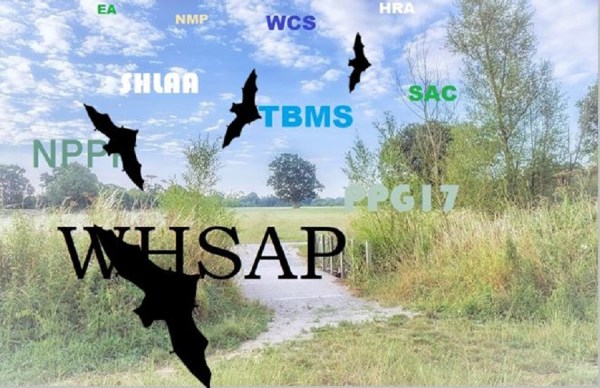
We have been exploring the trackless wastes of the Wiltshire Council’s website, hacking through dense thickets of acronyms, all the while under attack from syntactical monsters such as:
Sustainability Appraisal (SA) is iterative and integrated into the plan-making process, influencing the selection of site options and policies through the assessment of likely significant effects….

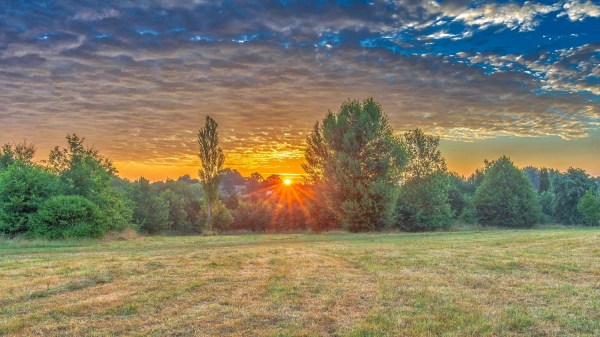
Bird spotting
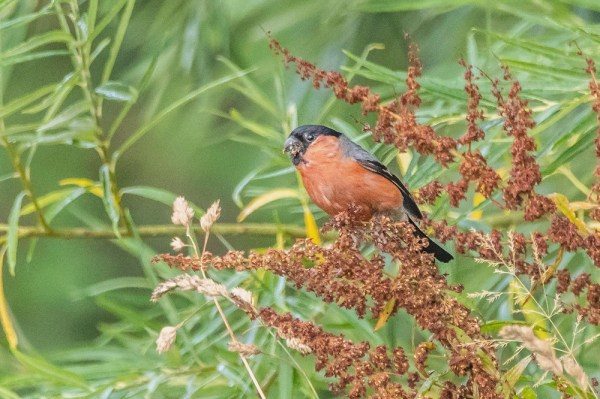
Words and pictures by DKG:
“A few photos of a Heron, Bullfinch and a Robin.”

Heron

Heron

Bullfinch

Bullfinch

Bullfinch

Robin
Drought
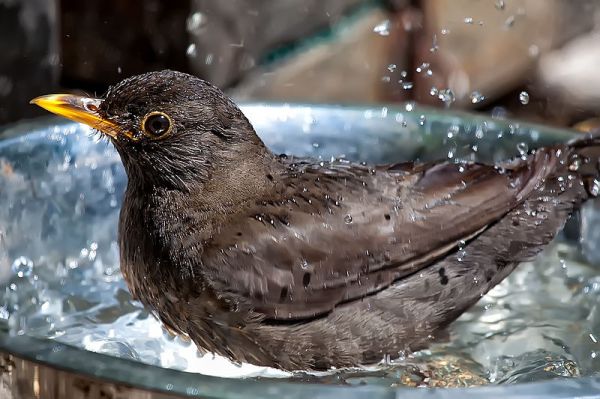
This is now the longest continuous period of drought since 1976. The park’s paths are dusty, the grass is brown and crunchy underfoot, some of the trees are shedding leaves in an attempt to stop water-loss and the streams are shrinking.
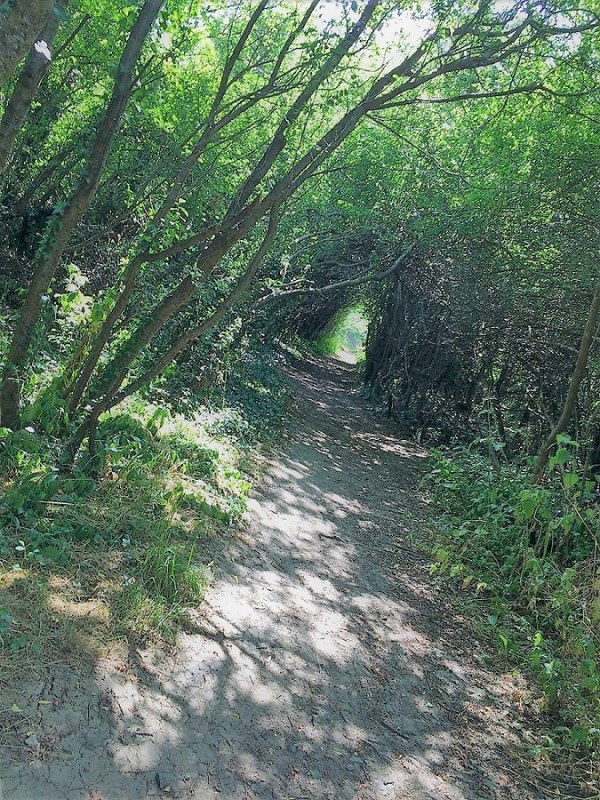
‘Path’ by Neave Duggan (aged 12)

Path by Neave Duggan

Path by Neave Duggan

Path by Neave Duggan
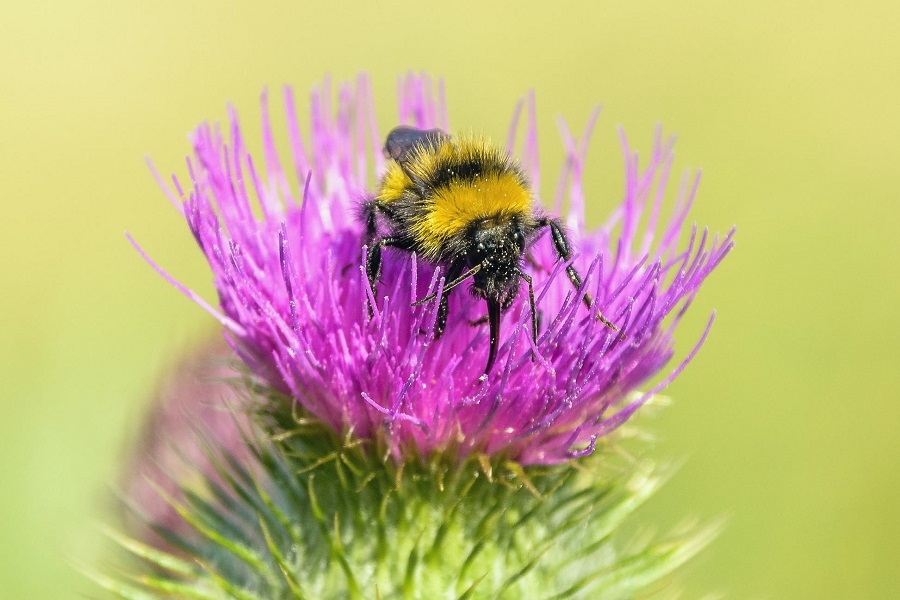
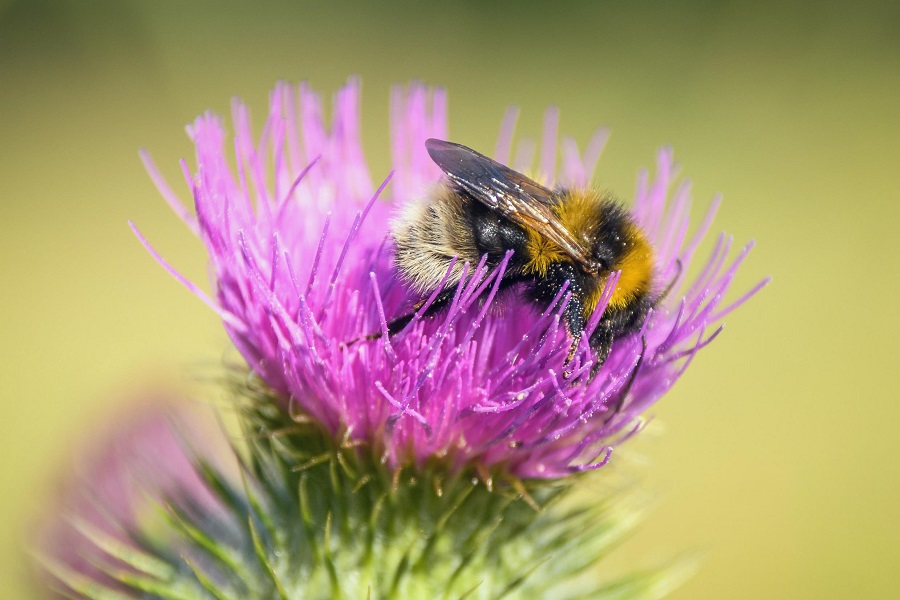
Garden Bumblebee

The header picture is of a garden bumble bee (Bombus hortorum) in a spear thistle flower at the edge of the large pond.


Who to write to about Trowbridge housing plan

A lot of people have asked who they can contact either to ask questions about the Wiltshire Housing Site Allocation Plan (henceforth known as WHSAP) or to register their objection to it.
Continue reading “Who to write to about Trowbridge housing plan”
Peacock butterfly – progress report
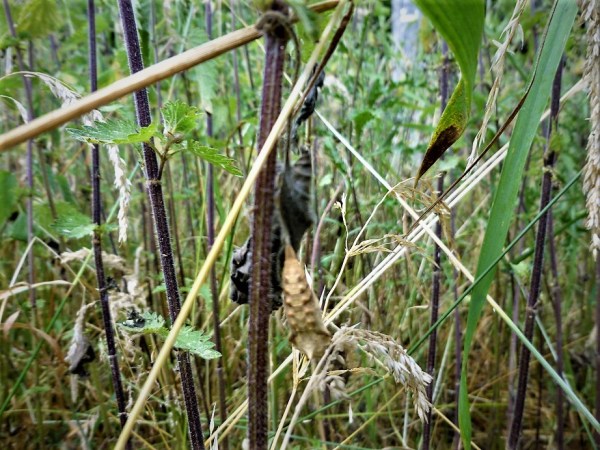
Remember the peacock caterpillars that Ian found in the nettle beds between Simpson’s Field and the Arboretum?
Read on for an updateWildlife corridor
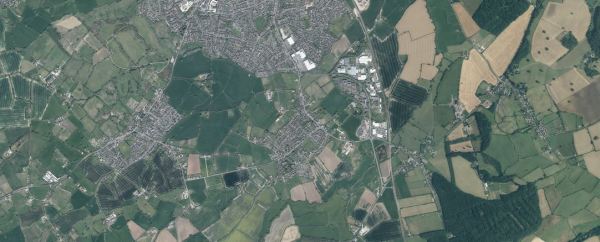
Above is an aerial photograph of the wildlife corridor between Trowbridge and the villages of Southwick and North Bradley. It connects the woods and open farmland east of the railway line to Southwick Country Park, Sleight Wood and Vaggs Hill in the west. Rare Bechstein’s bats from Green Lane Wood use the corridor to reach SCP where they feed.
Continue reading “Wildlife corridor”A closer look at insects

On Wednesday, DKG and his macro lens took a close look at some of the park’s invertebrate inhabitants.
Click on any picture to enlarge it.

Garden bumblebee on spear plume thistle

Large white butterfly on spear plume thistle

Small skipper on creeping thistle

Segestria senocata – Snake-Back Spider.

Rag Week

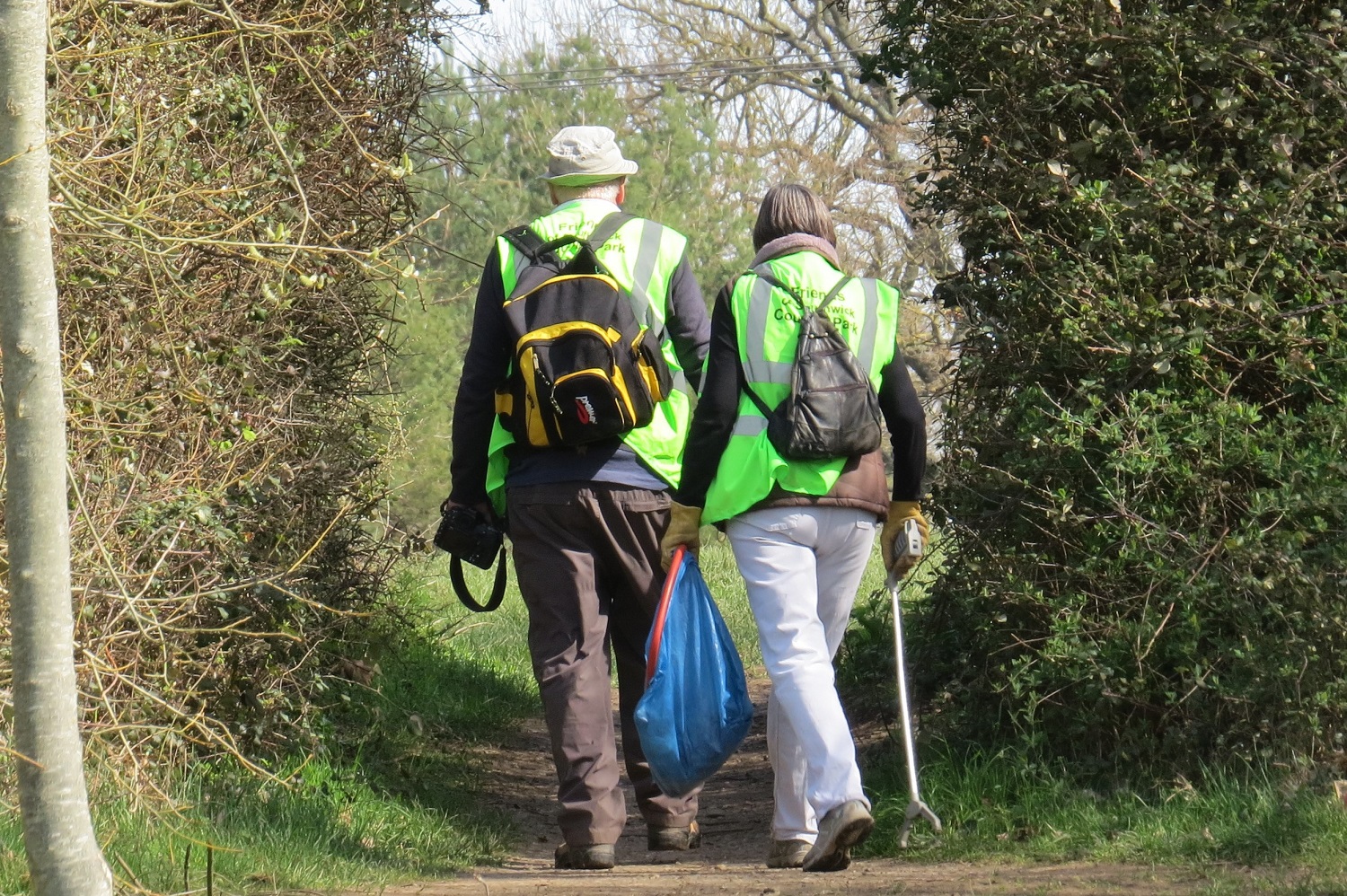
The heatwave has brought the ragwort into flower early. There isn’t a lot of it, but it’s blooming beautifully; threatened by drought, it will seed rapidly and each plant can produce as many as 150,000 seeds. So….. it’s time for all those who complained about the spraying in the spring to turn out to pull ragwort.


 Southwick Country Park Nature Reserve