Trees are cool!

There is a climate anomaly in the south eastern states of the USA that, until recently, scientists have been unable to explain. While the rest of the country has suffered from rapidly rising temperatures, these anomalous areas have either flatlined or cooled. What is going on?

Continue reading

Timing

Changing temperatures are initiating plant growth earlier and earlier every year. In the reserve, there are already primroses in flower. While we might find the early flowering of daffodils and snowdrops encouraging, there are other species in the park for which it might be a disaster.

Continue reading

The ground beneath our feet

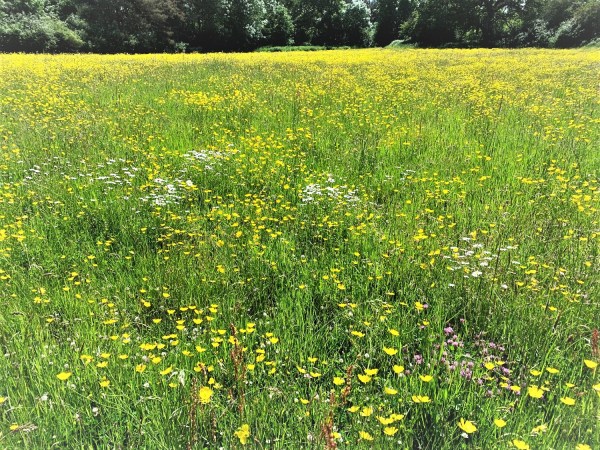
We rattle on about the reserve’s biodiversity, its species-rich hayfields, the insect life buzzing through the hedges and our woods filled with birdsong but we pay scant attention to its most biodiverse habitat, the soil.

Continue reading

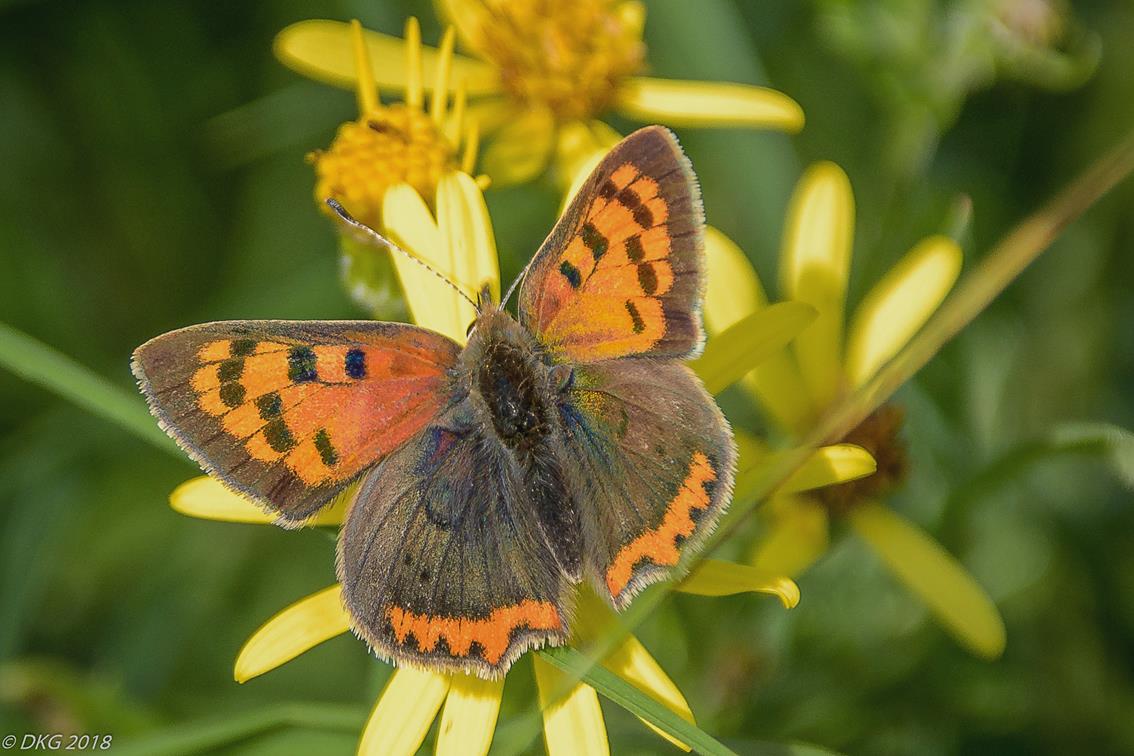
Five spot burnet moth

These are five spot burnet moths (Zygaena trifloii), dayflying nectar feeders. Regular contributor Cheryl Cronnie photographed this mating pair at the end of June.

Continue reading

Six spot burnet moth

This is a six spot burnet moth (Zygaena filipendulae), a dayflying nectar feeder, photographed on the reserve’s plentiful, nectar-rich, tufted vetch.

Continue reading

Six spot burnet moth

This is a six spot burnet moth (Zygaena filipendulae), a dayflying nectar feeder. Regular volunteer, Clive Knight photographed it yesterday on the reserve’s plentiful, nectar-rich, tufted vetch.

Continue reading

Environment Bill delayed

Three days ago, the government delayed the Environment Bill for the third time. Rebecca Newsom, head of politics at Greenpeace UK, said:

Time and time again the government tells us that ‘urgent action’ is needed to restore nature, that it will ‘build back greener’ and that we can’t afford to ‘dither and delay’. What then is it playing at by delaying the most important piece of environmental legislation for decades?

We don’t need to look any further than this week’s New Scientist to see the urgent need for legislation to protect our environment and the many lifeforms we share it with.

Continue reading “Environment Bill delayed”

Enhancing biodiversity

Protection does work.

Protected areas, national parks, nature reserves, and local wildlife areas do conserve biodiversity. In 2014, research undertaken by the universities at Exeter, Monash and Stellenbosch found that protected areas have significantly improved biodiversity. Plant and animal populations are measurably larger and there are more species inside the protected areas than there are outside: a wonderfully straightforward conclusion that everybody should be using to direct conservation policy.

Continue reading “Enhancing biodiversity”

Create a website or blog at WordPress.com

Up ↑