Record holders
Are the record breaking swifts back, yet?.
Continue reading

After yesterday’s video post, a reader asked what triggered the blue tit female (it is always the female blue tit that builds the nest) to stop collecting moss and to begin collecting what he called fluffy stuff. While failing entirely to find an answer to his question, I found a treasure trove of research into blue tit nests and the materials they use to build them.
Continue reading
The car park wagtails are a pair of grey wagtails but we have pied wagtails too.
Continue reading
Blue tit colours
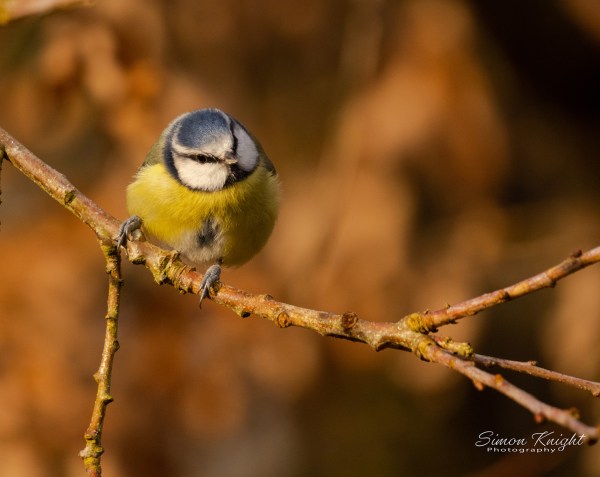
The blue tit (Parus caeruleus) has been classified as sexually monochromatic, which means that male and female are the same colour. This classification is based, though, on human colour perception, not on blue tit colour perception.
Continue reading
The British Trust for Ornithology has been collecting information about the UK’s birds since 1932.
Continue reading “BTO”
Coot (Fulica atra), small black waterbirds, close relatives of moorhens, visit the reserve in the spring. They have never nested here but we live in hope.
Continue reading “Coot”
Already, our songbirds are tuning up for the spring. Here are ten things you may not have known about birdsong.
The reserve’s song bird are tuning up for spring
Continue reading “Birdsong”
On Tuesday, a member of FoSCP saw a waxwing (Bombycilla garrulus) in the copse at the bottom of Kestrel Field. He didn’t get a picture and there was nobody to confirm the sighting so it hasn’t been added to our species lists yet. If you have seen it, or photographed it, please contact us.
Continue reading “Waxwing”
Ian reported a flock of fifty or more redwings visiting the reserve last week.
Continue reading “Redwings”



 Southwick Country Park Nature Reserve