At this time of year, the reserve’s blue tits are pairing up and scouting for nest sites.
Continue reading “Preparing for spring”Preparing for spring
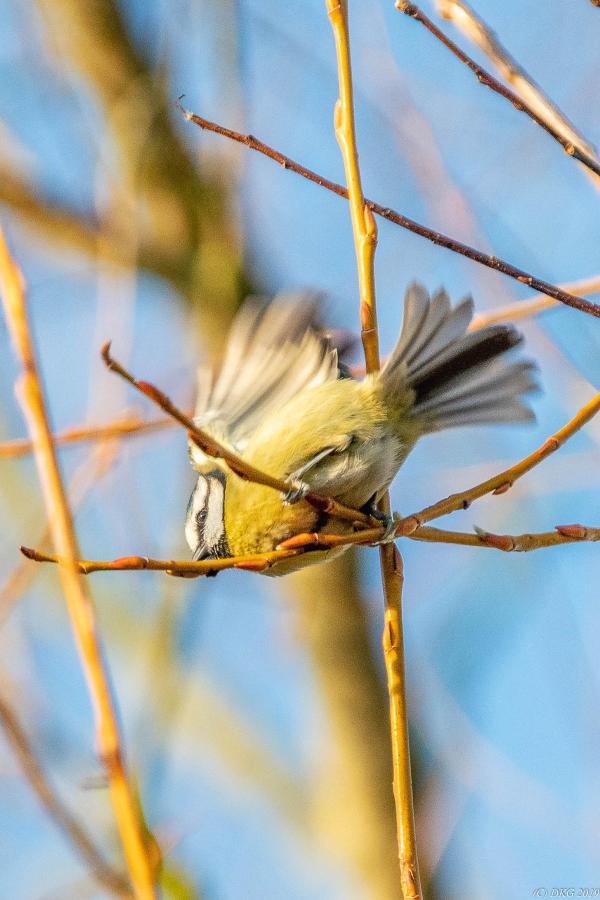
At this time of year, the reserve’s blue tits are pairing up and scouting for nest sites.
Continue reading “Preparing for spring”
Did you know that snowdrops are not native to the UK?
Continue reading “Snowdrop”
For a moment, imagine that you are one of the reserve’s willow warblers, a tiny grey-green bird, hunting spiders among the white willow trees and alders down by the Lambrok tributary stream.
Continue reading “Way to go”
At this time of year, we are inclined to think of our migratory birds as leaving the reserve’s cold, damp fields and woods to fly south and spend their winter somewhere warmer. But, for some of the birds on our species list, Southwick is the somewhere warmer. The autumn migration is swap-over time.
Continue reading “Coming and going”
Most of our swifts have already left for their long winter sojourn in warmer climates.
Continue reading
After the breeding season is over, the reserve’s birds, like this untidy robin. moult.
read on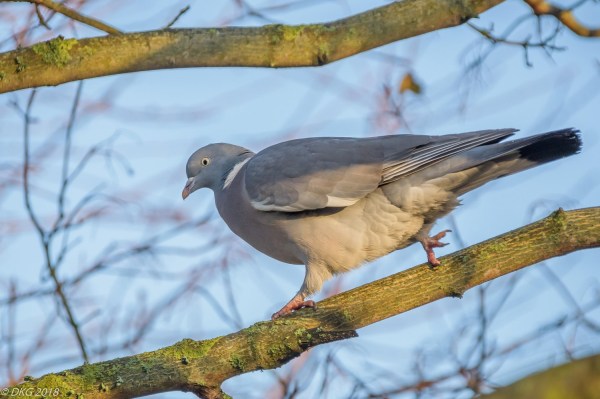

Coal tits (Periparus ater) are shy, fast-moving, acrobatic little birds that weigh hardly more than a 50p piece. They don’t sit still for long, which makes them hard to identify among the reserve’s busy population of similar Paridae.
Continue reading “Coal tit”
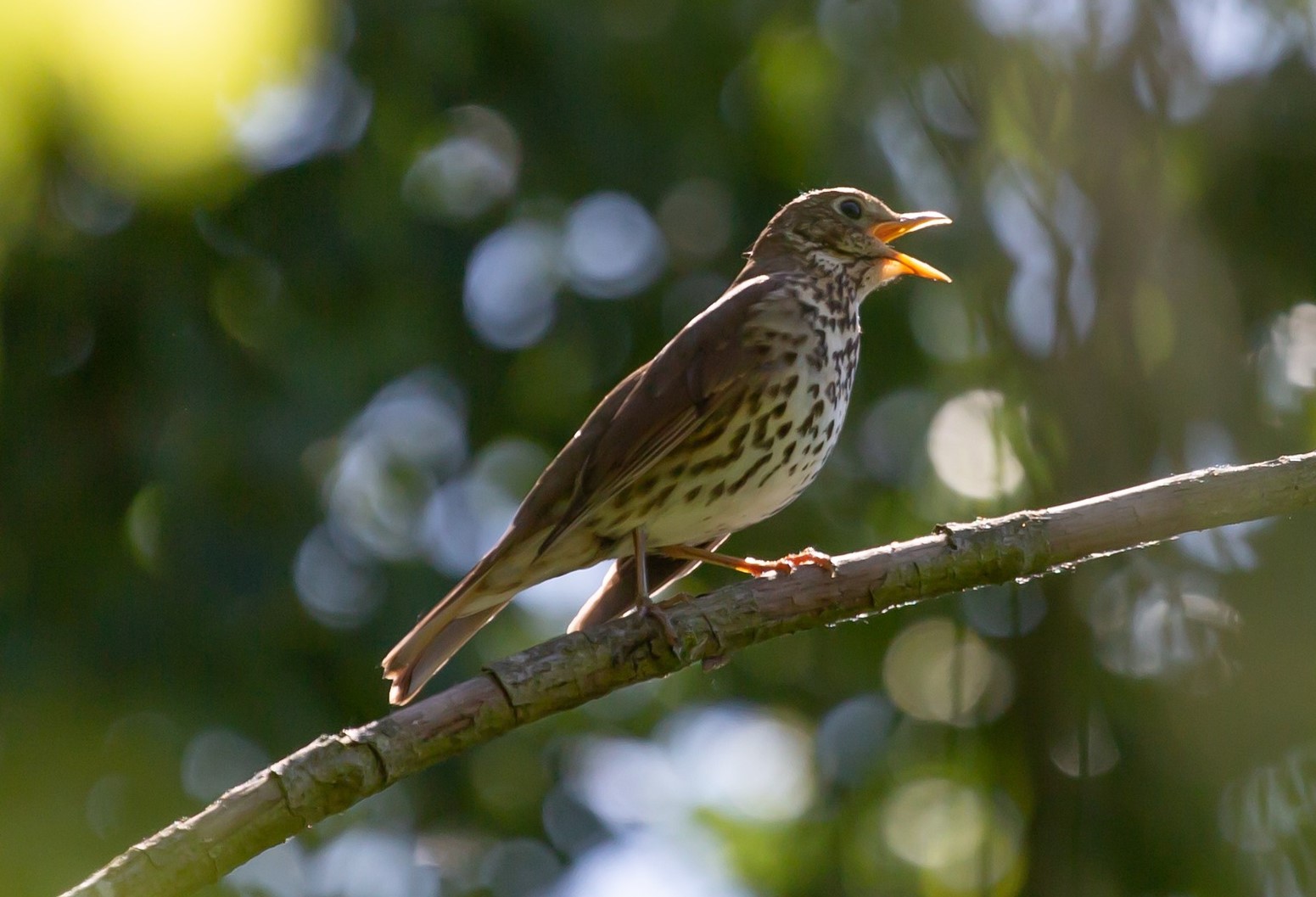
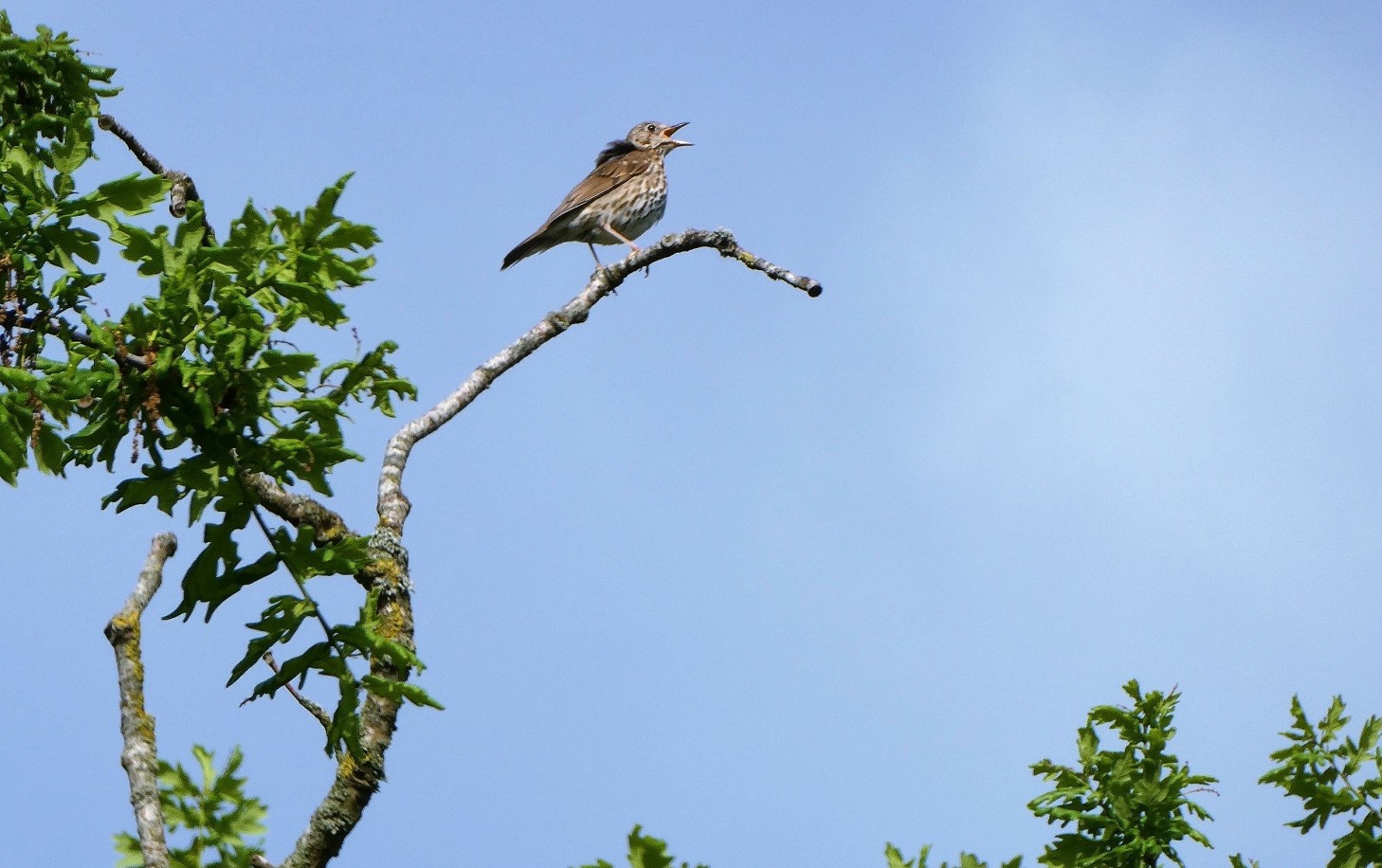
In July, our song thrushes are still singing, usually from a high perch and often after rain.

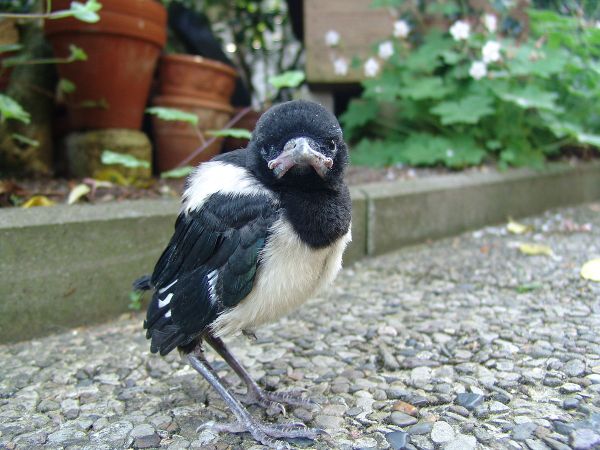

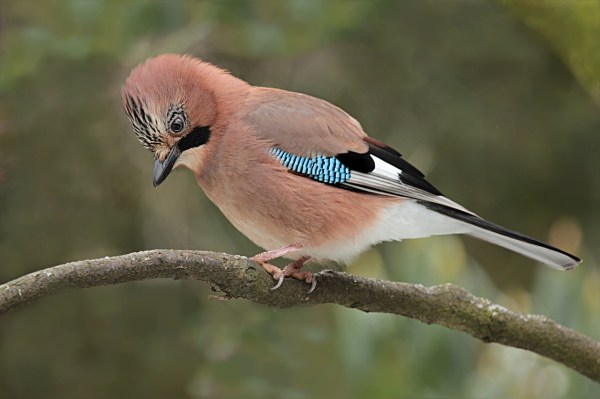
There are eight native species of corvid, of which we have six on the reserve’s species lists.
Continue reading “Corvidae”

Here is a link to the results of the RSPB’s Big Garden Birdwatch 2024, the latest in the Society’s 45 year-long experiment in citizen science. Please click the link and read their post – if we don’t recognise the magnitude of the problems we face, we might not have the resolve the tackle them.
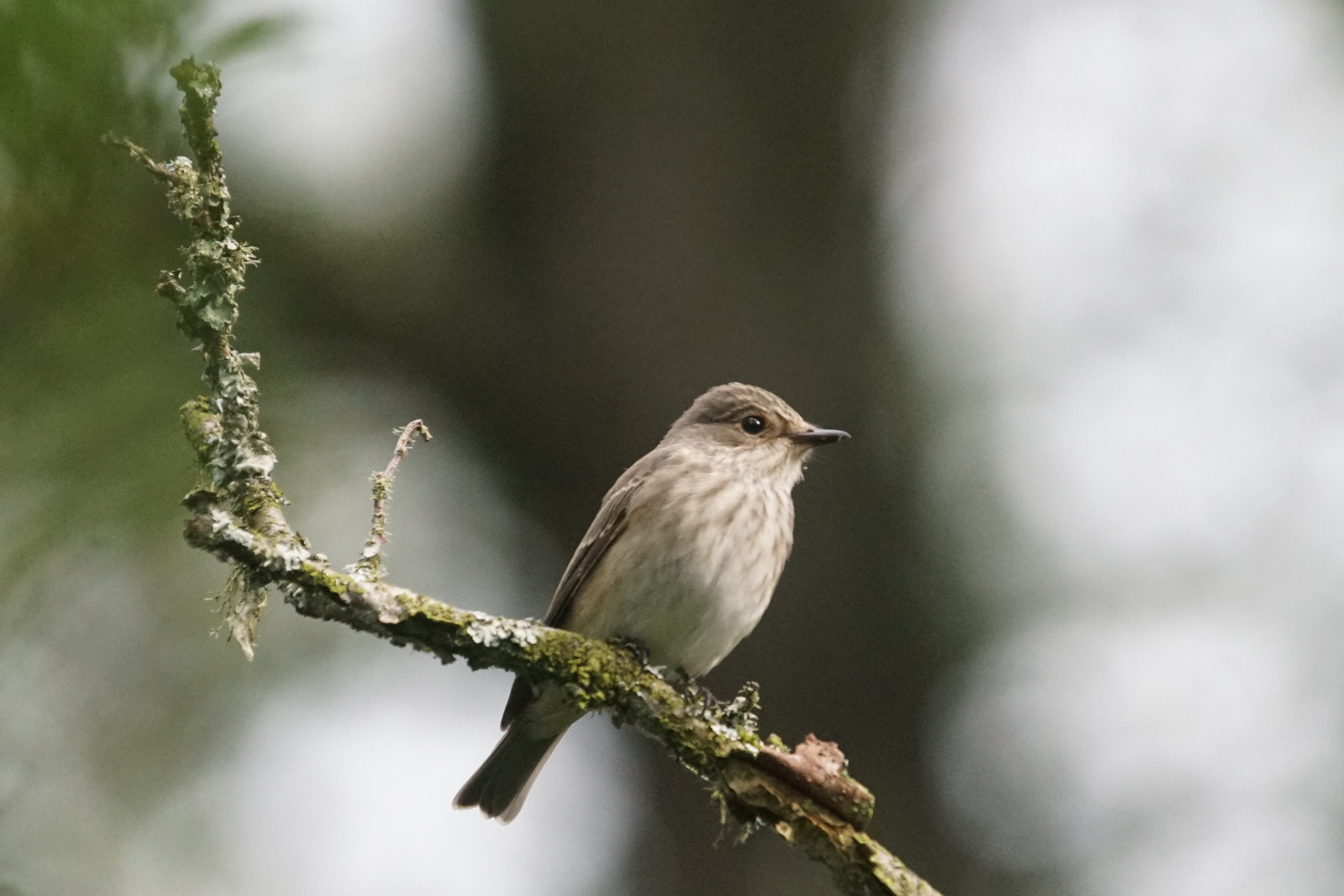


The Garden Birdwatch concerns itself with the most frequently seen species; here are some of the rare Red Listed birds that are resident in, or passing through, the reserve: spotted flycatcher, mistle thrush, greenfinch, skylark and common swift
Header image: Fieldfare © Teresa Reynolds (CC BY-SA 3.0)

Cheryl Cronnie, a regular contributor, has sent in photographs of a buzzard (Buteo buteo) perched in one of the reserve’s veteran oaks.
Continue reading “Buzzard”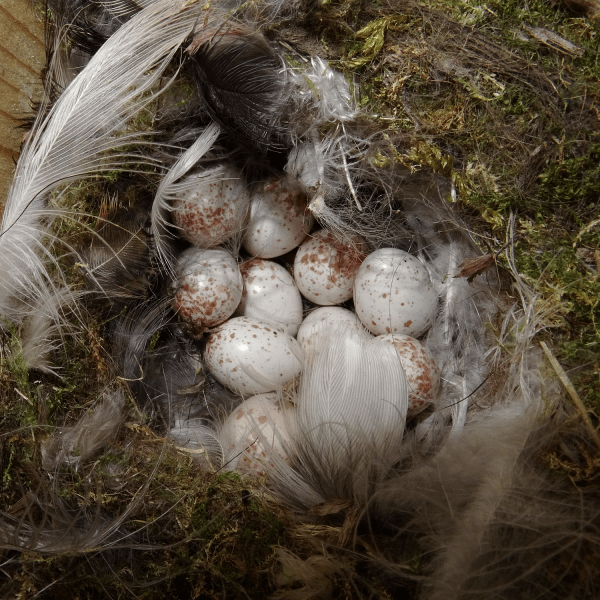
In the header photograph, the blue tit’s eggs are lying in a cup shaped nest lined with soft feathers that are obviously intended to keep the eggs warm. But around the edge of the cup there are larger feathers; their purpose is not so clear.
Continue reading
After yesterday’s video post, a reader asked what triggered the blue tit female (it is always the female blue tit that builds the nest) to stop collecting moss and to begin collecting what he called fluffy stuff. While failing entirely to find an answer to his question, I found a treasure trove of research into blue tit nests and the materials they use to build them.
Continue reading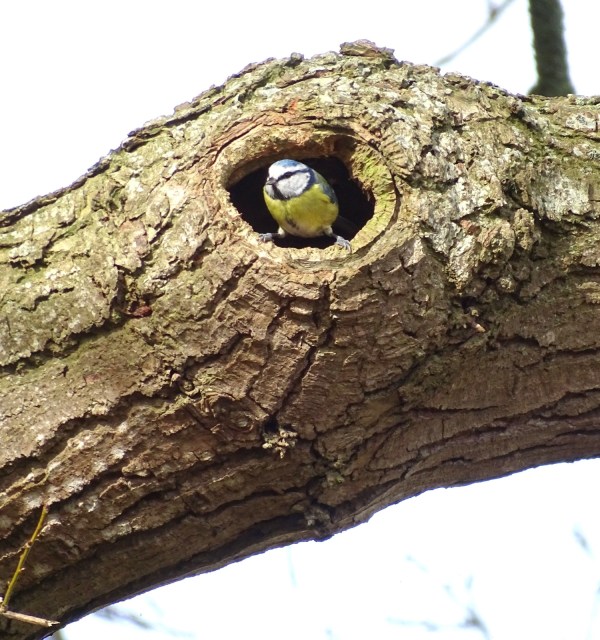
Anybody want to guess how many blue tits are building nests in the reserve today? Here’s how it’s done.
Header image taken in the reserve by Cheryl Cronnie


The car park wagtails are a pair of grey wagtails but we have pied wagtails too.
Continue reading
Blue tit colours
The blue tit (Parus caeruleus) has been classified as sexually monochromatic, which means that male and female are the same colour. This classification is based, though, on human colour perception, not on blue tit colour perception.
Continue reading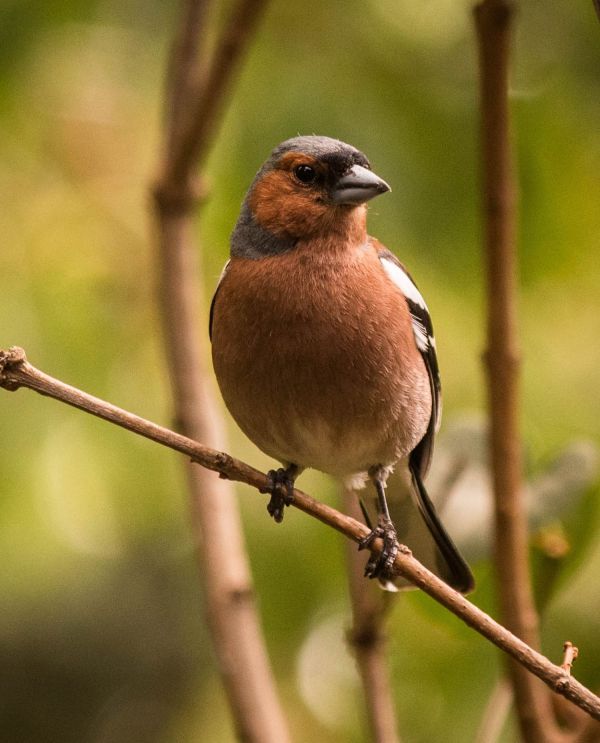
According to the RSPB, trichomonosis, an avian disease caused by a parasite called Trichomonas gallinae, has reduced the UK’s chaffinch population by 34% in the last decade.
Audio: Common Chaffinch by Krzysztof Deoniziak (CC BY-NC-ND 4.0 DEED) xeno-canto.org XC884915
Continue reading “Chaffinch”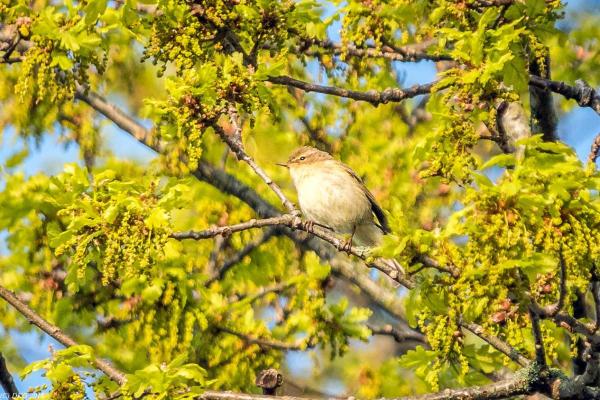
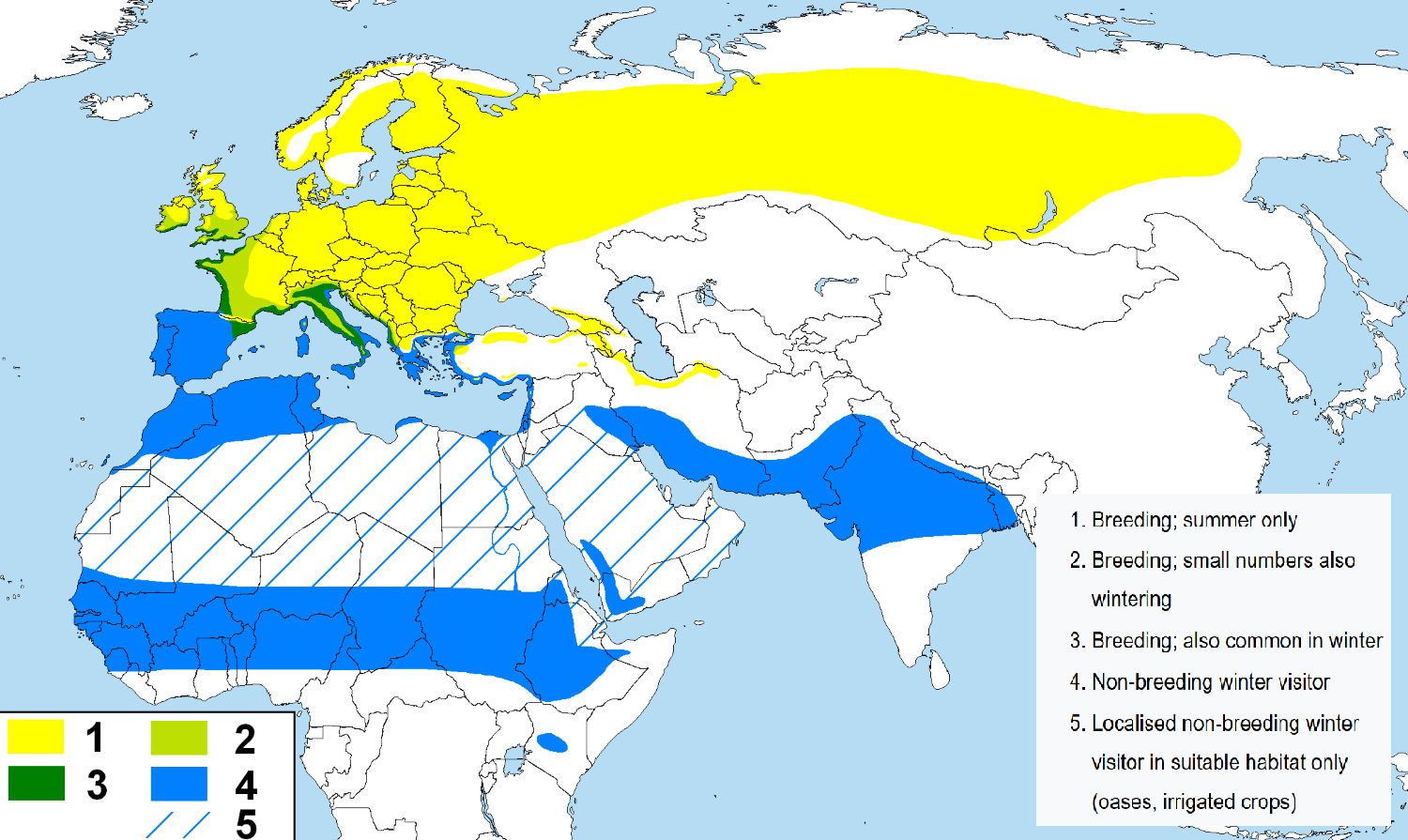
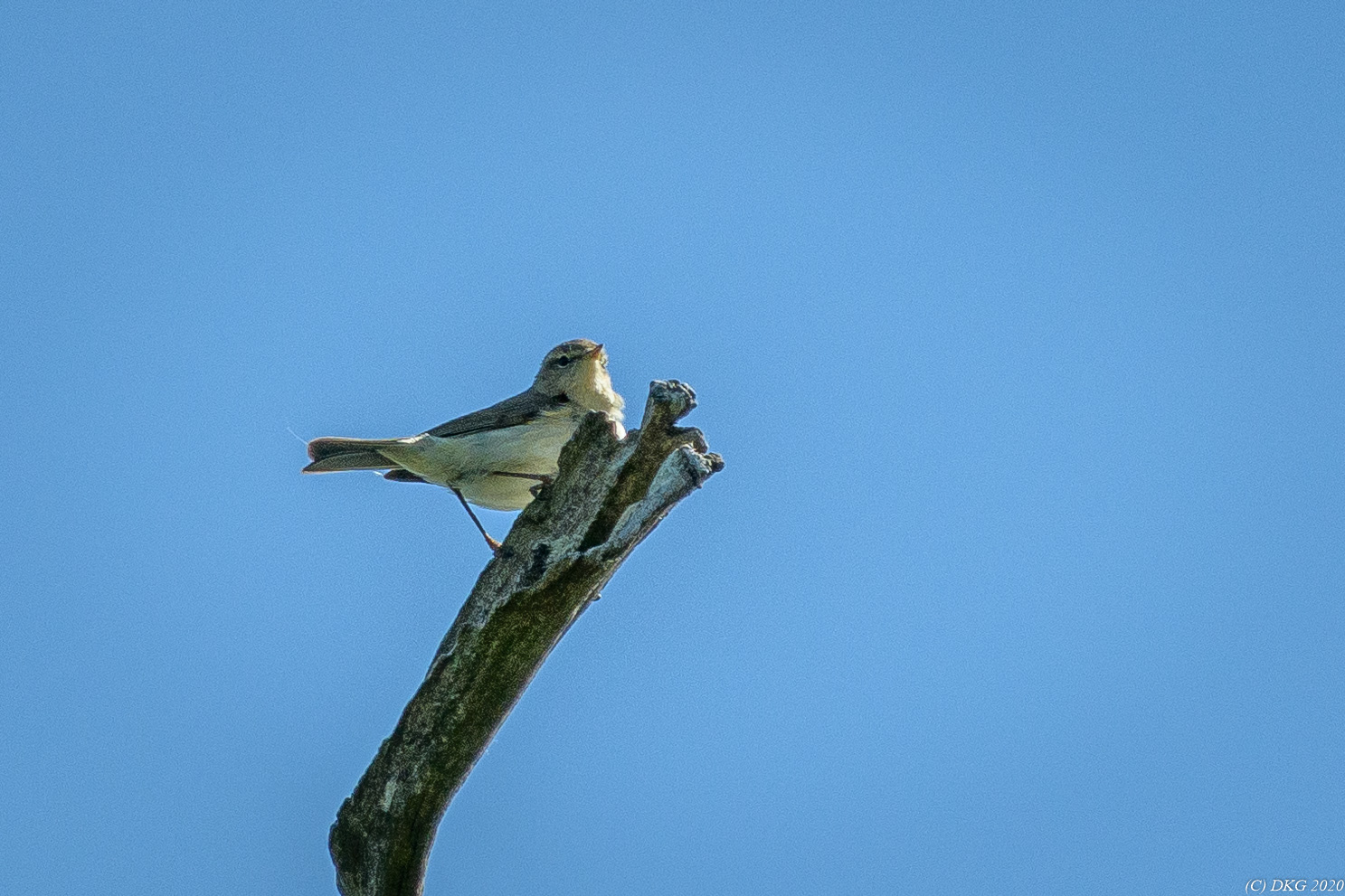
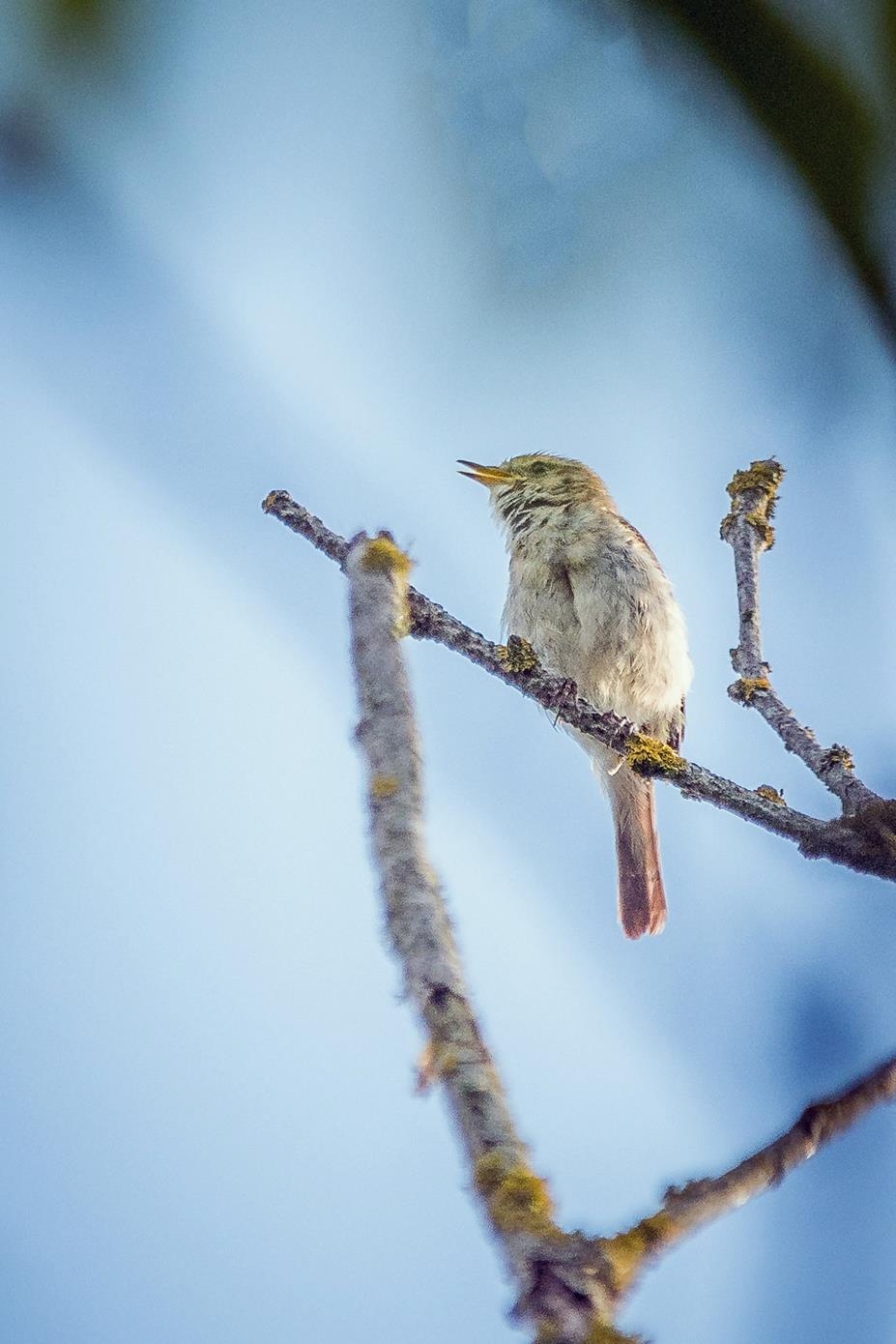
Has anybody heard our chiffchaffs yet? This is the time of year when they come back from the Mediterranean and Africa to nest in the park and their unmistakeable call is a welcome sign that spring is here, no matter how much it rains. Message or email us if you have heard them .


We have a resident moorhen on one of the reserve’s lesser-known ponds.
Continue reading “Moorhen”
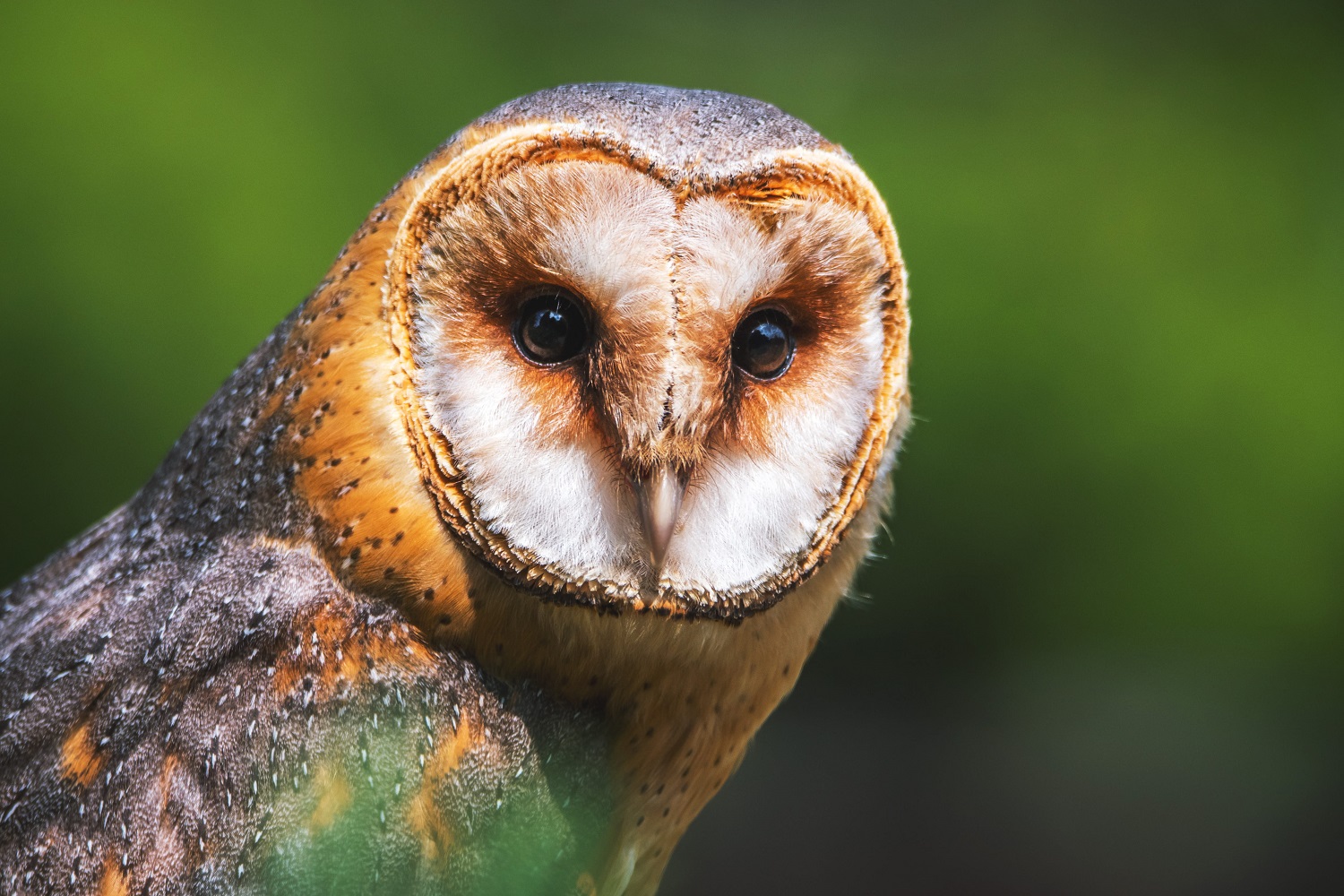
Most years, in March, the reserve is visited by a pair of barn owls. As barn owls mate for life, this is probably the same pair each year looking for a nest site. They always set up a temporary roost in one of the oak trees in the hedge in the centre of the field between Church Lane and Lambrok Meadow and hunt across our fields in the early dawn.
Have any of you up-with-the-lark early morning dog walkers seen them this year? Please let us know if you have.





 Southwick Country Park Nature Reserve