Here are some of the reserve’s robins all fluffed up against the cold.

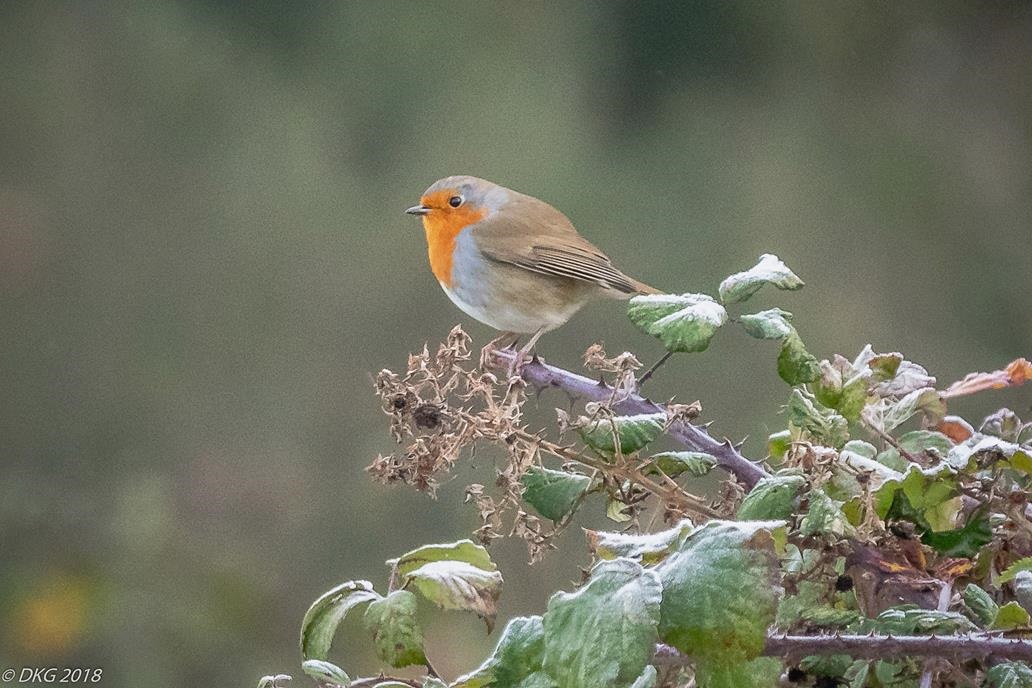


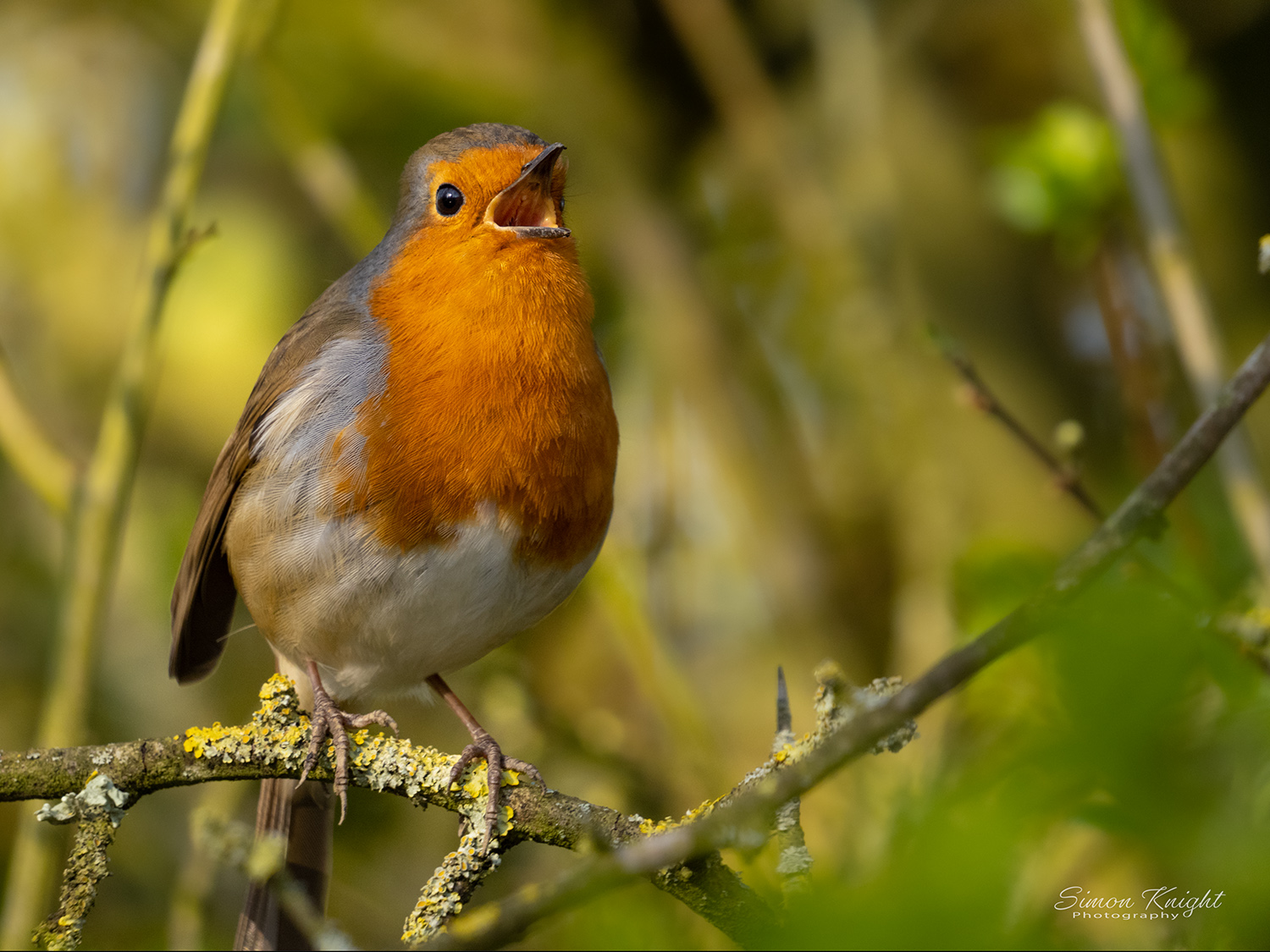


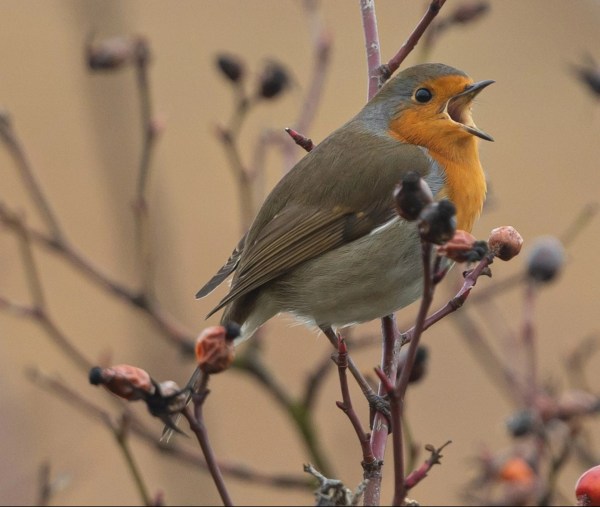
Here are some of the reserve’s robins all fluffed up against the cold.

Tawny owls come to the reserve to hunt our plentiful field voles.


The Winter moth (Operophtera brumata) is one of the few Lepidopterans that can cope with winter’s freezing temperatures in its adult stage. They are endothermic which means that they can produce heat internally by biochemical processes, just as warm-blooded creatures do.
Continue reading “Winter moths”
Apparently, great tits in the UK have longer beaks than Dutch great tits: data analysis has shown a difference of 0.3mm. What’s going on?
Continue reading
Goldfinches come to the reserve in flocks during the winter to feed on seeds in our hedges and edges.
Continue reading
Treecreepers (Certhia familiaris) are shy, quiet, and rarely seen. We know they visit the reserve to feed and we hope they are long term residents that will nest here in the spring.
Read on: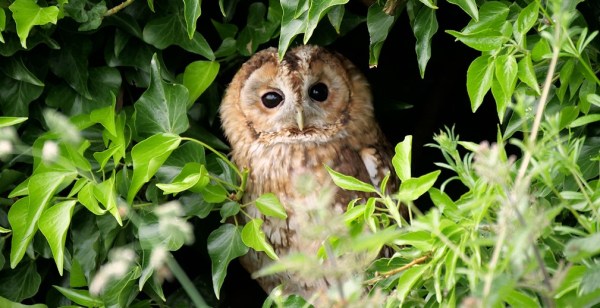
When you are out trick-or-treating this Hallowe’en and you hear a tu-whit tu-whoo noise, go carefully because it isn’t an owl.
Click for audio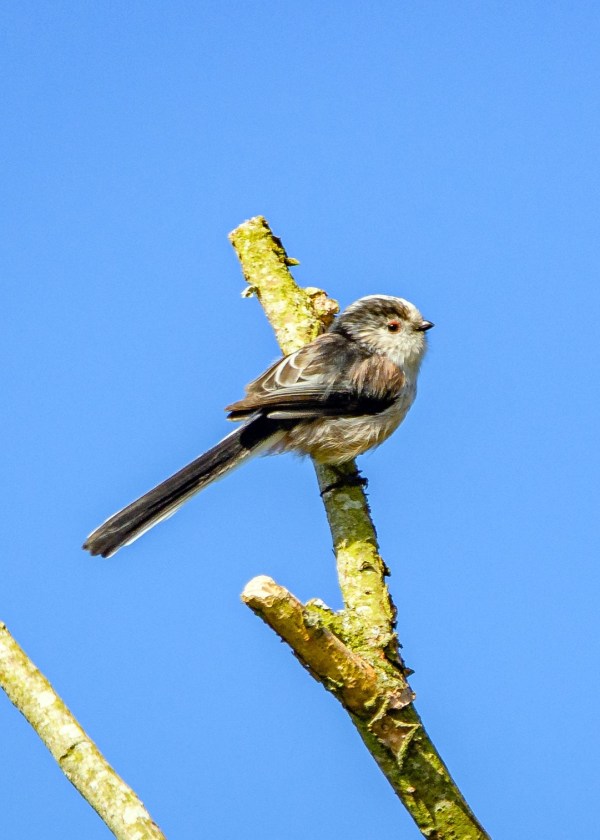
A look back to 2019: a long tailed tit photographed in the reserve by DKG.
Continue reading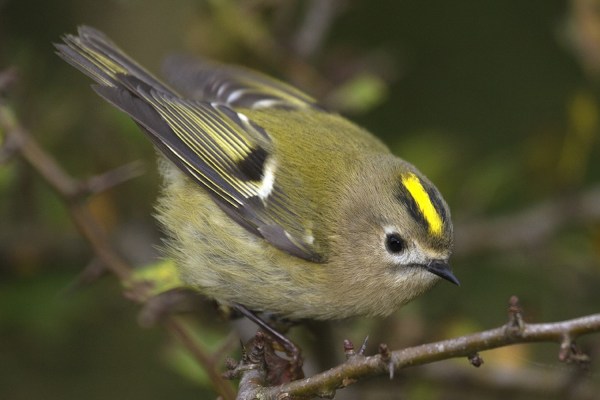
From one of the UK’s biggest birds to two of its smallest. Goldcrests are resident in the reserve but we have not identified a firecrest here yet. Their UK numbers are rising so we live in hope. Here is a video from the excellent BTO Bird ID series to help you identify these two tiny birds.
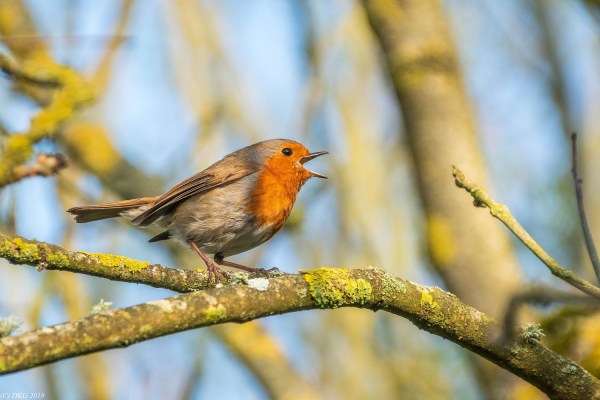
During the spring and summer, robins’ pair up and defend a joint territory, chosen specifically for its nest site and the nearby availability of invertebrate food suitable for nestlings. Now, at the end of September, those pairings have broken down and each bird holds an individual winter territory which it will defend fiercely: robins have been known to fight to the death over territory.
Continue reading
Fieldfare (Turdus pilarus) and redwing (Turdus musicus), migratory thrushes from mainland Europe, are common winter visitors to the park. They are easily confused; here is a video to help you distinguish the two species.
Header picture: Fieldfare (Turdus pilaris) by Teresa Reynolds (CC BY-SA 3.0)
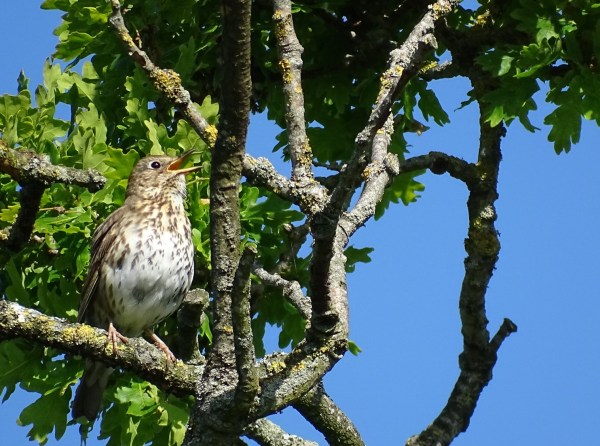
We have both song thrushes (Turdus philomelos) and mistle thrushes (Turdus viscivorus) in the reserve. Here is a video from the British Trust for Ornithology that will help you tell the two species apart.
Header image: Song thrush by Cheryl Cronnie (SCPLNR 06/2023)

Analysis of records kept since 1964 has found that some species of European migratory birds are spending up to 60 days less each year in their sub-Saharan wintering grounds. Over the most recent 27-year period, migratory birds, including the whitethroats commonly seen in our reserve, were found to have increased their time in Europe by an average of 16 days. It has even been suggested that some species may stop flying south for the winter altogether.
Continue reading
This is the time of year when the summer’s brood of fledgling kingfishers are driven away from the home territory by their parents, and set off to look for good fishing grounds of their own.
Continue readingOur swifts are leaving already.
Continue reading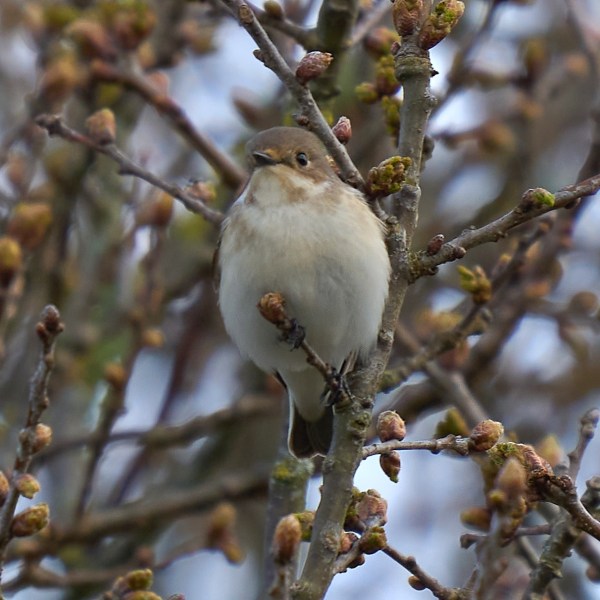
After the triumph of the silver washed fritillary, Max is back with a possible sighting and a photograph of another new species for our lists: a female pied flycatcher.
Continue reading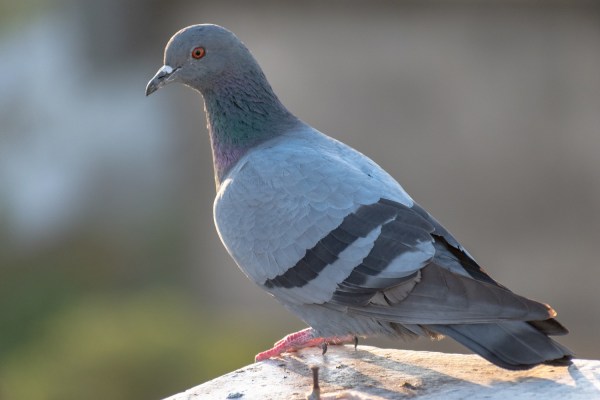
Rock doves (Columba livia) are known to have been domesticated for more than 5,000 years. They are mentioned in cuneiform writing on clay tablets dug up in Mesopotamia and in hieroglyphics on the walls of ancient Egyptian tombs. There is a growing belief among archaeologists that these pigeons were, in fact, the first birds to be domesticated, more than 10,000 years ago,
Continue reading “Pigeon post”

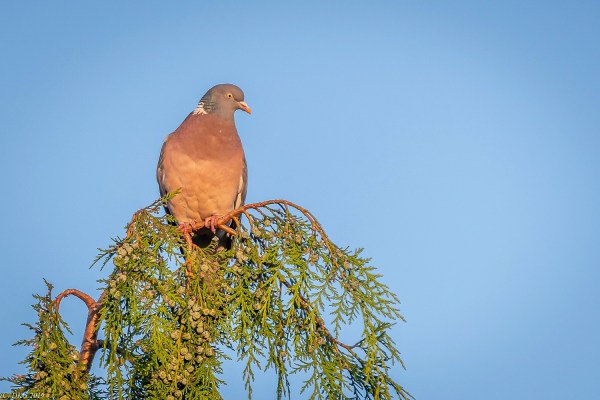
ONE: Wood pigeons are the most numerous large bird in Britain with an estimated 5 million breeding pairs.
Click here for more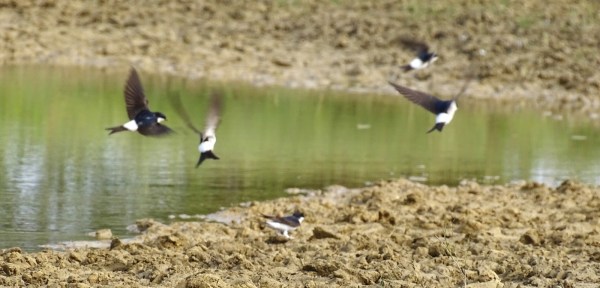
Regular contributor Cheryl Cronnie has sent pictures she took last week of house martins (Delichon urbicum) collecting mud from the banks of the new pond in Lambrok Meadow.
Continue reading “House martins”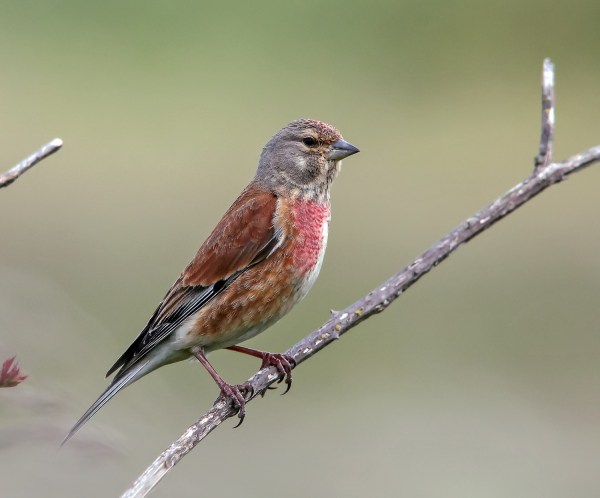
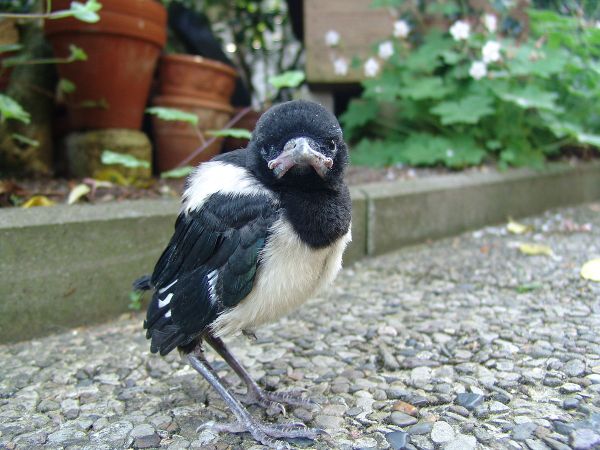
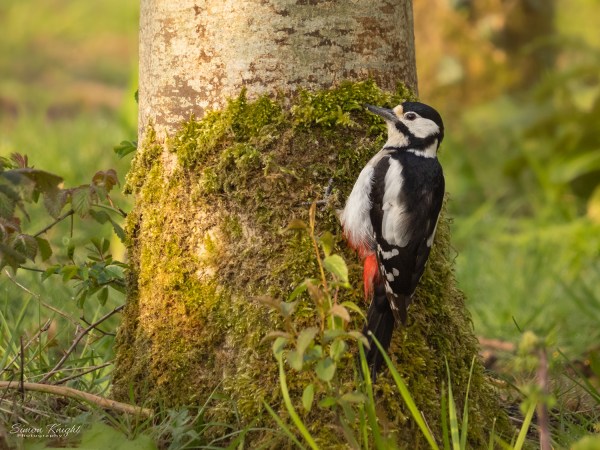
There are three species of woodpecker native to the UK. Two of them, the green woodpecker and the greater spotted woodpecker, nest in our reserve. Here is a short video to help you tell them apart.
Header image: greater spotted woodpecker photographed in the reserve by Simon Knight.


Message from Tom [08:46 24/05/2023]
A friend just found these in her front garden. They look like swifts. What do we do?

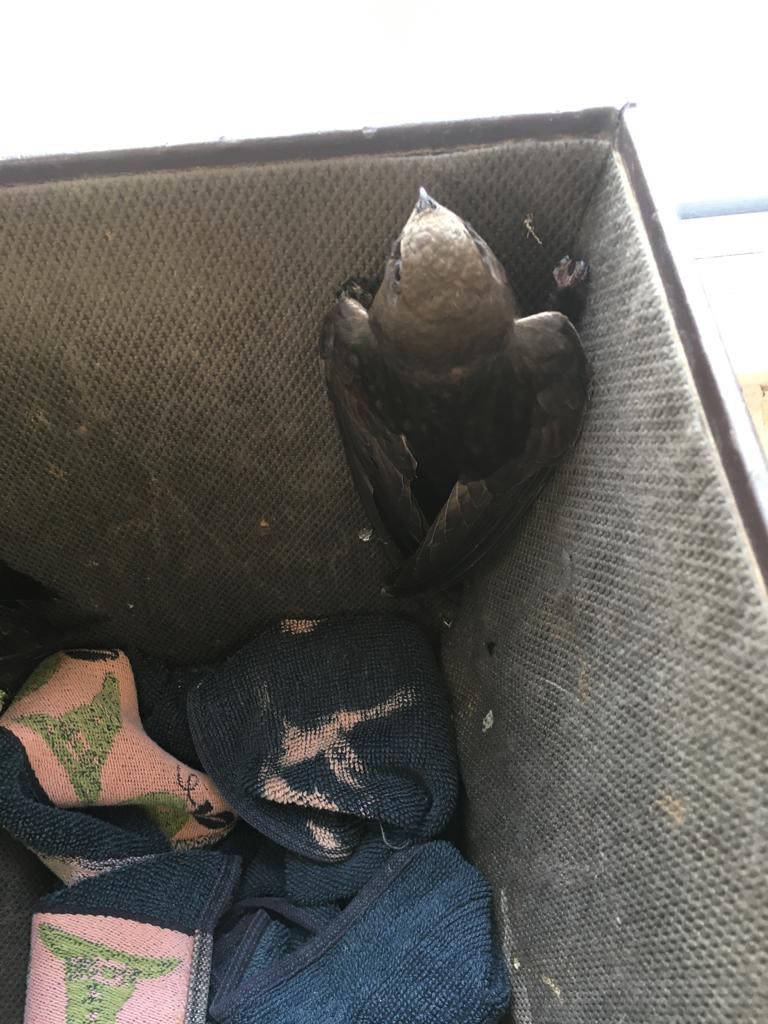

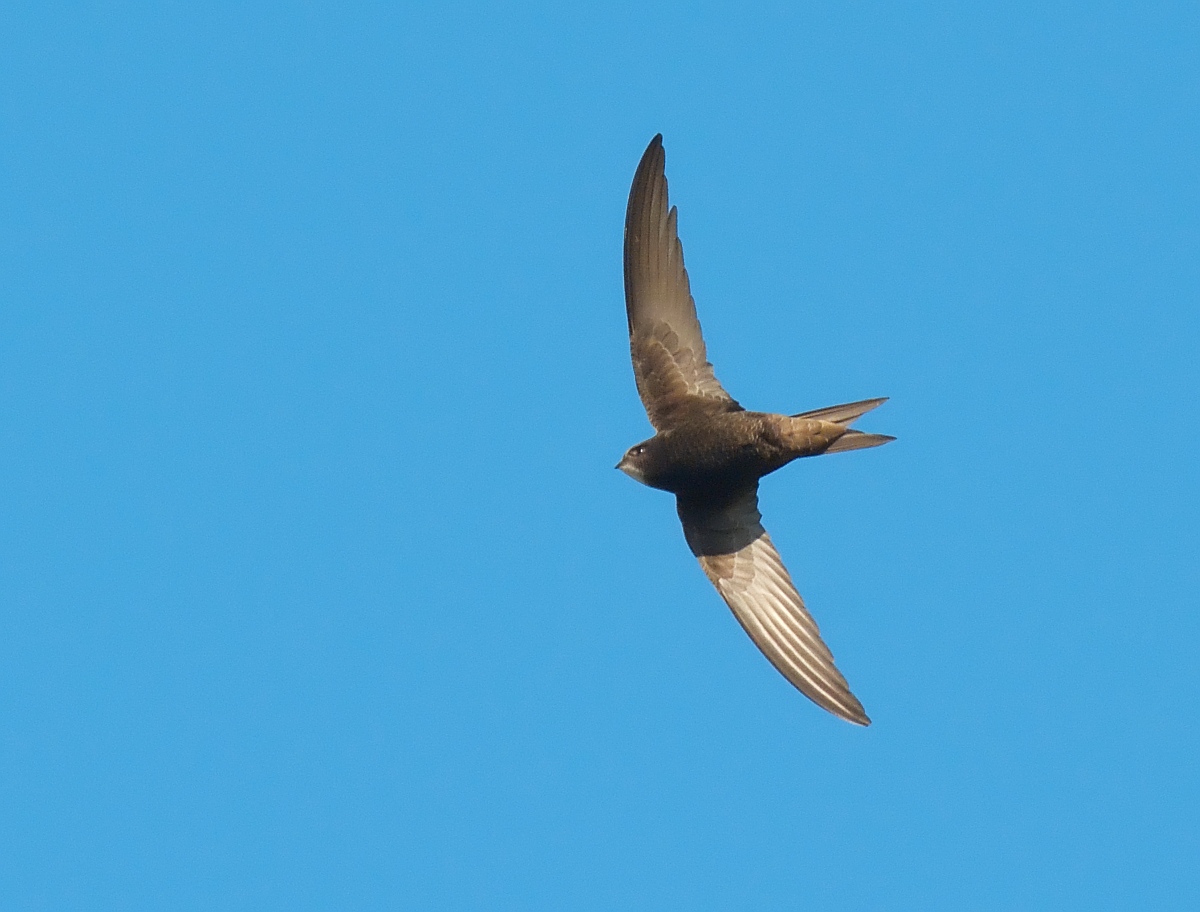
Data collected by researchers from Lund University in Sweden show that common swifts spend almost their entire 10 month non-breeding period in continuous flight. Nearly all of the swifts returning to nest sites in and around Trowbridge this summer from their winter home in sub-Saharan Africa will have been in flight non-stop since they left us last year.





 Southwick Country Park Nature Reserve