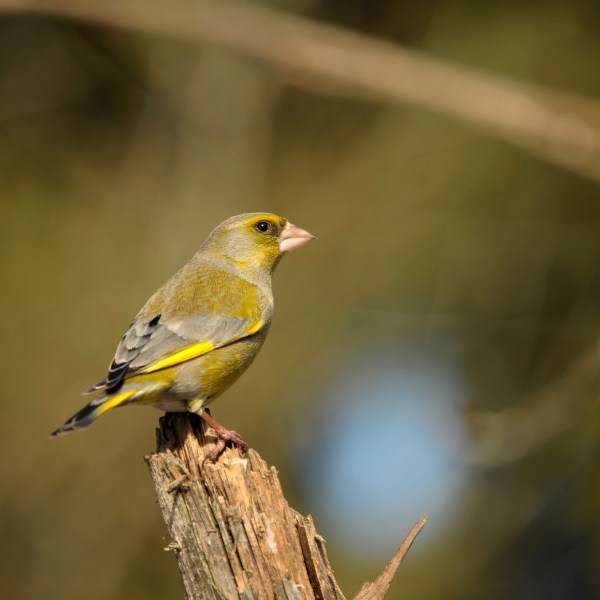
Greenfinch

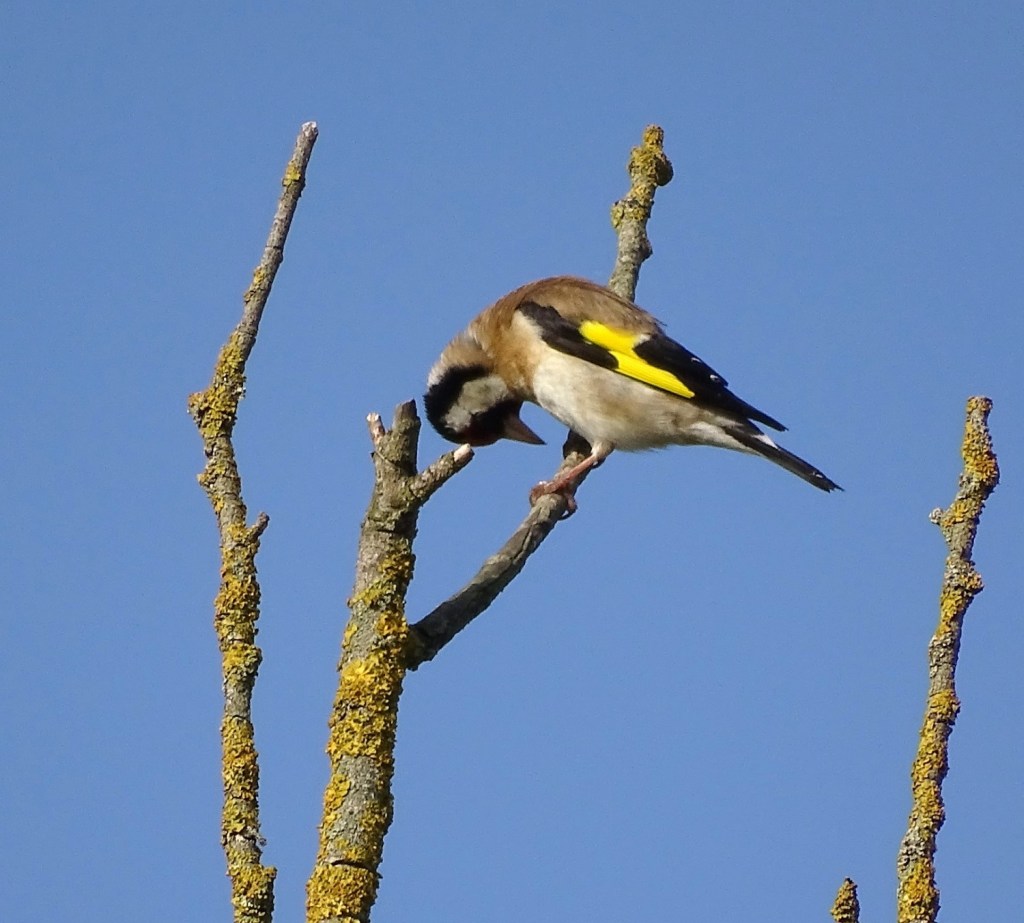
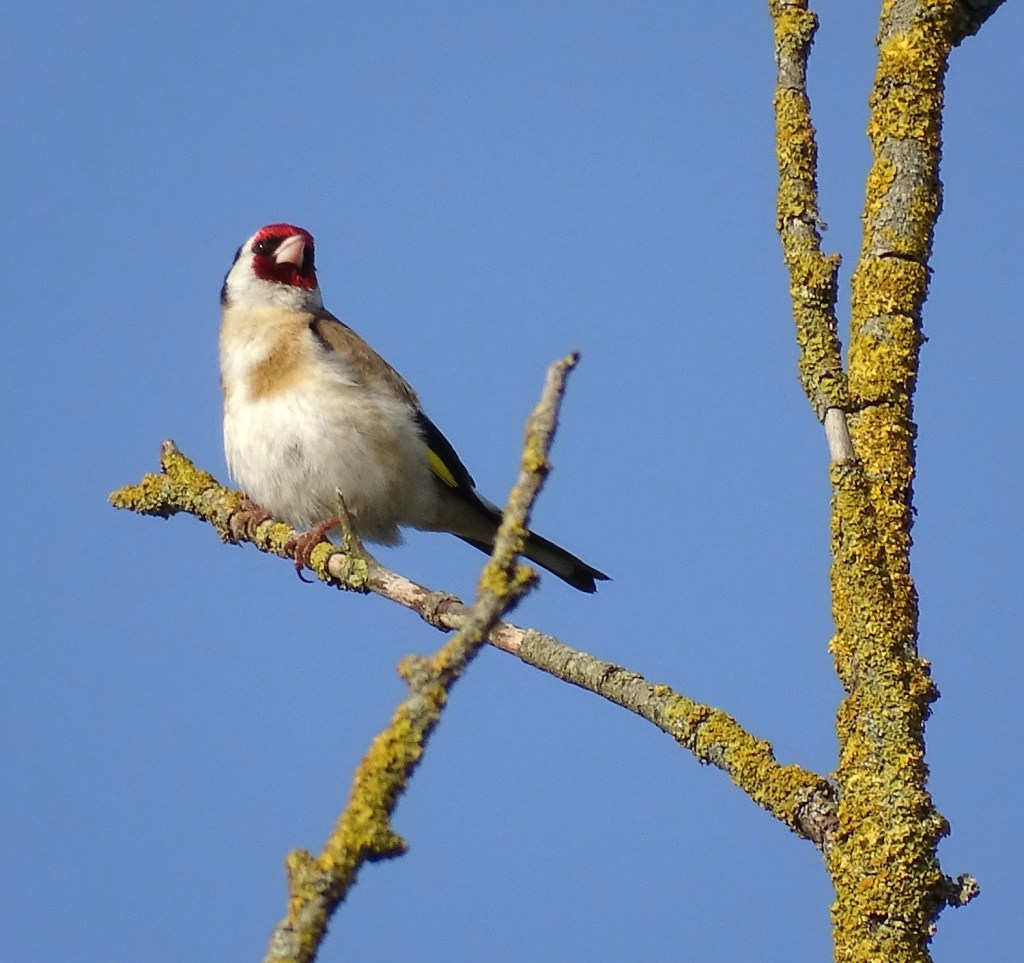
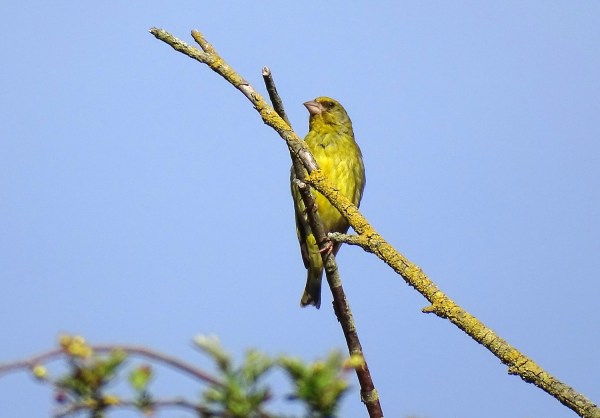
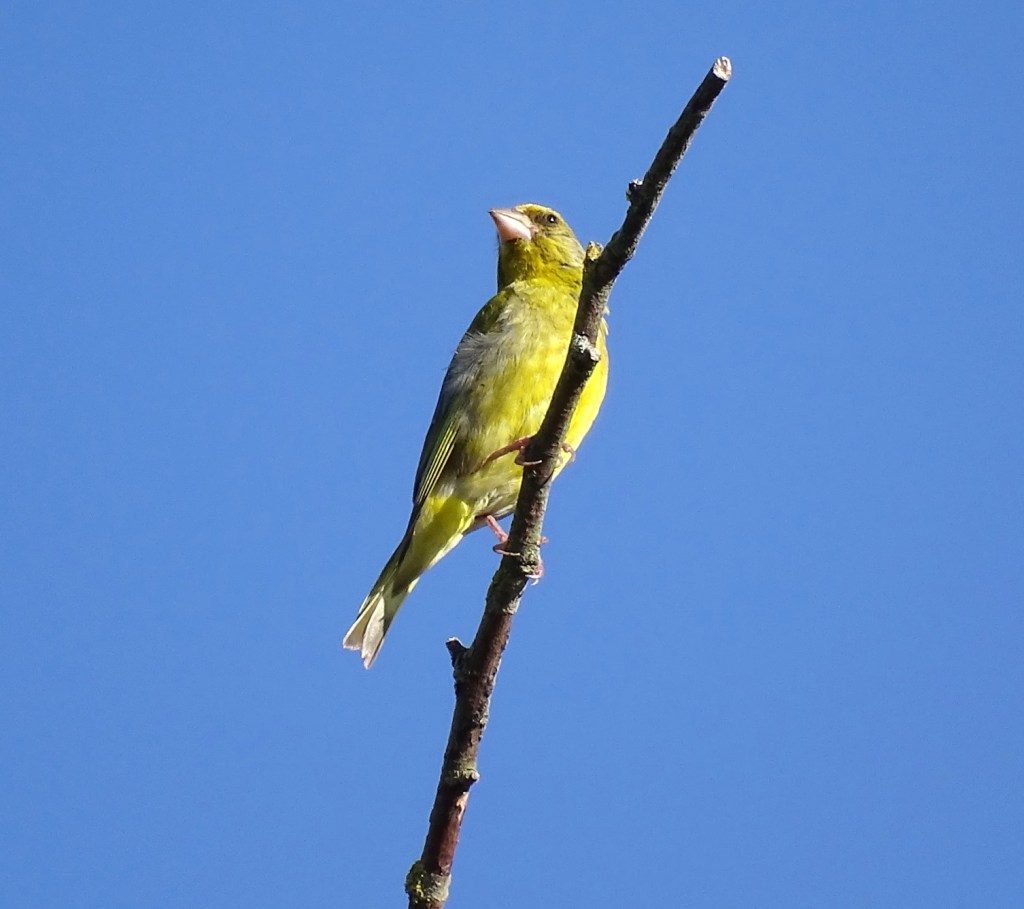
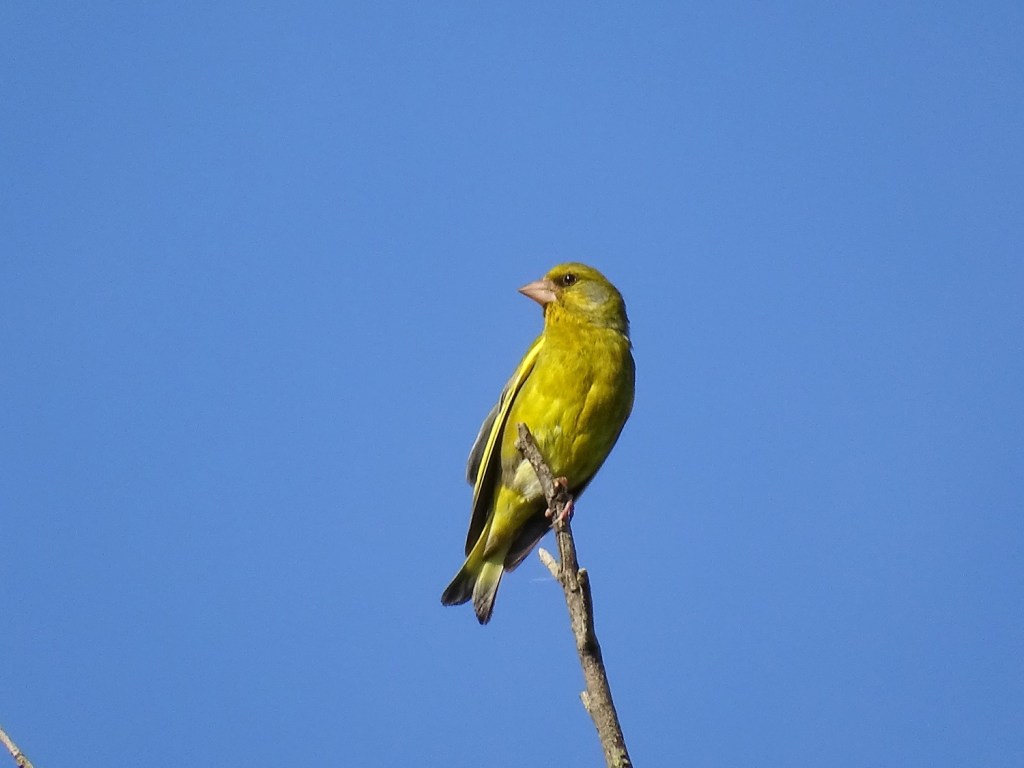
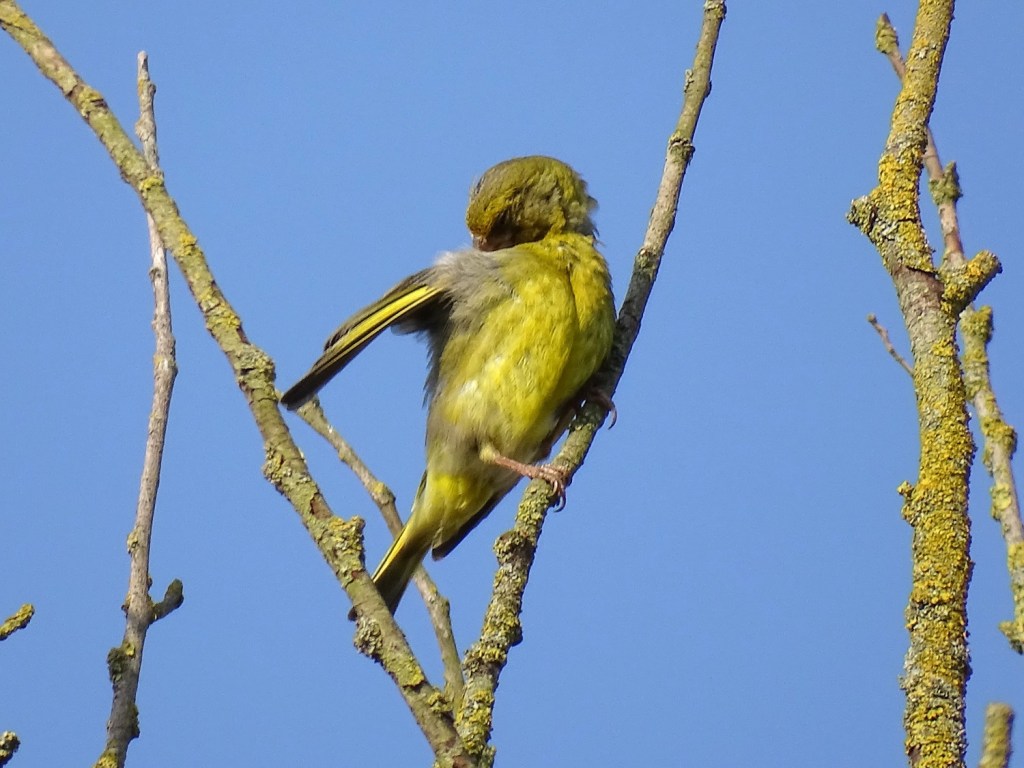
A greenfinch photographed in the reserve on Friday by Cheryl Cronnie.

Thrush

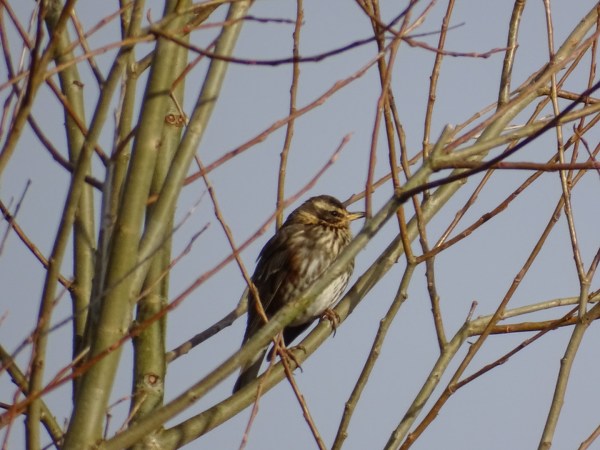
There are two species of thrush resident in the reserve: song thrush (Turdus philomelos) and mistle thrush (Turdus viscivorus).  Here is how to tell them apart:

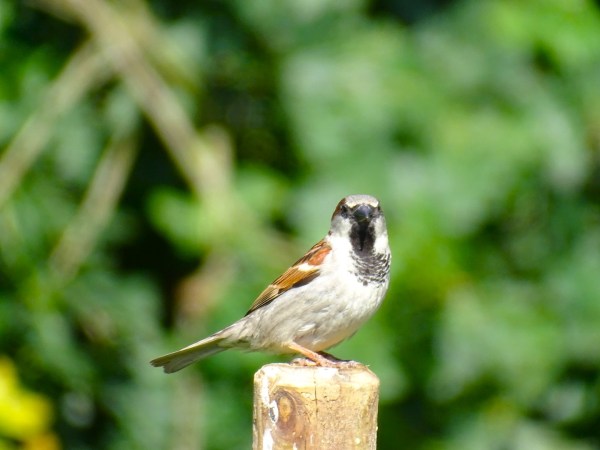
Cheryl Cronnie asks if this is a house sparrow (Passer domesticus) or a tree sparrow (Passer montanus) that she has photographed in the reserve.

Read on to find out

In response to yesterday’s fledglings, somebody sent me a link to a YouTube video of great tits leaving their nest. The screen is split so that you can see the inside and the outside of the nest box at the same time.

LBJ

The reserve is full of little brown birds. Small and brown seems to be some kind of default programme for birds and accurate identification can depend on an extra millimetre in a  brown tail feather or the exact shade of a brown eye-stripe. Until they are otherwise identified, the RSPB calls them all LBJs: Little Brown Jobs.

Continue reading “LBJ”

Meet the Robin Family

by Cheryl Cronnie

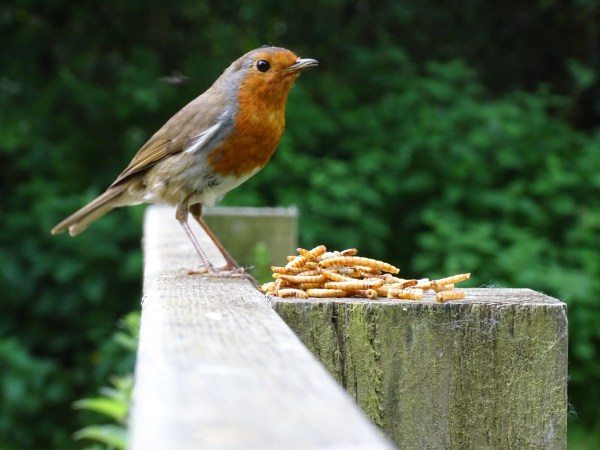
There’s a little story behind the robin in this picture, whom I’ve called Rocky Robin. I’ve been feeding him since the end of August 2021. 

Continue reading

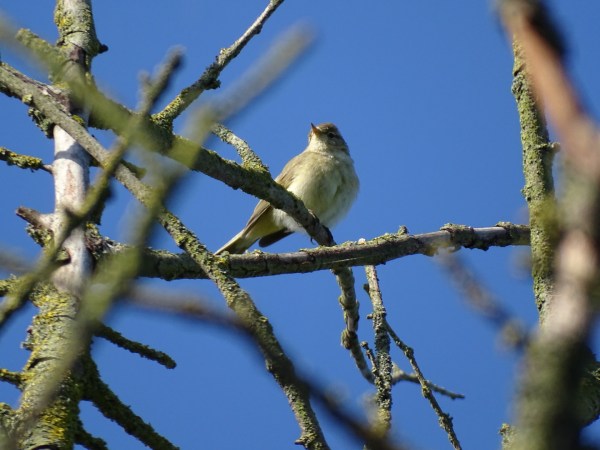
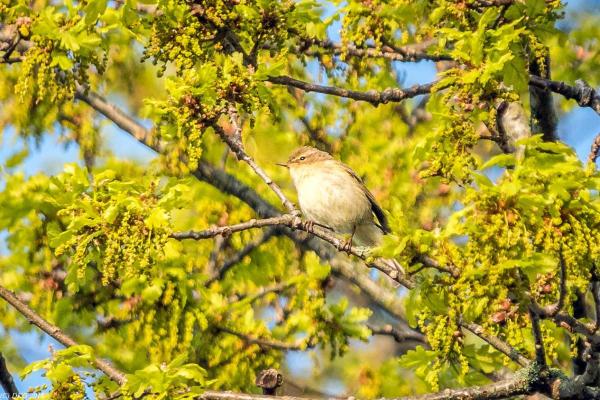
A willow warbler (Phylloscopus trochilus) photographed in the reserve by Cheryl Cronnie.

Audio: Willow Warbler by Stephen Barlow (CC BY-NC-SA 4.0) xeno-canto.org

Park photography

by Simon Knight

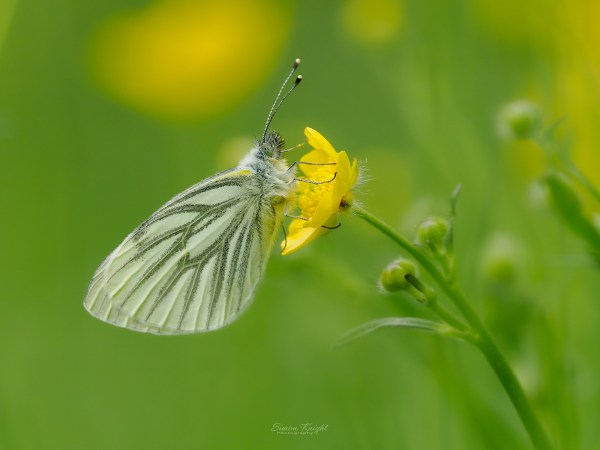
There’s not a huge amount of easy-to-spot insect life at the moment. There will be the odd butterfly or two about: speckled wood, peacock, brimstone, small white, comma, green-veined white and holly blue. I managed to photograph this perfect male green-veined white in the picnic area whilst deliberating over whether to continue to feed the birds in the picnic area.

Continue reading

Song thrush

A song thrush singing from its perch right at the top of one of the reserve’s oak trees, photographed by Ian Bushell.

Song Thrush (Turdus philomelos) recorded by David Bisset (CC BY-NC-SA 4.0) xeno-canto.org

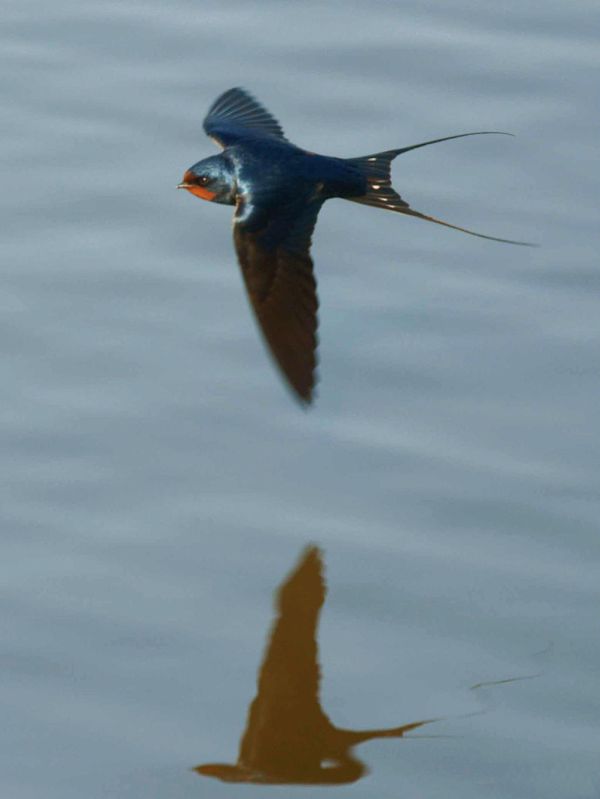
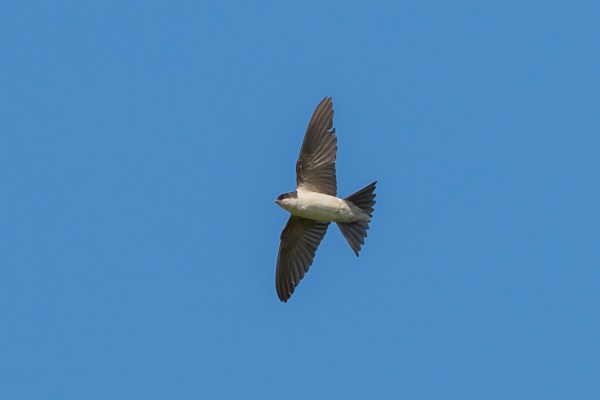
Swallows, swifts and martins

The swallows, house martins and swifts have all returned now and are hunting for winged insects over the reserve. Here is a short video to help you tell the three species apart.

Long-tailed tit

by Simon Knight

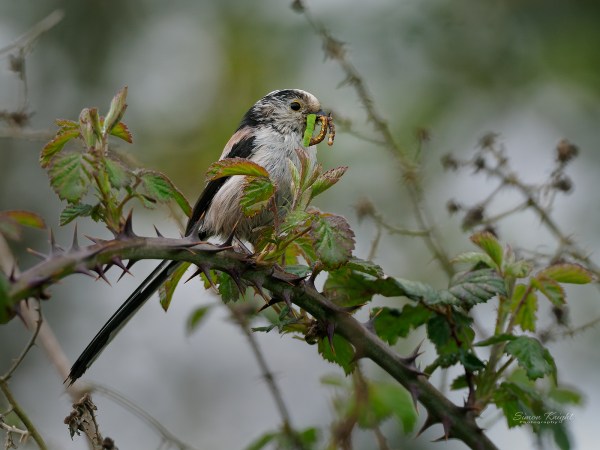
This past weekend I had an amazing afternoon in the park watching a pair of hardworking, caring and protective parents. It was one of the best wildlife moments that I have had this year. As you can see from the pictures, the parents were long-tailed tits who, in my opinion, win the award for ‘cutest bird’. 

Continue reading

ID

Identifying small brown birds

Sun 24/04/2022 09:39 From Suzanne to Ali and Ian
Good morning,
This is another of the pictures sent by Cheryl Cronnie, who is a photographer rather than a ornithologist. Is this a twite?

Continue reading “ID”

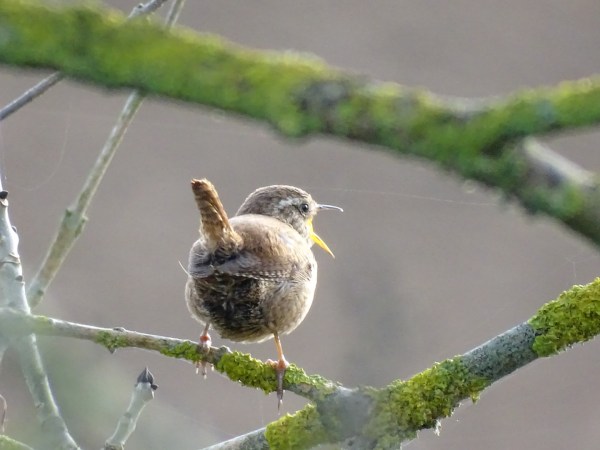
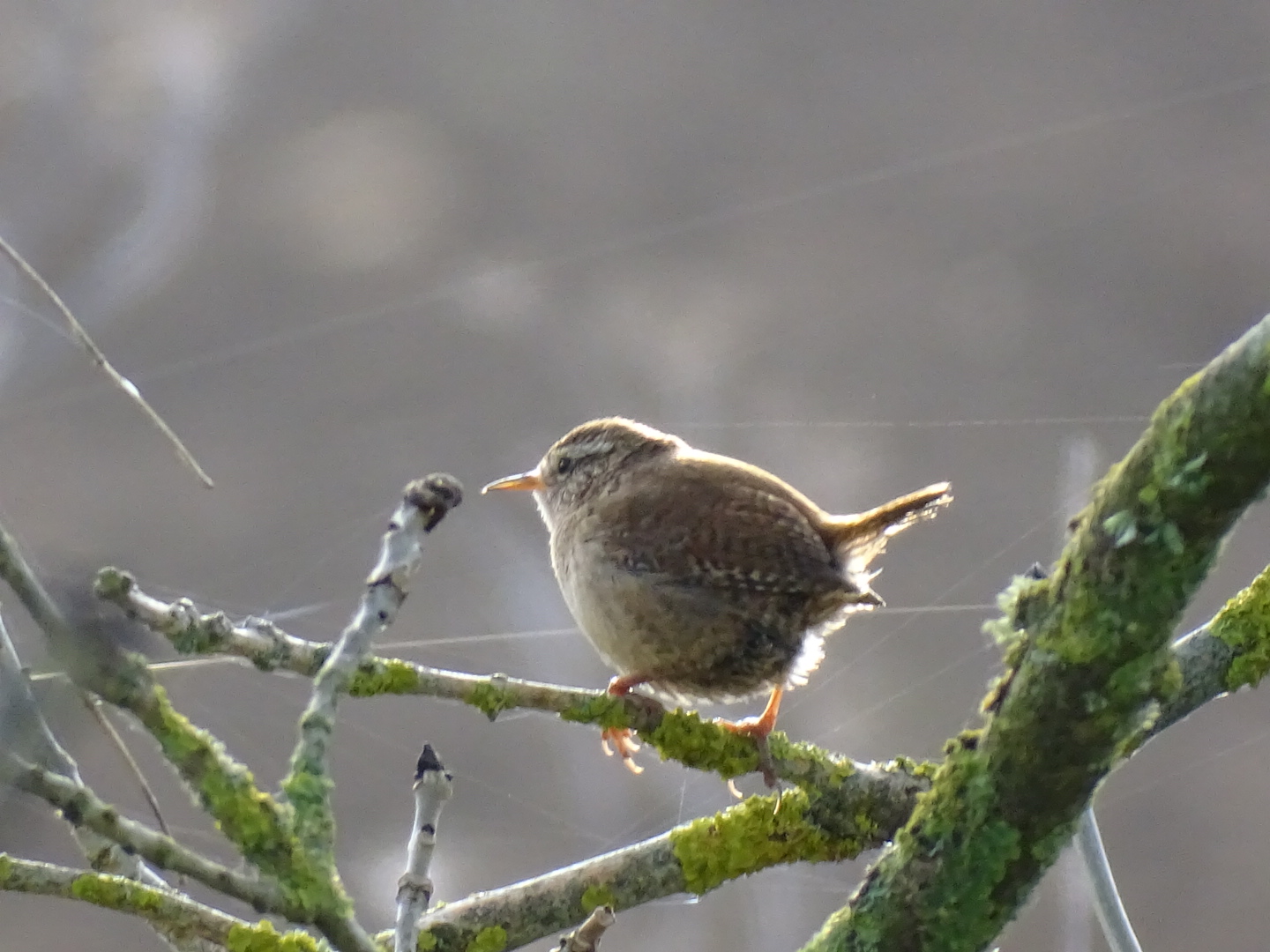
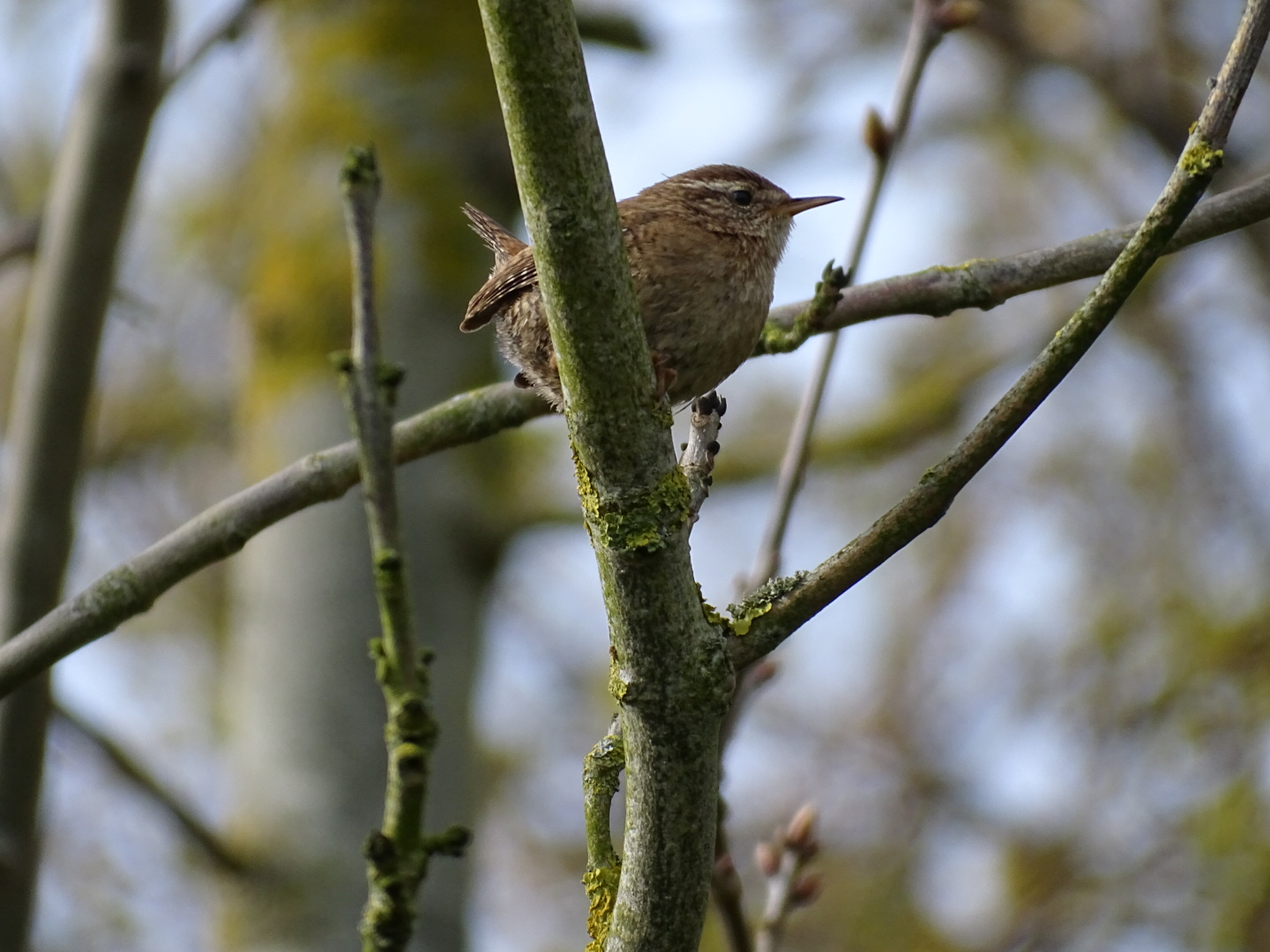
Wren

The Eurasian wren (Troglodytes troglodytes) is tiny, only the goldcrest and the firecrest are smaller among British birds, but it has an enormous voice, apparently ten times louder, weight for weight, than a cockerel.

Audio: Eurasian Wren (Troglodytes troglodytes) by Lars Edenius from xeno canto.org

Images: taken in the reserve by Cheryl Cronnie

Blackcap

A Eurasian blackcap (Sylvia atricapilla) photographed in the reserve last week by Cheryl Cronnie.

Audio by David Bissett from xeno-canto.org

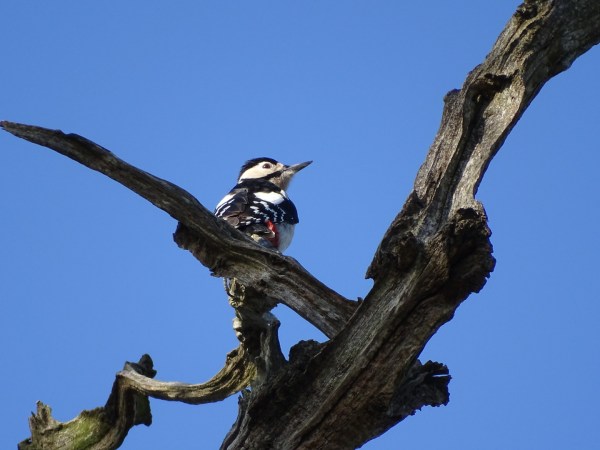
One of the reserve’s greater spotted woodpeckers (Dendrocopos major) photographed by Cheryl Cronnie.

Bullfinch

Bullfinches are regular visitors to the park. Despite the male’s glorious colouring, they are quiet, retiring types, rarely seen. DKG took this picture in April 2019 early one Saturday morning when the park was pretty much empty of visitors.

Continue reading “Bullfinch”

Create a website or blog at WordPress.com

Up ↑