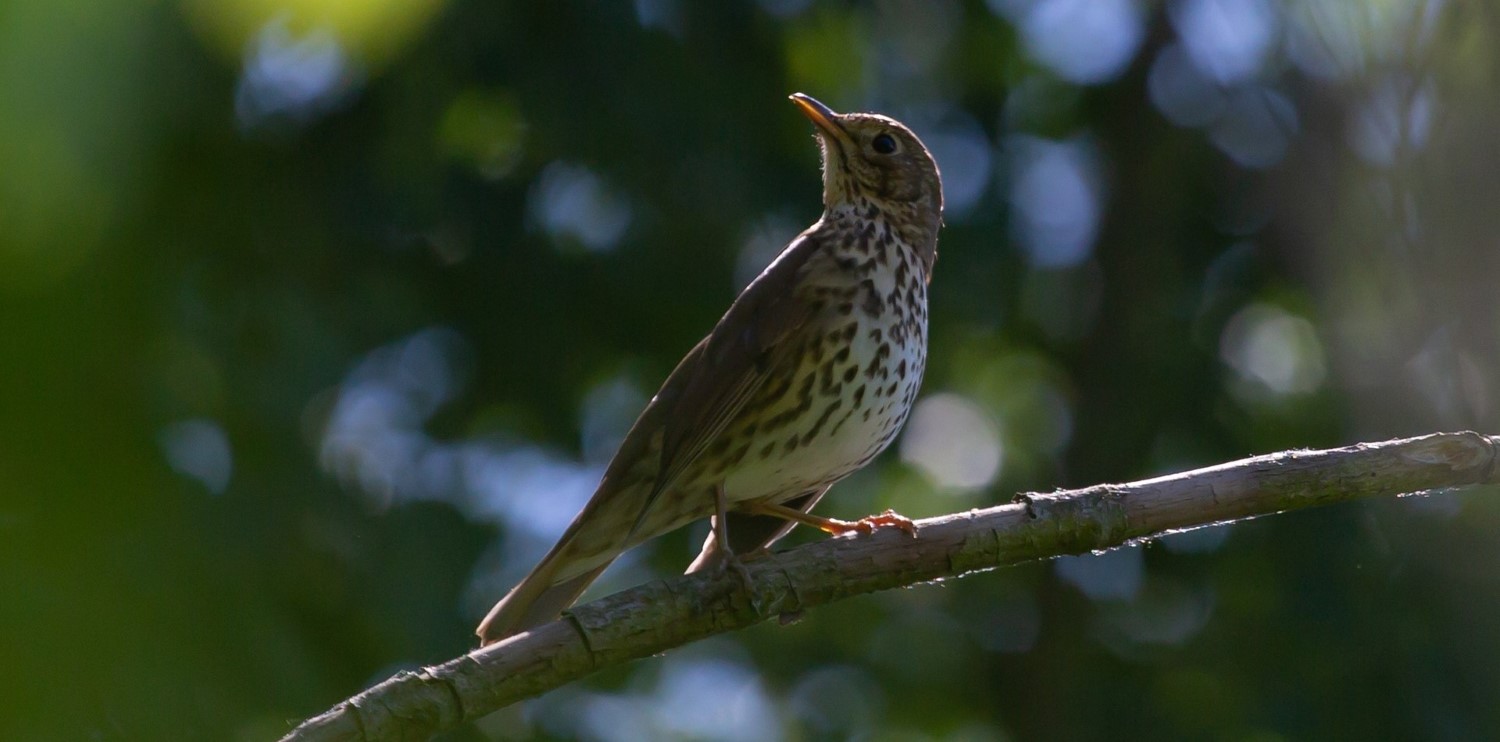
In July, our song thrushes are still singing, usually from a high perch and often after rain.
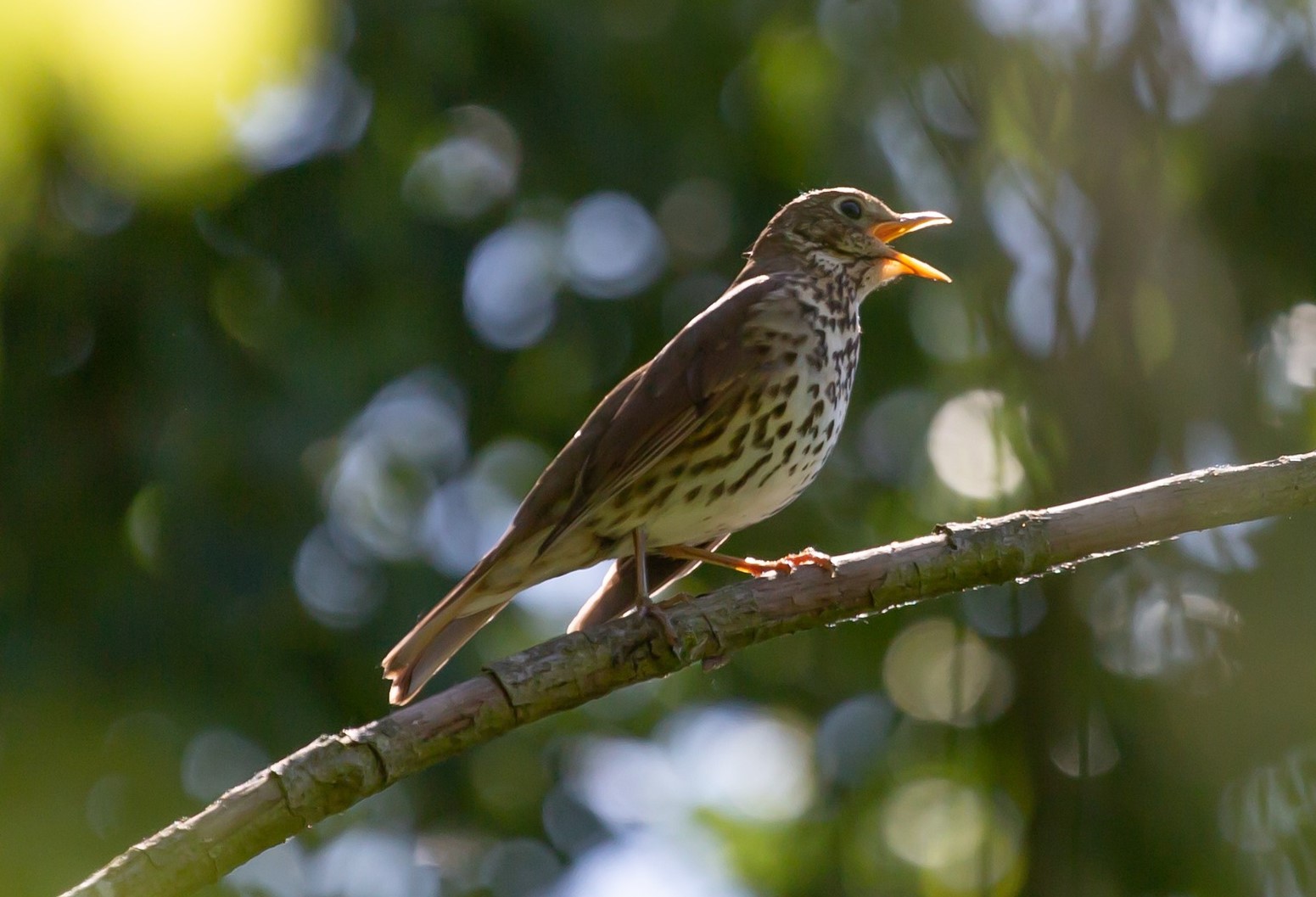
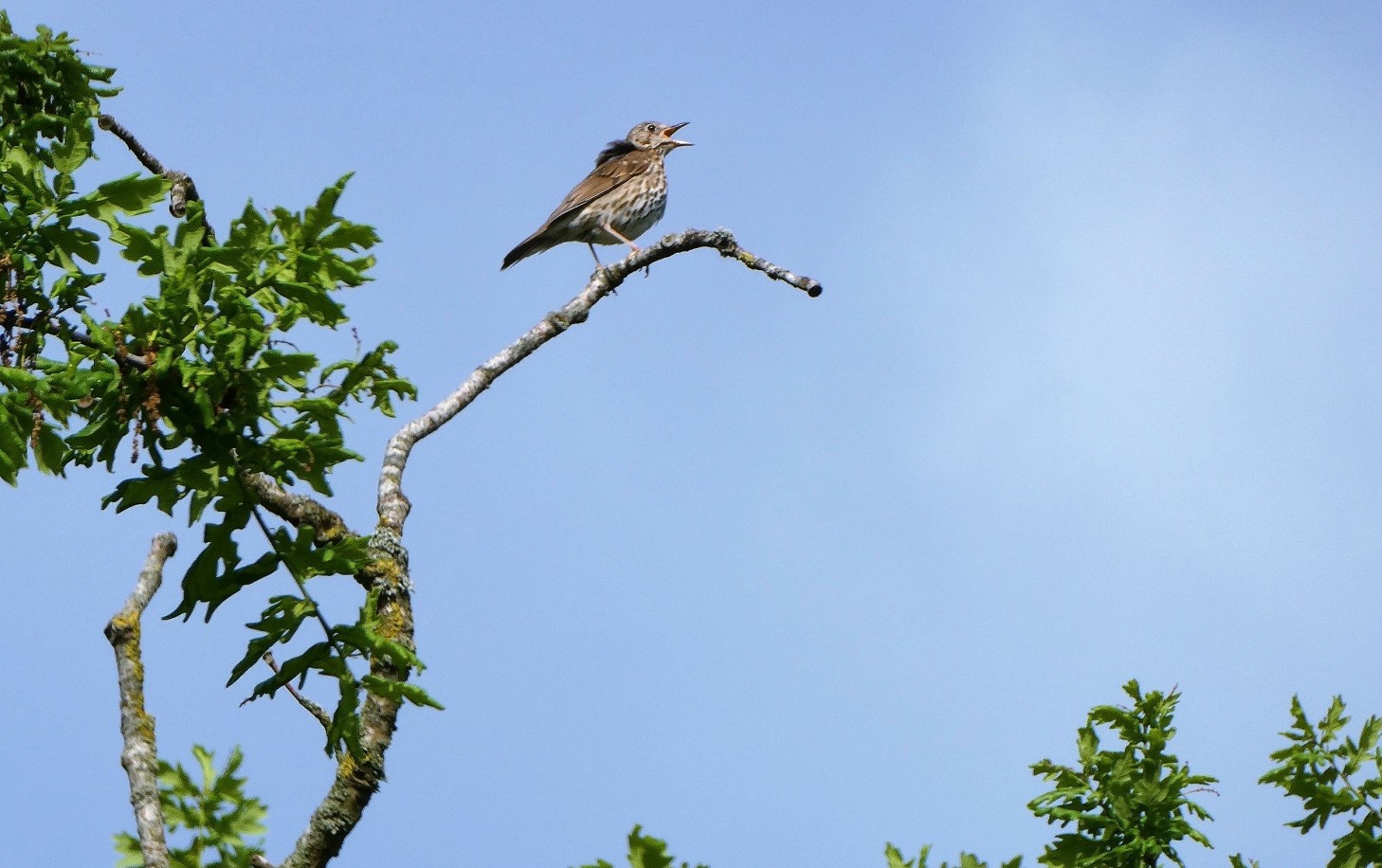


In July, our song thrushes are still singing, usually from a high perch and often after rain.
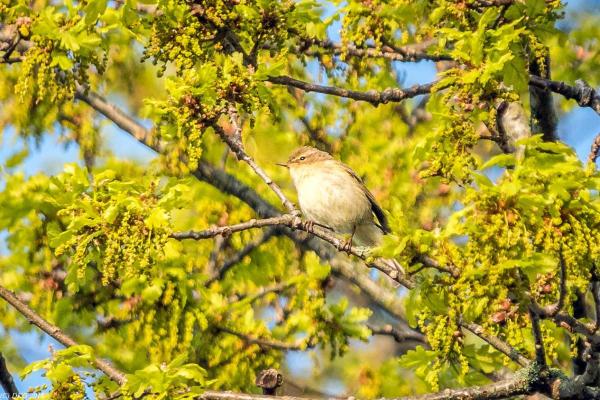
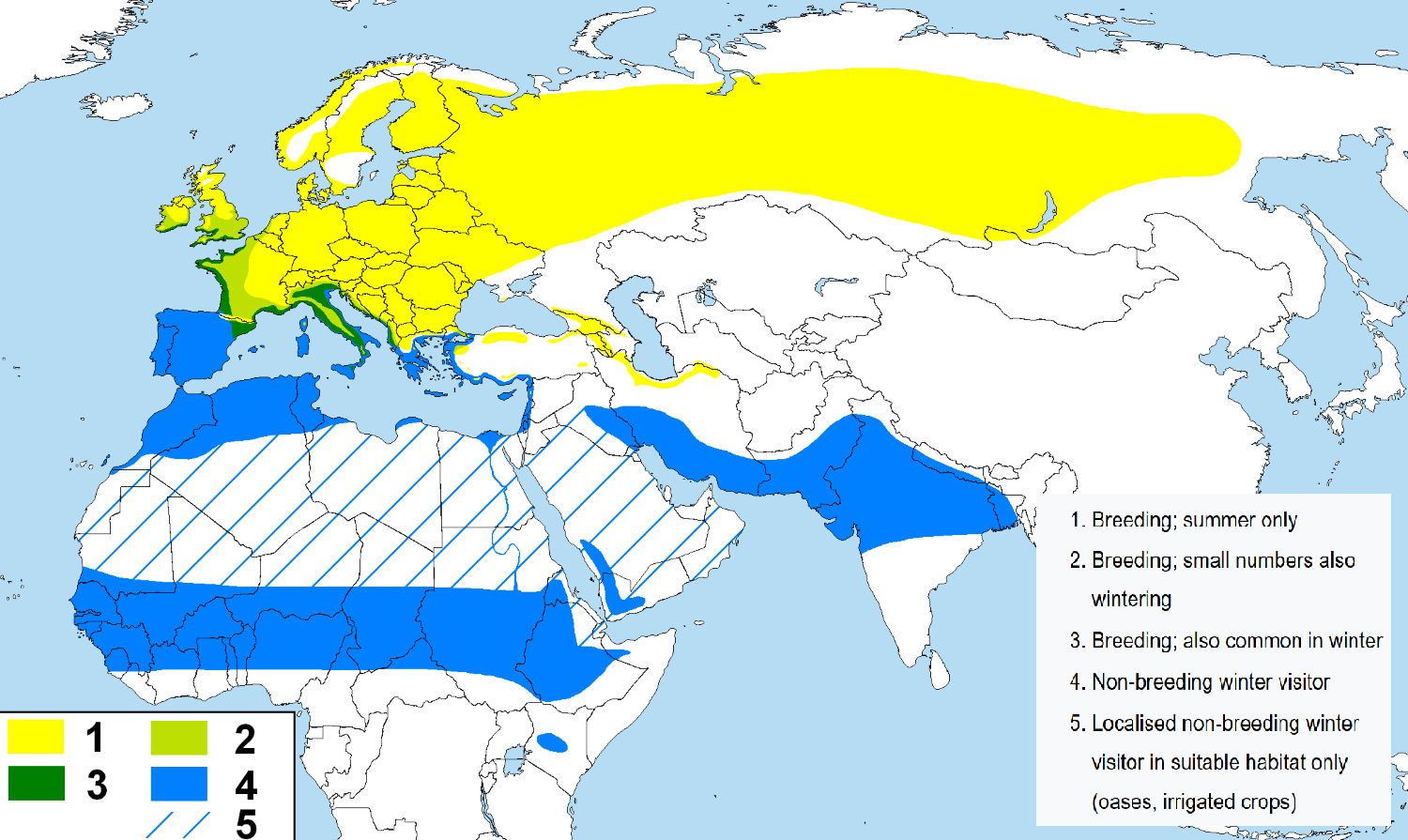
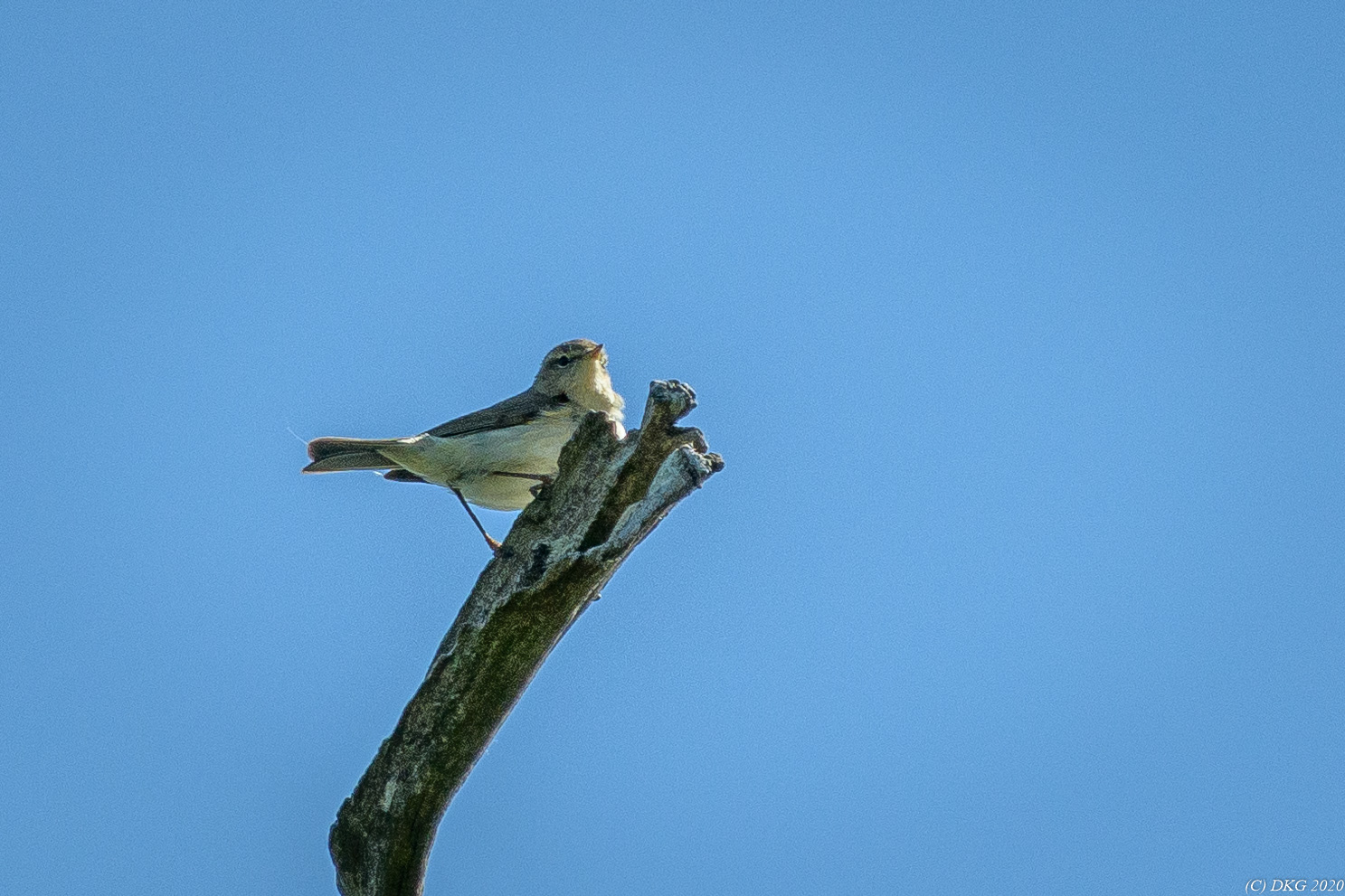
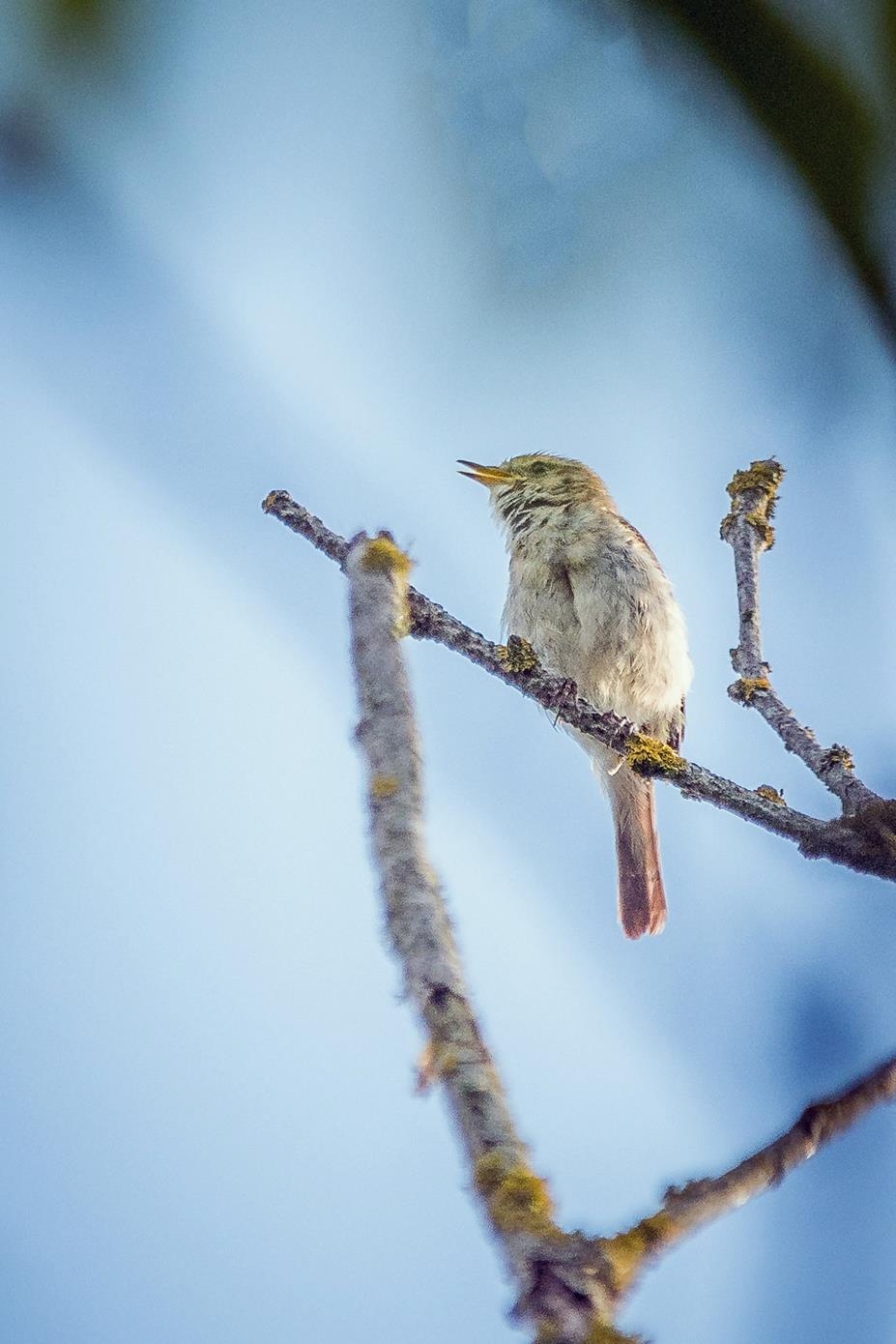
Has anybody heard our chiffchaffs yet? This is the time of year when they come back from the Mediterranean and Africa to nest in the park and their unmistakeable call is a welcome sign that spring is here, no matter how much it rains. Message or email us if you have heard them .


Great tits can be very loud at this time of year as they search for territory and a mate. They sit high in the trees and shout. It is a distinctive repetitive call like a creaky gate. Listen out for it.
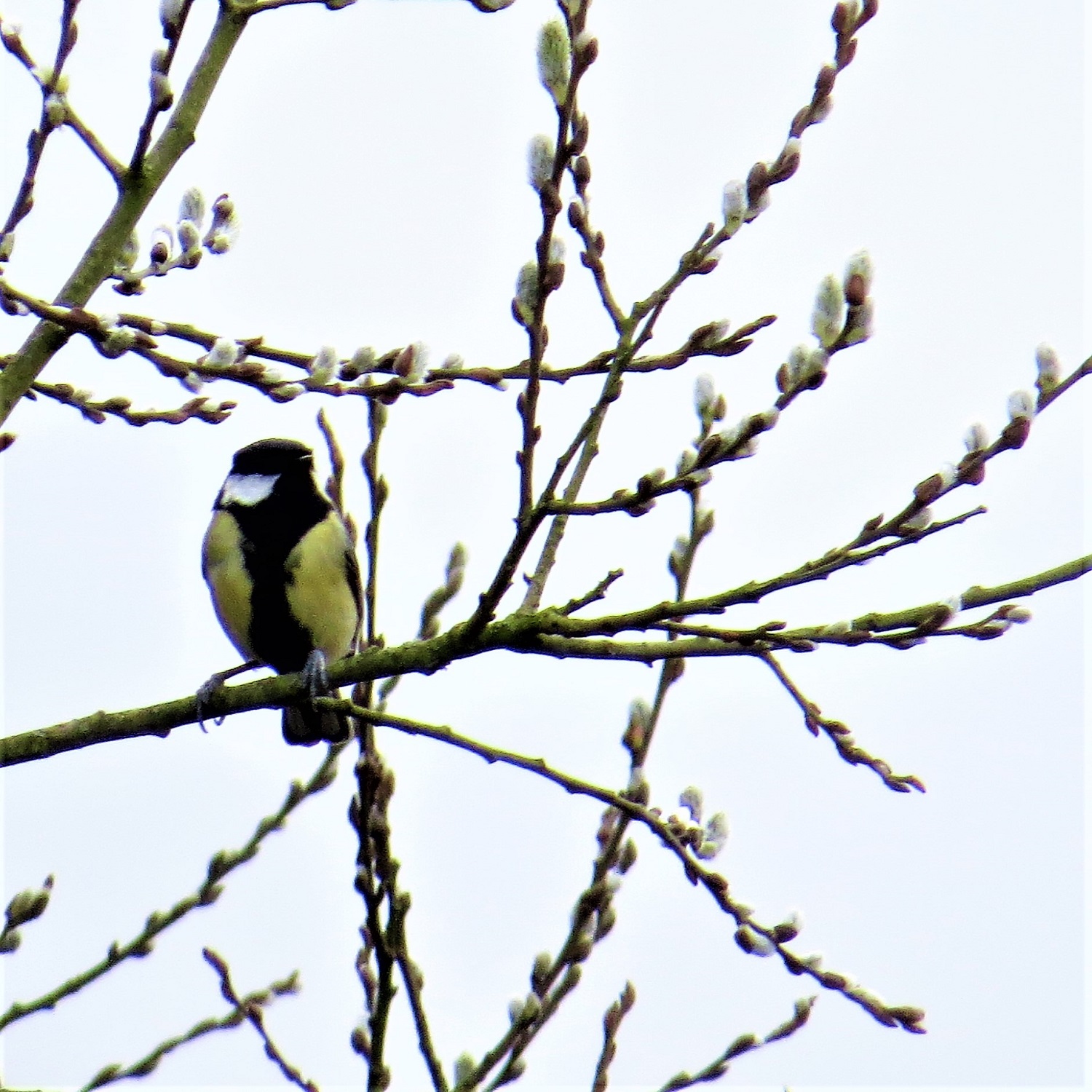
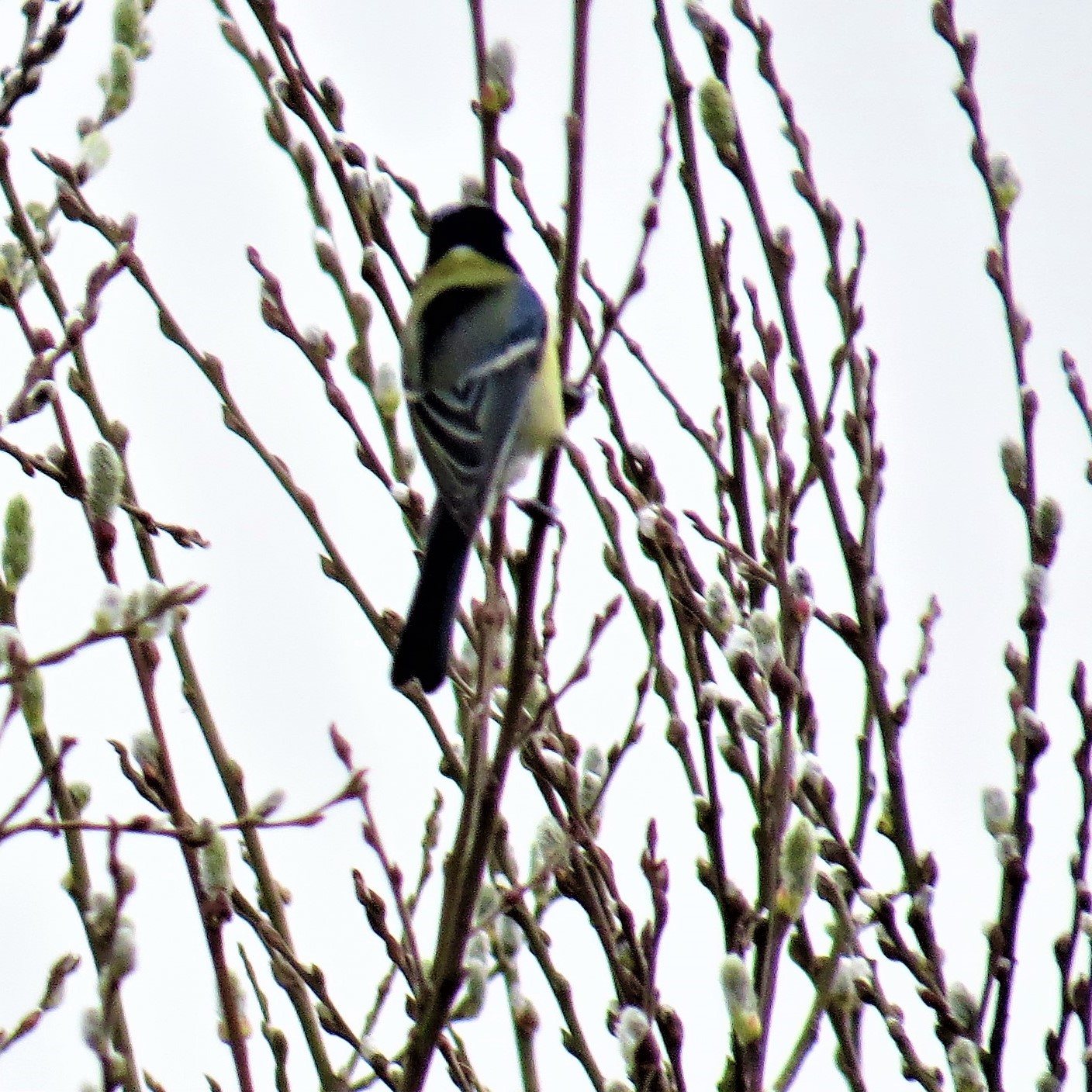

This great tit is in the willows by the decorated bridge, sitting up up among the branches and making a lot of noise

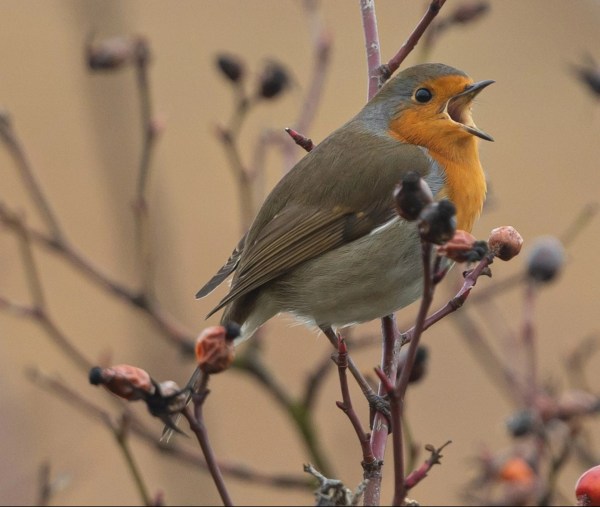
Already, our songbirds are tuning up for the spring. Here are ten things you may not have known about birdsong.
The reserve’s song bird are tuning up for spring
Continue reading “Birdsong”
Near Fiveways, there is a male song thrush that begins to sing in January. He sits high up in his territory, often on the topmost branch of a tree, and once he gets going you can hear him all over the reserve.
Continue reading
There is a family of Eurasian wrens (Troglodytes troglodytes) sharing a winter territory in the copse to the north east of the big pond. Have you seen them?
Continue reading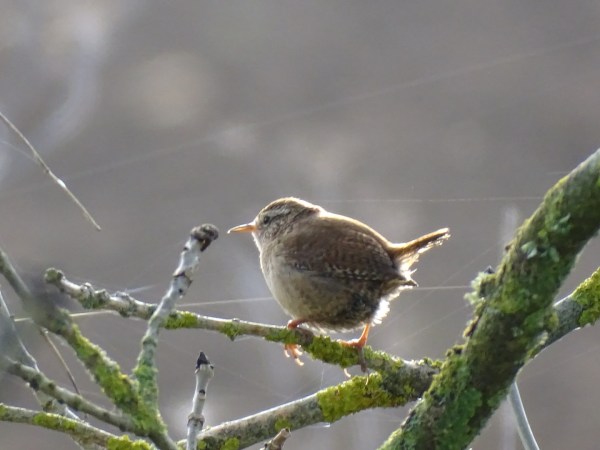
Eurasian wrens (Troglodytes troglodytes) share territories during the winter, in particular they will share sheltered winter roosts, sometimes crowding together for warmth in nesting boxes. The record number of wrens seen leaving a nesting box after a cold night is sixty three.
Header image: wren by Cheryl Cronnie

Goldfinches come to the reserve in flocks during the winter to feed on seeds in our hedges and edges.
Continue reading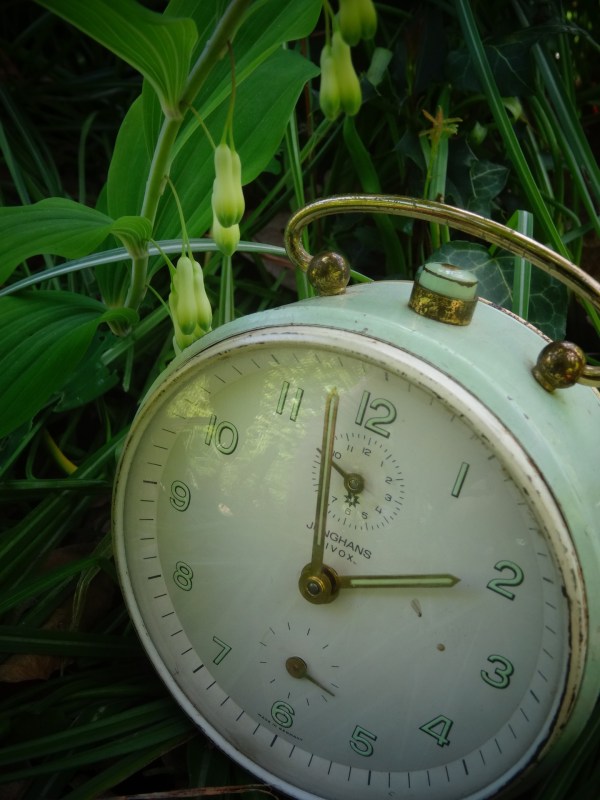
The clocks go back tonight; the nights, which have been getting longer since the autumnal equinox, will seem extra long and especially dark now just in time for Hallowe’en. We cosy up in front of the fire and scare each other with ghost stories, but out in the reserve, the ratio between daylight and dark triggers many natural processes.
Continue reading “Dark nights”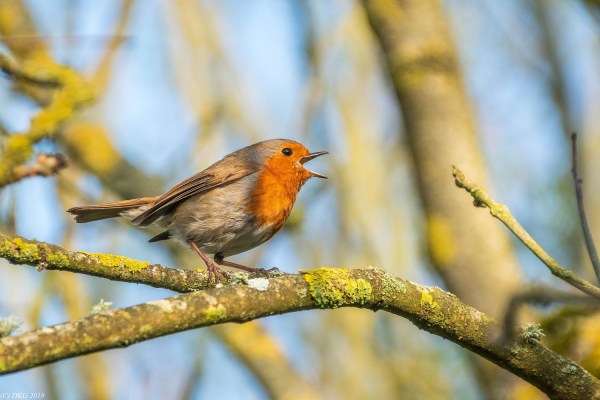
During the spring and summer, robins’ pair up and defend a joint territory, chosen specifically for its nest site and the nearby availability of invertebrate food suitable for nestlings. Now, at the end of September, those pairings have broken down and each bird holds an individual winter territory which it will defend fiercely: robins have been known to fight to the death over territory.
Continue reading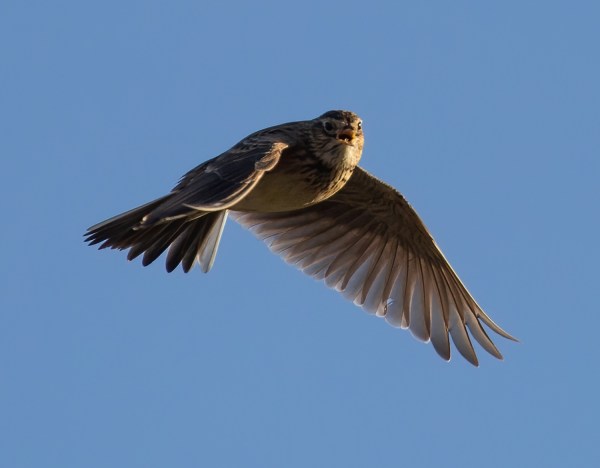
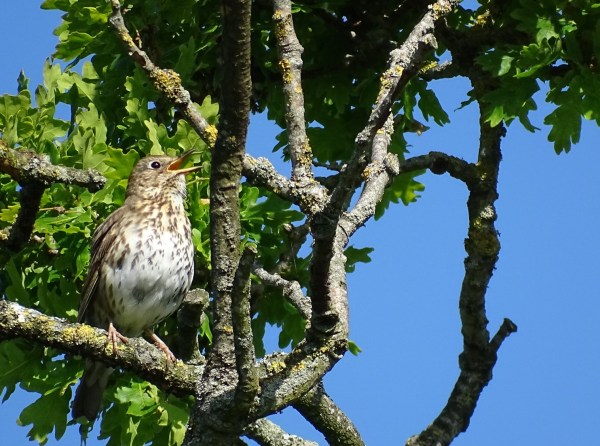
A song thrush singing his heart out from the top of one of our oak trees. Thanks for the picture Cheryl Cronnie.
Song Thrush recorded by David Bisset (CC BY-SA 2.0) xeno-canto.com

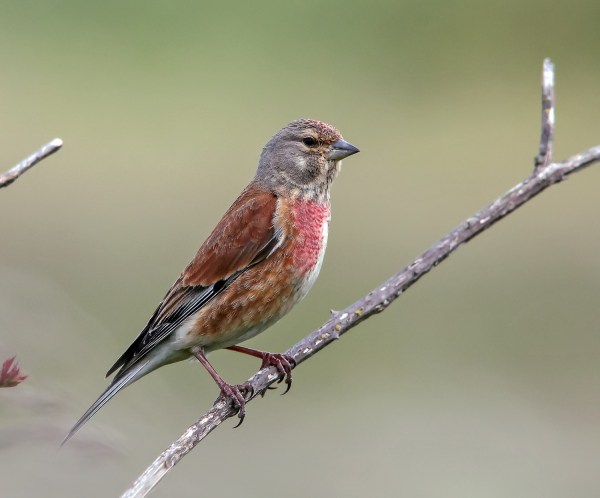
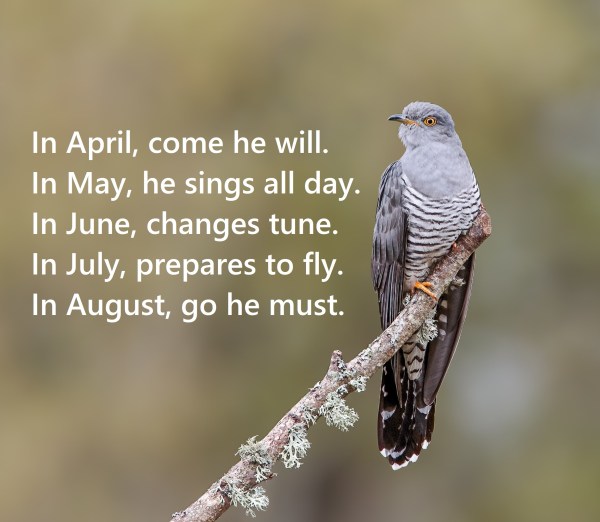
Has any body heard a cuckoo yet?
The rhyme is a traditional nursery rhyme


The sound of spring.
Our songbirds are tuning up for the spring. Here are ten things you may not have known about birdsong.
The reserve’s song bird are tuning up for spring
Continue reading “Birdsong”
Early though it may be, male blackbirds are already tuning up ready for the spring. These are birds that were hatched last year. Inexperienced and without established territories, they have a lot of songs to sing and battles to win if they are going to breed this year.
Common blackbird song recorded by Beatrix Saadi-Varchmin (CC BY-NC-SA 4.0) xeno-canto.org
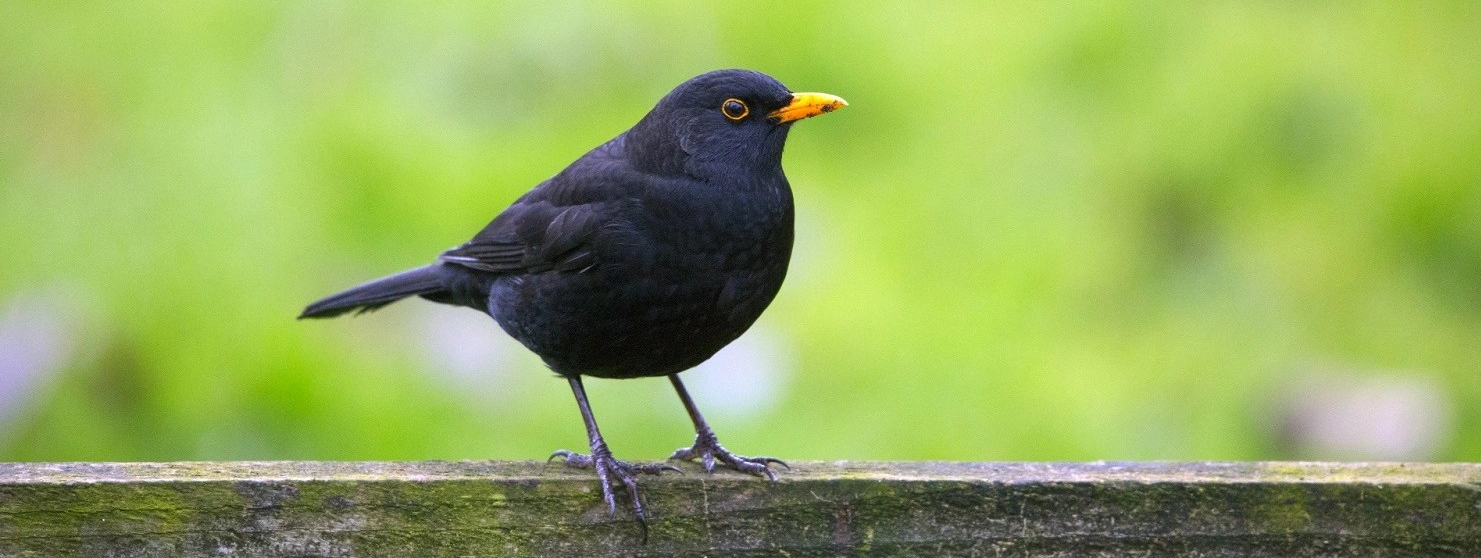
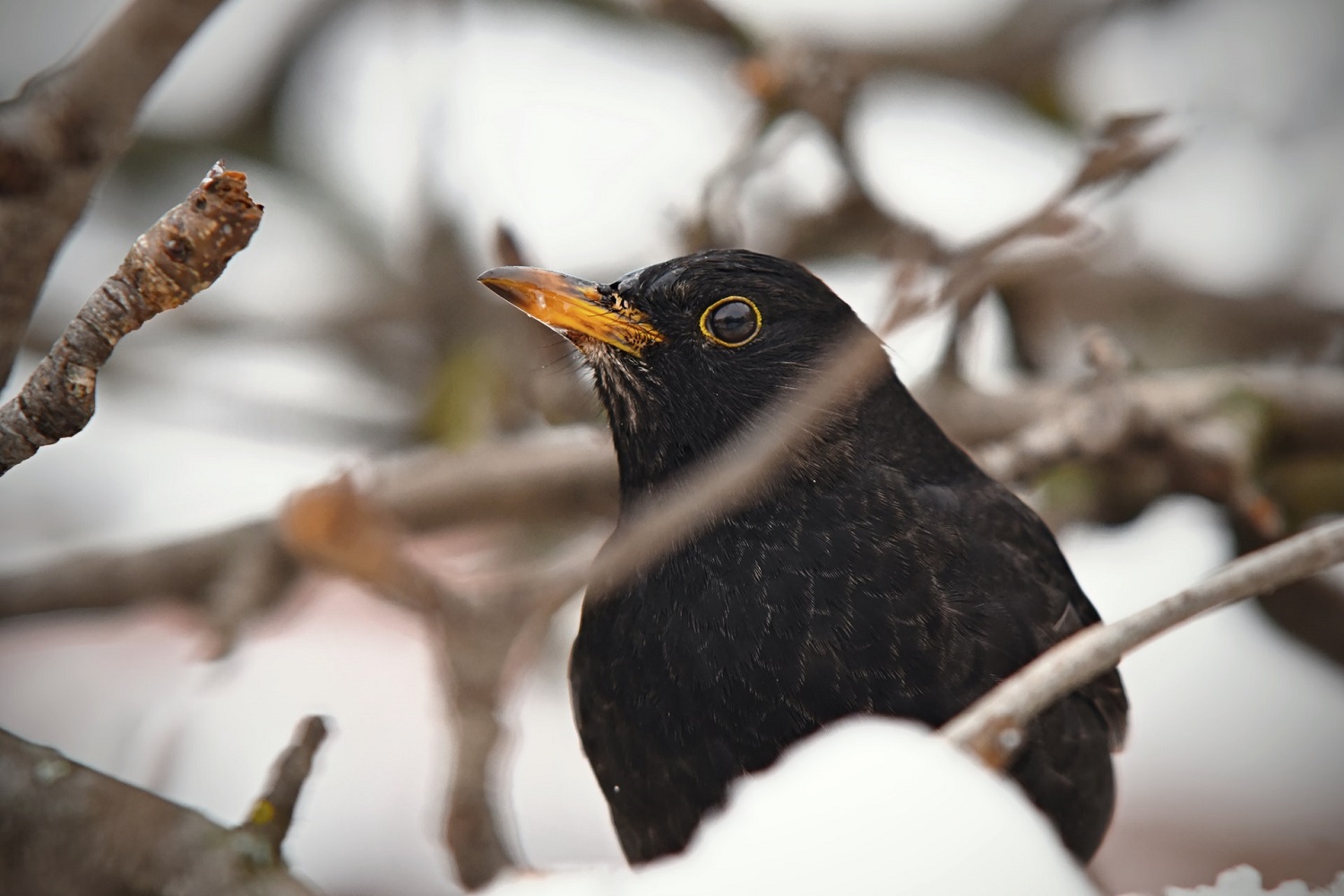


A very early song thrush has been practising his spring song from the ash tree at Fiveways.
Song thrush recorded by David Bisset in Essex UK (xeno-canto.org)
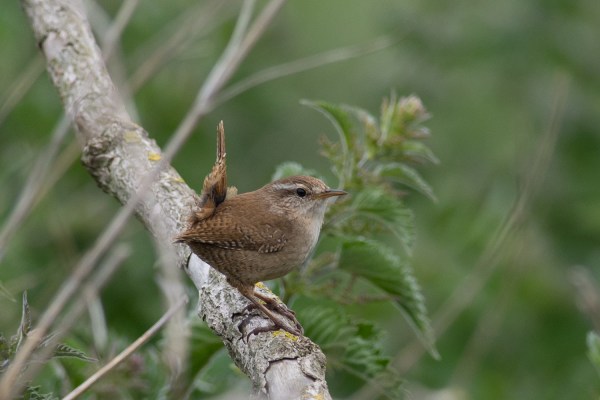
Jenny Wren, the Eurasian wren, Troglodytes troglodytes.
Continue reading “Jenny Wren”
Eurasian wrens (Troglodytes troglodytes) share territories during the winter, in particular they will share sheltered winter roosts, sometimes crowding together for warmth in nesting boxes. The record number of wrens seen leaving a nesting box after a cold night is sixty three.
Header image: wren by Cheryl Cronnie
Robins, both male and female, sing almost the whole year round with just a pause after the breeding season, when they go into hiding for the moult.
Continue reading “Winter song”
A common whitethroat (Sylvia communis), photographed in the park by DKG in the summer of 2019. It is probably either a female or a juvenile; the male is more distinctively coloured.
Continue reading “Whitethroat”




 Southwick Country Park Nature Reserve