Chiffchaffs are tiny birds, no bigger than a blue tit. Most are migrants, overwintering in southern Europe or northern Africa and returning here in the spring to breed.
Continue reading “Our chiffchaffs are back”Our chiffchaffs are back

Chiffchaffs are tiny birds, no bigger than a blue tit. Most are migrants, overwintering in southern Europe or northern Africa and returning here in the spring to breed.
Continue reading “Our chiffchaffs are back”
Two years ago, in the first week of March, there was a pair of barn owls in the park. They hunted over Lambrok Meadow and the field between Lambrok Stream and Church Lane where a developer plans to build 45 houses.
Continue reading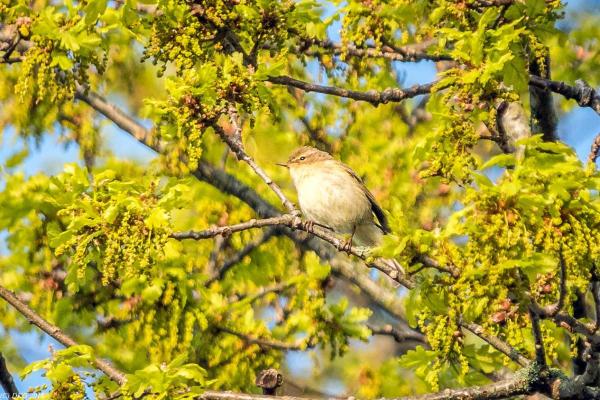
Has anybody heard our chiffchaffs yet? This is the time of year when they come back from the Mediterranean and Africa to nest here and their unmistakeable call is a welcome sign that spring is here. Message or email us if you have heard them .
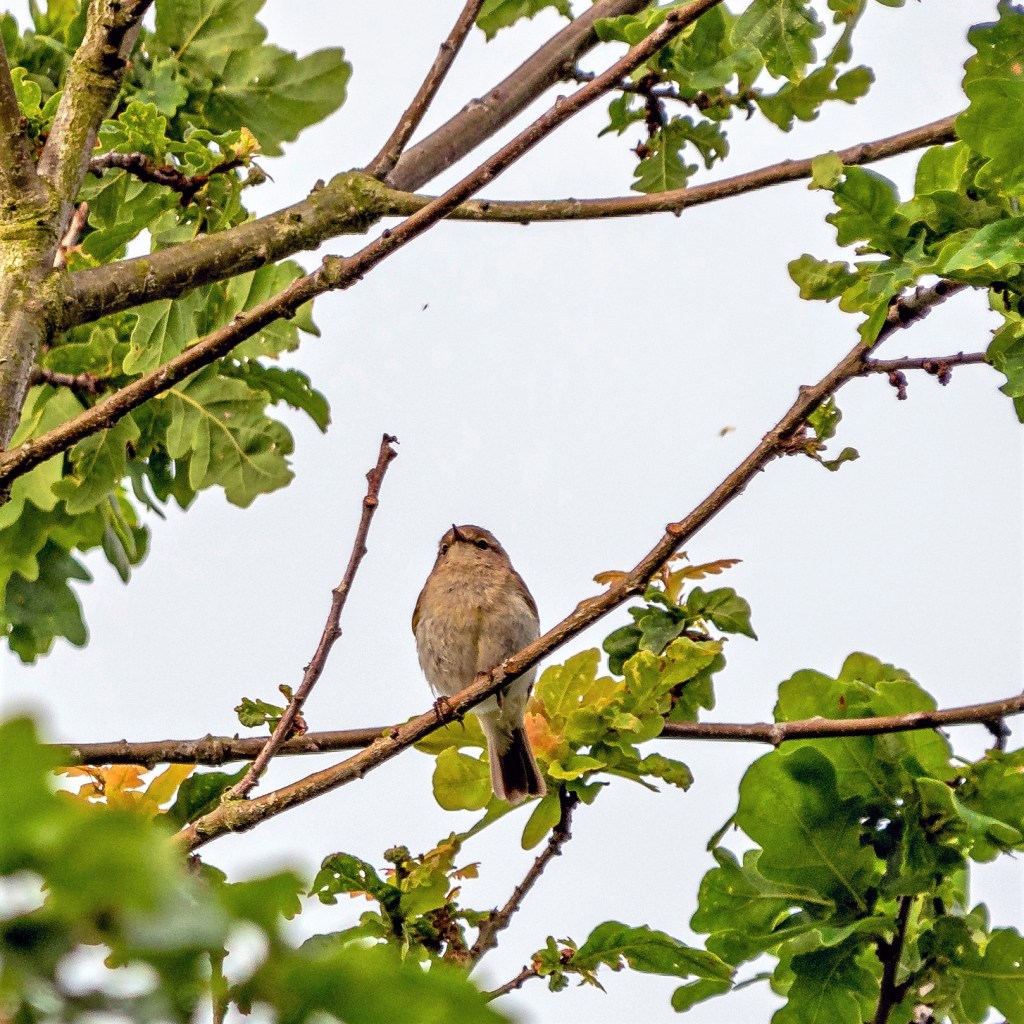

All these pictures were taken in the park by DKG.
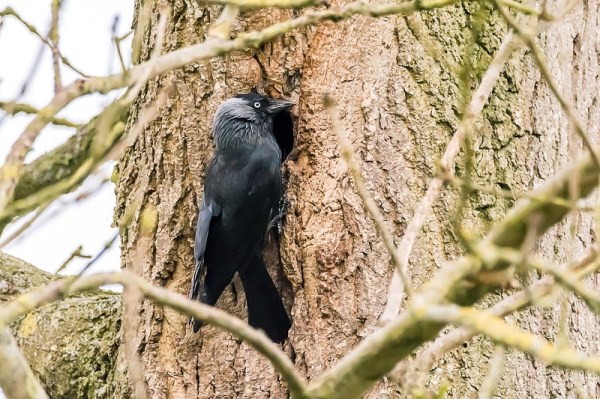
Of the five species of Britain’s black corvids, four have been seen in Southwick Country Park park: crow, rook, jackdaw and raven.
Continue reading “How to tell corvids apart”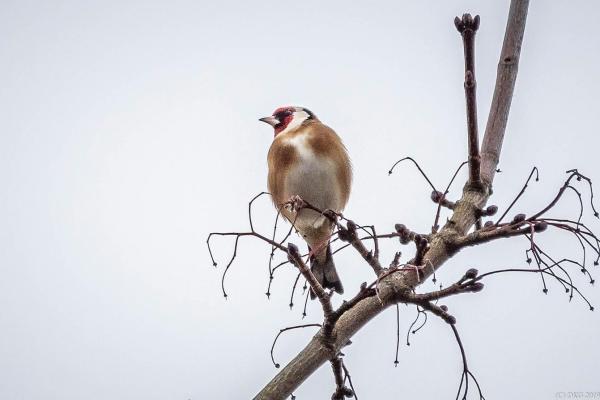
An expedition into our archives produced this post from February of last year, and a beautiful picture of a goldfinch high in an ash tree taken by DKG
Continue reading “Goldfinch”
We usually write about the park but today we are branching out a good half-mile, as far away as the junction between Frome Road and Manor Road on the A361.
Continue reading “Blackbird singing in the dead of night”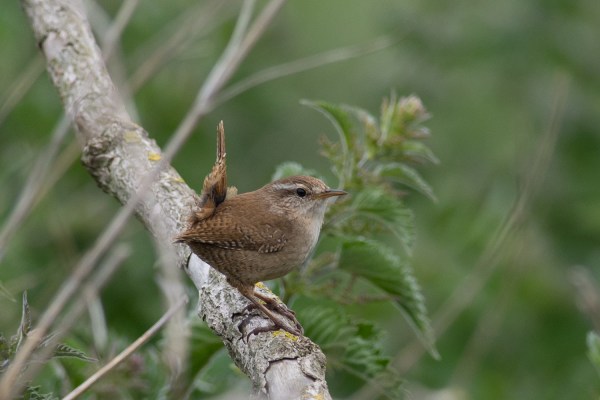
Jenny Wren, the Eurasian wren, Troglodytes troglodytes.
Continue reading “Jenny Wren”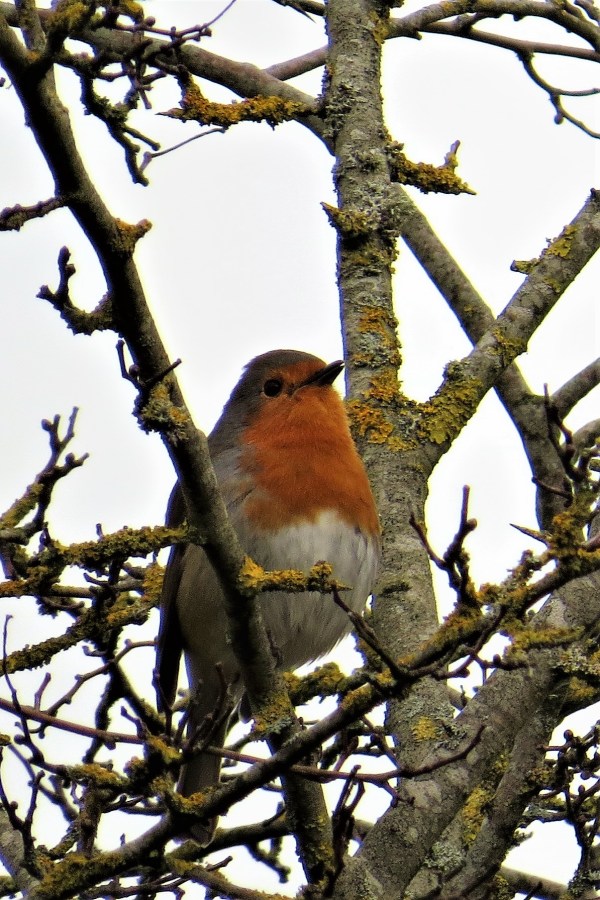
The robin is one of the few birds in the UK that sing in the winter as well as the summer. The purpose of the song is territorial; robins winter here and defend their territories all year round.
Continue reading
The Eurasian wren (Troglodytes troglodytes) is one of our commonest birds; it is very widely distributed, with an estimated population of eight million breeding pairs.
Continue readingAt least three pairs of song thrushes nested in the park this year. On any clear July evening, especially after rain, it has been possible to walk right round the park’s boundaries and never be out of earshot of a song thrush singing from the top of a tree.
Here is five minutes of a song thrush’s song; listen to it while you check the morning’s news.
Song thrush recorded by David Bisset in Essex
Header picture:- Song thrush by Simon Chinnery [CC BY-SA 4.0]
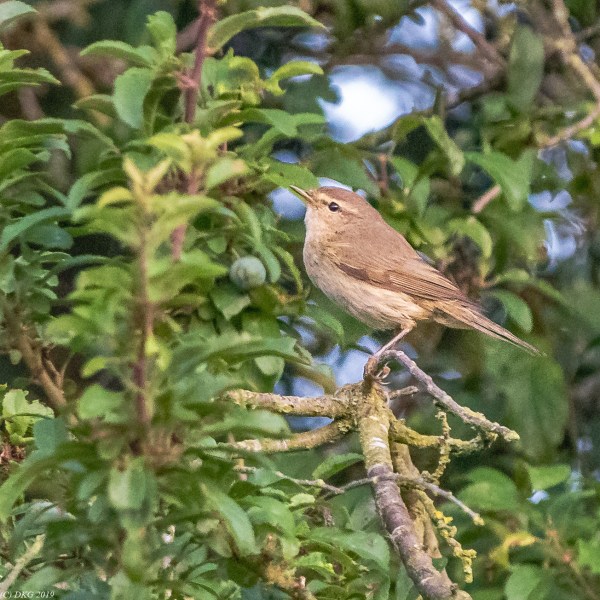
A willow warbler (Phylloscopus trochilus) seen and photographed by DKG yesterday morning.
Continue reading
A common whitethroat (Sylvia communis), seen, identified and photographed by DKG near the Lambrok this week. This is probably either a female or a juvenile; the male is more distinctively coloured.
Continue reading “Whitethroat”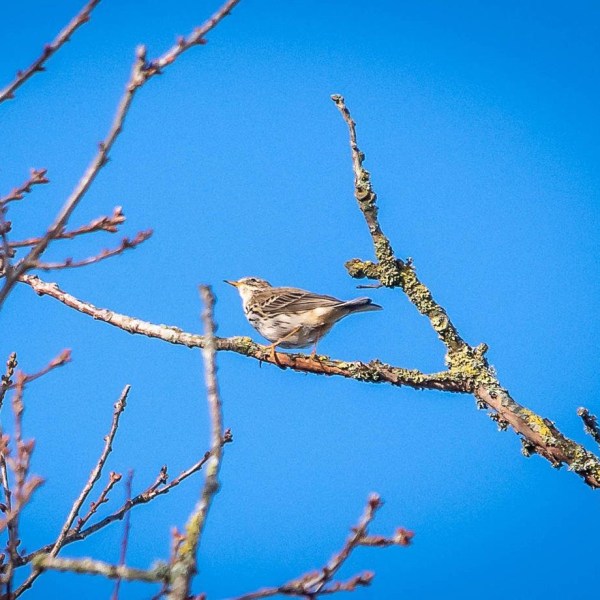
The meadow pipit (Anthus pratensis) is the default pipit. In the UK there are, besides meadow pipits, tree pipits, water pipits and rock pipits all very much alike.
Continue reading “Meadow pipit”
DKG photographed a small grey green bird with a pale eyestripe and cream underparts. This is either a chiffchaff or a willow warbler and it’s very hard to tell the difference.
Continue reading “Chiffchaff or willow warbler”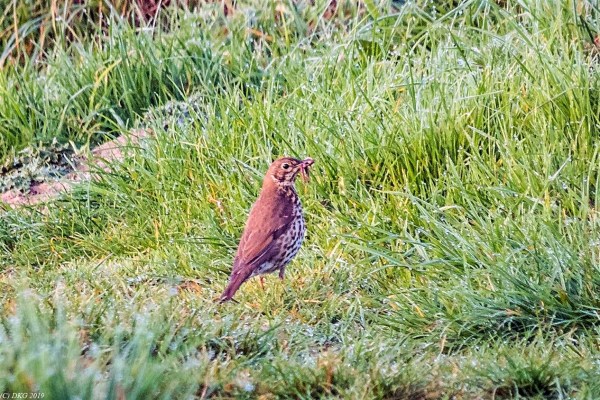
A song thrush, busy feeding a nestful of babies somewhere in the park.
Read on for conservation status and a recording of its song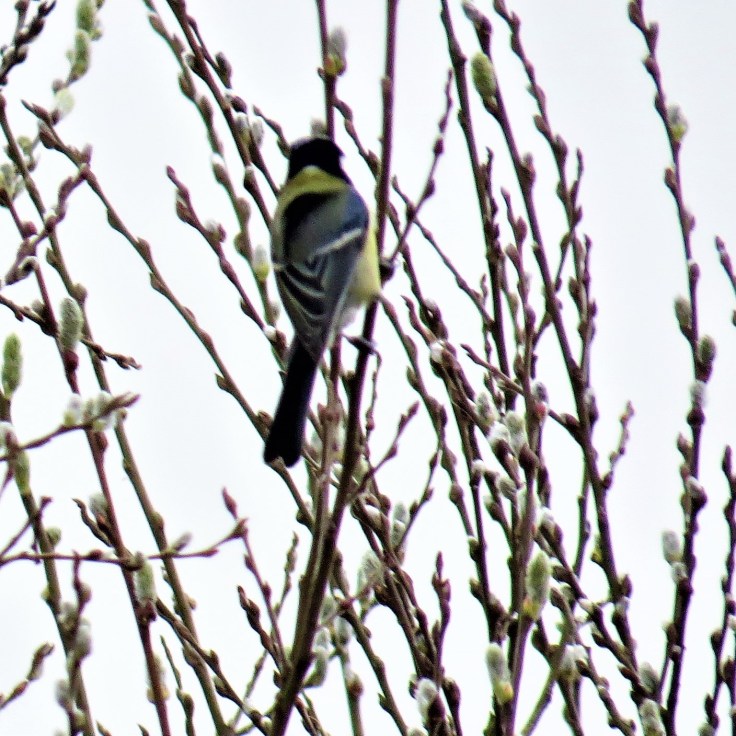
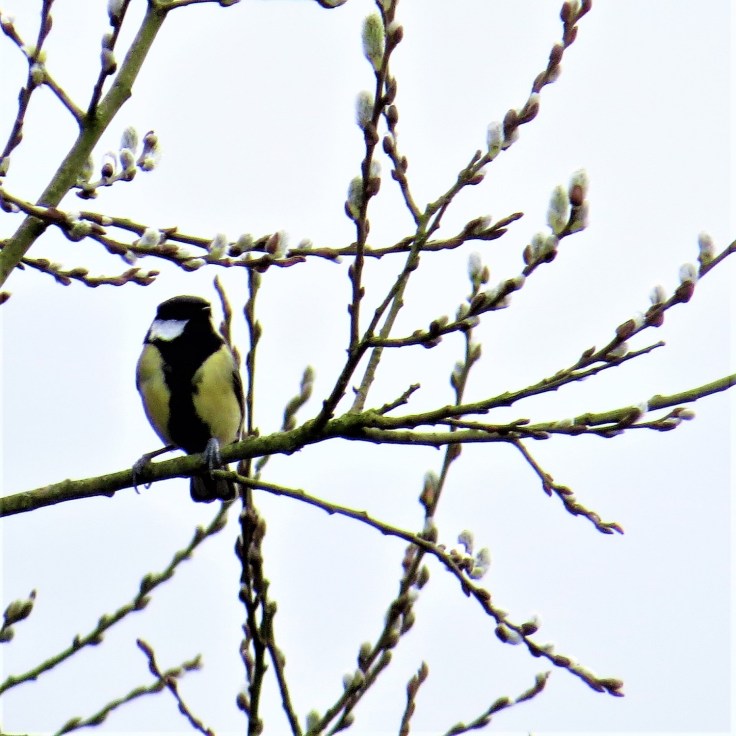
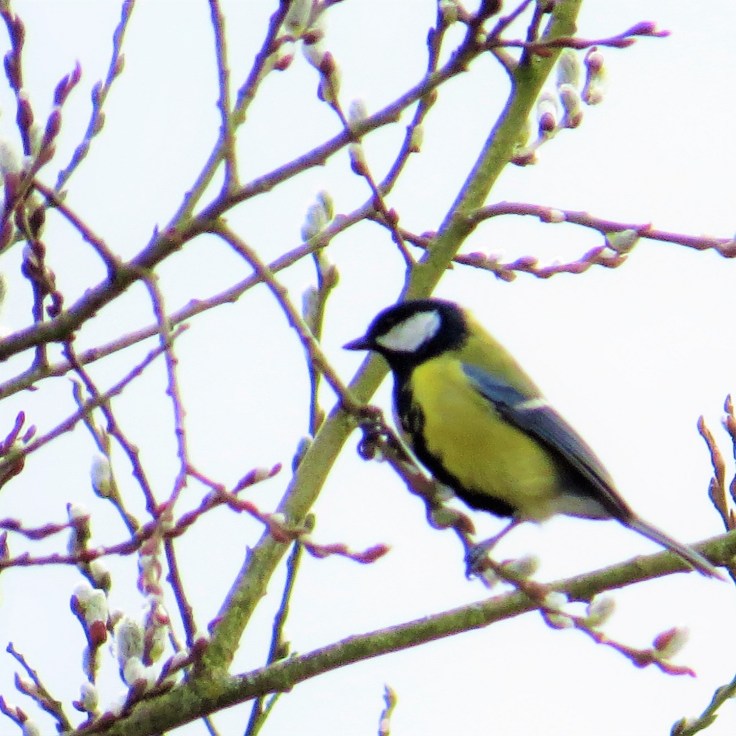
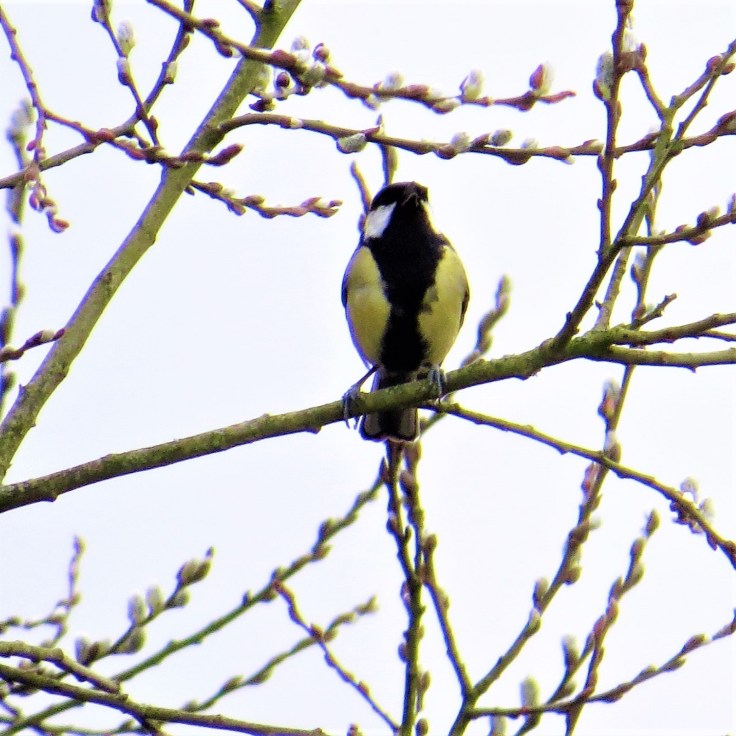
Great tits are very loud at this time of year. They sit high in the trees, like this one in the willows by the decorated bridge, and shout. It is a distinctive repetitive call like a creaky gate. Listen out for it.
A goldfinch high in an ash tree, photographed by DKG early on Tuesday.
Continue reading “Goldfinch”
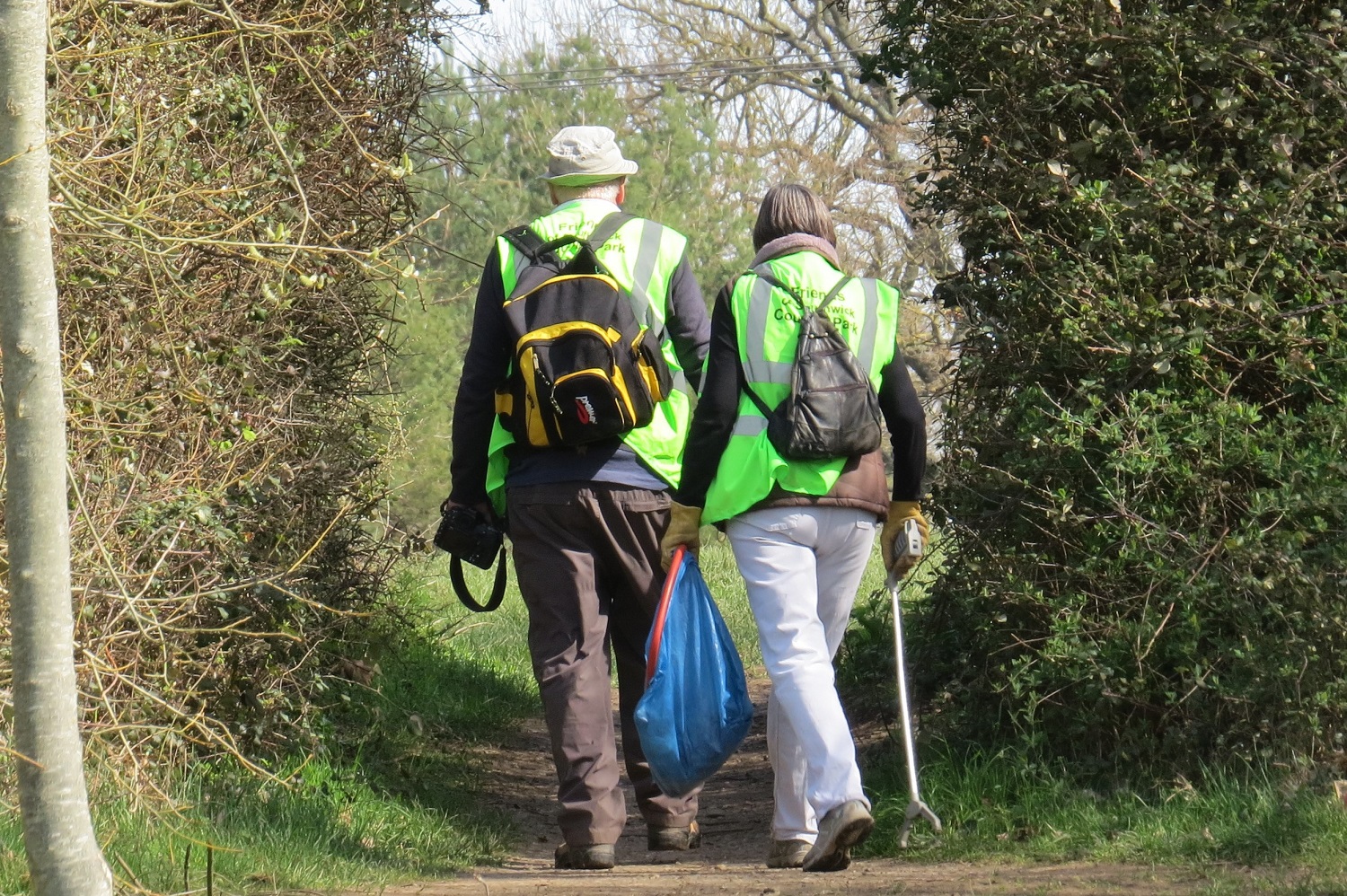
This is the robin that sang for the Friends of Southwick Country Park as they hacked their way through the thicket of bramble and blackthorn at the rear of the car park on Tuesday morning.
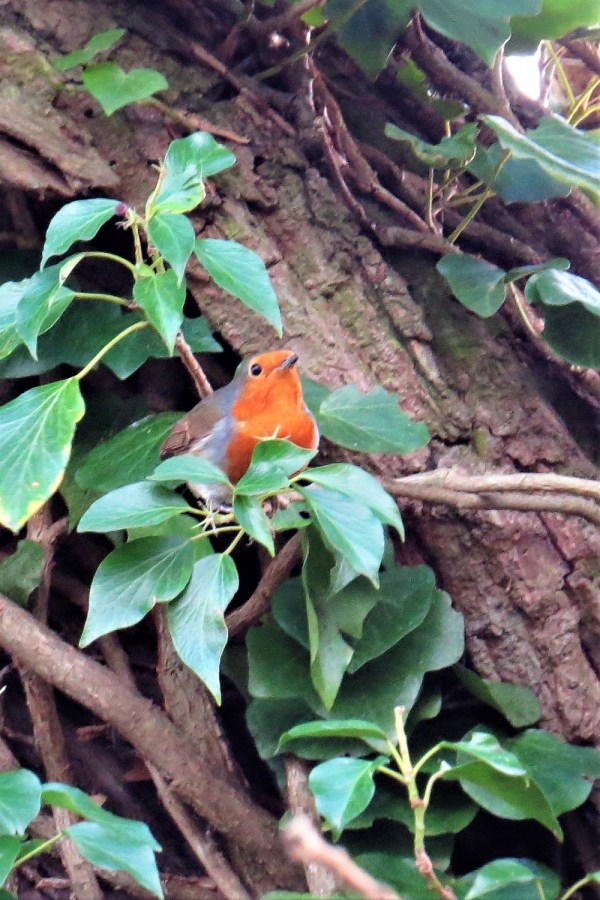
Many of our little songbirds abandon their territories in the winter and flock, sometimes in large numbers; but not the robin. Robins stick to and defend their territories right through the winter and their winter song is part of that defence.
Singing in winter is a high risk strategy. It uses a lot of energy when food resources are low but hanging on to a good territory right through the winter gives a robin an advantage in the spring when the breeding season begins. His winter song is shorter, quieter and altogther smaller than it will be come the spring.
Header photograph by Suzanne Humphries
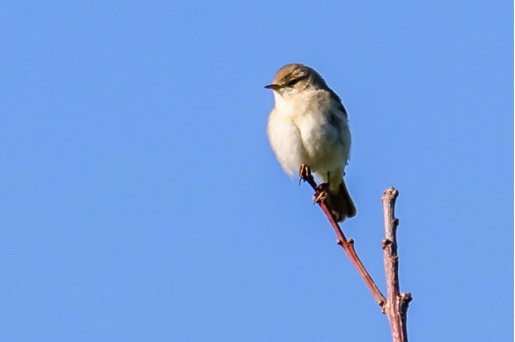
Chiffchaffs migrate to the Mediterranean and West Africa for the winter, though an increasing number over-winter here. When they return, their song is one of the first signs of spring.

Listen to the robin’s song.
Robins sing all year round but their spring song is louder and more confident.
Picture by DKG



 Southwick Country Park Nature Reserve