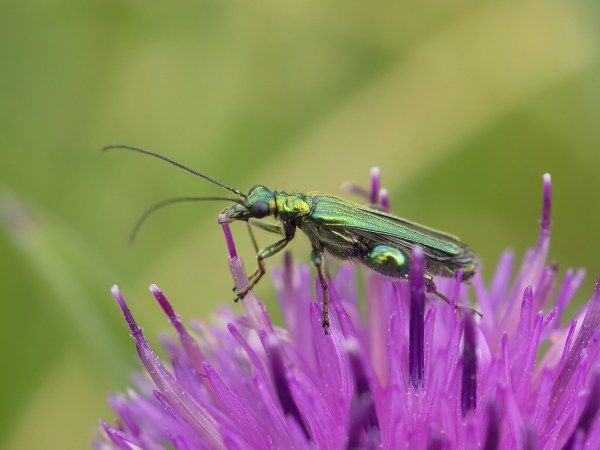
This is the penultimate day of National Insect Week, time to look at one of our more dramatic beetles: the golden-bloomed longhorn beetle (Agapanthia villosoviridescens), first identified and photographed in the reserve by our wildlife photographer, Simon Knight, in the summer of 2020.
Continue reading “Golden-bloomed longhorn beetle”Another life cycle
More than 80% of insect species undergo a metamorphosis of four stages.
Continue readingRed-headed cardinal beetle
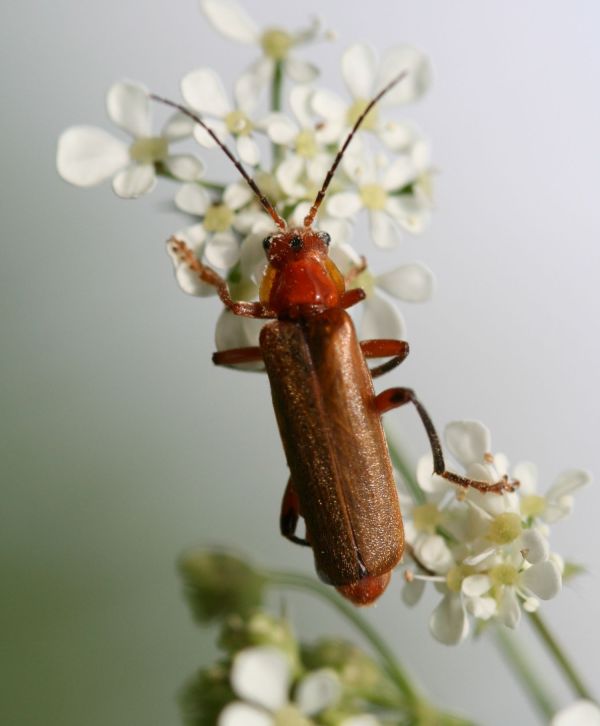
Ian has sent us a picture of a red headed cardinal beetle, whose scientific name, Pyrochroa serraticornis, translates roughly but appropriately as fiery-shelled thing with serrated antennae.
Continue readingGreen nettle weevil
An immature green nettle weevil (Phyllobius pomaceus). We know it is immature because its covering of beautiful metallic green scales is intact; as the weevil ages, these colourful scales rub off and will not be replaced. The mature beetle is a much less dramatic dark green.


Common pollen beetle
A dandelion crammed with tiny bronze-black beetles.
Continue reading “Common pollen beetle”Fact file
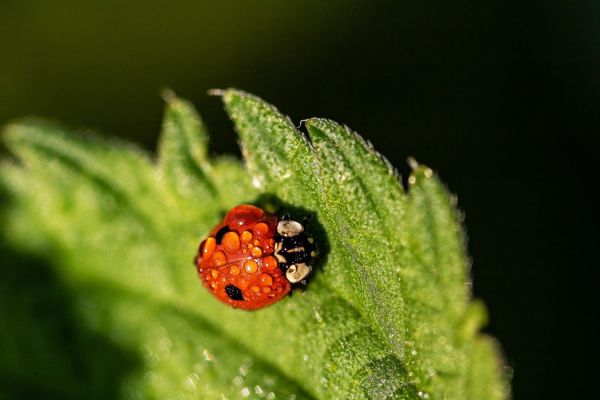
Two spot ladybird
Continue reading “Fact file”Common malachite beetle
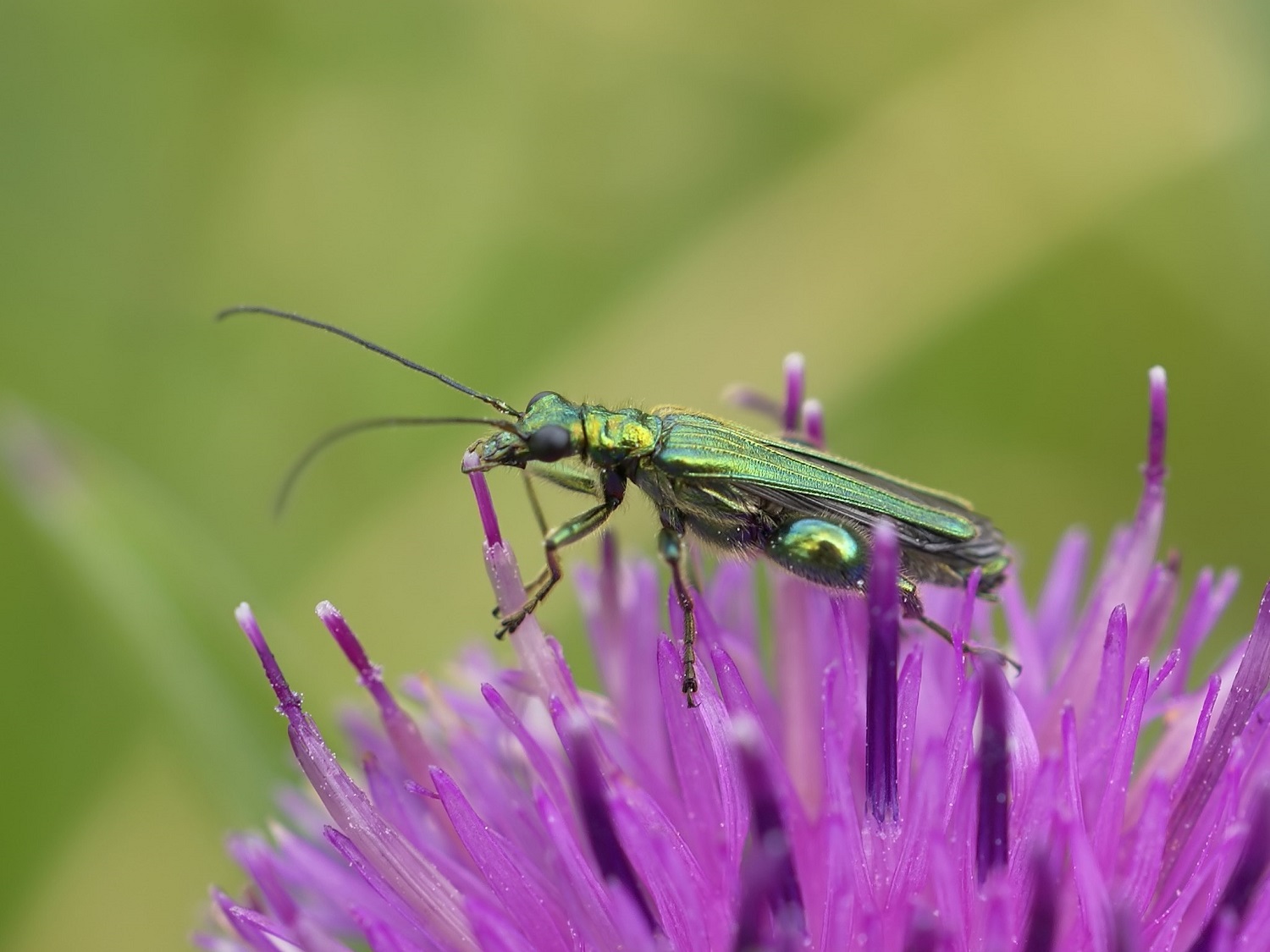
On one of our forays into of our invertebrate species list, we just noticed this: a common malachite beetle, Malachius bipustulatus.
Continue readingCoccinella septempunctata
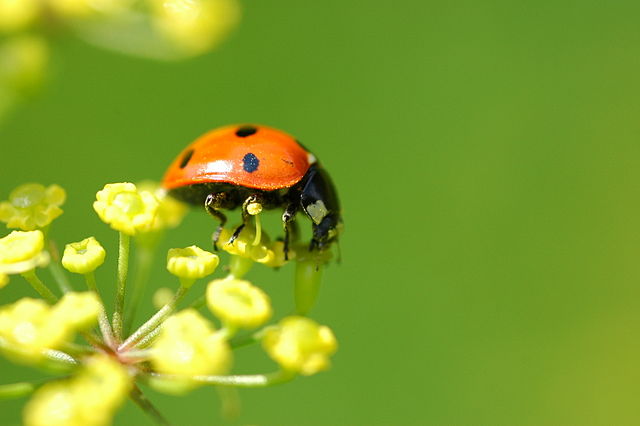
Coccinella septempunctata is the rather grand scientific name of the most common of our native ladybirds, the seven spot.
Continue readingBloody nosed beetle
A bloody nosed beetle (Timarcha tenebricosa) found in the short grass where the rabbits graze at the end of Sleepers Field.
Continue reading “Bloody nosed beetle”Dumbledore!
by Ian Bushell
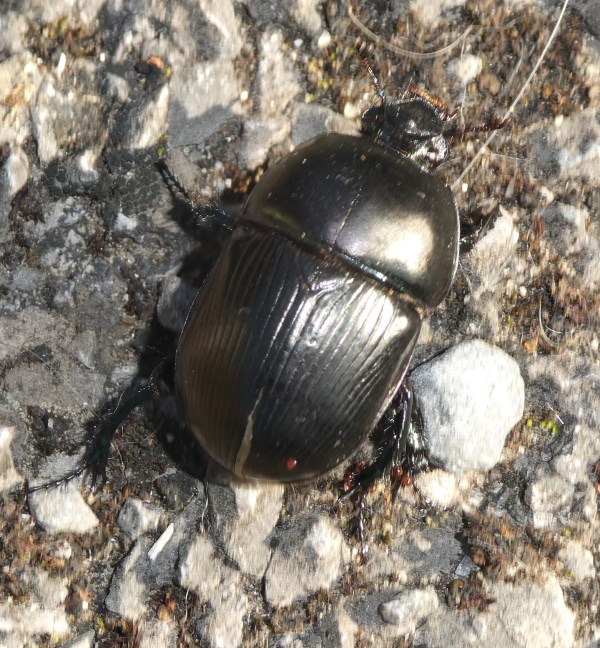
This is a Dor Beetle and I am almost certain it is a Common Dumbledore Beetle – Geotrupes spiniger. This is the first time it has been identified in the reserve and I have added it to our lists.
Continue reading “Dumbledore!”Beetles
Just a few of the reserve’s coleoptera.


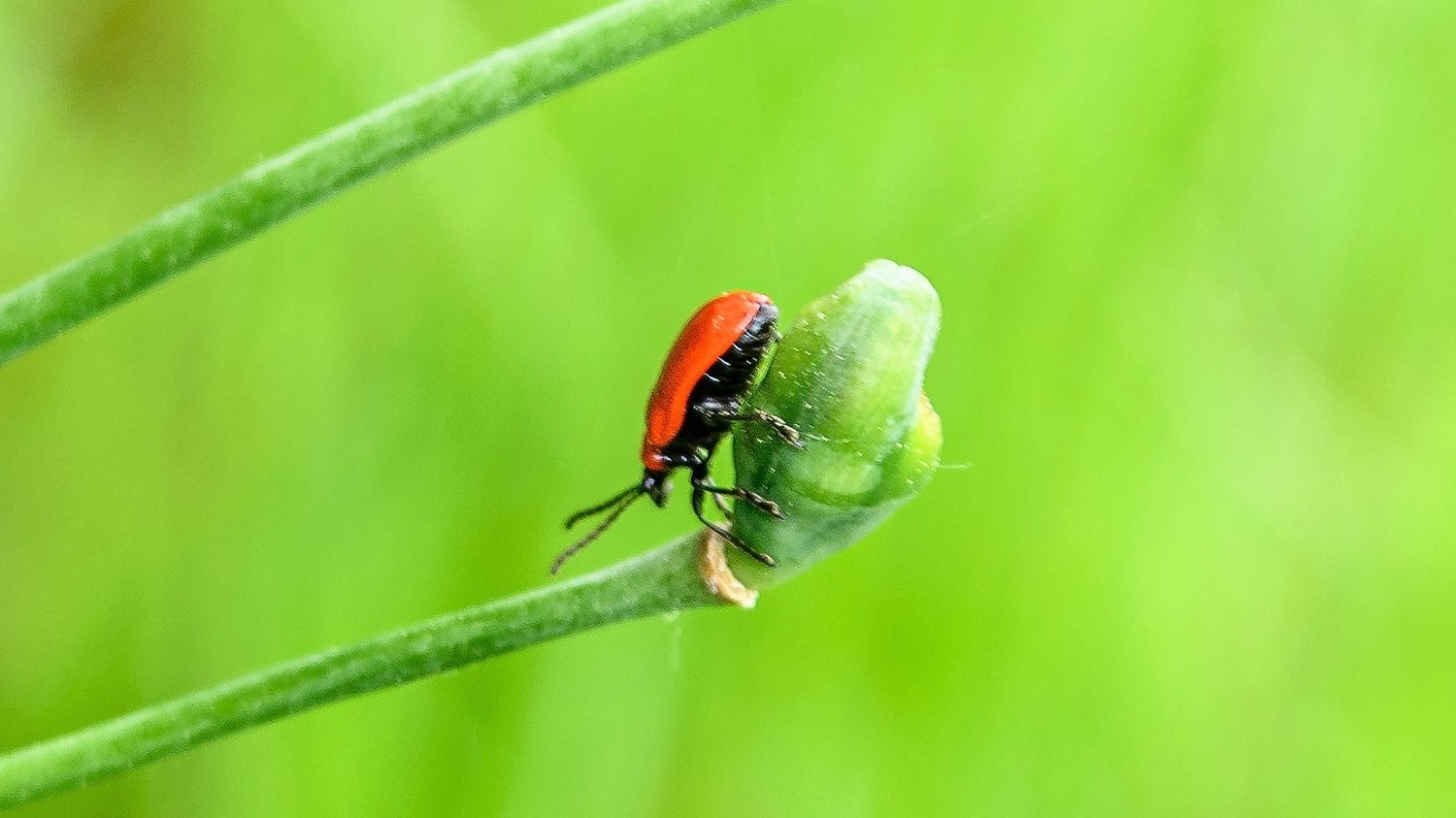
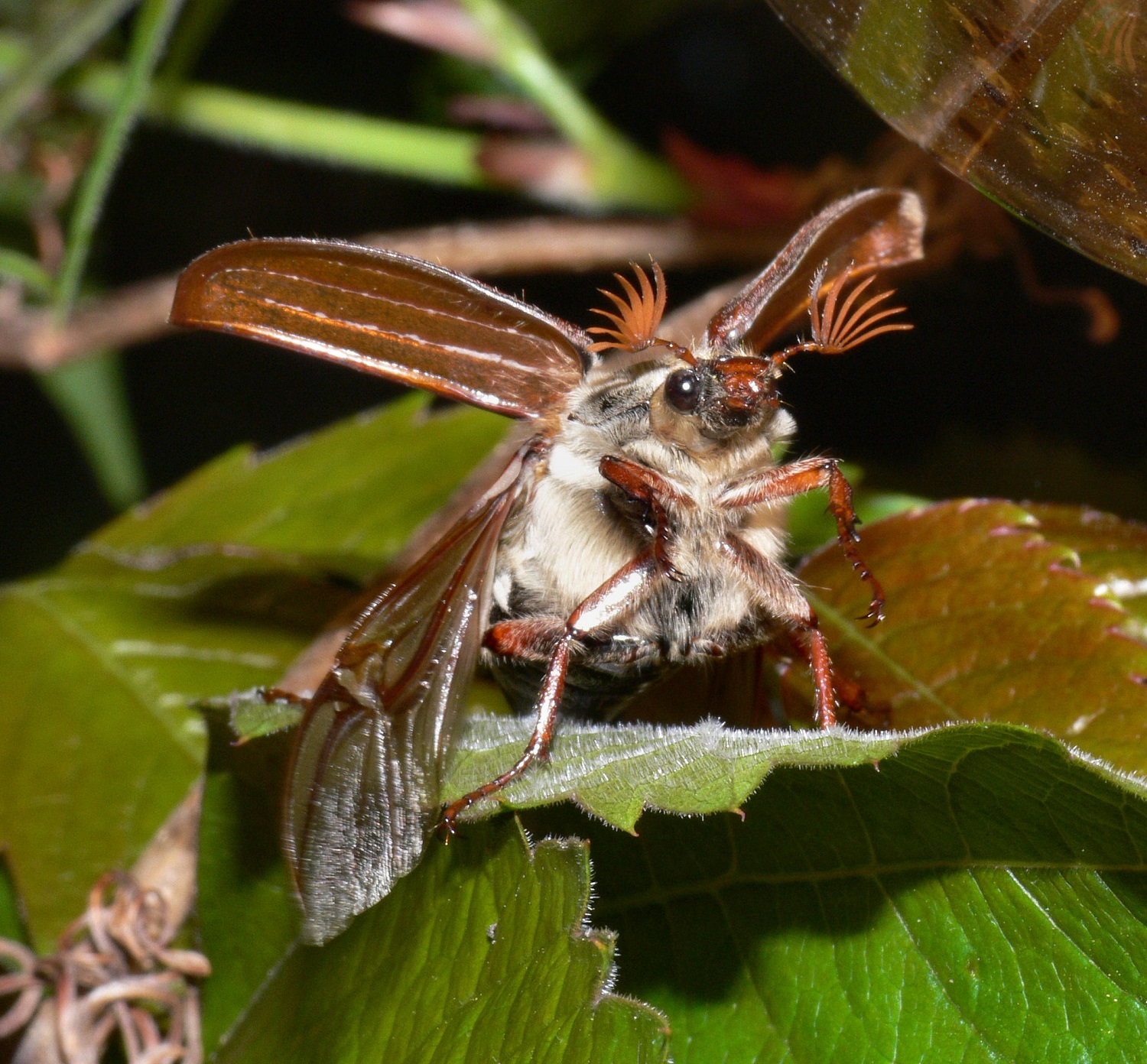
[1] golden bloomed longhorn beetle [2] bloody nosed beetle [3] sailor beetle [4] lily beetle [5] cockchafer (May bug) [6] seven spot ladybird [7] sixteen spot ladybird [8] thick legged flower beetle; Header image: Red headed cardinal beetle by Gail Hampshire (CC BY 2.0) wikimedia.com
Black snail beetle
A further dive into the depths of our species lists has dredged up a black snail beetle (Phosphuga atrata).
Continue readingCantharis livida
One of our New Year’s resolutions is to make regular trawls through the depths of our extensive species lists in order to introduce you to some of the less visible (and sometimes much less fluffy) of the reserve’s inhabitants.
Continue readingOn the winter’s coldest day so far, let’s look back to the summer for a while: here is Simon Knight’s picture of a golden-bloomed longhorn beetle sunbathing among the grass stems.

Beetles
Just a few of the reserve’s coleoptera.


Header image: Red headed cardinal beetle by Gail Hampshire (CC BY 2.0) wikimedia.com
Green nettle weevil
Another new identification for the reserve; a green nettle weevil (Phyllobius pomaceus) reported in May this year by Charles Land.
Continue readingGolden-bloomed longhorn beetle
Occasionally, we delve into our species lists for a closer look at some of the reserve’s more unobtrusive and less fluffy residents. Today it’s the turn of the golden-bloomed longhorn beetle (Agapanthia villosoviridescens), first identified and photographed by our wildlife photographer, Simon Knight, in the summer of 2020.
Continue reading “Golden-bloomed longhorn beetle”Devil’s coach horse
A Devil’s coach horse (Ocypus olens) was found and identified in Kestrel Field yesterday by Sarah Gould. Ocypus olens is a swiftly-moving ground beetle species and this one was moving so swiftly that Sarah was unable to get anything more than a blurred, but perfectly identifiable, picture which we sent to Ian for confirmation. This is a new species for the reserve’s comprehensive lists
Continue readingBloody nosed beetle
A bloody nosed beetle (Timarcha tenebricosa) found in the short grass where the rabbits graze at the end of Sleepers Field.
Continue reading “Bloody nosed beetle”Wild About Gardens
The Wildlife Trusts and the Royal Horticultural Society have set up a website called Wild About Gardens. Its focus is wildlife gardening and it encourages people to use their gardens to help support nature. This year they are all about beetles.
Continue reading “Wild About Gardens”