Insect losses

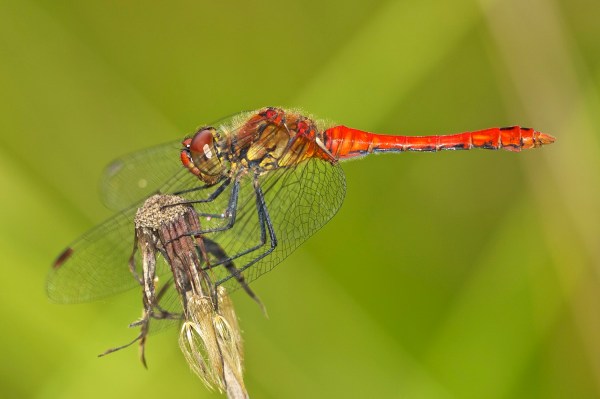
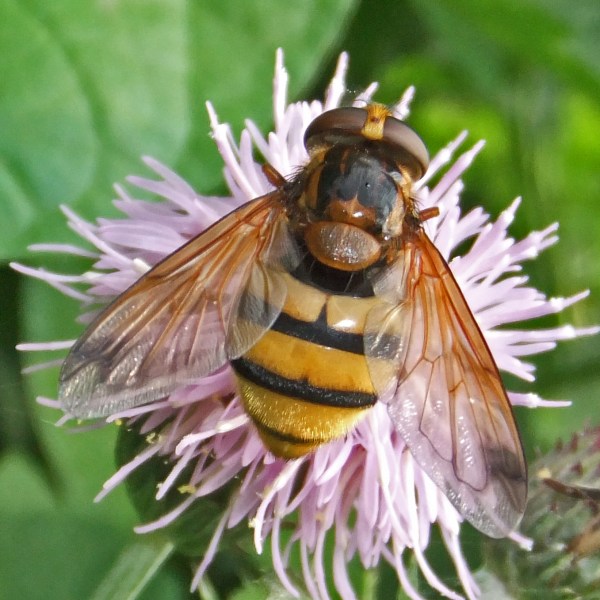
In the UK, the populations of our more common butterflies have fallen by 46% in the last 50 years while the rarer species have declined by 77%. We have lost 60% of our flying insects in just 20 years. We have entirely lost 13 species of our native bees since the 1970s and fully expect more to follow.
Continue reading “Insect losses”

Moss

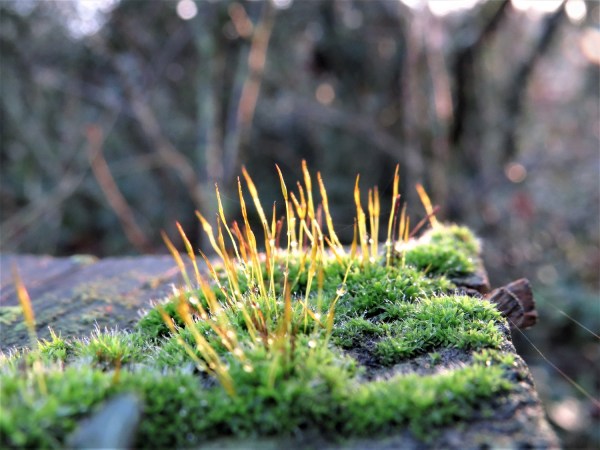
Before you drag the pressure washer out of its winter hibernation, let’s talk about the ecological importance of the moss growing between your patio pavers.

Continue reading

Barn owls

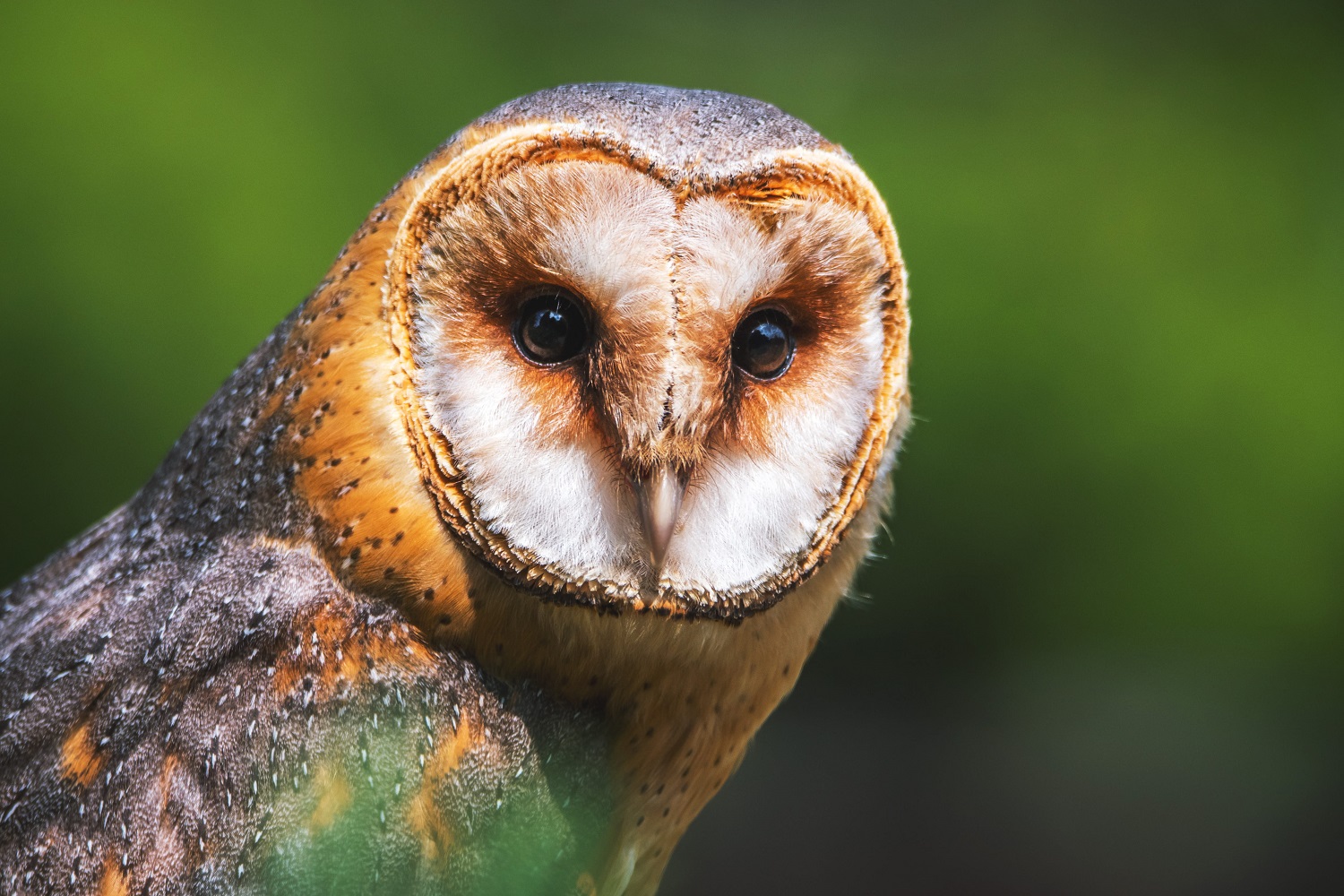
Most years, in March, the reserve is visited by a pair of barn owls. As barn owls mate for life, this is probably the same pair each year looking for a nest site. They always set up a temporary roost in one of the oak trees in the hedge in the centre of the field between Church Lane and Lambrok Meadow and hunt across our fields in the early dawn.

Have any of you up-with-the-lark early morning dog walkers seen them this year? Please let us know if you have.

Timing

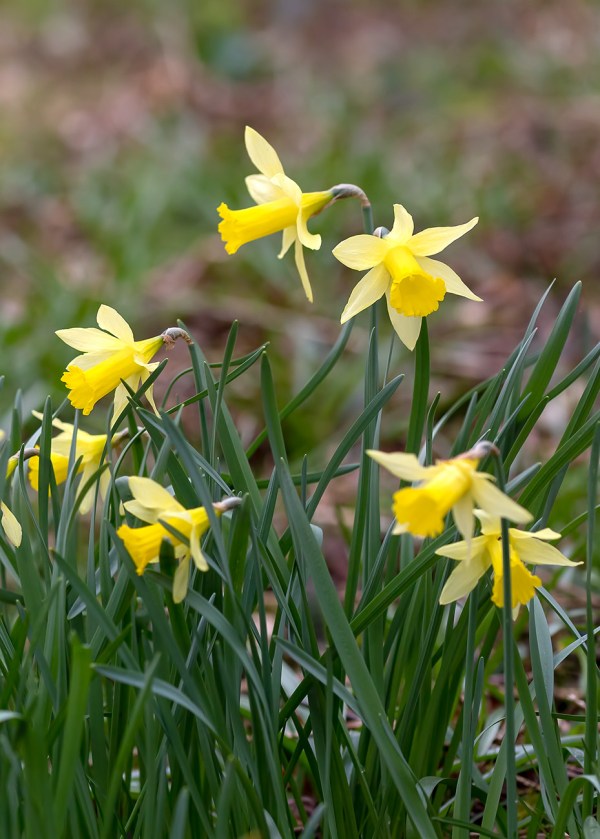
Changing temperatures are initiating plant growth earlier and earlier every year. In the reserve, there are already primroses in flower. While we might find the early flowering of daffodils and snowdrops encouraging, there are other species in the park for which it might be a disaster.

Continue reading

Bioturbation

Wikipedia defines bioturbation as the reworking of soils and sediments by animals or plants. Here is a video of a system with and without soil fauna such as earthworms, mites and isopods over a 15 week period: this is what is happening to the fallen leaves all over the reserve.

Five spot burnet moth

These are five spot burnet moths (Zygaena trifloii), dayflying nectar feeders. Regular contributor Cheryl Cronnie photographed this mating pair at the end of June.

Continue reading

Moss

Before you drag the pressure washer out of its winter hibernation, let’s talk about the ecological importance of the moss growing between your patio pavers.

Continue reading

Meadow foxtail

In the summer, County Recorder Richard Aisbitt identified meadow foxtail (Alopecurus pratensis) in our fields, a tall grass with a furry flower head that looks like a fox’s brush: hence its name.

Continue reading

Habitat loss

People think of an uprooted forest when they think of habitat loss: orang utans starving in a palm oil plantation, the rabbits running from the machinery at the beginning of Watership Down, or the man-made desert of a dust-bowl. But habitat loss is, in the majority of cases, a lot less dramatic and much more ordinary than that, and often a great deal closer to home.

Continue reading “Habitat loss”

Insect losses

In the UK the populations of our more common butterflies have fallen by 46% in the last 50 years while the rarer species have declined by 77%. We have lost 60% of our flying insects in just 20 years. We have entirely lost 13 species of our native bees since the 1970s and fully expect more to follow.

Continue reading

Nature reserve problems

We are not the only nature reserve struggling with increased visitor numbers. Here, David Attenborough presents a twenty minute documentary about Richmond Park, showing us a biodiversity not dissimilar to Southwick Country Park’s own, and wrestling with very similar difficulties.

Please comment below. The problems of sharing our few public green spaces with our threatened wildlife in a damaged biosphere grow as our population grows, and we all need to find solutions.

Create a website or blog at WordPress.com

Up ↑