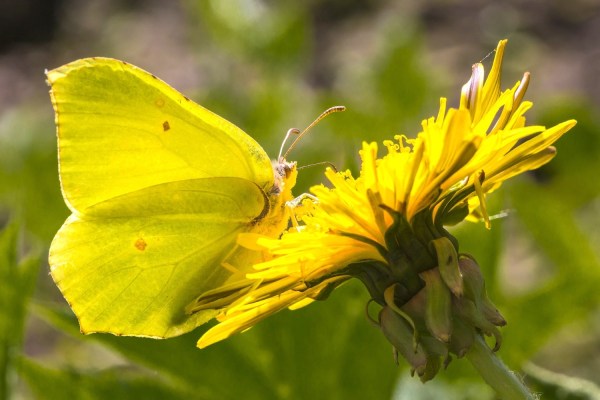
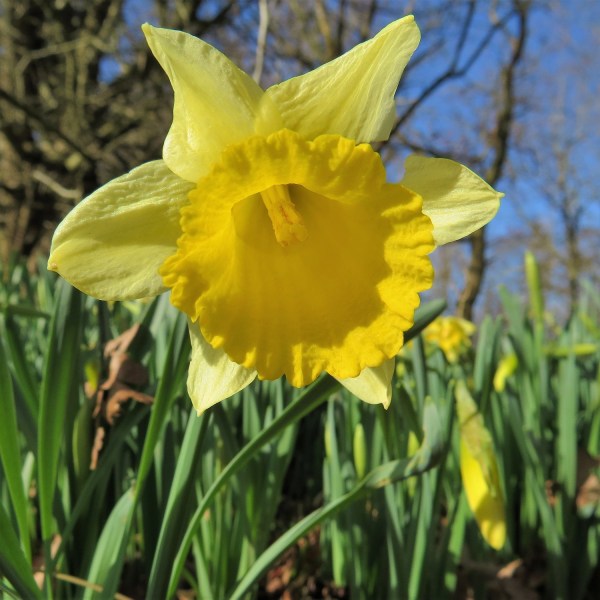
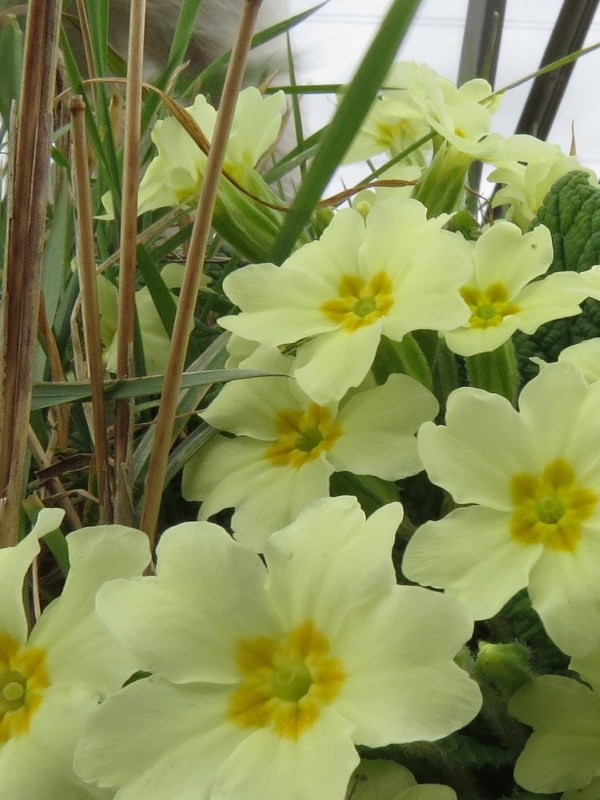
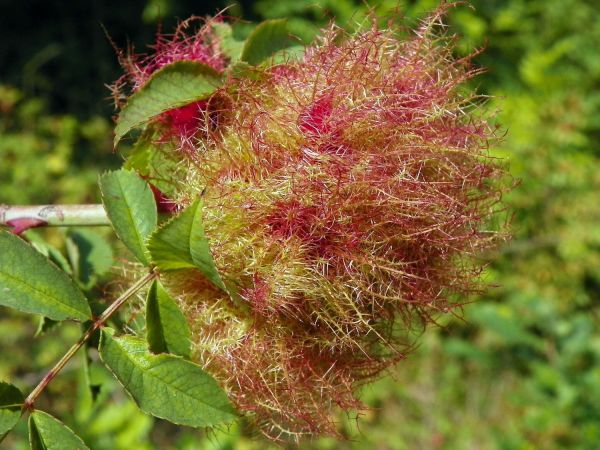
A host of golden daffodils….

Over the years the Friends have planted at least a couple of thousand native daffodil bulbs (Narcissus pseudonarcissus) around the edges of the reserve’s woodland. Back breaking work, rewarded at this time of year with the first golden flowers.

Continue reading

Flowering ivy

The reserve’s’s ivy flowers between September and November; each plant’s flowering season is quite short but a succession of plants flowers all through the autumn. The flowers are small, green and yellow, and so insignificant-looking that many people don’t realise that that they are flowers at all.

Read on:

Rosebay willowherb

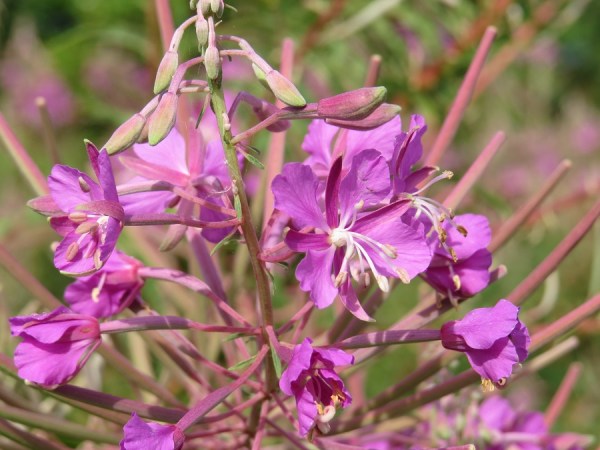
The rosebay willowherb (Chamaenerion angustifolium) in the reserve is in flower and well worth a look.

Read on:

Shed not a clout…

The old saying – Shed not a clout ’til may be out – is not an instruction to keep your coat on until June; it’s telling you to take your cardigan off when the may is in flower, which has been known to happen as early as April.

Continue reading

War with the invader

Every year, the Friends take to the reserve’s bluebell copses to hunt down and pull up Spanish squill, an invasive alien that is threatening the future of our native bluebells.

Continue reading
Dandelions

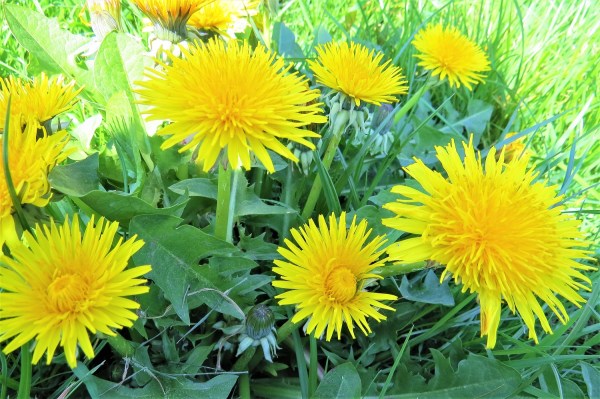
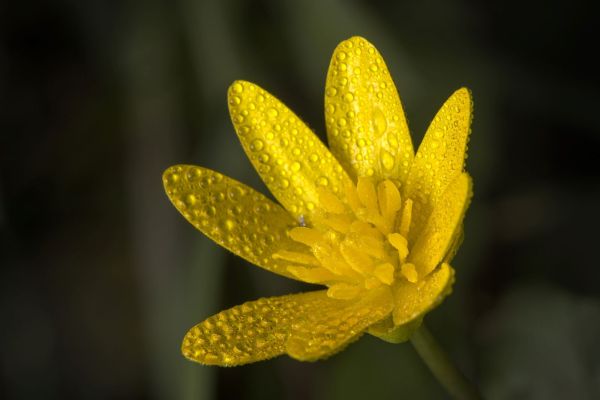
Dandelions (Taraxacum officinale) are the commonest of our wildflowers. They grow everywhere: between our paving stones, in flowerbeds, lawns and roadside verges, and straight up through the tarmac of a well-maintained driveway.

Continue reading
A host of golden daffodils….

After their short, golden flowering period, the above-ground parts of our daffodils will die back and they will spend the rest of the year hidden underground as bulbs. The bulbs are adapted stems and leaves in which the plants store their food to fuel next year’s spring growth.

Continue reading

Early daffodils

These are not the daffodils we planted in the autumn of 2017; these are a rapidly spreading clump at the bottom of Kestrel Field on the edge of the copse.

Continue reading

Pussy willow

A goat willow’s flowers, or catkins, are known as pussy willow because they look like furry grey kittens’ paws. They appear in February, some weeks before the willow’s leaves, one of the earliest signs of spring in the reserve.

Continue reading
The sex life of a primrose

Our primroses, which have an interestingly complicated sex life, are just beginning to flower in the reserve’s sheltered ditches and copses.

Continue reading

Ivy flowers

The reserve’s ivy blooms from the beginning of September right through November; each plant’s flowering season is quite short but a succession of plants flowers all through the autumn and into the winter. The flowers are small, green and yellow, and so insignificant-looking that many people don’t realise that that they are flowers at all.

Read on:

Jerusalem artichoke

There are Jerusalem artichokes (Helianthus tuberosus) flowering down by the Lambrok tributary stream. They have been there for three or four years now and are spreading along the bank.

Read on:

Create a website or blog at WordPress.com

Up ↑