A tiny candlesnuff fungus, Xylaria hypoxylon, growing in the rotting wood and moss of one of the old willow trees by the footpath alongside the Lambrok Tributary.
Continue reading “Candlesnuff fungus”Candlesnuff fungus
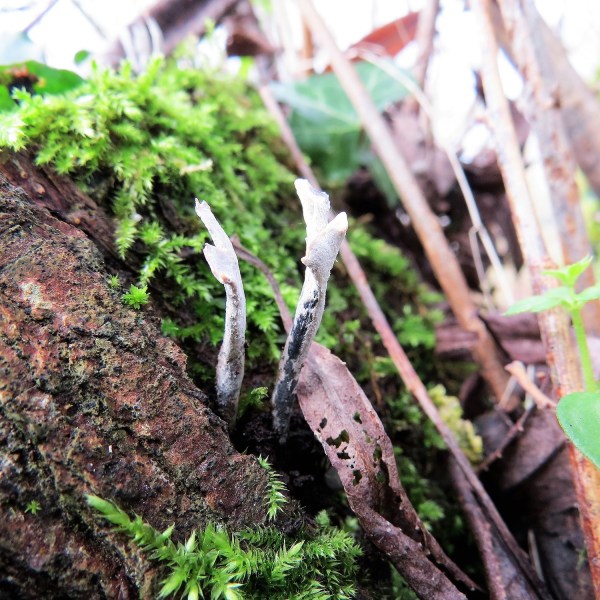
A tiny candlesnuff fungus, Xylaria hypoxylon, growing in the rotting wood and moss of one of the old willow trees by the footpath alongside the Lambrok Tributary.
Continue reading “Candlesnuff fungus”
Mycologists have discovered fungi that can break down polyethylene, the sort of plastic typically used in shopping bags, food wraps and bottles.
Continue reading
A message with beautiful pictures from photographer Simon Knight:
Continue reading “Amethyst deceiver”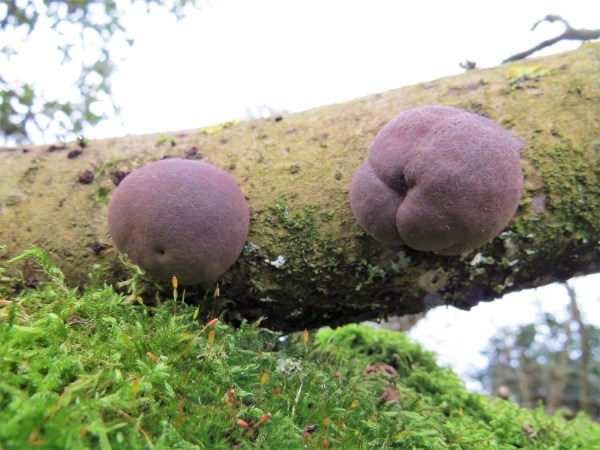
Daldinia concentrica: known as King Alfred’s cakes or coal fungus growing on one of the reserve’s dead ash trees.
Read more
More spooky stuff for Hallowe’en.
Continue reading “Dead man’s fingers”
This is the right time of year for turkey tail fungi, Trametes versicolor.
Continue reading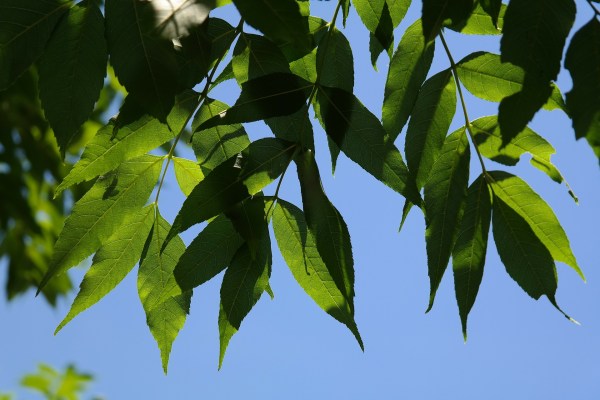
It has been estimated that ash dieback will kill approximately 80% of the UK’s ash trees.
Continue reading
Clive Knight has sent us pictures of turkey tail fungi (Trametes versicolor) growing in the reserve on fallen oak.
Continue reading
Pictures and a message from Clive Knight:
Walking round the reserve today, I saw this bright yellow fungus growing on an old Oak branch. I have no idea what it is. Can anybody help?
Continue reading
Daldinia concentrica: known as King Alfred’s cakes or coal fungus grows on the park’s trees, in this case on a dead ash tree.
Read more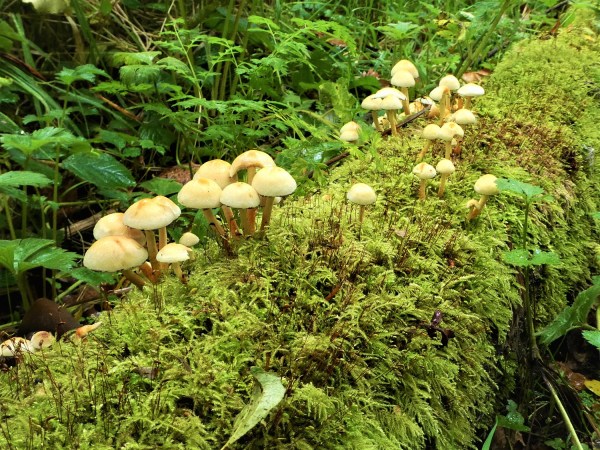
The fruiting bodies of a fungus living in a rotting log, found and photographed after yesterday’s rain by Clive Knight.

As usual, we are unable to identify this fungus and would really welcome the help of an expert.

Sulphur tuft (Hypholoma fasciculare) growing on dead wood in the copse between Sleepers and Sheep Field.
Continue reading
Daldinia concentrica: known as King Alfred’s cakes or coal fungus grows on the park’s trees, in this case on a dead ash tree.
Read more
This post was first published last year, an introduction to some of the reserve’s beautiful fungi.
A message with beautiful pictures from photographer Simon Knight:
Continue reading “Amethyst deceiver”
Inkcaps are a group of fungi with gills that liquefy as they mature and drip an inky black liquid that, in the past, was frequently used to make ink.
Read on for more about inkcaps:
Researchers have discovered that the trees in a wood are connected by a network of mycorrhizal fungi that grow around and in their roots, a phenomenon they have called the Wood Wide Web.
Continue reading
Message from Tree Officer Rich Murphy:
I’m not sure if the quality of the picture will be much good but I found some dead man’s fingers in the copse in Simpson’ Field – I don’t know if they are on the list for known fungi within the park.
Thank you, Rich; and no, they are not on our list of known fungi in the reserve.
Continue reading “Dead man’s fingers”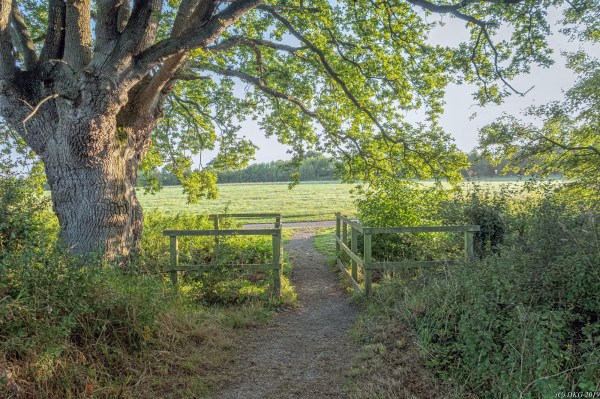
There are 2,300 species associated with oak, 320 of which are found only on oaks. Here is a gallery of wildlife photographed in the park’s oaks.



Header picture: Oak Bridge by DKG
Sulphur tuft (Hypholoma fasciculare) growing on dead wood in the copse between Sleepers and Sheep Field.
Continue reading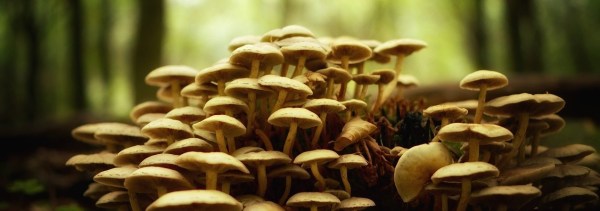
Our trees have internet!

A message with beautiful pictures from photographer Simon Knight:
Continue reading “Amethyst deceiver”
Daldinia concentrica: known as King Alfred’s cakes or coal fungus grows on the park’s trees, in this case on a dead ash tree.
Read more
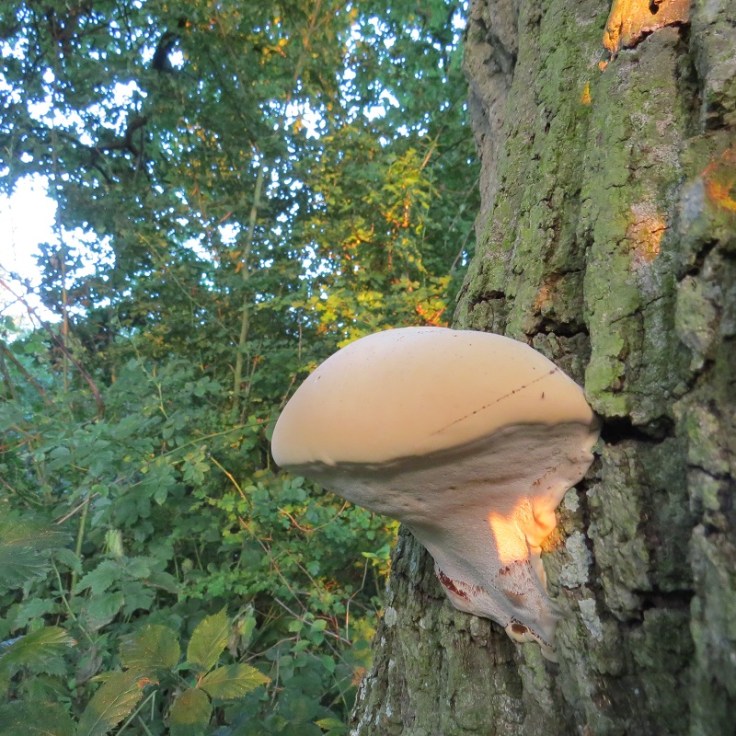
The shaggy bracket fungus on the ash tree at Fiveways, first reported by Clive Knight and identified for us by our Tree Officer Rich Murphy, has grown HUGE.
Continue reading “Inonotus hispidus”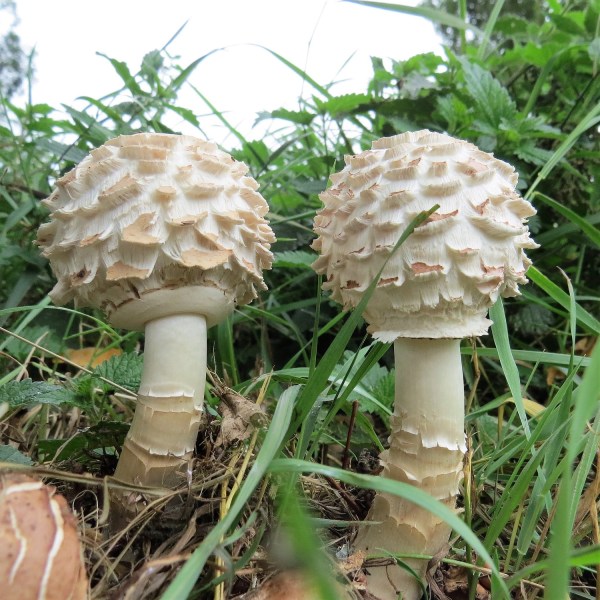
There is a group of shaggy parasols, the fruiting bodies of Chlorophyllum rhacodes, just coming up under the first oak tree as you come through the park’s main gate.

Pictures by Suzanne Humphries


 Southwick Country Park Nature Reserve