Hogweed

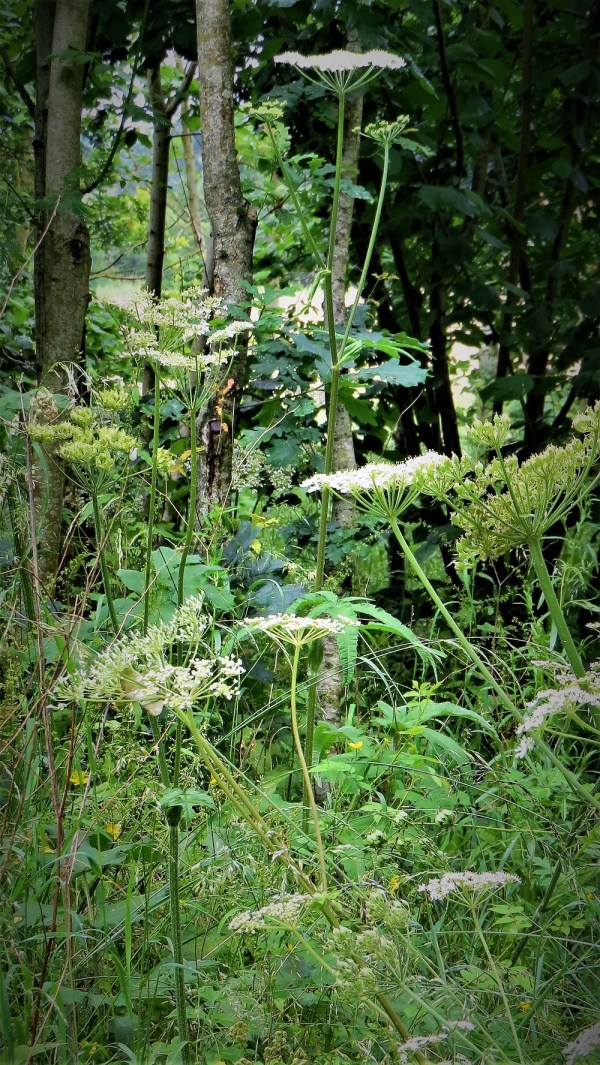
This has been a year of astonishing growth: more grass than we have ever seen, nettles at head height, trees and shrubs sagging under the weight of blossom. Our common hogweed (Heracleum sphondylium) is standing seven feet tall in places with flower-heads the size of dinner plates.

Continue reading “Hogweed”

Giant swarms of cannibalistic Harlequin ladybirds riddled with an STI are invading British homes: this is a headline in the Mail Online this week. No wonder our relationship with our environment is deteriorating when the country’s most-read news outlet uses such inflammatory language to describe a natural phenomenon. Swarm, cannibalistic, riddled, sexually transmitted infection, invade: could they have squeezed any more knee-jerk melodrama into a single sentence?
Read on:

Grey squirrel invaders

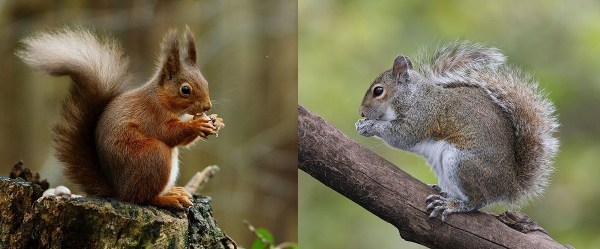
The park’s grey squirrels are invasive aliens, brought here during the 19th Century, when the possession of rare and exotic species of plants and animals was the height of fashion. Grey squirrels, native to eastern North America, were first released into the wild in Britain, at Henbury Park, in Cheshire, in 1876.

Read on:

A red squirrel?

We received this, by email, from Simon Handley:

Dear FOSCP,

My good lady is convinced that she saw a red squirrel in the park the other day. I saw it too (a fleeting glimpse) and at first I thought it was a chipmunk (??!!) and then thought it seemed a lot redder than grey. Is this possible? It was along the path along the stream between Lambrok Meadow and the large pond. Be grateful for your thoughts. 

Kind regards 

Simon & Sarah Handley 

Continue reading “A red squirrel?”

Create a website or blog at WordPress.com

Up ↑