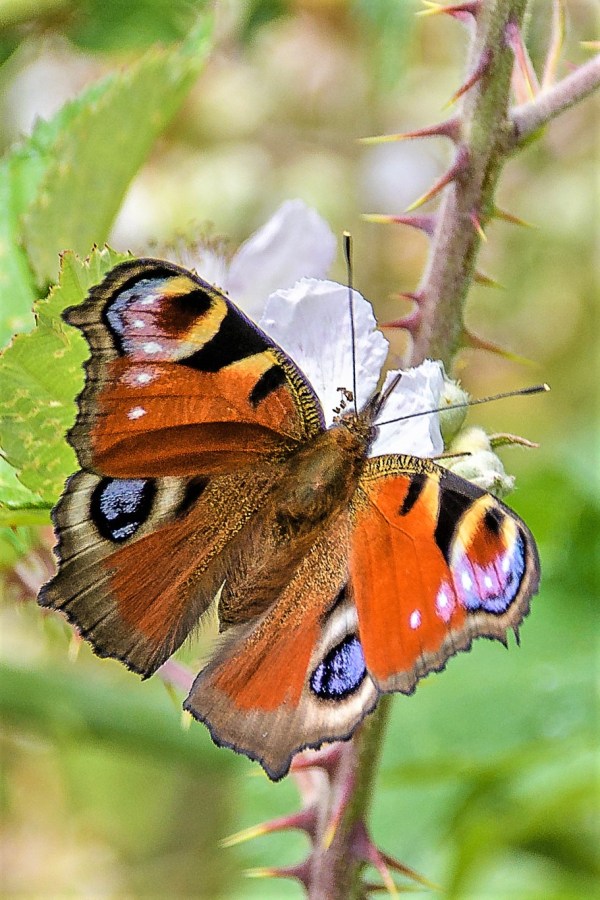
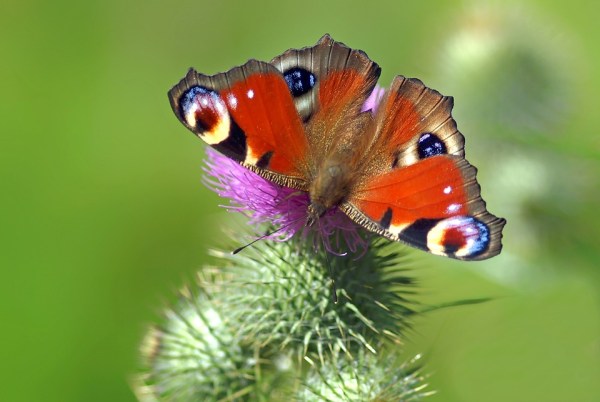
Here is a fascinating little video of a peacock butterfly emerging from its chrysalis. Every year there are nests of peacock caterpillar among the nettles by the path in Simpson’s Field so, by the end of July, we should see this year’s beautiful adults in flight.
Filmed and edited by Daniel Castell

Wildflower meadows

Gorgeous pictures taken in our wildflower meadows by wildlife photographer Simon Knight and sent in with a question:

Here are some pictures from the reserve taken over the past few weeks. It’s a shame we’re about to lose most of the flowers and a huge amount of invertebrate life with the grass being cut so early. Why can’t the grass be cut later in the summer?

Continue reading

Whirligig beetles

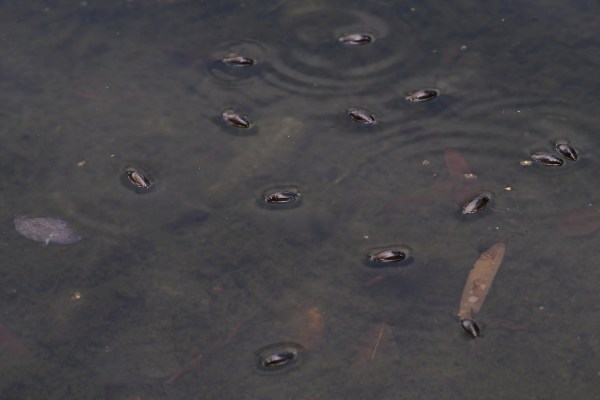
Whirligig beetles are actually a whole family of water beetles called Gyrinidae, almost 700 different species globally, most of them very much alike and extremely difficult to tell apart. We have no idea what particular species live in the pond upstream of the wooden bridge but all the Gyrinidae share some fascinating features.

Read on for details and a short video

Tardigrades

Tardigrades have been found everywhere in Earth’s biosphere, from the highest mountaintops to the deepest sea  and from tropical rainforests to the Antarctic. There are sure to be some, somewhere, in the reserve’s ponds, going quietly about their business.

Continue reading

Cantharis livida

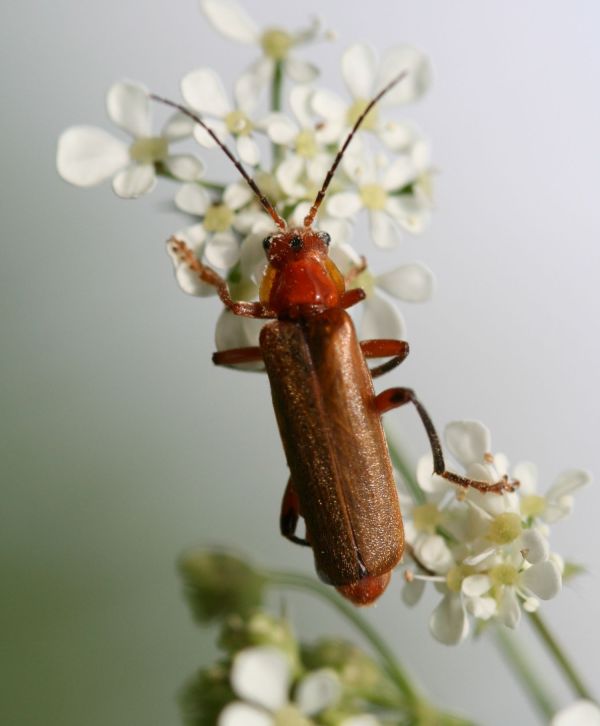
One of our New Year’s resolutions is to make regular trawls through the depths of our extensive species lists in order to introduce you to some of the less visible (and sometimes much less fluffy) of the reserve’s inhabitants.

Continue reading

Insect losses

In the UK the populations of our more common butterflies have fallen by 46% in the last 50 years while the rarer species have declined by 77%. We have lost 60% of our flying insects in just 20 years. We have entirely lost 13 species of our native bees since the 1970s and fully expect more to follow.

Continue reading

Ivy flowers

The reserve’s ivy flowers between September and November; each plant’s flowering season is quite short but a succession of plants flowers all through the autumn. The flowers are small, green and yellow, and so insignificant-looking that many people don’t realise that that they are flowers at all.

Read on:

Wasps

By the end of the summer, the workers in a wasp nest will have finished raising and feeding the new queen larvae. The larvae have spun caps over their cells and begun the process of pupation. This indicates a change for the nest.

Read on:

Tardigrades

Tardigrades have been found everywhere in Earth’s biosphere, from the highest mountaintops to the deepest sea  and from tropical rainforests to the Antarctic. There are sure to be some, somewhere, in the reserve’s ponds, going quietly about their business.

Continue reading

Create a website or blog at WordPress.com

Up ↑