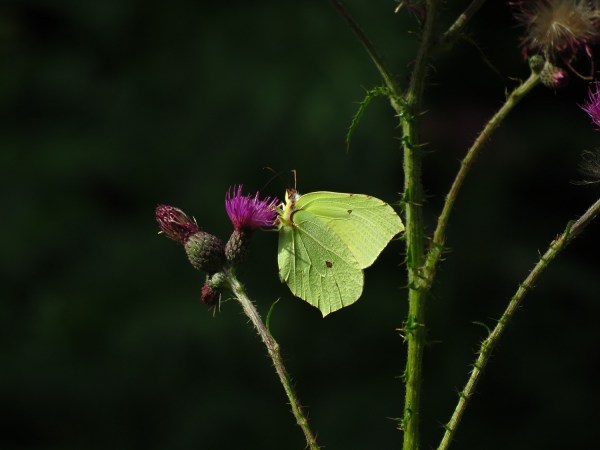
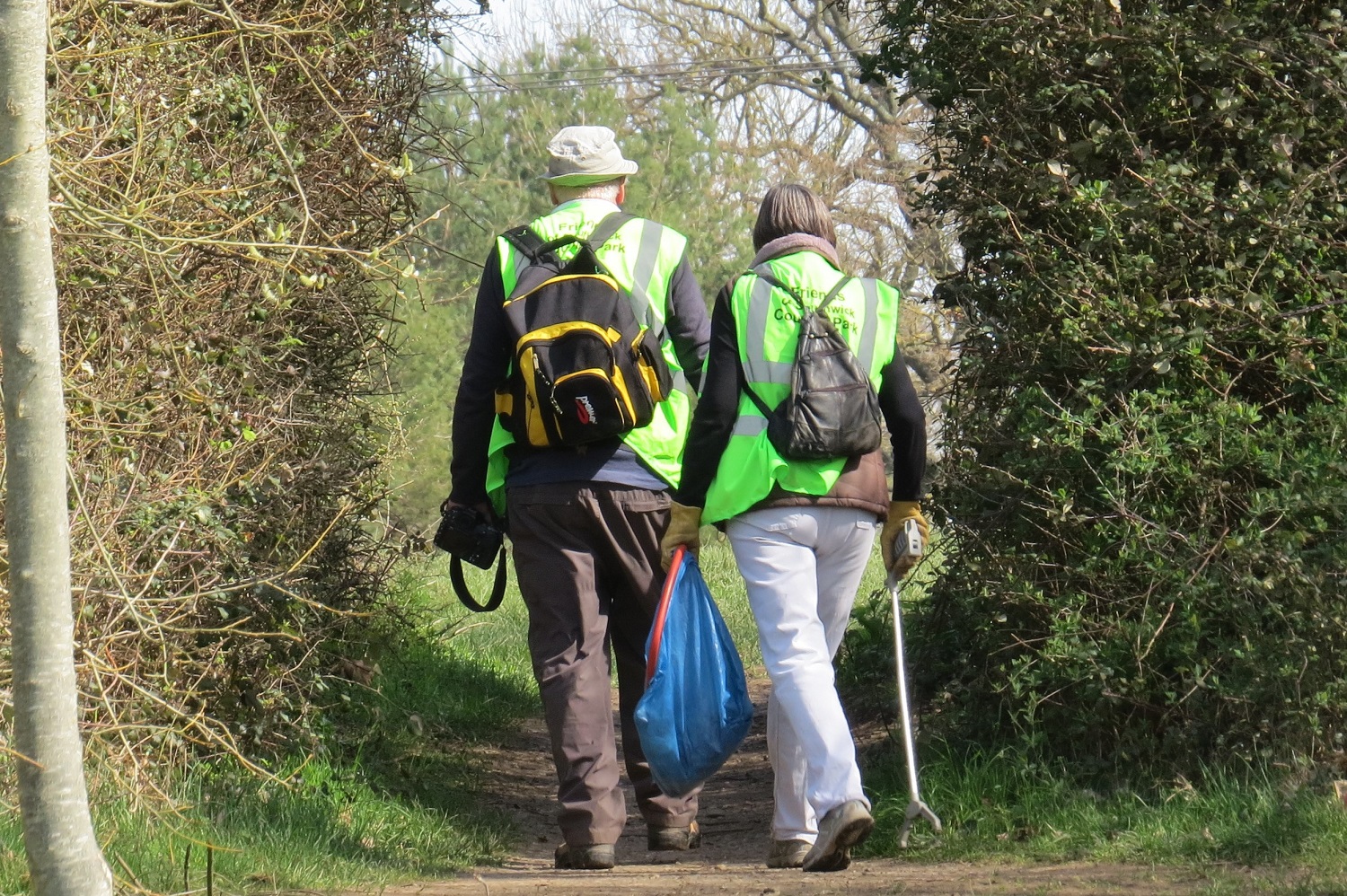
Usually the butterfly population of the park is estimated by walking transects during the summer. This means regularly walking a set route through the park, on days of butterfly-friendly weather, and counting the number of species and individuals within a certain distance of that route.
Continue reading “Butterfly list”SAVING BUMBLE BEES
The warm weather has brought some queen bumblebees out from hibernation before there are enough nectar producing flowers to keep them going. If you find a bumblebee on the ground, too cold and weak to fly, you can help.
Click here to find out how to helpLoss of insect species
The media has made much of a recent meta analysis, Worldwide decline of the entomofauna: A review of its drivers, published in the journal Biological Conservation. Researchers Francisco Sanchez-Bayo and Kris A.G. Wykhuys have come to conclusions so frightening that even the newspapers couldn’t find the words to make it scarier than it really is.
Continue reading “Loss of insect species”Ivy flowers
The park’s ivy flowers between September and November; each plant’s flowering season is quite short but a succession of plants flowers all through the autumn. The flowers are small, green and yellow, and so insignificant-looking that many people don’t realise that that they are flowers at all.
Black and yellow
In the world of invertebrates, black and yellow signals danger. It says to predators: I am poisonous or I will bite you. Read on to discover more:
Giant swarms of cannibalistic Harlequin ladybirds riddled with an STI are invading British homes: this is a headline in the Mail Online this week. No wonder our relationship with our environment is deteriorating when the country’s most-read news outlet uses such inflammatory language to describe a natural phenomenon. Swarm, cannibalistic, riddled, sexually transmitted infection, invade: could they have squeezed any more knee-jerk melodrama into a single sentence?
Read on:
Crane Flies
There are hundreds of species of crane fly in this country and almost all of them go by the name of daddy long legs. The differences between species can be microscopically small but we think this specimen is either a common European crane fly (Tipula paludosa) or a marsh crane fly, (T. oleracea).
Honey bees
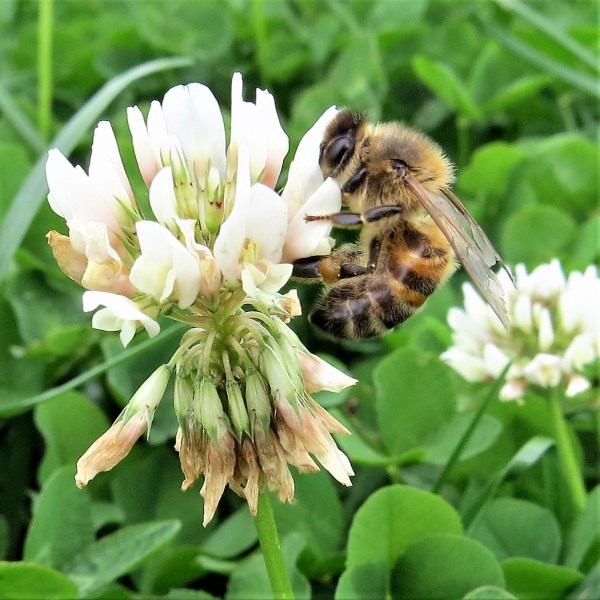
Unlike common wasps, honey bees (Apis mellifera) don’t die at the end of the summer. The hive stores enough food for the queen and the workers to survive through the winter.
.o.
Wasps
By this end of the summer, the workers in a wasp nest will probably have finished raising and feeding the new queen larvae. The larvae have spun caps over their cells and begun the process of pupation. This indicates a change for the nest.
Red tailed bumblebee
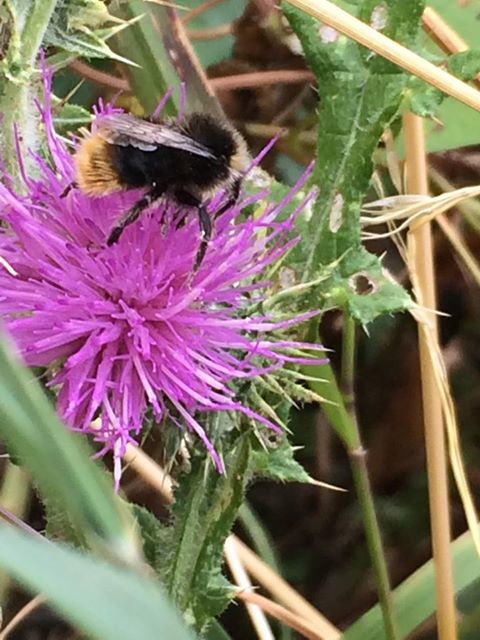
Twelve year old photographer, Neave Duggan, has sent us pictures taken in the park of a male red tailed bumblebee (Bombus lapidarius) feeding on creeping thistle flowers.
.o.
.o.
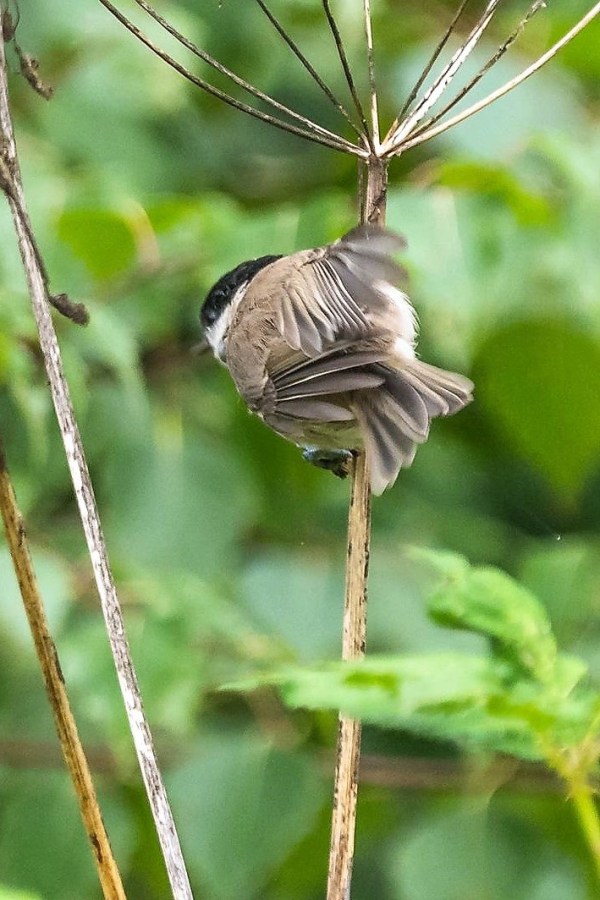
We apologise for wrongly identifying this little bird. We thought it was a blackcap (Sylvia atricapilla) but our expert has identified it as a marsh tit (Poecile palustris). This is the first sighting of a marsh tit in the park: a new name for our species lists.
Cantharidae
There are forty one species of Cantharidae in Britain and almost all go by the common names of soldier or sailor beetle.