The Big Butterfly Count ends on Sunday. So far, citizen scientists have sent in more than 85,000 counts and recorded more than a million butterflies and day-flying moths.
Continue reading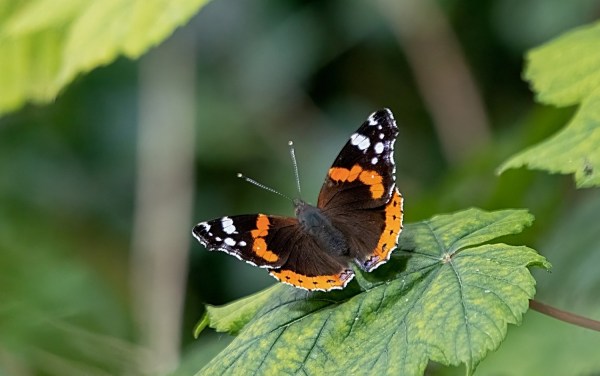
The Big Butterfly Count ends on Sunday. So far, citizen scientists have sent in more than 85,000 counts and recorded more than a million butterflies and day-flying moths.
Continue reading
The Big Butterfly Count ends on Sunday, August 6th. Are you still counting?
Continue reading “Still counting”
These are five spot burnet moths (Zygaena trifloii), dayflying nectar feeders. Regular contributor Cheryl Cronnie photographed this mating pair at the end of June.
Continue reading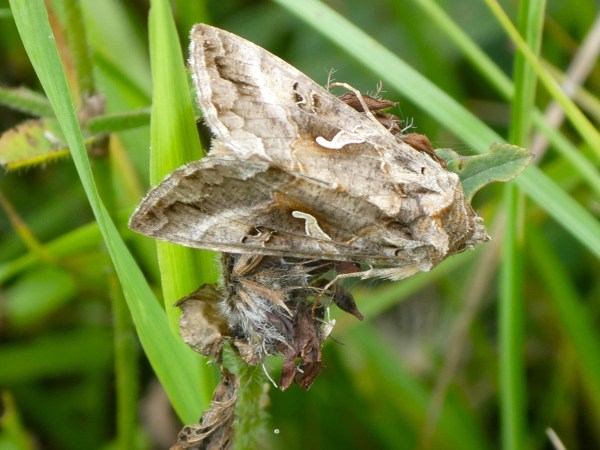
A day flying moth, beautifully camouflaged on a wildflower seedhead, found and photographed yesterday by Clive Knight, and identified by Ian Bushell: a Silver Y (Autographa gamma).


Mail from Max S to FoSCP – Fri 21/07/2023
Hi.
Saw this Silver-washed fritillary yesterday 20/07/23 at the country park.
Max
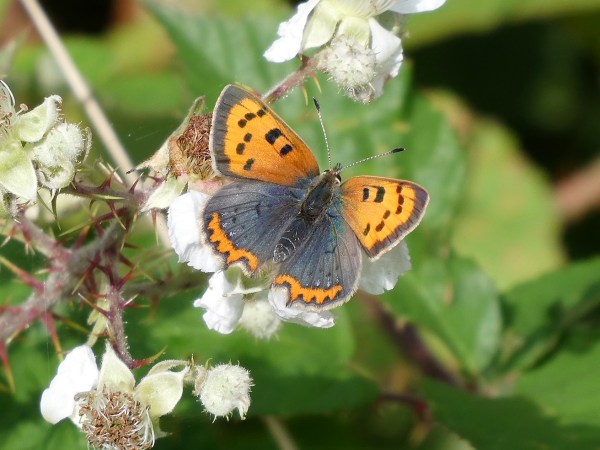
Butterfly Conservation’s annual Big Butterfly count begins today, Friday 14th July, and ends on Sunday 6th August. Have you joined?
Continue reading “The Big Butterfly Count”


Common name: meadow brown
Scientific name: Maniola jurtina
Family: browns
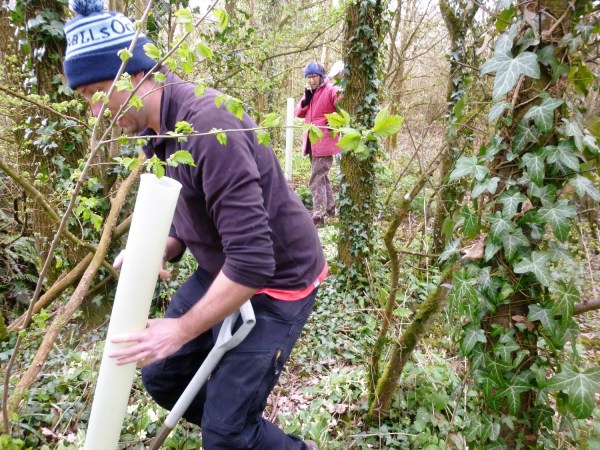
We have been making what might seem to our followers like a great fuss about the planting of just a very few disease resistant elm trees. Here are parts of a post from March 2020, which explain what disease our precious saplings are resistant to, and why we are so eager to get them established in the hedge between Cornfield and Sleepers.
Continue reading “Tree planting”
Most UK butterflies spend the winter as caterpillars or pupae but there are five species that overwinter in their adult form: brimstone, comma, peacock, small tortoiseshell and red admiral, all of them present in the reserve.


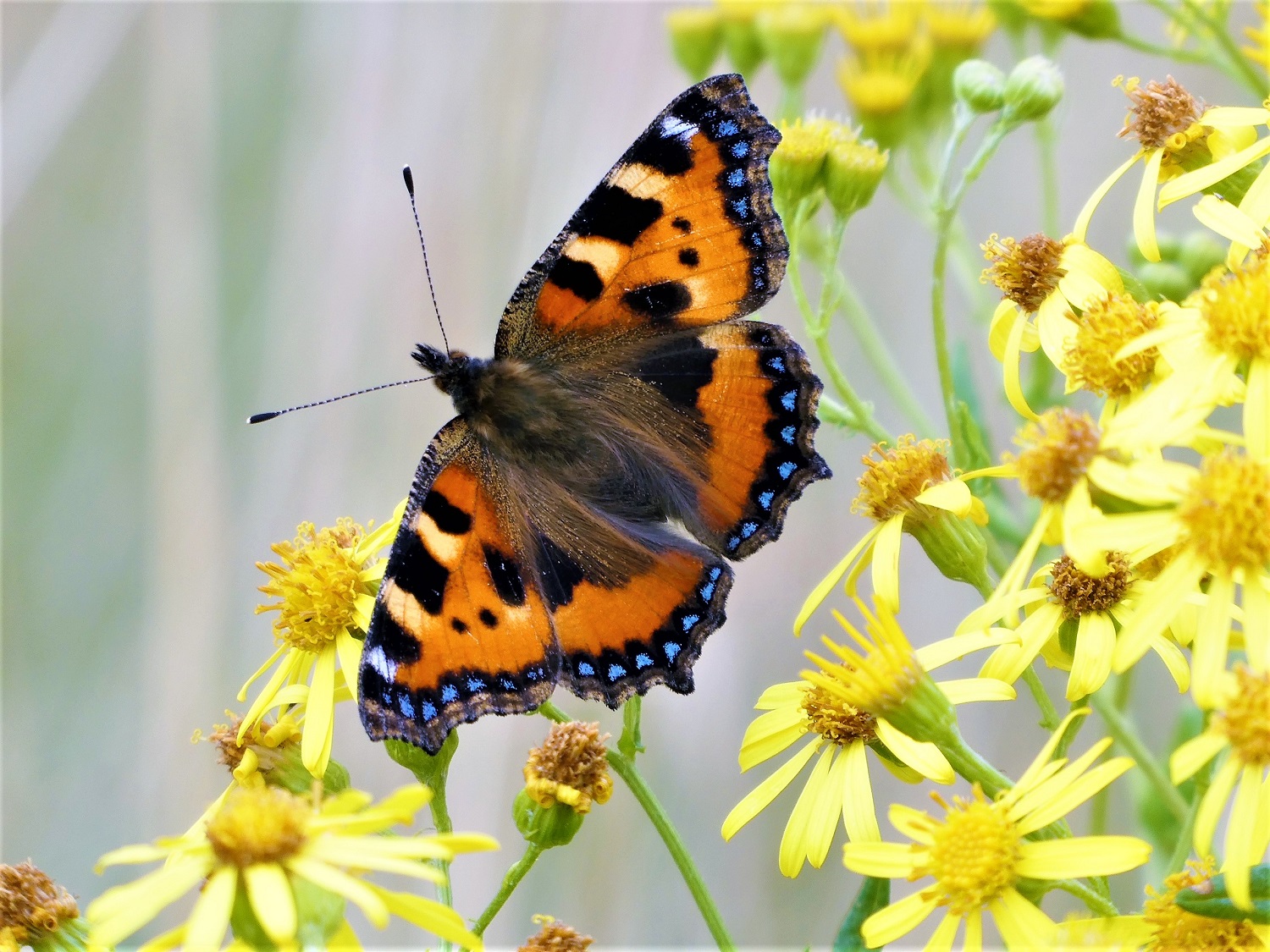
All these photographs were taken in the reserve.

Yesterday morning, Clive Knight, walking in the reserve, found and photographed this beautiful comma butterfly.
Continue reading
iRecord Butterflies is a free app for your smartphone that will help you identify and record any butterfly that you see in your garden. Your sighting will be logged by Butterfly Conservation and added to their records.
Continue reading “iRecord”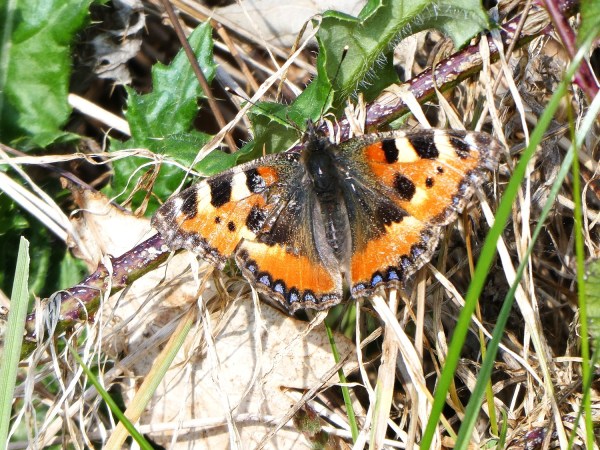
A small tortoiseshell (Aglais urticae), fresh out of hibernation and looking rather worse for wear.
Continue reading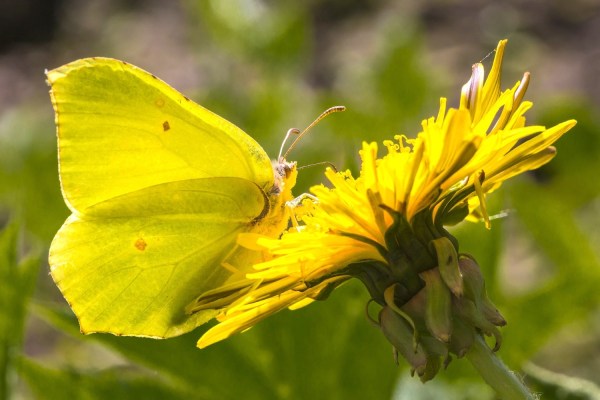
Yesterday’s sunshine brought out bright yellow brimstone butterflies, fluttering along the reserve’s hedges.
Continue reading “Brimstone”
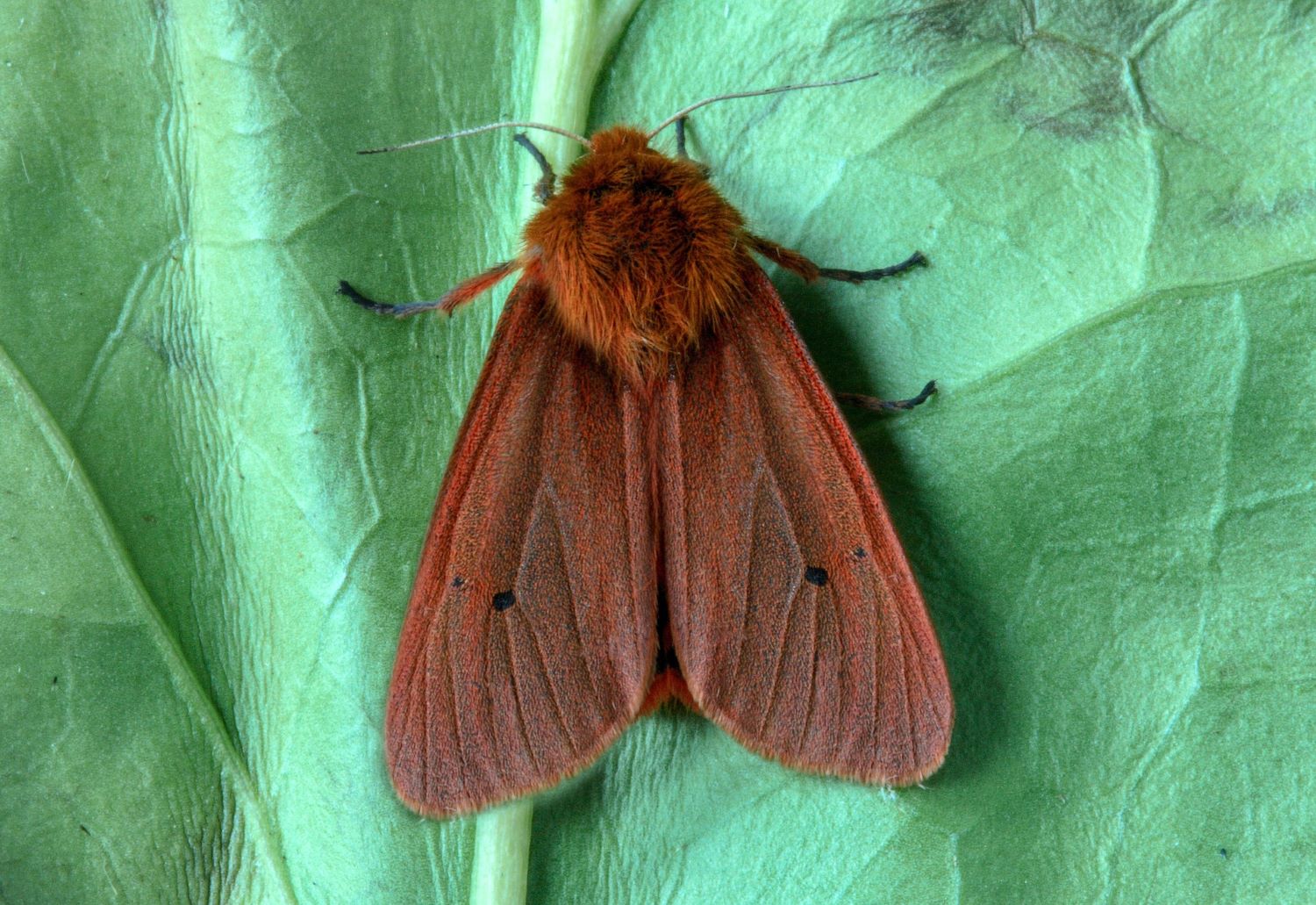
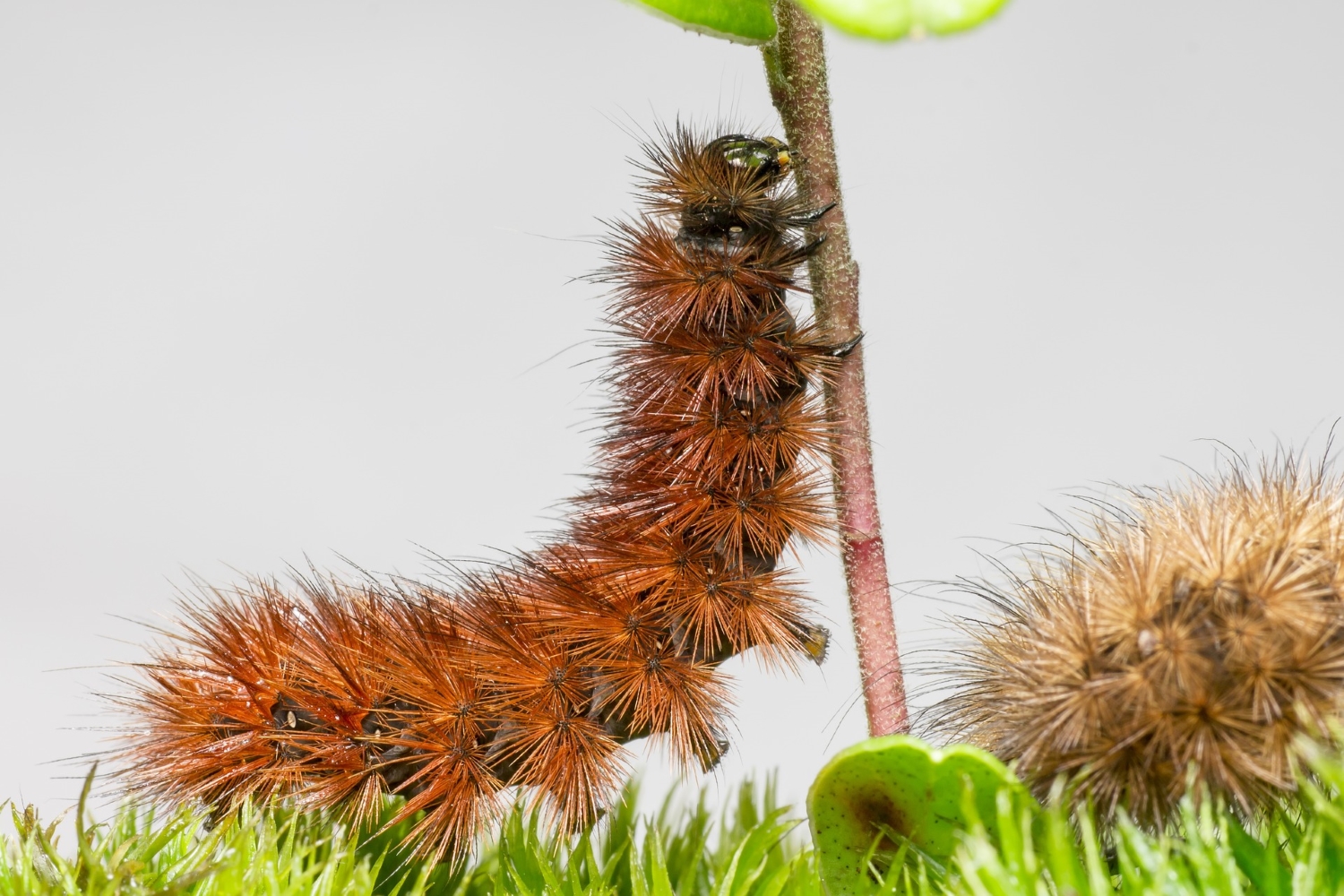
Another expedition into the reserve’s species lists has produced a ruby tiger moth (Phragmatobia fuliginosa) found and identified in the summer of 2021 by our lepidopterist, Hugo Brooke. This is a common day-flying moth, its adult stage so short lived, that it doesn’t feed; its only purpose is to mate and lay eggs on the ragwort, plantain, dock or dandelions on the edge of our woodland.
At this time of year, the ruby tiger is overwintering as a caterpillar, at ground level, among the leaf litter. Its blood contains a natural antifreeze which will have protected it through our recent sub-zero cold snap.
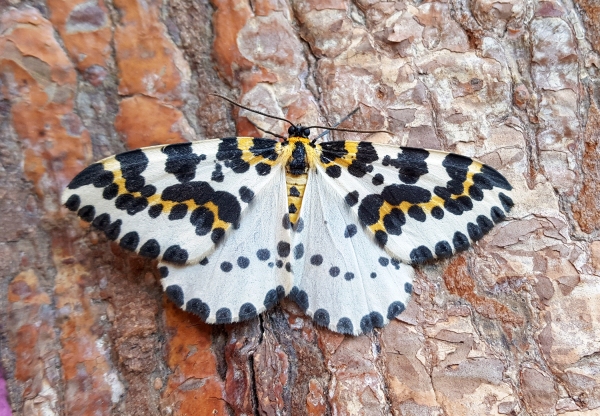
A magpie moth (Abraxas grossulariata), identified in the reserve during the summer.
Continue reading “Magpie moth”
The Winter moth (Operophtera brumata) is one of the few Lepidopterans that can cope with winter’s freezing temperatures in its adult stage. They are endothermic which means that they can produce heat internally by biochemical processes, just as warm-blooded creatures do.
Continue reading “Winter moths”
A clouded yellow (Colias croceus) was identified in the reserve this summer for the first time in eight years. It is a migrant species, an early summer visitor from North Africa or Southern Europe.
Continue reading “Clouded yellow”
This is a six spot burnet moth (Zygaena filipendulae), a dayflying nectar feeder, photographed on the reserve’s plentiful, nectar-rich, tufted vetch.
Continue reading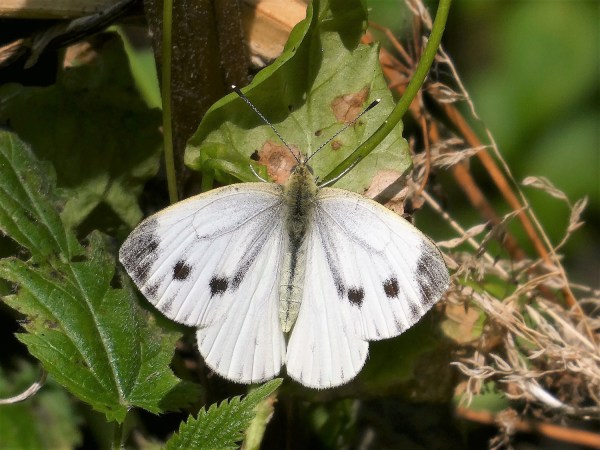
The record breaking painted lady is not the only British butterfly that migrates over long distances.
Continue reading “Large white”
A pristine painted lady, fresh from the chrysalis, feeding on bramble flowers in the reserve yesterday.
Continue reading
Have you joined the BIG BUTTERFLY COUNT yet?

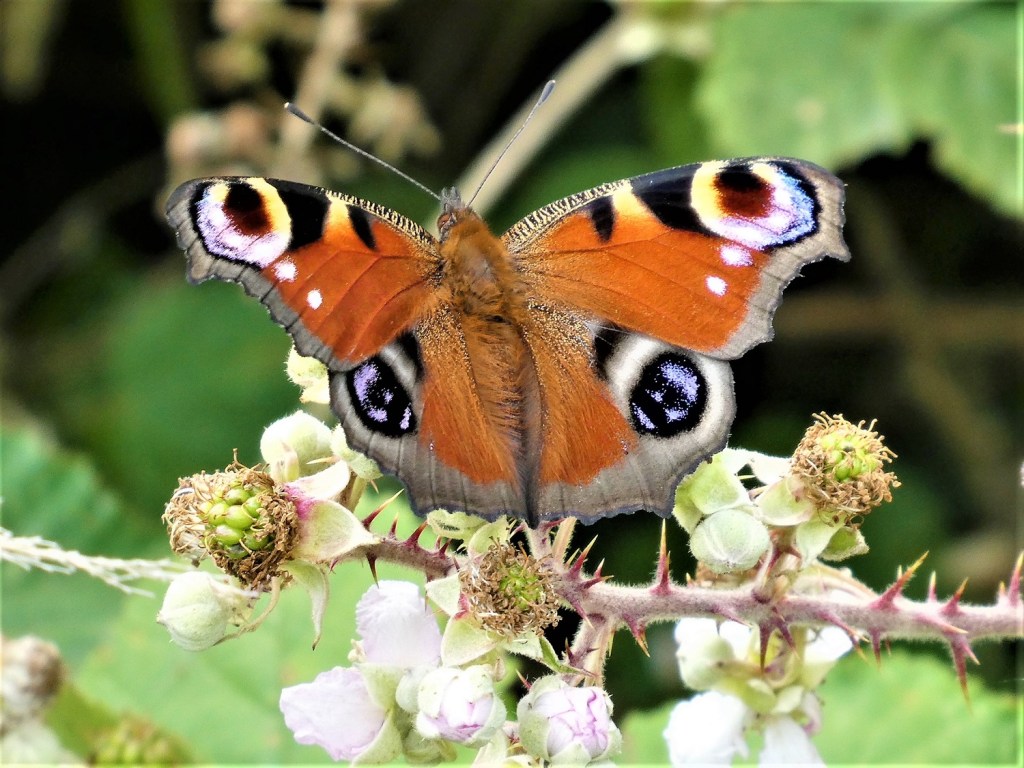

Marbled white, peacock and common blue, all photographed in the reserve
Continue reading “BIG BUTTERFLY COUNT”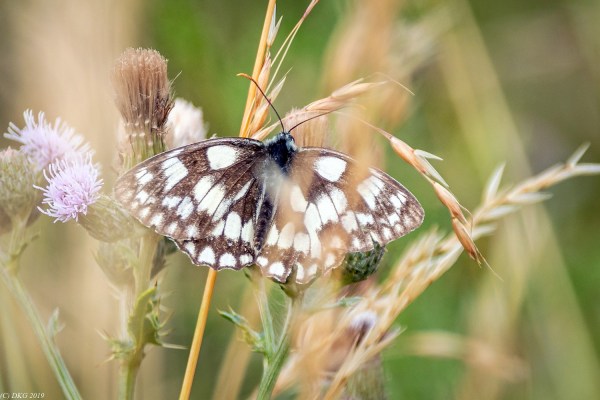
Ian Bushell conducted a butterfly transect in the reserve on Thursday. Butterfly transects are the way in which we measure changes in the population of the reserve’s butterflies from year to year.
Continue reading “Butterfly transect”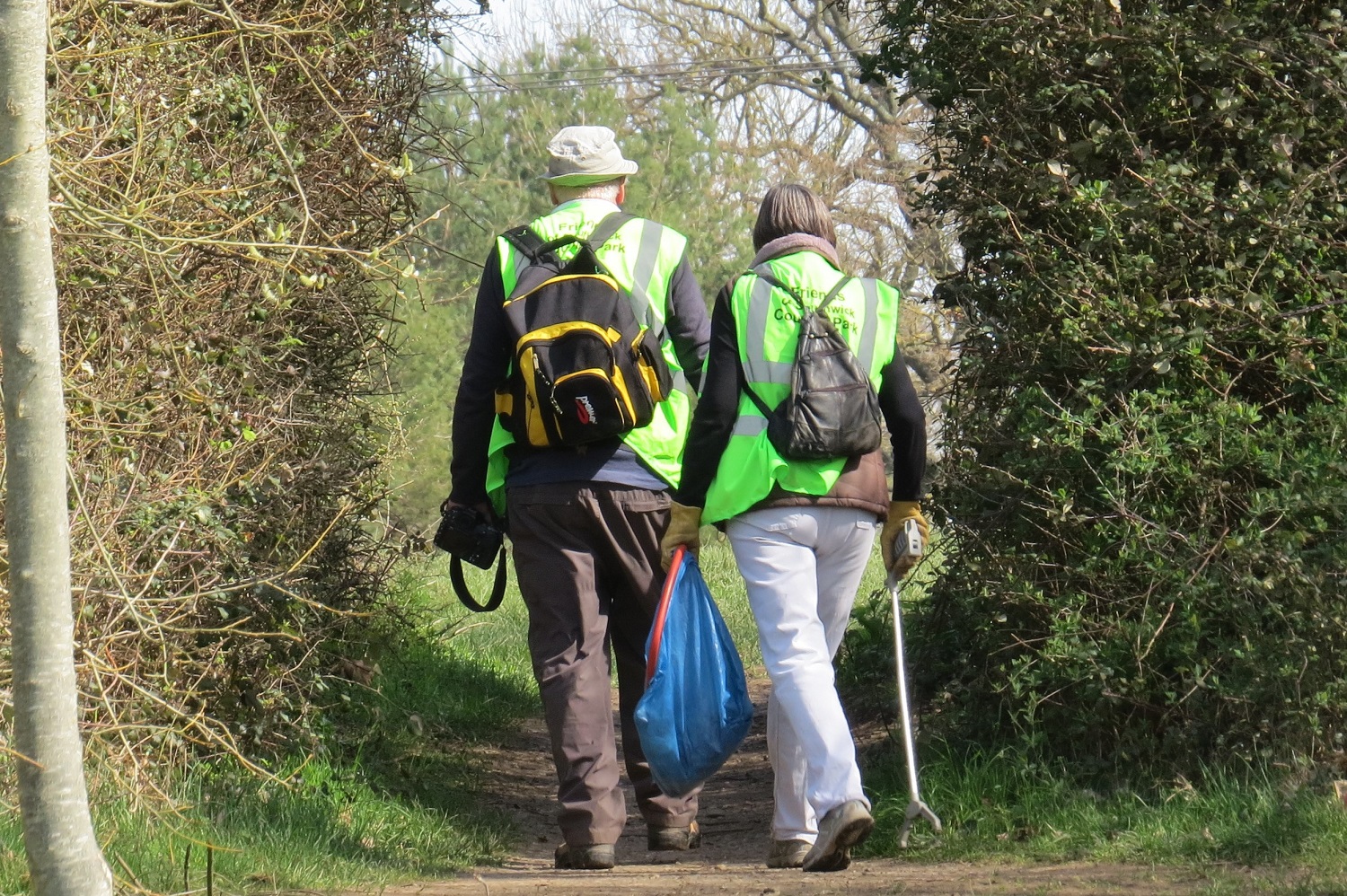


 Southwick Country Park Nature Reserve