ย The Natural Environment and Rural Communities Act (2006) makes it the duty of all local authorities to conserve biodiversity. Section 41 of the Act refers to aย publishedย list of habitats and species (called S41 species)ย which are considered to be of principal importance for the conservation of the countryโs biodiversity.
Continue reading “S41 mammals”10 facts about foxes
ONE: our native red fox, a common visitor to the reserve, is the largest of the world’s true foxes and one of its most widely distributed. It is found across the entire Northern Hemisphere including most of North America, Europe and Asia, as well as in parts of North Africa.
Continue reading “10 facts about foxes”S41 mammals
The Natural Environment and Rural Communities Act (2006) makes it the duty of all local authorities to conserve biodiversity. Section 41 of the Act refers to a published list of habitats and species (called S41 species) which are considered to be of principal importance for the conservation of the countryโs biodiversity.
Continue reading “S41 mammals”Ten facts
ONE: Pipistrellus pipistrellus, the common pipistrelle.
Continue reading “Ten facts”Is a hibernating bat safe?
Underground bat hibernation sites, called hibernacula, can attract predators. Finding signs of predation among the bats overwintering in twelve World War II bunkers in Zuid-Holland in The Netherlands, researchers set up trail cameras to identify the culprits.
Continue readingThe beavers are back
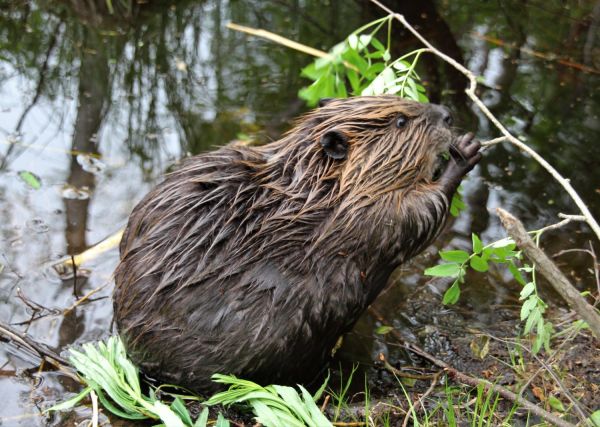
Last year, between January and March, Natural England surveyed the Avon catchment, including Lambrok Stream, for signs of wild beaver. Their report was published last week.
Continue reading “The beavers are back”Shrieking in the woods
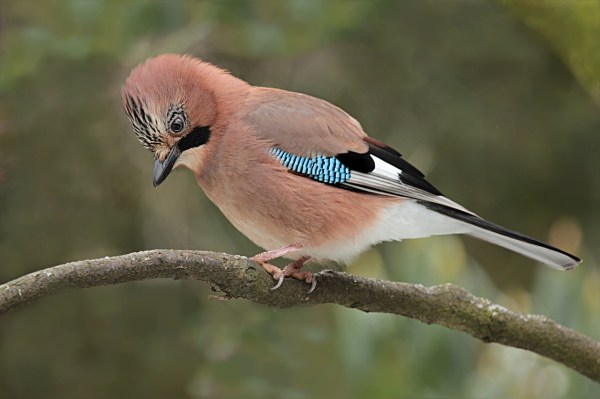
There are all sorts of things that shriek in our woods and the Eurasian Jay (Garrulus glandarius) is just one of them.
Jay (Garrulus glandarius) audio by Bodo Sonnenburg ( CC -BY-SA) xeno-canto.org

Hibernating mammals
Of all the mammals on our species list, only the bats and hedgehogs truly hibernate. We have found the tiniest piece of evidence that there might be dormice in the reserve; if so, that would be a third hibernating species.
Continue reading “Hibernating mammals”Some of our resident mammals


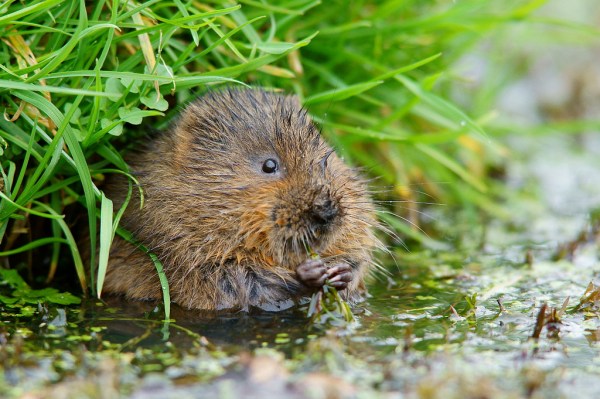
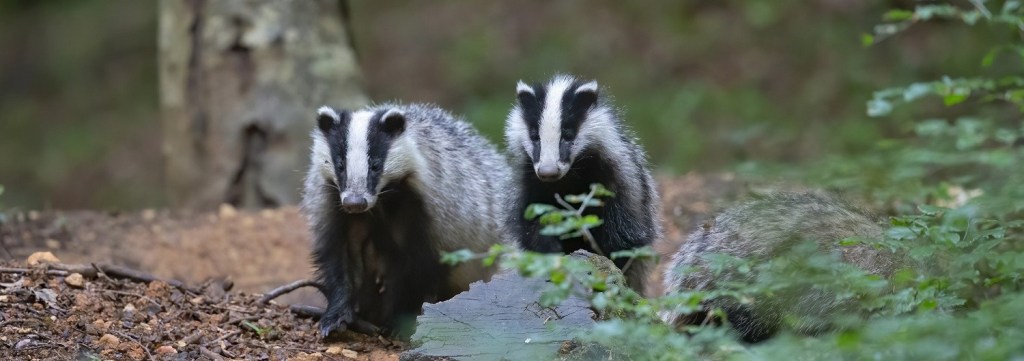
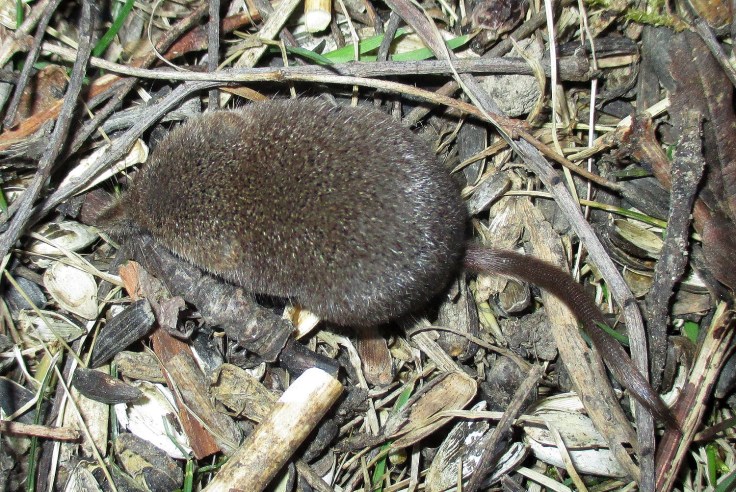
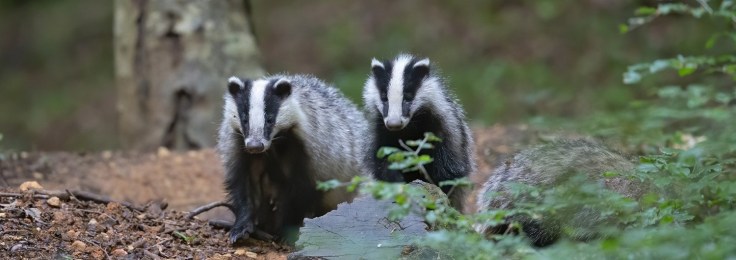
[1] Wood mouse [2] Water vole [3] Pigmy shrew [4] Grey squirrel [5] Rabbit [6] Stoat [7] Common mouse [8] Brown hare [9] Badger.
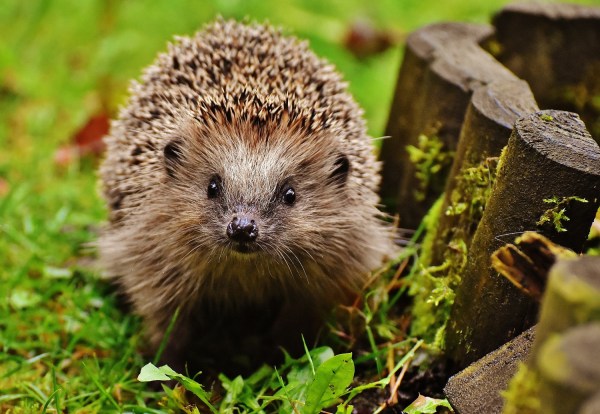
Header image: hedgehog (CC0)
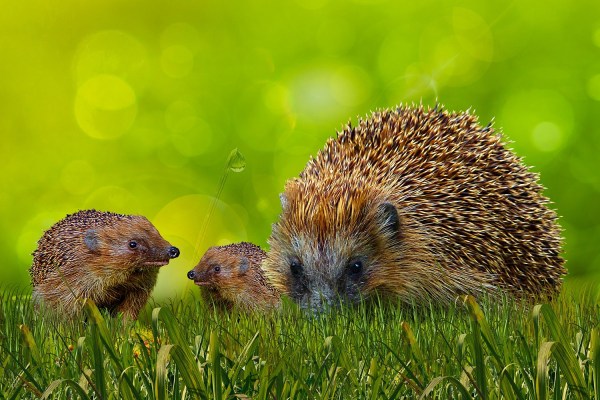
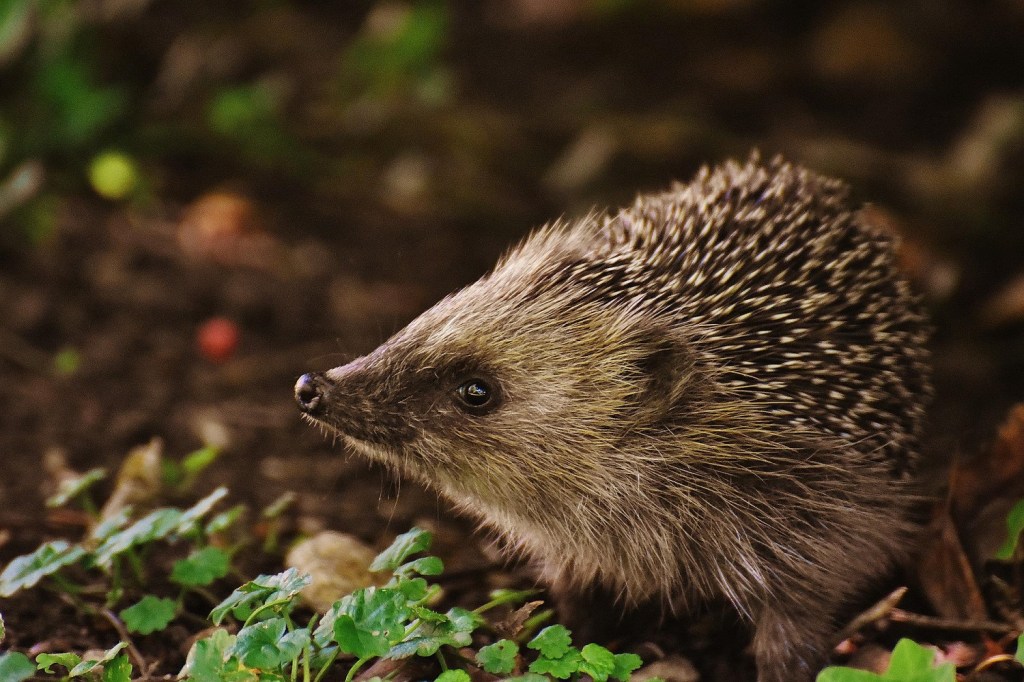
Hedgehogs were named for their noisy foraging. They root through hedges and undergrowth with their snouts, turning over the soil, looking for insects, worms, centipedes, bird eggs, snails, baby mice, frogs, all the while making loud piggy noises: snorts, squeals, and grunts.


All images: (CC0) from pixabay.com

S41 mammals
While we are on the subject of protected species…
Continue reading “S41 mammals”Shrieking in the woods
There are all sorts of things that shriek in our dark winter woods: the Eurasian Jay (Garrulus glandarius) is just one of them.
Jay (Garrulus glandarius) audio by Bodo Sonnenburg ( CC -BY-SA) xeno-canto.org

10 facts about foxes
[1] Our native red fox, a common visitor to the reserve, is the largest of the world’s true foxes and one of its most widely distributed. It is found across the entire Northern Hemisphere including most of North America, Europe and Asia, as well as in parts of North Africa.
Continue reading “10 facts about foxes”Some of our resident mammals
1 
2 
3 
4 
5 
6 
7 
8 
9
[1] Wood mouse [2] Water vole [3] Pigmy shrew [4] Grey squirrel [5] Rabbit [6] Stoat [7] Common mouse [8] Brown hare [9] Badger.
Header image: hedgehog (CC0)
Hibernating mammals
Of all the mammals on our species list, only the bats and hedgehogs truly hibernate. We have found the tiniest piece of evidence that there might be dormice in the park, if so, that would be a third hibernating species.
Continue reading “Hibernating mammals”Rabbits
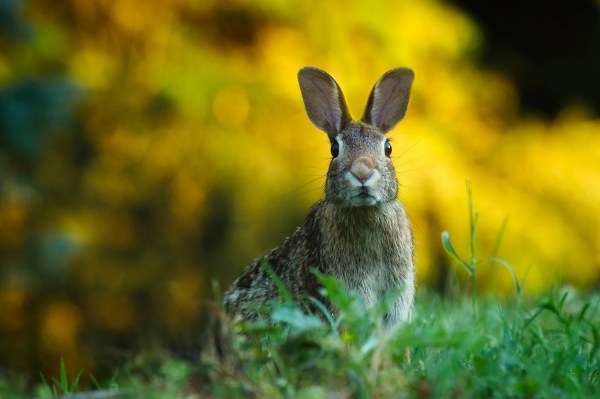
There is a well established rabbit warren in the hedge between Cornfield and Sleepers Field. But, despite their long-term place in our landscapes and myths, rabbits are not British natives; they are an introduced alien species.
Continue readingSnow moon
A full moon in February is known as a Snow Moon; this year’s Snow Moon will occur at the weekend, on February 27th.
Continue reading “Snow moon”Shrieking in the woods
There are all sorts of things that shriek in our woods: the Eurasian Jay (Garrulus glandarius) is just one of them.
Jay (Garrulus glandarius) audio by Bodo Sonnenburg ( CC -BY-SA) xeno-canto.org
click here for more shriekers and Screamers
We are half way through National Mammal Week! Who knew?
Continue readingSome of our resident mammals
Pictures as attributed.