A host of golden daffodils….

After their short, golden flowering period, the above-ground parts of our daffodils will die back and they will spend the rest of the year hidden underground as bulbs. The bulbs are adapted stems and leaves in which the plants store their food to fuel next year’s spring growth.

Continue reading →
Pussy willow

A goat willow’s flowers, or catkins, are known as pussy willow because they look like furry grey kittens’ paws. They appear in February, some weeks before the willow’s leaves, one of the earliest signs of spring in the reserve.

Continue reading →

Fatal attraction?

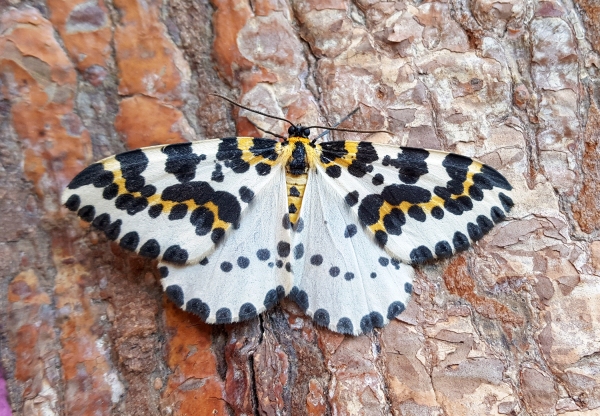
Researchers from London’s Imperial College believe they have discovered why moths and other flying insects seem to be so fatally attracted to light.

Continue reading →

Timing

Changing temperatures are initiating plant growth earlier and earlier every year. In the reserve, there are already primroses in flower. While we might find the early flowering of daffodils and snowdrops encouraging, there are other species in the park for which it might be a disaster.

Continue reading →

Magic mushrooms

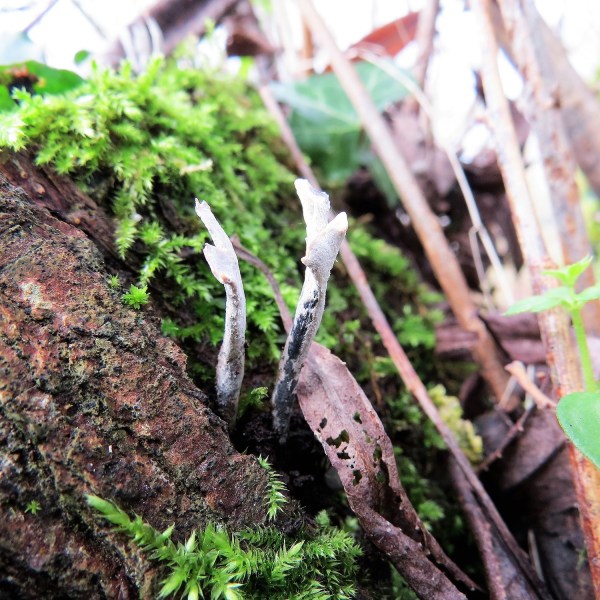
Mycologists have discovered fungi that can break down polyethylene, the sort of plastic typically used in shopping bags, food wraps and bottles.

Continue reading →

Create a website or blog at WordPress.com

Up ↑