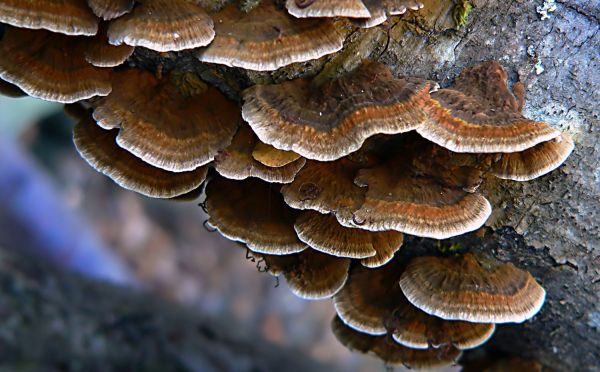
These are a species of bracket fungus common in the reserve: turkey tail (Trametes versicolor). The main part of the fungus, the mycelium, is growing invisibly inside the tree. These beautiful outgrowths are the fruiting bodies, part of the fungus’s reproductive system.
Read on:Equinox
Continue readingWhy do the leaves change colour?
There are three kinds of pigment in a usually green leaf: yellow carotenes, red and pink anthocyanins, and chlorophyll, which is the green that masks the other colours until autumn.
Ten facts…
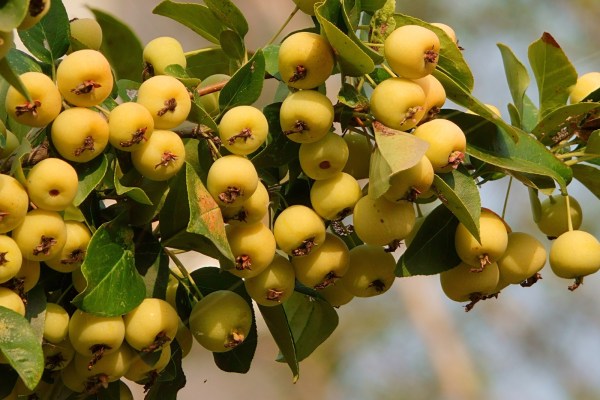
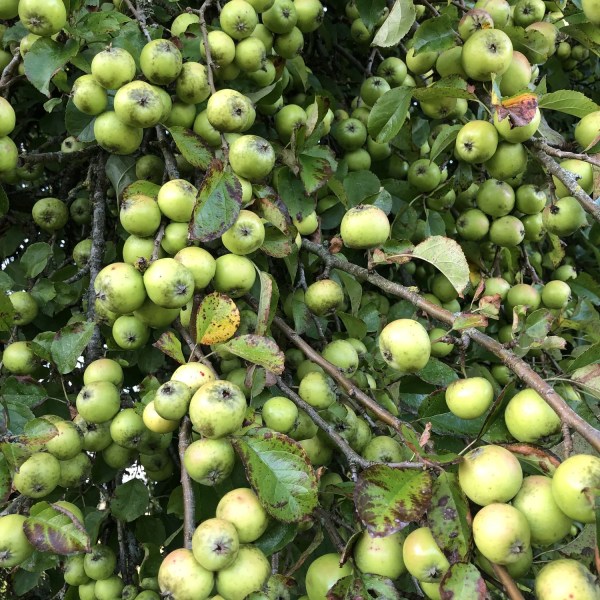
…about crab apples
ONE: crab apples trees are an ancient symbol of fertility, associated with love and marriage.
Continue reading “Ten facts…”Shed not a clout…
The old saying – Shed not a clout ’til may be out – is not an instruction to keep your coat on until June; it’s telling you to take your cardigan off when the may is in flower, which has been known to happen as early as April.
Continue readingFallen goat willow
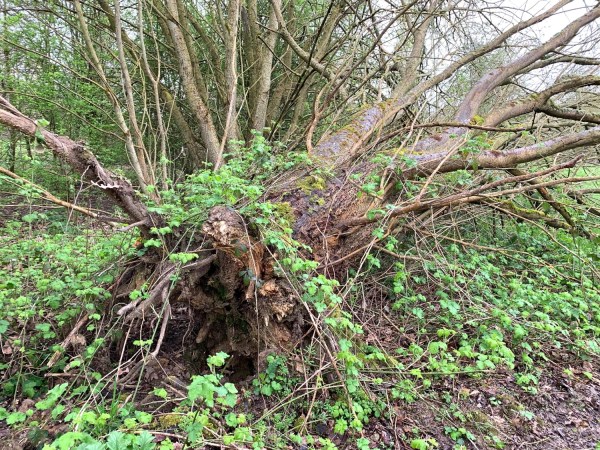
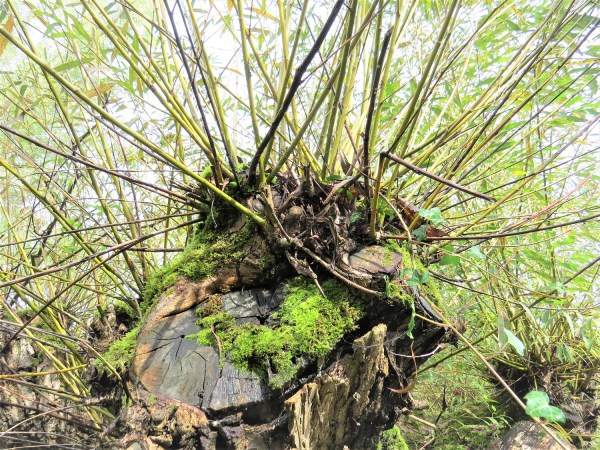
A combination of waterlogged roots and high winds brought down an old and decaying goat willow (Salix caprea) on the edge of the Arboretum, near the oak with the chestnut paling fence. Last week, the Wednesday work party spent the morning cutting back the branches and using them to build wildlife sanctuaries.
Continue readingCherry trees
by Ian Bushell
We think we have identified THREE species of cherry trees in the reserve.
Continue reading “Cherry trees”Trees are cool!
There is a climate anomaly in the south eastern states of the USA that, until recently, scientists have been unable to explain. While the rest of the country has suffered from rapidly rising temperatures, these anomalous areas have either flatlined or cooled. What is going on?
Continue readingPussy willow
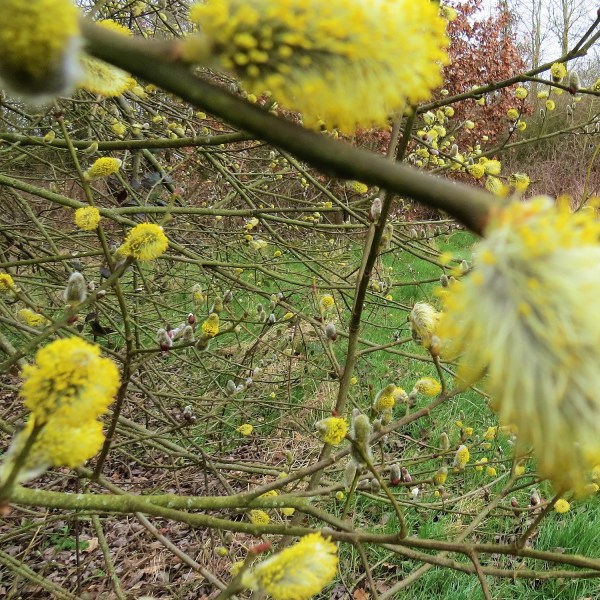
A goat willow’s flowers, or catkins, are known as pussy willow because they look like furry grey kittens’ paws. They appear in February, some weeks before the willow’s leaves, one of the earliest signs of spring in the reserve.
Continue readingBud burst
This is one of our field maples, Acer campestre, growing next to the circular path at the top of Simpson’s Field. The photograph was taken on April 1st 2021.
Continue reading “Bud burst”Tree felling
by Ian Bushell
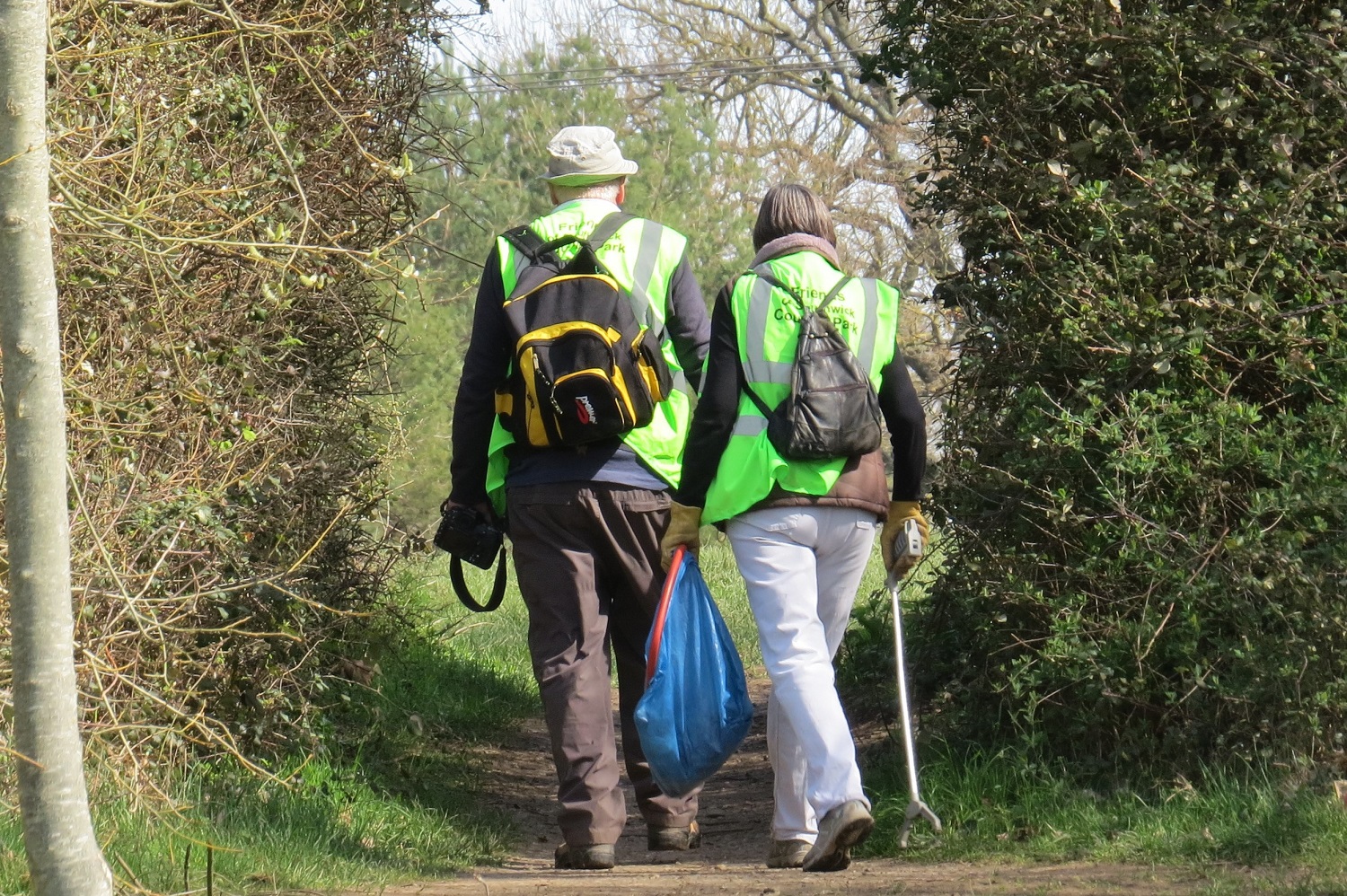
After Alan and Sarah had set off to litter-pick their way along the Lambrok, the rest of the Wednesday Work Party made its way to the hard path by the tributary stream where a hanging branch on a dead Ash tree had been reported as a possible danger to visitors.
Continue reading “Tree felling”Happy New Year!
It’s New Year’s Day, the eighth day of Christmas, on which our true love is supposed to send us eight maids a-milking. So let’s use that as a welcome opportunity to look forward to the spring with a gallery of spring flowers.
Continue readingPoplar
In the reserve we have two different kinds of poplar tree: Populus nigra, the black poplar and its cultivar, Populus nigra var. Italica, the Lombardy poplar.
Continue reading “Poplar”Wingnut
There is a Chinese wingnut tree (Pterocarya stenoptera) in the Arboretum.
Continue reading “Wingnut”Why do the leaves change colour?
There are three kinds of pigment in a usually green leaf: yellow carotenes, red and pink anthocyanins, and chlorophyll, which is the green that masks the other colours until autumn.
TEN FACTS: CRAB APPLES
ONE: Crab apples trees are an ancient symbol of fertility, associated with love and marriage.
Continue readingSeed dispersal
Seed dispersal is an annual problem for trees and shrubs. If seeds just fell down and germinated under the parent tree, they would be competing with their parent for nutrition, water and eventually light. Trees need a way to send their seeds far off to a new environment where their germination will not pose a threat.
Read on:Salix
Salix is the genus name of willow, trees known and cultivated for millennia for their medicinal properties.
Continue readingHeritage orchard
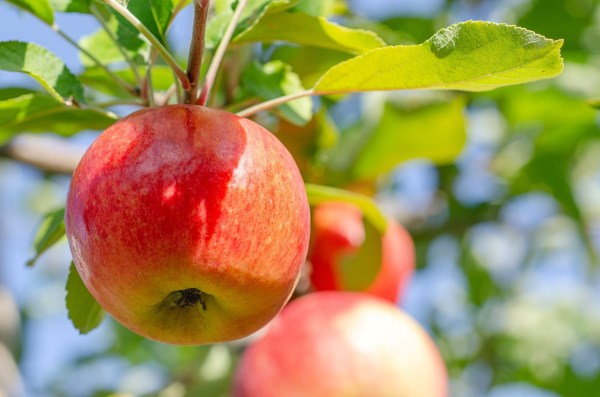
In February of 2014, the Friends planted an orchard: thirty eight heritage apple trees of fourteen different varieties, in the southern end of the park. They have really beautiful names:
Continue reading “Heritage orchard”Pink hawthorn
Every year, sometime in May, somewhere in the reserve, there is pink hawthorn blossom; not uniformly pink and not always in the same hedge as was pink last year but definitely pink in places. It’s very pretty but we don’t know what causes it.
Continue readingOak flowers
These are the flowers of an oak tree. Oaks are monoecious; they have male flowers and female flowers on the same tree.
Continue reading “Oak flowers”Tree planting
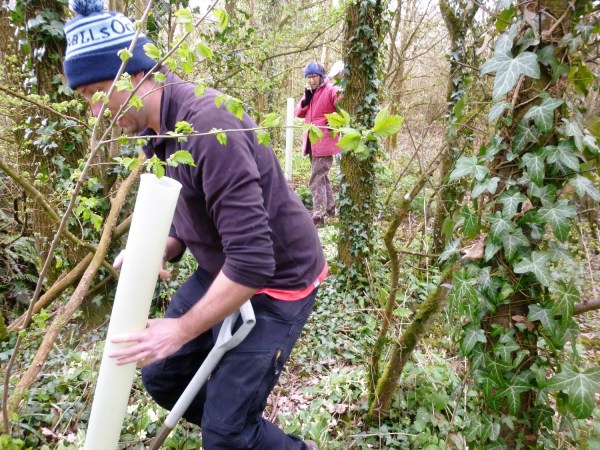
We have been making what might seem to our followers like a great fuss about the planting of just a very few disease resistant elm trees. Here are parts of a post from March 2020, which explain what disease our precious saplings are resistant to, and why we are so eager to get them established in the hedge between Cornfield and Sleepers.
Continue reading “Tree planting”Disease resistant elms
Progress report
by Ian Bushell
On April 10th we checked the fifteen Dutch Elm Disease Resistant trees, donated by Peter Shallcross and Frank Crosier, that we had planted in April 2021.
Continue readingArboreal sex
At this time of year, the reserve is full of pollinators carrying pollen from tree to tree in a kind of reproductive frenzy.
Continue reading “Arboreal sex”The Trefoil Oak
by Ian Bushell
It was a bit of a miserable drippy morning but eventually we sorted things out. The Trefoil Guild and the two metre English oak tree [Quercus robur] they have gifted to the reserve to commemorate Queen Elizabeth’s Diamond Jubilee arrived at the top of Simpsons Field at 10:30am, as planned.
Continue reading “The Trefoil Oak”