A host of golden daffodils….

Over the years the Friends have planted at least a couple of thousand native daffodil bulbs (Narcissus pseudonarcissus) around the edges of the reserve’s woodland. Back breaking work, rewarded at this time of year with the first golden flowers.

Continue reading

Yarrow

As the reserve’s flora turns itself over to making seed, there are fewer and fewer flowers in our hedgerows. Yarrow (Achillea millefolium) is one of the few.

Continue reading

 Galium aparine

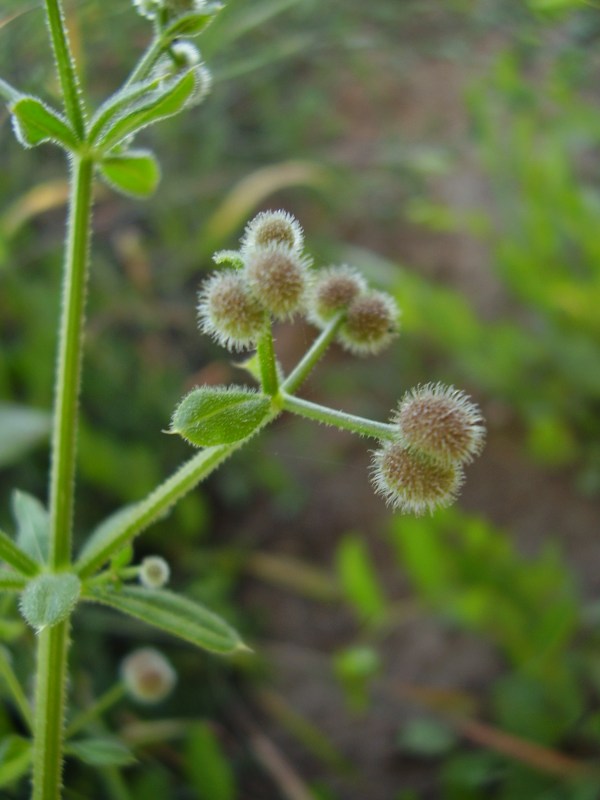
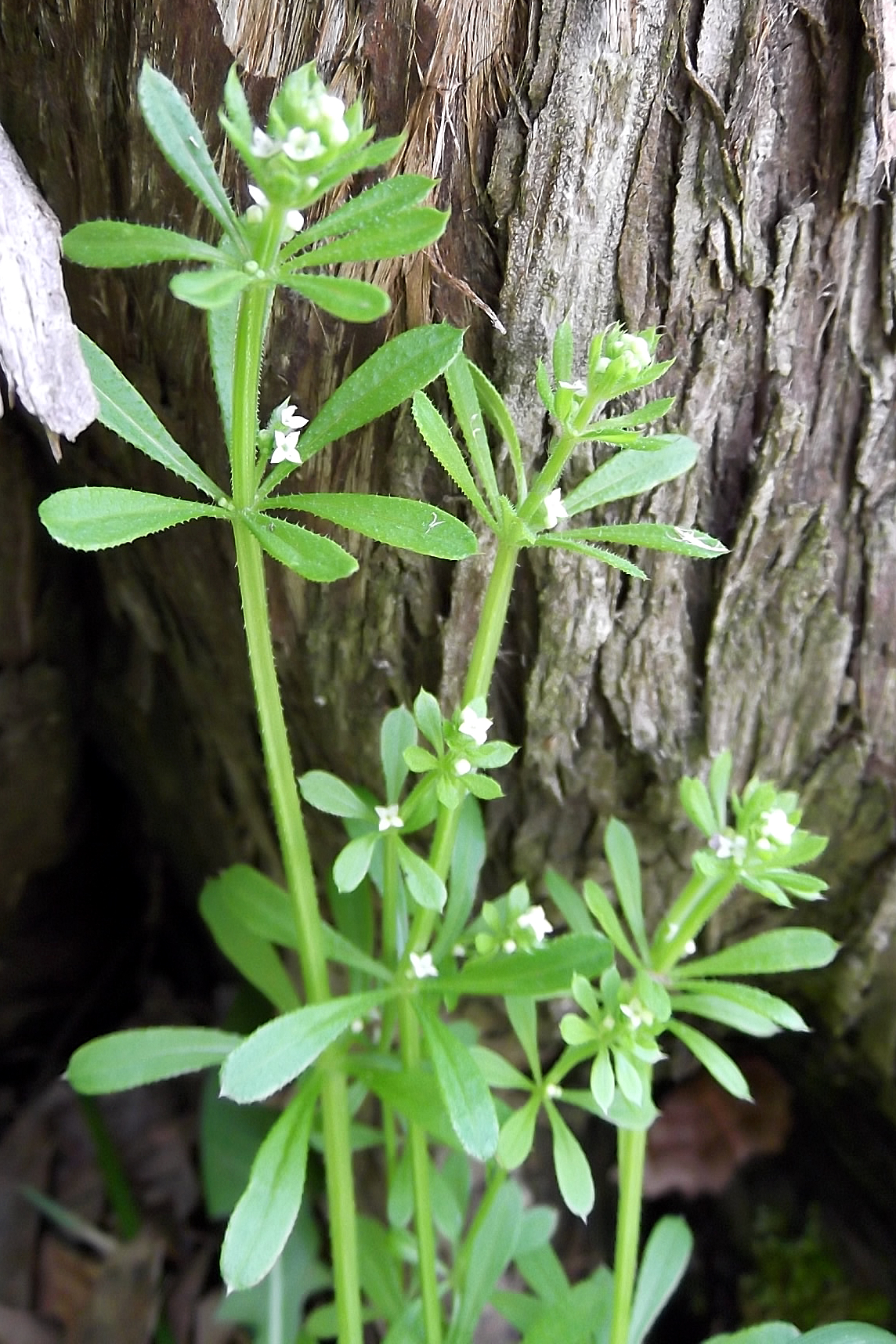
Galium aparine is called by so many different vernacular names that we are not even going to try to list them. In these parts we call it cleavers or goosegrass.

Galium, the name of the genus, is derived from the Greek word for milk because the flowers of some species of Galium were, and in some places still are, used to curdle milk for cheese-making. The species name, aparine, is another Greek derivative, this time from a word that means to grab or to hold.

The whole plant, stem, leaves and seeds, grabs hold using tiny hooks that help it climb through and over other plants. The seeds use their hooks to attach themselves to passing animals, including humans, and get carried safely away from the parent plant to new habitat.

Cleavers is an annual. In spring and summer it has tiny, almost invisible, white flowers that grow in small clusters from the leaf axils. The flowers are followed by the Velcro-like burrs which contain the seeds. After it has made seed, the plant dies: next year’s cleavers will germinate in the spring.

Who hasn’t attached cleavers’ burrs to the back of the person sitting at the desk in front of them? I know I did.

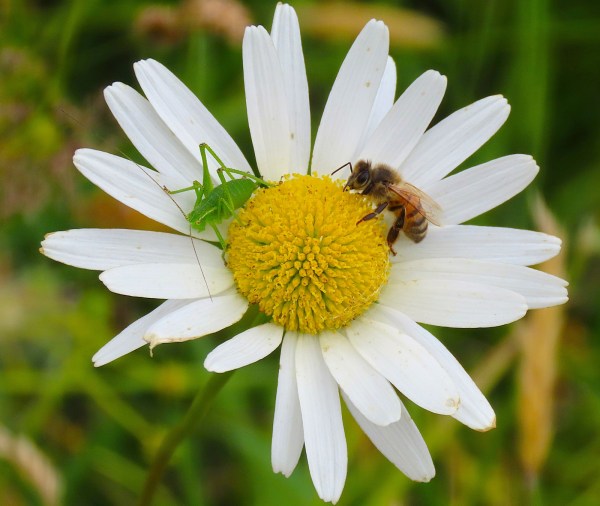
Ashley Wicks has sent us a beautiful picture of a speckled bush cricket and a honey bee sharing an ox-eye daisy. While the bee is collecting nectar and pollen for its colony, the cricket is either just passing through or is there to eat the flower petals.

Thanks Ashley!

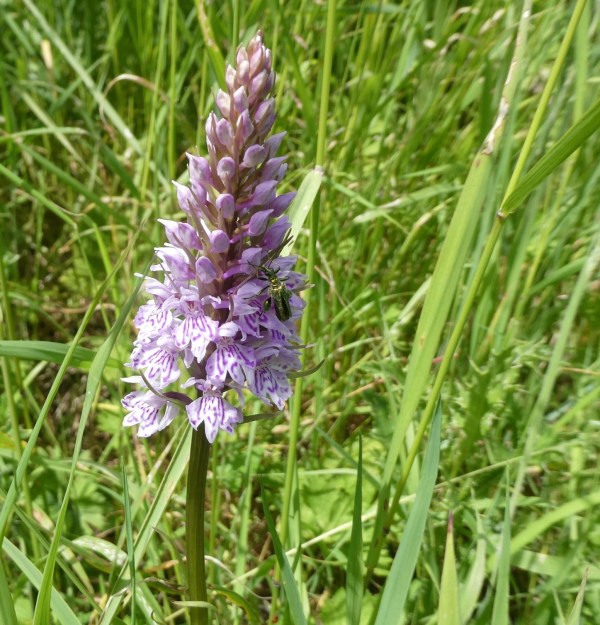
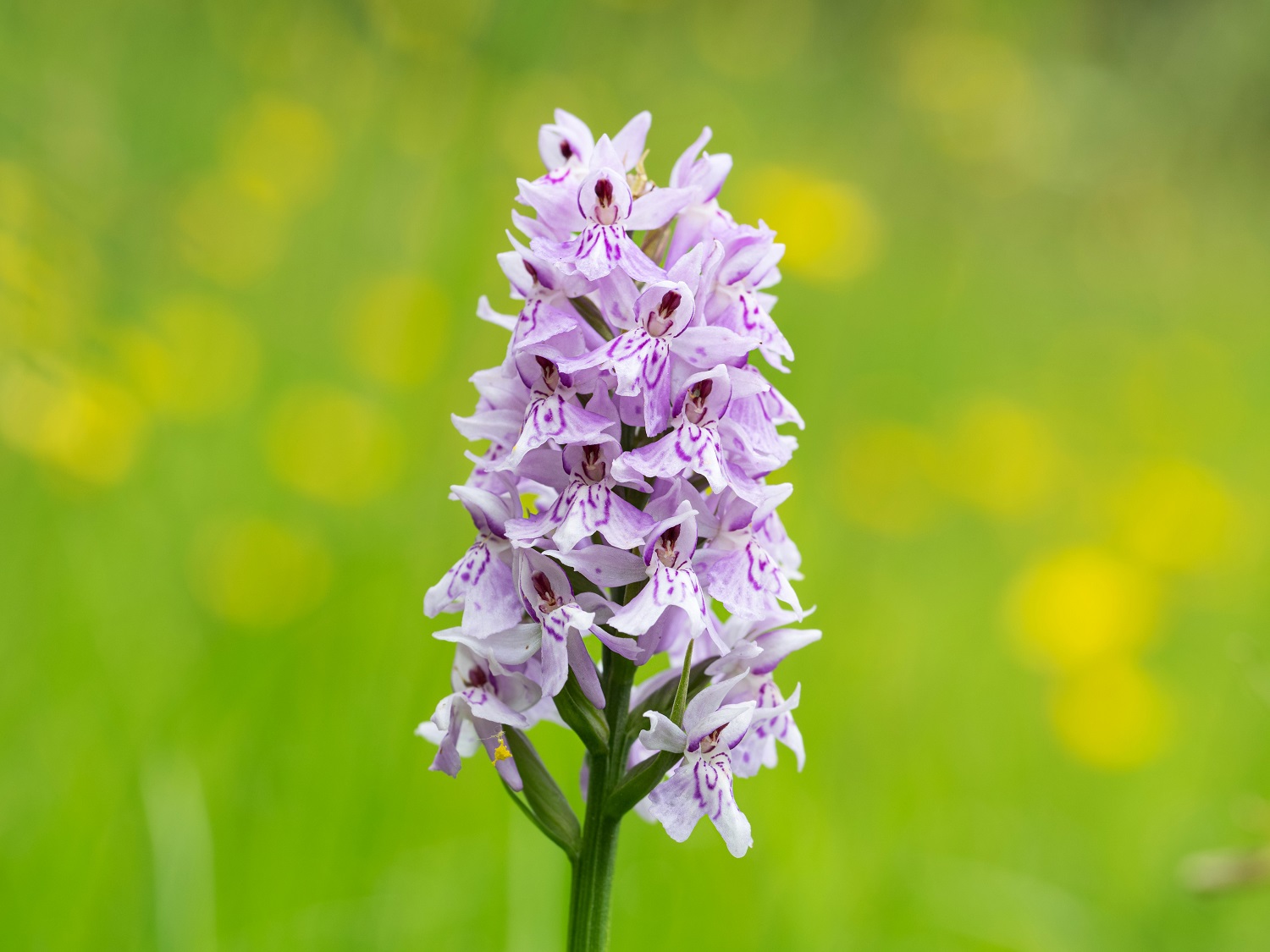
Dactylorhiza fuchsii

Our common spotted orchids are in flower! Ian has sent photographs and we have added pictures from previous years to make a gallery.

Header image by Ian Bushell

This is Stachys sylvatica, commonly known as hedge nettle, hedge stachys or hedge woundwort. It is growing at the far end of Lambrok Meadow.

Continue reading

Scarlet pimpernel

This is Anagallis arvensis or scarlet pimpernel which grows among the grass in the set-aside at the top of Kestrel Field. It is a tiny annual plant more usually found growing in bare ground under arable crops than among the reserve’s lush grasses and, like so many of our wildflowers species, it is now in serious decline due to modern intensive agricultural practices.
Continue reading

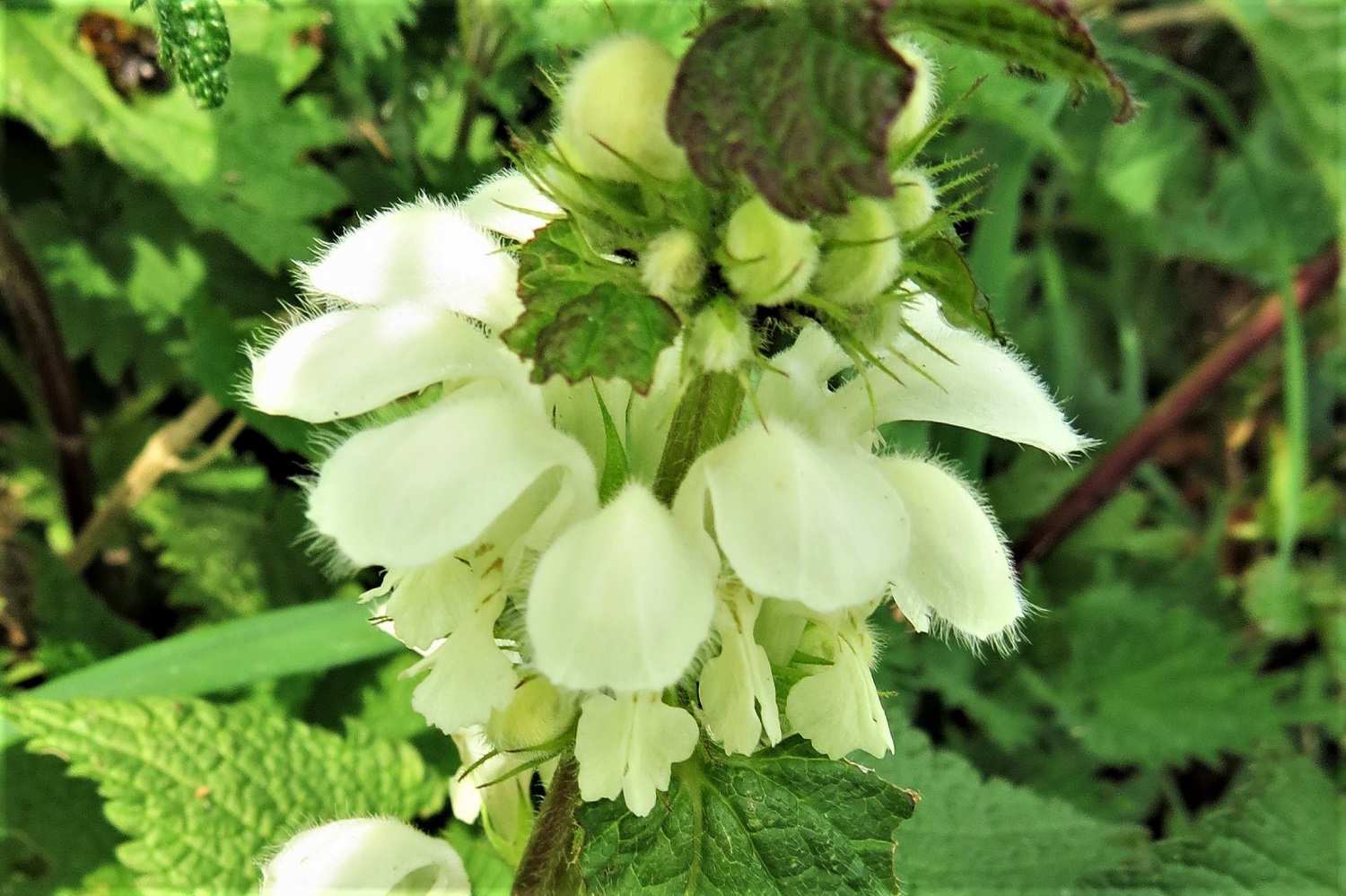
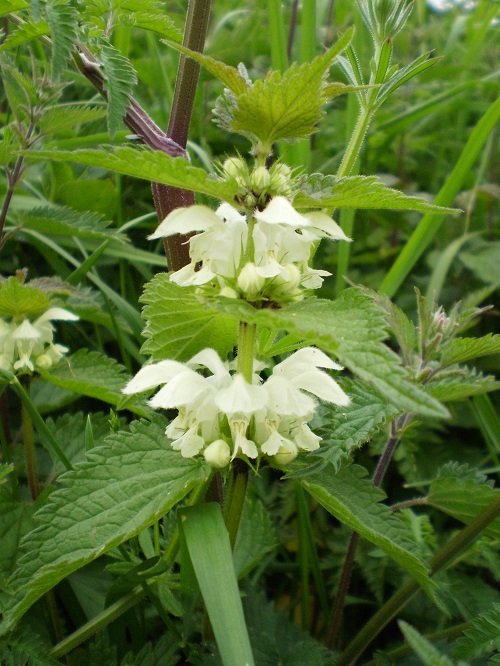
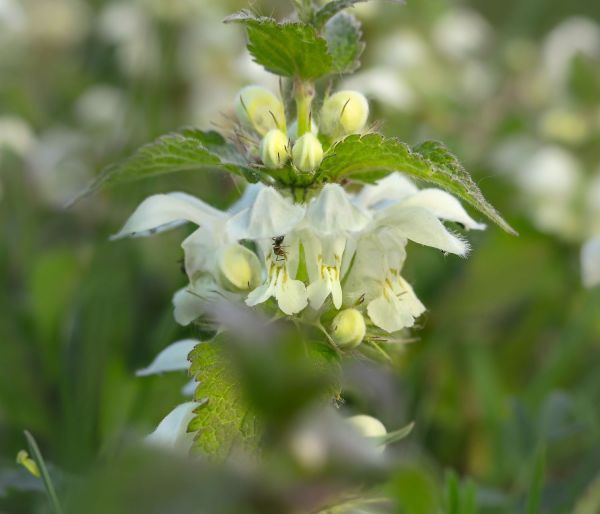
The extraordinary flowers of white dead nettle (Lamium album); find them in our hedges and edges, besieged by pollinators.

Herb-robert (Geranium robertianum) is one of our most common wildflowers, growing anywhere it can find a damp footing and a little shade. Nobody seems to know who Robert was, though – but there are theories.

Continue reading

Wild garlic

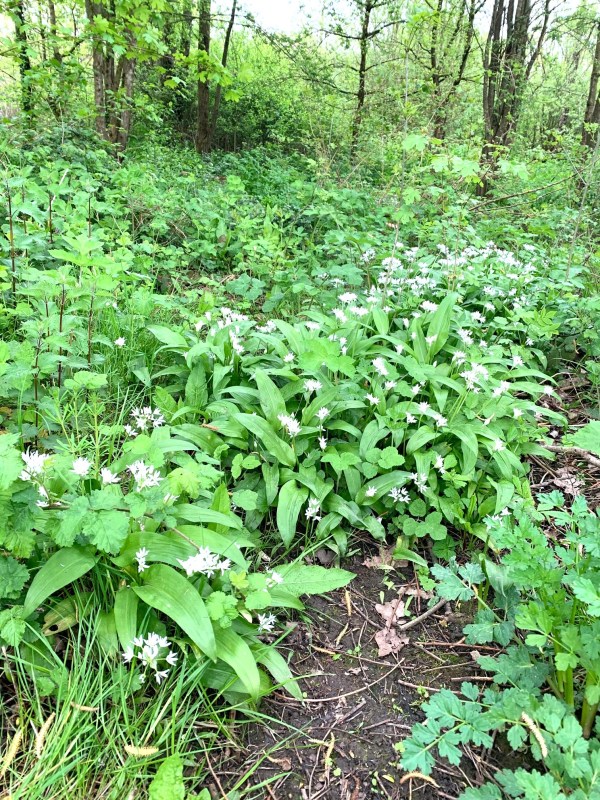
Around here, we have always called it wild garlic (Allium ursinum) but it is known by many different names: ramsonscows’s leekbuckramsbroad-leaved garlicwood garlicbear leekEurasian wild garlic or bear’s garlic. Whatever you call it, it’s coming into flower in our copses.

Continue reading

War with the invader

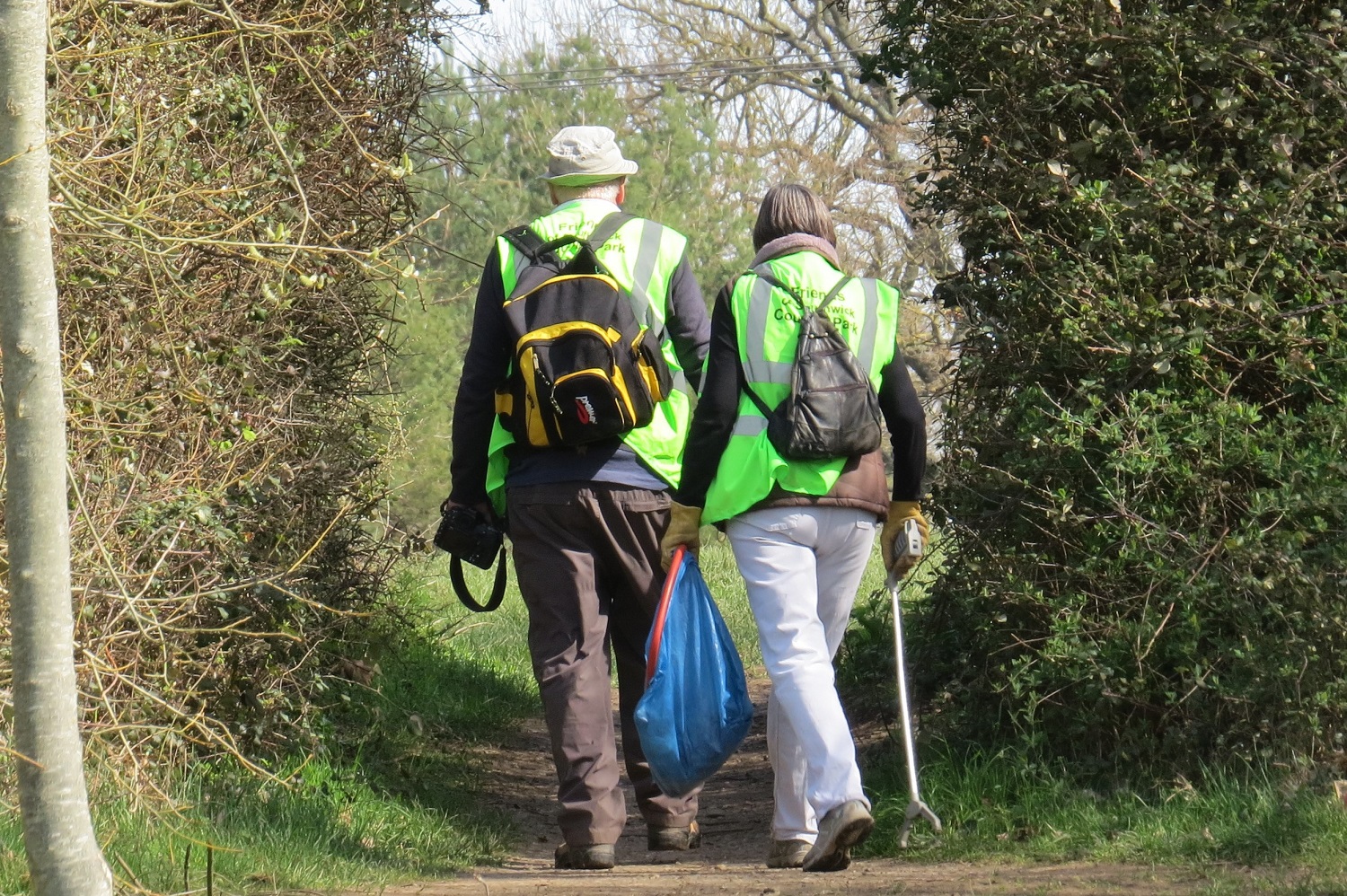
Every year, the Friends take to the reserve’s bluebell copses to hunt down and pull up Spanish squill, an invasive alien that is threatening the future of our native bluebells.

Continue reading

Dandelions

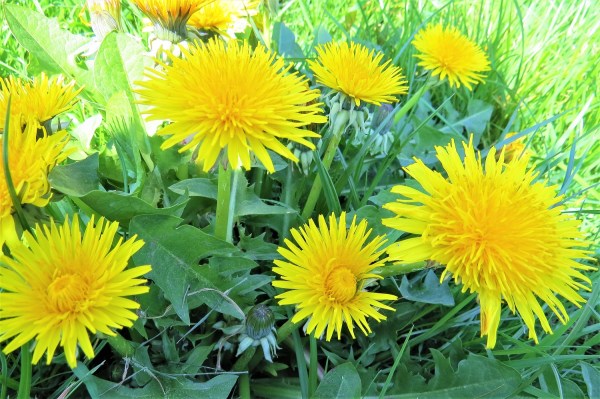
Dandelions (Taraxacum officinale) are the commonest of our wildflowers. They grow everywhere: between our paving stones, in flowerbeds, lawns and roadside verges, and straight up through the tarmac of a well-maintained driveway.

Continue reading

Create a website or blog at WordPress.com

Up ↑