Prunella
Prunella vulgaris goes by many common names – heal-all, woundwort, heart-of-the-earth, carpenter’s herb, brownwort or blue curls – but in these parts it’s best known as selfheal.
Continue reading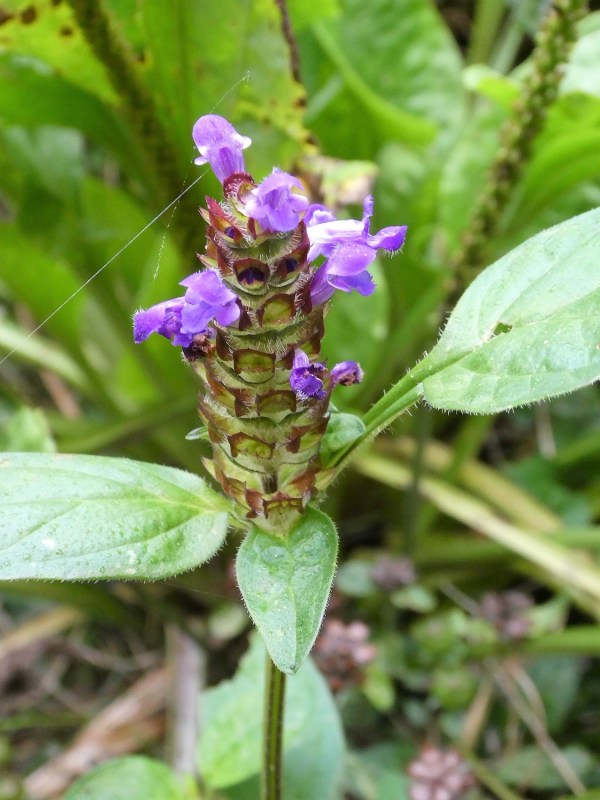
Prunella vulgaris goes by many common names – heal-all, woundwort, heart-of-the-earth, carpenter’s herb, brownwort or blue curls – but in these parts it’s best known as selfheal.
Continue reading
This year, we have identified five species of native orchids in the reserve. Two of them, the common spotted orchid and the broad leaved helleborine, are old friends, but bee orchids, pyramidal orchids and southern marsh orchids also appeared for the first time in the reserve’s fields.
What makes a good year for native orchids? Here are five possible factors to take into consideration.

Red bartsia in Lambrok Meadow by the stream near where there is a ford across into the Church Lane field.
Continue reading “A parasitic plant”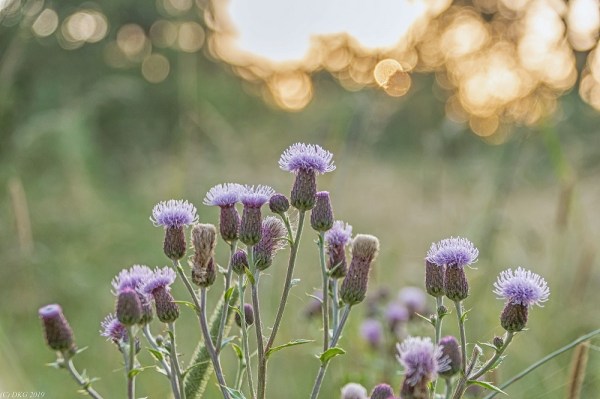
The 1959 Injurious Weeds Act does not just apply to ragwort. It names four more species as well: broad leaved dock, creeping thistle, curled dock, and the spear thistle. We have them all.
Continue reading “Creeping thistle”
This is Anagallis arvensis or scarlet pimpernel discovered last week among the grass in the set-aside at the top of Kestrel Field and photographed by Ian Bushell. It is a tiny annual plant more usually found growing in bare ground under arable crops than among the reserve’s lush grasses and, like so many of our wildflowers species, it is now in serious decline due to modern intensive agricultural practices.
Continue reading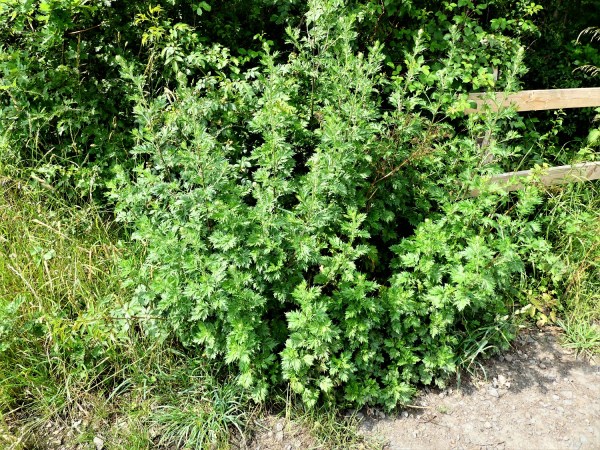
This is common mugwort (Artemisia vulgaris) growing vigorously in the gateway at Puddle Corner between Sleepers Field and Cornfield.
Continue reading “Mugwort”
Pineapple weed (Matricaria discoidea) is an 18th century introduction from northeast Asia that escaped from Kew Gardens into the wild in 1871 to become the fastest spreading invasive plant species of the 20th century.
Continue reading “Pineapple weed”
Have you spotted the patches of bright yellow meadow vetchling in our hayfields?
Continue reading “Meadow vetchling”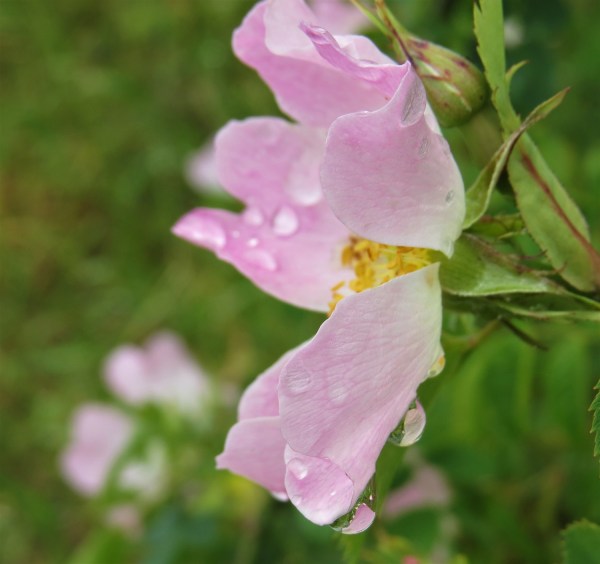
Dog, used as an adjective, as in dog’s mercury or dog Latin, can be disparaging: it means something is not quite the real thing. But dog rose is a direct translation of the Latin, Rosa Canina, so named in classical times because the root of the dog rose was believed to be a cure for the bite of a mad dog.
Continue reading “Rosa canina”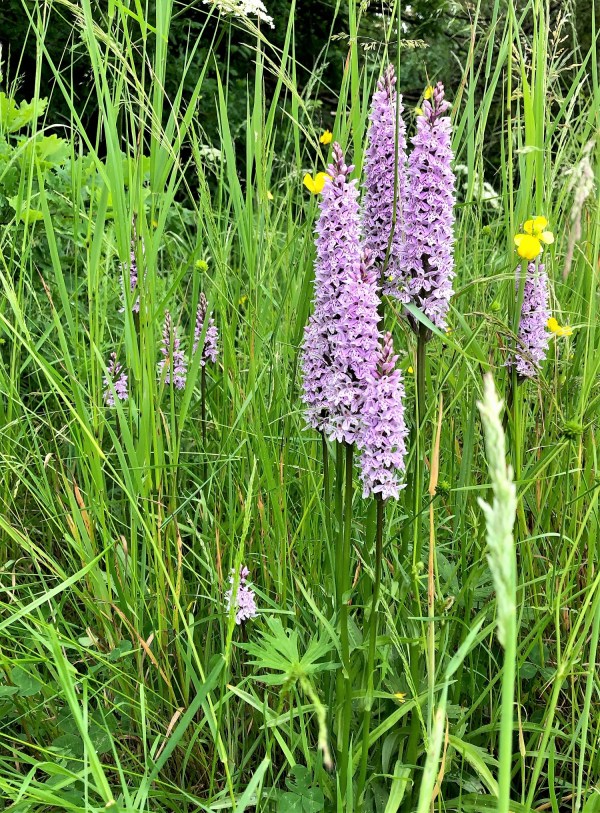
Common spotted orchids photographed in the reserve by Gillian Newbury.
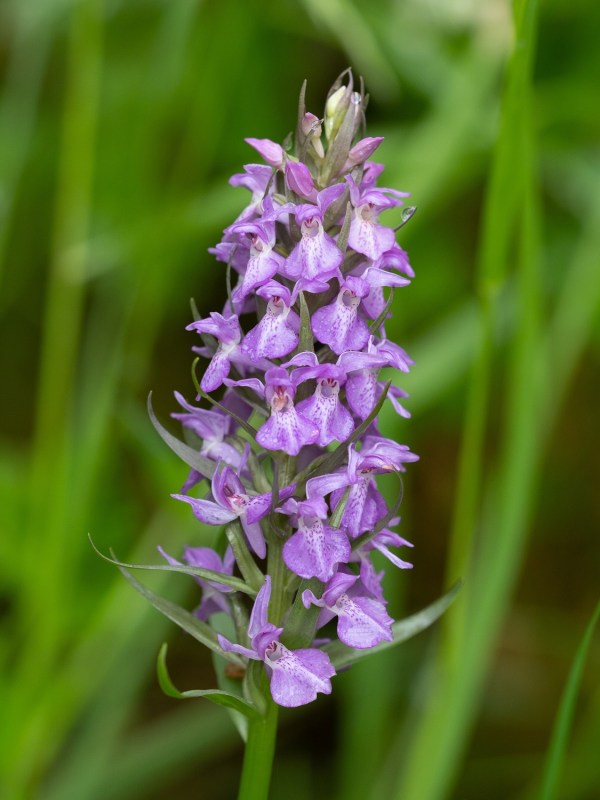

Yesterday, while surveying pollinator networks in the reserve, Ian Bushell discovered a colony of bright pink pyramidal orchids (Anacamptis pyramidalis), an important new species for the reserve.
Continue reading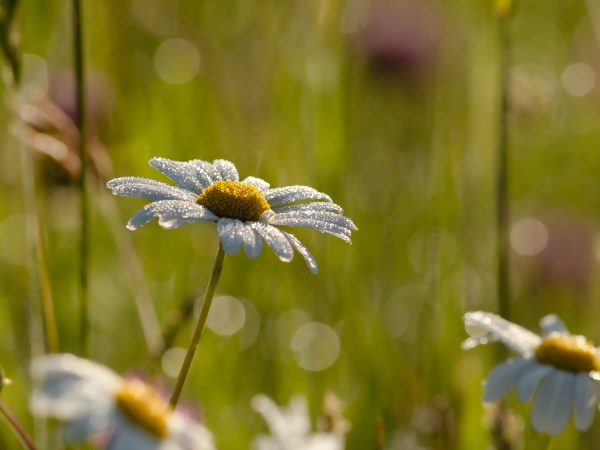
We would love to see drifts of summery oxeye daisies (Leucanthemum vulgare) in the reserve’s fields but there is a problem.
Read on to find out what the problem is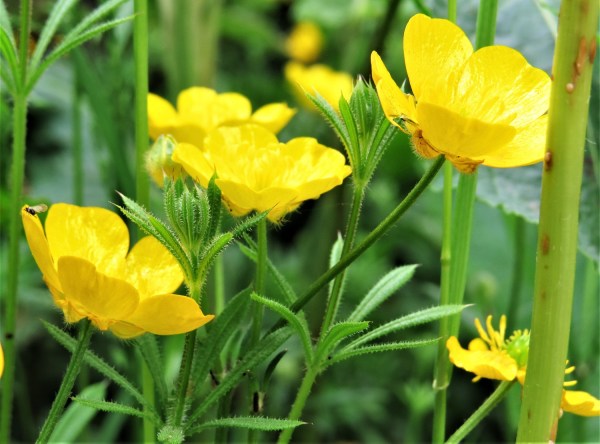
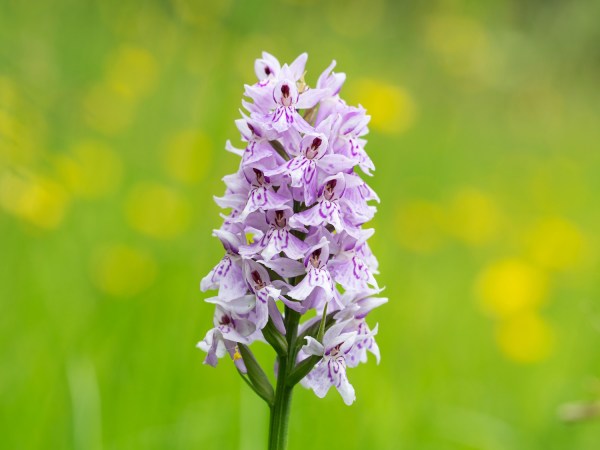
All orchid flowers, even the glamourous and expensive tropical kinds, are built to the same three point plan.
Continue reading
Our ragged robin has spread into Kestrel Field and Brunts Field.
Continue reading “Ragged robin”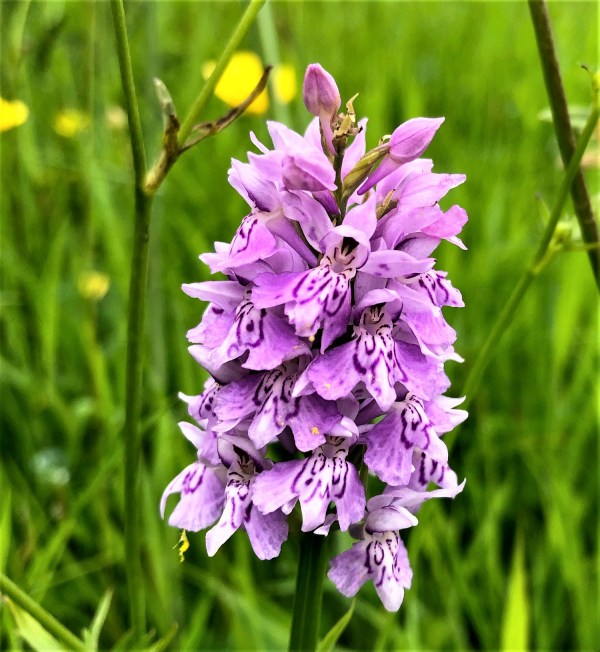
Every year there is quiet competition among Friends and Followers to see who can send in the first picture of the reserve’s common spotted orchids. This year the winner is Gill Newbury: well done, Gill!
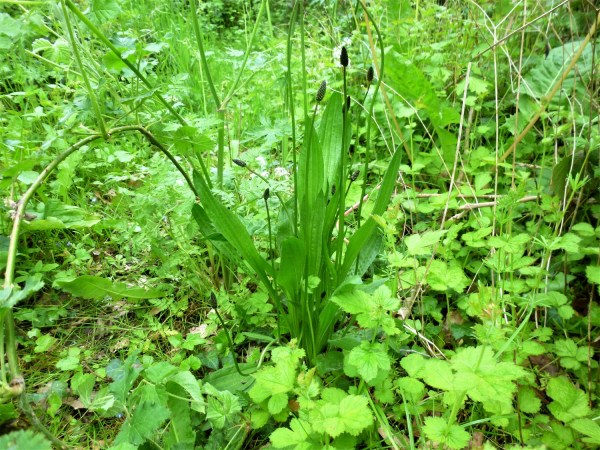
Ribwort plantain or narrow leaved plantain (Plantago lanceolate) photographed in the park by Ian Bushell.
Continue reading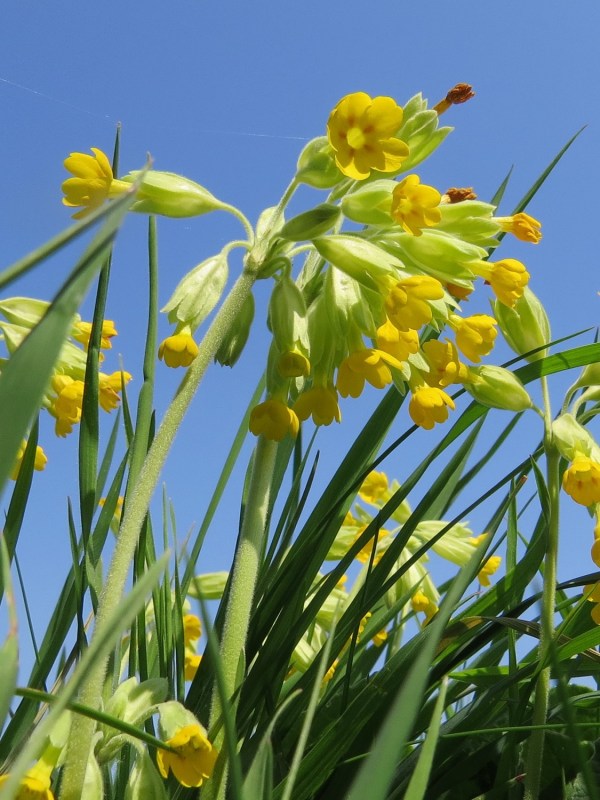
For several years, we have been trying to establish cowslips in the reserve’s fields but with only a little success. The problem is timing.
Read on to find out more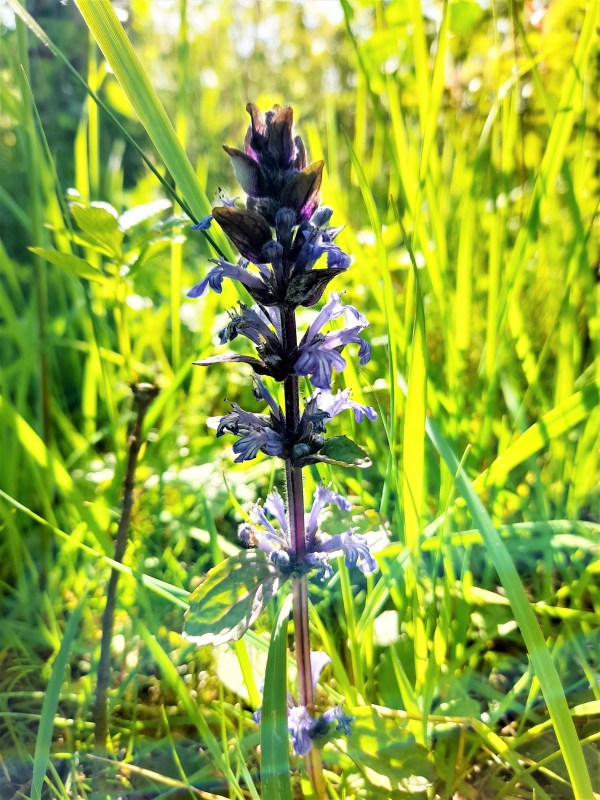
Bugle (Ajuga reptans) photographed in the park by Julie Newblé.
Continue reading “Bugle”
by Simon Knight
The park is really coming to life now, with the grasses growing, trees in leaf and the fields dotted with yellow as buttercups start to bloom. My visits haven’t been as frequent as I would have liked, which makes me value the time I have spent in the park even more.
Continue reading
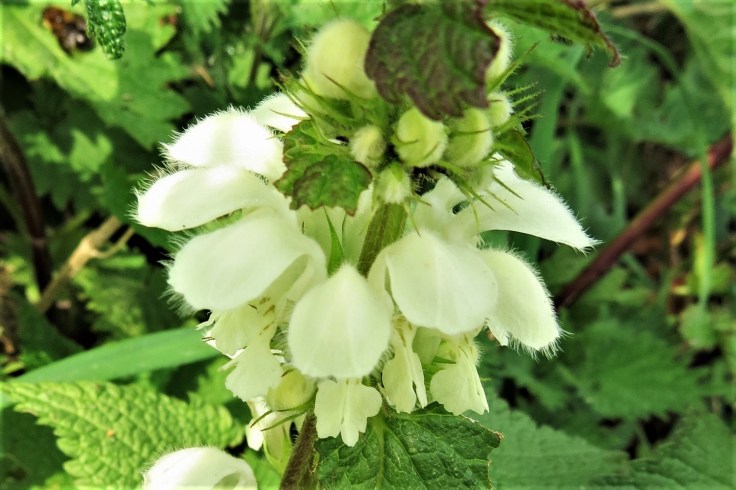
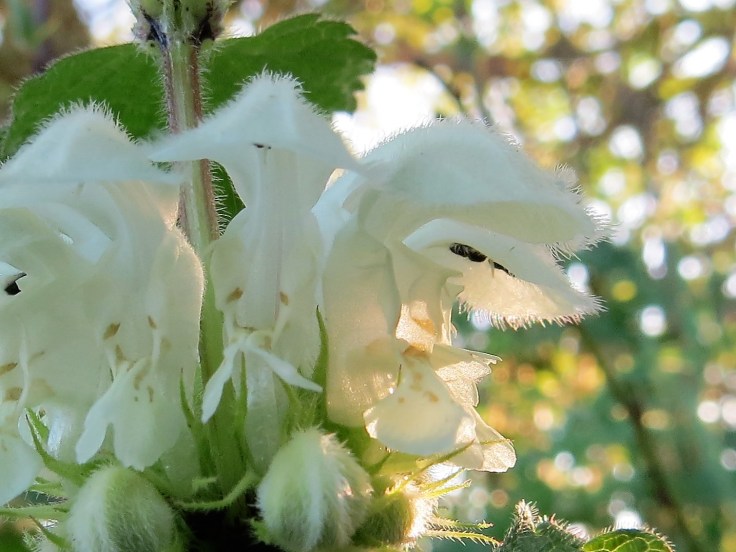
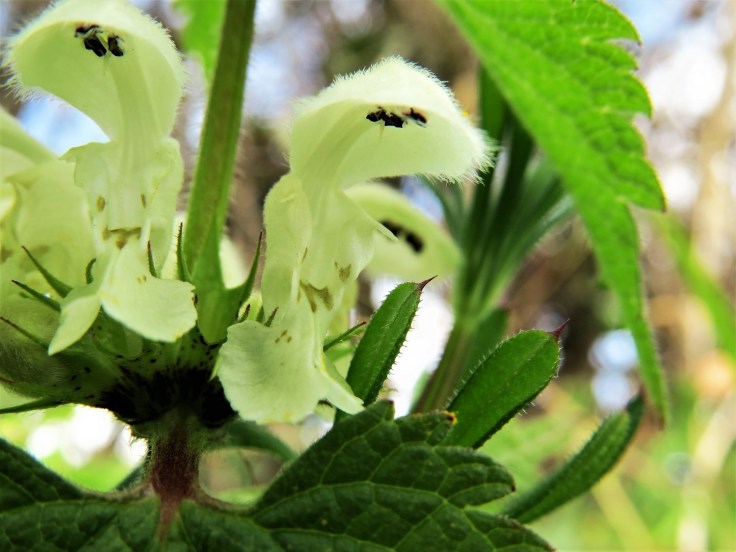
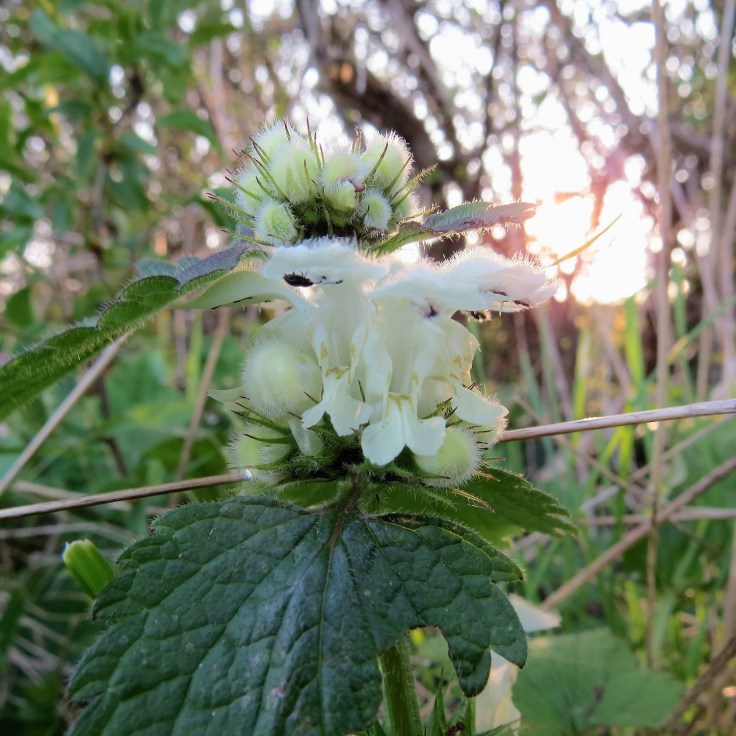
The extraordinary flowers of white dead nettles.


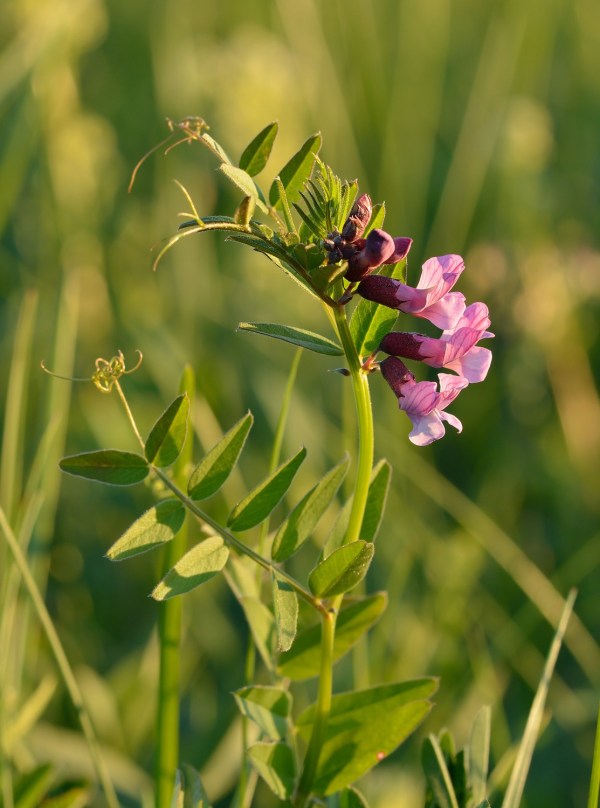
Last week, Ian Bushell found and photographed bush vetch (Vicia sepium) near Puddle Corner.
Continue reading “Bush vetch”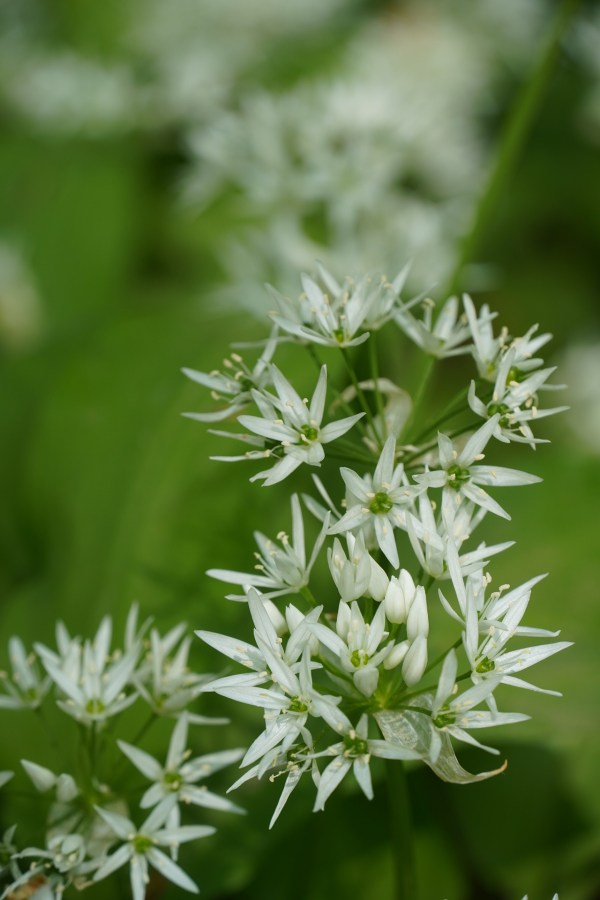
The wild garlic is just coming into flower.
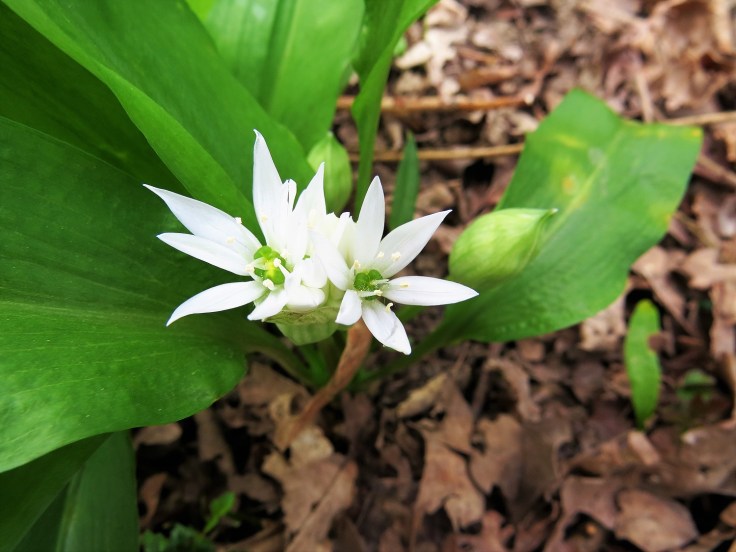
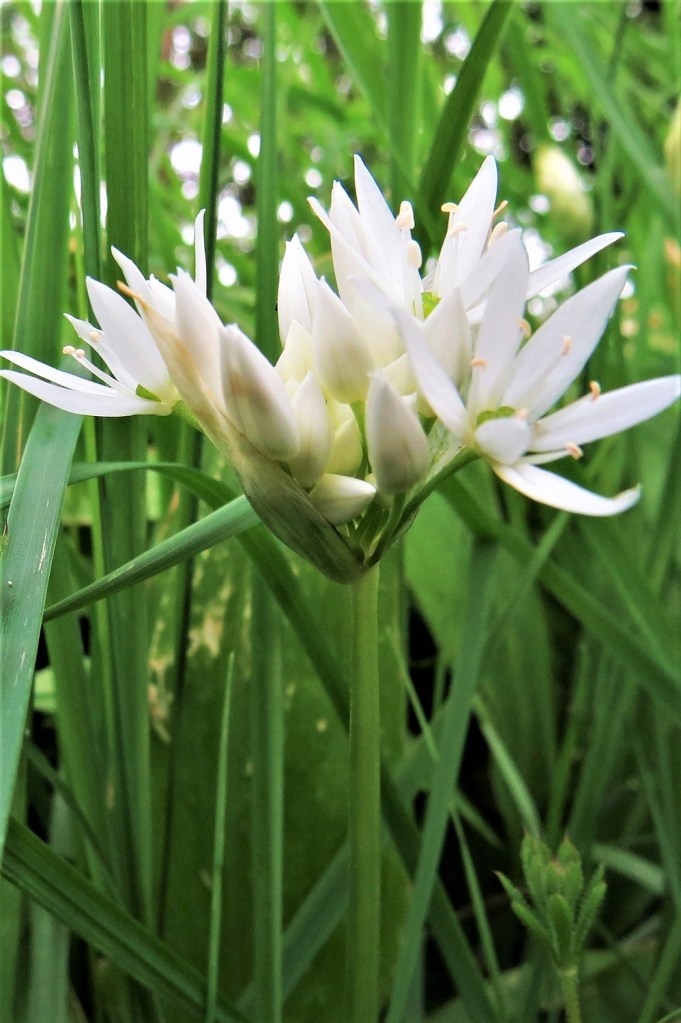
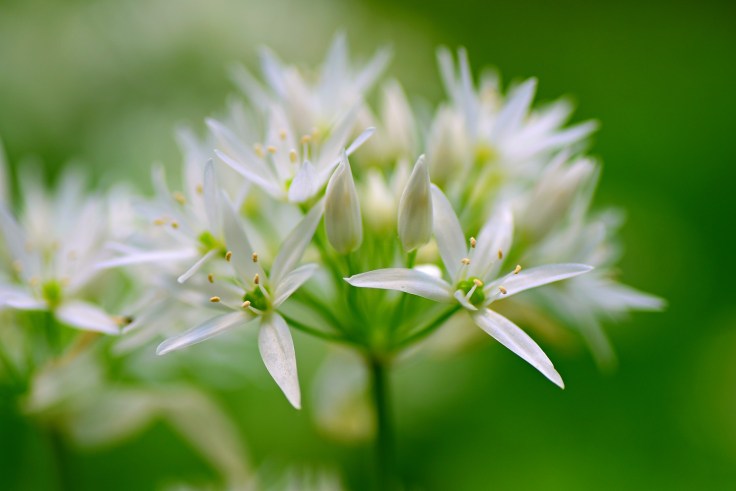

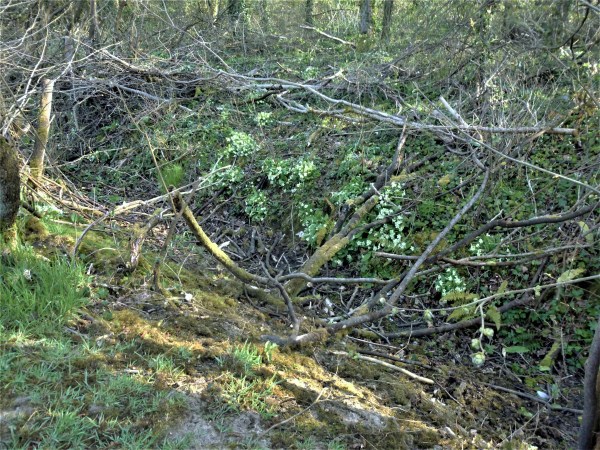
In 2019, SSE cleared the trees and understorey from beneath their power lines where they crossed the park. It made a bit of a mess, particularly in the area of the blackthorn tunnel, but there have been advantages, too.
Continue reading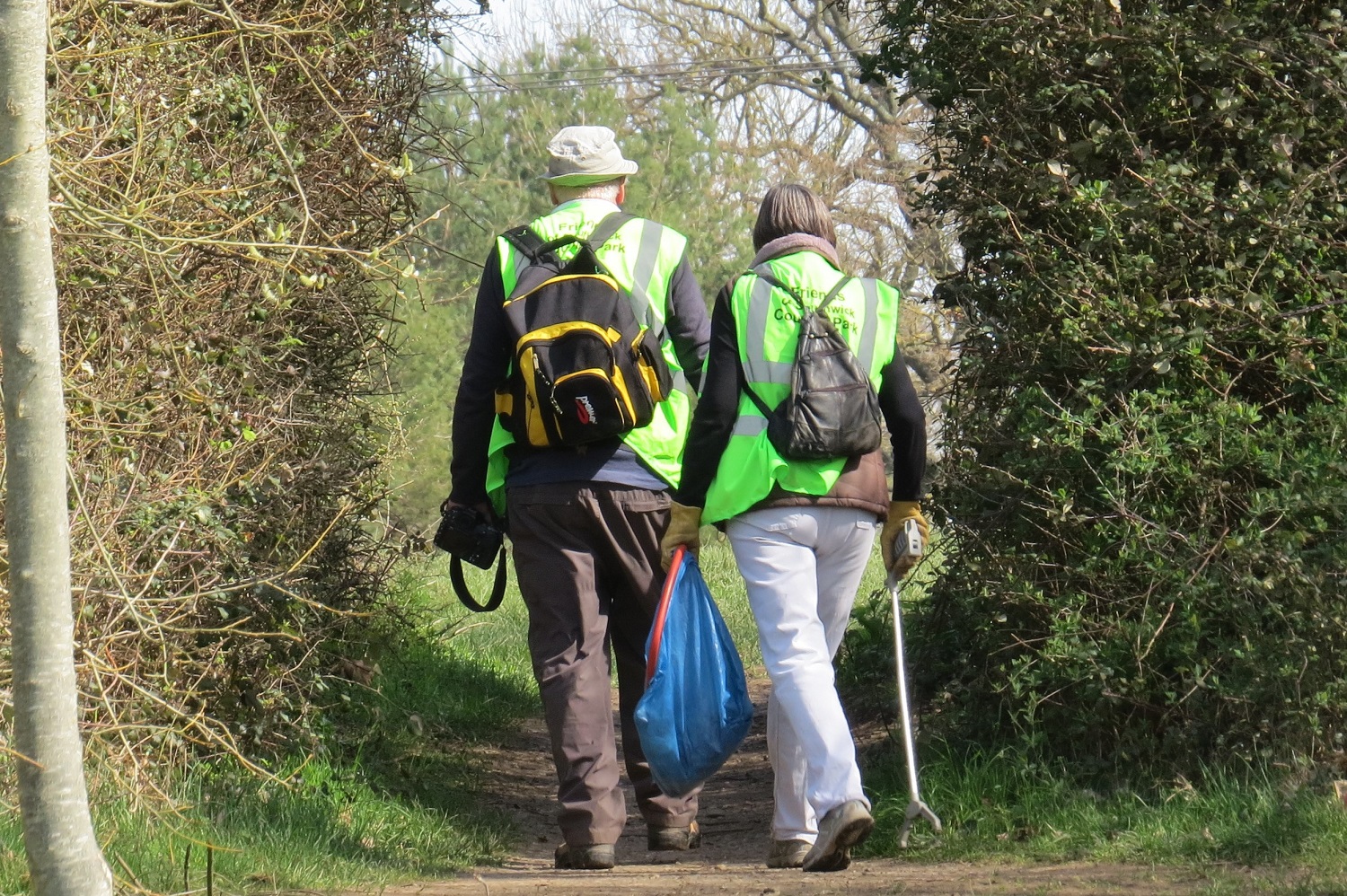


 Southwick Country Park Nature Reserve