There are an exceptional number of buff-tailed bumblebees in the park this year; a walk around the hedges of Sleeper Field on a sunny morning revealed dozens working in the blackberry blossoms and the hogweed. There is obviously at least one large and thriving nest somewhere in the southern part of the park.
Continue reading “Buff tailed bumblebees”Counting hedgehogs
Counting hedgehogs is not easy and the best information we have about hedgehog populations is always an estimate.
Continue reading “Counting hedgehogs”Incident@Lambrok
Incident@Lambrok is how the Environment Agency titled its report on the week-long torrent of heavily sedimented, chlorinated water that Wessex Water let flood from a broken water main, through the Lambrok down to the Biss, taking in Southwick Country Park and its precious freshwater biota on its way.
Continue reading “Incident@Lambrok”All sorts of water fly spend the very large majority of their lives living on a stream bed as larvae called nymphs. These are the species we are worried about at the moment as a burst water main upstream pours sediment-laden water into the Lambrok for the third day.
Continue readingTadpoles
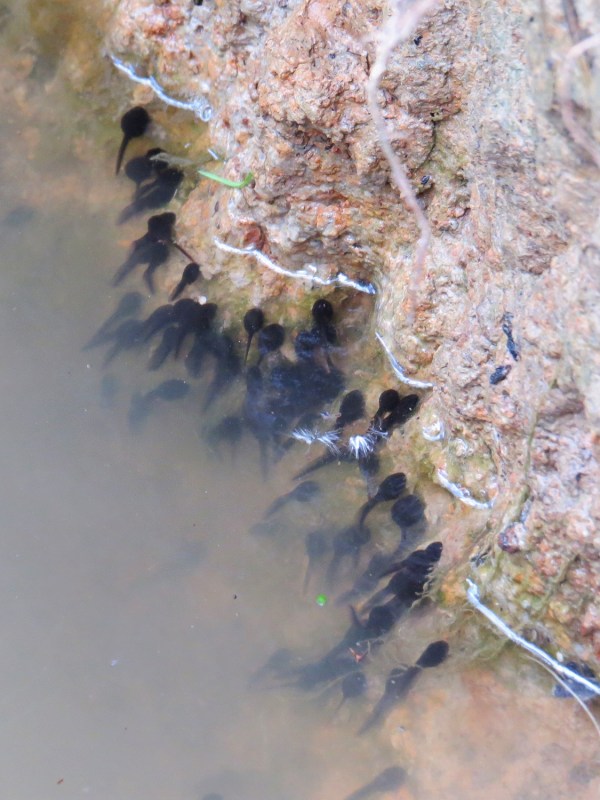
Common frog tadpoles (Rana temporaria) in the little pond under the Decorated Bridge.
Continue reading “Tadpoles”The latest Church Lane update
The decision on RPS’s application to build 65 houses on the field south of Church Lane has been delayed again, until July 31st. We expect that this is, in part, to allow the Secretary of State’s Inspector, Stephen Lee, to make his decision and final report on Wiltshire’s Housing Site Allocation Plan.
Continue reading “The latest Church Lane update”What really happens to the plastic bottles thrown away in the park?
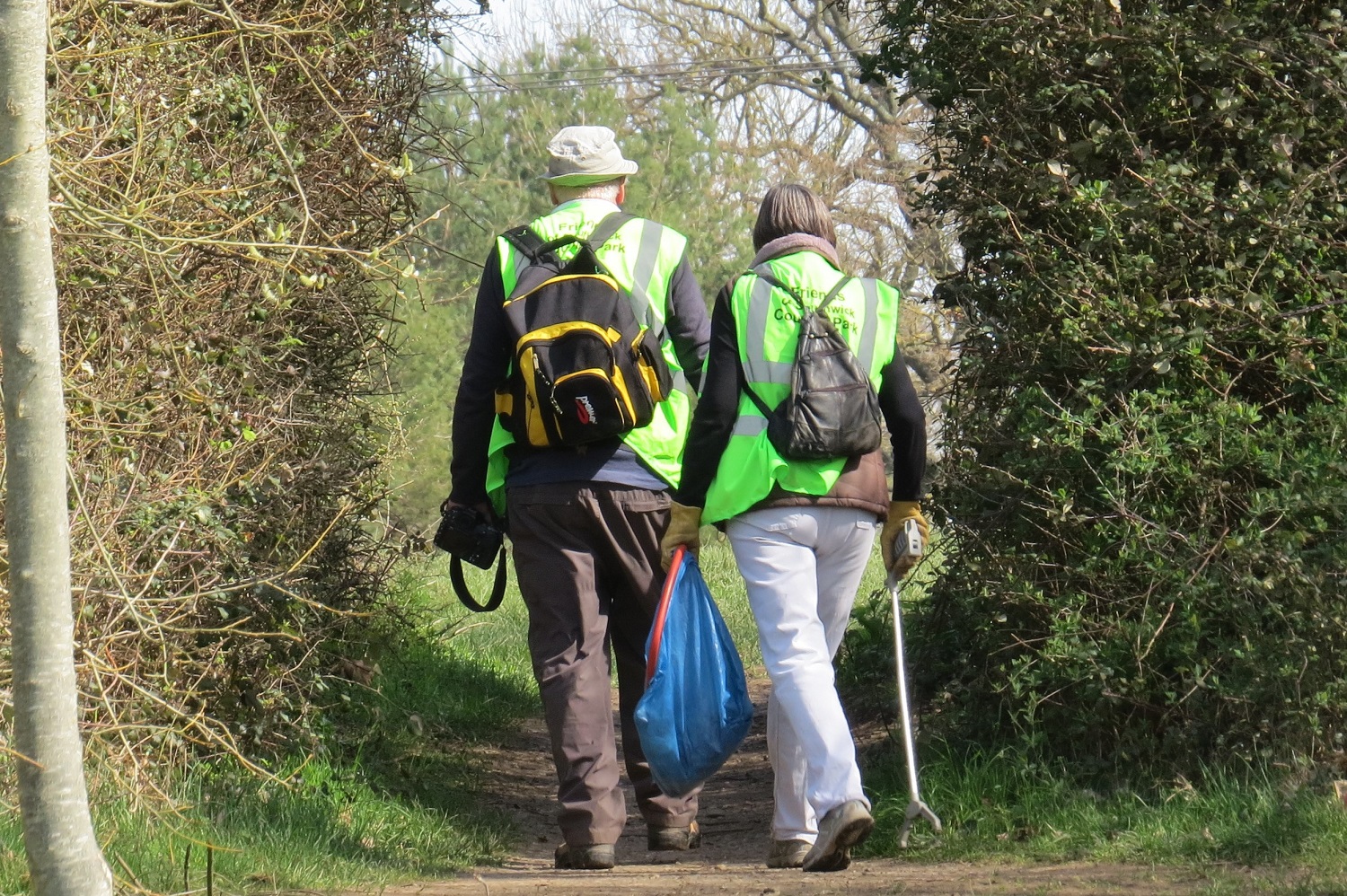
One or another of the Friends walks around the park pretty much every day and picks up rubbish as he or she goes. Most of what we pick up is plastic and most of the plastic is in the shape of bottles.
Here is a short video to explain what happens to a plastic bottle after it is thrown away.
Where are all the butterflies?
So far this year, only seven species of butterfly have been seen in the park and in very small numbers. Ian Bushell walked an unofficial transect on Wednesday and sent this message:
Read on for Ian’s messageGlobal assessment
At the beginning of this week, the UN’s Global Assessment has highlighted the impact that we are having on the natural world.
Continue reading “Global assessment”Late frost
There was a frost on Saturday night.
Continue reading “Late frost”Conservation status
Regular readers may have noticed the addition of grey boxes titled Conservation Status at the end of posts about our flora and fauna and beneath the pictures on the sidebar.
Continue reading “Conservation status”Song thrush
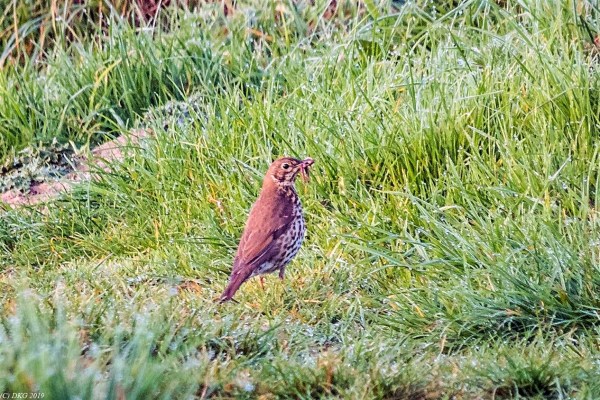
A song thrush, busy feeding a nestful of babies somewhere in the park.
Read on for conservation status and a recording of its songThere has been a lot of noisy forestry work going on in the park for the past few weeks. We have had both enquiries and complaints.
Continue readingConservation in West Wilts
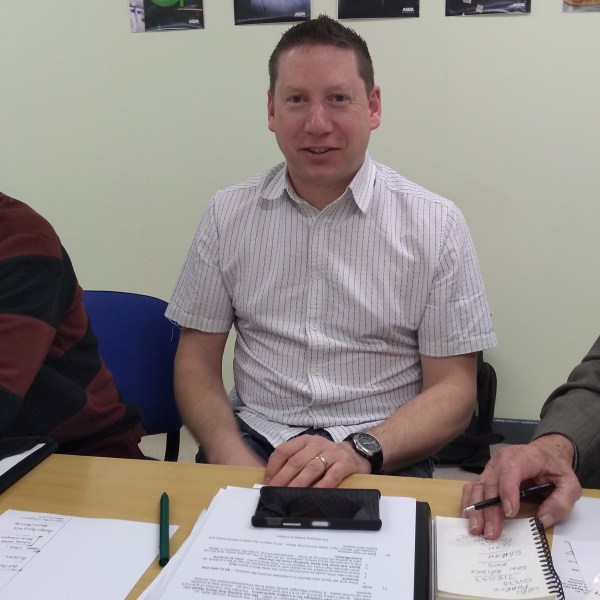
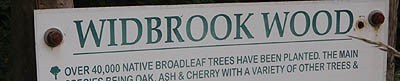
This is Chris Hogg, the warden of the nature reserve at Widbrook Wood. He attended our last committee meeting and explained that he is trying to build links between all the small conservation groups in west Wiltshire; a venture we approve of at FoSCP. He has asked us to post a message.
Click here to read Chris’s messageAn Official Notice!
Continue readingFoSCP’s response to Newland Homes’ proposal for the site at Upper Studley.
Continue readingEnhancing biodiversity
Protection does work.
Protected areas, national parks, nature reserves, and local wildlife areas do conserve biodiversity. In 2014, research undertaken by the universities at Exeter, Monash and Stellenbosch found that protected areas have significantly improved biodiversity. Plant and animal populations are measurably larger and there are more species inside the protected areas than there are outside: a wonderfully straightforward conclusion that everybody should be using to direct conservation policy.


FoSCP’s response to the Trowbridge Bat Mitigation Strategy
This morning we made our formal response to the disastrous proposals for Southwick Country Park in Section 9 of the otherwise excellent Trowbridge Bat Mitigation Strategy. This is a link to our representation documents.
Boggy Patch Update
Mail from Ian this morning:
“Checked boggy area yesterday, coming on well and no more interference.”
This is excellent news. While it may look like nothing more than a muddy patch at the moment, the flora and fauna that inhabit boggy patches will soon move in. We are hoping for iris and marsh marigolds, frogs and caddis fly larvae. If we get the flora right, the water voles will graze there on sedge and rush leaves.
Click here for a really cute video of watervolesSouthwick Nature Reserve
At the beginning of 2014, FoSCP and the Countryside Team submitted a proposal to Natural England that Southwick Country Park be declared a Local Nature Reserve. We know this was done with Wiltshire Councilโs permission because we couldnโt have done it without; they are the landowners. A management plan for Southwick Nature Reserve was drawn up.
Continue reading “Southwick Nature Reserve”Phantom Ditch Digger update
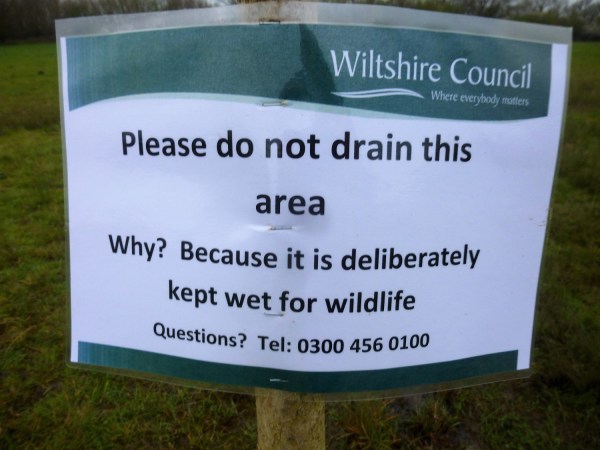
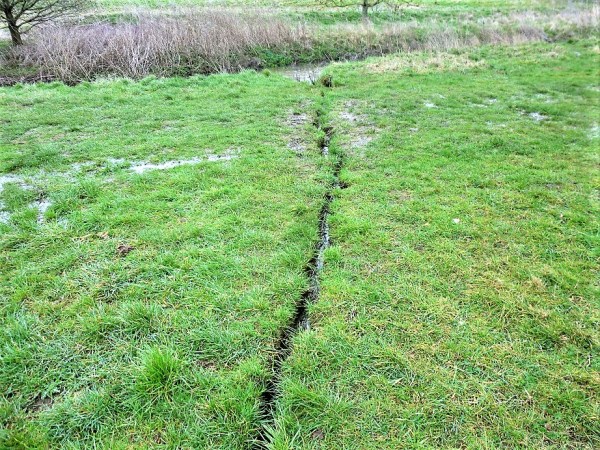
Somebody is STILL trying to drain our boggy patch in Lambrok Meadow. If you know who the Phantom Ditch Digger is, or if you see them in action, PLEASE will you ask them to stop or at least ask them to explain to us why they are doing it; our contact details are here.
Continue reading “Phantom Ditch Digger update”Trowbridge Bat Mitigation Strategy
The draft Trowbridge Bat Mitigation Strategy was published yesterday, February 21st. It contains information and proposals that will certainly be significant to both the WHSAP Examination and to RPS’s application to develop the Church Lane site.
Click here for the detailsLoss of insect species
The media has made much of a recent meta analysis, Worldwide decline of the entomofauna: A review of its drivers, published in the journal Biological Conservation. Researchers Francisco Sanchez-Bayo and Kris A.G. Wykhuys have come to conclusions so frightening that even the newspapers couldnโt find the words to make it scarier than it really is.
Continue reading “Loss of insect species”Notes from the past
A letter from local ornithologist, David C.
I must say DKG’s Tawny Owl & Kingfisher photos are really good. Tawny Owls seem to be doing okay in Wiltshire and Kingfishers are also widely distributed. They seem very inefficient breeders with only about half the chicks surviving their first Winter from more than one brood each Spring!
Continue reading “Notes from the past”