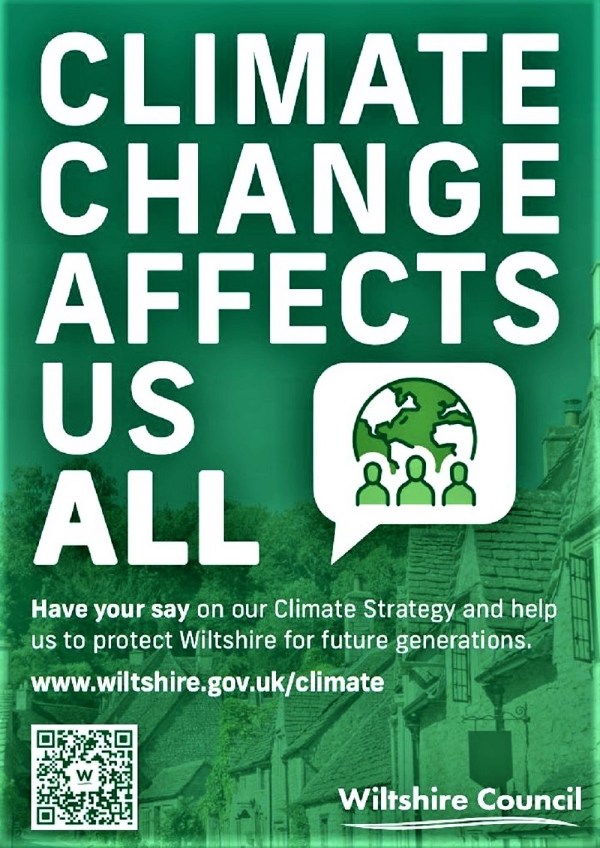
Cop 26 does not appear to have reached an agreement that will limit global heating to 1.5°C. The really frightening thing is that we all know what has to be done but the people who make the decisions are not listening to us.
Here is Sir David Attenborough on the simple matter of saving our planet:

Occasionally, while we are clearing the undergrowth in the reserve’s copses, we find the secret places, among the ivy and blackthorn, where somebody has hidden their plastic bags full of dog poop.

Continue reading

Migration changes

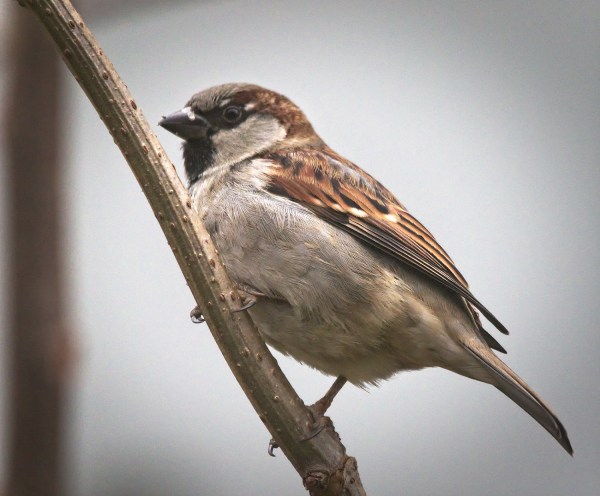
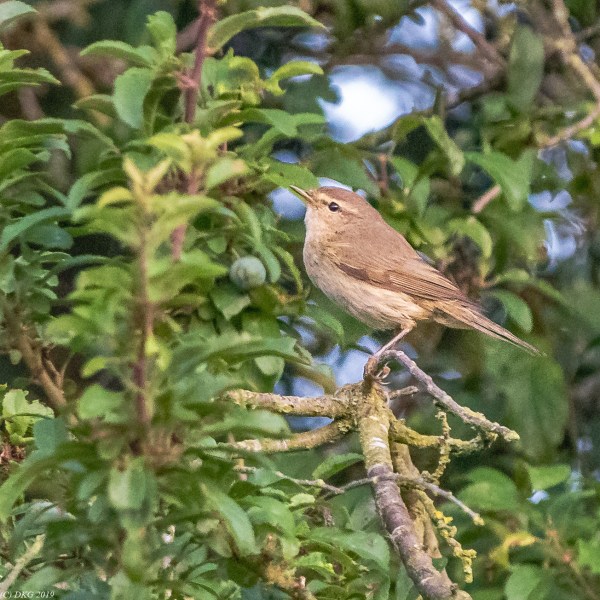
Analysis of records kept since 1964 has found that some species of European migratory birds are spending up to 60 days less each year in their sub-Saharan wintering grounds. Over the most recent 27-year period, migratory birds, including the whitethroats commonly seen in our reserve, were found to have increased their time in Europe by an average of 16 days. It has even been suggested that some species may stop flying south for the winter altogether.

Continue reading “Migration changes”

Deforestation

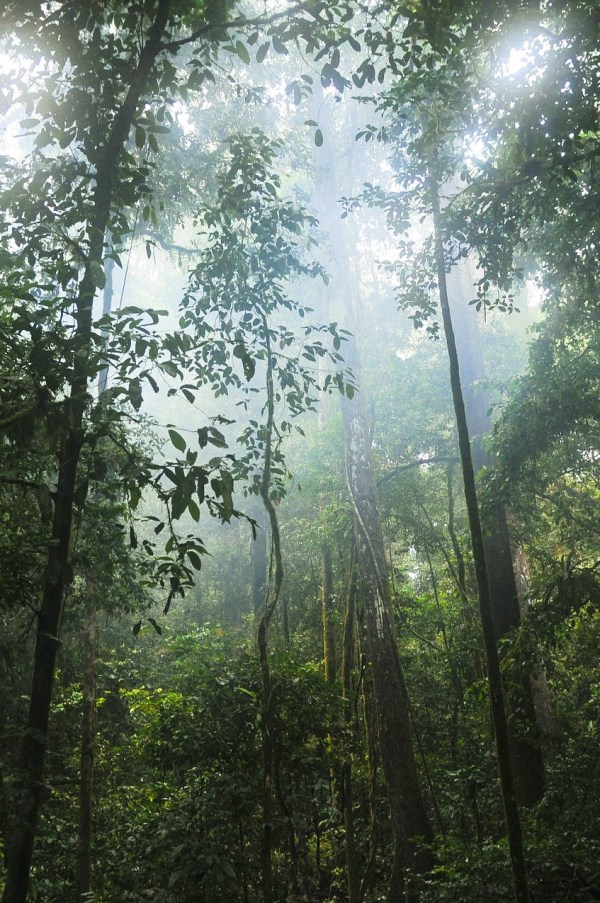
The Environment Bill, still making it’s way through Parliament, is proposing deforestation-free supply chains. Here is a post from last year about the consequences of business -driven deforestation in the Amazon Basin.

Continue reading

More about the otters in Lambrok Stream

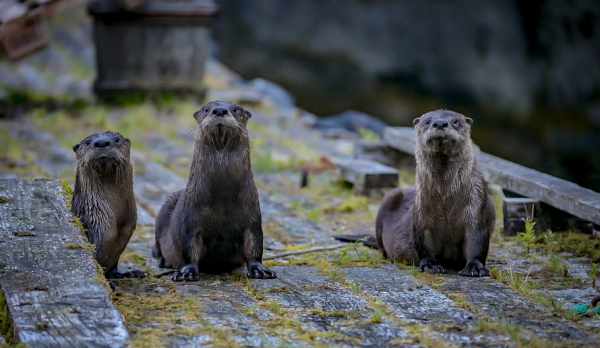
Simon Tesler’s video of an otter hunting in the moat at Southwick Court is powerful evidence not only of Lambrok Stream’s biodiversity, but its importance as a wildlife corridor that runs from the River Biss right up through and beyond Southwick village.

Continue reading

Eco-gardening

Challenges such as climate change, habitat destruction and invasive species are pushing our native ecosystems to the edge, making urban and suburban spaces into critical resources. There are 22 million private gardens in the UK, an astonishing potential that, used carefully, might just make the difference between success and failure for the Nature Recovery Networks proposed by the new Environment Bill.

Continue reading “Eco-gardening”

“Nature is our home”

At the beginning of the year the UK Treasury commissioned and published for the very first time a full assessment of the economic importance of nature. Professor Dasgupta, the Cambridge University economist who carried out the assessment, concluded that our prosperity has come at “devastating cost” to the ecosystems that support us. “Nature is our home,” he said, “good economics demands we manage it better.”

Continue reading ““Nature is our home””

The whole thing

 “It is that range of biodiversity that we must care for – the whole thing – rather than just one or two stars.”   David Attenborough

Our park doesn’t have snow leopards or white rhinos. Our rarities are small and fragile: water voles, pondweeds, dragonflies zipping past so suddenly they make you jump, a visiting marsh tit, a linnet singing in the trees, little bottom-feeding fish. Then there are the hundreds of flowering plants, thousands of invertebrates and probably tens of thousands of species of fungi hidden away where we can’t see them.

Continue reading “The whole thing”

Cats

Usually we would welcome predators into the reserve; they are a sign of a healthy ecosystem. We have resident stoats and weasels, foxes and badgers and are happy to know that our ecosystem can support them. Domestic cats, like this one photographed early in the morning in the woods in Village Green, are a very different proposition.

Continue reading “Cats”

Plastic free park

The Friends have planted hundreds of trees in the reserve over the years but a new study has concluded that we should be planting our trees without plastic tree guards. Research has shown that there are significant carbon emissions from the manufacture of plastic guards, they are not always collected after use and, left in the environment, they break down into damaging microplastics.

Continue reading “Plastic free park”

Calling all newt-counters

Last year, Prime Minister Johnson, standing behind a banner that read BUILD BUILD BUILD, condemned all our efforts to protect the biodiversity of the Lambrok corridor as newt-counting. This was just the first move in what is beginning to look like a long-term campaign to benefit developers at the cost of our rapidly deteriorating environment. The latest move, hidden in the shadows of an obscure website, proposes restricting the reach of the Wildlife and Countryside Act 1981.

Continue reading “Calling all newt-counters”

Six spot burnet moth

This is a six spot burnet moth (Zygaena filipendulae), a dayflying nectar feeder. Regular volunteer, Clive Knight photographed it yesterday on the reserve’s plentiful, nectar-rich, tufted vetch.

Continue reading

Create a website or blog at WordPress.com

Up ↑