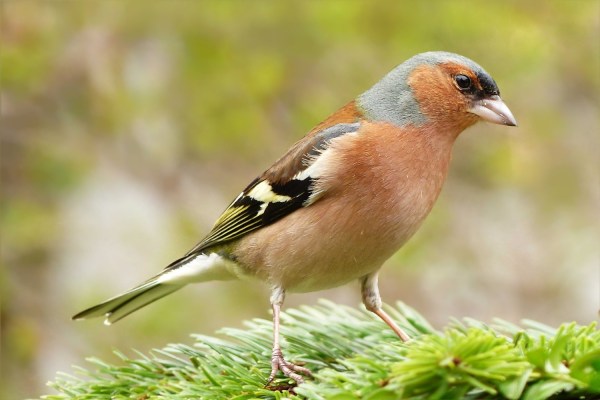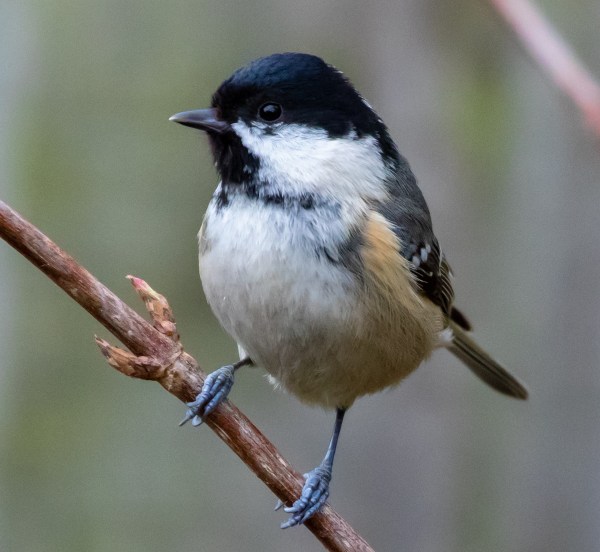
A coal tit: Periparus ater.

Coal tits are small passerines, very similar in appearance to their close relatives, great tits, bluetits and marsh tits, also resident in the reserve. Coal tits have a distinctive white patch on the nape of their neck and a longer bill than most other Paridae.

A pair has been seen near the main entrance. Hopefully they are raising a nestful of chicks in a hole in one of the big oak trees at that end of the reserve.
Shieldbugs

Up in the heritage orchard, near the allotments, Ian Bushell has found two new species of bug for our lists: a hairy shieldbug (Dolycoris baccarum) and a cabbage shieldbug (Eurydema oleracea).

Continue reading

Butterflies

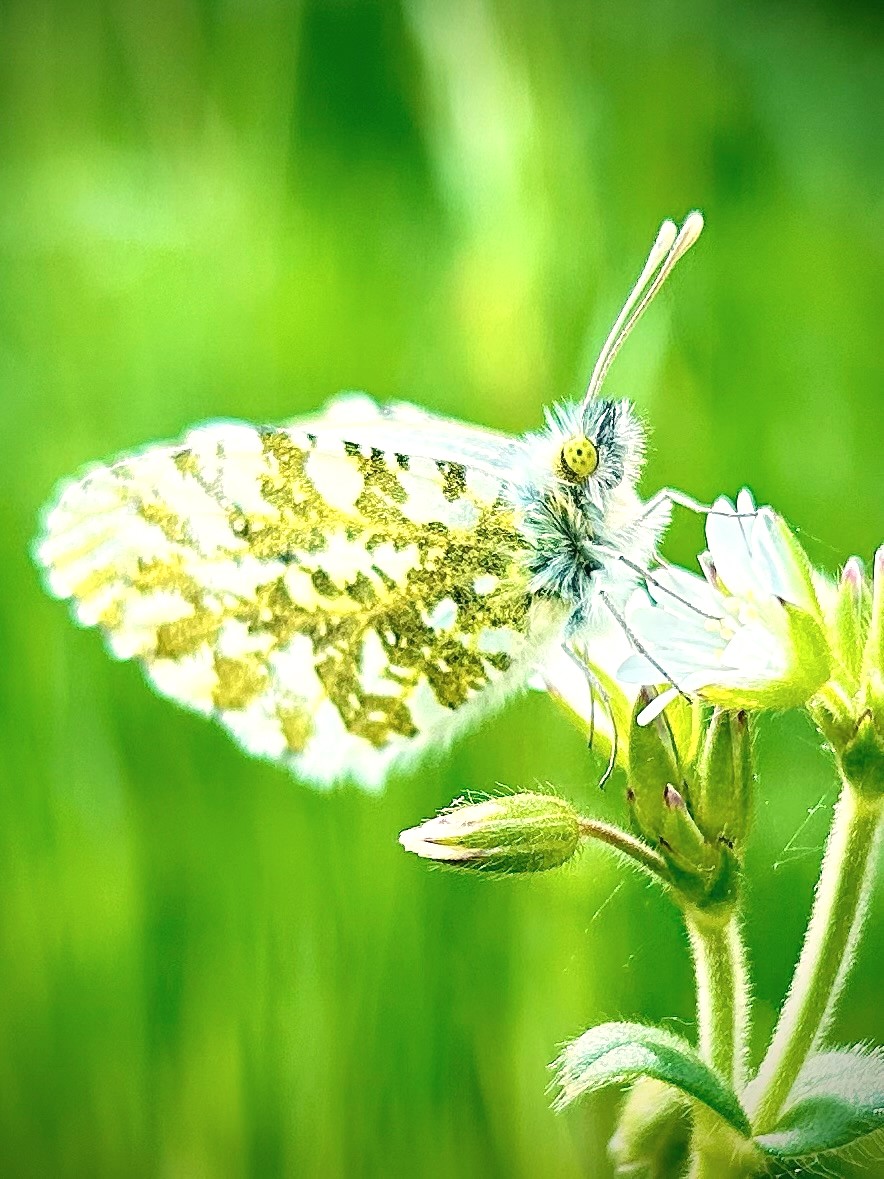
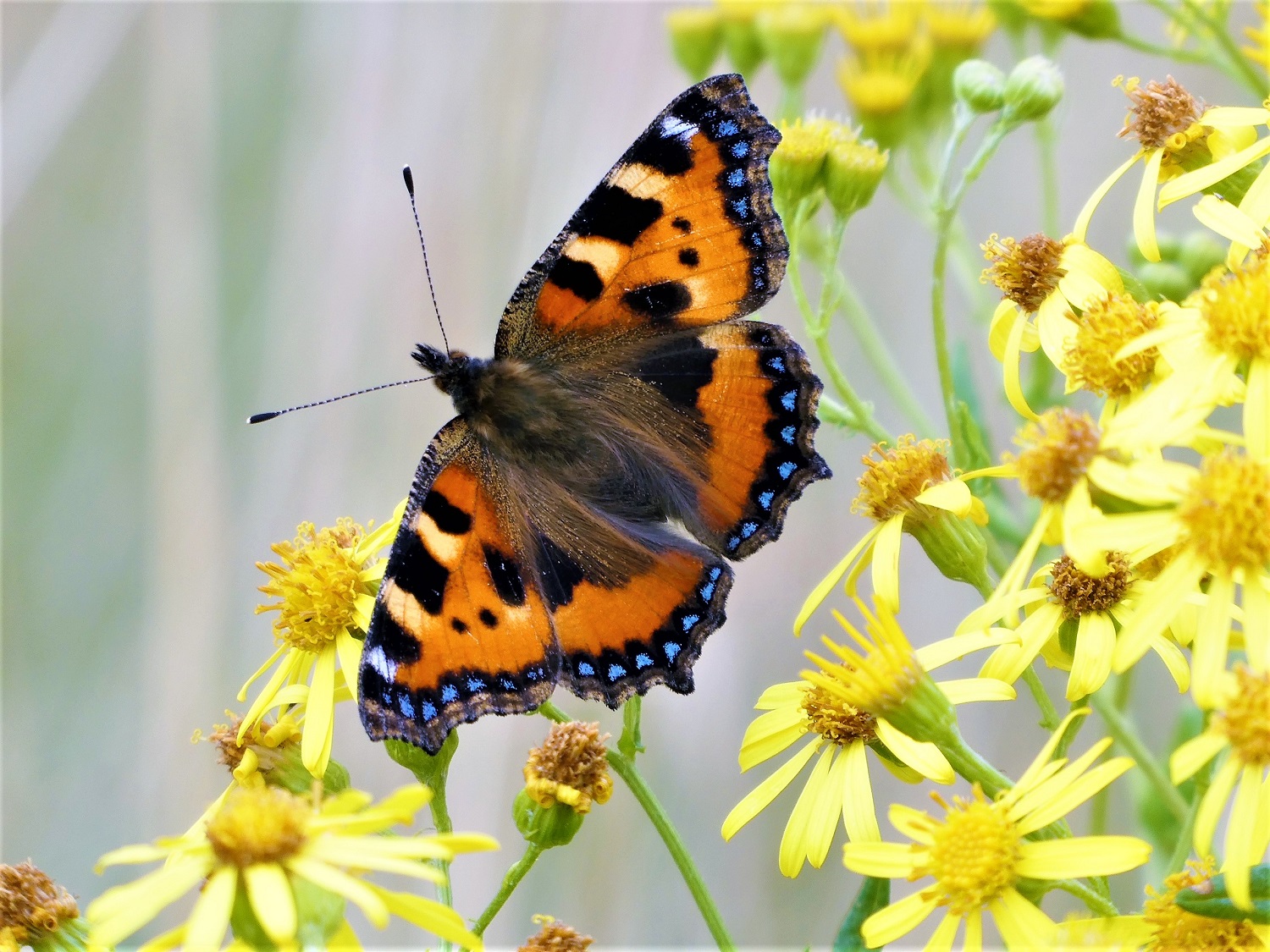
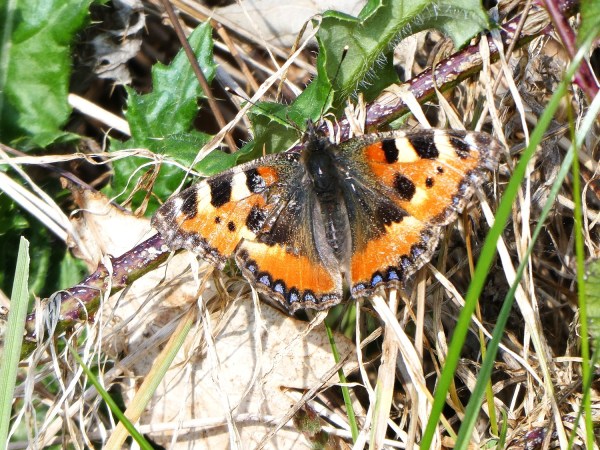
Three butterflies photographed in the reserve this weekend: a female orange tip by Sarah Gould, a speckled wood sent in by Clive Knight and the header picture, a peacock by Mike.

We love to get your photographs of the reserve, please send them in to friendsofscp@outlook.com. If you are using a camera phone, make sure that the pictures are not automatically reduced in size when you share them; we need all the pixels we can get.

Tree planting

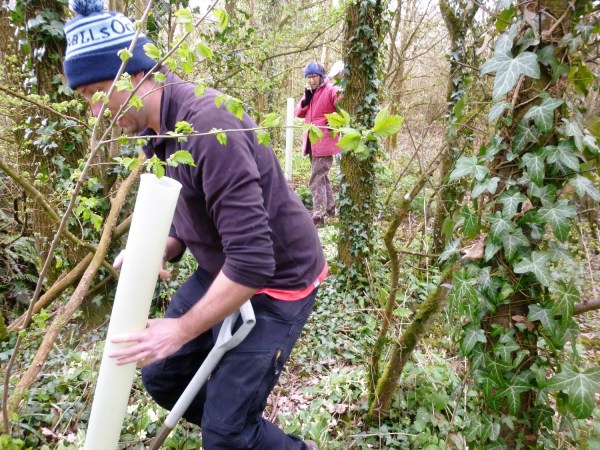
We have been making what might seem to our followers like a great fuss about the planting of just a very few disease resistant elm trees. Here are parts of a post from March 2020, which explain what disease our precious saplings are resistant to, and why we are so eager to get them established in the hedge between Cornfield and Sleepers.

Continue reading “Tree planting”

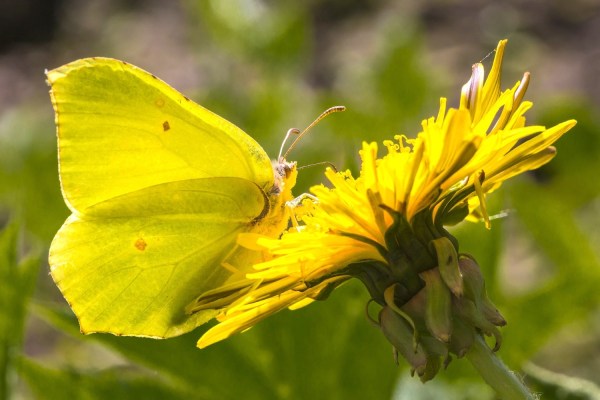
Most UK butterflies spend the winter as caterpillars or pupae but there are five species that overwinter in their adult form: brimstone, comma, peacock, small tortoiseshell and red admiral, all of them present in the reserve.

All these photographs were taken in the reserve.
Bird flu

Bird flu, like any other flu, comes in different strains, most of which cause few or no symptoms in infected birds. But since October 2021 a very virulent strain of H5N1 has swept around the world causing serious disease and many, many fatalities among both farmed and wild bird populations.

Continue reading “Bird flu”

Badger playtime

This is the time of year when badgers bring their cubs out of the sett for the first time. The weather is warmer and the cubs are now three or four months. This pair (male and female) entice their cubs out to be groomed and to play.
DYK

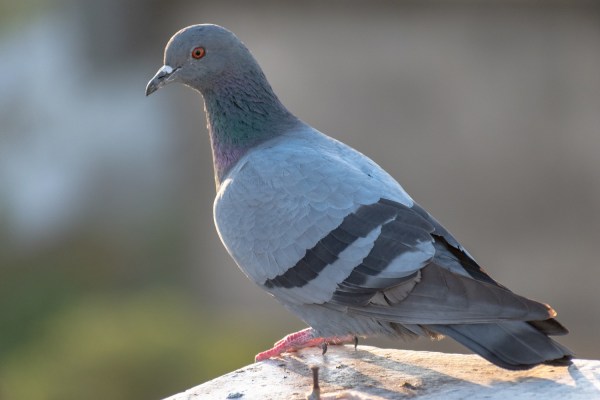
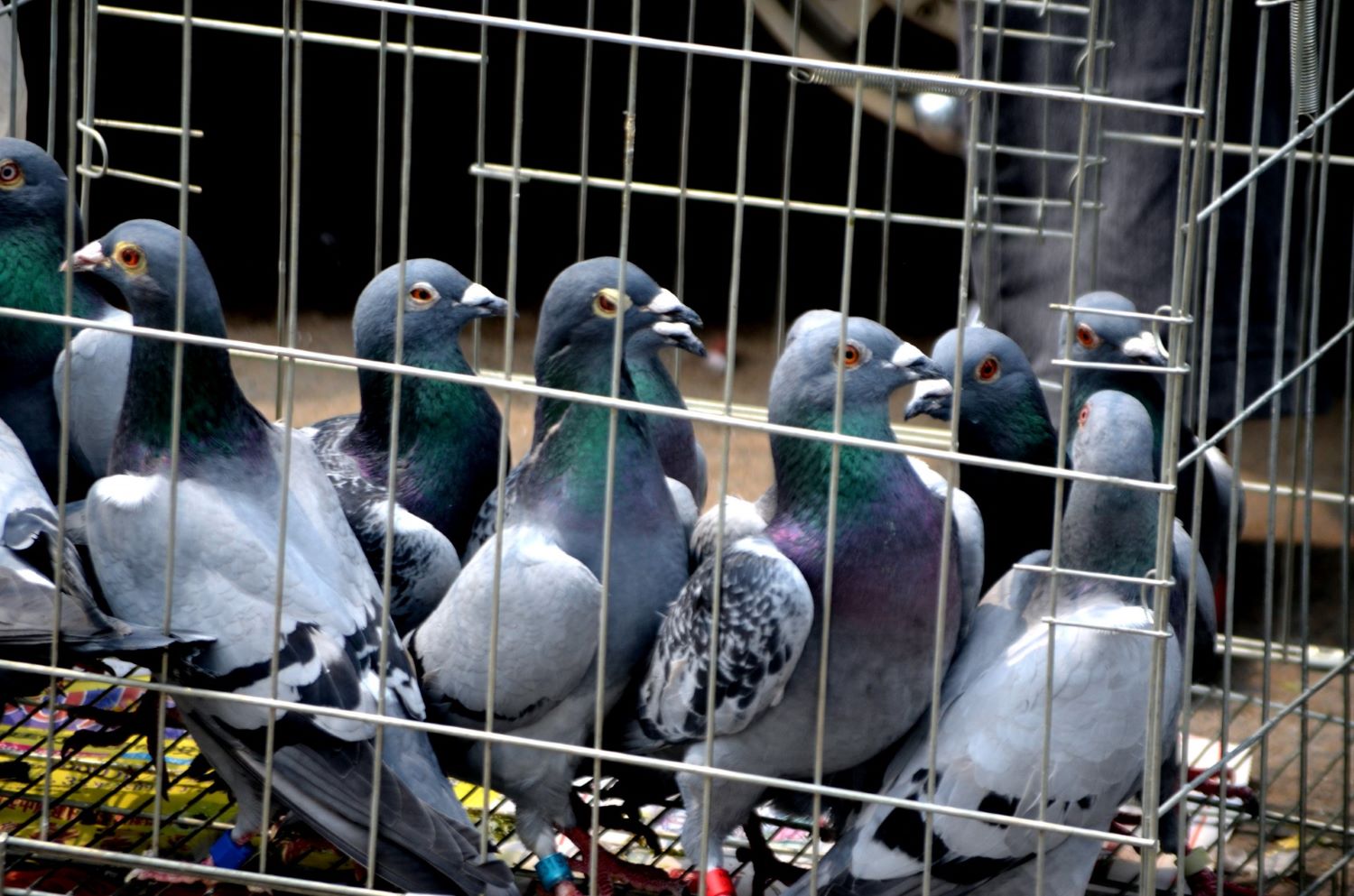
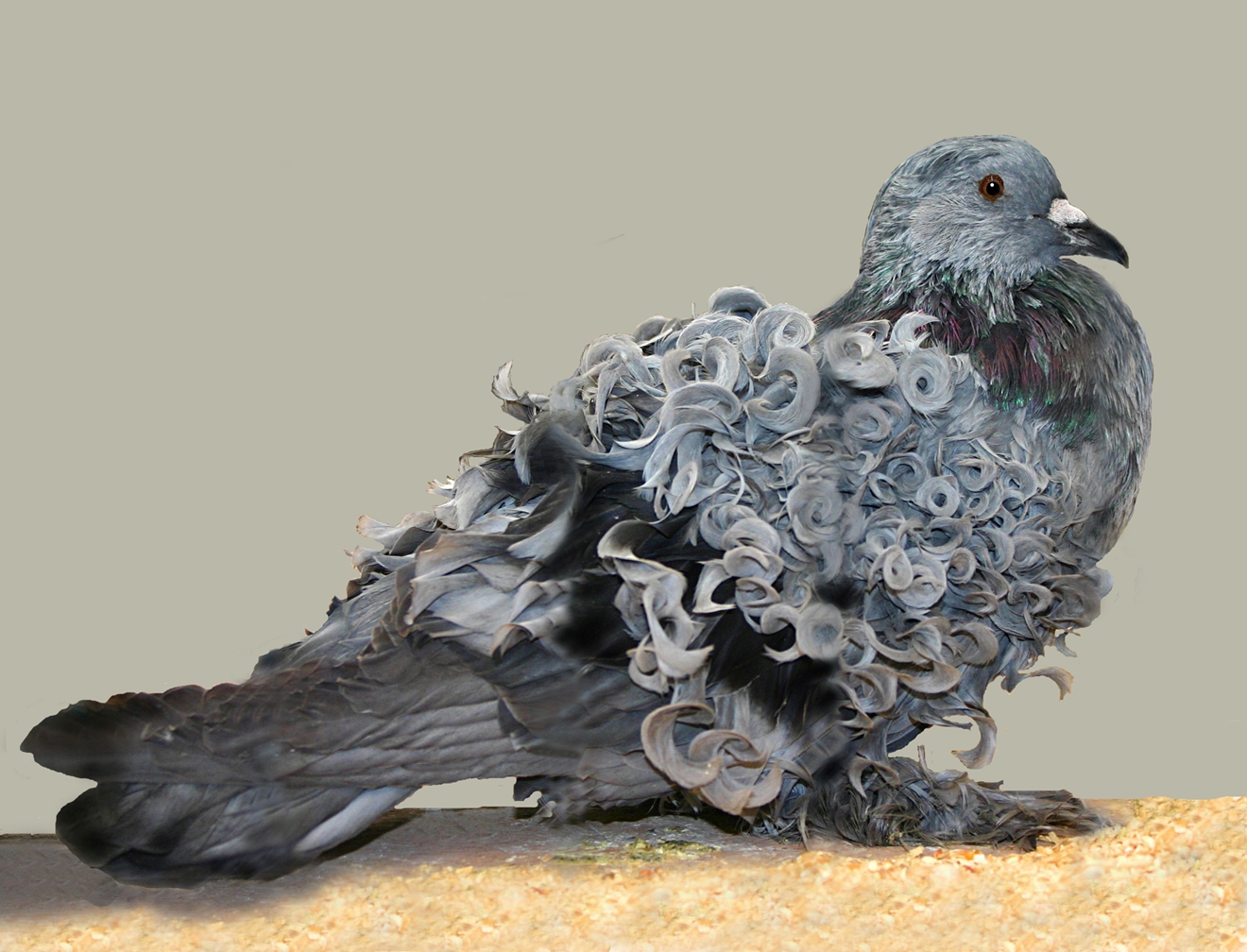
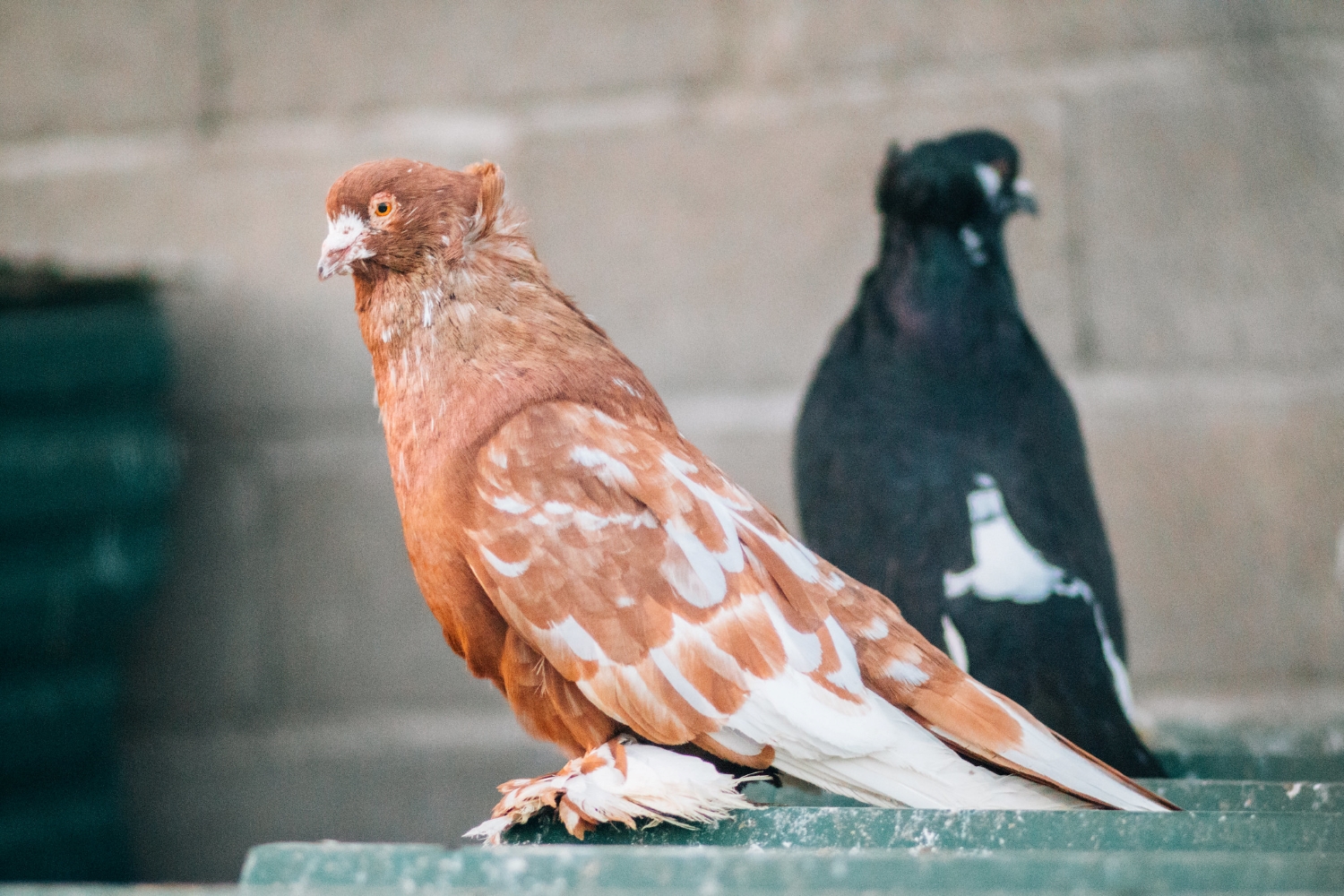
Did you know that all domesticated pigeons and doves are descended from a single species: Columba livia, the rock dove?

No? Neither did we. But all those rollers, racers and dovecote occupants with fluffy feet. curly feathers and fan-tails are domesticated versions of the one species. And, apparently, the process of domestication began more than 10,000 years ago.

Header Image: rock dove (CC0) pixabay.com

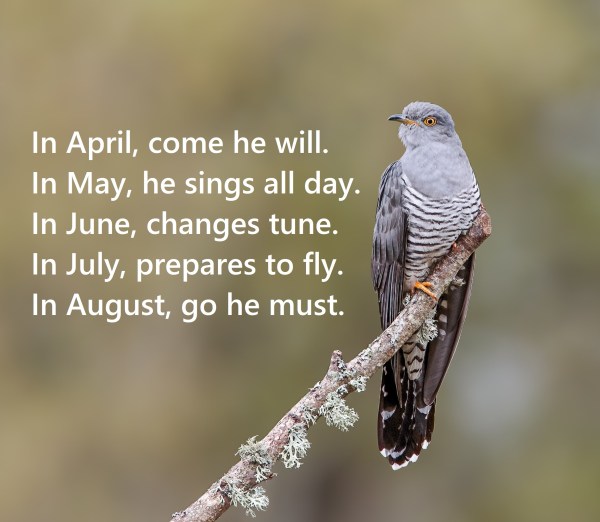
April, come he will…

Has any body heard a cuckoo yet?

The rhyme is a traditional nursery rhyme

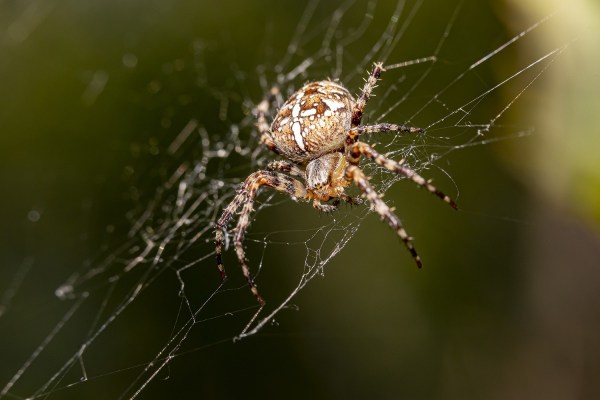
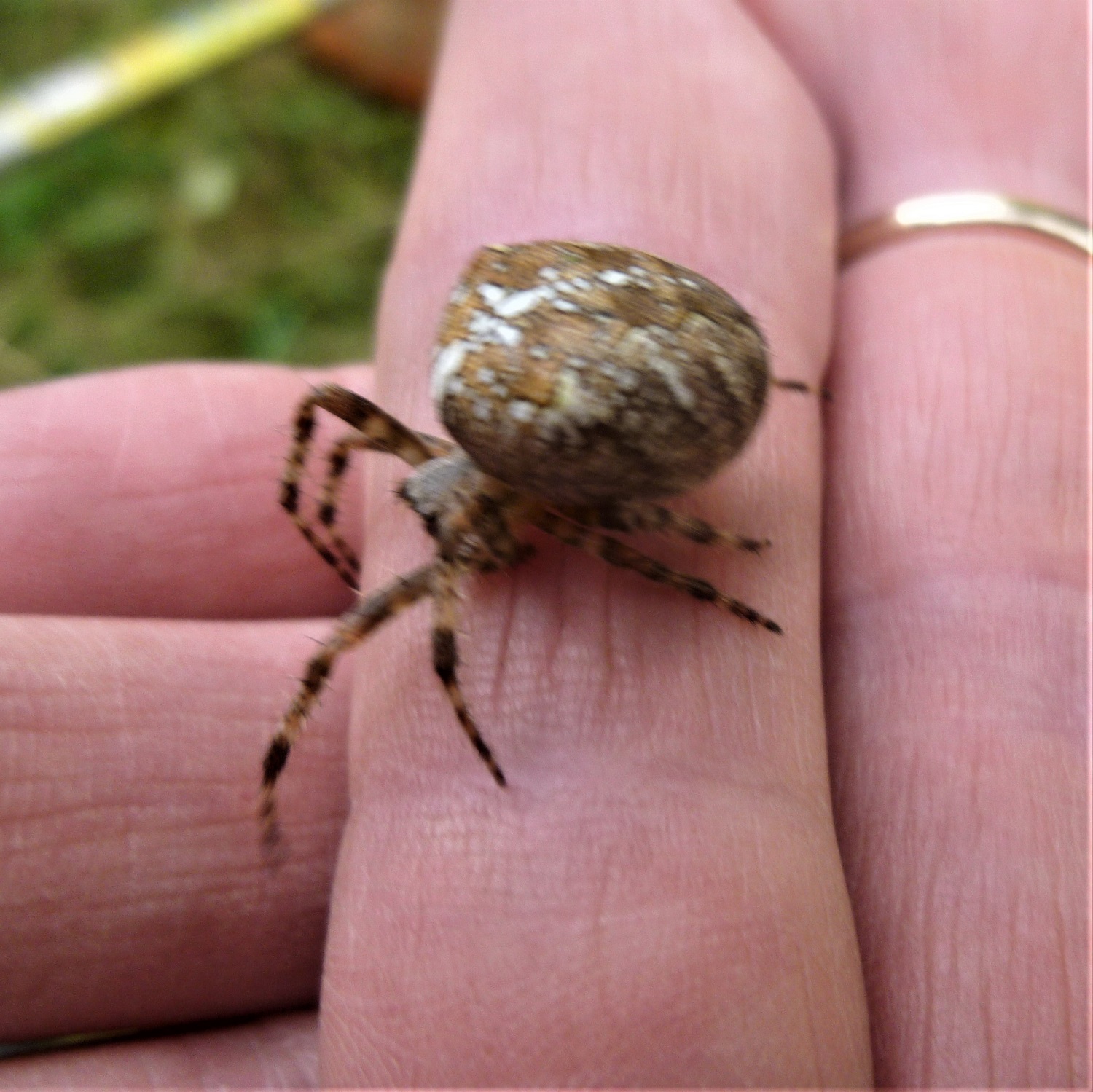
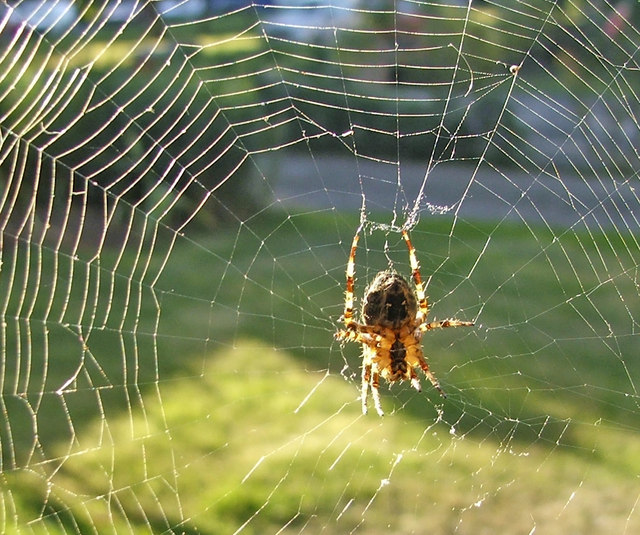
European Garden Spider

This far south, it’s already garden spider time.

Bluetit factoid

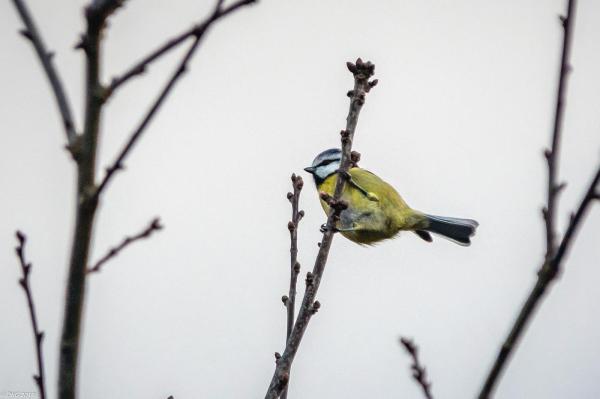
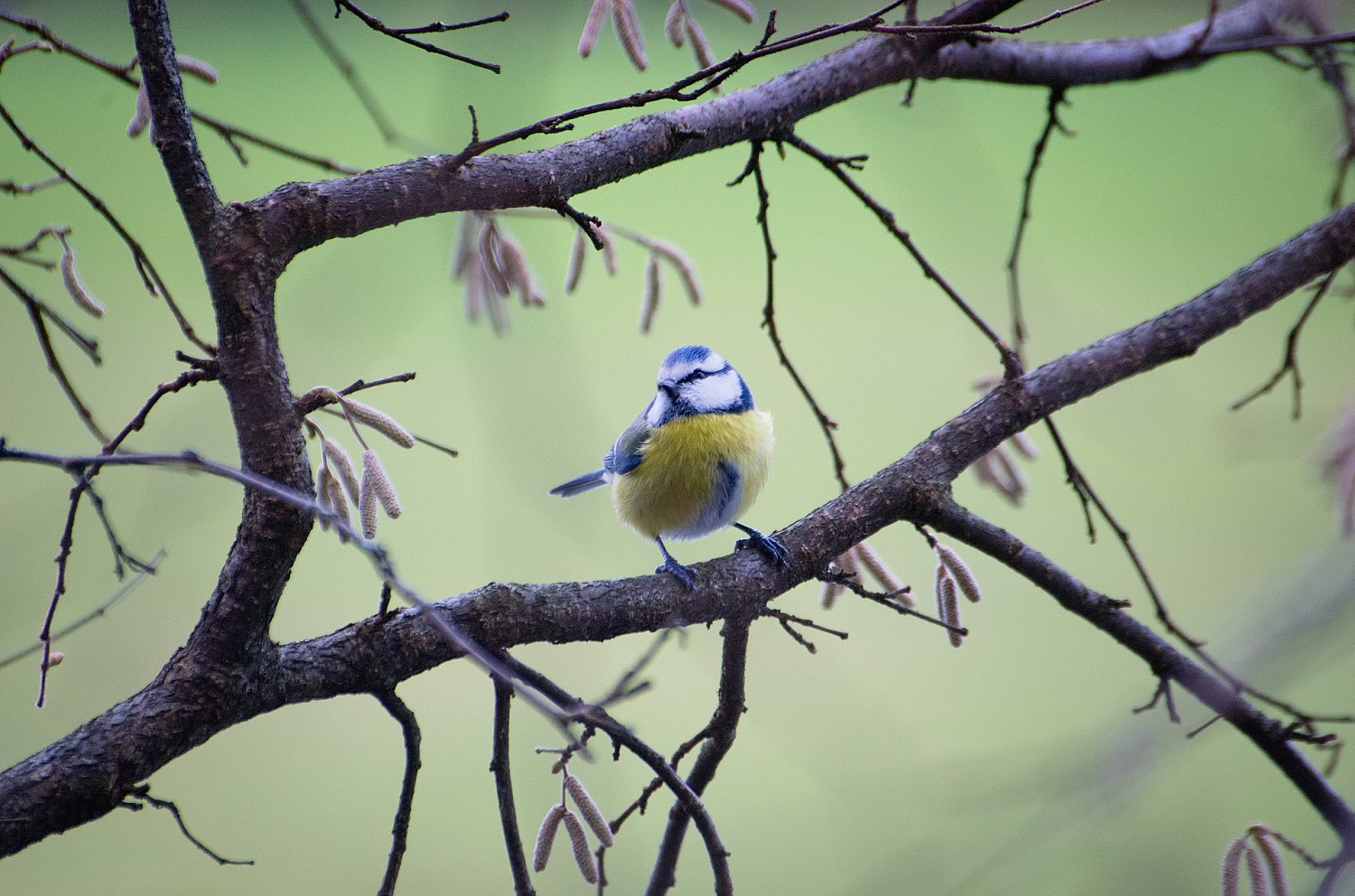
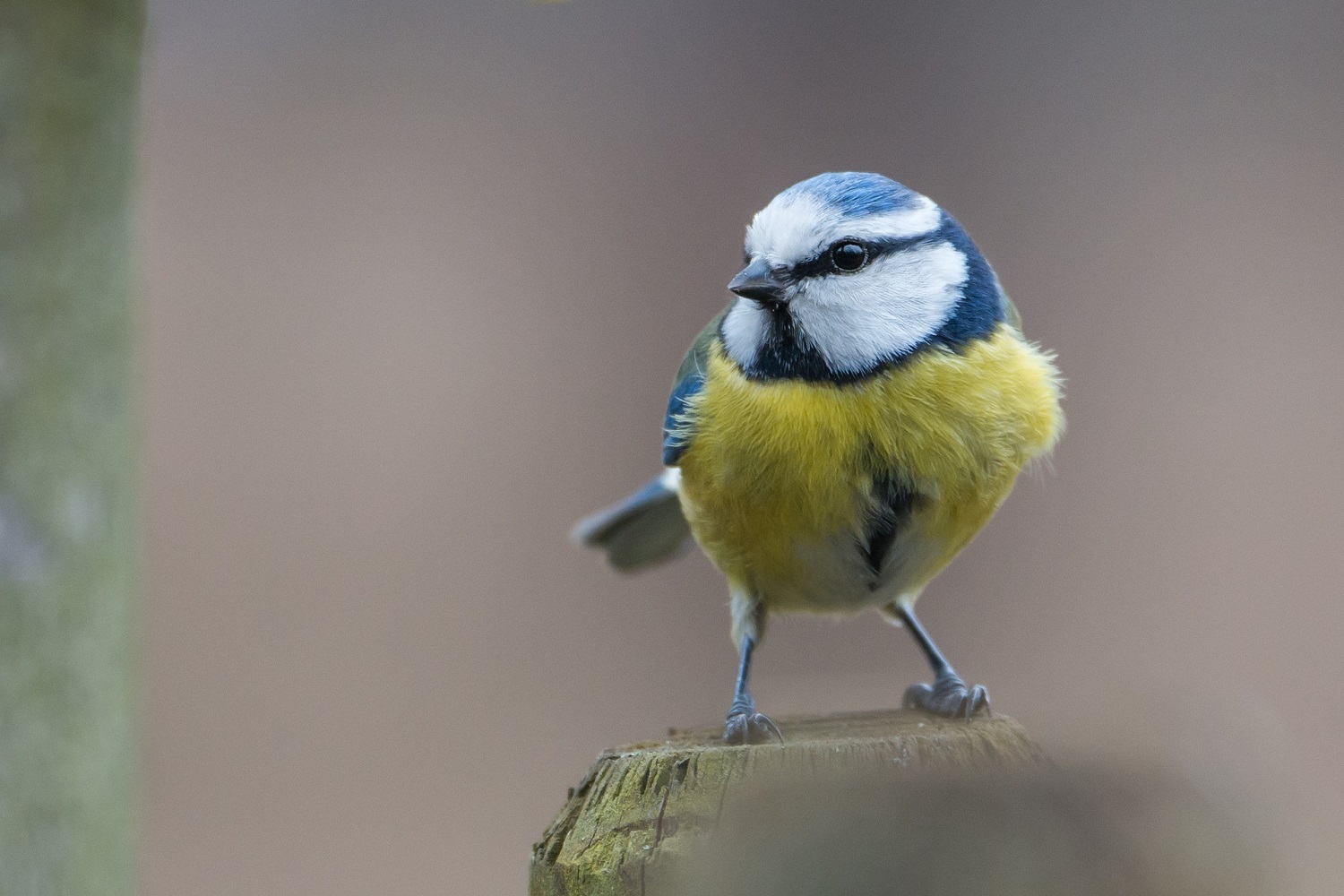
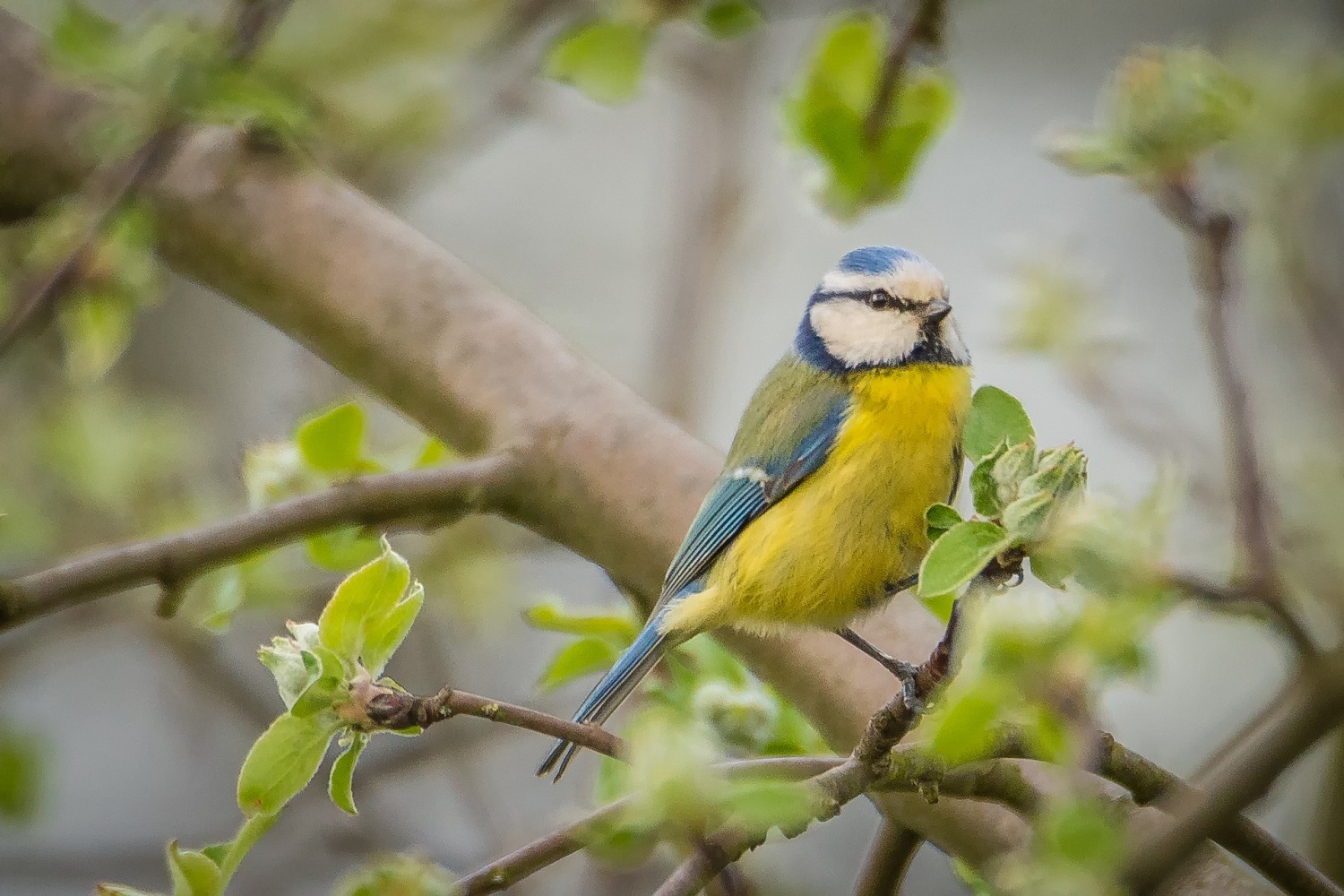
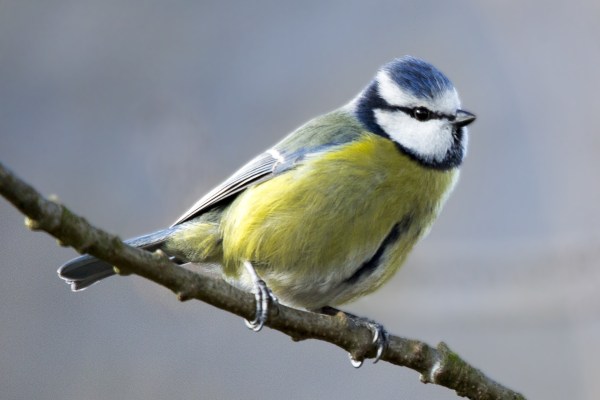
Most birds can’t create pigments, other than melanin, on their own. This bluetit, high in the park’s canopy, can’t produce the pigment, carotene, that makes his tummy yellow; it comes from pigments in the green caterpillars he eats. The more caterpillars he eats and the brighter his tummy, the more likely he is to attract a mate.

Header picture by DKG; others CC0 from pixabay

Create a website or blog at WordPress.com

Up ↑