Blue tit colours

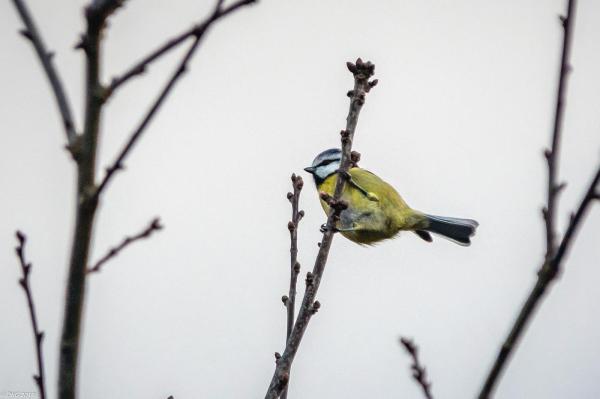
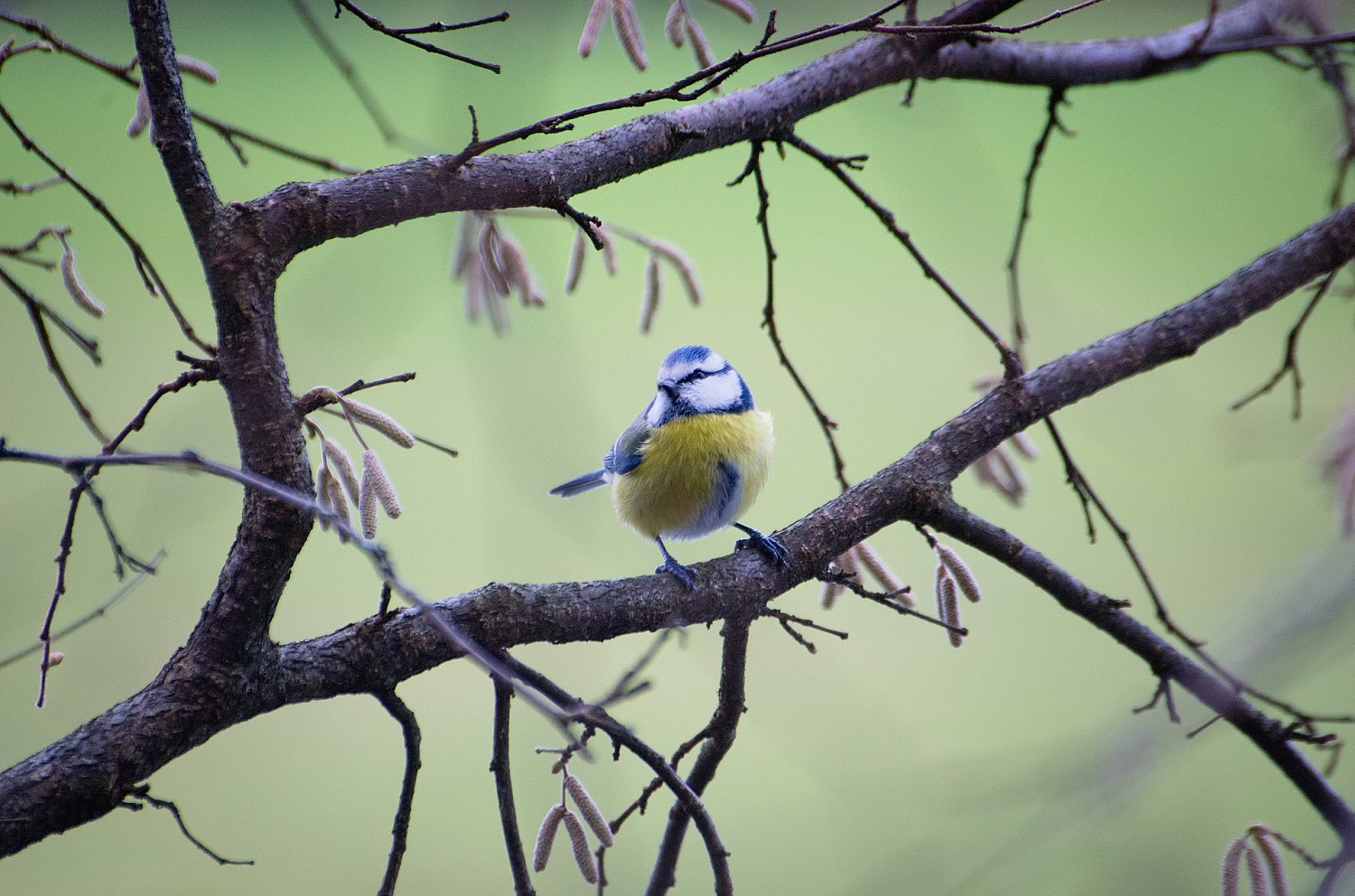
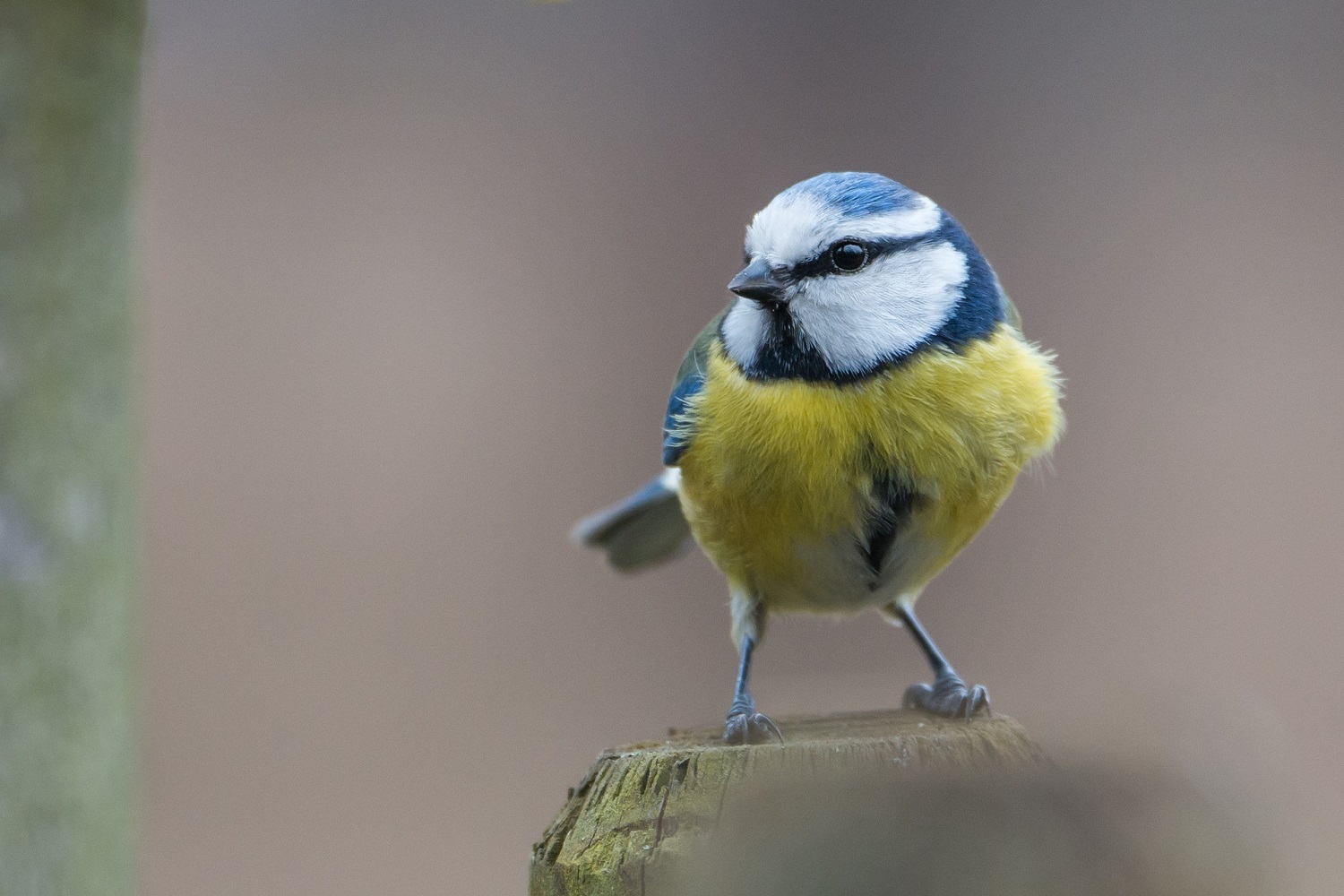
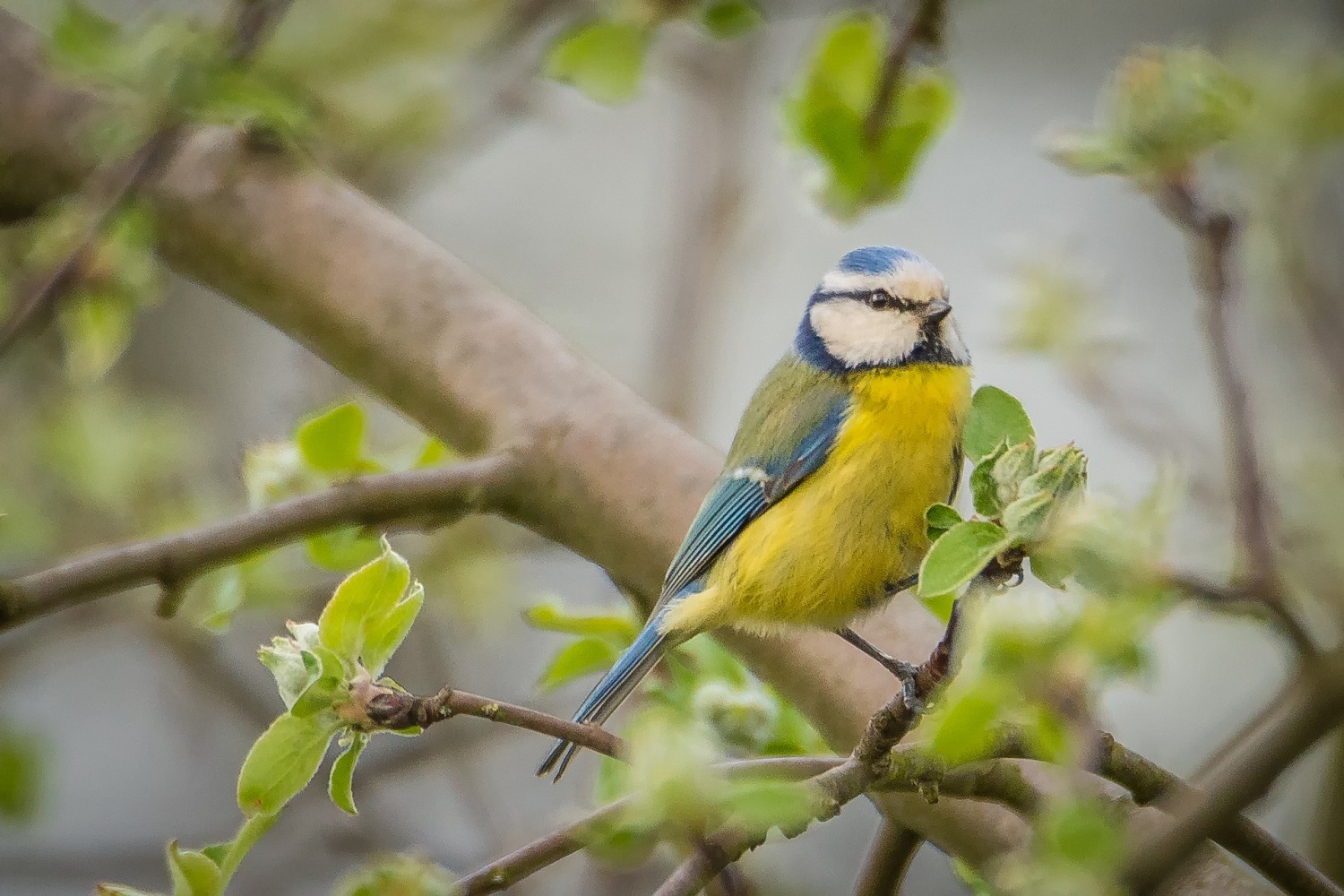
The blue tit (Parus caeruleus) has been classified as sexually monochromatic, which means that male and female are the same colour. This classification is based, though, on human colour perception, not on blue tit colour perception.

Continue reading
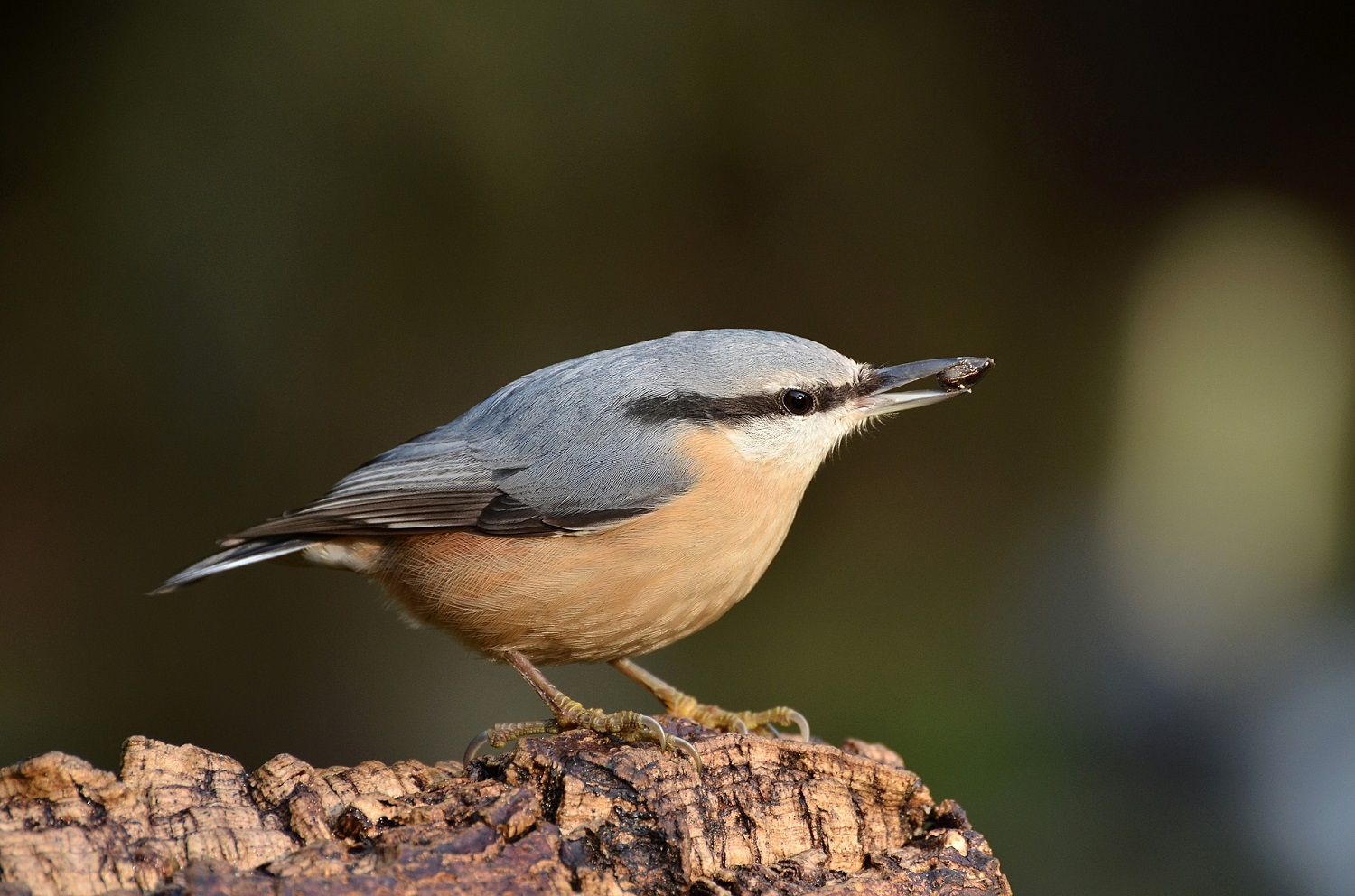
Nuthatch

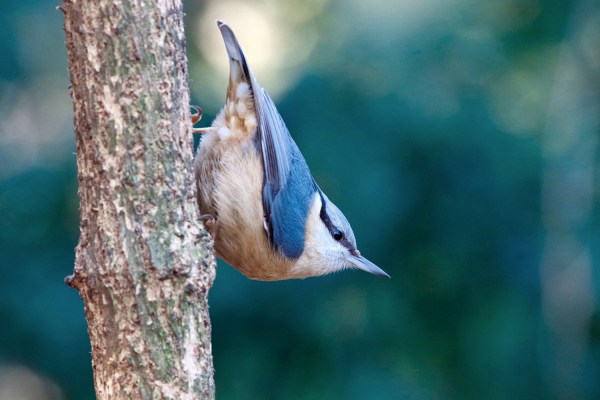
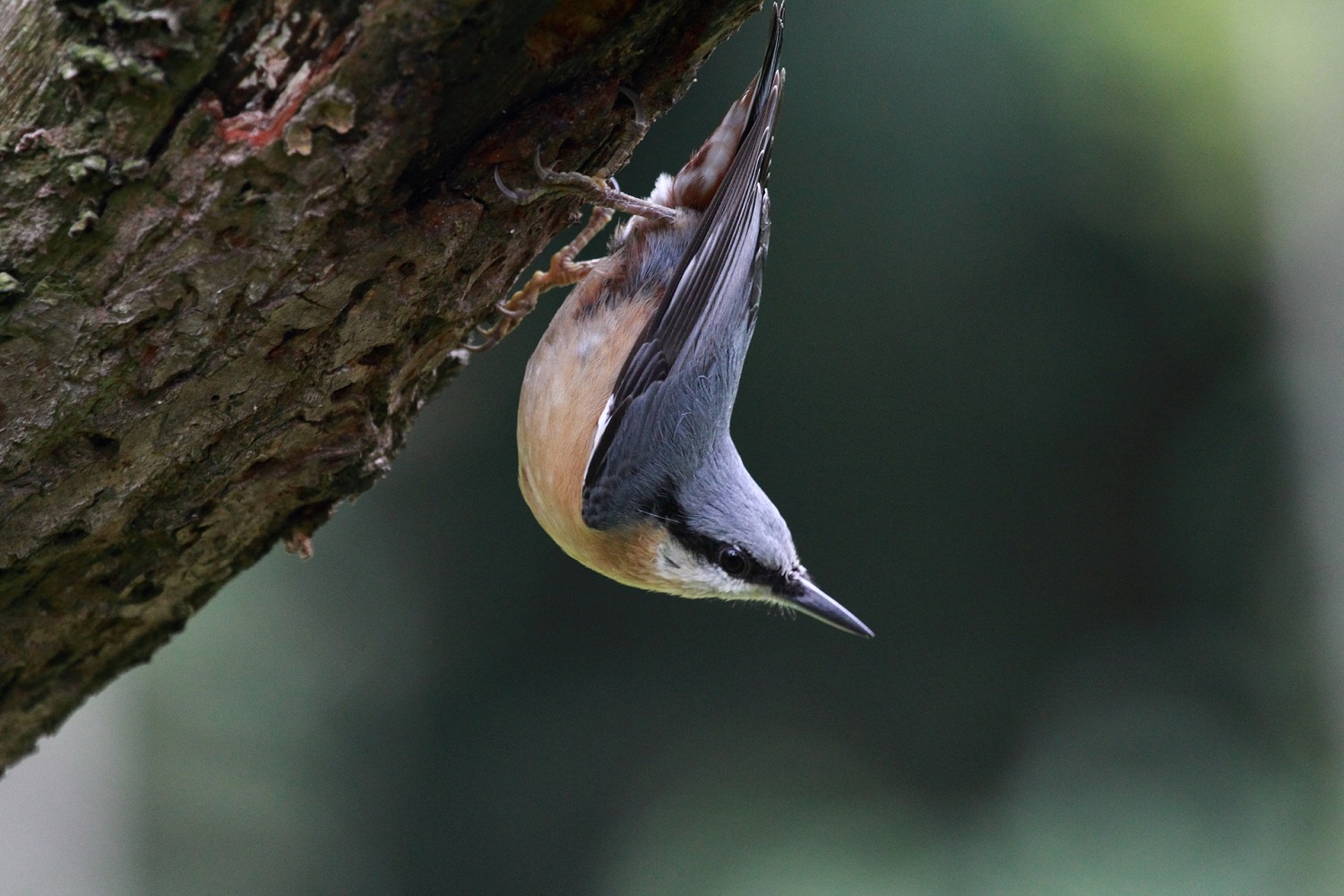
Ian spotted a nuthatch at the weekend; the first he had seen in the reserve for about seven years. Let’s hope it’s one of a pair that are building their nest in a hole up in an old tree.

Buff tailed bumblebees

The aerodynamically unlikely buff tailed bumblebee queens are already out of hibernation and buzzing around between the park’s spring flowers. Here is a video about their surprising flying skills:

This is the time when great crested newts emerge from their winter hibernation.

Here is a video following a female newt’s search for a mate and the ideal conditions in which to lay her eggs. We are hoping that our newly established pond (see here, here and here) will attract this rare and endangered species to breed in the reserve.

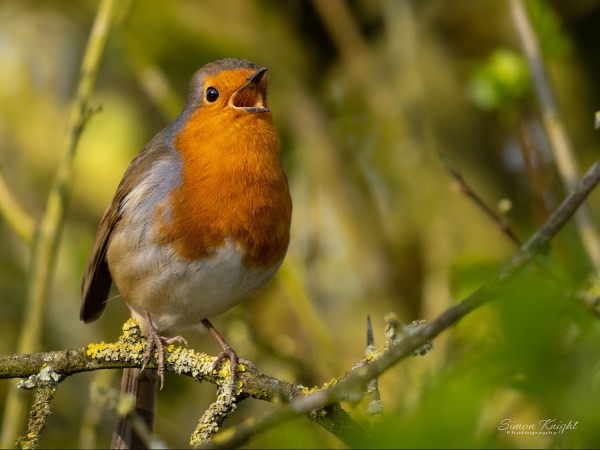
Robins, male and female, sing all year round but the male’s spring song is louder and more confident as he prepares to do battle for territory and a mate.

Header image by Simon Knight
Audio: European Robin from xeno-canto by david m.

Little egret

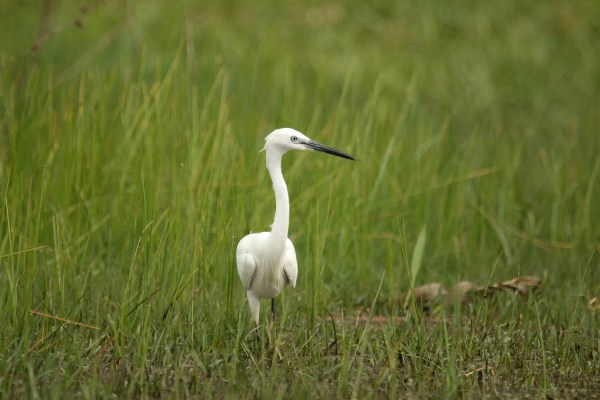
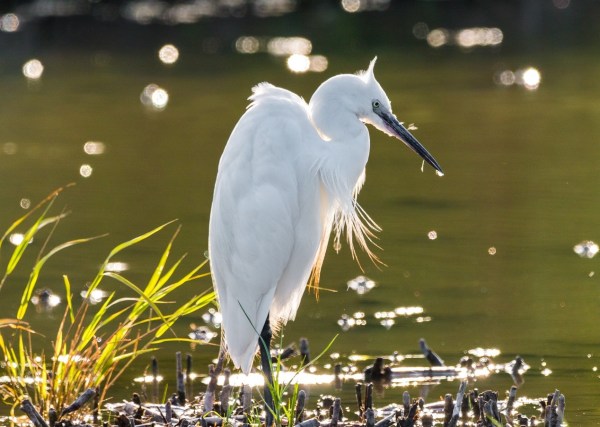
Clive Knight has sent us pictures of the little egret (Egretta garzetta) that has been visiting the reserve for the past couple of weeks.

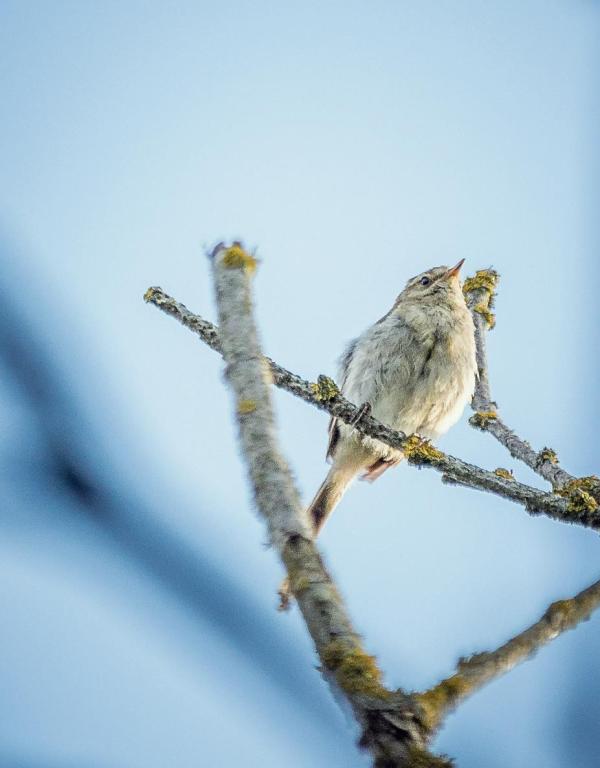
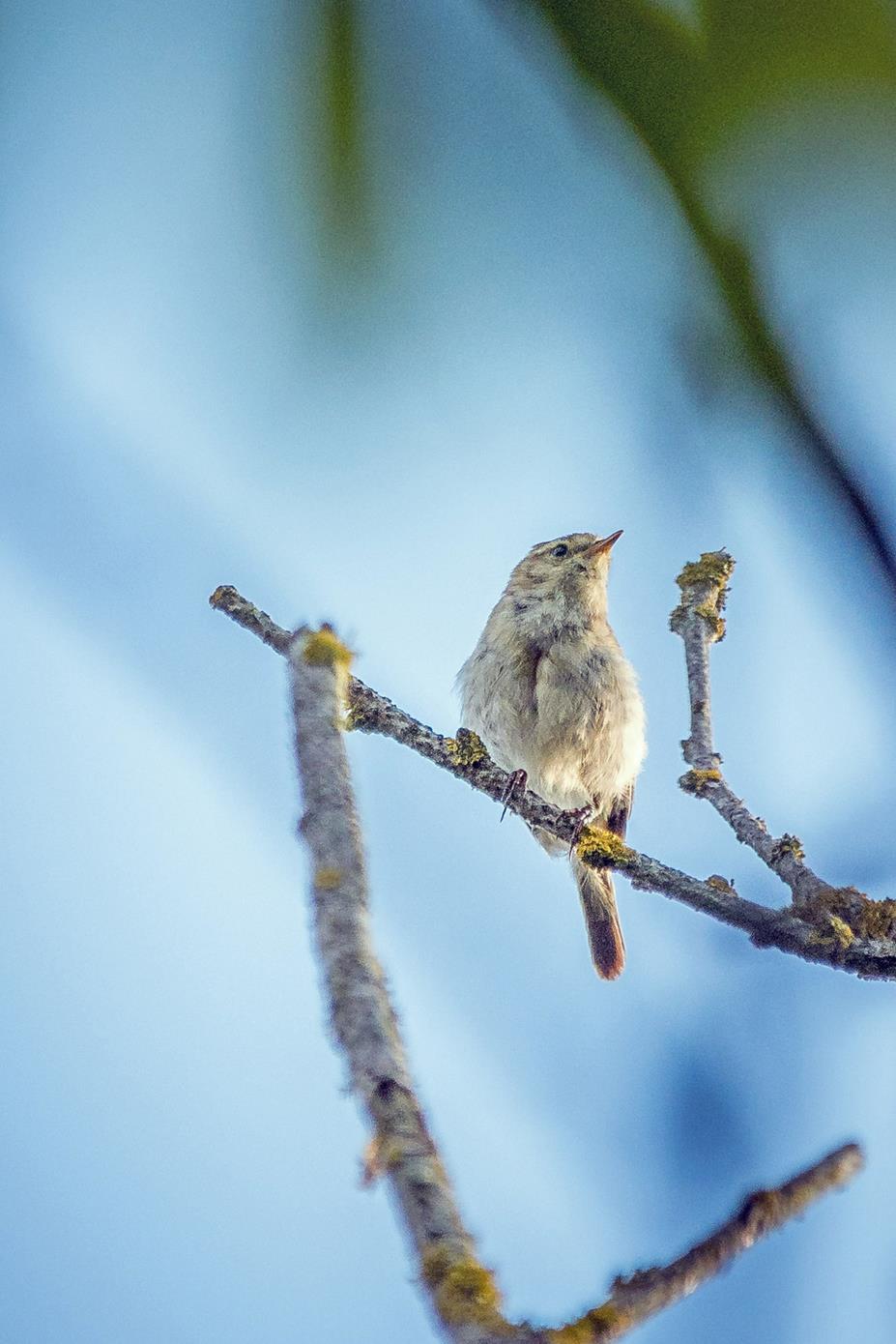
Chiffchaff

Our chiffchaffs will already have started the long journey back to their breeding sites in the reserve. They have overwintered in the warmth of southern Europe or northern Africa and are making their way home in a leisurely way with lots of stops for fuel. The males are the frontrunners and they need to arrive fit enough to find and fight for a territory.

They will begin arriving in March; their song (chiff-chaff, chiff-chaff) is one of the first signs of spring.

Pictures take in the reserve by DKG

Another activist working for wildlife

by David Feather

Some people have rare qualities that make them stand out from the crowd. John Stimpson is one of those people. After retiring he got very interested in helping swifts to recover their numbers. Thirteen years ago he started making nest boxes for swifts in his garage at home. Initially he was making three a day. Now aged 80, he is making about 30 each day.

Continue reading
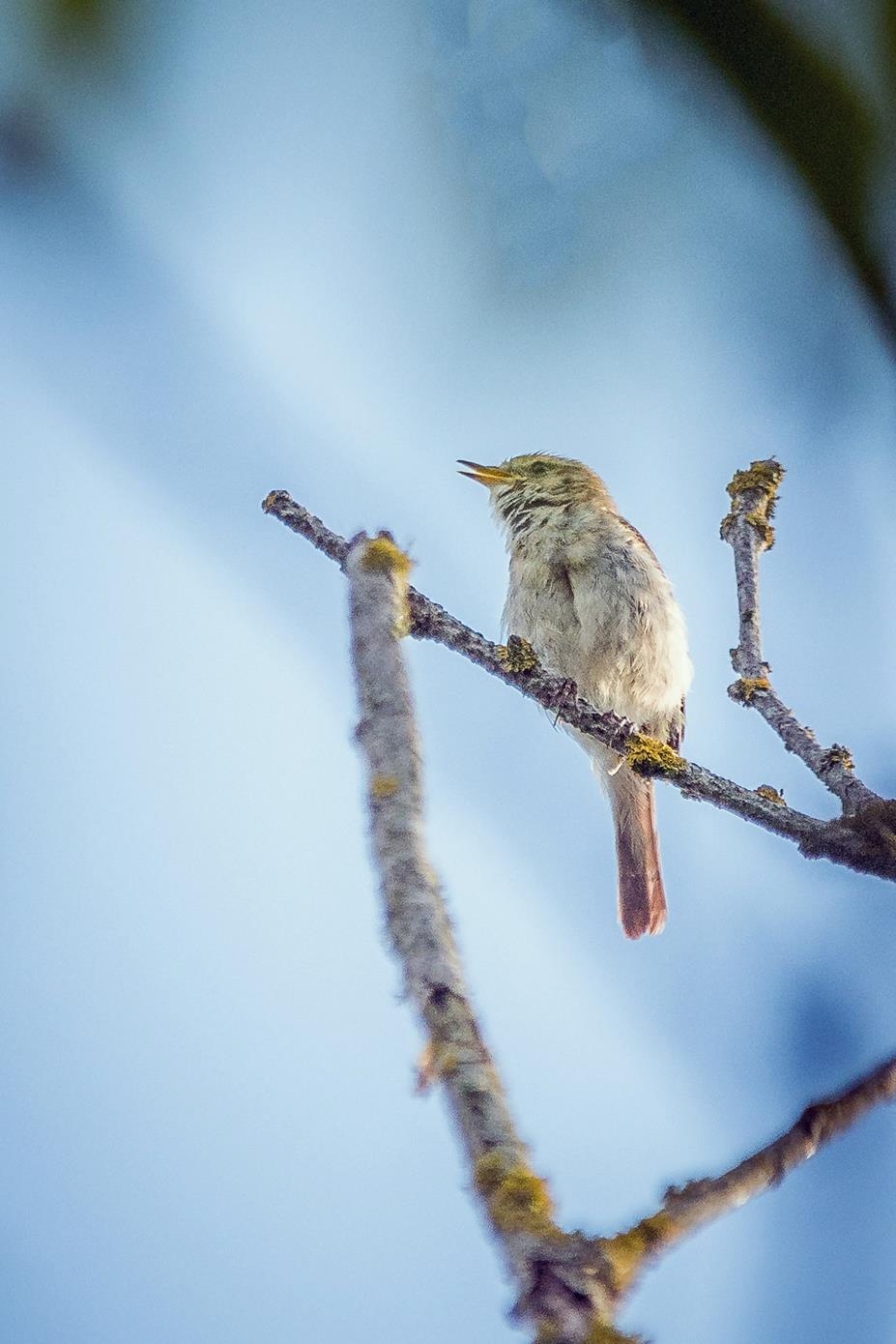
Blue tit factoid

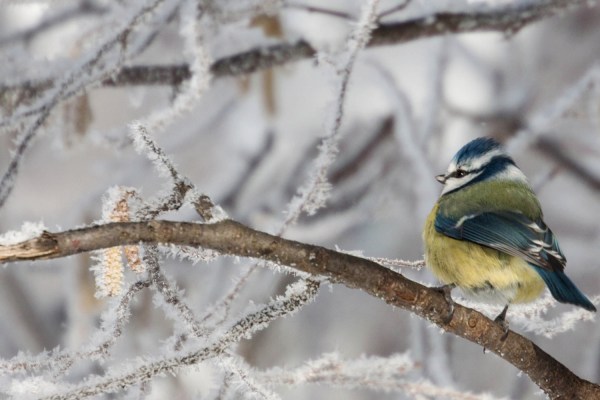
Most birds canโ€™t create pigments, other than melanin, on their own. This bluetit, high in the park’s canopy, can’t produce the pigment, carotene, that makes his tummy yellow; it comes from pigments in the green caterpillars he eats. The more caterpillars he eats and the brighter his tummy, the more likely he is to attract a mate.

Header picture by DKG; others CC0 from pixabay


Great Crested Newt Pond

by Ian Bushell

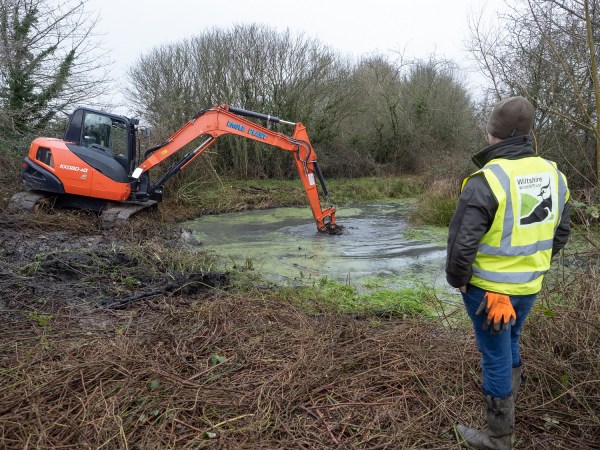
The original intention was to do the work on the Iris Pond on Friday 21st January, but the Water Team’s Connor Goddard contacted me on the Tuesday afternoon to say that they were ahead of schedule and could begin on Wednesday 19th. I let the digger in through the Allotment gate right away so that it would be there and ready to start work by 8.30am the next morning. The work would be carried out by Max and James of Ecolibrium Environmental Contracting based at Melksham.

Continue reading “Great Crested Newt Pond”

Cold snap!

We seem to be in for a cold snap. Time to winterproof your bird table with fatballs, high protein treats and a regular supply of ice-free water. Let’s look after our wildlife!

Create a website or blog at WordPress.com
Up ↑