Albatross divorce rate rises
No, we haven’t seen an albatross flying over the reserve but occasionally a story from beyond our particular corner of Southwick catches our eye.
Continue reading “Warming oceans”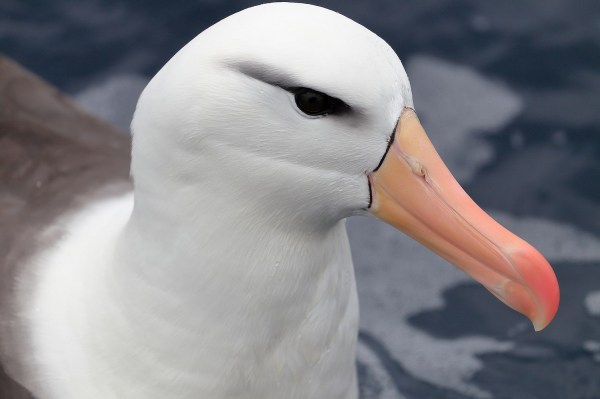
No, we haven’t seen an albatross flying over the reserve but occasionally a story from beyond our particular corner of Southwick catches our eye.
Continue reading “Warming oceans”
[1] Our native red fox, a common visitor to the reserve, is the largest of the world’s true foxes and one of its most widely distributed. It is found across the entire Northern Hemisphere including most of North America, Europe and Asia, as well as in parts of North Africa.
Continue reading “10 facts about foxes”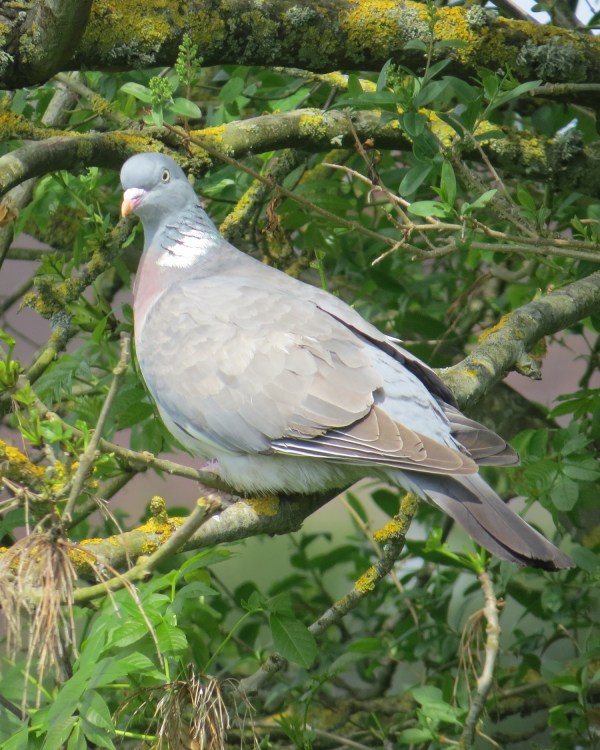
Pigeons are known to have been domesticated for more than 5,000 years. They are mentioned in cuneiform writing on clay tablets dug up in Mesopotamia and in hieroglyphics on the walls of ancient Egyptian tombs. There is a growing belief among archaeologists that pigeons were, in fact, the first birds to be domesticated, more than 10,000 years ago,
Continue reading “Pigeon post”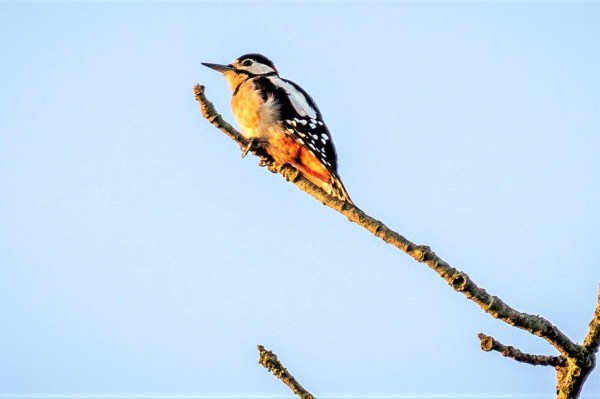
We have both greater and lesser spotted woodpeckers on our species lists but it is many years since the single sighting of a lesser spotted woodpecker in the park. Here is a video from the BTO to help you tell the difference between the two.
Header picture: greater spotted woodpecker in the reserve photographed by DKG

On 1st September 2020, the EU’s ban on the use of neonicotinoid pesticides came into effect but investigators have found that eight EU countries and the UK have since exported neonicotinoids to other nations with weaker environmental regulations. These are unacceptable double standards: the companies that produce these dangerous chemicals are prioritising their profits at the expense of our environment.
Continue reading “The return of neonicotinoids”
Since the 1960s, the number of Eurasian blackcaps that overwinter in the UK has got bigger and bigger. It’s no longer a rare sight to see them in the reserve in the middle of winter. The blackcap (Sylvia atricapilla) is one of the rare species that sings all year round. Listen out for them:
Recording: Blackcap by Alexander Henderson (CC BY-NC-ND 4.0) xeno-canto.org

The Winter moth (Operophtera brumata) is one of the few moth species that can cope with winter’s freezing temperatures in its adult stage. They are endothermic which means that they can produce heat internally by biochemical processes, just as warm-blooded creatures do.
Continue reading “Winter moths”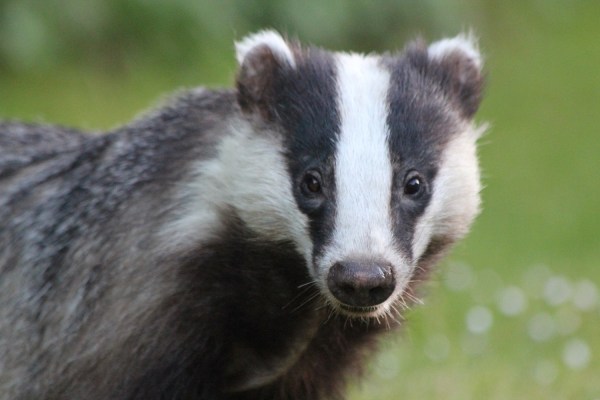
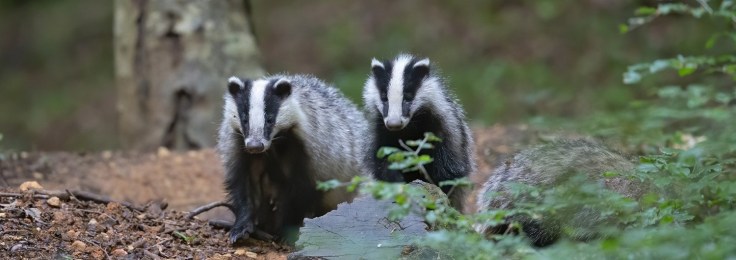
What are our badgers doing in the middle of this damp and overcast November?
Continue reading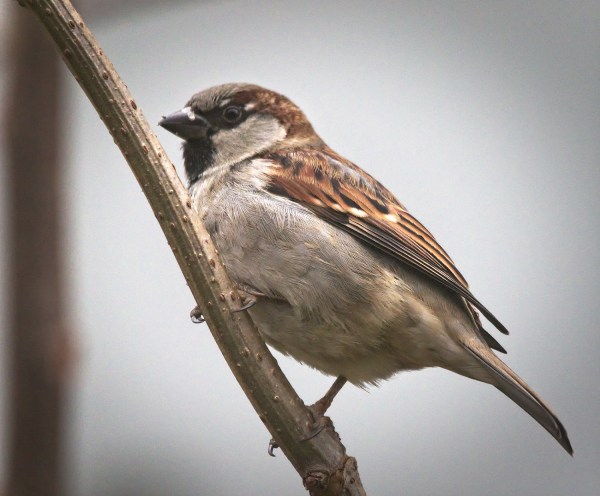
A study by scientists from the RSPB, BirdLife International and the Czech Society for Ornithology has found that there are 247million fewer house sparrows in Europe than there were in 1980. This is a loss of almost half the house sparrow’s European population.
Continue reading “House sparrow”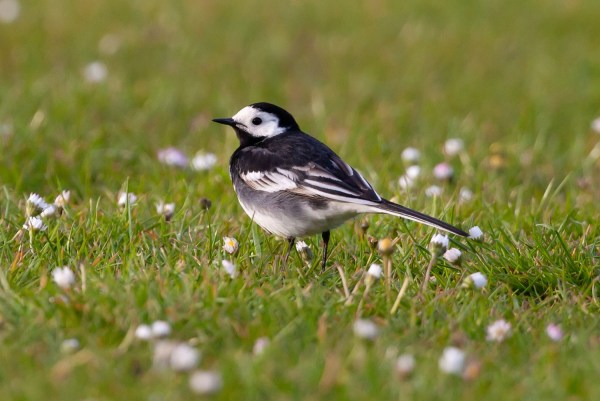
The car park wagtails are a pair of grey wagtails but we have pied wagtails too.
Continue reading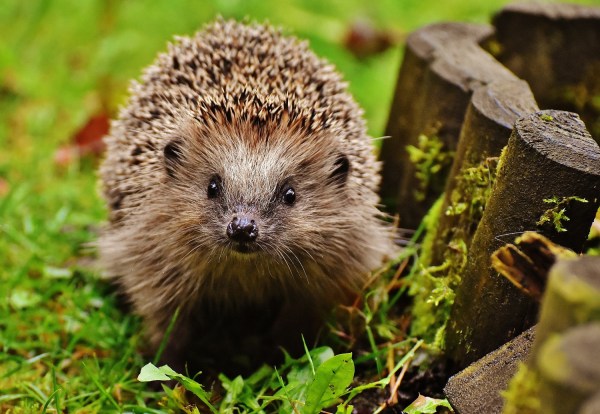


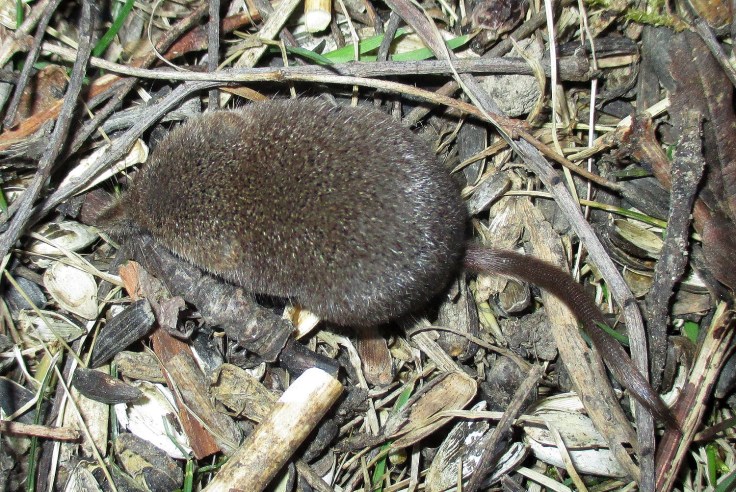


[1] Wood mouse [2] Water vole [3] Pigmy shrew [4] Grey squirrel [5] Rabbit [6] Stoat [7] Common mouse [8] Brown hare [9] Badger.
Header image: hedgehog (CC0)
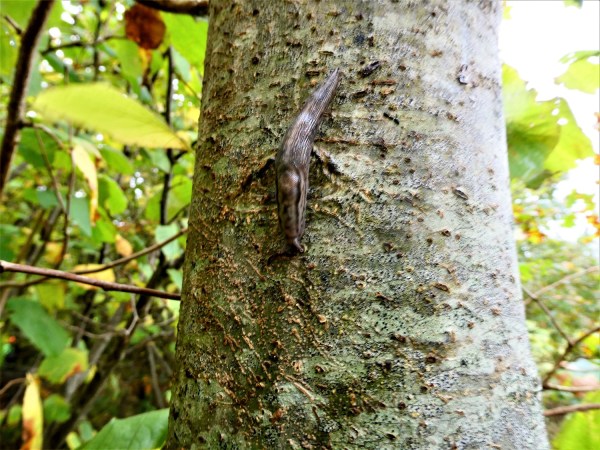
Message and a picture from Ian Bushell.
Continue reading “Tree slug!”
Of all the mammals on our species list, only the bats and hedgehogs truly hibernate. We have found the tiniest piece of evidence that there might be dormice in the park, if so, that would be a third hibernating species.
Continue reading “Hibernating mammals”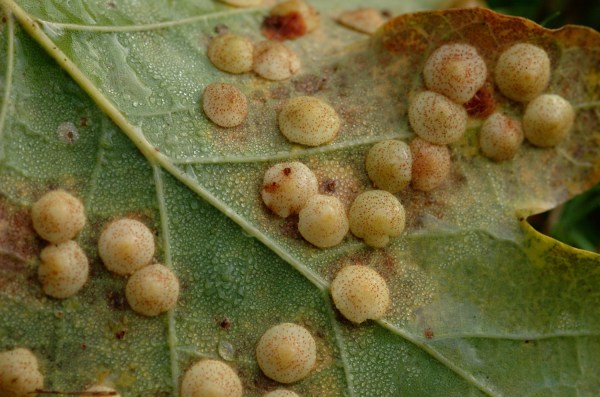
These are spangle galls on an oak leaf.
Continue reading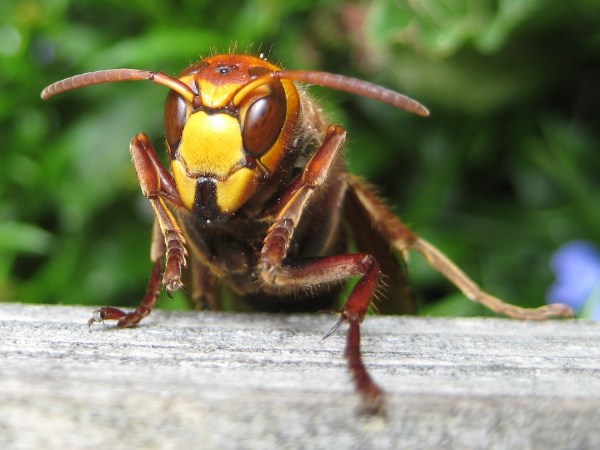
There are European hornets (Vespa crabro) still hunting in the Lone Oak.
Continue reading “European hornets”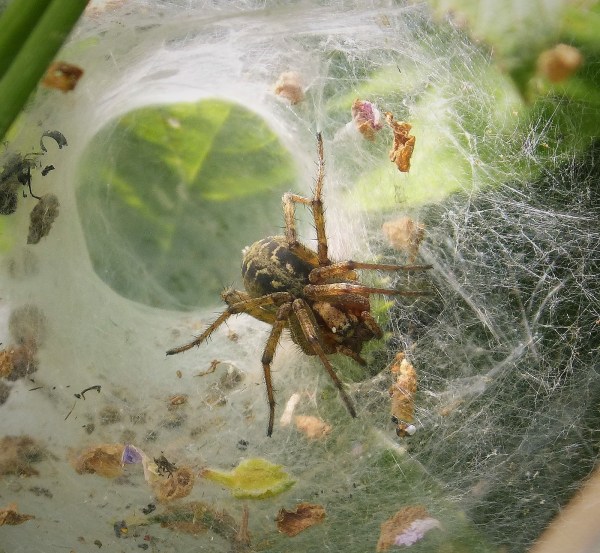
Hallowe’en Greetings to all our arachnophobes from park resident, Agelena labyrinthica.
Header picture: Labyrinth spider by Gail Hampshire (CC BY 2.0)
Video from: Animalia Kingdom – Łukasz Karnatowski

Analysis of records kept since 1964 has found that some species of European migratory birds are spending up to 60 days less each year in their sub-Saharan wintering grounds. Over the most recent 27-year period, migratory birds, including the whitethroats commonly seen in our reserve, were found to have increased their time in Europe by an average of 16 days. It has even been suggested that some species may stop flying south for the winter altogether.
Continue reading “Migration changes”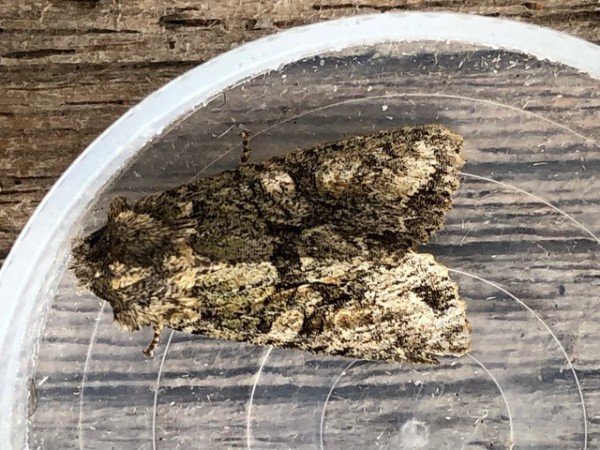
by Ian Bushell
Last Sunday we were invited by Simon and Carey, the owners of Southwick Court, to carry out a moth trapping in their garden. In the evening Hugo and I set up the moth trap in the old orchard and we returned on Monday morning to see what had flown into the trap and to identify them. Carey brought us hot tea and took many photographs.
Continue reading “Moth trapping at Southwick Court “
There are two badger setts in the park, hidden away in its quiet places; here are some interesting badger facts.
Continue reading “Badger facts”

Wikipedia defines bioturbation as the reworking of soils and sediments by animals or plants. Here is a video of a system with and without soil fauna such as earthworms, mites and isopods over a 15 week period: this is what is happening to the fallen leaves all over the reserve.

An email and attachments from Clive Knight:
“Too late for yesterday’s yellow and black article, I know, but here are a few pics of the wasp spiders I have seen on the reserve this year.”
Continue reading
In the world of invertebrates, black and yellow signals danger. It says to predators: I am poisonous or I will bite you.
Read on to discover more: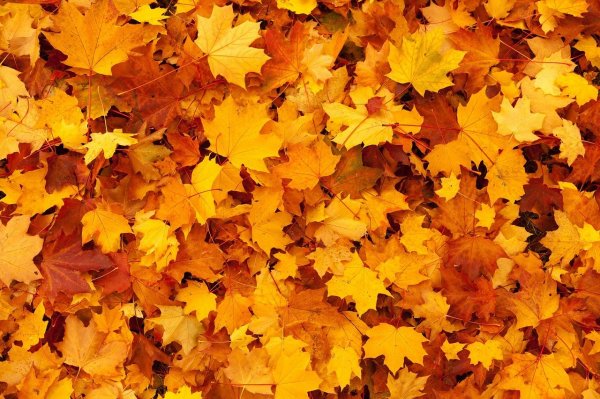
There are thousands of species of invertebrates that overwinter in the leaf litter below our gardens’ trees and shrubs.
Continue reading “Let the leaves lie”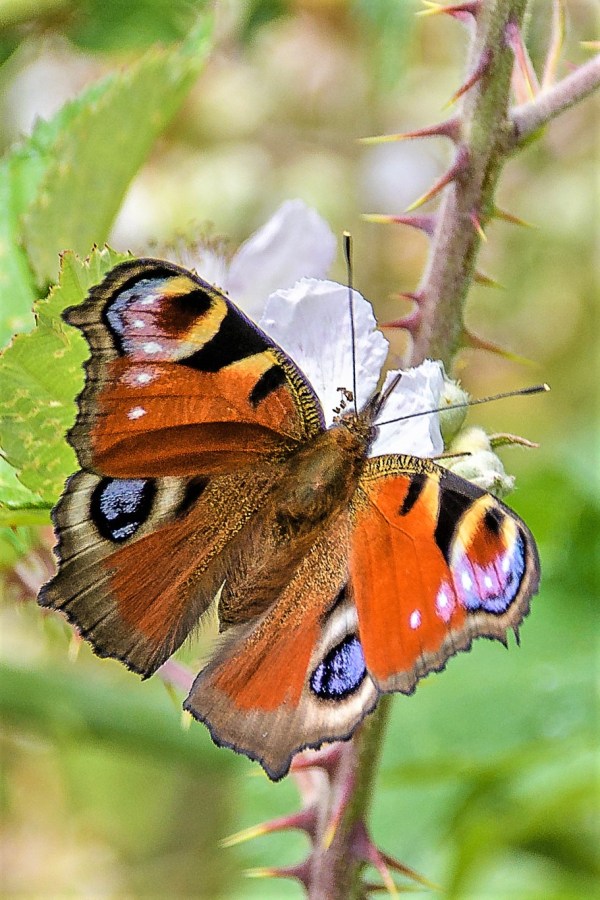
The temperature is dropping and we have already seen the first frosts. The reserve’s invertebrates are preparing for hibernation.
Continue reading


 Southwick Country Park Nature Reserve