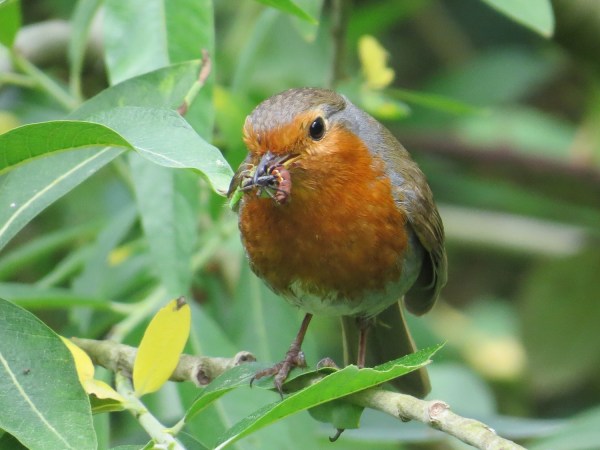
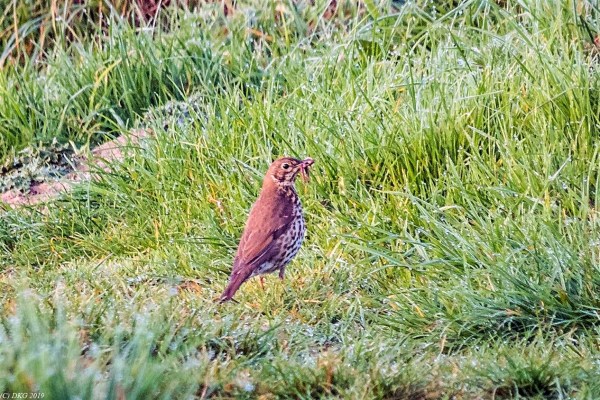
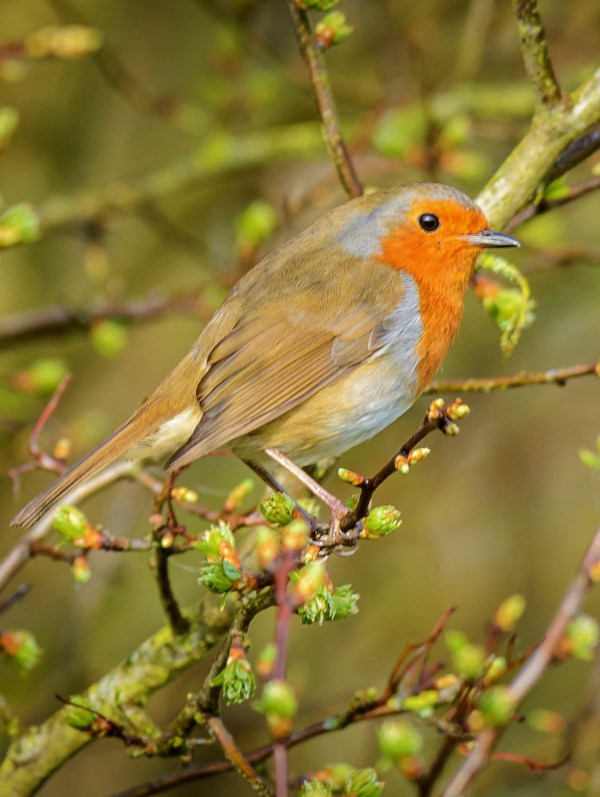
A robin in the willows by Fiveways; it has a mouthful of invertebrates for a nearby nest of hatchlings. It doesn’t want to reveal its nest site so is waiting quietly for the photographer to go away but in waiting, is providing an excellent view of its catch.
Read on for the gory detailsA bee on a bramble leaf, photographed by DKG on a hot May morning.
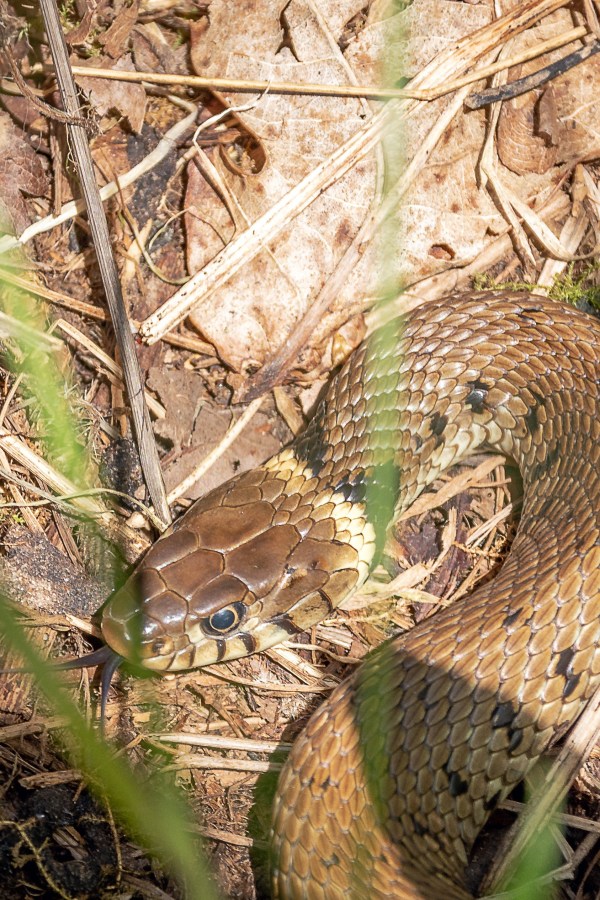
Continue readingA grass snake (Natrix natrix) in the set-aside at the top of Kestrel Field.
Continue readingBlue tit babies
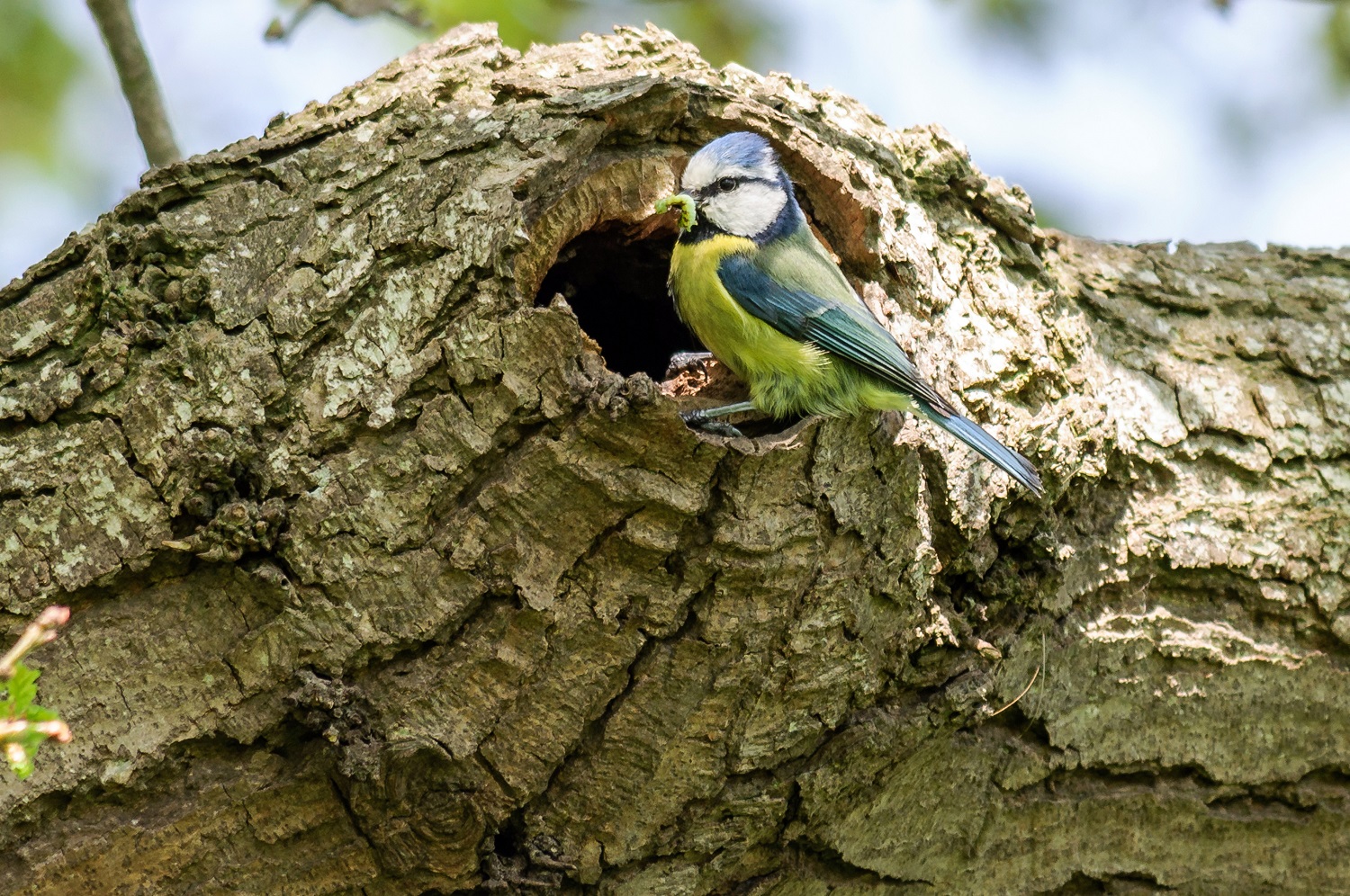
The pair of blue tits that DKG has been watching are very busy feeding green winter moth caterpillars to their young.
Here are more posts about this nest:
Blue tit update
Has our blue tits’ nest been abandoned?
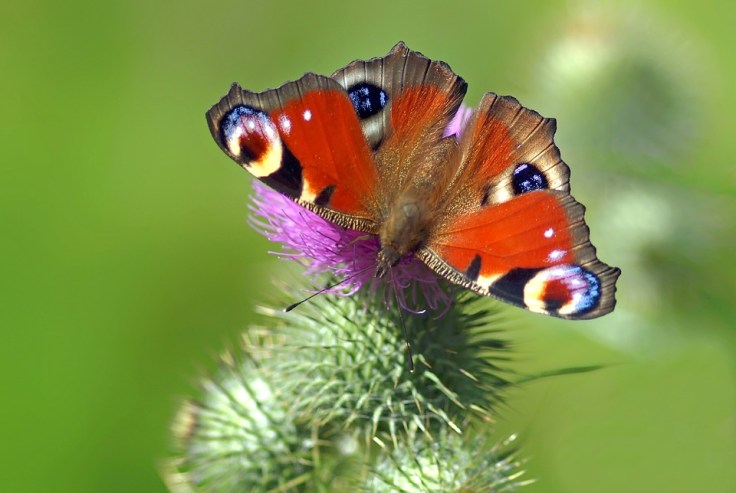
Where are all the butterflies?
So far this year, only seven species of butterfly have been seen in the park and in very small numbers. Ian Bushell walked an unofficial transect on Wednesday and sent this message:
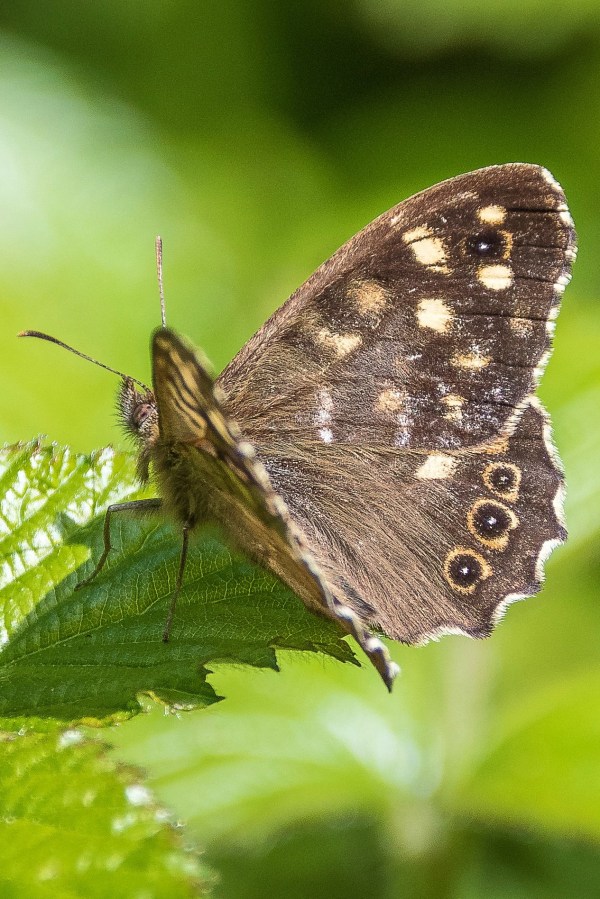
Read on for Ian’s messageThe complex surface of the wing of a speckled wood
(Pararge aegeria) photographed by DKG.
Badger
There is a badger sett in the park, hidden away in the boundary hedges.
Continue reading “Badger”Whirligig beetles
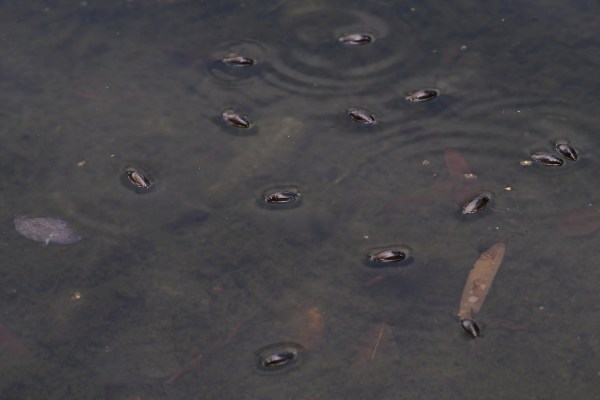
Whirligig beetles are actually a whole family (Gyrinidae) of water beetles: almost 700 different species globally, most of them very much alike and extremely difficult to tell apart. We have no idea what particular species live in the pond above the wooden bridge but all the Gyridinae share some fascinating features.
Read on for details and a short videoPond skaters
Yesterday, there were pond skaters (Gerris lacustris) on the little pond under the wooden bridge.
Continue reading “Pond skaters”The park’s jays
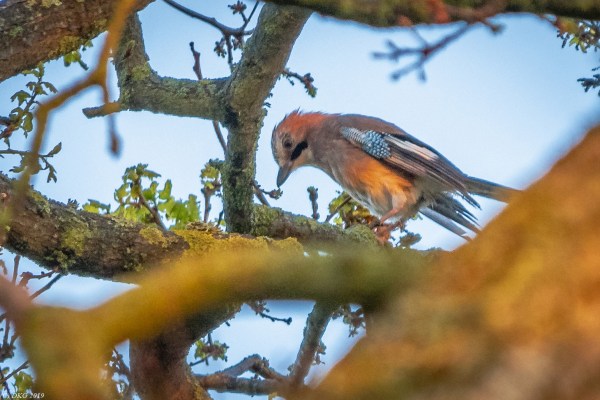
Last year’s acorn crop was poor and we expected that our resident jays (Garrulus glandarius) would chase away any winter incomers migrating from northern Europe. Jays are very territorial, defending what they consider their oak tree and all their caches of its acorns.
Continue reading “The park’s jays”Squirrel in the oak flowers
Squirrels are true omnivores, they eat anything. This one is browsing either on the male flowers of an oak tree or on the new leaf buds. To eat either, the squirrel bites off the whole tuft of new leaves and all the flowers, and when it has eaten the tastiest pieces it throws the rest on the ground.
Continue reading “Squirrel in the oak flowers”Meadow pipit
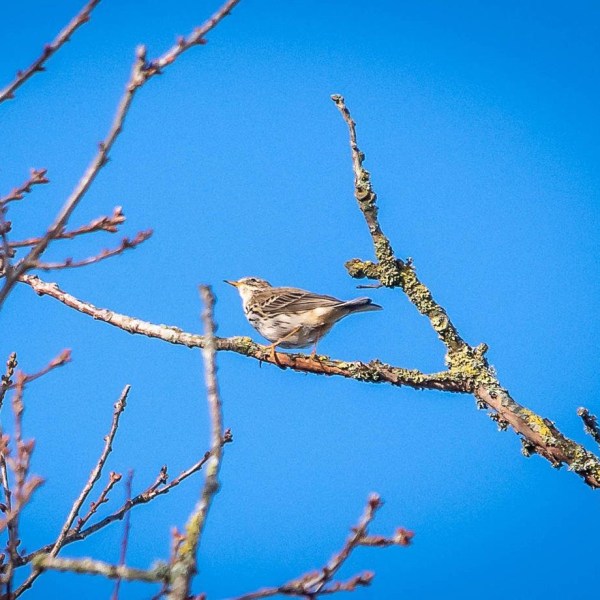
The meadow pipit (Anthus pratensis) is the default pipit. In the UK there are, besides meadow pipits, tree pipits, water pipits and rock pipits all very much alike.
Continue reading “Meadow pipit”Chiffchaff or willow warbler
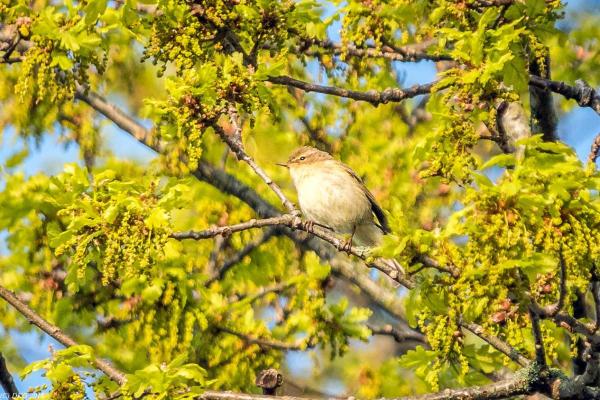
DKG photographed a small grey green bird with a pale eyestripe and cream underparts. This is either a chiffchaff or a willow warbler and it’s very hard to tell the difference.
Continue reading “Chiffchaff or willow warbler”Blue tit update
by DKG
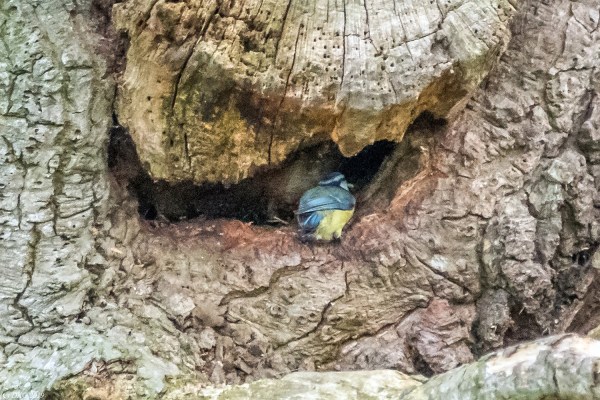
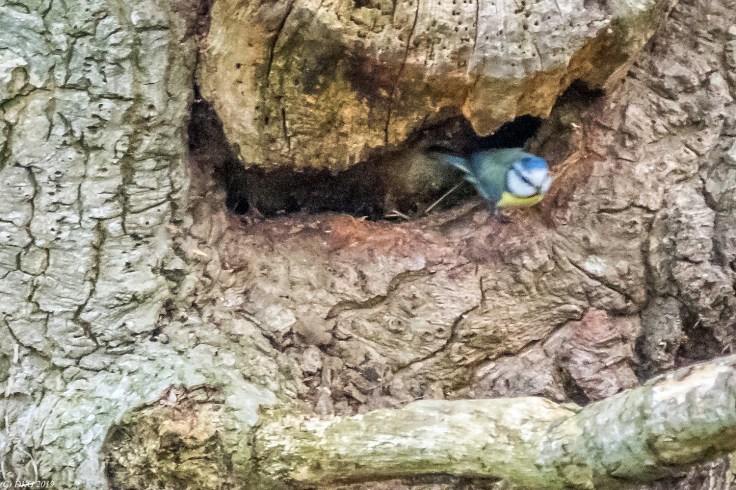
A couple of poor quality photos of the blue tit entering (above) and leaving (below) the nest early this morning. The pictures are not very sharp , the bird appeared and disappeared so quickly and I forgot the tripod again.
I think it’s the cock bird feeding the hen; the visits were not frequent but at least the birds are still present and hopefully doing well.

Bullfinch
Bullfinches are regular visitors to the park. Despite the male’s glorious colouring, they are quiet, retiring types, rarely seen; DKG took this picture early on Saturday morning when the park was pretty much empty of visitors.
Continue reading “Bullfinch”Song thrush
A song thrush, busy feeding a nestful of babies somewhere in the park.
Read on for conservation status and a recording of its song2016’s blue tit nest
While our female blue tit incubates her eggs and the male visits to feed her, here is a look back to 2016 when DKG staked out another nest in a different oak tree.


All the pictures are by DKG
Below is the full story of this year’s nest:
The blue tits have been seen at their nest. There was a message from DKG yesterday afternoon:
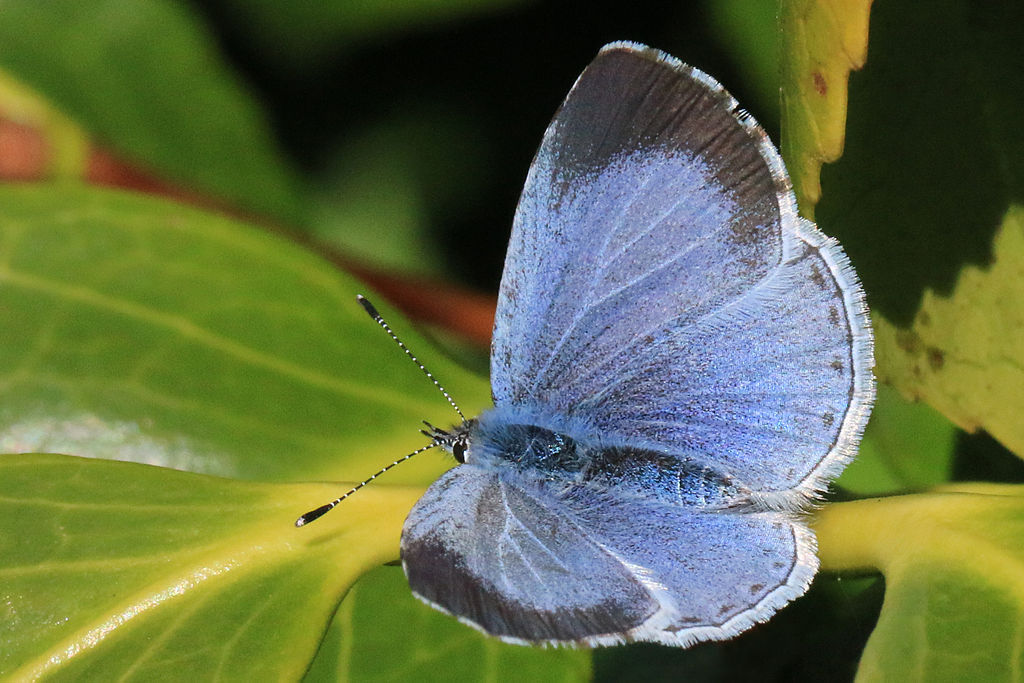
Continue readingholly blue, large white and orange tip
Butterfly count
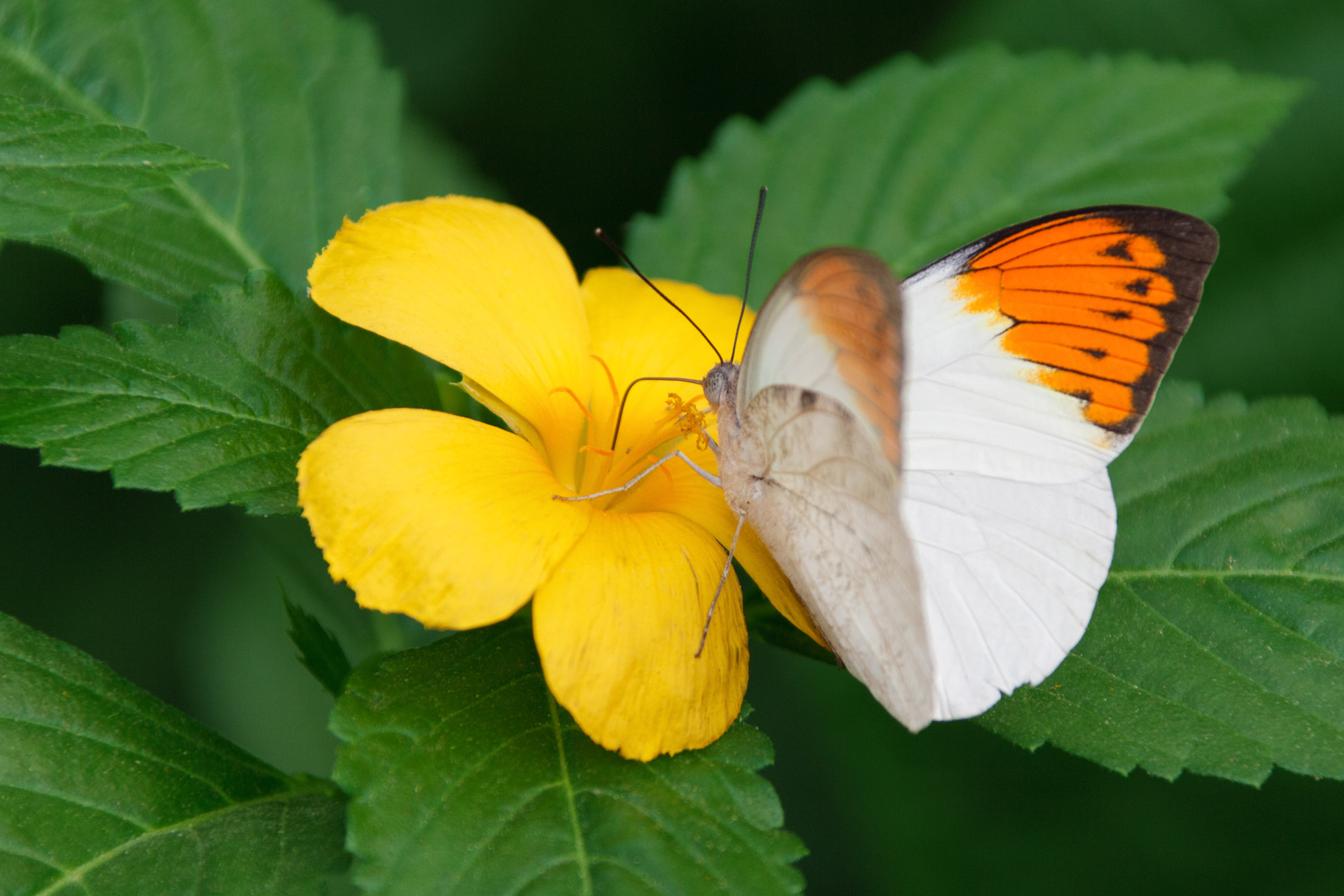
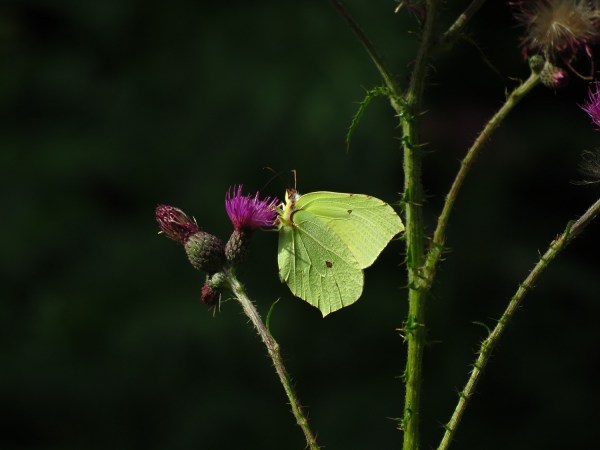
Ian Bushell walking round the park with our Countryside Officer, Ali Rasey, spotted a large white, a male brimstone, two male orange tips, a speckled wood, a small tortoiseshell and a holly blue. That is four more species for our spotter’s list
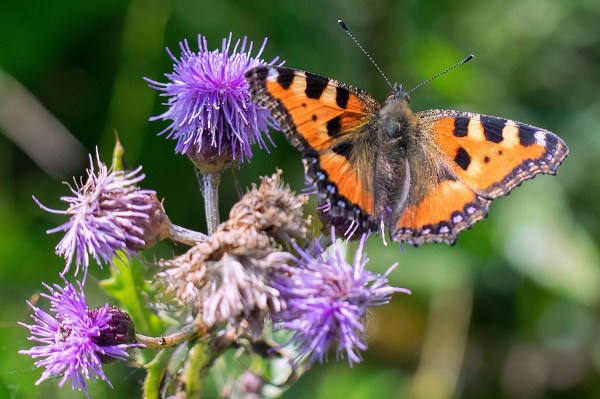
small tortoiseshell. speckled wood, brimstone
What has happened to the blue tits?
Either we have misread the blue tits’ timetable or the nest has been abandoned. During his last two visits to the nest site, DKG has not seen the birds at all.
Continue reading “What has happened to the blue tits?”Butterfly list
Usually the butterfly population of the park is estimated by walking transects during the summer. This means regularly walking a set route through the park, on days of butterfly-friendly weather, and counting the number of species and individuals within a certain distance of that route.
Continue reading “Butterfly list”Blue tits
A message and pictures from DKG.
Click here for the rest of the storyGoldcrest
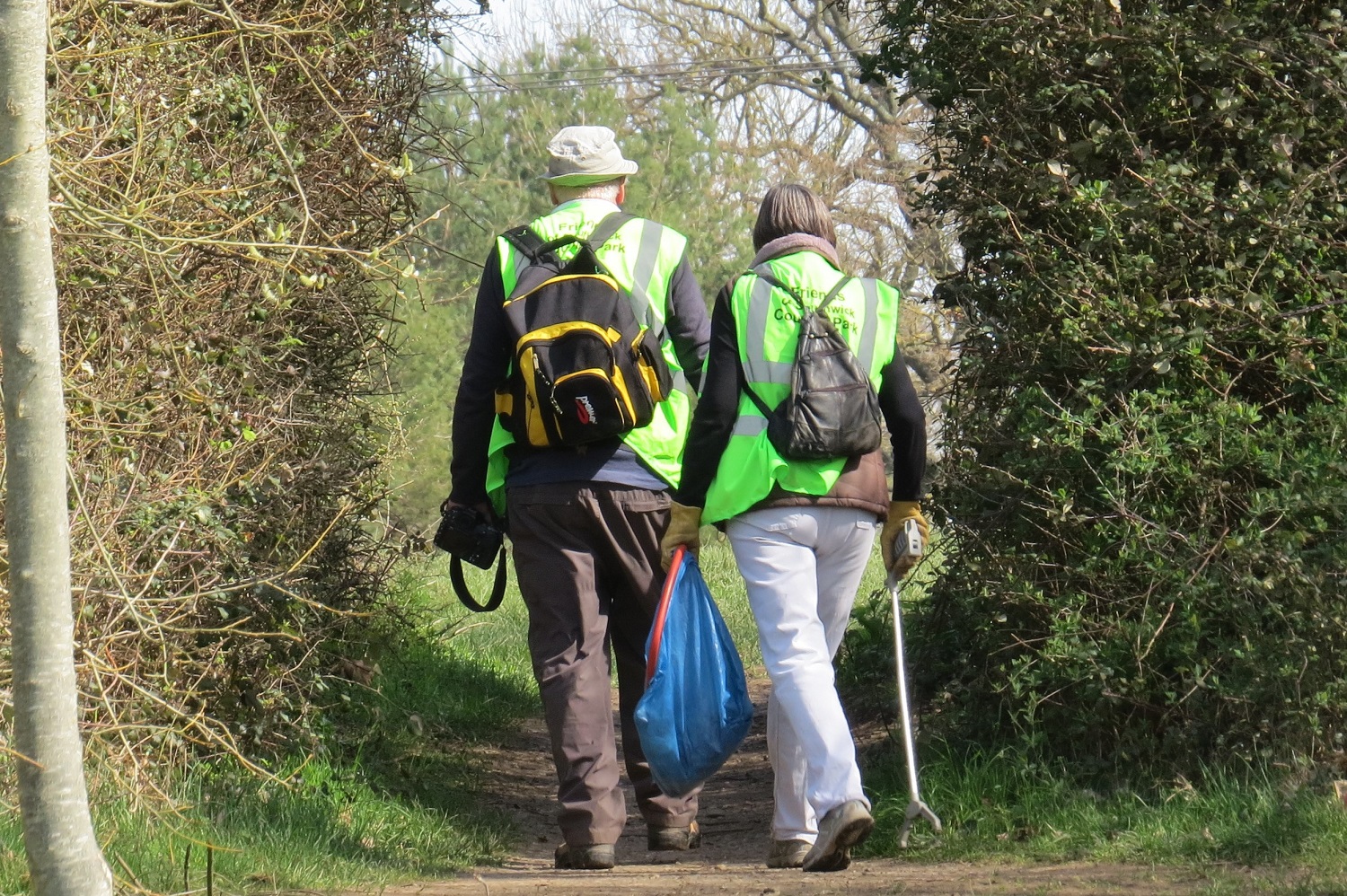
Yesterday morning’s FoSCP work party, armed with saws and loppers and marching up the hill past Simpson’s Field, saw a pair of goldcrests (Regulus regulus) in the conifers by the path. Goldcrests are Britain’s smallest bird; a tiny flash of yellow against the dark green of a pine tree.
Continue reading “Goldcrest”