Three more butterflies for our 2019 list and two more peacock nests; things are finally looking better.
Continue reading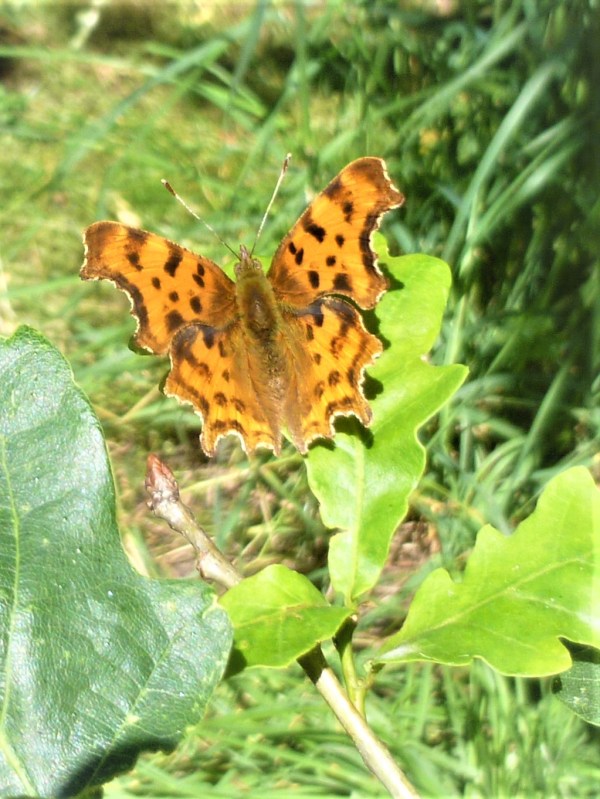
Three more butterflies for our 2019 list and two more peacock nests; things are finally looking better.
Continue reading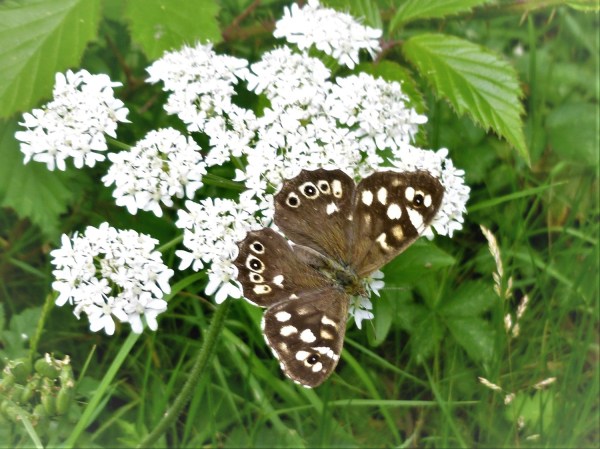
After he had polished the mud off his glasses, Ian Bushell continued his survey of the park:
Read on here
Mail from Ian Bushell:
Continue reading “Lambrok recovery”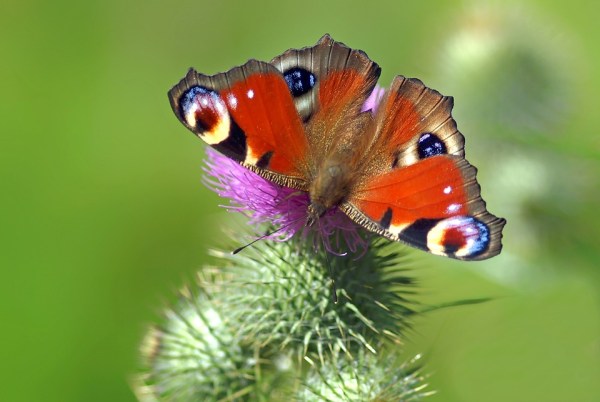
Here is a fascinating little video of a peacock butterfly emerging from its chrysalis. We know that there are at least two nests of peacock caterpillars in the park so, by the end of July, we should see these beautiful adults.
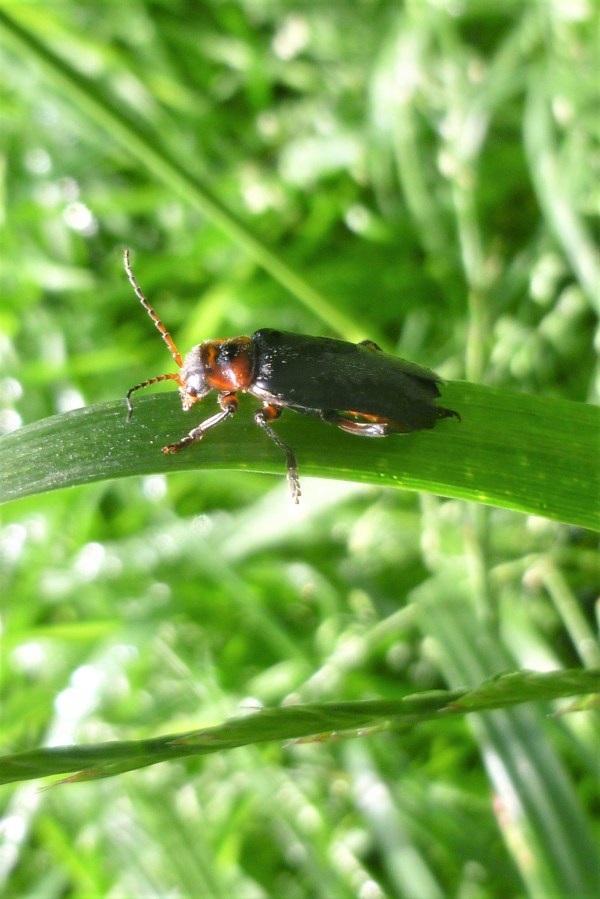
A new species seen in the park on two occasions last week: A cereal leaf beetle (Oulema melanopus) spotted, identified and photographed by Ian Bushell.
Continue reading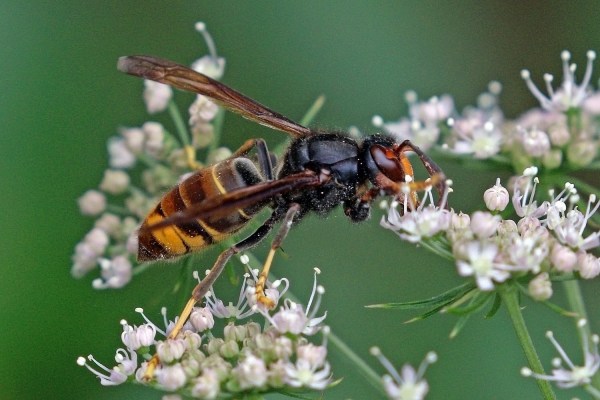
Click here for facts rather than tabloid fictionsAsian hornet warning: Hundreds of killer insects set to plague the UK this summer
Daily Express
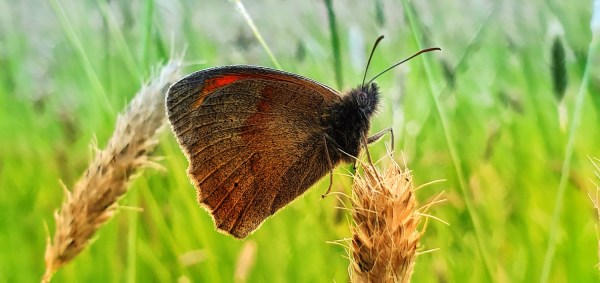
Beautiful images of a meadow brown taken in the park last night, at the end of the year’s longest day, by Chris Seymour.


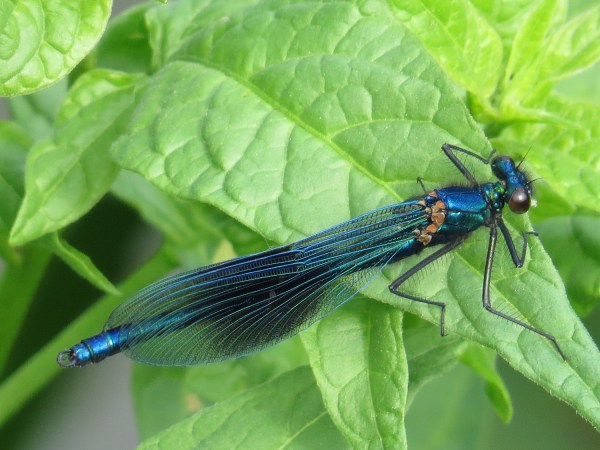
by Ian Bushell
Continue reading “A walk in the park”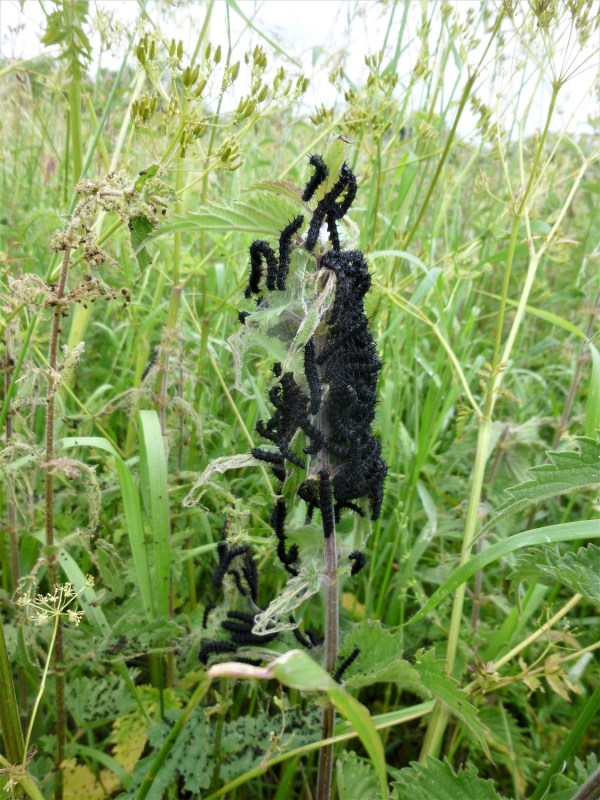
A peacock butterfly female lays about 500 eggs under the top leaves of a healthy nettle plant. The eggs hatch out into caterpillars after about two weeks and the caterpillars immediately spin a protective web called a nest around the top of the plant.
Continue reading “Two peacock nests”
There are an exceptional number of buff-tailed bumblebees in the park this year; a walk around the hedges of Sleeper Field on a sunny morning revealed dozens working in the blackberry blossoms and the hogweed. There is obviously at least one large and thriving nest somewhere in the southern part of the park.
Continue reading “Buff tailed bumblebees”
A buff tailed bumble bee collecting nectar from hogweed at Puddle Corner while, in the background, the Friends of the Park clear a fallen willow from the path.

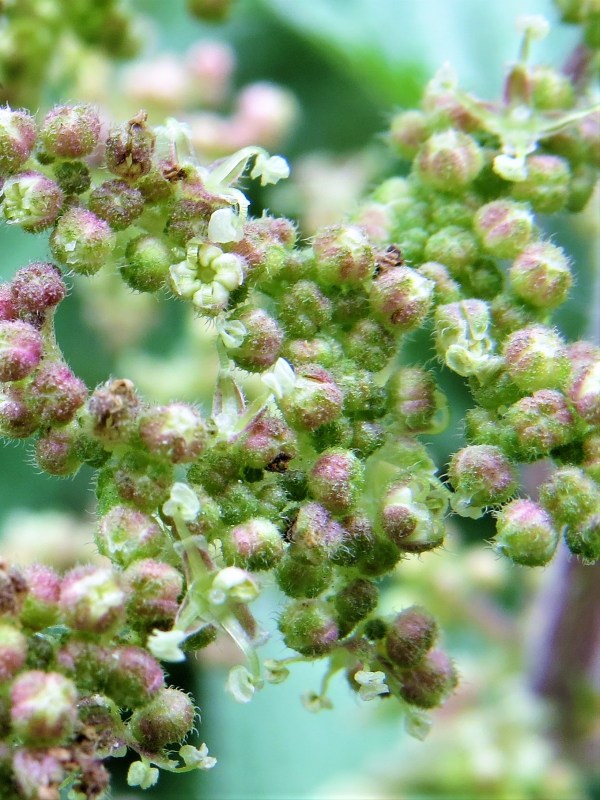
If you look closely enough, you can see that the nettles are beginning to flower. If you look even closer you will find a whole miniature ecosystem living in the nettle bed: sap suckers, nectar feeders, predators and terrifying creatures that hunt the predators.
Read on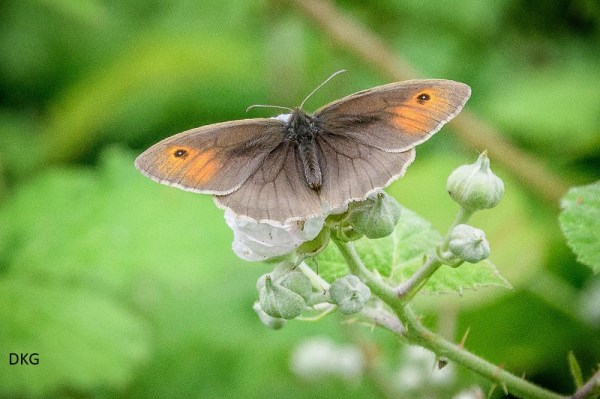
Lots of meadow browns yesterday morning among the long grass. Added to our 2019 butterfly list, they are the eleventh species of butterfly seen in the park this year.
Continue reading “Meadow brown”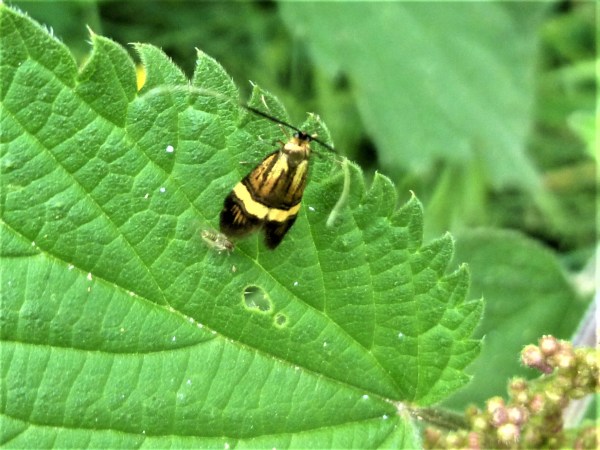
A yellow-barred longhorn moth (Nemophora degeerella) found and photographed in the nettles near the park’s main entrance by Ian Bushell. It is a new addition to our species lists.
Continue reading “Another new species”
A painted lady (Vanessa cardui) spotted this morning at the far end of Lambrok Meadow and added to our 2019 butterfly list.
UPDATE 13.06.2019: THIS IS A NEW SPECIES IN THE PARK.
Continue reading “Painted lady”
Counting hedgehogs is not easy and the best information we have about hedgehog populations is always an estimate.
Continue reading “Counting hedgehogs”Why is blue so rare in nature?
Click here for a video that explores this topic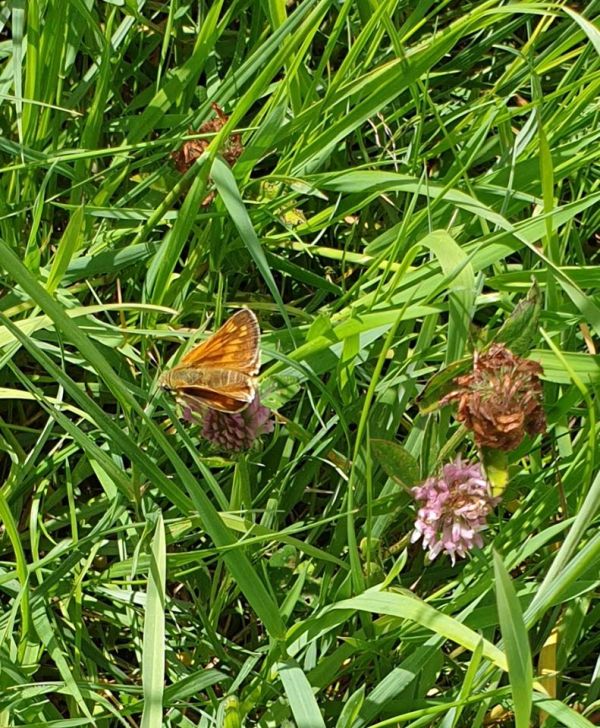
On Thursday, Lisa Burge sent us this picture and a message via Facebook:
” What type of butterfly is this please? Seen in Southwick Country Park.”
Continue reading “Large skipper”
A queen wasp (Vespula vulgaris) in the hedge in Sleepers Field.
Continue reading “Queen wasp”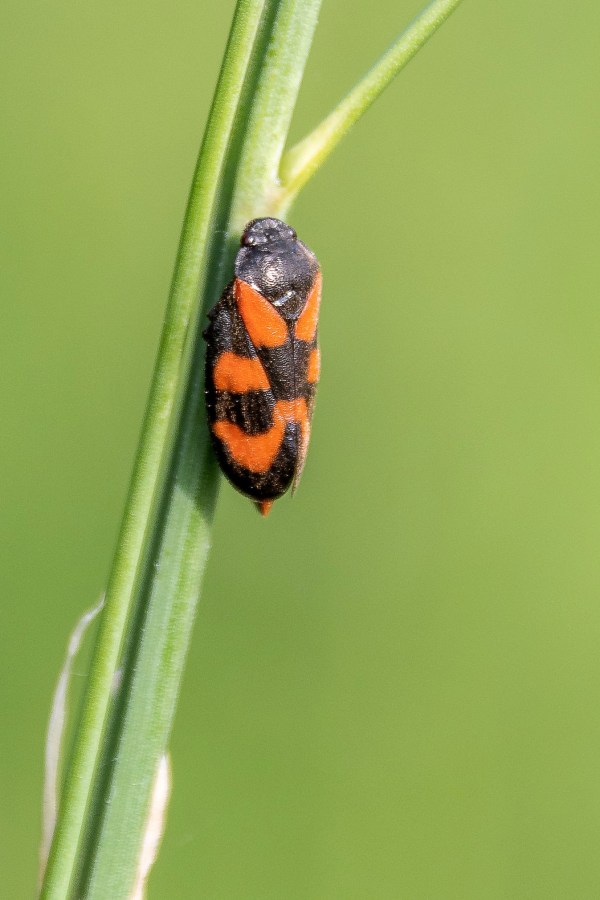
Red-and-black froghopper
This is a red-and-black froghopper (Cercopis vulnerata) photographed by DKG on Sunday morning in Village Green. There are ten different species of froghopper in the UK and while the red-and-black froghopper is not the most common, it is widespread.
Continue reading “Froghoppers”
A new species for our 2019 butterfly list: a common blue (Polyommatus icarus) identified and photographed on the next page by Ian Bushell.
Turn the page here
Probably a white tailed bumblebee worker (Bombus lucornum) in meadow buttercup; it is sometimes difficult to tell.
Continue reading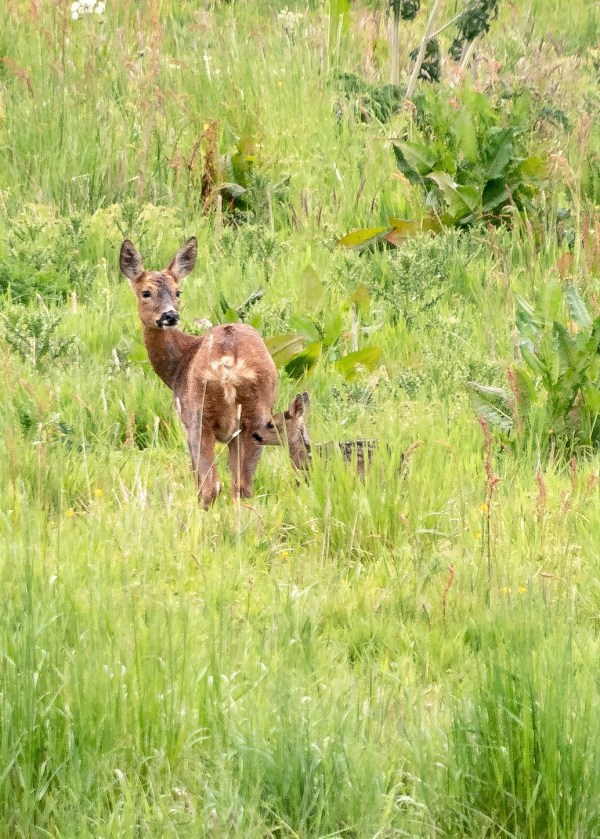
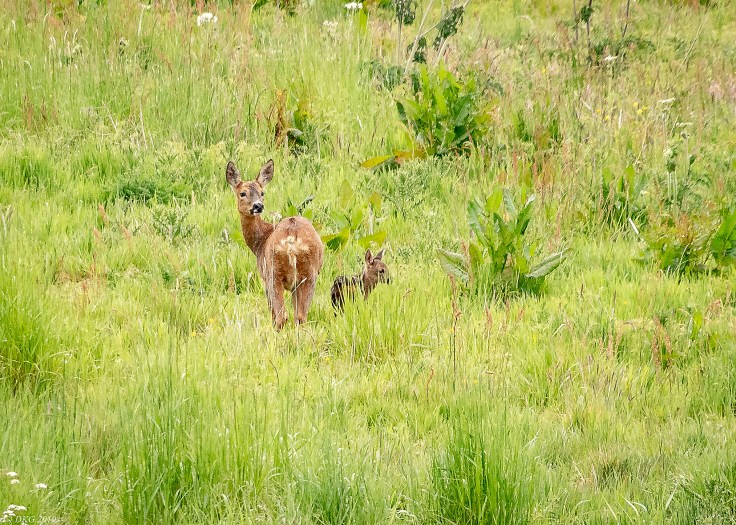
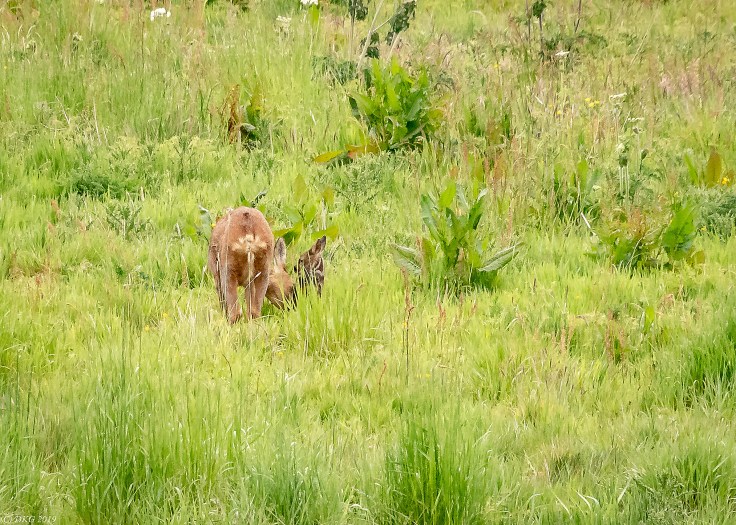
DKG is back with pictures of a roe doe and her newborn fawn.


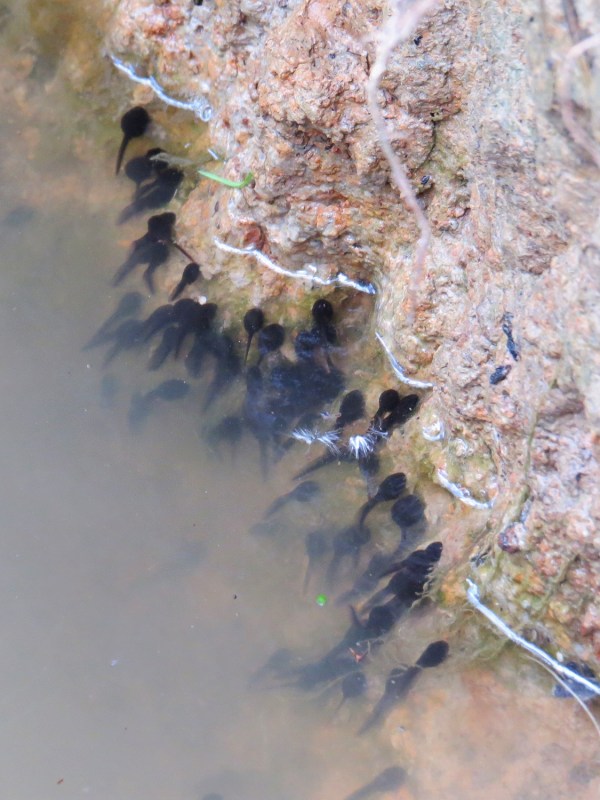
Common frog tadpoles (Rana temporaria) in the little pond under the Decorated Bridge.
Continue reading “Tadpoles”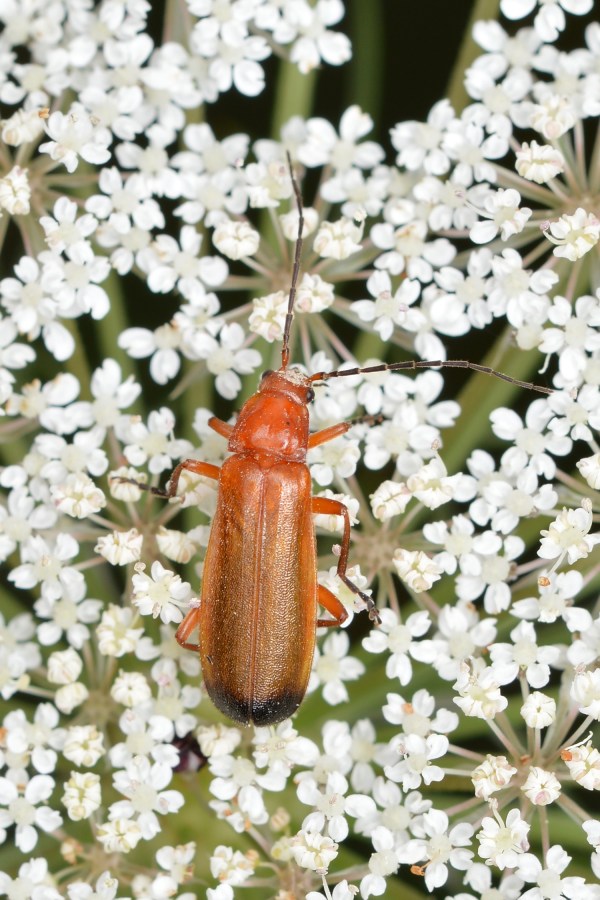
There are lots of common red soldier beetles (Rhagonycha fulva) around. Fortunately there are also lots of aphids, a favourite source of food.
Continue reading