There is a rabbit warren under the hedge where Corn Field, Sheep Field and Sleepers meet. Its many entrances and exits are hidden under the brambles but you may well have walked atop the warren itself.


There is a rabbit warren under the hedge where Corn Field, Sheep Field and Sleepers meet. Its many entrances and exits are hidden under the brambles but you may well have walked atop the warren itself.

Do badgers eat hedgehogs? Yes, they do.
Continue reading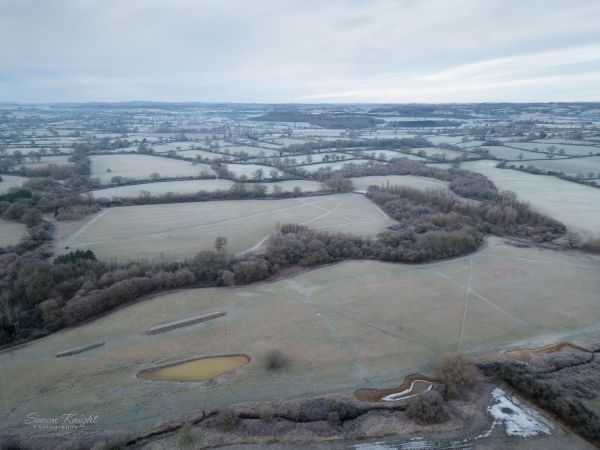
This is the letter that the Friends of Southwick Country Park have sent to the Strategic Planning Committee and local councillors, a last plea for sanity before the Committee meets on February 22nd to consider Planning Applications 20/00379/OUT, 20/09659/FUL and 18/10035/OUT.
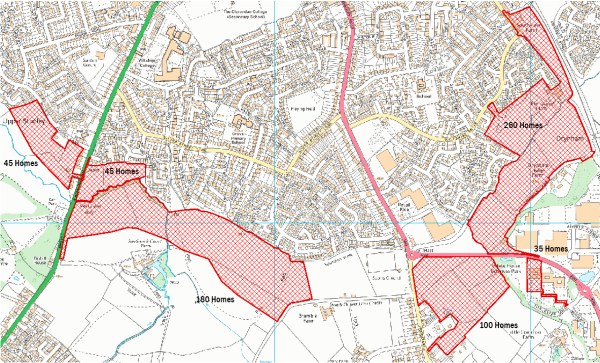
On Wednesday, February 22nd, three planning applications for land adjacent to the reserve will be decided by Wiltshire Council’s Strategic Planning Committee. The meeting will be held in the Council Chamber at County Hall, Trowbridge, BA14 8JN and it will begin at 10.30am.
Continue reading “Planning applications”
The winter mushroom or velvet shank, has recently (2019) been reclassified as Flammulina velutipes. In the past, classification of fungi was based on morphology alone, but newly available DNA analysis techniques have resulted in the reclassification of many species.
Continue reading “Flammulina velutipes”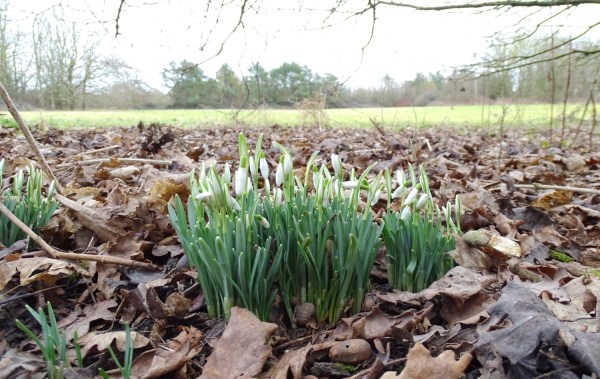
Cheryl Cronnie has sent us pictures from the bottom copse in Sheepfield, of snowdrops just about to burst into flower.
Continue reading “Snowdrops”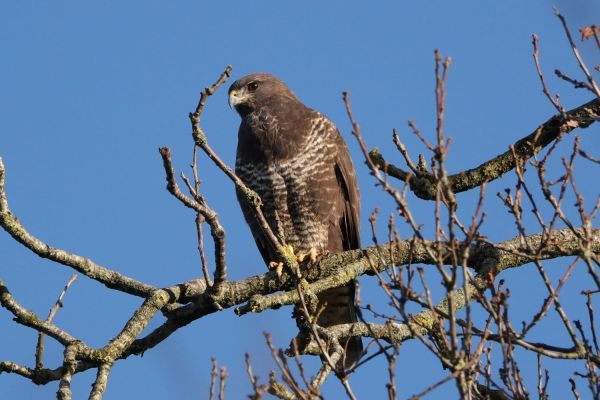
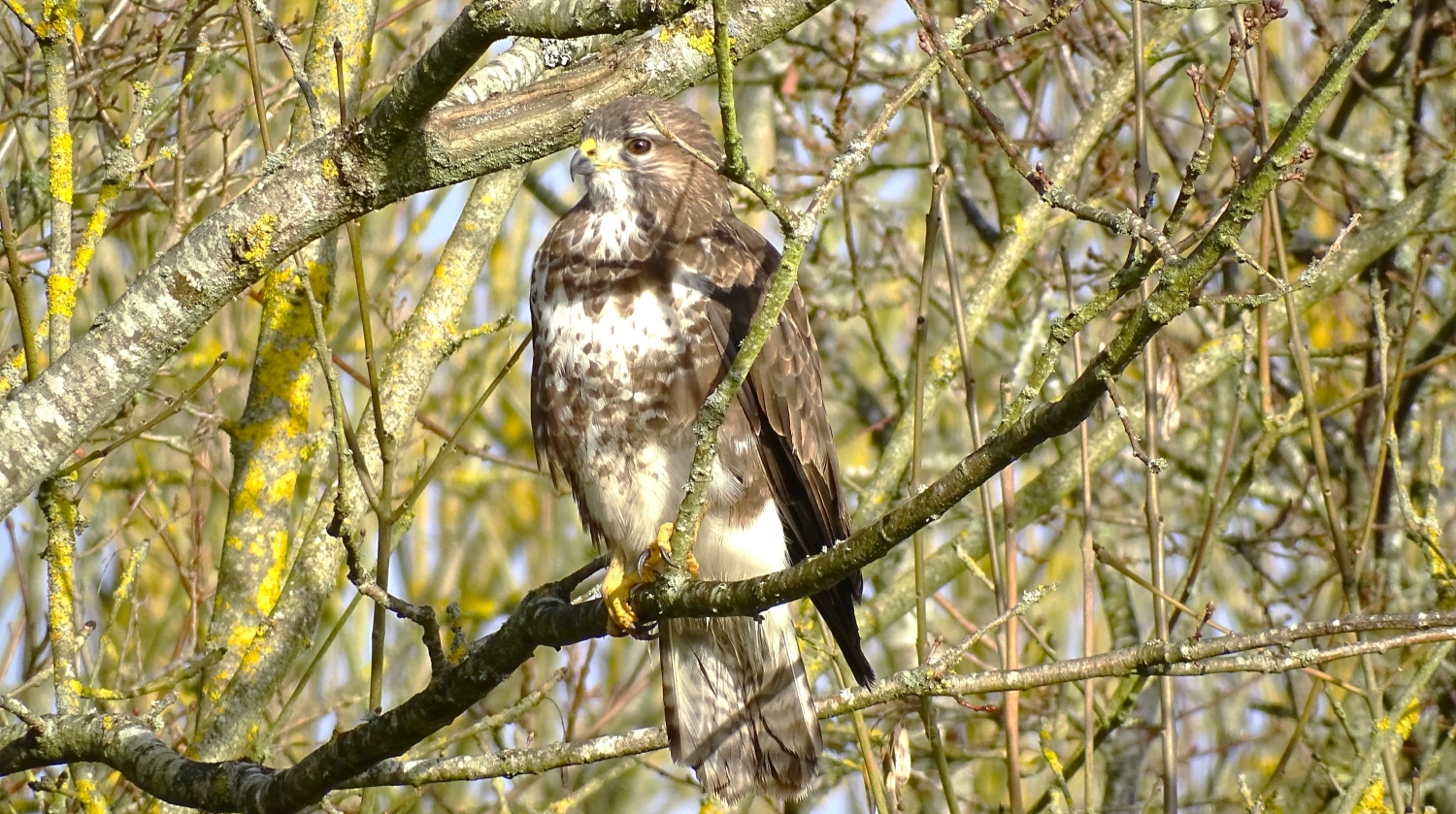
Above: a buzzard photographed in the reserve last week by Philip Knight. And below: a second, much lighter coloured buzzard, this time from regular contributor, Cheryl Cronnie.
Buzzards are fiercely territorial so it’s probable that this is a breeding pair. Their territory will cover a much wider area than just our reserve and may contain several different nest sites that they use in successive years.We know that there is one nest site in the trees at the bottom of the field just across the road from our car park but it would be great if they chose a site in our woodland.
If you know of another buzzard’s nest in the area. please let us know

On several occasions in the past ten days, dogs have escaped the reserve through the hedge at the northern boundary of Village Green and chased sheep in the fields beyond.
Continue reading “Sheep worrying”

Wednesday’s work party was treated an unusual exhibition of needle-like hoar frost.
Continue reading
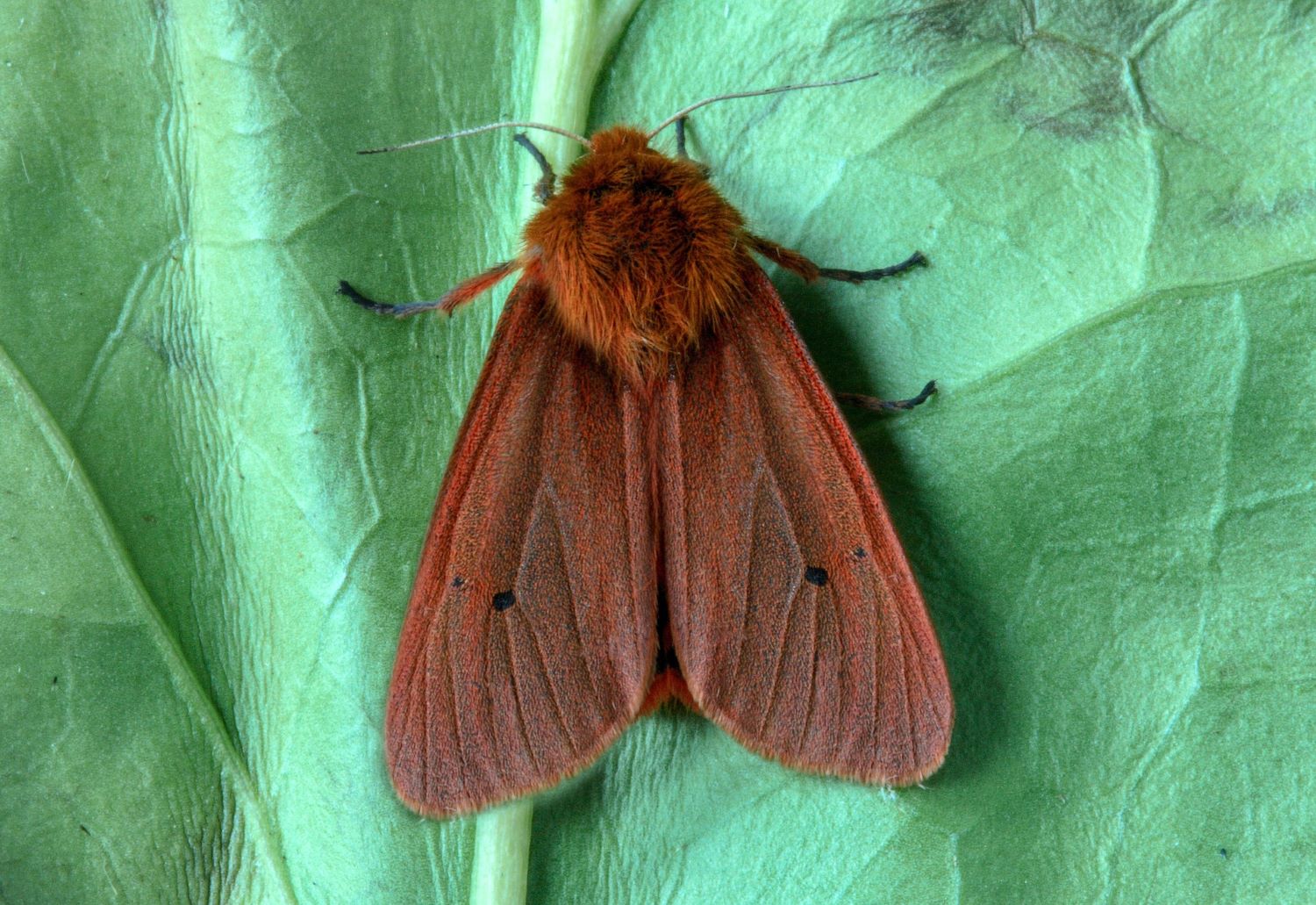
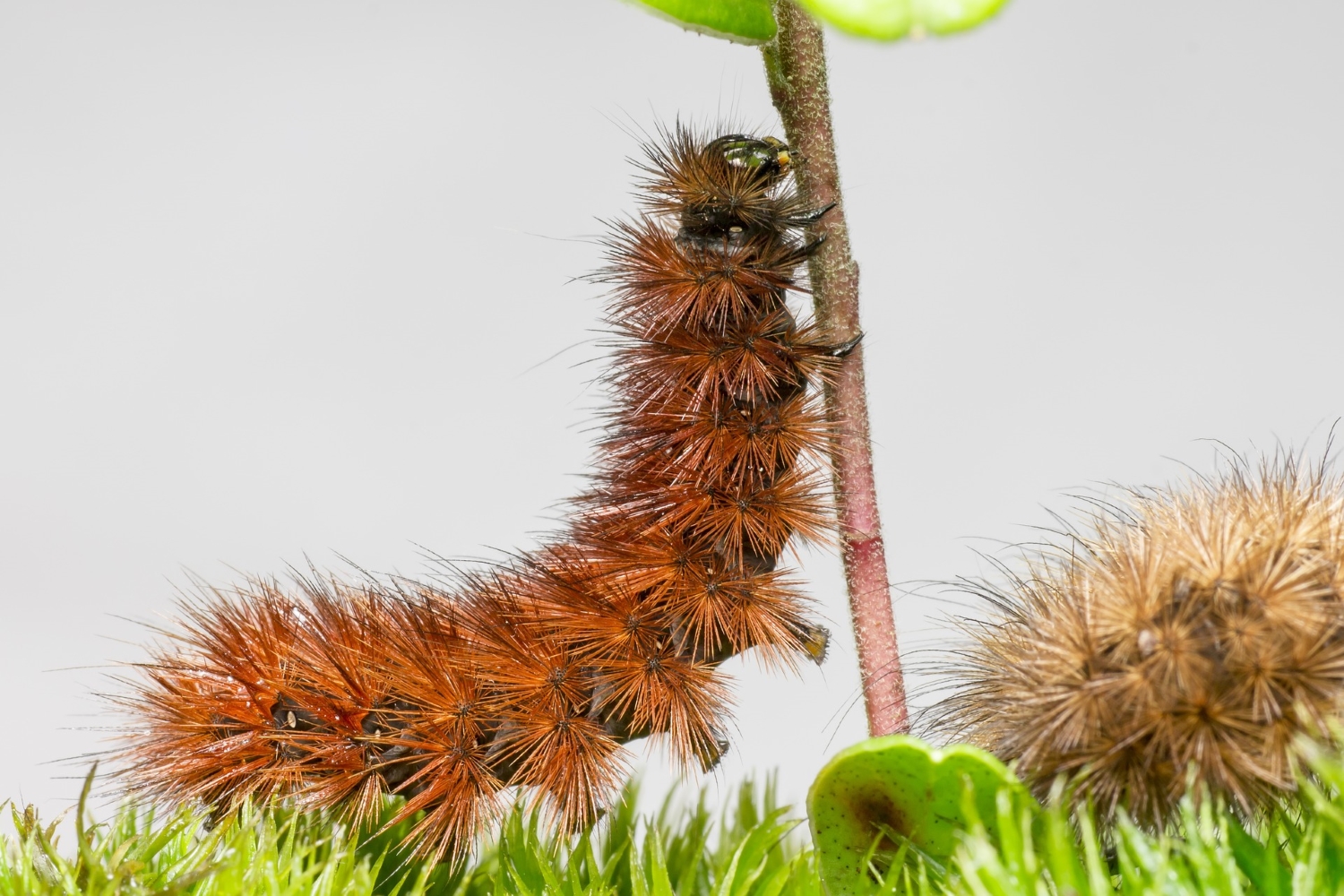
Another expedition into the reserve’s species lists has produced a ruby tiger moth (Phragmatobia fuliginosa) found and identified in the summer of 2021 by our lepidopterist, Hugo Brooke. This is a common day-flying moth, its adult stage so short lived, that it doesn’t feed; its only purpose is to mate and lay eggs on the ragwort, plantain, dock or dandelions on the edge of our woodland.
At this time of year, the ruby tiger is overwintering as a caterpillar, at ground level, among the leaf litter. Its blood contains a natural antifreeze which will have protected it through our recent sub-zero cold snap.
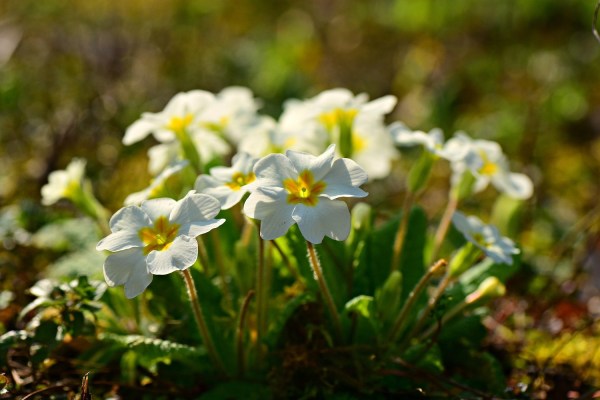
Behind the picnic place at Fiveways, beyond the hedge, is a deep, deep ditch. The Friends have been clearing this ditch, cutting back the old hedges and haloing the oak trees (nos.5503 to 5507) that stand on the far bank. If you look over the bridge where all the paths meet, you will see where they have been working.
Continue reading “Primrose ditch”
Our bluetits are already searching the reserve’s oak trees for nesting sites.
Continue reading
How many species of earthworm are there in the UK?
Continue reading “Earthworms”
After the traumas of COVID-19 and months of lockdown, the NHS has been at pains to tell us how beneficial a walk in the woods is for our mental health. But there are benefits, too, for our physical wellbeing; here, in no particular order, are some of them.
Continue reading “Walk in the woods”
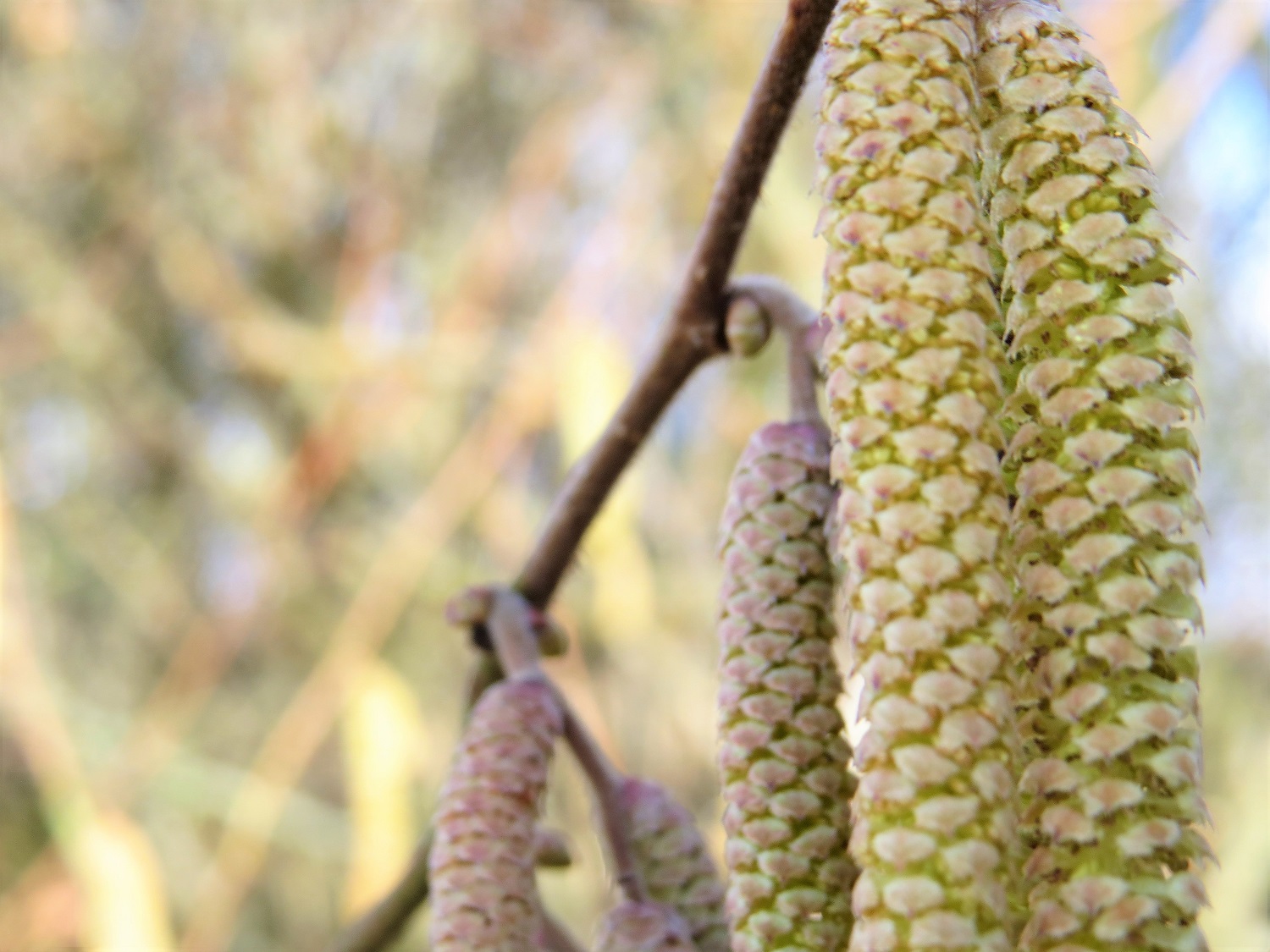
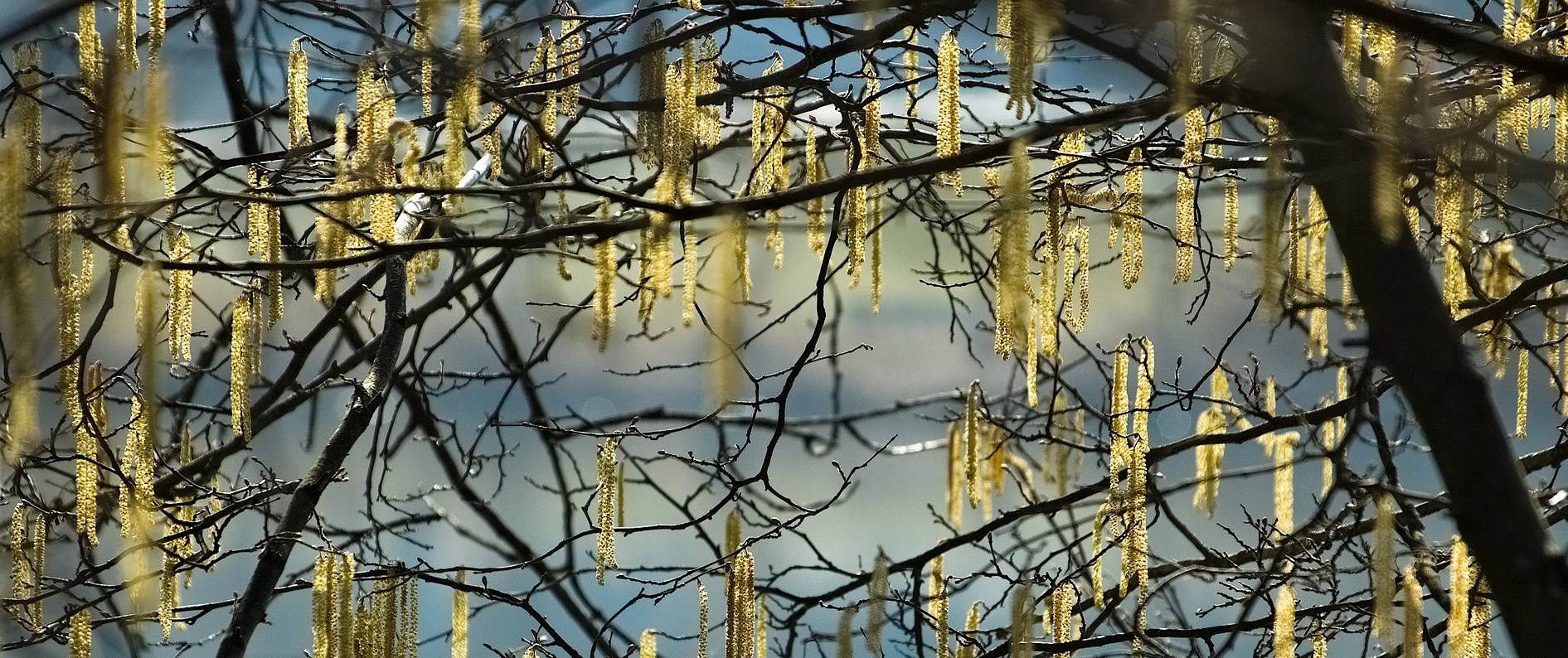
The first flowers, every year, are the hazel catkins in the copse next to the picnic place. Such a welcome sight.




Header image by DKG
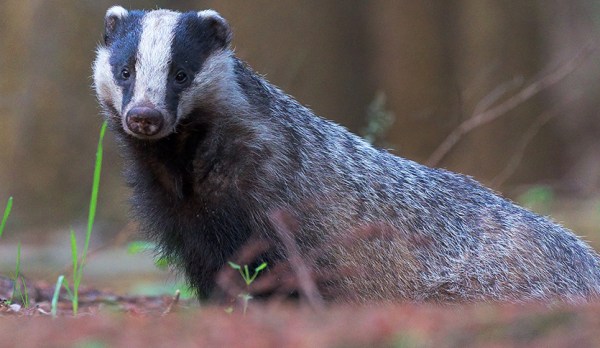
As February begins, at least one of our badger clan’s sows will be either heavily pregnant or nursing up to five newborn cubs.
Continue reading
A veteran oak tree is usually somewhere between 200 and 400 years old. These are trees that have local historical significance or that play important roles in a particular biosphere or landscape. In the reserve we have many notable and veteran oak trees, numbered and mapped.
Continue reading “Haloing oak trees”
A further dive into the depths of our species lists has dredged up a black snail beetle (Phosphuga atrata).
Continue reading
This year, consider making room in your garden for native wildflowers. The easiest and most environmentally friendly way to do this is to let the buttercups, dandelions and hawkbits in your lawn grow tall and flower.
Continue reading “Consider wildflowers”
Tardigrades have been found everywhere in Earth’s biosphere, from the highest mountaintops to the deepest sea and from tropical rainforests to the Antarctic. There are sure to be some, somewhere, in the reserve’s ponds, going quietly about their business.
Continue readingNo post today because there is a technical hitch that I don’t seem to be able to fix. Sorry.
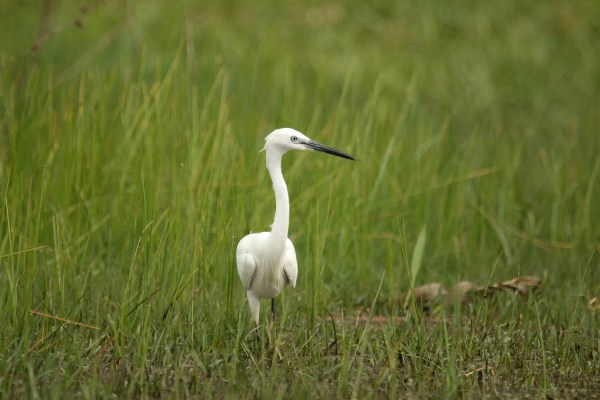
Clive Knight has spotted a little egret in Village Green this week. There is a nesting colony in the woods between Trowbridge and Bradford on Avon and egrets regularly visit the reserve, particularly at this time of year as they make their way back from their winter travels for the breeding season.
Continue reading
There are tawny owls in the park. Here are some tawny owl facts:
click here for tawny owl facts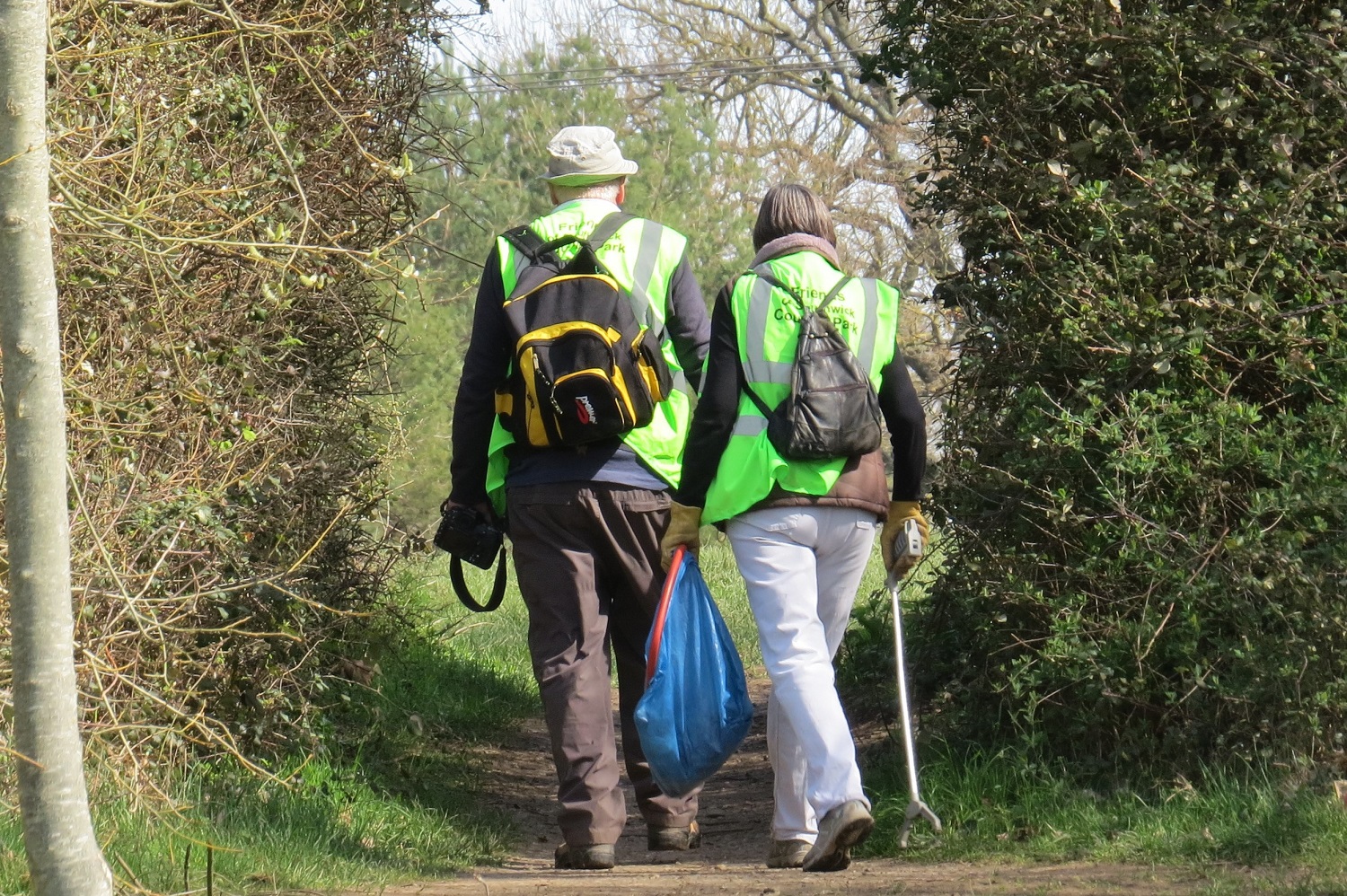



 Southwick Country Park Nature Reserve