Every Christmas, the National Trust publishes a report on the ways in which the year’s weather has affected the UK’s wildlife. This year, after the summer’s extreme drought, we can clearly see some of those effects in the reserve.
Continue reading “Annual report”Turtle doves
It’s Saint Stephen’s Day, the second day of Christmas, when an 18th century carol would send us two turtle doves.
Continue reading “Turtle doves”Mistletoe
What would Christmas be without mistletoe?
Continue reading “Mistletoe”. . . and the ivy
Five things you may not have known about the ivy in your Christmas wreath.
Continue reading “. . . and the ivy”Floodwater
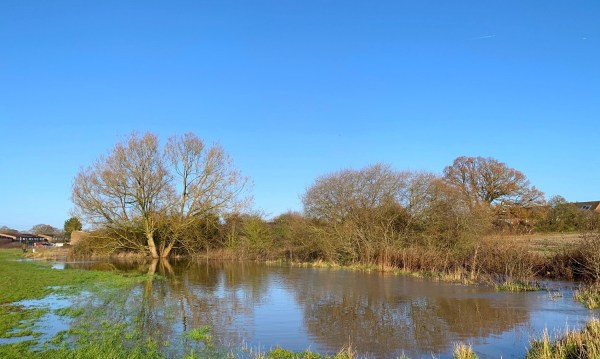
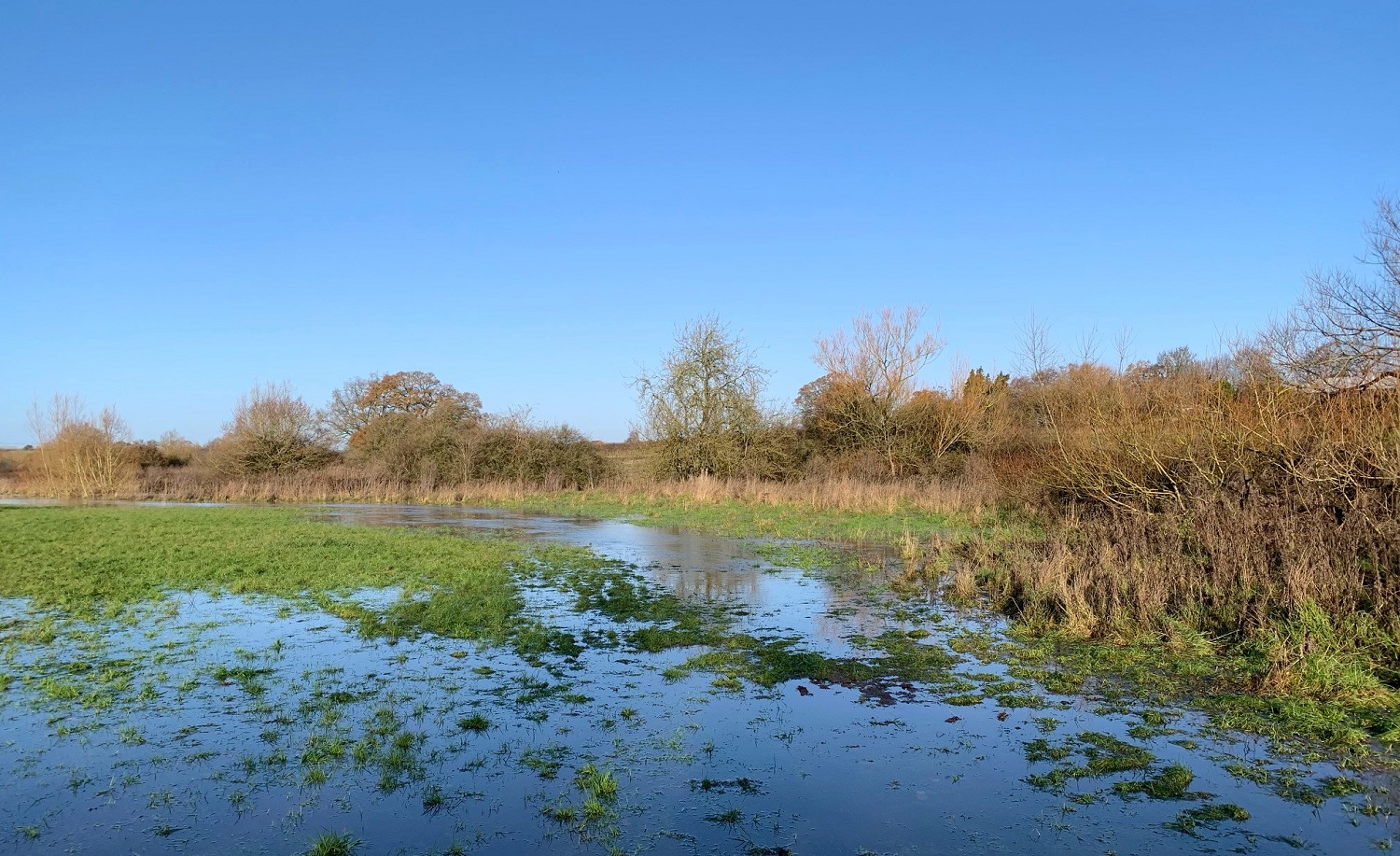
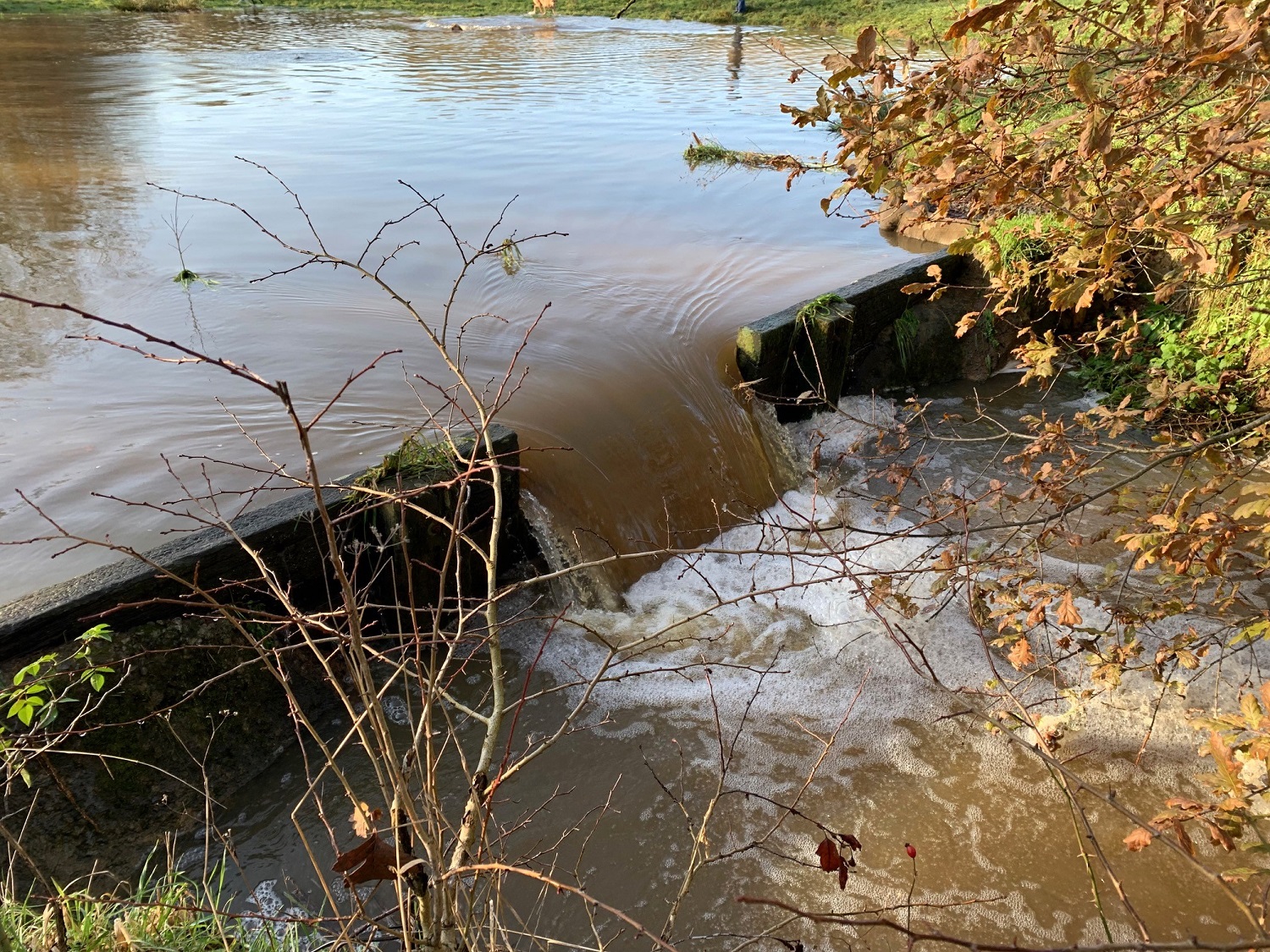
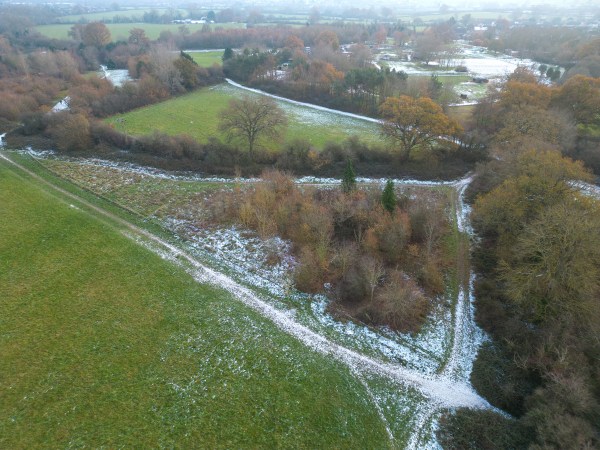
The Lambrok is full to overflowing – nice to see after all those weeks of drought but go carefully.


All images taken in the reserve 20.12.2022 by Clive Knight
Oh, the holly. . .
Over the years the Friends of Southwick Country Park have planted many holly whips in the hedges around the reserve’s fields.
Continue reading “Oh, the holly. . .”MERIPILUS giganteus (Giant Polypore)
by Clive Knight
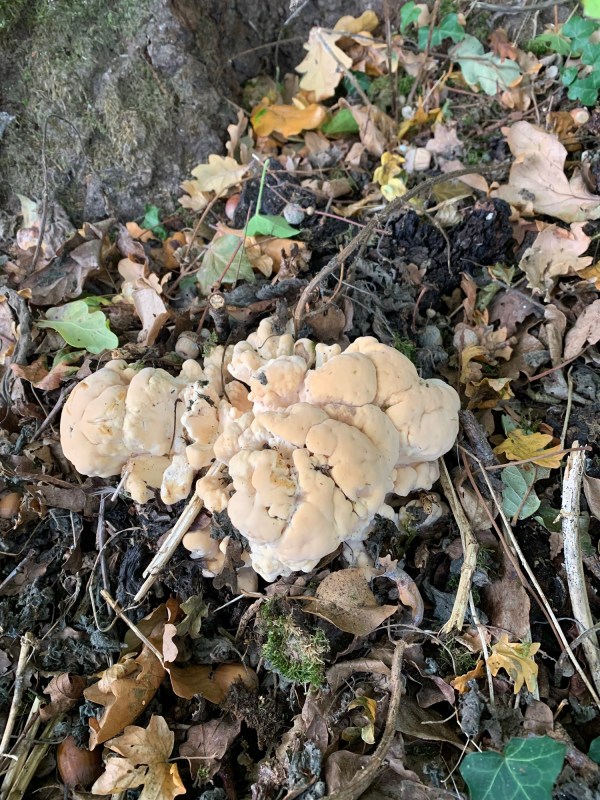
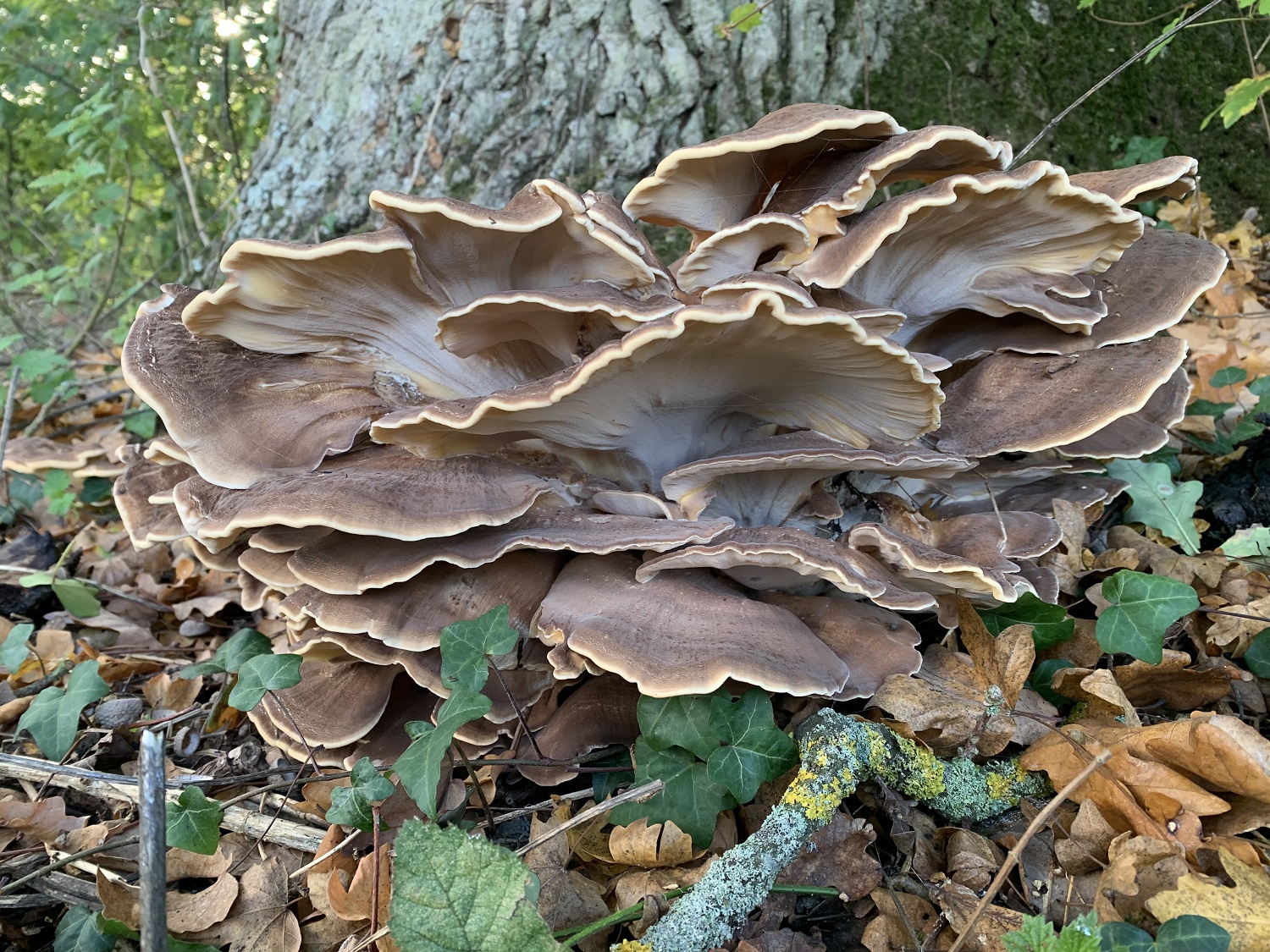
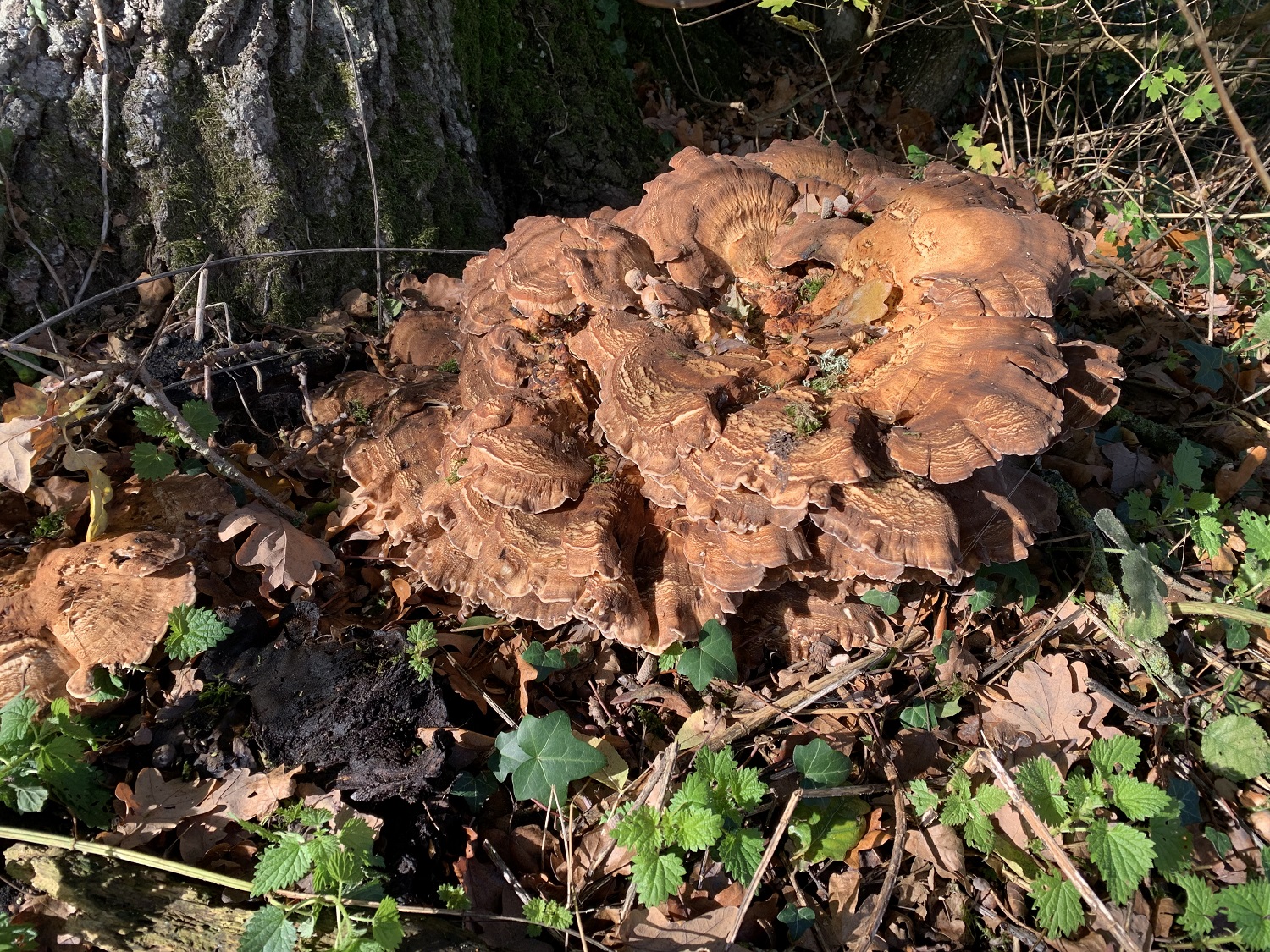
This is the fungus I found at the base of an oak tree in the reserve at the beginning of October. Rich Murphy identified it as a Giant Polypore (Meripilus giganteus). I took the first picture (see above) on October 15th when the fungus was about 10cm across.
Rich and I have followed its progress and photographed it regularly through October, November and up to the 3rd December when it had started to decline. At its fullest it was approx 55cm across by 25cm height.


The winter thrushes
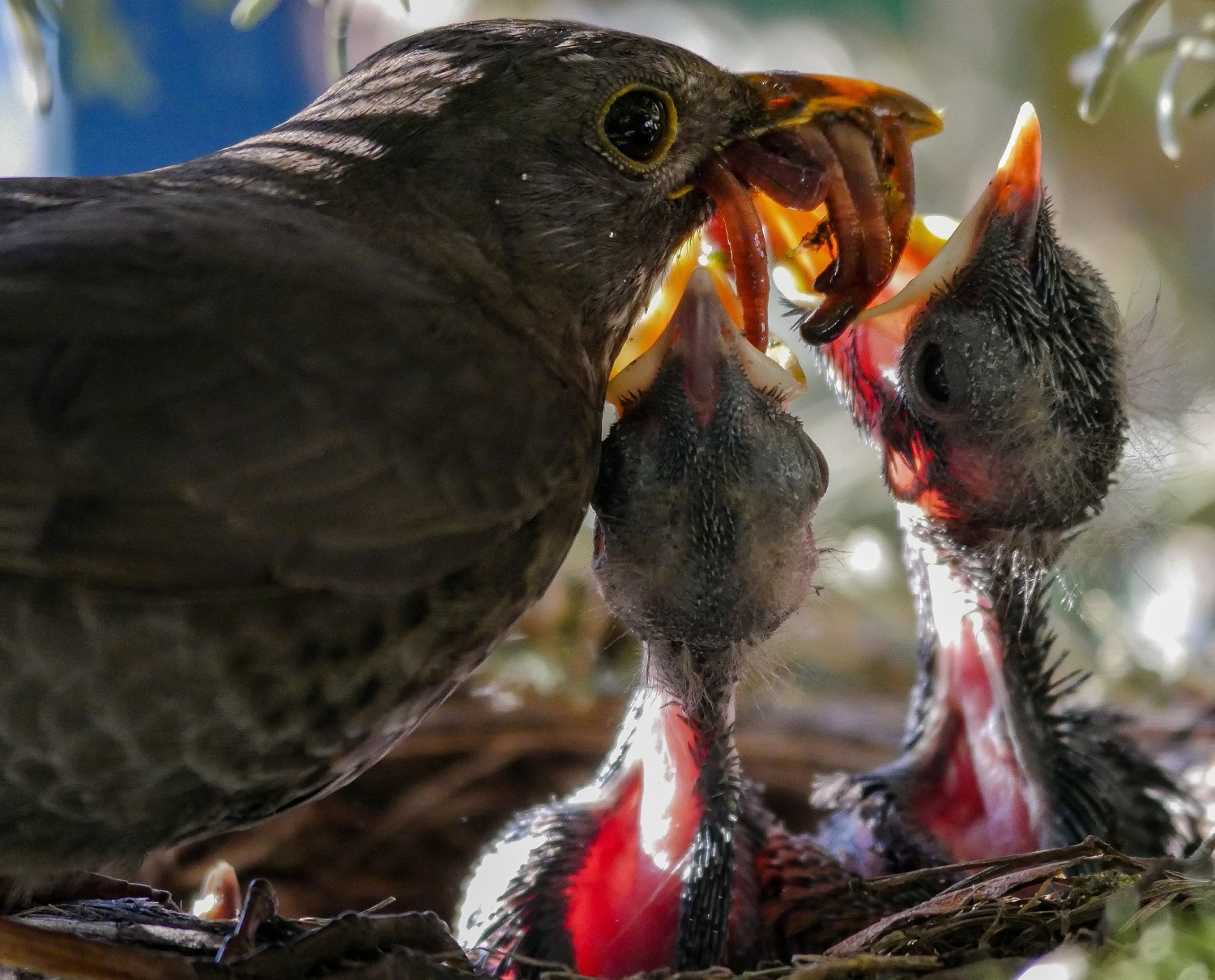
Fieldfare (Turdus pilarus) and redwing (Turdus musicus), migratory thrushes from mainland Europe, are common winter visitors to the park. They are easily confused; here is a video to help you distinguish the two species.
Header picture: Fieldfare (Turdus pilaris) by Teresa Reynolds (CC BY-SA 3.0)
SET-ASIDE
Some years ago, an area at the top of Kestrel Field was set aside from the rest of the field and its agricultural calendar. The reserve would be unmanageable without the help of our tenant farmer, but we also recognise that the twice yearly grass-cut does damage the habitat of some of our wildlife species.
Continue readingJenny Wren
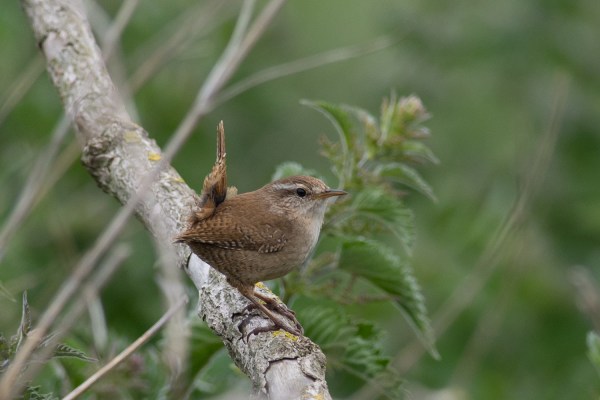
Jenny Wren, the Eurasian wren, Troglodytes troglodytes.
Continue reading “Jenny Wren”Simon Knight, our in-house wildlife photographer, has sent us a long tailed tit huddled against the cold of a frosty morning.
click here to see how such tiny birds cope with these freezing nightsA message from Dorset and Wiltshire Fire and Rescue Service:
“The tragic events in Solihull are an awful reminder of the dangers of going on to frozen ponds, lakes, canals etc. PLEASE keep children and dogs away from these areas as the ice may be incredibly brittle. Make sure you know what to do should the worst happen. Here is a link a page on our website called FROZEN WATER DANGERS“
Fact of the week
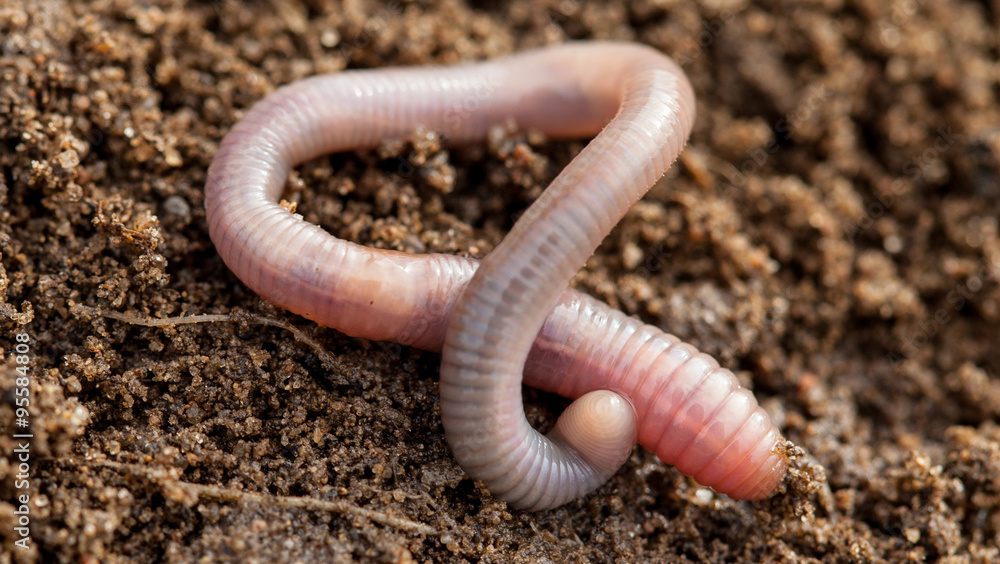
Charles Darwin calculated that there would be 53,000 earthworms in an acre of soil. That number has been adjusted upwards over the years and at the moment stands anywhere between 500,000 and a million. The reserve covers about 140 acres so, even at the lowest of modern estimates, there are 70 million earthworms in the park.


The tragic death of three children in Solihull, has made us think of the dangers of frozen stretches of water in the reserve. Please be careful, keep off the ice, and remember that the new scrape in Lambrok Meadow is more than a metre deep at its centre.
Joan Jones (Chairman FoSCP)
Ash dieback
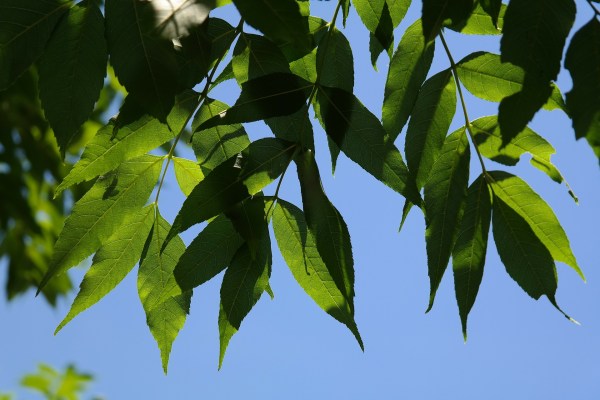
It has been estimated that ash dieback will kill approximately 80% of the UK’s ash trees.
Continue readingTree felling
by Ian Bushell
Our Tree Officer, Rich Murphy, has been running chainsaw monitoring sessions with Clive, Phil and myself to check our competence to fell trees in the reserve. The reserve belongs to the county and they are the people who pay to insure us.
Continue readingCop15
A month ago we had COP27; now we are all the way up to COP15. What is going on?
Continue reading “Cop15”Christmas bird table
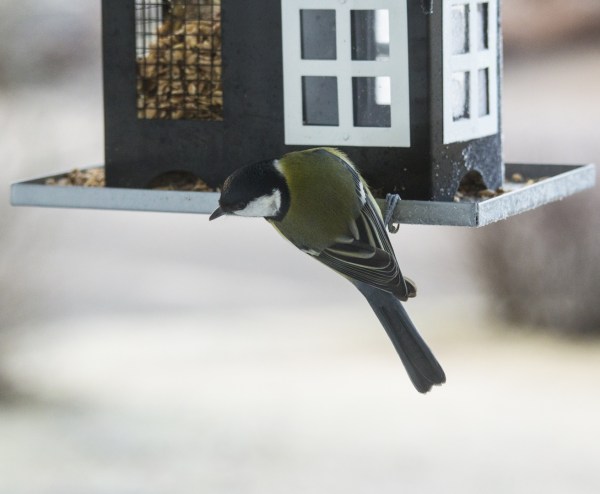
Treat your garden birds with a Christmas bird table. Here are some suggestions:
Continue reading “Christmas bird table”On the winter’s coldest day so far, let’s look back to the summer for a while: here is Simon Knight’s picture of a golden-bloomed longhorn beetle sunbathing among the grass stems.

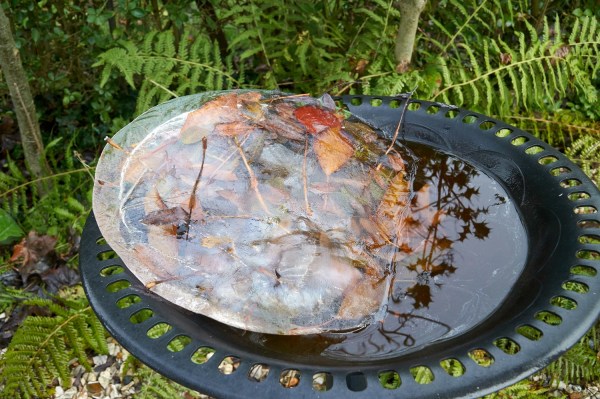
Ice free drinking water
Birds need clean water for both drinking and bathing whatever the weather. We know you put out clean water for your garden visitors during the drought but please don’t forget they will need the same support as the temperature falls and natural sources of water freeze over.
Continue readingSWCK54
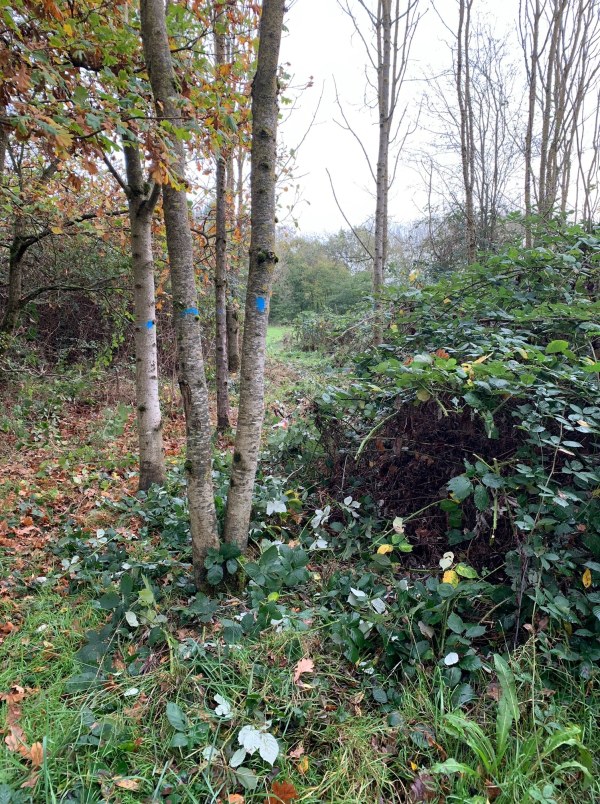
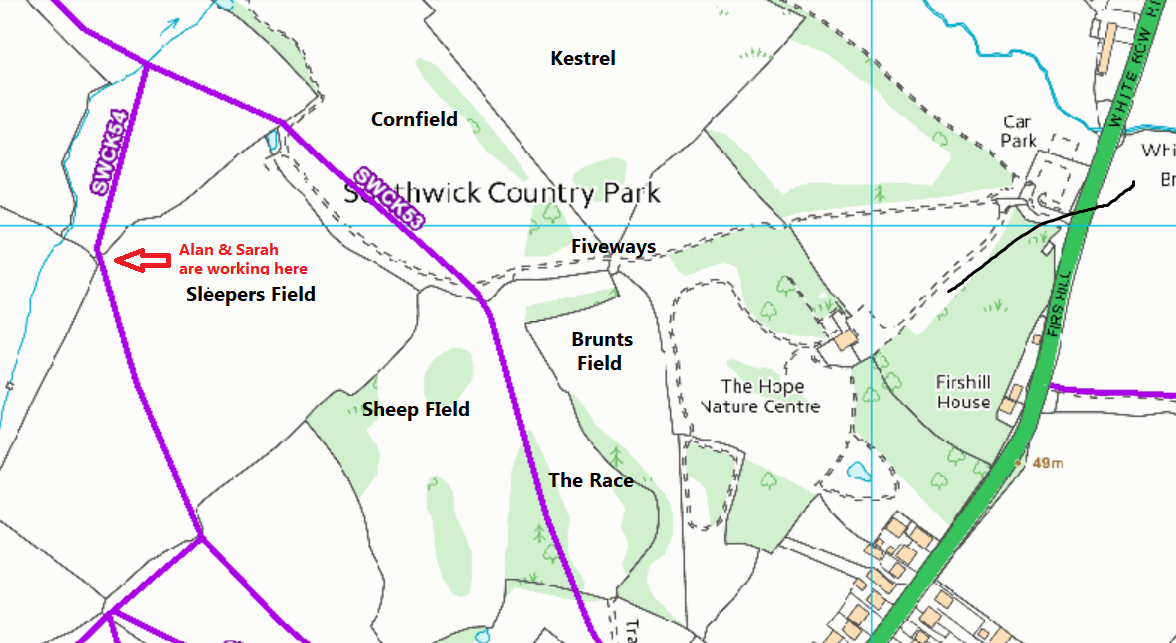
There are two public footpaths that cross the reserve: SWCK53 and SWCK54.
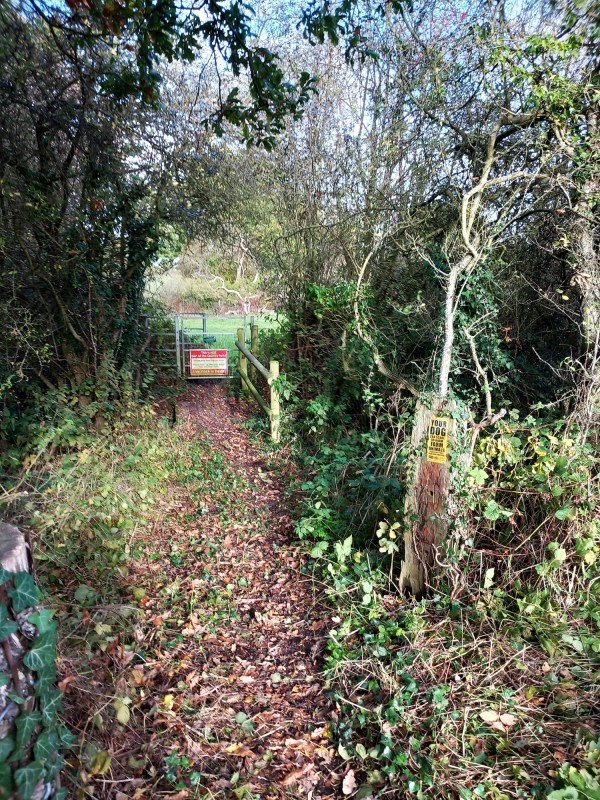
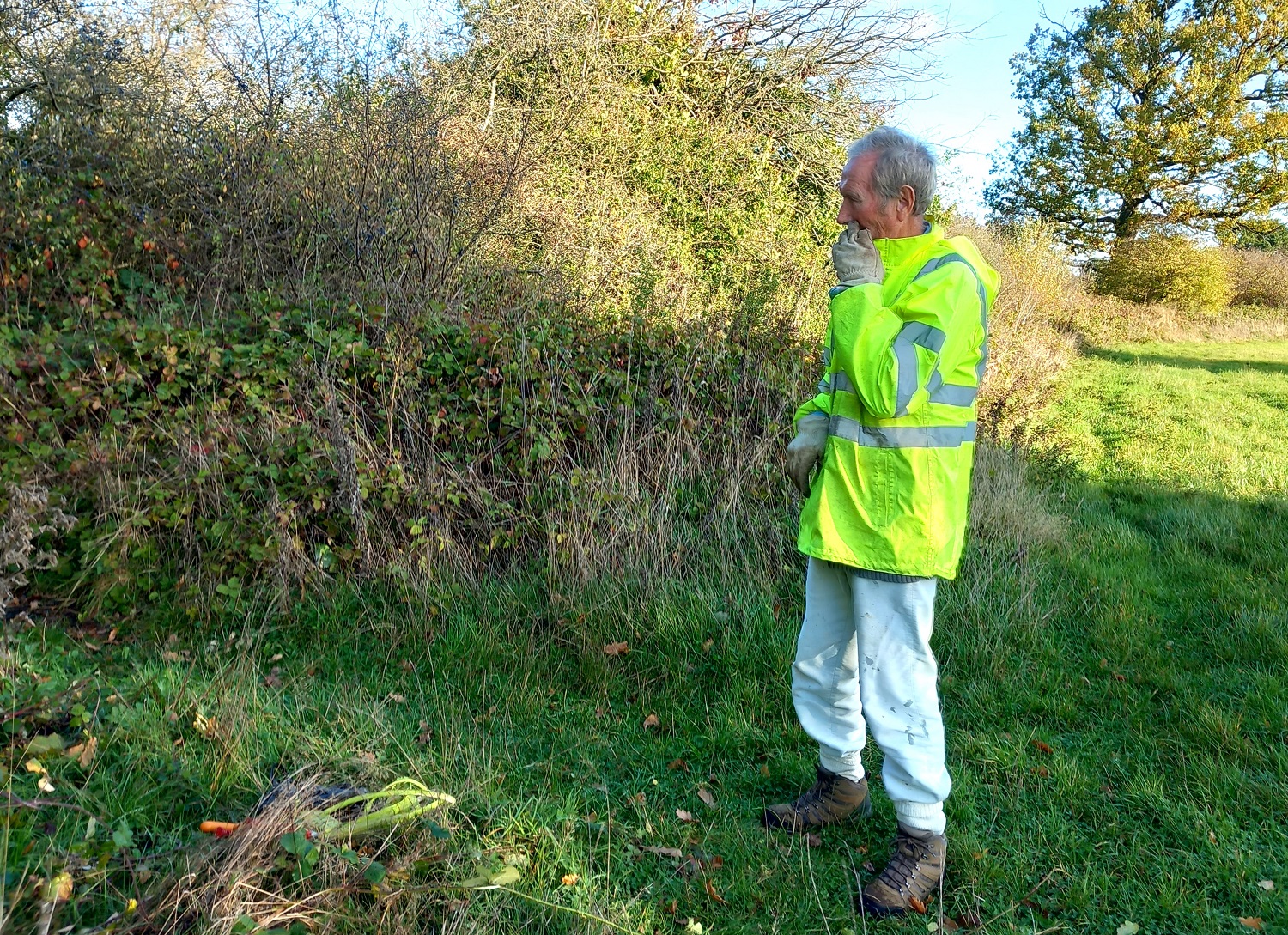
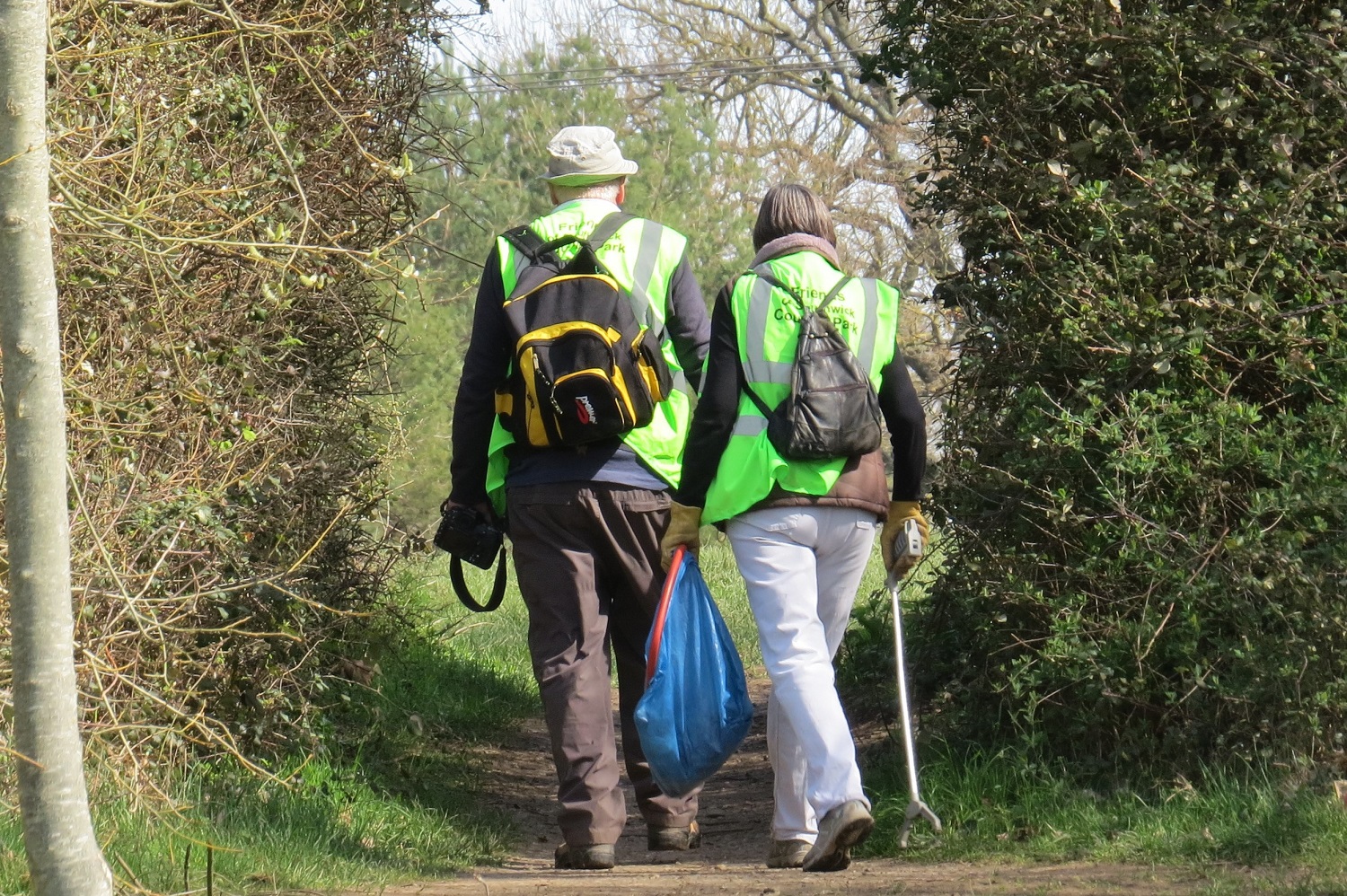
Alan and Sarah, long-term Friends of Southwick Country Park, have been clearing SWCK54 where it exits the reserve through a kissing gate on the north west side of Sleepers and heads to Wingfield. Hard work maintaining a public right of way among the overgrown brambles and nettles – thank you.


Frosty weather
The week ahead is promising falling temperatures and a hard frost. How will this affect the reserve’s flora?
Continue readingChristmas tree
Which is the greener option when it comes to Christmas trees: real or artificial? A real Christmas tree is a beautiful and traditional addition to our commercialised modern Christmases but it comes with a frisson of guilt. Should we be cutting down trees at a time when our struggling planet and its biosphere need all the trees they can get? Fear not; the news is good.
Continue reading “Christmas tree”