This post was first published in June 2019
A queen wasp (Vespula vulgaris) in the hedge in Sleepers Field.
Continue reading “Queen wasp”
This post was first published in June 2019
A queen wasp (Vespula vulgaris) in the hedge in Sleepers Field.
Continue reading “Queen wasp”
by Simon Knight
At this time of year I can begin to indulge in one of my favourite areas of wildlife photography – macro photography. Viewing the world through a macro lens reveals a whole new environment and details that would otherwise be missed.
Continue reading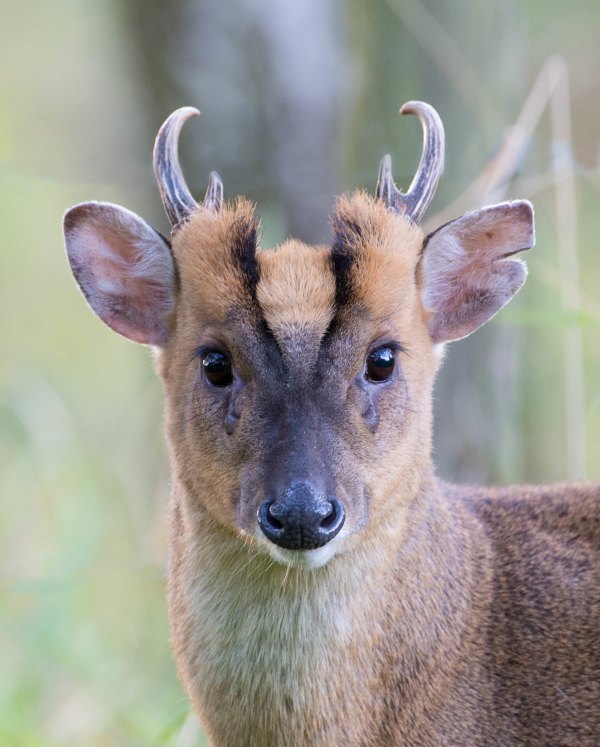
A message this week from Julie Newblé:
I didn’t get pictures but I spotted a muntjac this morning at Fiveways, by the picnic area. It went across the crossroads, from Brunts to the small triangular field with the oak tree swing.
Continue reading “Muntjac”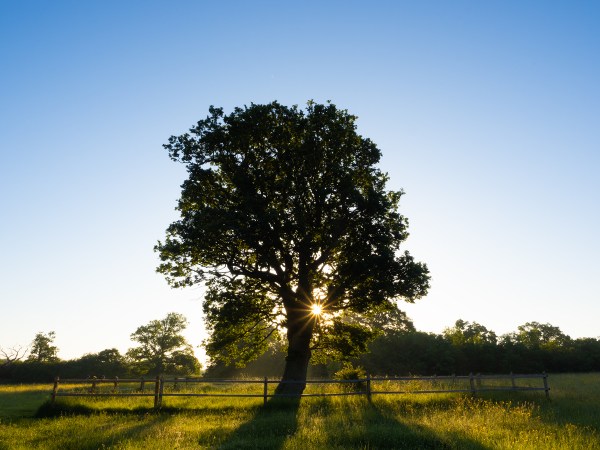
Last weekend, we stirred up a hornets’ nest with two posts (here and here) about out-of-control dogs in the reserve. There have been so many comments, messages and mails from park-goers and dog owners, all of them pertinent, that we feel we should summarise the situation.
Continue reading “Summary”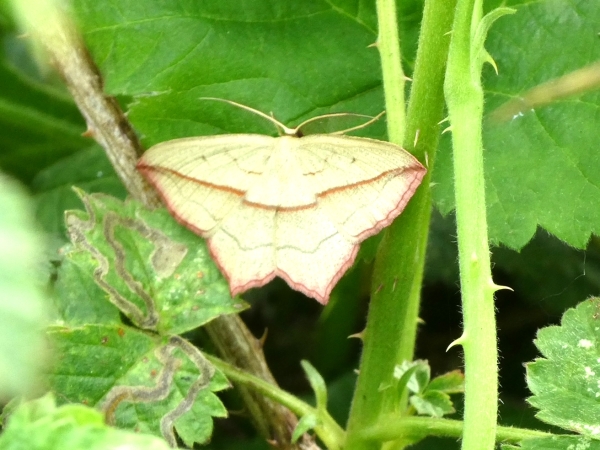
A blood vein moth photographed in the reserve by Clive Knight
Continue reading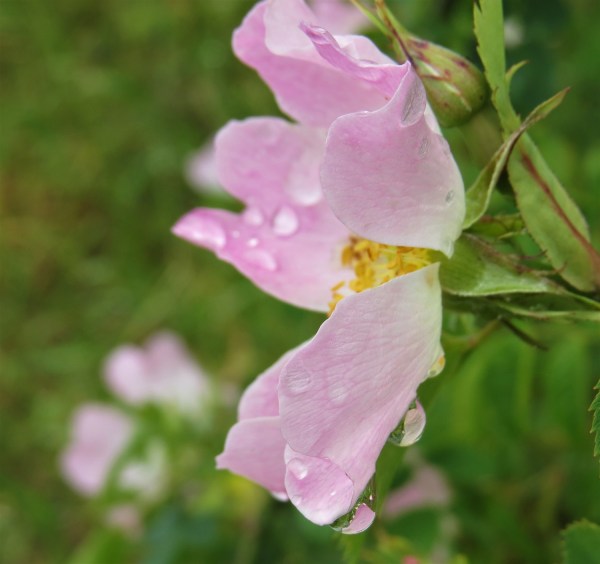
Dog, used as an adjective, as in dog’s mercury or dog Latin, can be disparaging: it means something is not quite the real thing. But dog rose is a direct translation of the Latin, Rosa Canina, so named in classical times because the root of the dog rose was believed to be a cure for the bite of a mad dog.
Continue reading “Rosa canina”
The Odonata season is with us. Here are pictures of azure damselflies, male and female, (Coenagrion puella) taken in the reserve by Clive Knight.


Conservation status: common and widespread


by Simon Knight
The weekend of May 21st and 22nd was pretty special for me in the reserve.
Continue reading
The record breaking swifts are back from their winter feeding grounds.
Continue readingThanks to all who took part in the weekend’s very informative and civilised discussion about dogs and their owners in the reserve. In this age of ill-mannered and often anonymous online rage and blame, we appreciated everybody’s restraint as they made their points. We will make sure that all your comments reach Wiltshire County’s Countryside Team and we will return to the subject during the week. Thank you again.
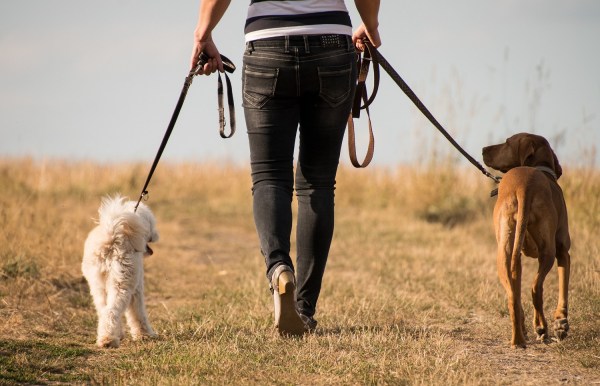
In response to Simon Knight’s account, yesterday, of being attacked by an out-of-control dog, Sarah Gould left this long and heartfelt comment on our Facebook page. It reflected so many of our readers’ concerns that we have decided to publish it in full.
Read on for Sarah’s comment
We have received from Simon Knight, our wildlife photographer, a very disturbing report of what we can only describe as an attack by an out of control dog.
Read on for Simon’s report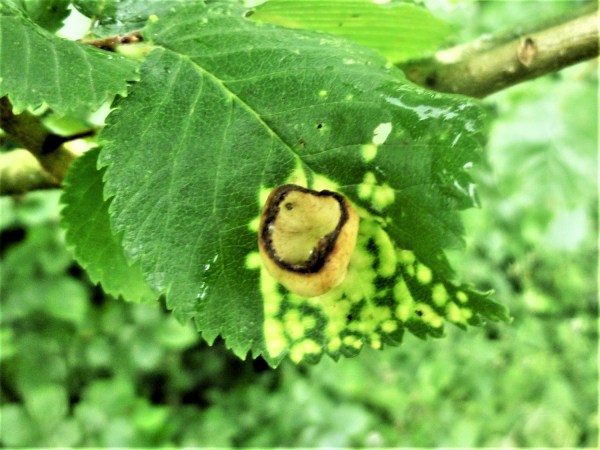
This is a fig gall on an elm leaf in the hedge between Sleepers and Cornfield. It is caused by Tetraneura ulmi, an elm-grass root aphid with a very complicated and quite astonishing life cycle.
Continue reading “Fig gall”
A willow warbler (Phylloscopus trochilus) photographed in the reserve by Cheryl Cronnie.
Audio: Willow Warbler by Stephen Barlow (CC BY-NC-SA 4.0) xeno-canto.org
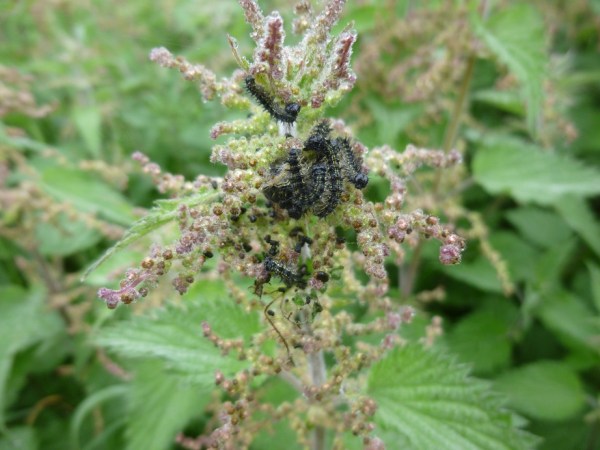
The female small tortoiseshell butterfly lays her eggs on nettles. Every year there are small tortoiseshell caterpillars somewhere among the nettles next to the path as you walk up the hill through Simpson’s Field.
Continue reading “Small Tortoiseshell Caterpillars”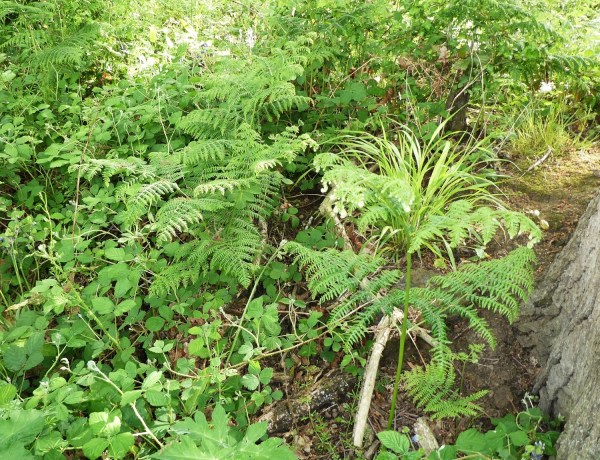
This week, bracken has been identified for the first time in the reserve, in the corner of Sheep Field, under the oaks.
Continue reading “Bracken”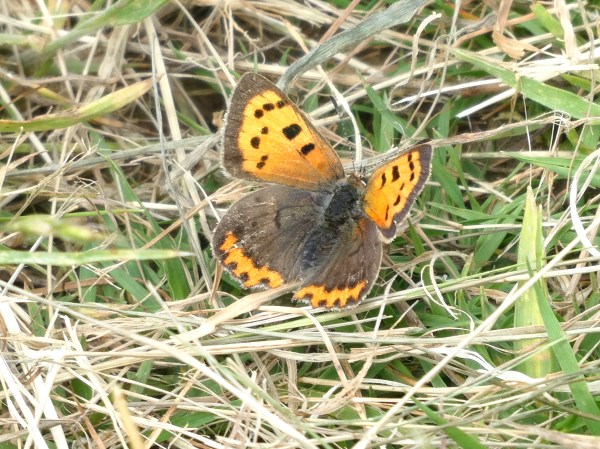
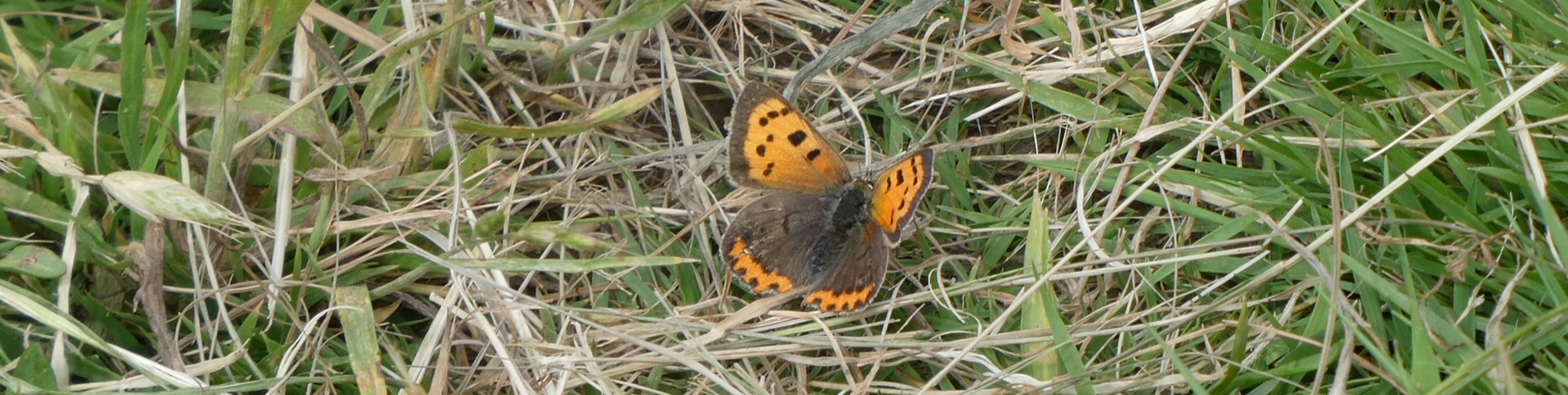
A small copper (Lycaena phlaeas) photographed in the reserve at the weekend by Clive Knight.

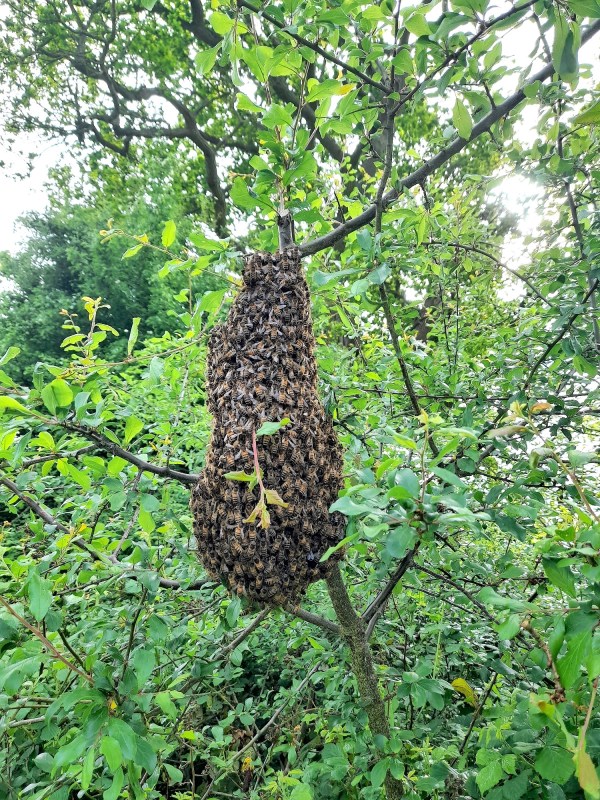
On Friday afternoon the feral honey bee colony in oak tree 5532 swarmed. Julie Newblé found the swarm hanging from a blackthorn branch in the hedge between Puddle Corner and the decorated Bridge and used the last of her phone’s charge to photograph it. In her picture you can just see the swarm’s home tree, oak 5532, in the background.
Continue reading “Swarm”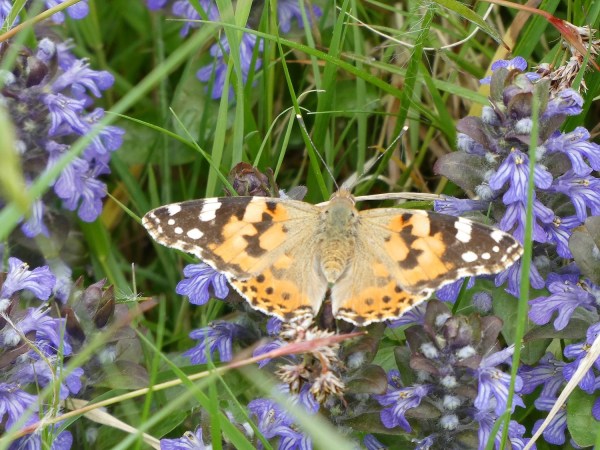
The warm weather has woken up the reserve’s invertebrate inhabitants and set them about their business. Here are half a dozen that the Friends have met and photographed this week.
Continue reading
Clive Knight has discovered and photographed a new species of fly in the reserve. He writes:
Continue reading “New species”
Clive Knight has photographed a great tit at its nest site in one of the reserve’s oaks.
Continue reading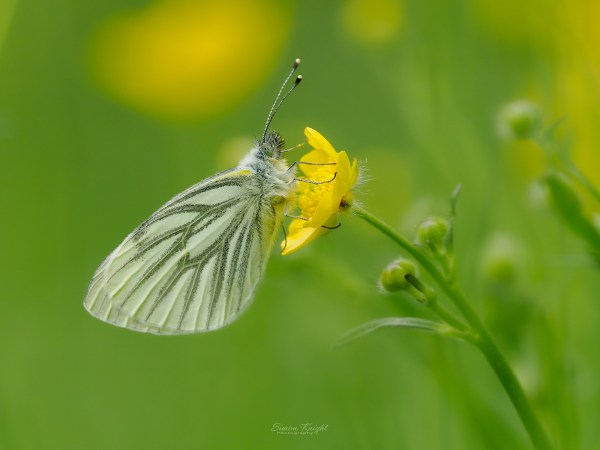
by Simon Knight
There’s not a huge amount of easy-to-spot insect life at the moment. There will be the odd butterfly or two about: speckled wood, peacock, brimstone, small white, comma, green-veined white and holly blue. I managed to photograph this perfect male green-veined white in the picnic area whilst deliberating over whether to continue to feed the birds in the picnic area.
Continue reading
A song thrush singing from its perch right at the top of one of the reserve’s oak trees, photographed by Ian Bushell.
Song Thrush (Turdus philomelos) recorded by David Bisset (CC BY-NC-SA 4.0) xeno-canto.org
by Ian Bushell
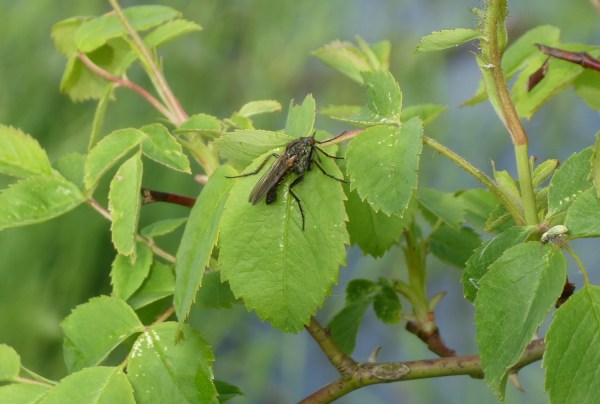
I photographed this fly by the pond on Saturday. It’s Empis tessellata, one of the larger species of Dance or Dagger Flies. It can be seen from April to August.
Continue reading “Dagger Fly”
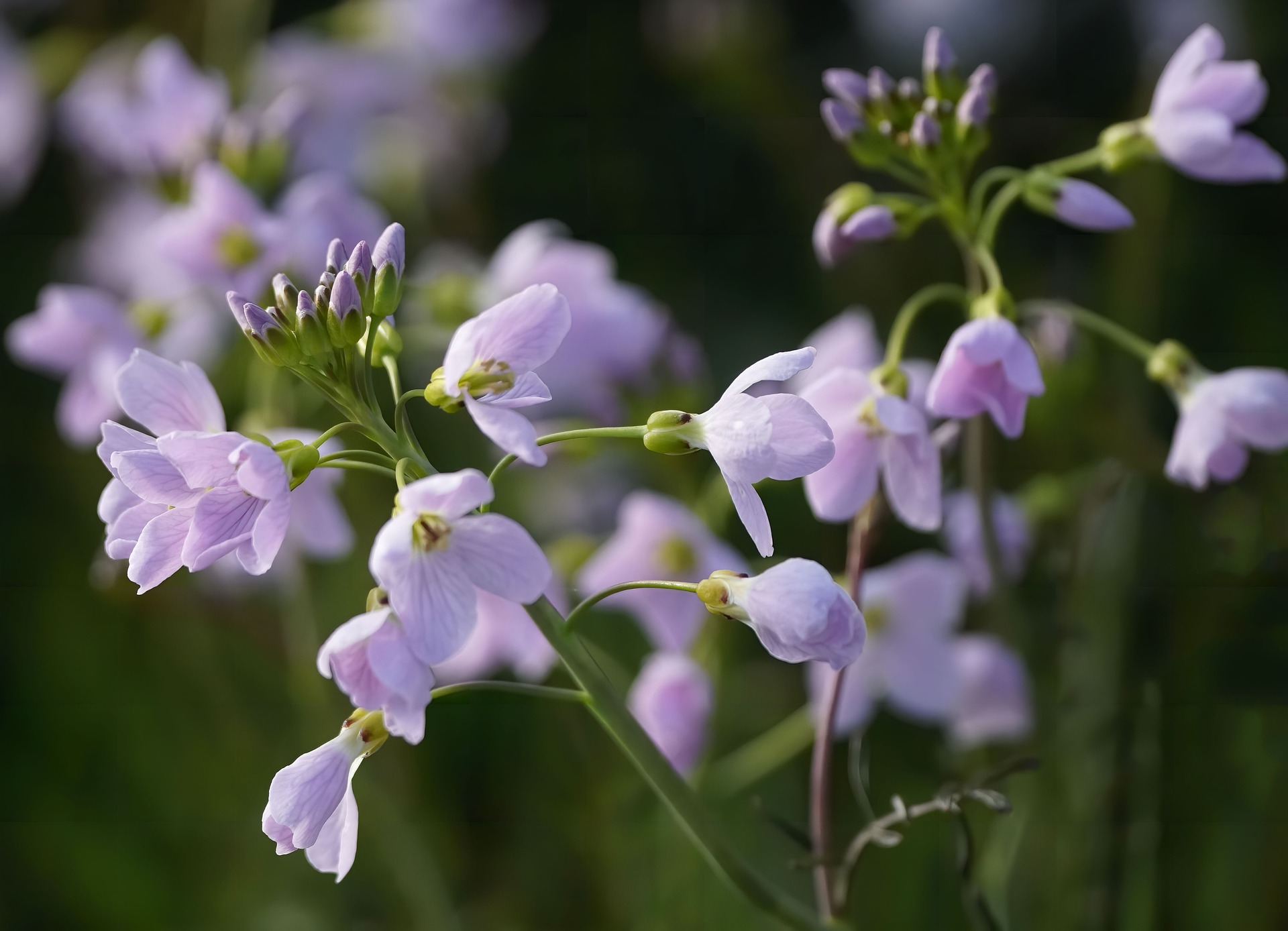
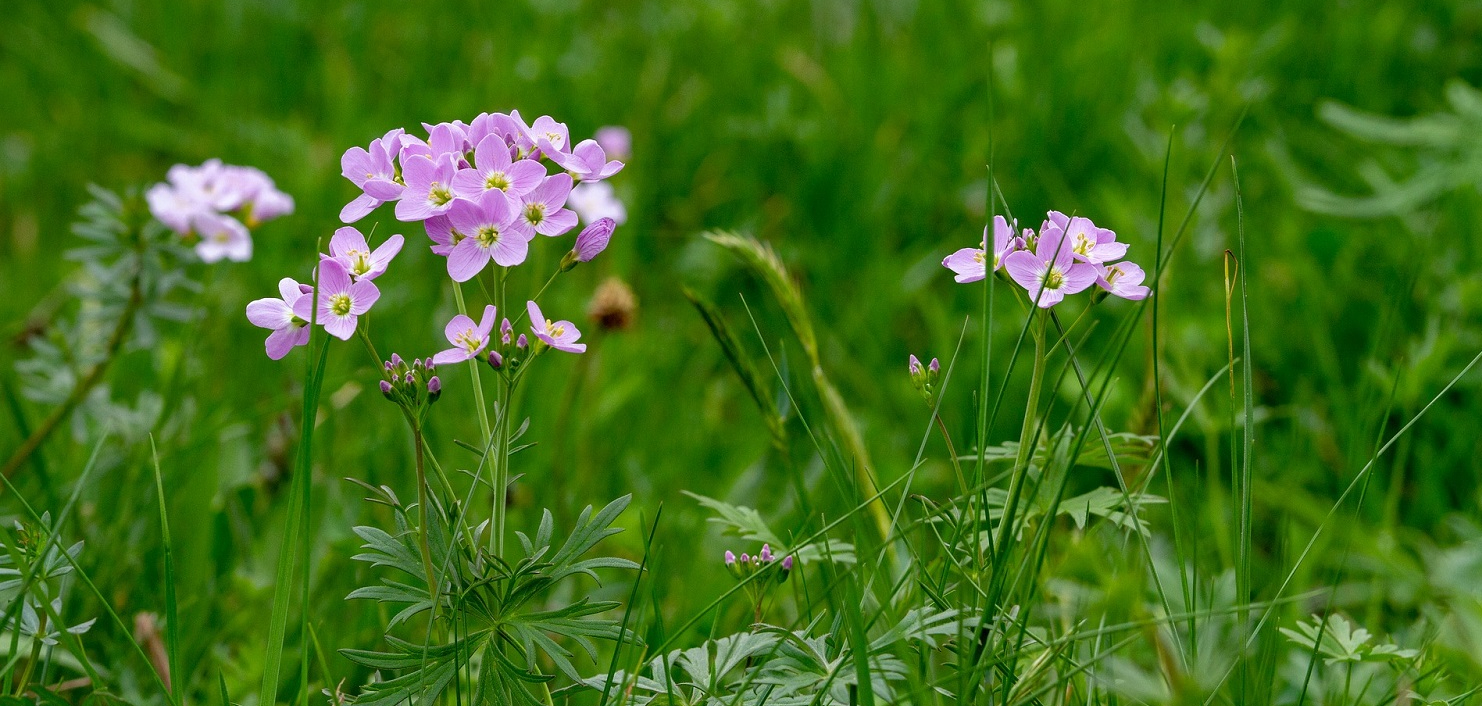
Scientific name: Cardamine pratensis
Family: Brassicaceae
Common names: lady’s smock, milkmaids
Habitat: damp grassland
Conservation status: least concern, common and widespread.



 Southwick Country Park Nature Reserve